Labor Day weekend traffic might be a touch lighter this year, with hotel bookings down 65% compared to last year.
Why it matters: America's hotels are on life support as the coronavirus pandemic drags on, with hundreds of billions of dollars in revenue and some 2 million jobs at stake.
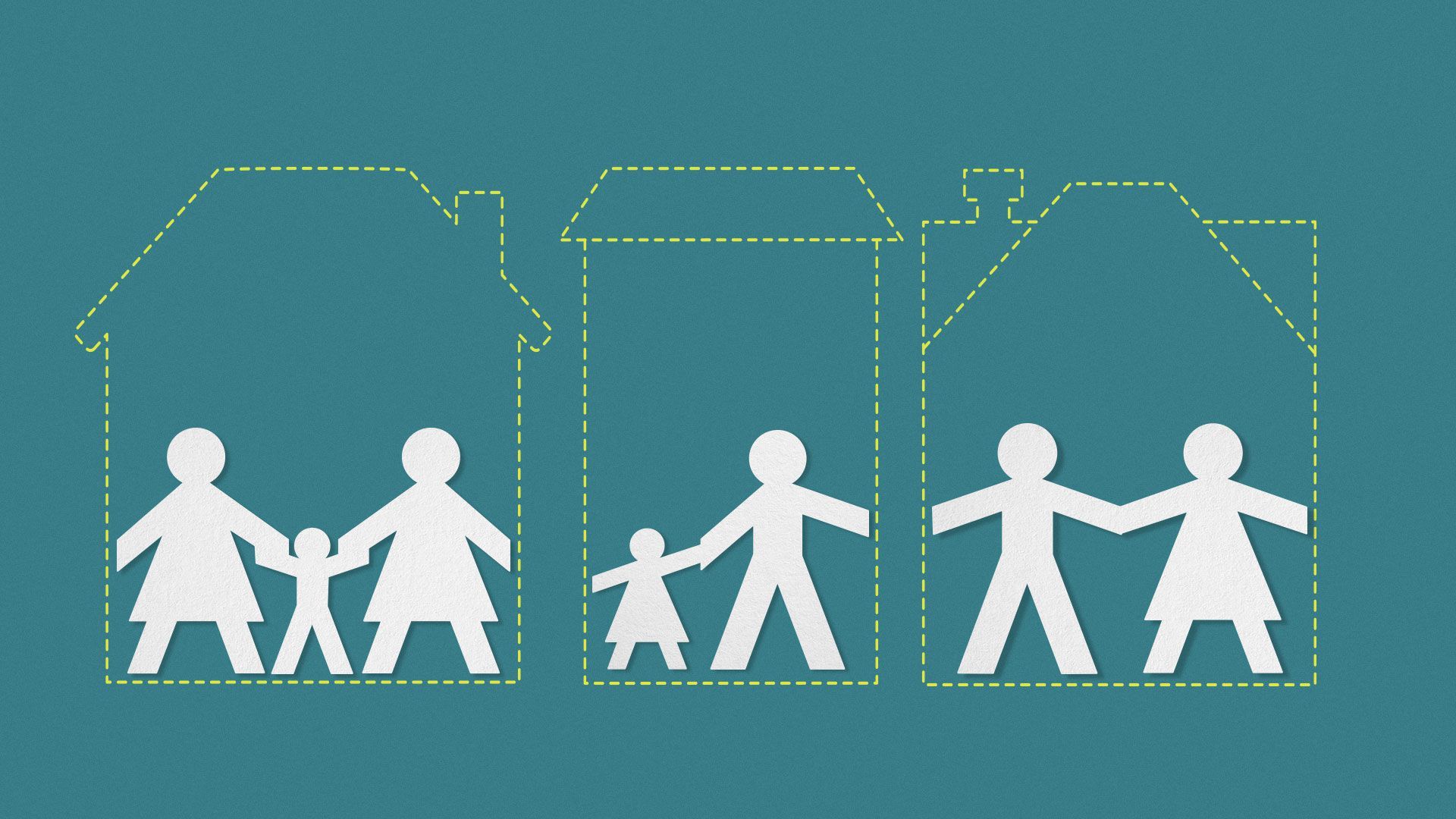
A higher percentage of young adults in the U.S. are living with their parents now than they were at the end of the Great Depression, according to Pew Research data released Friday.
Why it matters: The data suggest that the economic uncertainty and continuing unemployment brought on by the coronavirus pandemic are pushing more young adults to move in with their parents.
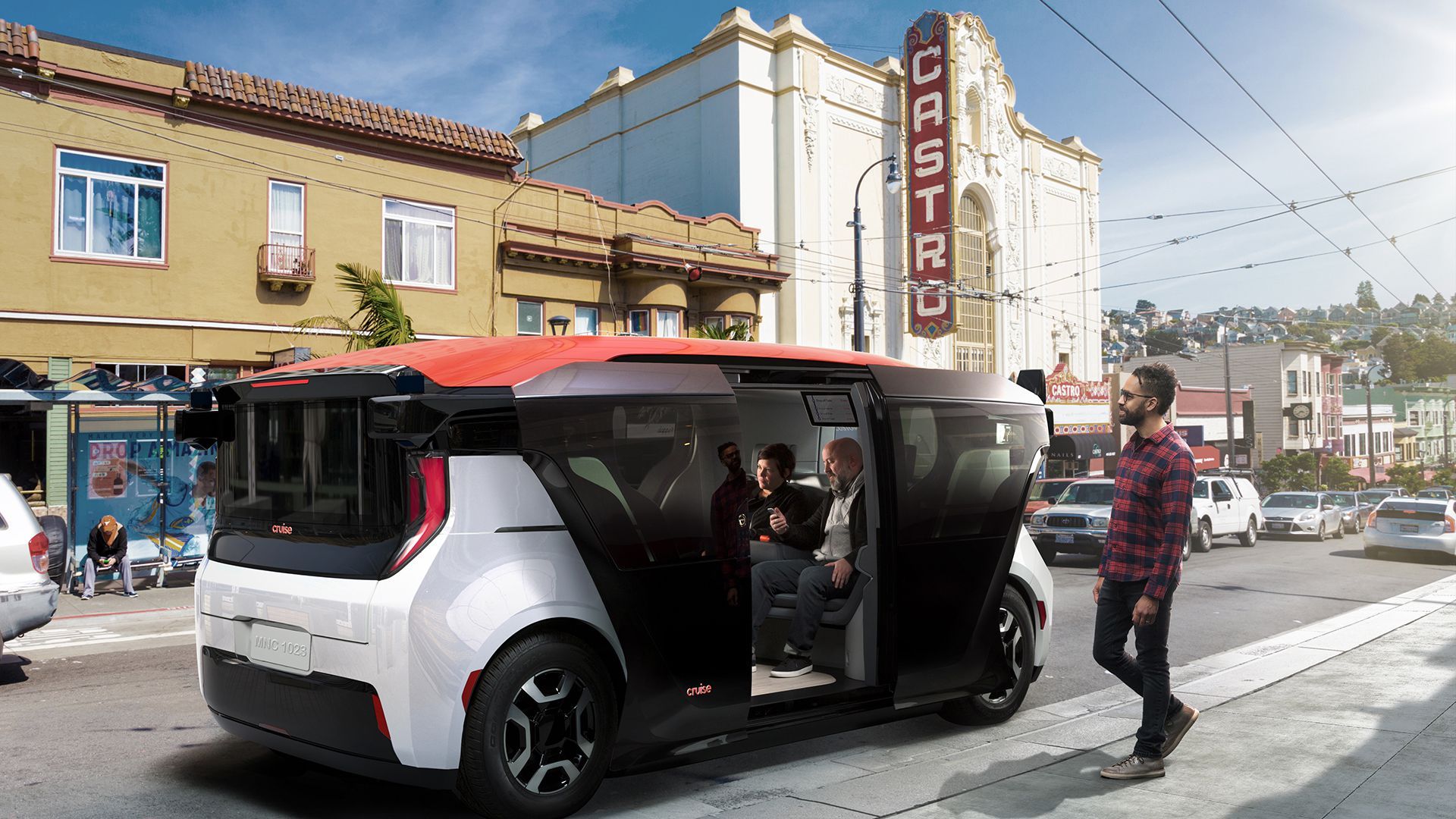
In a sign of the times, GM and Honda said this week they're looking to develop more vehicles together, sharing platforms and propulsion systems across their product lineups in North America.
Why it matters: Automakers have already been forming strategic alliances to collaborate on expensive technologies like connected, self-driving electric cars. But the pandemic has taken a heavy toll on the industry, heightening the need for cost savings on core products, too.
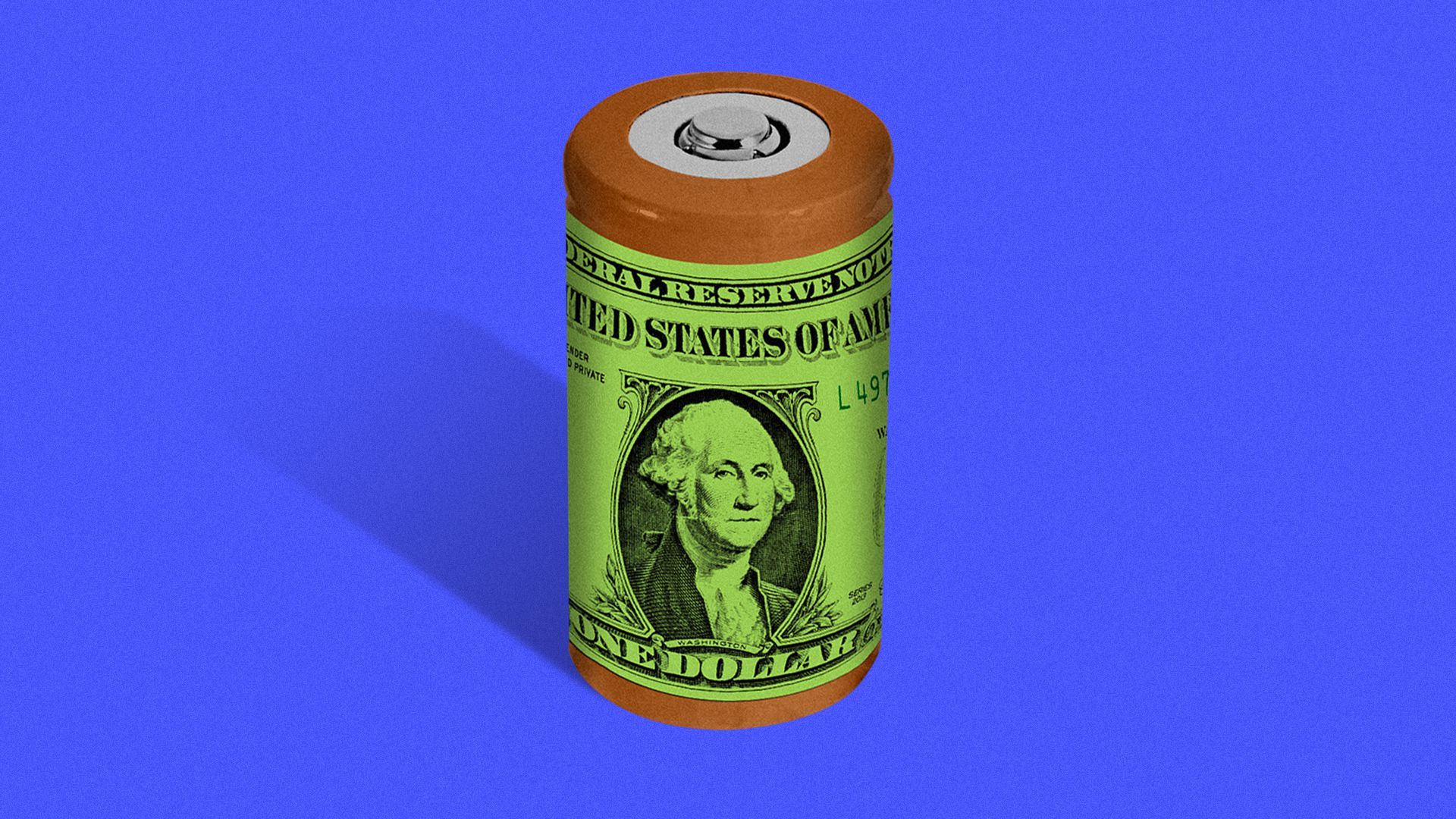
Yet another transportation startup plans to take the shortcut to an IPO and this time, it's a battery company.
What's happening: QuantumScape, a battery startup backed by Volkswagen and Bill Gates, said on Thursday it plans to go public through a reverse merger with Kensington Capital Acquisition Corp.
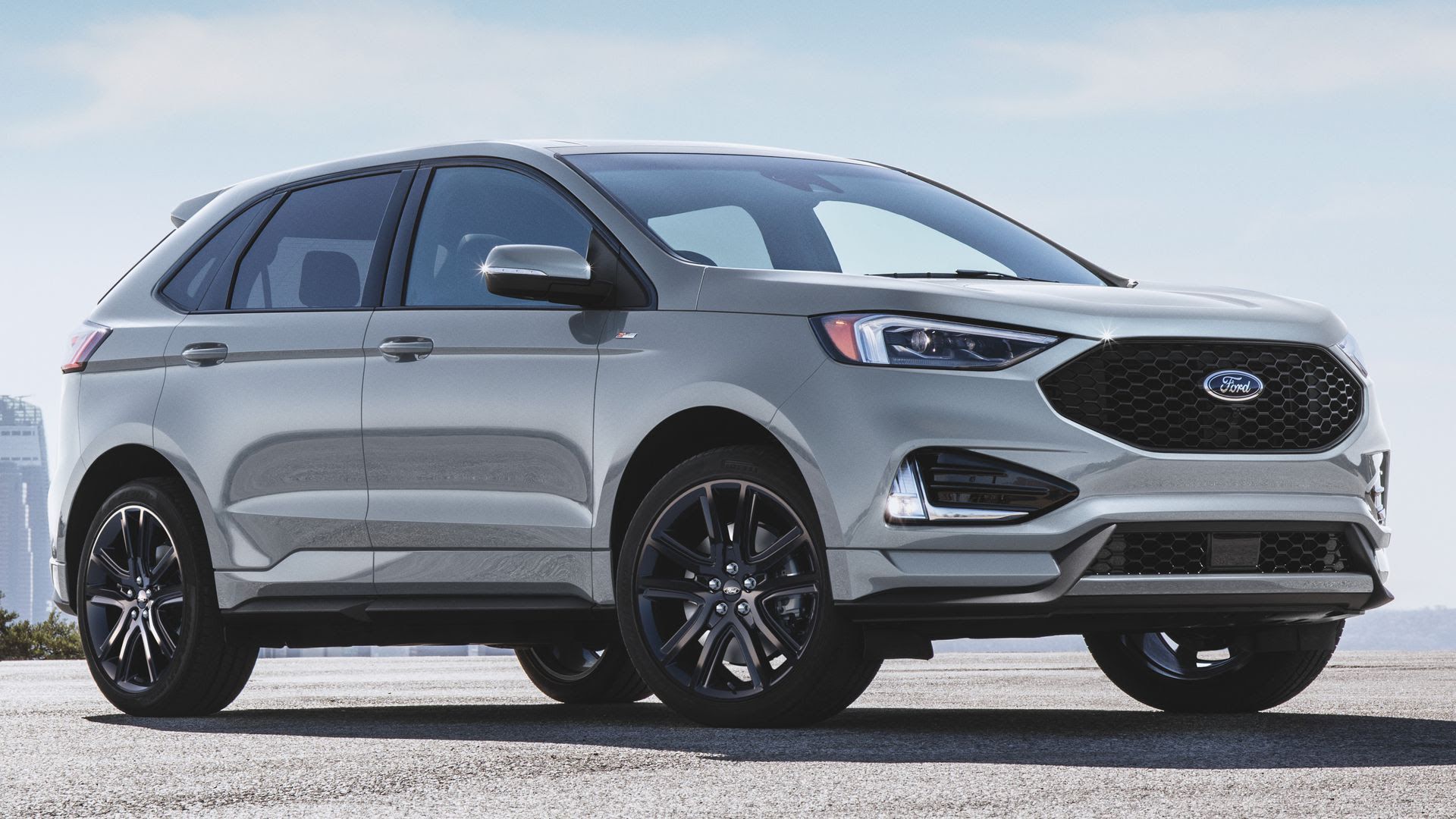
This week I'm driving the 2020 Ford Edge ST, a V6-powered, all-wheel-drive, performance version of the mid-size crossover utility, which boasts 335 horsepower and goes from 0-60 in under six seconds.
My thought bubble: I've never really understood the concept of a performance utility vehicle.
Louis Dreyfus, the Swiss agricultural trading giant, is in talks to sell a minority equity stake to Abu Dhabi sovereign wealth fund ADQ in a move that "could boost food security for the United Arab Emirates" amid the coronavirus pandemic, per Bloomberg.
Why it matters: In its 168 years, Louis Dreyfus has never before had a non-family shareholder.
Screenshot from U.S. Chamber of Commerce's website.
As Congress begins to return from its fall recess calls to pass more fiscal stimulus are growing louder.
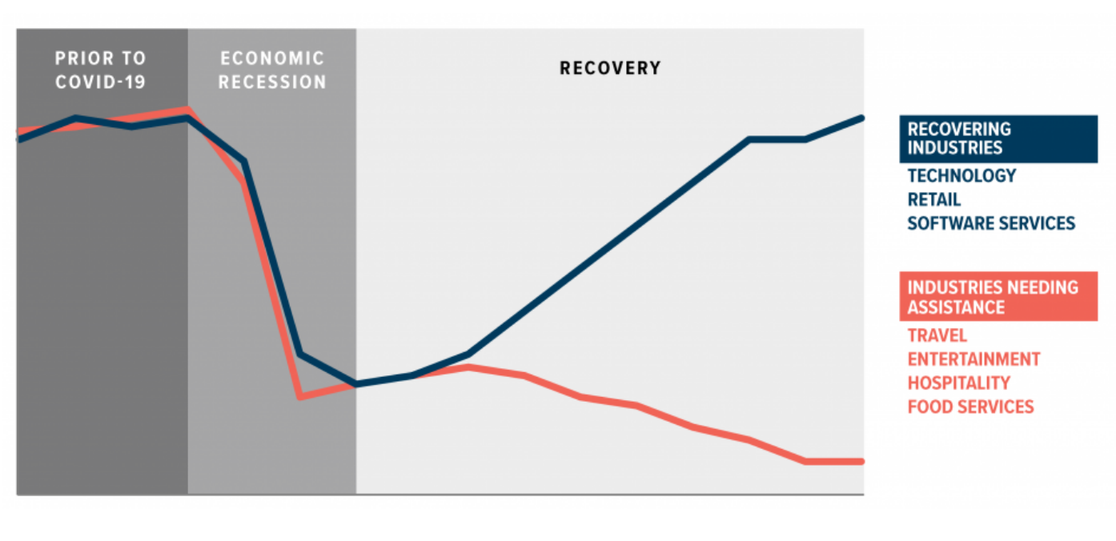
Driving the news: The U.S. Chamber of Commerce released another call to action, this time from its president, Suzanne Clark, advocating for "more support" for "industries, businesses, and workers disparately harmed by the pandemic."
The U.S. added 1.4 million jobs last month, while the unemployment rate fell to 8.4% from 10.2% in July, the government announced on Friday.
Why it matters: The labor market is rebounding, but the pace of hiring has dropped off from the fury of job gains seen earlier this summer. The slowdown could be a sign of what's to come: a long, sluggish job market recovery.
The U.S. trade balance fell to a deficit of $63.6 billion in July, $10 billion larger than the month before, and the biggest monthly deficit since July 2008.
Why it matters: The spike in the trade deficit comes despite President Trump's trade war with China and tariffs on hundreds of billions of dollars of imports from China, Europe and other countries, as well as the U.S.-Mexico-Canada trade agreement, which went into effect this year.
The U.S. unemployment picture looks to be improving but it's increasingly being clouded by shoddy data, a problem that seems to be getting worse as the pandemic progresses.
What's happening: The number of Americans receiving unemployment benefits rose to 29.2 million for the latest week of data, the Department of Labor announced Thursday.
The Nasdaq fell 5% on Thursday, its worst decline since March, and the S&P 500 had its worst session since June, but no one was quite sure why.
What happened: Fund managers and strategists posited that profit taking or rebalancing was to blame as no fundamental drivers for the sell-off were apparent and it remains unclear whether Thursday was a fluke or the beginning of retrenchment from what most Wall Street analysts viewed as an overextended market.
Gig-economy companies have long argued that their workers place high value on the freedom to choose their own hours. But many of these firms either used to schedule workers for shifts — or still do, to some extent.
Why it matters: The companies are fighting efforts to force them to reclassify workers as employees, arguing that a rigid work model is incompatible with their operations.