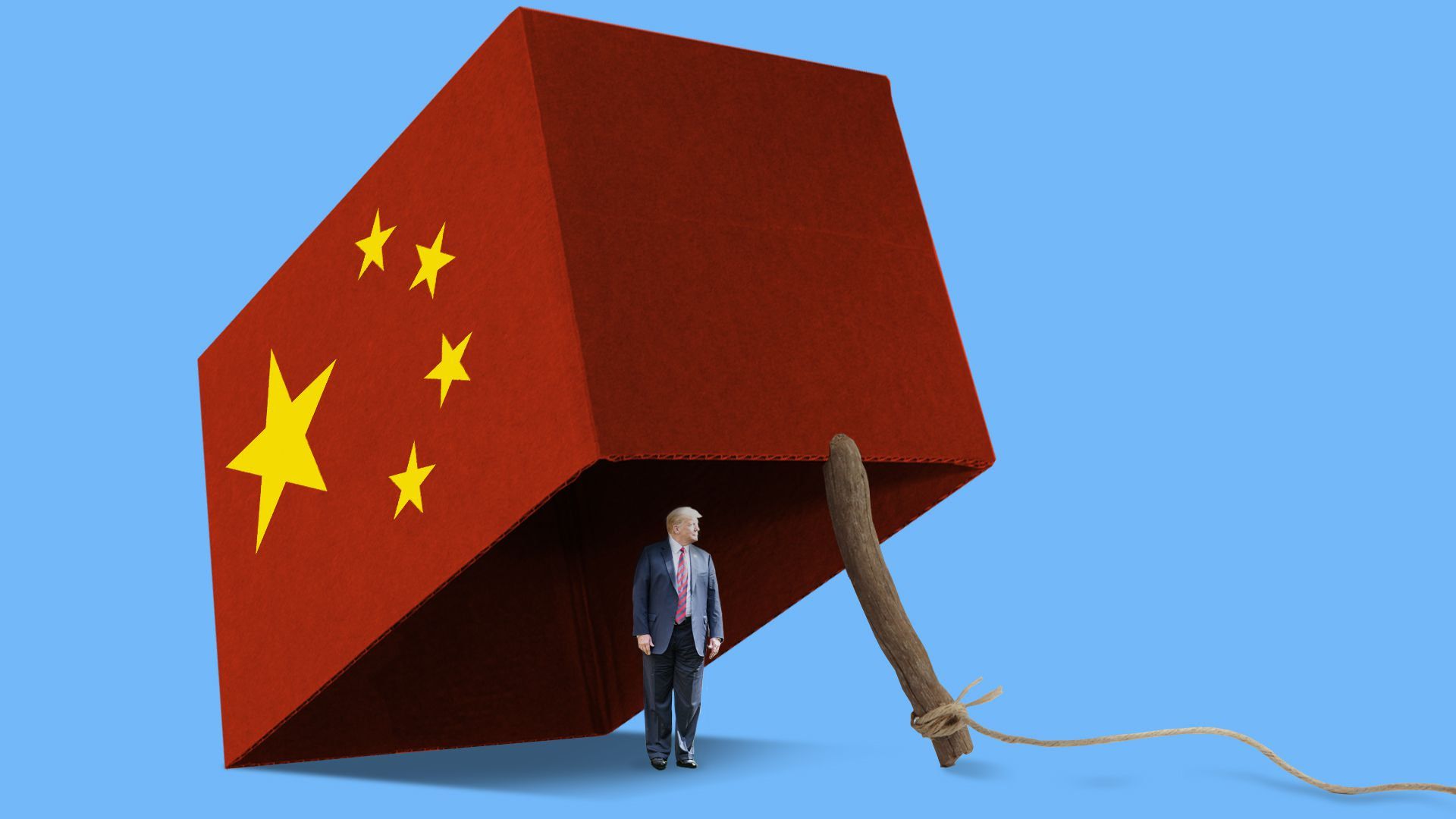
It's been about 16 hours since North America agreed on a rebranded NAFTA, and we're starting to get a sense of what's actually in the deal.
Why it matters: Rather than opening another front in a broader trade war, negotiators have secured modest changes that preserve the free trade status quo in North America.
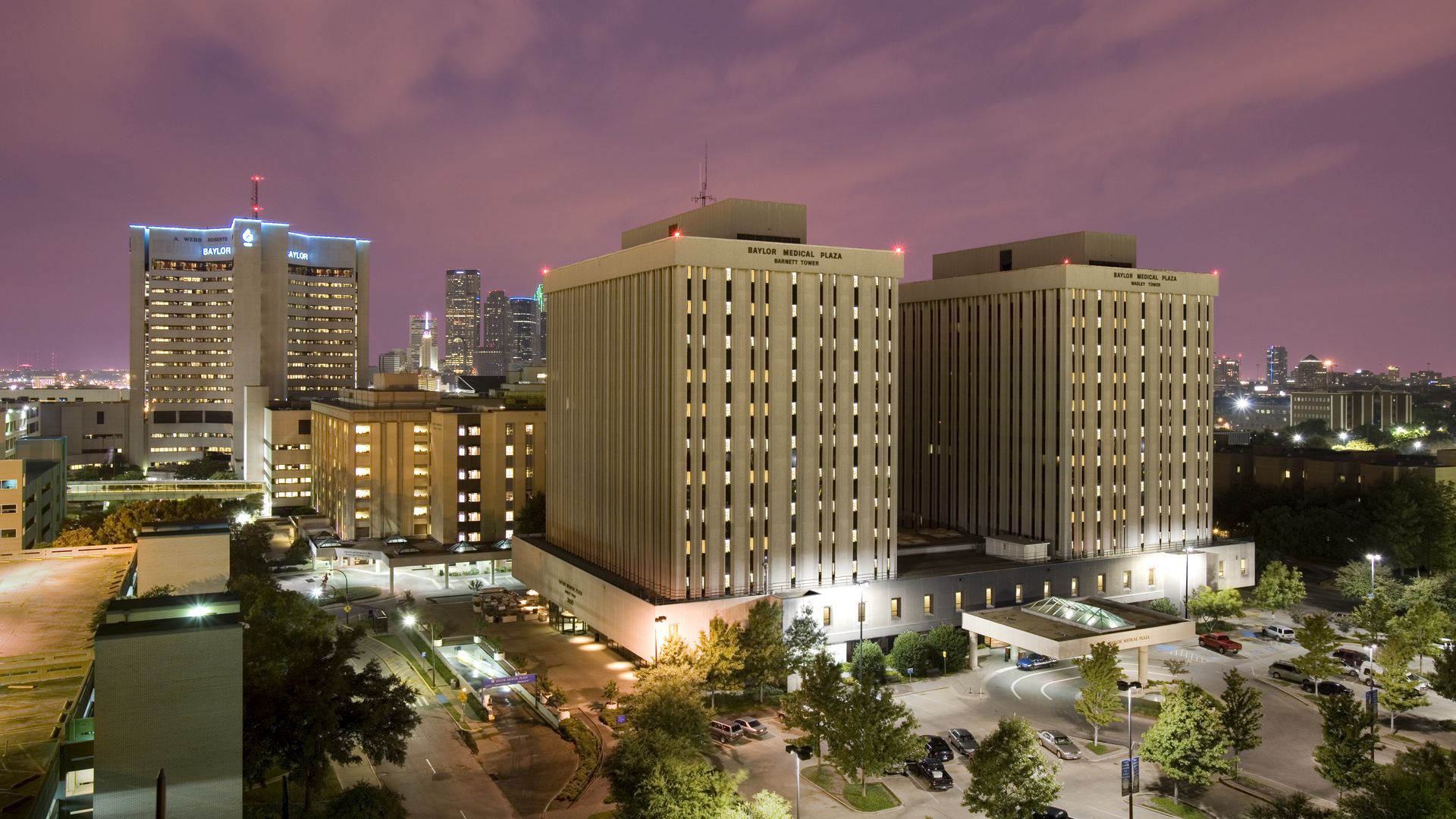
Leaders of Baylor Scott & White Health and Memorial Hermann Health System said Monday they are discussing a potential merger that would create a behemoth not-for-profit system across Texas with 68 hospitals and almost $15 billion in annual revenue.
Why it matters: Hospitals have been consolidating rapidly, as executives argue bigger scale will lead to better care and lower costs. But research shows hospitals with more market power raise prices, and these deals do not guarantee better, less expensive care.
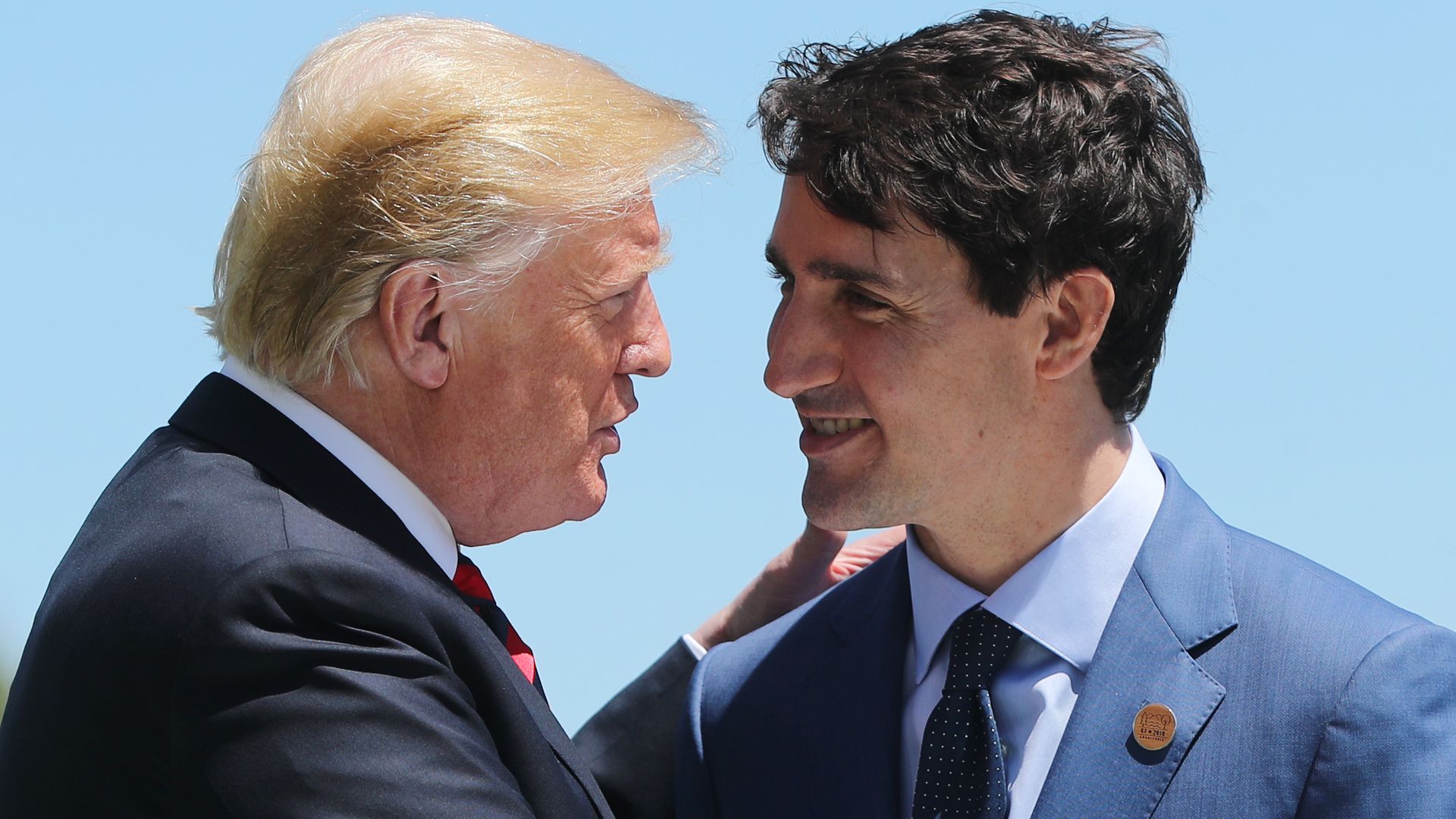
The United States and Canada announced Sunday night that the two countries had agreed to enter into — along with Mexico — a revamped North American free trade deal just as a midnight deadline approached.
The details: The new deal will be called the United States-Mexico-Canada Agreement and, per the AP, provides easier access for the U.S. to the Canadian dairy market but also keeps in place key trade safeguards from NAFTA that Canada wanted to remain.
Midnight tonight brings what has proven to be a fake NAFTA deadline.
What's happening: Trump's negotiating team was working under the theory that they had to sign the new NAFTA agreement on Nov. 30 because the incoming Mexican leftist leader Andrés Manuel López Obrador, who takes office in December, would not sign NAFTA 2.0. Trade Promotion Authority rules dictate that the U.S. government must release text of any new agreement 60 days before signing — and that's midnight tonight.
It’s not just stock prices and FICO scores that are hitting record highs. In the first quarter of this year, 403 of the stocks in the S&P 500 delivered earnings higher than Wall Street analysts had forecast — a record that was promptly broken in the second quarter, when 407 stocks achieved that feat.
The big picture: Earnings beats are always more the rule than the exception, even during bear markets. But these levels are unprecedented.
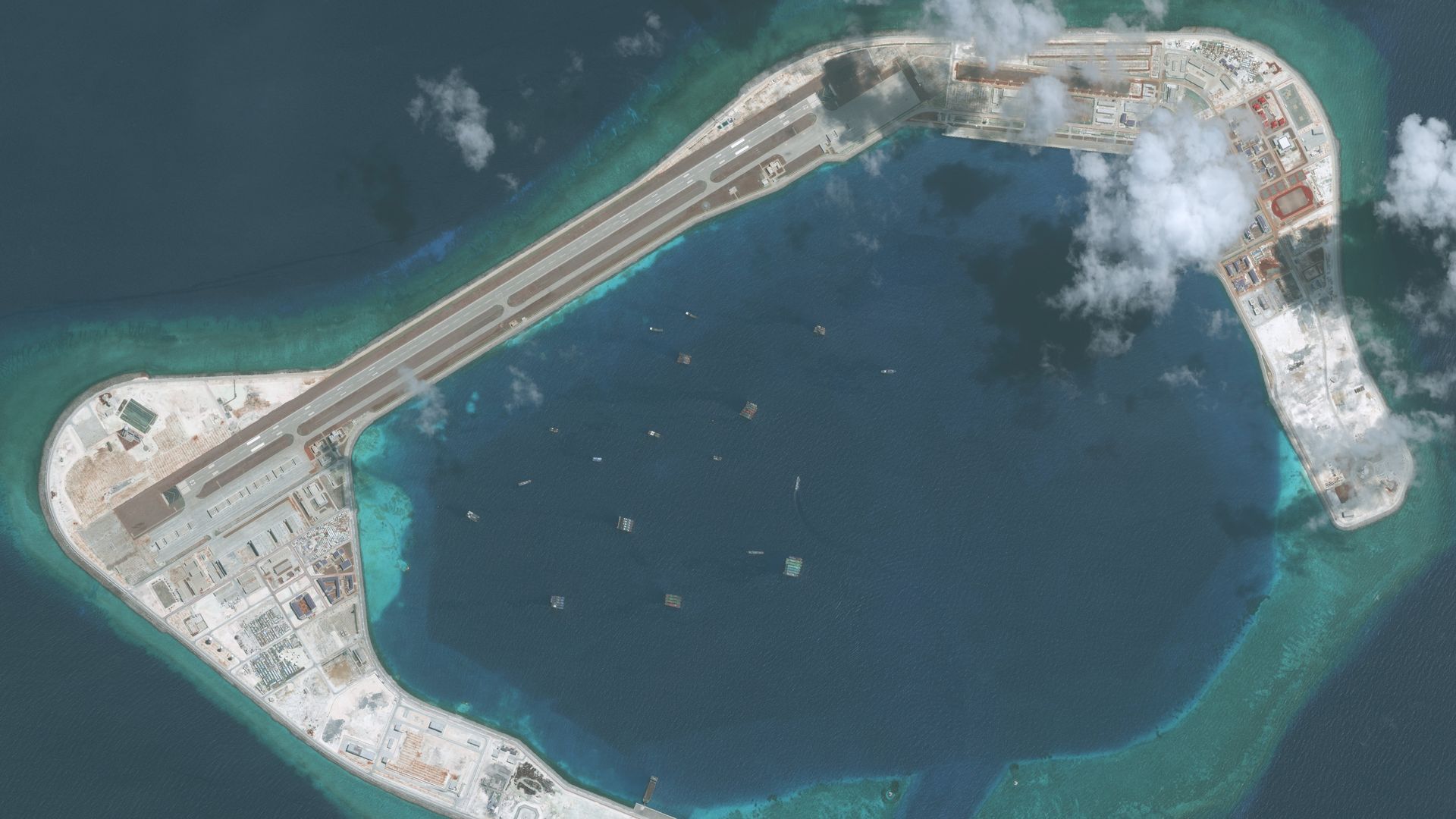
A U.S. Navy destroyer sailed close to disputed islands in the South China Sea on Sunday, a move that is expected to further heighten U.S.-China tensions, Reuters reports.
The big picture: A U.S. official told Reuters that the destroyer sailed within 12 nautical miles of Gaven and Johnson reefs in the Spratly Islands to counter Beijing’s efforts to limit freedom of navigation in the area. "[W]e have done [so] in the past and will continue to do in the future,” the official said. The decision comes just days after President Trump accused China of election interference and as trade tensions between the two nations continue to ratchet up.
So far, there's no evidence of pain from President Trump's ongoing trade war with China — at least from the economic indicators. Federal Reserve Chairman Jerome Powell told a room of reporters earlier this week that there have been no measurable effects of the trade tension.
Be smart: That doesn't mean market-watchers and economists aren't bracing for an impact around the world. And there's already some evidence of an impact on individual companies.
Raising the minimum wage rate from $15 holds more weight than stricter gun control laws with voters from Generation Z, according to new polling data from the Morning Consult.
Why it matters: Despite the impact of mass school shootings in America, the issue doesn't move voters from 18 to 21 years old as much as anticipated. Other issues like minimum wage, LGBT rights and taxing corporations hold more importance to them.

/2018/10/01/1538428891188.gif?w=3840)