As Marvel's "Black Panther" continues to break box office records worldwide in its first two weeks of release, a new diversity study from UCLA's Bunche Center reveals that minorities are leading the charge behind the biggest blockbuster hits.
"Diversity sells, and for the past five years, we've seen that all audiences, regardless of race, want to see diversity on-screen. They prefer movies that have diverse casts, and they prefer to watch TV that has diversity as well."
— Ana-Christina Ramón, who wrote the report with Darnell Hunt, to the LA Times
The U.S. consumer confidence index rose from 124.30 in January to 130.80 in February, its highest level since November 2000, reports the AP. The arrival of last year's tax cuts, in tandem with a strong labor market and low unemployment, are some of the key drivers of the improved outlook.
Why it matters: Since consumer spending accounts for about 70% of U.S. economic activity, economists tend to pay close attention to the monthly confidence index, per CNBC. "Overall, consumers remain quite confident that the economy will continue expanding at a strong pace in the months ahead," said Lynn Franco, the organization's director of economic indicators.
Trump has touted that the recent tax code overhaul would prompt companies to use extra funds to hike up their employees’ paychecks. While some companies have announced plans like this, others are using much of the extra cash to invest in their own companies by buying back shares, NYT’s Matt Phillips reports.
Why it matters: That’s an investment back into the companies which will likely enhance their stock prices, but it is “most likely to worsen economic inequality because the benefits of stocks purchases flow disproportionately to the richest Americans,” Phillips writes. The bottom line is what companies do with their extra wiggle room will determine how successful the tax code overhaul is for Republicans.
Alibaba is in talks to acquire the 60% stake it does not already own in Chinese food ordering and delivery platform Ele.me, according to the FT. The deal could value Ele.me at upwards of $9.5 billion, while sellers would include Baidu, Horizon Ventures and Sequoia Capital China.
Why it matters: Because this would provide Alibaba with its first in-house delivery workers and logistics network, things that global rival Amazon already has and is learning from.
The Interactive Advertising Bureau (IAB) will release research today that shows how consumers are creating their own “personal prime times”— or points of high-level engagement throughout the day across devices and content areas (news, sports, weather).
Adapted from an Interactive Advertising Bureau report; Graphic: Axios Visuals
Why it matters: The study suggests that brands should no longer expect a single, universal moment of greatest engagement from consumers throughout the day and that “traditional reach” metrics falter when they don't take consumer focus and intent into consideration.
The News Media Alliance (NMA), a newspaper trade group that represents over 2,000 newspapers in the U.S., is launching a political action committee (PAC) to ask Congress for an antitrust safe harbor against Google and Facebook.
Why it matters: It's the first-ever PAC created by the newspaper industry. It's a sign that the newspaper industry feels it needs to step up its lobbying efforts to survive in a digital-first era dominated by tech companies.
Last week’s New York Times Magazine cover story, The Case Against Google, made the bold but not-so-uncommon claim that the government should step in with antitrust action against the search juggernaut. But sweeping regulatory actions against platforms could actually be bad for both consumers and publishers.
Why it matters: Punishing Google won't reverse the structural trends the news industry faces — more in-app mobile browsing, slow adoption of new apps and insufficient payments to publishers. Instead the news industry and platforms need to find new profitable ways in which high quality news and information can thrive.
General Electric has tapped two former industry executives and an accounting expert to join its board as part of an effort to overhaul its business and reinforce the confidence of investors, reports Reuters. The board changes, which also include a cut from the current 18 to 12 members, will be voted on by shareholders at a meeting in April.
The nominees are Leslie Seidman, former Vice President at JPMorgan and chairman of the Financial Accounting Standards Board; Thomas Horton, former head of American Airlines, and Lawrence Culp Jr., former CEO of Danaher Corp.
Correction:This article has been updated to remove incorrect reporting on the timing of the board shakeup, as well as a reference to share prices that incorrectly labeled a GE disclosure as a Justice Department announcement. We regret the errors.
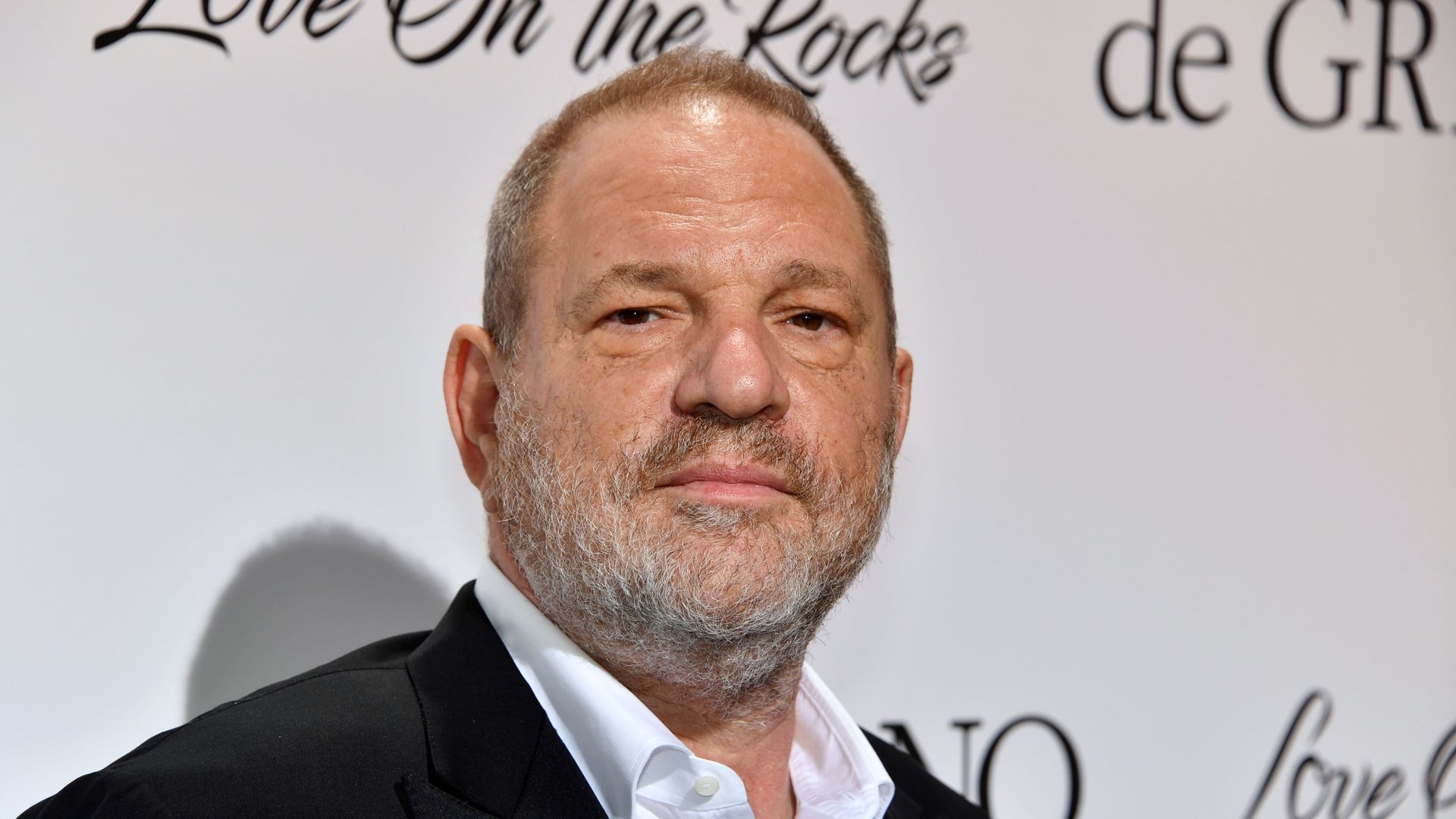
The Weinstein Company has announced that it plans to file for bankruptcy after a last effort to sell the company fell through, according to a statement provided to the LA Times.
Why it matters: The company's co-founder and namesake, Harvey Weinstein, was slammed with a myriad of sexual assault and harassment claims in the fall of last year. Weinstein was subsequently forced out of his company, removed from the academies, and the L.A. Police Department opened a criminal investigation into the allegations of misconduct and rape.