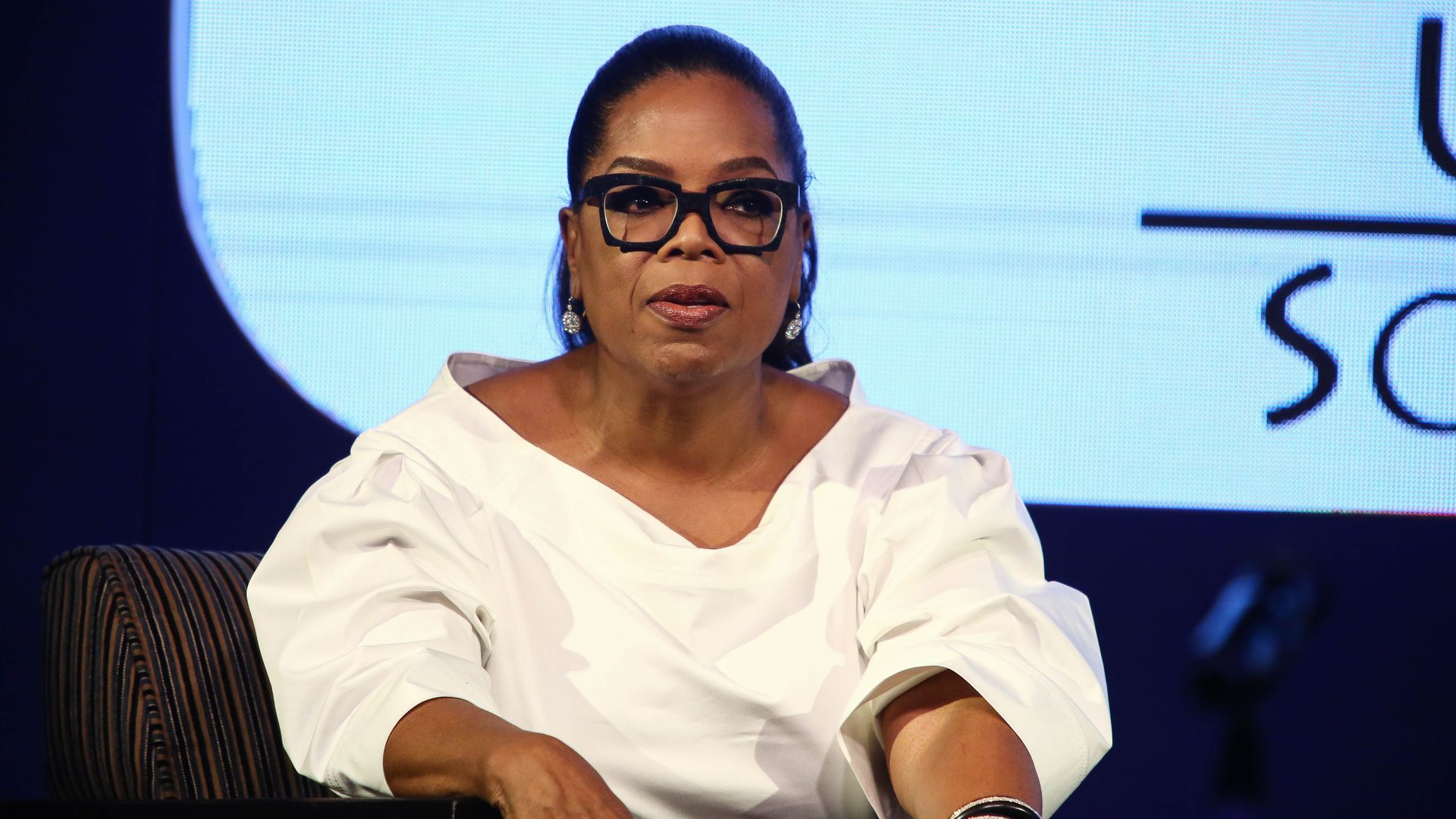
Oprah Winfrey, who appeared on "The Ellen DeGeneres Show" Thursday, responded to Trump, who called her “very insecure” over a recent “60 Minutes” segment on the polarizing political landscape. She said that after she saw the President’s tweet, she “went back and looked at the tape to see if there was any place that that could be true." Winfrey said prior to airing, she told her producer to make it more balanced.
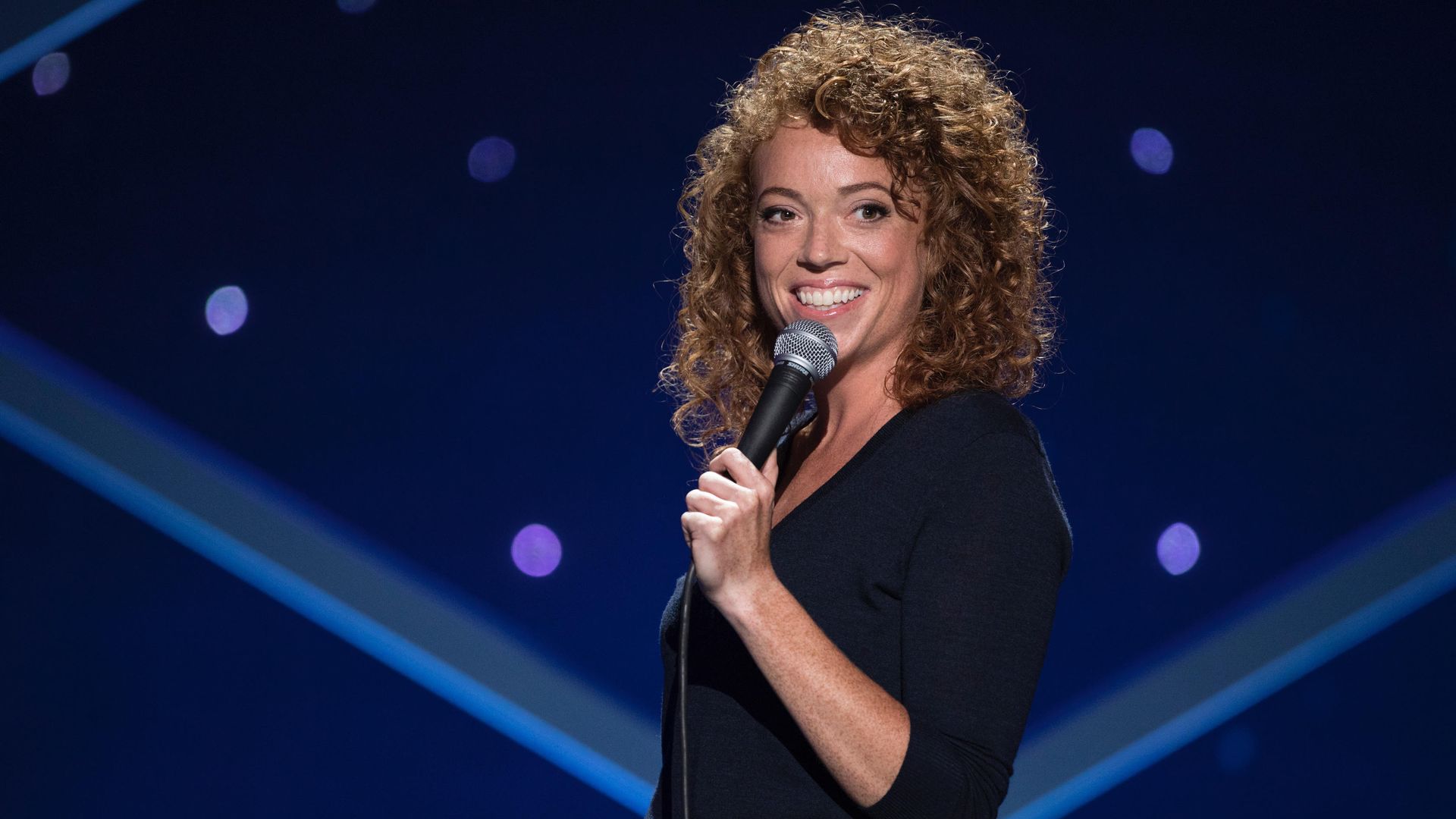
Comedian Michelle Wolf, best known for her work as a contributor on Comedy Central's "The Daily Show With Trevor Noah," has been named the featured entertainer at the White House Correspondents' Association's annual dinner on April 28. Wolf follows Comedy Central's Hasan Minhaj, who roasted President Trump and members of the media at least year's bash.
What we don't know: It's still unclear whether the president himself will attend the event after notoriously skipping last year's dinner. But he does plan to attend the Gridiron Club's annual dinner on March 3, which he also snubbed in 2017, so his presence remains a possibility.
The pharmaceutical industry is using a large portion of its windfall from Republicans' corporate tax cuts to boost its stock prices. Nine drug companies are spending a combined $50 billion on new share buyback programs, a sum that towers over investments in employees or drug research and development.
The bottom line: All of those buybacks were announced during or after the passage of the Republican tax bill. That money is enriching hedge funds, other Wall Street investors and top drug company executives, but it isn't necessarily helping patients.
Data: Company documents; Chart: Andrew Witherspoon / Axios
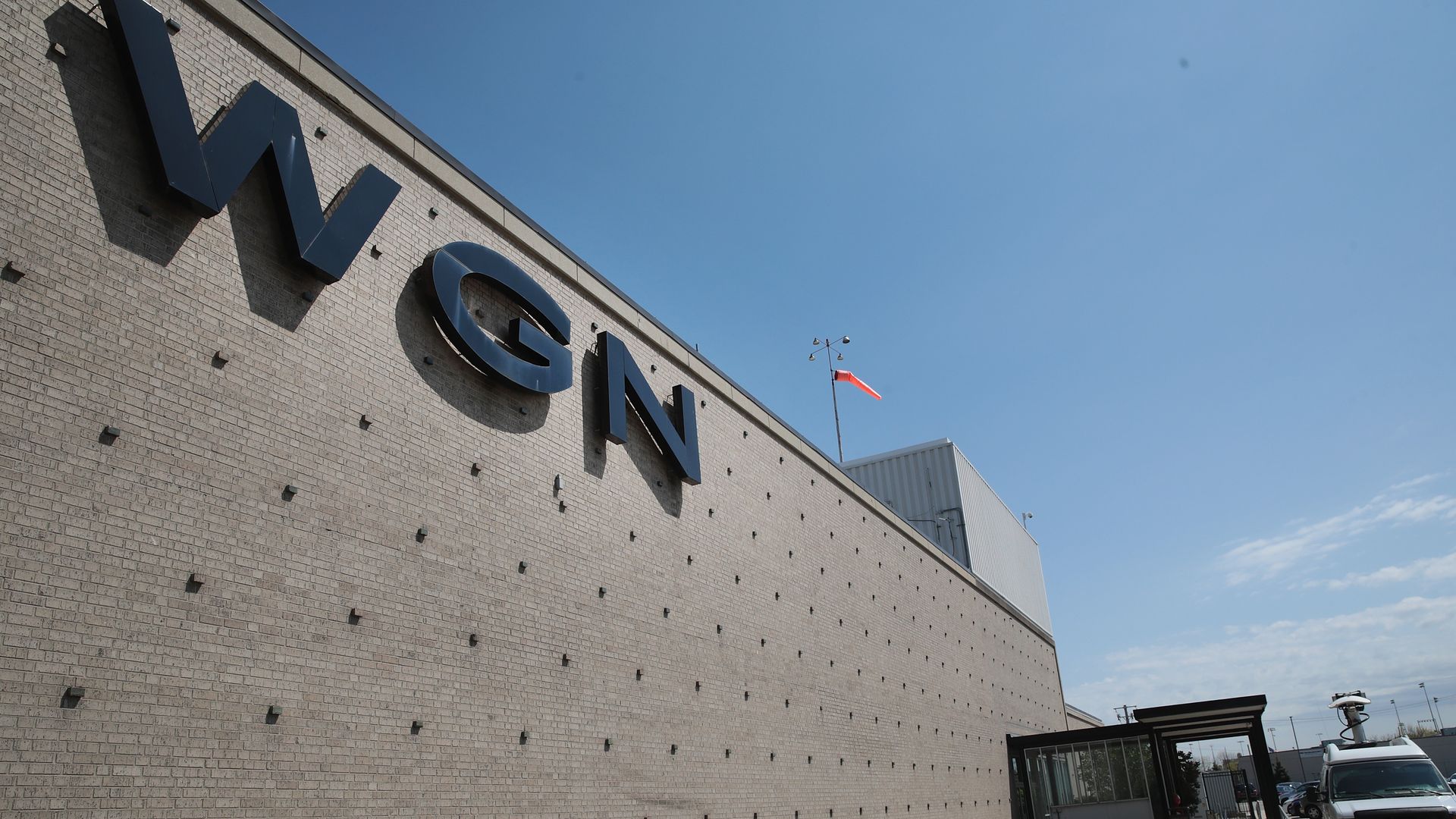
Sinclair Broadcast Group said Wednesday it would sell several television stations as it looks to bring its purchase of a group of Tribune stations into compliance with media ownership rules and win the blessing of regulators.
Why it matters: Even with the sell-off, the deal will make the right-leaning Sinclair far and away the most powerful local broadcaster in America.
Earth will have almost 10 billion people by 2050, according to the United Nations, and yet another billion by the turn of the century, creating a substrate of tension under climate change, aging, and automation. But Vienna-based demographers say these forecasts overstate the population trend. Instead, they say, we are headed for a population plateau and decline — in short, "peak human."
The Dow rose as many as 300 points Wednesday, before settling up around 230 points as of 2:45 pm ET.
Why it matters: The Federal Reserve released the minutes from its January meeting on Wednesday, which indicated that "officials see increased economic growth and an uptick in inflation as justification to continue to raise interest rates gradually," per CNBC.
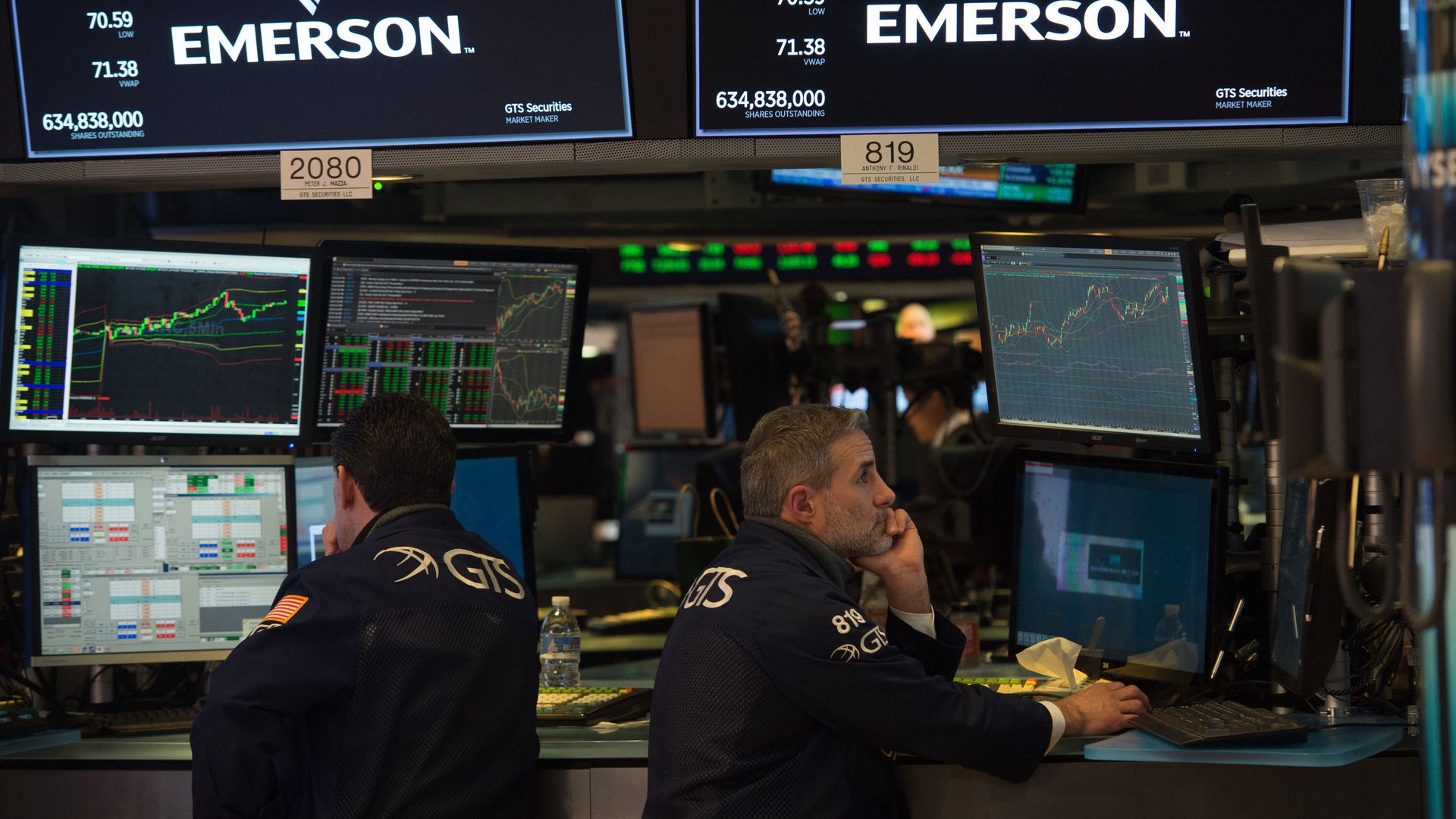
Between Jan. 1 and Feb. 20, 113 companies announced stock buybacks totaling $173 billion, the highest level ever at this point in the year, according to Birinyi Associates' Jeffrey Rubin.
The Atlantic, one of the oldest print magazines in America, is adding 100 staffers (a 30% staff increase,) as a part of a 12-18-month expansion across all divisions, with roughly half of the additions going towards editorial, announced executives on Wednesday.
Why it matters: While the company has been profitable for eight consecutive years, a spokesperson from The Atlantic says its new majority ownership stake from Emerson Collective, the non-profit owned by Steve Jobs' widow, Laurene Powell Jobs, has allowed the company to accelerate the expansion. The company is still co-owned by David Bradley, Chairman of Atlantic Media, who sold the stake to Emerson Collective last year.
Read the memos shared with staff from The Atlantic President Bob Cohnand Atlantic Media Chairman David Bradley below.
Vox Media is laying off roughly 50 staffers, mostly across the social and video teams of a few brands like Racked, Curbed, SB Nation. In a memo to staffers, Vox Media CEO Jim Bankoff said they would be offering role changes to about a dozen others.
Why it matters: Bankoff says the layoffs are a response to "industry changes," referring to the pressures the digital ad economy is placing on digital-first news brands. Cuts represent about 5% of the company's employees.