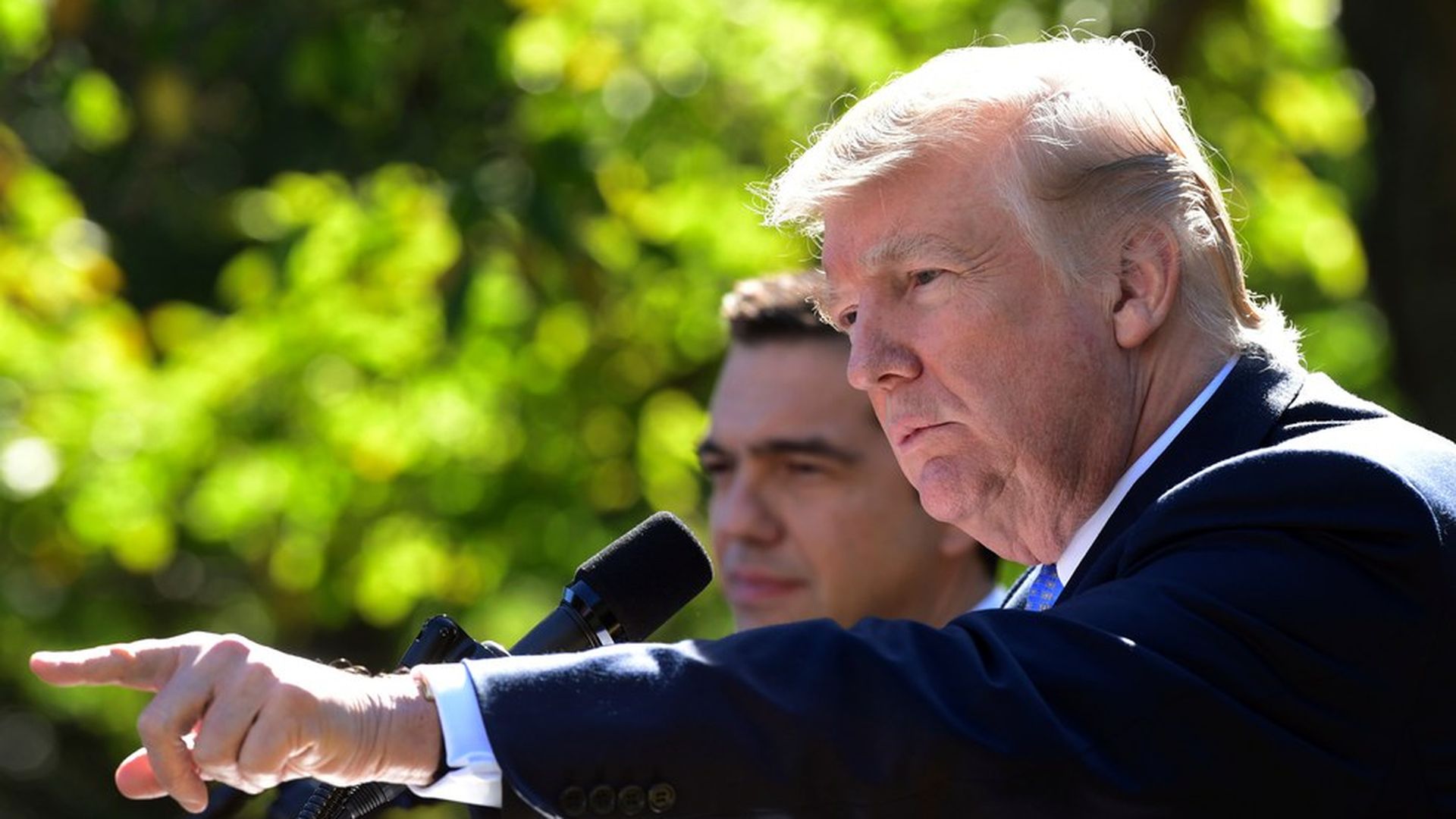
That 46% is largely divided on partisan lines — 76% of Republican voters think media make up stories about Trump while only one in five Democrat voters think that, a Politico and Morning Consult poll shows. Those who strongly approve of Trump's job performance are very likely (85%) to think the media makes up stories.
Those who don't believe the media makes up stories: 11% of Republican voters and 65% of Democrats. That's for a total of 37% of voters who think the media do not invent stories about Trump.
It's no secret that many Midwestern cities have lost population as jobs evaporated in recent decades. But while traveling through four cities last week, I heard a surprising number of people talking about the opposite: the younger generation coming back home.
Why it matters: Rust Belt cities have suffered severe "brain drain" the past three or so decades, the result of a decline of manufacturing jobs. Many young graduates left their home towns to find job opportunities in larger cities like San Francisco, New York and Chicago. But as the cost of living in such bigger cities soars, some of these young professionals are looking for ways to return to their roots. And local employers are seizing the chance to get them back.
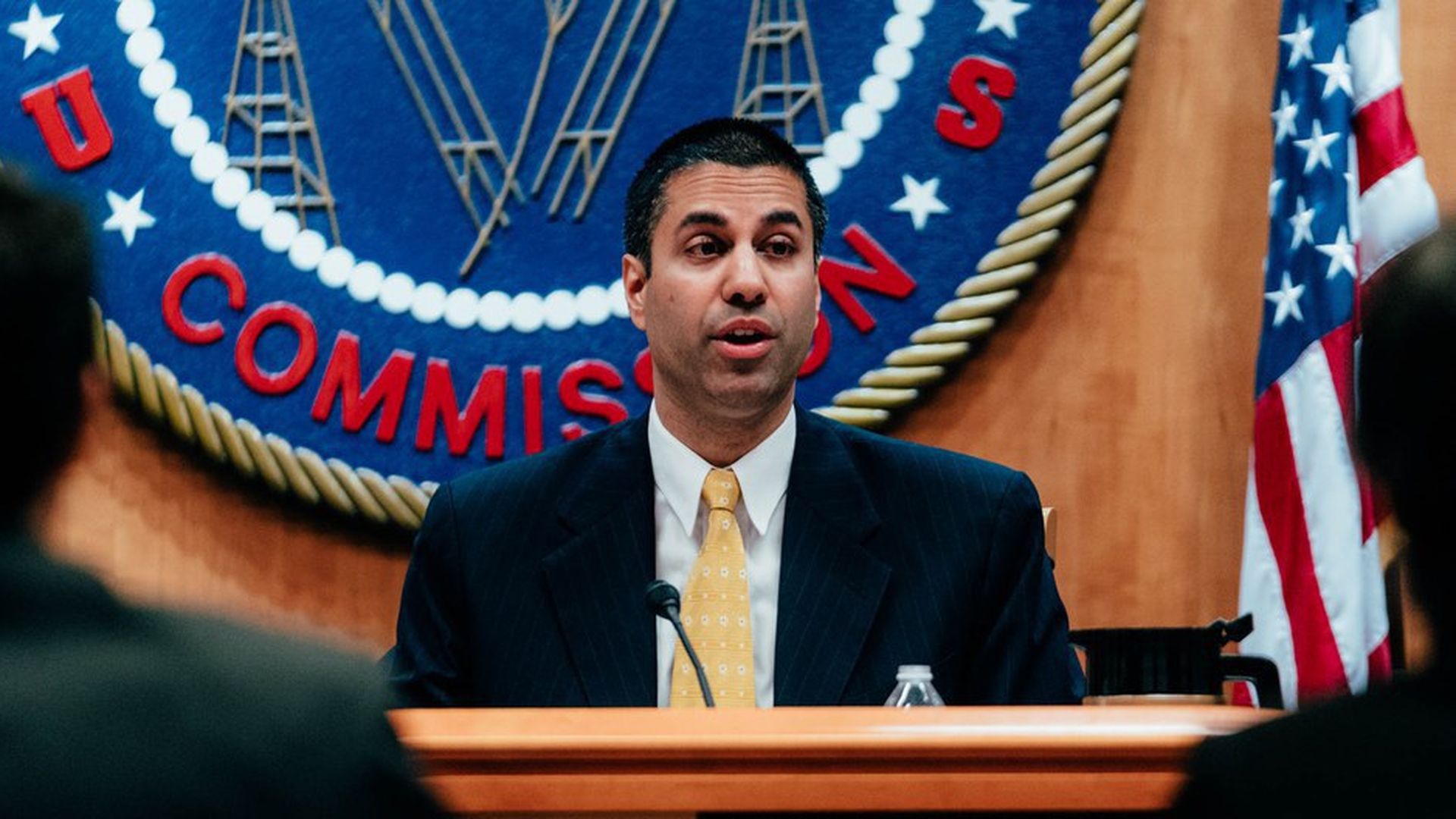
FCC chairman Ajit Pai offered a measured response Tuesday to President Trump's tweets last week arguing for a challenge to broadcast licenses for NBC stations. Pai, speaking at an event hosted by the right-leaning Mercatus Center, said the Federal Communications Commission would not revoke a license based on content.
"I believe in the First Amendment, the FCC under my leadership will stand for the First Amendment, and under the law the FCC does not have the authority to revoke the license of a broadcast station based on the content of a particular newscast."
Netflix blew past user growth expectations, reporting Monday that it added 5.3 million new subscribers last quarter, upwards of 1 million more than expected.
Why it matters: Hitting revenue estimates is a big win for Netflix, given that it poured a ton of money into programming investments (more below), as opposed to focusing on profit. It's also another reminder for Pay-TV providers and TV networks that the traditional cable bundle can't compete with the power of on-demand.