Ford is still getting battered by product shortages as supply chain issues continue to undermine the auto industry.
By the numbers: Ford's stock fell 12.3% Tuesday after the company said late Monday that it expects to have 40,000–45,000 cars nearly finished but lacking crucial parts at the end of the third quarter.
In pre-pandemic times, automakers typically did not have to park unfinished cars in large quantities while waiting for parts.
Details: The shortages are affecting "largely high-margin trucks and SUVs," Ford said.
And inflation pulsing through the supply chain is expected to cost the company $1 billion more than previous expected, it added.
The bottom line: "While we have been hearing ... about the marginal improvement of the supply chain, Ford's announcement shows that we are not yet out of the woods," Morgan Stanley analyst Adam Jonas wrote in a research note.
Employers are not-so-mysteriously staying quiet about the latest COVID vaccine rollout.
The big picture: While some companies have already quietly rolled back mandates, the White House earlier this month called on businesses to encourage worker access to the new bivalent COVID booster. So far, the response has been slow — seemingly putting an end to employers' active role in combating the pandemic.
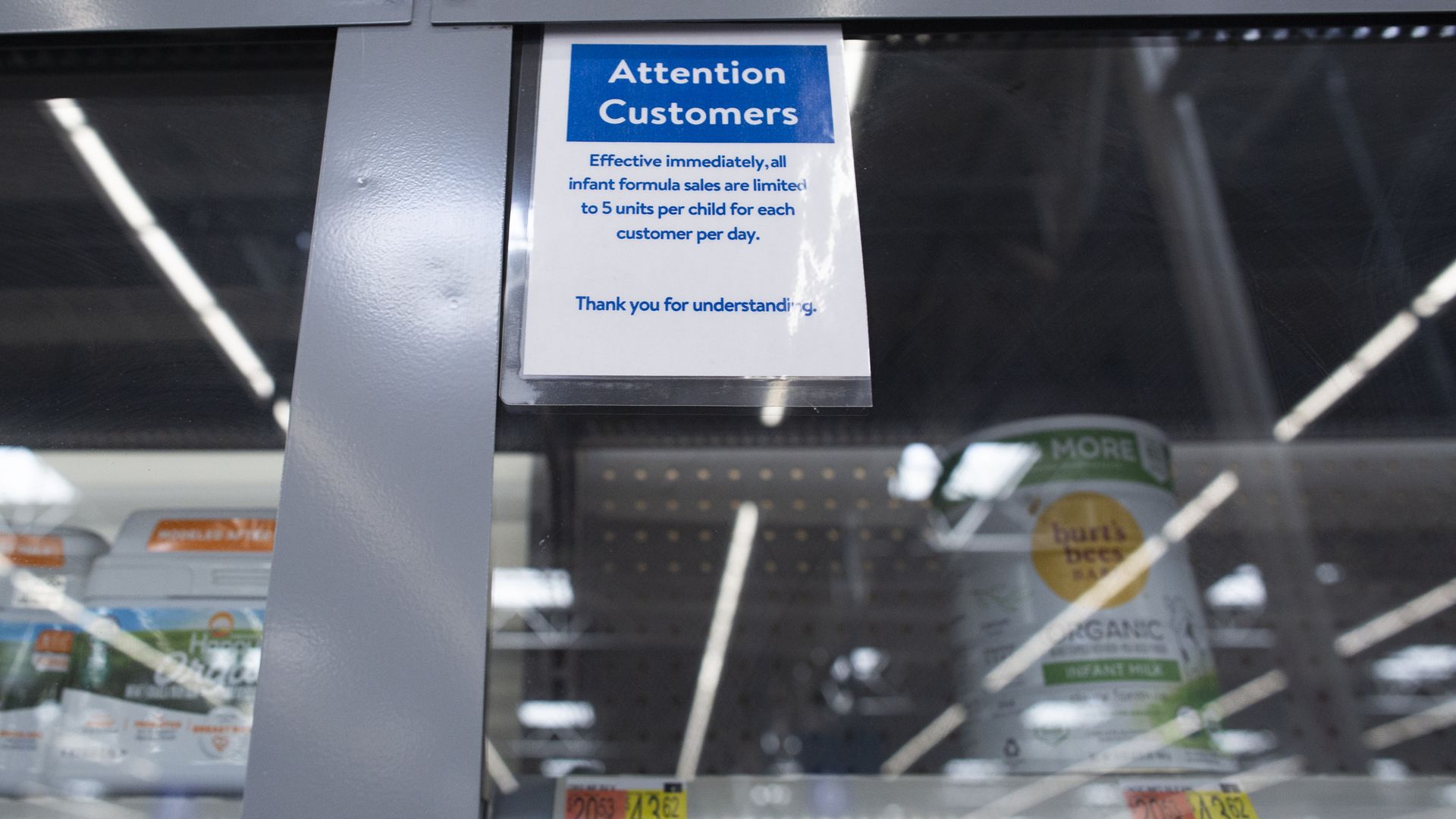
The Food and Drug Administration on Tuesday acknowledged that it was poorly equipped to handle the baby formula crisis that erupted in the spring, lacking sufficient technology, personnel and authority to address the situation.
Why it matters: Several babies died of suspected Cronobacter bacterial contamination, triggering a massive recall of Abbott Nutrition formula and widespread shortages of formula that sent parents scrambling to meet their babies' nutritional needs.
India's largest crypto exchange is following Binance out of some dollar-pegged stablecoins, further tilting the tables toward the BUSD token.
Driving the news: The exchange, WazirX, on Monday said it already stopped taking new deposits denominated in USDC, USDP, and TUSD — the dollar-pegged stablecoins from Circle, Paxos, and True. And any existing deposits would soon be auto-converted to Binance's namesake stablecoin.
President Biden's Q: Who's afraid of Joe Biden's antitrust enforcers?
A: Fewer people than last month.
Driving the news: A federal judge yesterday ruled that UnitedHealth can proceed with its $13 billion acquisition of Change Healthcare, denying a U.S. Justice Department effort to block the deal.
MeWe, a free and subscription-based social media platform that bills itself as a privacy-focused alternative to Facebook, is migrating its entire platform to a blockchain-based, decentralized web infrastructure backed by billionaire Frank McCourt's Project Liberty venture.
Why it matters: With 20 million users, MeWe becomes the first major social network to migrate its tech over to Project Liberty's decentralized social networking protocol (DSNP).
The Atlantic is pushing aggressively into film and TV projects as part of a wider licensing revenue push.
Why it matters: The company, which expects to lose roughly $10 million again this year, needs to build another revenue stream to continue on its path to profitability, CEO Nicholas Thompson told Axios.
Time is launching a sustainability division called "CO2 by Time" that will offer companies tools that go beyond just offsetting their carbon emissions.
Why it matters: While the division does take a small servicing fee from clients, executives say the venture isn't meant to drive revenue.
The term "growth stocks"is a bit of Wall Street jargon describing the companies getting clobbered the most in the markets this year.
Why it matters: We're not the language police — but using Wall Street's preferred nomenclature obscures some of what's actually happening in the markets.
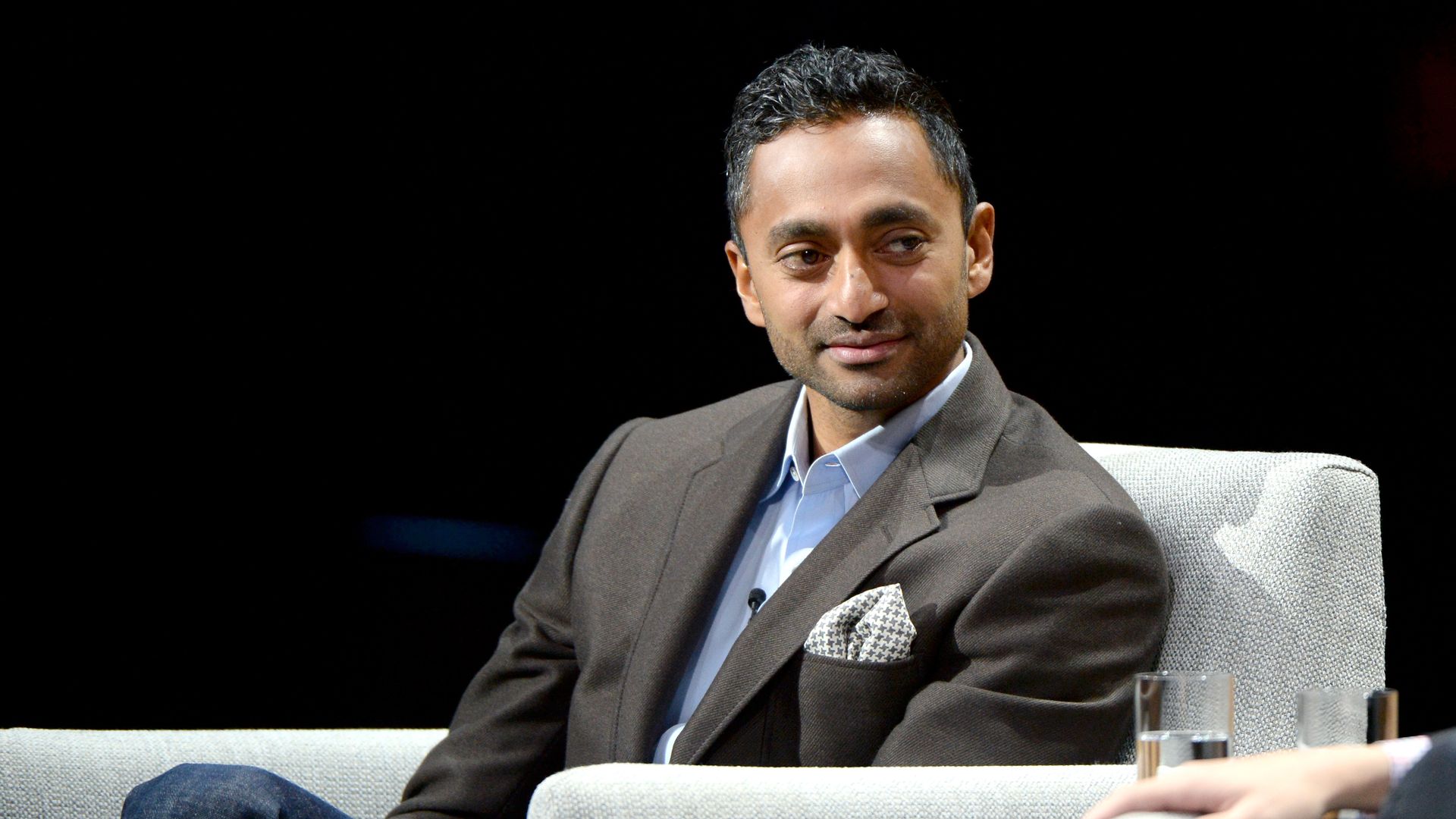
Venture capitalist Chamath Palihapitiya has decided to wind down a pair of tech-focused blank check acquisition companies after failing to find adequate merger targets.
Behind the scenes: Palihapitiya says the decision reflects how many privately held tech companies have yet to reset their valuations, despite the massive fall in public tech stock valuations. He adds that the risk/reward are more promising in biotech, and that he plans to keep two biotech-focused SPACs open.
We're in a crypto "winter," but you wouldn’t know it by attending the annual SALT conference in New York City this week, sponsored by hedge fund SkyBridge.
Driving the news: A week ago, the Anthony Scaramucci-founded firm announced it sold a 30% stake to crypto exchange FTX — and the conference felt like an ad for the hedge fund’s new owner.
Conservative groups have launched a national search for prospective plaintiffs to challenge the Biden administration's federal student loan forgiveness order in court.
Why it matters: 43 million student borrowers eligible for relief could be stuck in financial limbo if the order becomes embroiled in drawn-out litigation.







/2022/09/20/1663686751740.gif?w=3840)

/2022/09/20/1663681812388.gif?w=3840)