The crash of a Boeing jet in China sent the company’s shares down 5.6% at one point Monday, signaling a test of investor confidence just as the plane maker was starting to put a number of crises in its past.
Driving the news: A Boeing 737-800 plane carrying 132 people for China Eastern Airlines crashed in the mountains of southern China's Guangxi region on Monday.
Actor and climate tech investor Robert Downey Jr. stirred controversy last week when he tweeted that “the technologies that suck carbon out of the air and capture it" are as equally important in global efforts to halt global warming, as "building new renewable energy."
Why it matters: To climate tech investors (and scientists), the topic is more nuanced, with the debate focused on the optimal scale and prioritization of carbon removal and capture as a tool to fight climate change.
International sanctions and calls for corporate divestment of Russian assets threaten to disrupt the supply chain of Commonwealth Fusion Systems, Axios has learned.
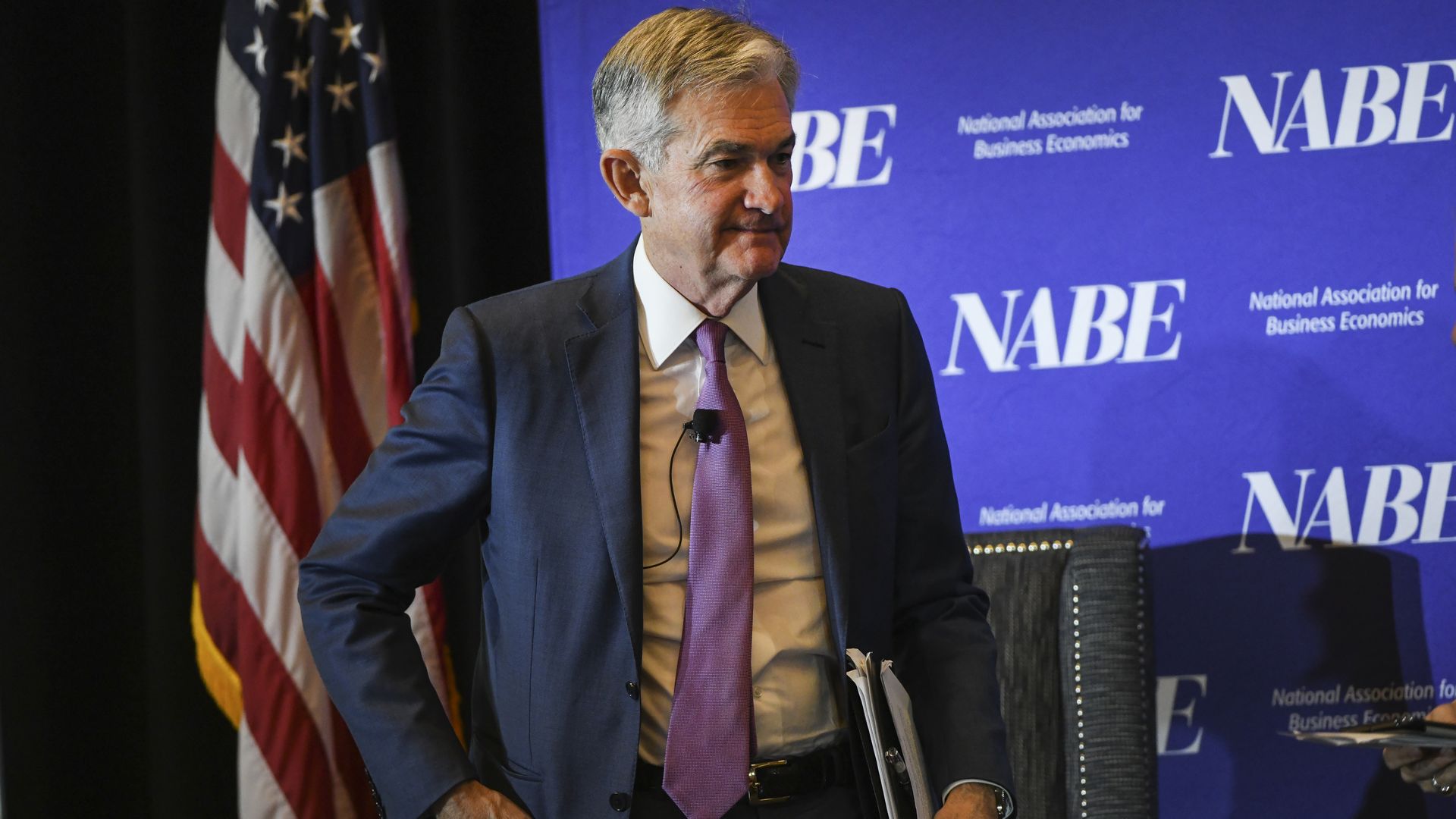
The Federal Reserve will set policy based on "actual progress" in resolving supply issues in the economy, rather than on models and forecasts, chair Jerome Powell said in a new speech, and it is open to faster rate increases as it tries to achieve a "soft landing" for the economy.
The Fed will "will take the necessary steps to ensure a return to price stability," Powell said in prepared remarks for a speech to the National Association for Business Economics in Washington on Monday. The steps could include raising rates half a percent at a time, rather than the customary quarter-point.
The Securities and Exchange Commission (SEC) voted 3-1 Monday to propose regulations that, for the first time, require companies to disclose their greenhouse gas emissions as well as their exposure to climate change risks.
Why it matters: The rule is meant to give companies more certainty about how they need to incorporate climate change into their financial reporting, but it contains gaps that may allow big emitters to obscure their complete carbon footprint.
Thoma Bravo agreed to buy Anaplan, a San Francisco-based provider of business planning and performance management software, for around $10.7 billion.
Why it's the BFD: This reflects how the correction in cloud software stocks is making the sector more attractive to investors. Not just LBO firms, but also activists — including a group that last week disclosed a 9% stake in Anaplan and said they'd nominate four directors to the company's board.
Venture capital is about playing the long game, and that strategy may soon pay off in China.
Driving the news: China's government last week suggested it will loosen some of its restrictions on overseas listings by local companies, which began last summer with the DiDi debacle.
TimeDoc Health has clinched $48.5 million in a Series B round, the company tells Axios exclusively. Aldrich Capital Partners led the round.
Why it matters: Primary care physicians (PCPs) are considered the quarterback of health care, but don’t have the time to manage and engage their sickest, most complex patients as needed. TimeDoc seeks to close those gaps in care.
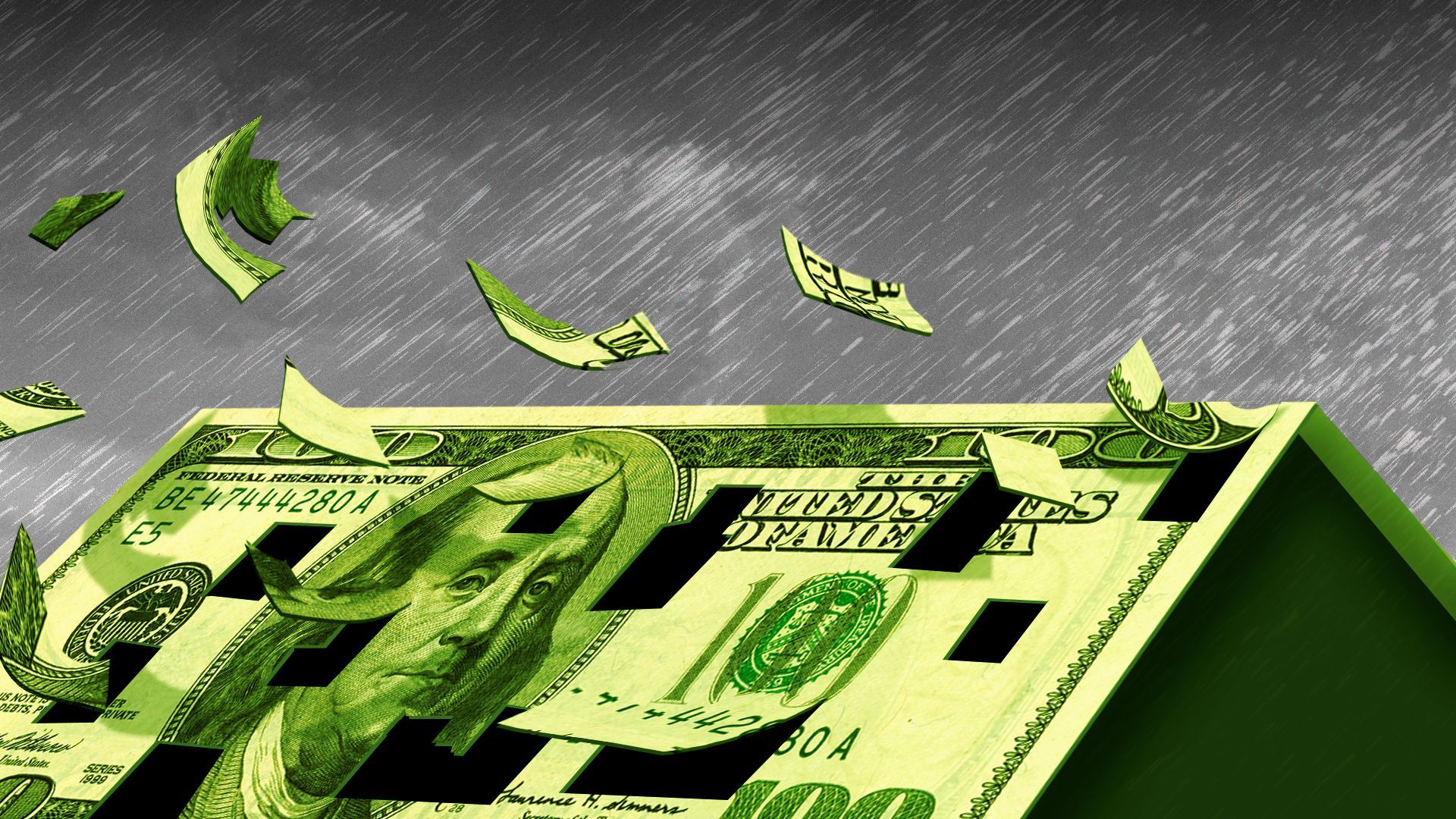
Activity in the red hot housing market stumbled in February, with the sharpest monthly decline in existing home sales since May 2020.
Why it matters: It could signal affordability is already slowing the juggernaut residential real estate market, even before March's steep rise in mortgage rates.
The economy has plenty of problems, both home-grown and imported from a volatile geopolitical situation. But wherever the leaders of the Federal Reserve look right now, they're seeing flashing green lights that the world wants them to get moving on raising interest rates.
Why it matters: Yes, the Fed acts independently based on its best analysis of economic data. But other factors inevitably shape the tone of internal debates — for instance, discussions by outside economic thinkers, and financial market reactions to Fed moves.
The U.S. on Monday is poised to take a big step toward requiring that publicly traded companies disclose their climate risk exposure.
Driving the news: The Securities and Exchange Commission (SEC) is expected to take up the proposed rule Monday morning. The rule, which has been under discussion since last year, aims to provide some clarity for investors by enabling them to determine the climate risks lurking in their portfolio.
Media measurement firm Nielsen Holdings on Sunday said its board turned down a $15 billion buyout bid from a consortium of private-equity firms, arguing the transaction was "highly unlikely to receive shareholder approval" because it "does not adequately compensate shareholders for Nielsen's growth prospects."
Why it matters: Nielsen's stock jumped more than 40% last week in response to a Wall Street Journal report offer, a signal that the company's board may be more optimistic than is the market. Shares are down more than 18% in Monday pre-market trading.
The promise of a "smart home" — where you effortlessly tell your appliances what to do for you and can easily add new devices to your domestic mix — is edging closer to fruition.
Why it matters: When we're finally able to take full advantage of smart home technology, everything from our lights and garage doors to our entertainment and security systems could work together seamlessly and obey our voice commands — making our lives more convenient, enjoyable and energy-efficient.
















/2022/03/21/1647824571325.gif?w=3840)