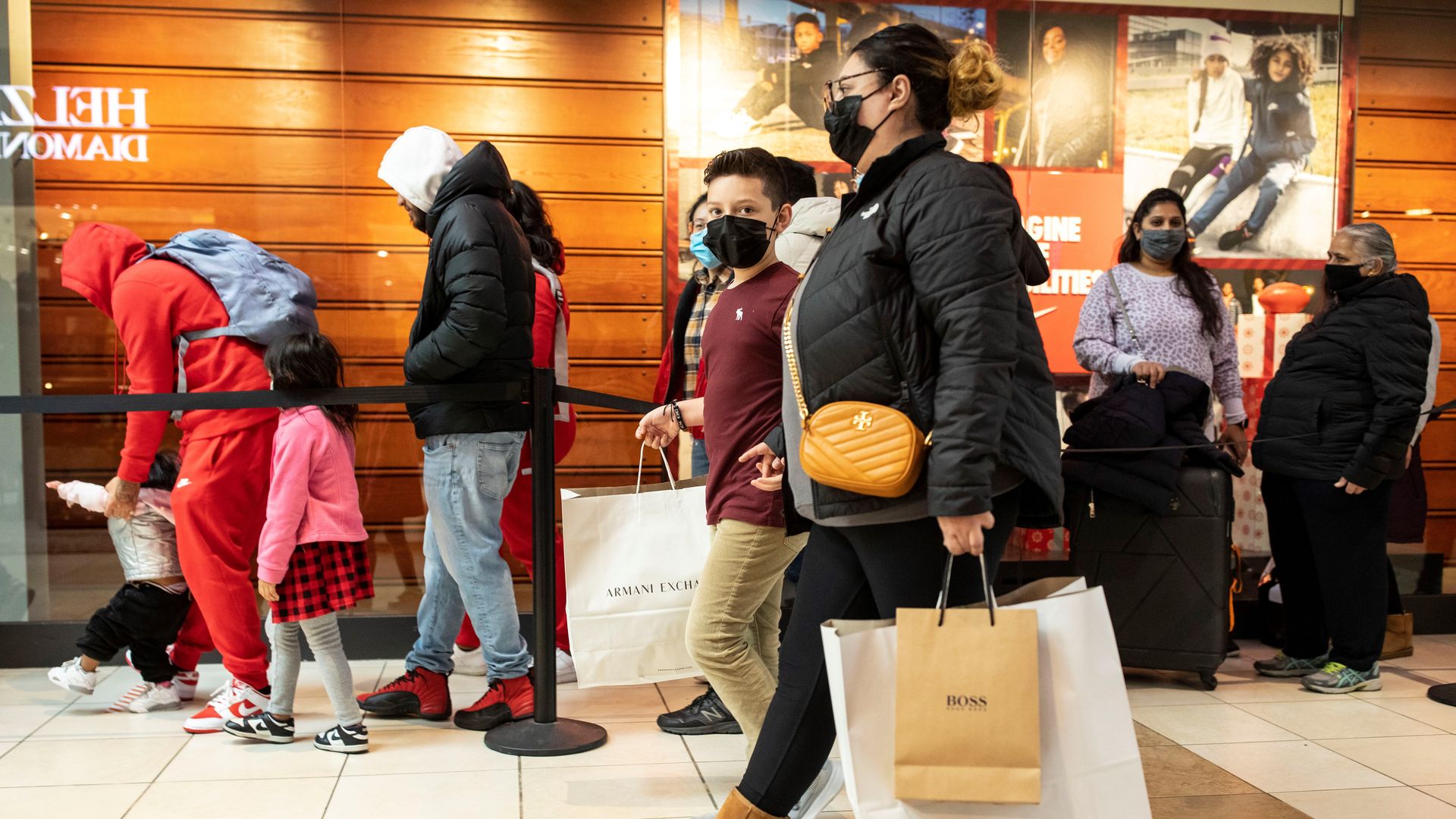
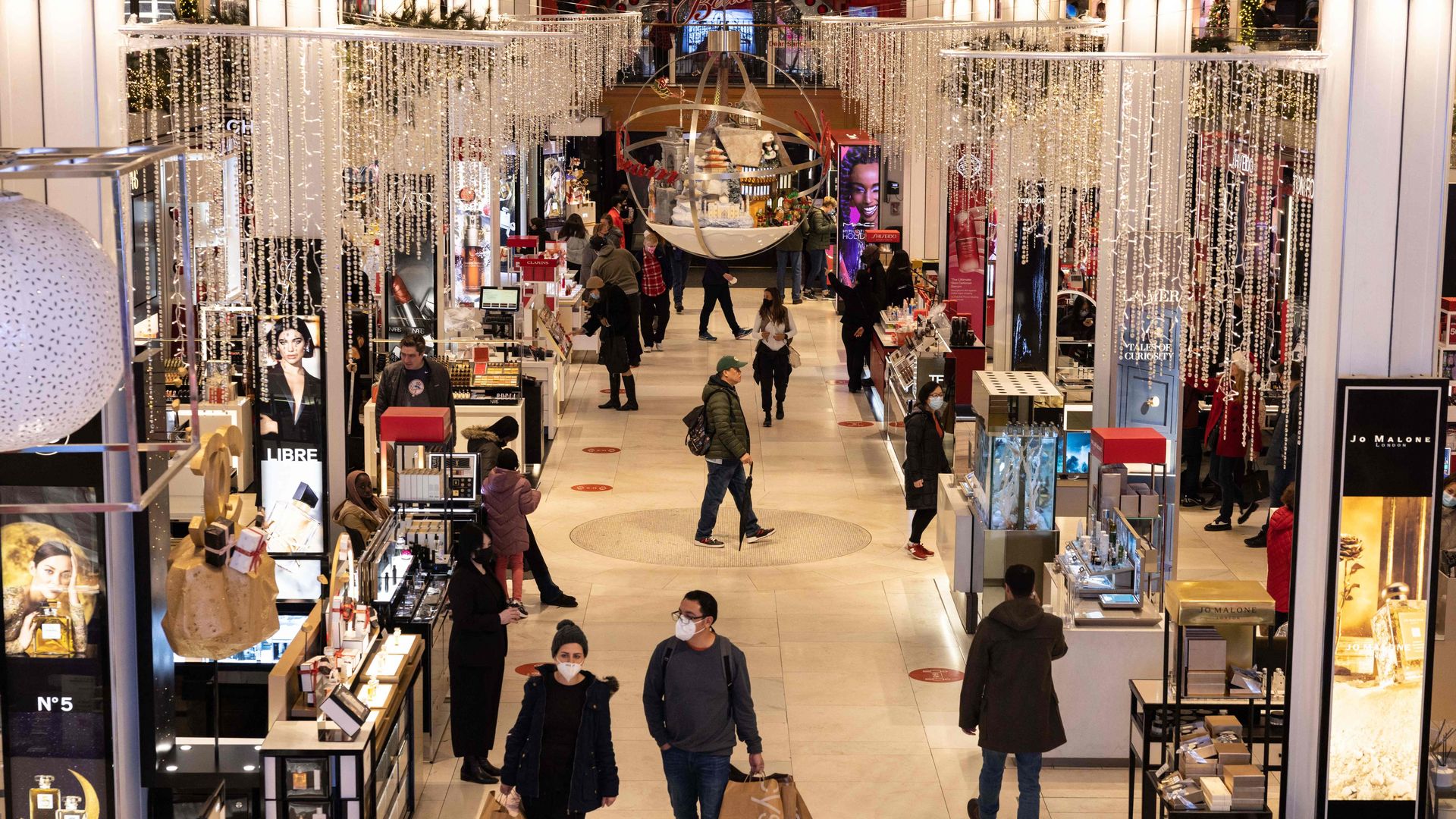
More shoppers flocked to stores on Black Friday this year compared to last, but online shopping was lower than expected, according to data from Friday.
Driving the news: Online shopping was on the lower end of what was expected, largely because people had been ringing up their shopping carts earlier in the year in an effort to skirt potential supply chain issues, according to the Adobe Digital Economy Index.
Americans are rushing back into holiday travel, and many are taking even longer trips now than they did before the pandemic began.
The big picture: After skipping Thanksgiving and Christmas gatherings last year, many people are eager to maximize this year's celebrations with friends and family. And flexible remote working arrangements make that easier than ever.
New data shows that there's been a pullback from the historically high levels of media audience growth — and in some cases consumption — during 2020, pointing to signs of a slight "attention recession" in the past few months.
The big picture: The COVID-19 pandemic drove a once-in-a-lifetime surge in the attention economy online, but the gradual return of normal life in many places — along with media overload and exhaustion — has down-shifted consumption patterns.
Lee Enterprises on Wednesday said its board of directors unanimously voted to adopt a new measure that would make it harder for Alden Global Capital — a hedge fund known for consolidating local newspapers — to buy out the publicly-traded firm.
Why it matters: Lawmakers, local reporters and journalism advocates have been sounding the alarm over Alden's unsolicited bid. Alden is known for buying local newspaper companies and instituting deep cuts to squeeze profits.
Shoppers across the nation flocked to malls and major retailers Friday in search of "Black Friday" deals. About 158 million people were expected to shop in stores or online between Thursday and the end of the day Monday, according to the National Retail Federation.
Why it matters: Retailers hope a desire to return to holiday traditions will translate to big spending during the annual post-Thanksgiving sales events, even in the face of supply chain issues and rising prices due to inflation, as Axios' Hope King reported.
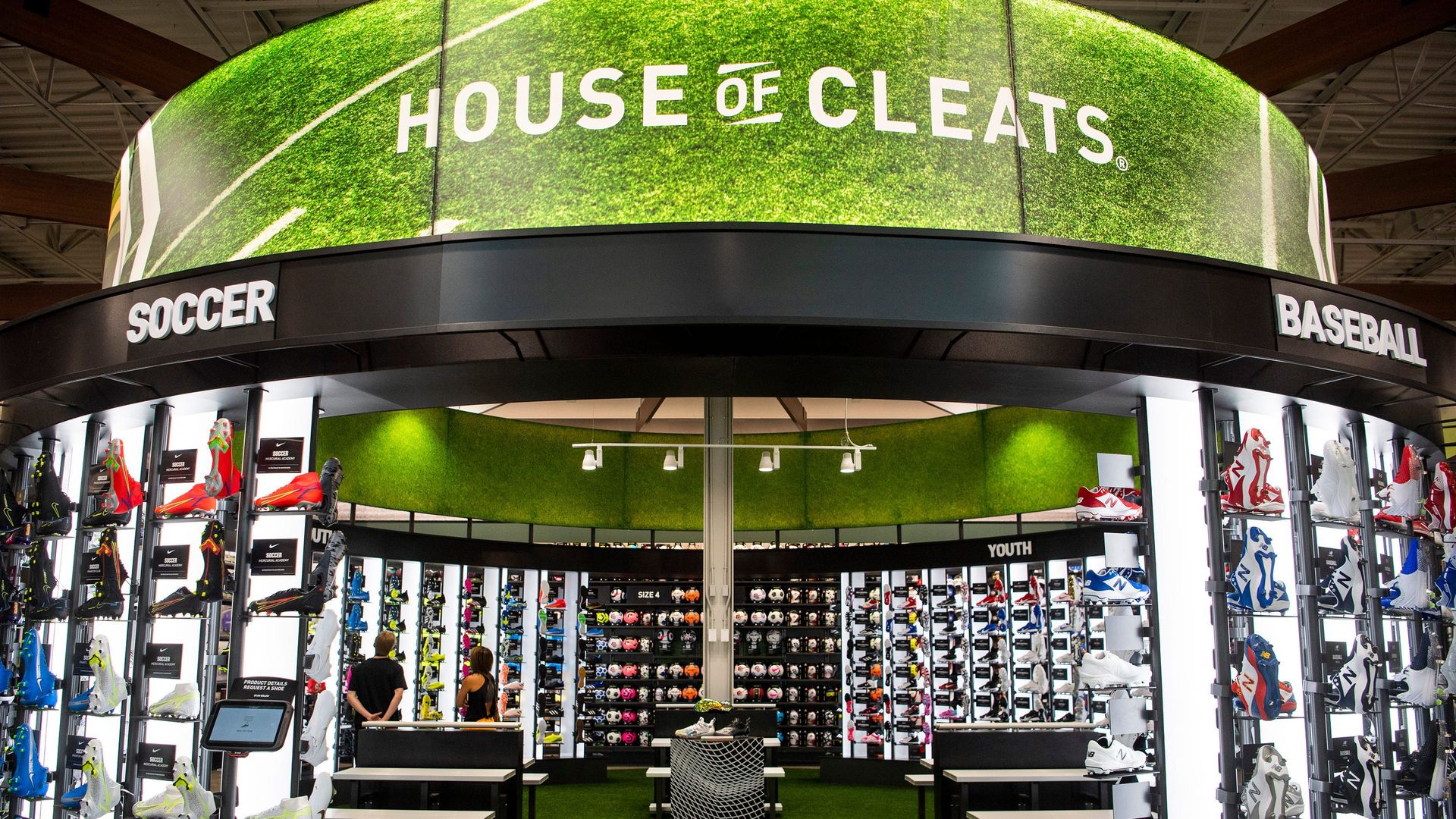
Retailers will open more stores this year than they close — for the first time since 2017, The Wall Street Journal reports from an analysis of 900+ chains by research company IHL Group.
Why it matters: "Stores have become integral in fulfilling e-commerce orders. They serve as distribution hubs and convenient places for shoppers to pick up and return online purchases," The Journal writes.
Inflation is driving prices up, but that's not keeping people out of stores.
What's happening: Retail sales climbed for the third straight month in October — and industry experts say holiday shopping could come roaring back this year after a pandemic-induced slump last year.
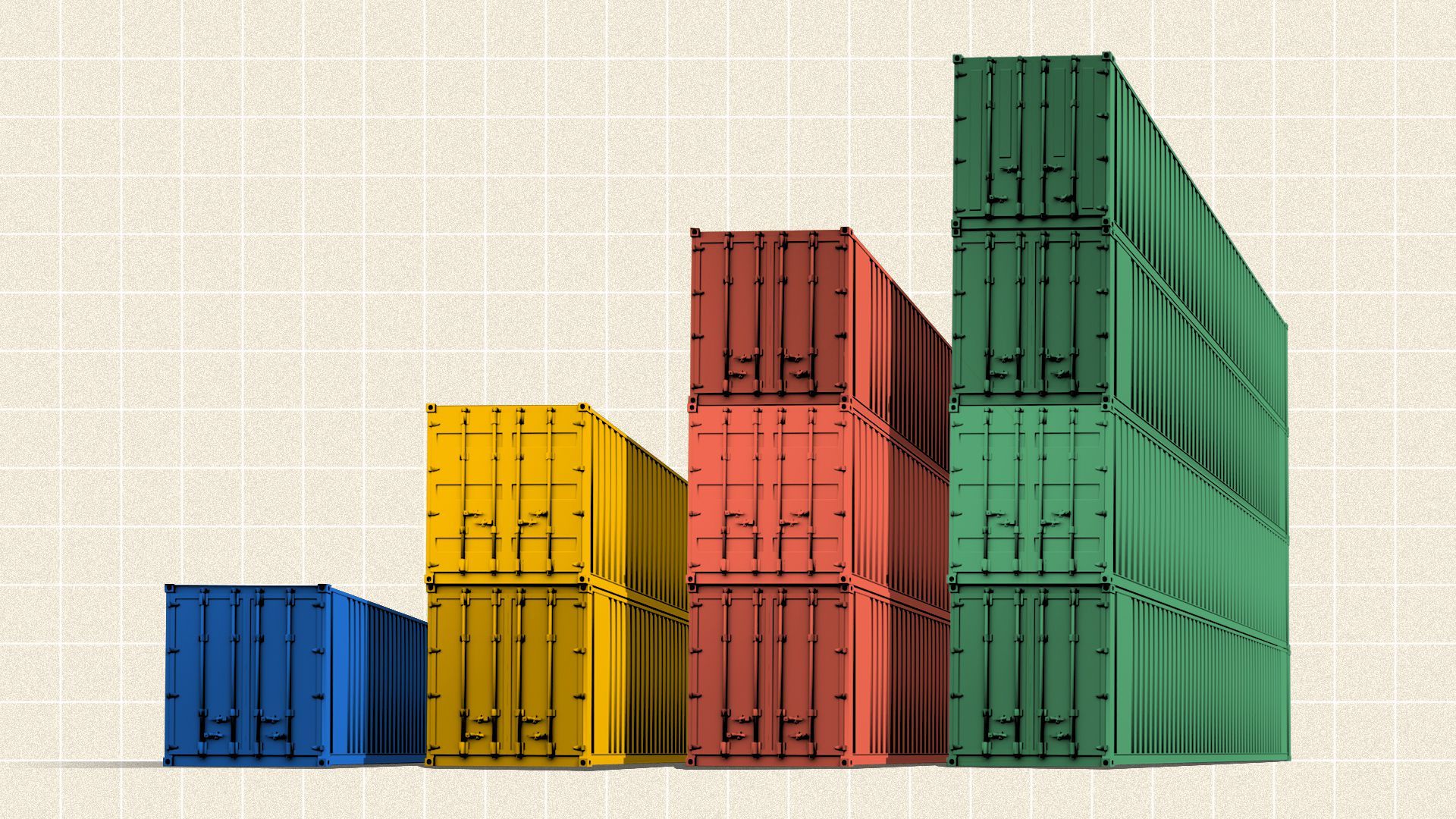
America's supply chain crisis, which has driven prices higher and made all sorts of goods harder to find, may last long after the holiday season.
The big picture: If goods aren't off a boat by now, it's highly unlikely that they'll make it onto store shelves before Christmas. And there are dozens and dozens of ships anchored offshore at the country's biggest ports.