U.S. airlines carried about 60% fewer passengers in 2020 compared with 2019, according to Department of Transportation data released Tuesday.
Why it matters: The drop underscores the dramatic impact that the coronavirus pandemic — and the travel restrictions and stay-at-home orders that hallmarked much of the year — had on the travel industry.
Sixth Street Partners CEO Alan Waxman is known for his sharp elbows, befitting someone who created a leader in special situations lending. Now he's jabbing one right in the gut of Dyal Capital Partners, which has owned a passive minority stake in Sixth Street since 2017.
Driving the news: Sixth Street has sued Dyal in Delaware Chancery Court, seeking to block Dyal's proposed merger with direct lender Owl Rock Capital, and the pair's subsequent agreement to go public via a SPAC at a $12.5 billion market cap.
Centessa, a Cambridge, Mass.-based pharma platform formed via the merger of 10 startups backed by British biotech VC firm Medicxi, raised $250 million in Series A funding led by General Atlantic.
Why it matters: Centessa's management team boasts a pedigree that includes CEO Saurabh Saha (ex-EVP of R&D and head of translational medicine for Bristol-Myers Squibb) and chief scientific officer Moncef Slaoui (ex-chief scientific officer to Operational Warp Speed).
Why it matters: If they can strike those deals, Google and Facebook will avoid a law that would make Australia the first country to force both companies to pay news publishers for their content.
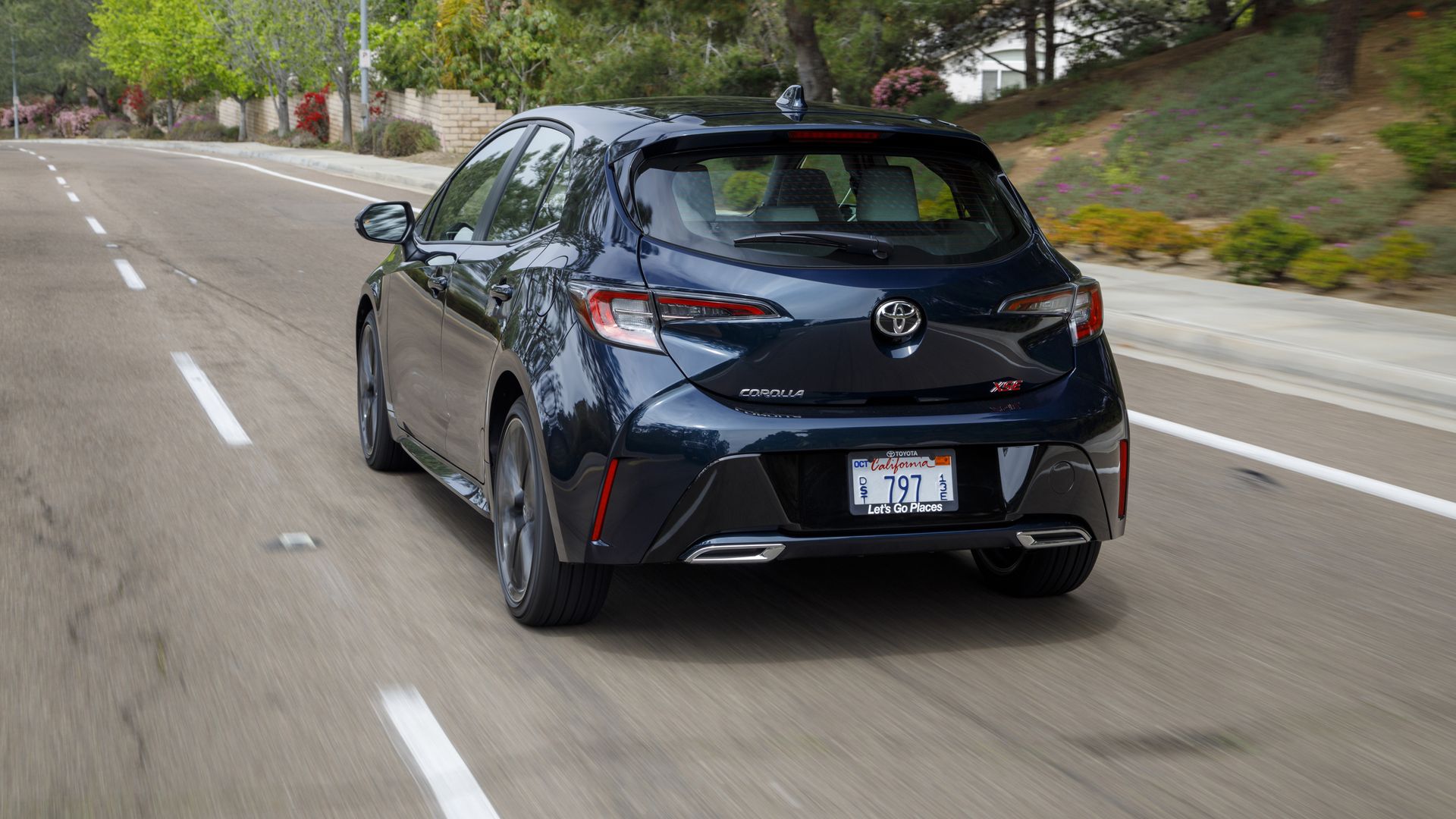
Let's be honest: the Toyota Corolla has never excited me much. But the 2021 Corolla hatchback was a surprise.
The big picture: Corollas are practical and efficient, and always reliable, but you don't really aspire to own one. Then a guy driving a Cadillac Escalade stopped to tell me, "I really like your car — a lot," and I knew I wasn't alone. When it's a sporty and stylish five-door hatchback, you can't help but look twice.
The auto industry is in the midst of the biggest transformation in a century, with cars one day running on electrons, not gasoline.
Why it matters: But it's not just the cars that are changing. How we buy and service them is being disrupted, too. Instead of selling cars through franchised dealers, emerging auto manufacturers want to sell electric vehicles direct to consumers, either online or in their own stores.
The VC arms of Chevron and BP are funding Eavor, a startup looking to commercialize a form of geothermal energy that it says can provide large-scale power in many regions worldwide.
Why it matters: It's the latest sign of momentum and investor interest behind technology that could significantly scale up geothermal.
Content from abroad is boosting its share of the American entertainment diet, thanks in large part to streaming, the pandemic and the creator economy.
Why it matters: "As 'American exceptionalism' has become less of a truth geopolitically, the same goes for entertainment," says Brad Grossman, founder and CEO of ZEITGUIDE.
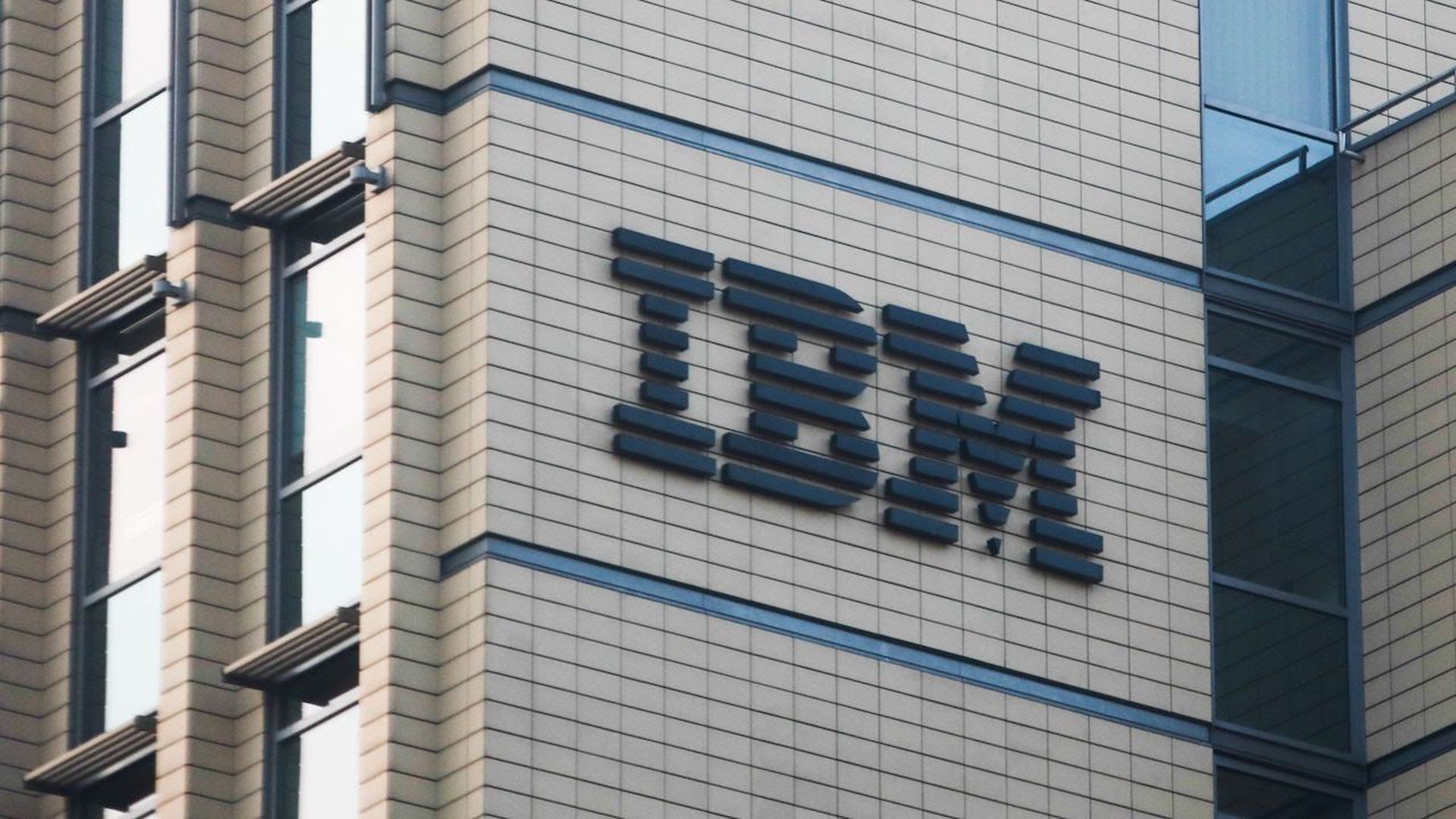
IBM is pledging to eliminate its greenhouse gas emissions by 2030, becoming the latest tech giant to unveil a target that will require tangible near-term steps to succeed.
Why it matters: The tech industry has a big energy footprint thanks to power-hungry data centers and other operations.
Two of the country's biggest local news companies are joining forces to sell national ads to their combined reach of over 300 local communities.
Why it matters: There aren't many great options for Fortune 500 companies to buy ads at the local level without having to transact with hundreds of different outlets individually. This partnership aims to address that problem.
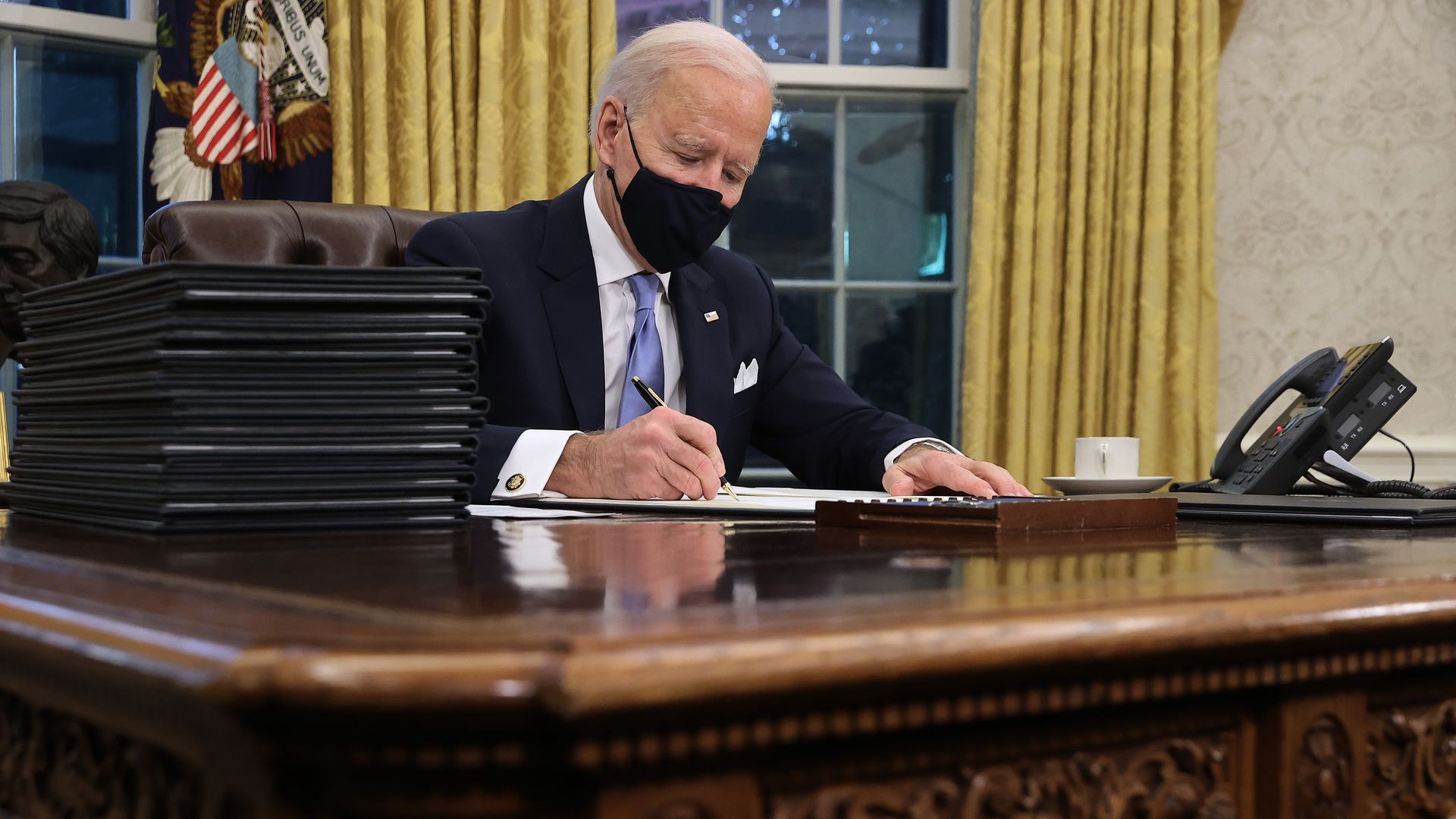
The Biden administration Tuesday announced it's extending the moratorium on home foreclosures and the enrollment window for mortgage forbearance through June.
Why it matters: Many Americans have struggled to make home payments during the COVID-19 pandemic. Both programs were set to expire in March. The actions are an extension of a program the Trump administration started in 2020.
Bond investors are looking past last week's tepid consumer price index report that showed U.S. inflation rising at just 1.4% and continue selling out of Treasury bonds in a big way, pushing yields from the benchmark 10-year note to their highest since mid-March on Friday.
Why it matters: Even at their still historically low levels, the market's rising inflation expectations are beginning to have an impact on the real economy by pushing mortgage, credit card and auto loan rates higher, making them more expensive for consumers.
Stock markets closed at record highs again but consumers remain in a malaise, with expectations for the future trending away from their high levels at the start of 2020 and back toward the lows they plumbed in May, as the pandemic forced municipalities around the country to impose lockdown restrictions.
Driving the news: Friday's release of the University of Michigan's consumer sentiment index showed the overall index and consumer expectations index at their weakest level since September.
Google and Facebook's share of the top 15 mobile apps by reach in the U.S. has increased in the past few years, despite the fact that dozens of new mobile apps, from TikTok to Zoom, have experienced record downloads.
Why it matters: Most of our time engaging with digital content happens in mobile apps. Google and Facebook continue to dominate the app economy, and through it, the attention economy.
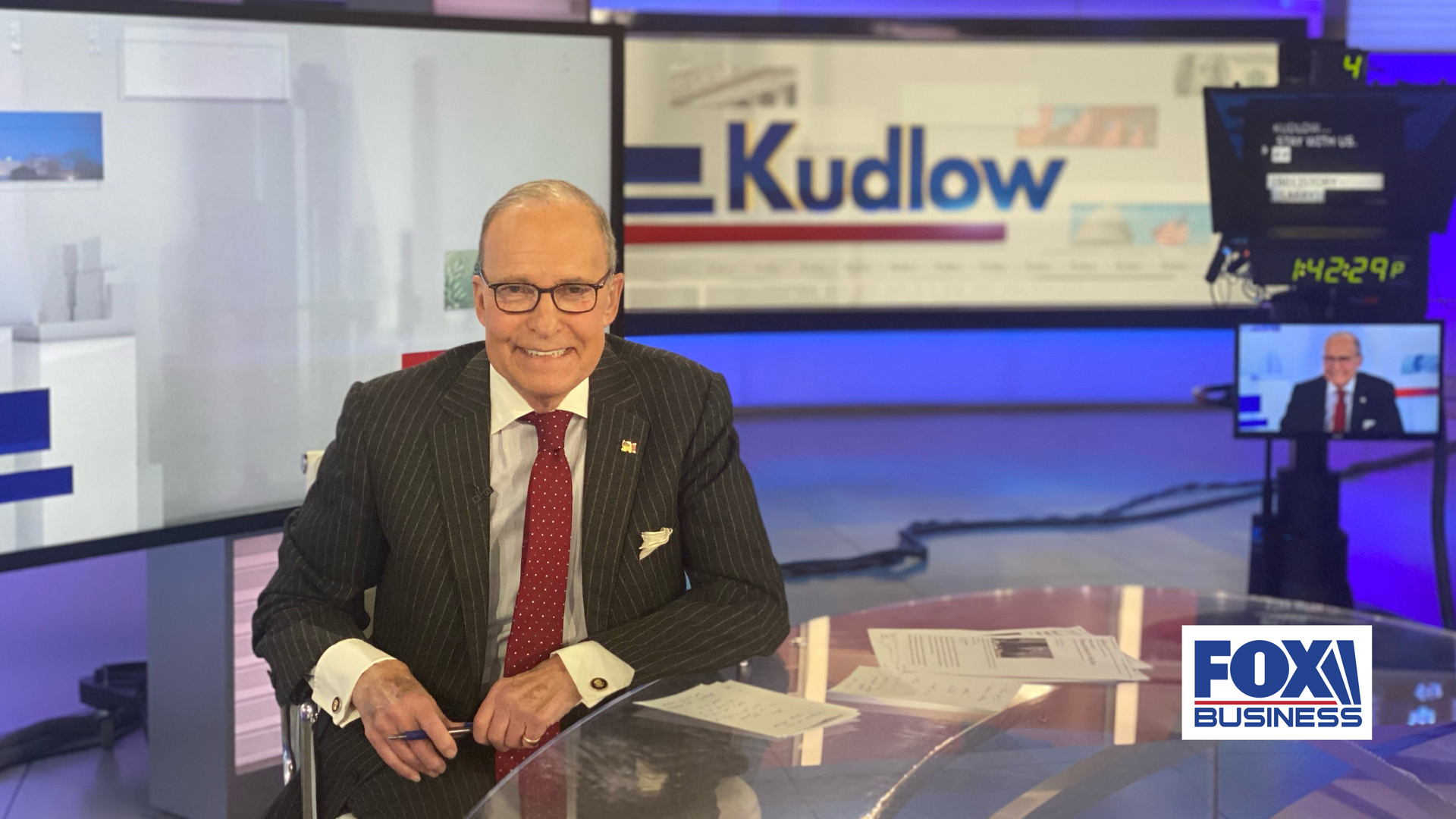
Larry Kudlow, the longtime CNBC host who became President Trump's economic adviser, returns to live anchoring today — this time on Fox Business, with "Kudlow," from New York at 4 p.m. ET (repeating at 7 p.m. ET).
Debut guest: Former Trump administration colleague Steven Mnuchin.
Thanks to a mandate for outside investment and its strong rebound from the coronavirus pandemic, China’s financial markets are drawing record high chunks of global capital — particularly from U.S.-based investors — and are poised to keep growing.
Why it matters: As more money flows to China’s markets, its political leaders will have a clear mechanism to increase the country’s political power, giving China another potent weapon to challenge the United States’ position as the world’s financial superpower.
CEOs — more trusted than government — want alarger role in what may be the biggest countrywide undertaking of our lifetimes: the mass rollout of coronavirus vaccines.
The big picture: A slew of big businesses are offering up the resources they have, including technical expertise and physical space. But there's no coordinated effort at the federal level to tap the full potential of the private sector’s muscle.