Robinhood CEO Vlad Tenev apologized at a House hearing Thursday for the confusion caused by his platform's decision to restrict trading of certain "meme stocks," while admitting he did not handle the situation perfectly.
Yes, but: Tenev later admitted the company made mistakes, but could not spell out what those mistakes were — before Congress moved on to the next question.
Al Jazeera is creating an editorial platform for business news called "Reyada" that will include licensed business content from the New York Times.
Why it matters: The platform is meant to serve as a hub for reporting on the Middle East's economic diversification, according to a statement announcing the partnership.
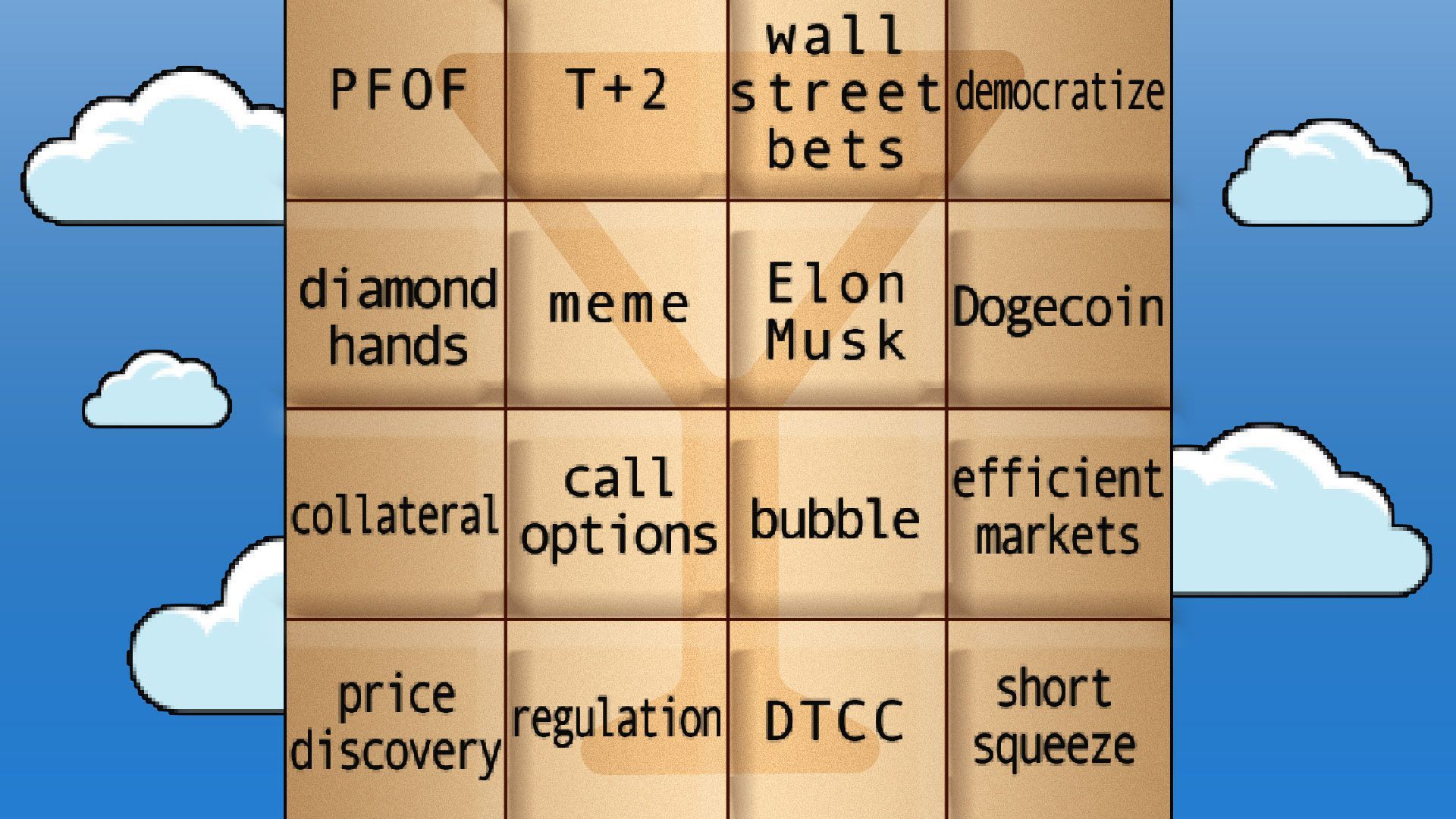
It's GameStop hearing day on Capitol Hill, so here's a drinking game you can play while you tune in to C-SPAN: Take a drink any time any of the above terms is mentioned.
The oddest partof the Robinhood position on short-selling is the part where the company claims that problems with shorting could "potentially" be avoided by implementing "changes to the stock settlement process."
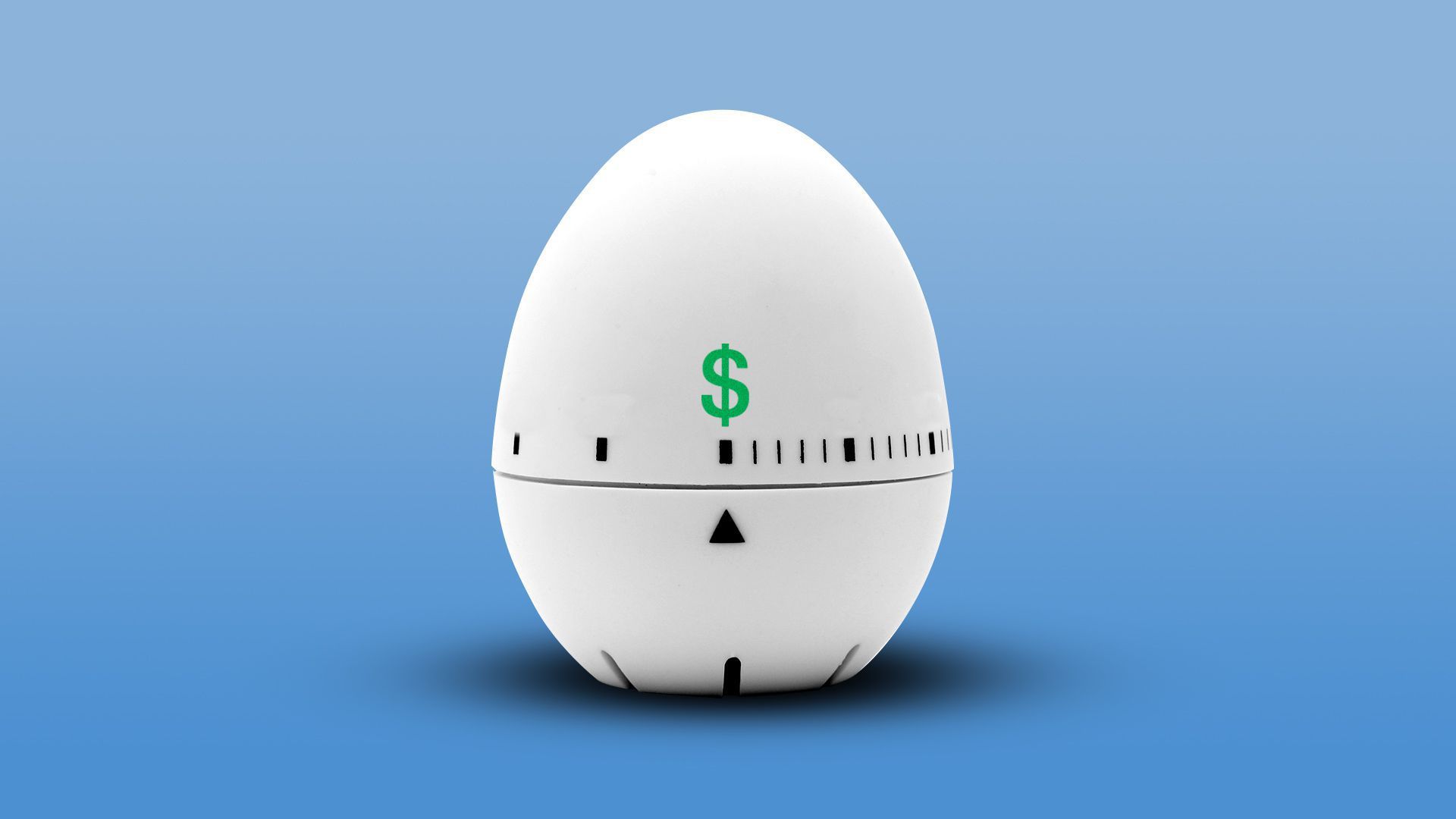
Why it matters: Currently, stock trades are settled on a T+2 basis — two days after the trade happens, the buyer transfers money to the seller.
Payment for order flow, or PFOF, sits at or near the top of the list of people's complaints about market structure.
The big picture: The House Financial Services Committee is holding a hearing on Thursday about the trading mania that drove a group of "meme stocks" — most notably, GameStop — to meteoric heights. PFOF is one of the three most important policy issues that are likely to arise during the hearing.
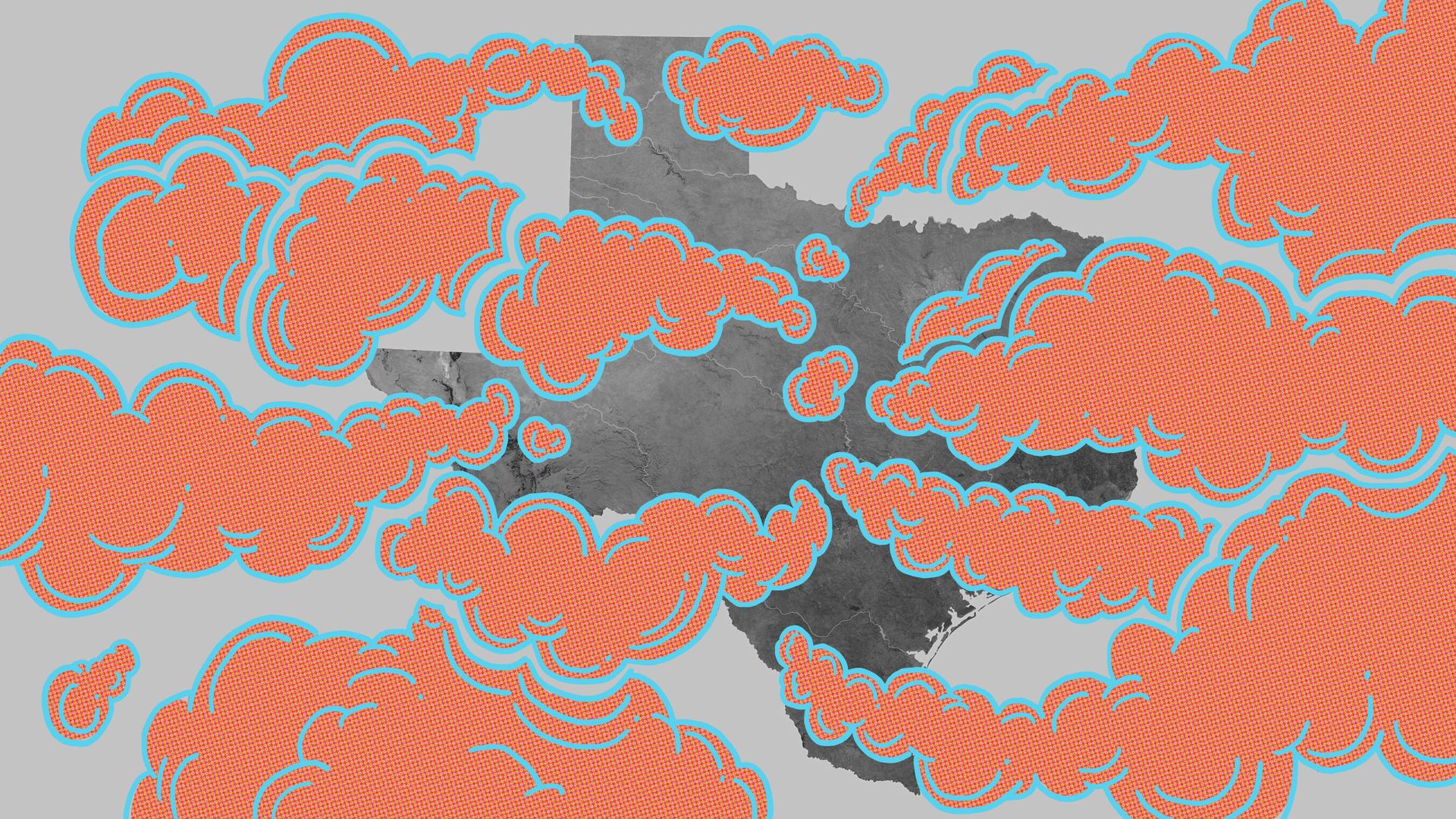
Business is also feeling the bite from the Texas winter storm, with a number of chipmakers forced to suspend production.
Why it matters: Even a brief shutdown of chip production in Texas could exacerbate the global chip shortage that's already reducing production of everything from cars to computers.
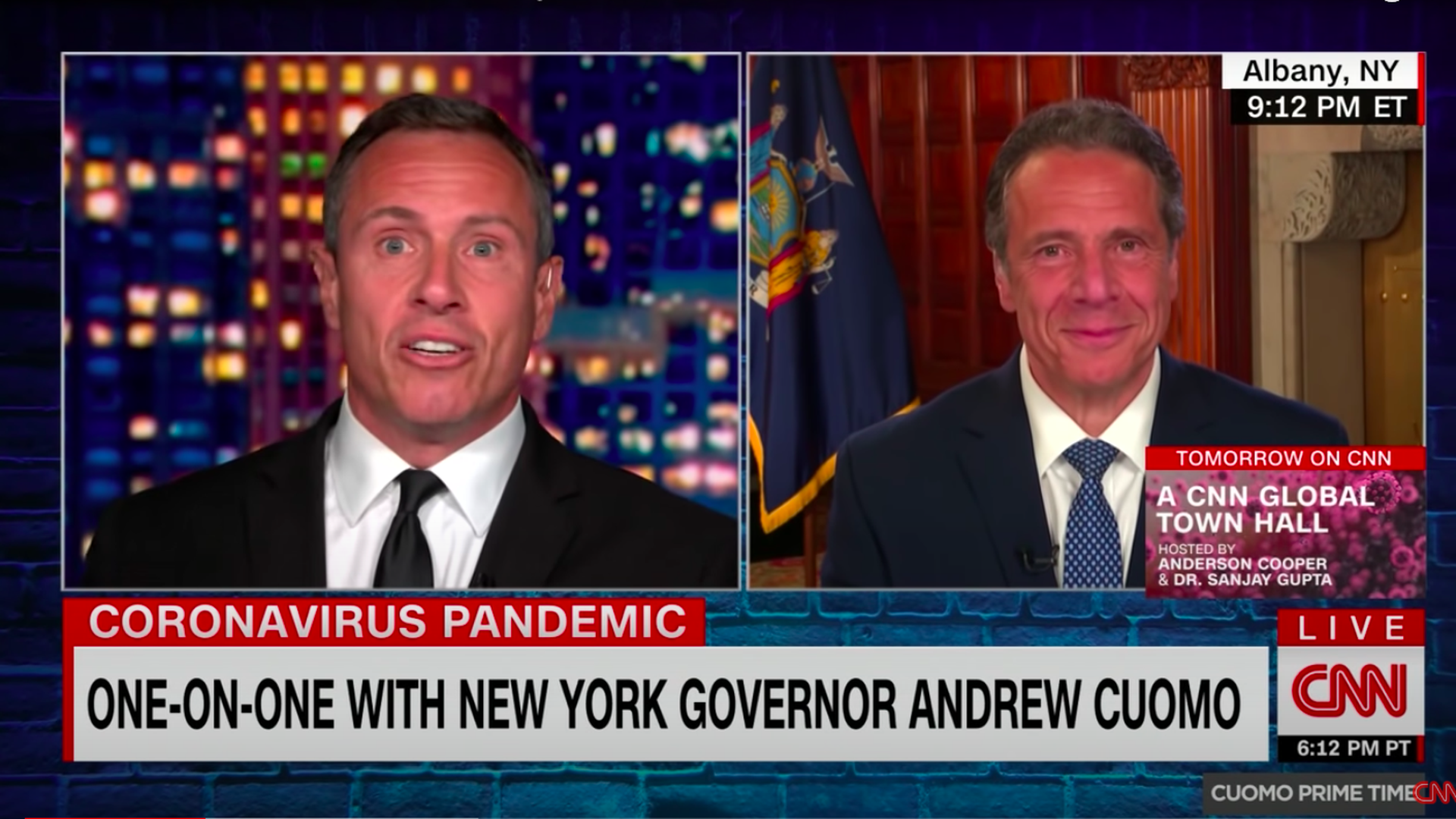
A CNN spokesperson told the Washington Post that a rule prohibiting anchor Chris Cuomo from interviewing or covering his brother, New York Gov. Andrew Cuomo, "remains in place today."
Why it matters: Chris Cuomo hosted his brother for numerous segments of "Cuomo Prime Time" to discuss the coronavirus last year, when New York was at the epicenter of the pandemic and the governor was winning plaudits for his crisis management. Gov. Cuomo is now facing a federal probe and calls to resign over his handling of COVID-19 deaths in nursing homes.
Retail sales were the big story on Wednesday, but the January readings of U.S. industrial production and producer prices also provided important insights into the economy.
The big picture: Industrial production rose by 0.9% month over month, following a downwardly revised 1.3% gain in December, and is rapidly approaching levels seen before the pandemic.
January's U.S. retail sales report showed a 5.3% gain, the third-largest month-over-month increase on record, trailing only the booming numbers seen in June and July, as states opened up after nationwide shutdowns because of the coronavirus pandemic.
Between the lines: January's big number was more impressive because it was 7.4% higher than in January 2020, whereas on a year-over-year basis both June and July's reports were below their commensurate 2020 figures.
The world's debt-to-GDP ratio rose to 356% in 2020, a new report from the Institute of International Finance finds, up 35 percentage points from where it stood in 2019, as countries saw their economies shrink and issued an ocean of debt to stay afloat.
Why it matters: The increase brings numerous countries, including the U.S., to extreme debt levels, well beyond what economists have called untenable in the past.
Michigan is poised to enact the nation's most lenient "expungement" law, loosening the criteria for having a crime erased from one's record — and other states may soon follow suit.
Why it matters: In cities like Detroit, where a third of residents have felony or misdemeanor convictions that make it harder to get a job or rent a house, expungement paves the way to a higher income, better life prospects, and the joyof enhanced dignity.
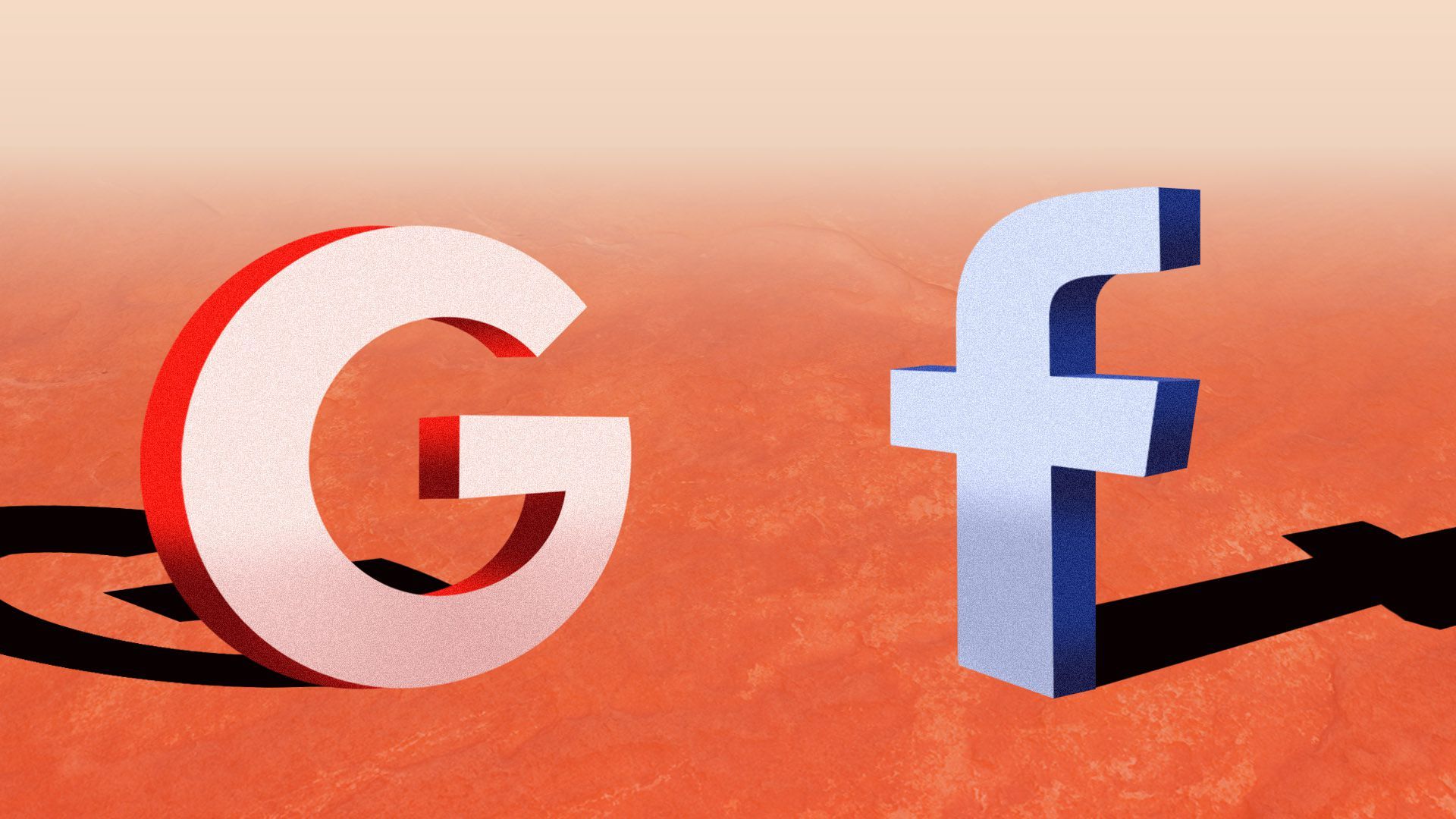
When the Australian government told tech platforms they had to start paying publishers for the headlines and links that fill their users' posts, Google caved but Facebook walked.
Why it matters: These companies' moves Wednesday — as Google struck a deal with News Corp to evade Australia's forthcoming rules, while Facebook essentially barred news content there — could shape how news companies are compensated for their work online for years to come.
There's little consensus about what went wrong, if anything, during the trading mania that drove a group of "meme stocks" to meteoric heights — and those tensions could animate today's GameStop-centered Congressional hearing.
Why it matters: What went wrong and who's to blame — short-sellers, Robinhood, Reddit daytraders, etc. — depends on whom you ask. Any of the witnesses set to appear could be targeted, and there's not much clarity about what direction Congress might go in response.
Players central to the GameStop market bonanza will call on Congress to shorten the time required for stock trades to settle, according to testimonies released ahead of their appearances at a Congressional hearing on Thursday.
Why it matters: A typically obscure part of stock trading is set to be among the issues at the forefront — as Robinhood and others look to deflect the anger that stemmed from the Reddit-fueled stock frenzy.