Older women and workers of color are likely to suffer the worst economic effects as the pandemic and recession drag on, experts say.
The big picture: "We know from past recessions that if you're an older woman or an older worker of color, your ability to become re-employed is even more difficult than that of an older white man," the Urban Institute's Johnson says.
The coronavirus is already triggering early retirements. That's bad news for the American economy, experts say.
Why it matters: "It’s a missed opportunity if people are being forced to retire early," London Business School's Scott says. "There's a big impact on their lifetime earnings and a big impact on lifetime expenditures. And that has macroeconomic consequences."
Prior to the pandemic, America’s leading public health crisis was the overuse and abuse of opioids. And opioids haven’t gone away just because the coronavirus arrived. In fact, the situation may have gotten worse.
Axios Re:Cap digs into the next phase of litigation against prescription opioids makers, which states and cities estimate has cost over $600 billion since 2007.
Roughly 18.7 million people watched the first night of the Democratic National Convention on television from the primary speech hours of 10:00 p.m. through 11:15pm EST on Monday night, according to Nielsen ratings.
Why it matters: That's down more than 28% from the number of TV viewers for the first night of the 2016 DNC. The virtual nature of this year's event likely pushed some viewers away. The ratings drop could also reflect the migration of traditional television viewers to digital streaming platforms and social media over the past four years.
The S&P 500 closed at a new high on Tuesday for the first time since February, before the coronavirus pandemic was declared.
Why it matters: It’s among the fastest-ever recoveries on record and comes as millions of Americans remain out of work during one of the worst economic downturns in U.S. history.
The Midwest is looking for ways to develop more "disruptive innovation" in order to better compete globally and strengthen manufacturing, Kathleen Gallagher, Executive Director of the 5 Lakes Institute said at an Axios event on Thursday.
The big picture: Gallagher pointed to the industries in Milwaukee and throughout the Midwest that produced much of the equipment that the U.S. used to win World War II as inspiration for Midwesterners to move forward. "We need to pull this region up. That's our challenge of a lifetime right now," she added.
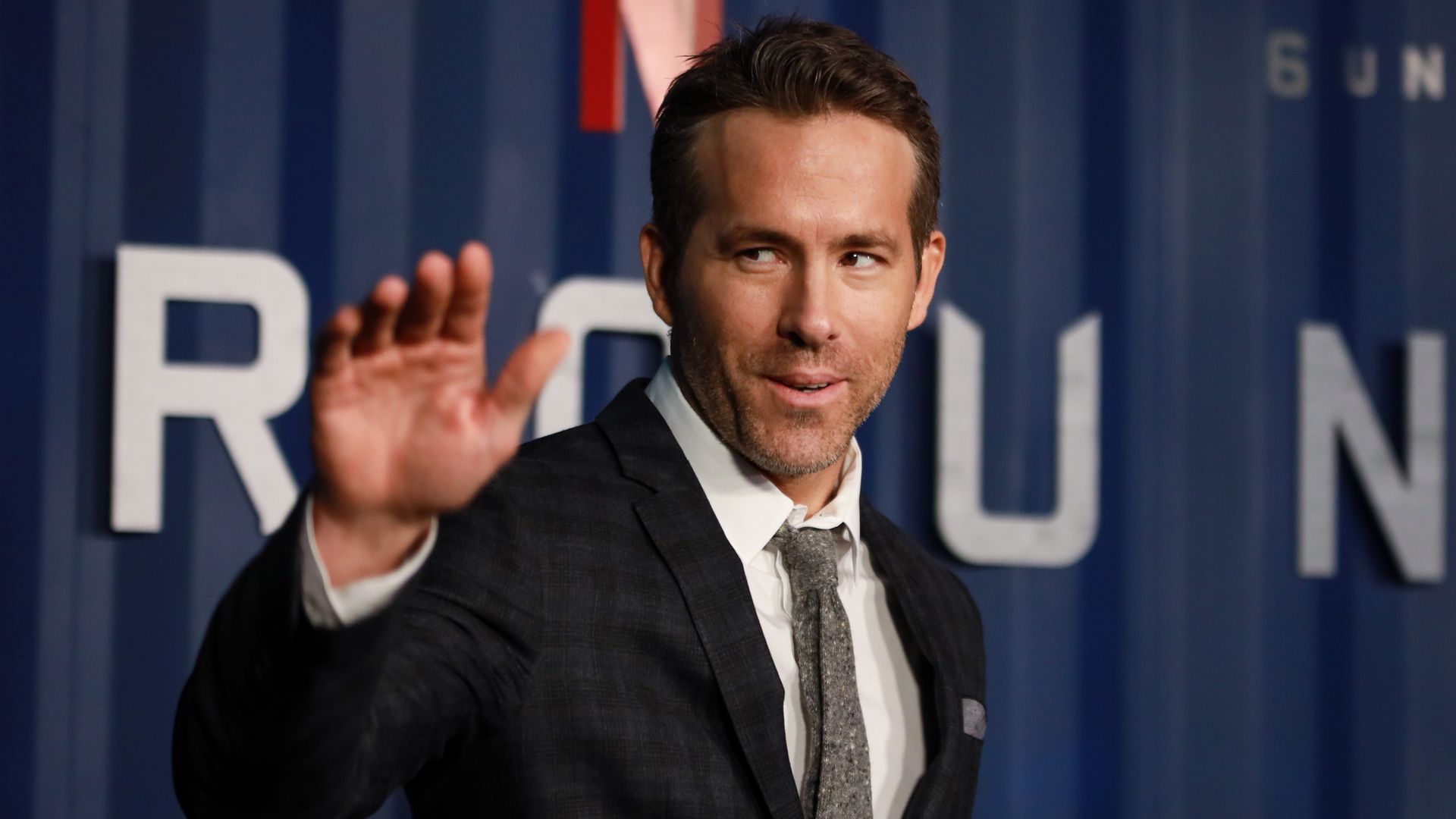
Diageo (LSE: DGE) agreed to buy Aviation American Gin, a liquor brand co-owned by actor Ryan Reynolds. The deal is worth upwards of $610 million, including $335 million upfront and $275 million in sales-based milestones over 10 years.
Why it matters: This is Diageo's second stab at a celebrity-backed liquor brand, having previously paid upwards of $1 billion for George Clooney's Casamigos tequila, and comes as it's under severe earnings pressure due to bar and restaurant closures.
Newly releaseddata from the Transportation Security Administration show that U.S. air travel is slowly coming back but remains nowhere near pre-pandemic levels.
Why it matters: The massive global drop-off in air travel is one major reason why oil demand has fallen so much this year.
Why it matters: The revelation could draw more developers into the issue, beyond those who were already opposed to Apple's 30% cut on digital goods sold through the App Store. Epic is warning the move threatens not only its own games, but also others' titles that use the company's popular Unreal Engine.
The housing market has been a solidly bright spot in the U.S. economy in recent months.
Yes, but: There remain serious questions about what the next phase for the market will be as the coronavirus pandemic has created an enormous amount of uncertainty about where and how people will live.
Experts are again sounding the alarm that the dollar could lose its role as the world's reserve currency. This is a frequent and historically unconsummated concern — but things may actually be different this time.
What's happening: New data from the Bank of Russia show the country now receives more euros than dollars for its exports to China, with the share of goods purchased in euros rising from 0.3% at the start of 2014 (and just 1.3% in the second quarter of 2018) to nearly 51% at the end of Q1 this year.
Amazon is expanding its physical offices in six U.S. cities, adding 3,500 corporate jobs in New York, Phoenix, San Diego, Denver, Detroit and Dallas, The Wall Street Journal reports.
Why it matters: The tech giant is "making long-term plans around office work even as other companies embrace lasting remote employment." Amazon is currently allowing employees who can work remotely to do so until Jan. 8, 2021.