The Academy of Motion Picture Arts and Sciences and ABC Television announced on Monday that the 93rd Oscars awards will be postponed from Feb. 21, 2021, to April 25, 2021, as a result of the ongoing coronavirus pandemic.
Why it matters: The delay comes as much of the film industry has been forced to put movie production and debuts on hold as a result of social distancing restrictions implemented all over the world.
Three-quarters of limited partners in private equity funds say they want more opportunities to interact directly with one another, according to a Coller Capital survey released Monday.
Why it matters: LPs have historically been siloed, thus giving them less leverage and visibility when negotiating terms with general partners.
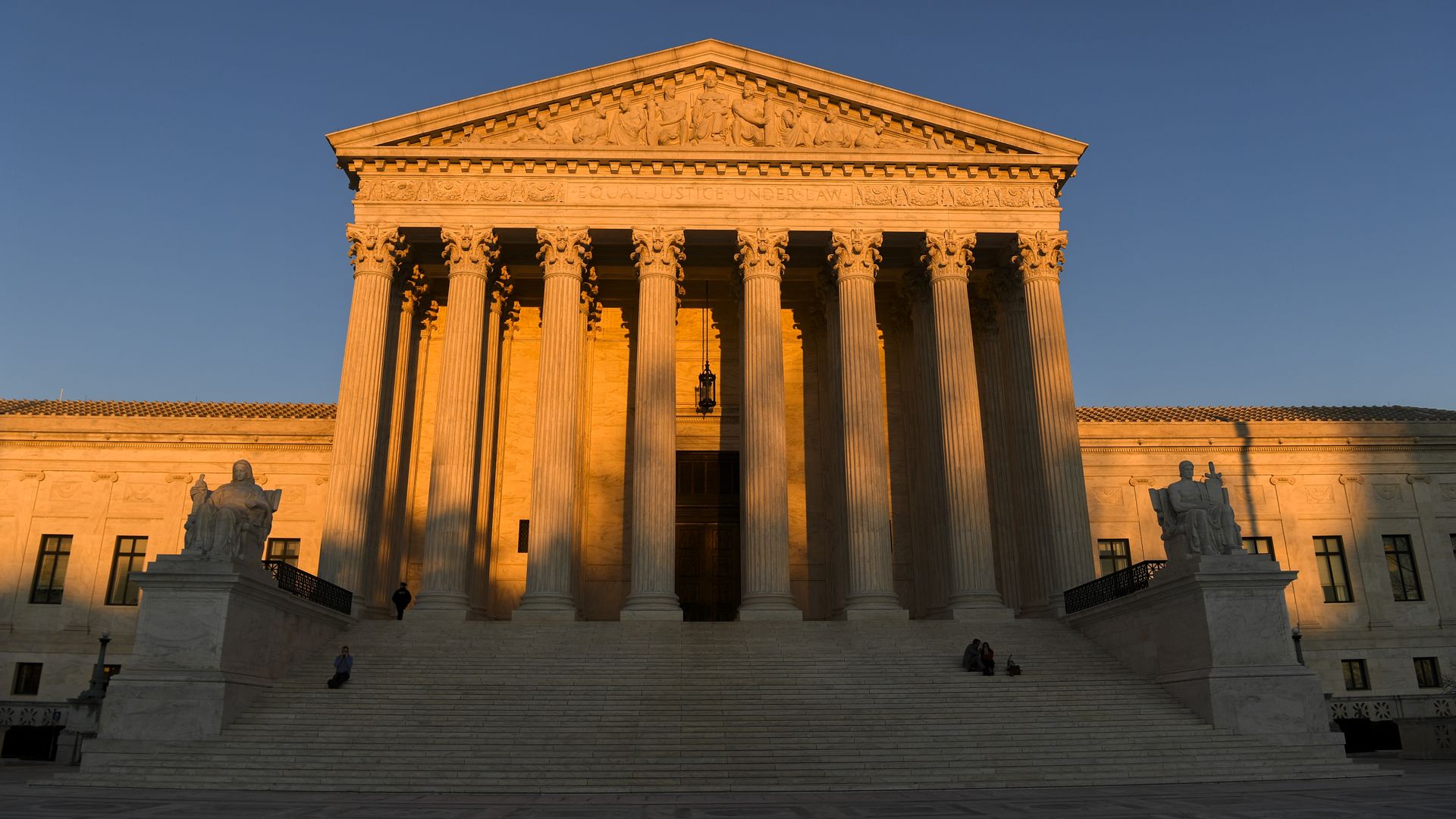
The Supreme Court ruled Monday that employers cannot fire employees based on their sexual orientation or gender identity under Title VII of the Civil Rights Act of 1964.
Why it matters: The 6-3 opinion marks a huge win for LGBT rights in a court with a clear conservative tilt. It was authored by conservative justice Neil Gorsuch, who was joined by the court's more liberal and swing members.
BP is writing down the value of its assets by up to $17.5 billion and is slashing its long-term oil price assumptions as it projects the coronavirus pandemic will have an "enduring impact on the global economy."
Why it matters: Monday's announcement signals how one of the world's most powerful energy companies sees COVID-19 changing the industry's landscape in lasting ways.
Electric vehicles had a "banner year" in 2019 with worldwide sales topping 2 million, but they still represent just roughly 1% of cars on the road globally, per an International Energy Agency report released Monday.
Yes, but: The coronavirus pandemic is creating sales headwinds this year, though electric vehicles are affected less than traditional cars.
United Airlines said Monday that it secured a $5 billion loan using its MileagePlus loyalty program as collateral and has other assets to pledge if it decides to tap another $4.5 billion from taxpayers to weather the coronavirus crisis.
Why it matters: While officials at the Chicago-based airline said there's early evidence of a modest rebound in air travel, their goal is to build a $17 billion cash cushion by the end of the third quarter — three times their normal liquidity balance.
A new survey finds that rather than saving, Americans who switched from working in an office to working from home spent more money last month, as grocery and utility bills increased significantly but spending on things like restaurants, gas and clothes declined only slightly.
Details: The changes were driven by millennials, people living in the Northeast and lower income households.
Labor activists with the Fight for $15 and a union movement are publishing a memo Monday obtained first by Axios that will push McDonald's to suspend its quarterly dividend. The group wants McDonald's to instead prioritize increasing sick pay for more workers at $15 an hour.
What it means: The group is seeking a dedication of $61.2 million to cover 10% of workers for additional sick leave for two weeks, putting the price tag at "just 6.6% of the expected quarterly dividend to be paid on June 15."
The 100 largest U.S. companies have so far committed $1.63 billion to organizations fighting racism and inequality, according to company announcements and an Axios analysis.
What's happening: Since protests began over the death of George Floyd at the hands of Minneapolis police officers, companies have released statements of support for black communities and pledged donations to organizations like the NAACP, National Urban League, Equal Justice Initiative, and the National Center for Civil and Human Rights.
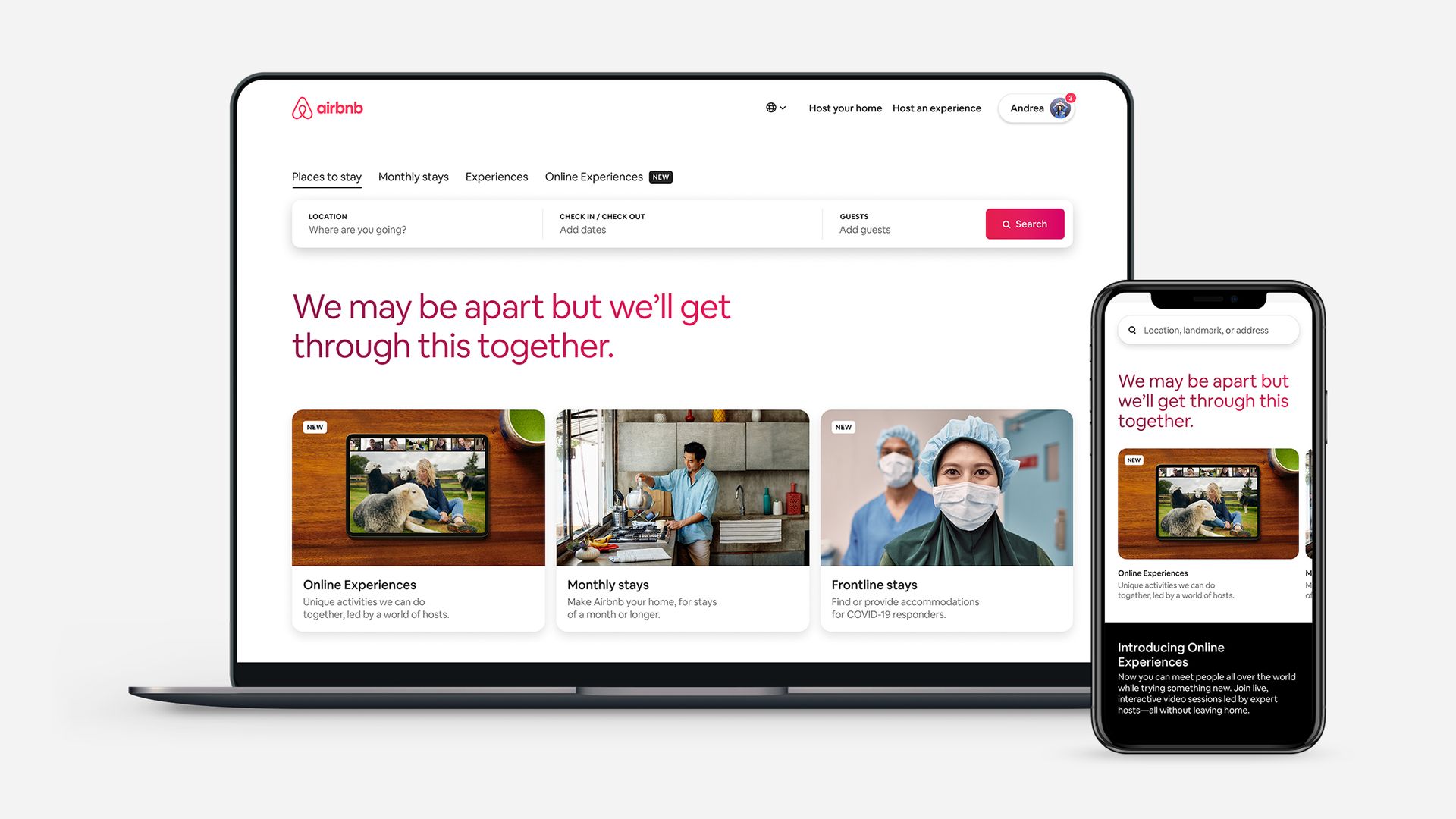
Airbnb will set out to identify and measure racial discrimination experienced by users of its service through a new research project in partnership with Color of Change and other advisers.
Why it matters: “The reason we’re doing this is because we have not achieved our goal of reducing all bias and discrimination on our platform,” Airbnb co-founder and CEO Brian Chesky tells Axios.
Businesses facing unprecedented demands during the coronavirus pandemic have boosted their use of artificial intelligence in some of society's most sensitive areas.
Why it matters: Algorithms and the data they rely on are prone to automating preexisting biases — and are more likely to do so when they're rushed into the field without careful testing and review.