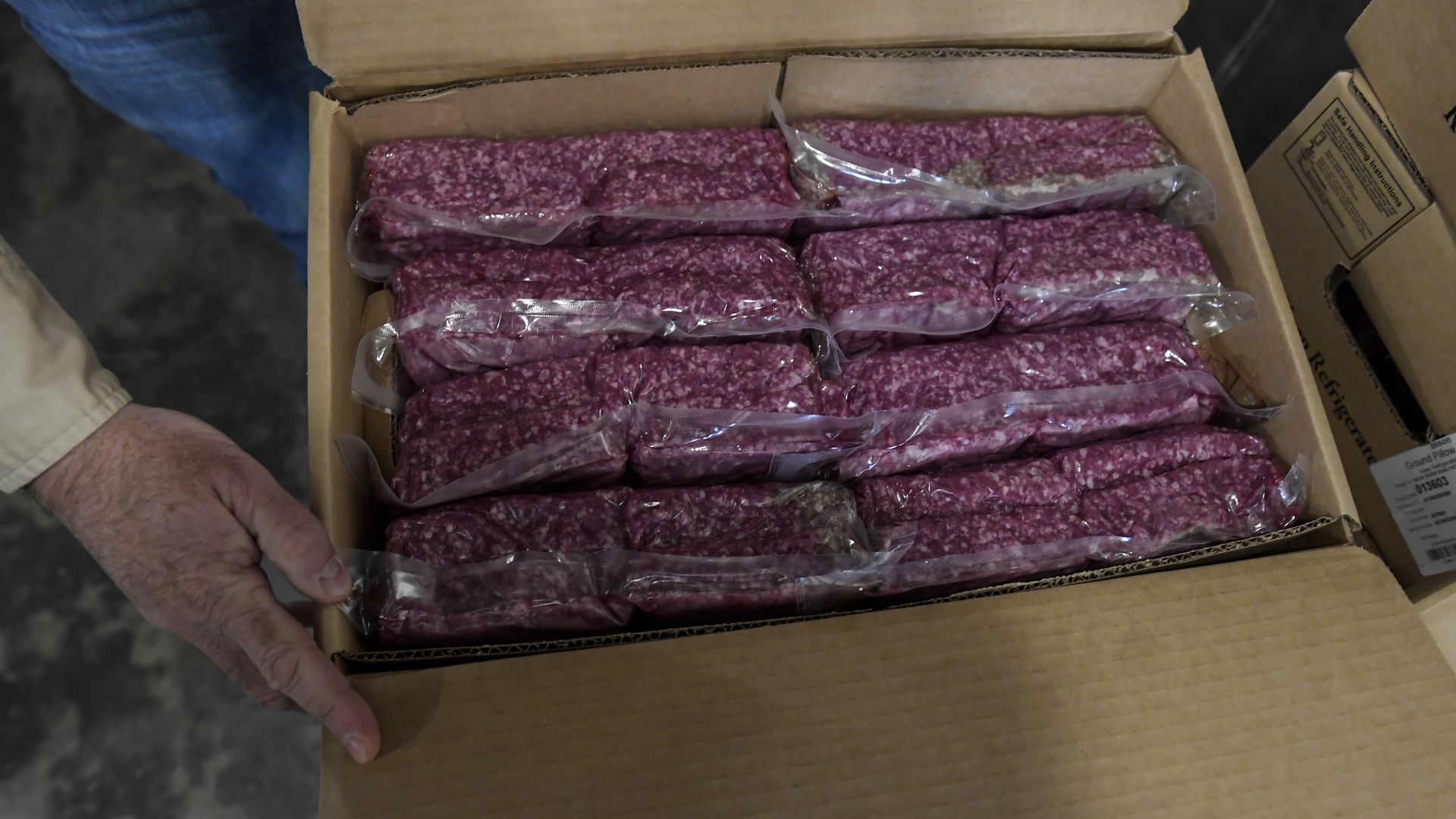
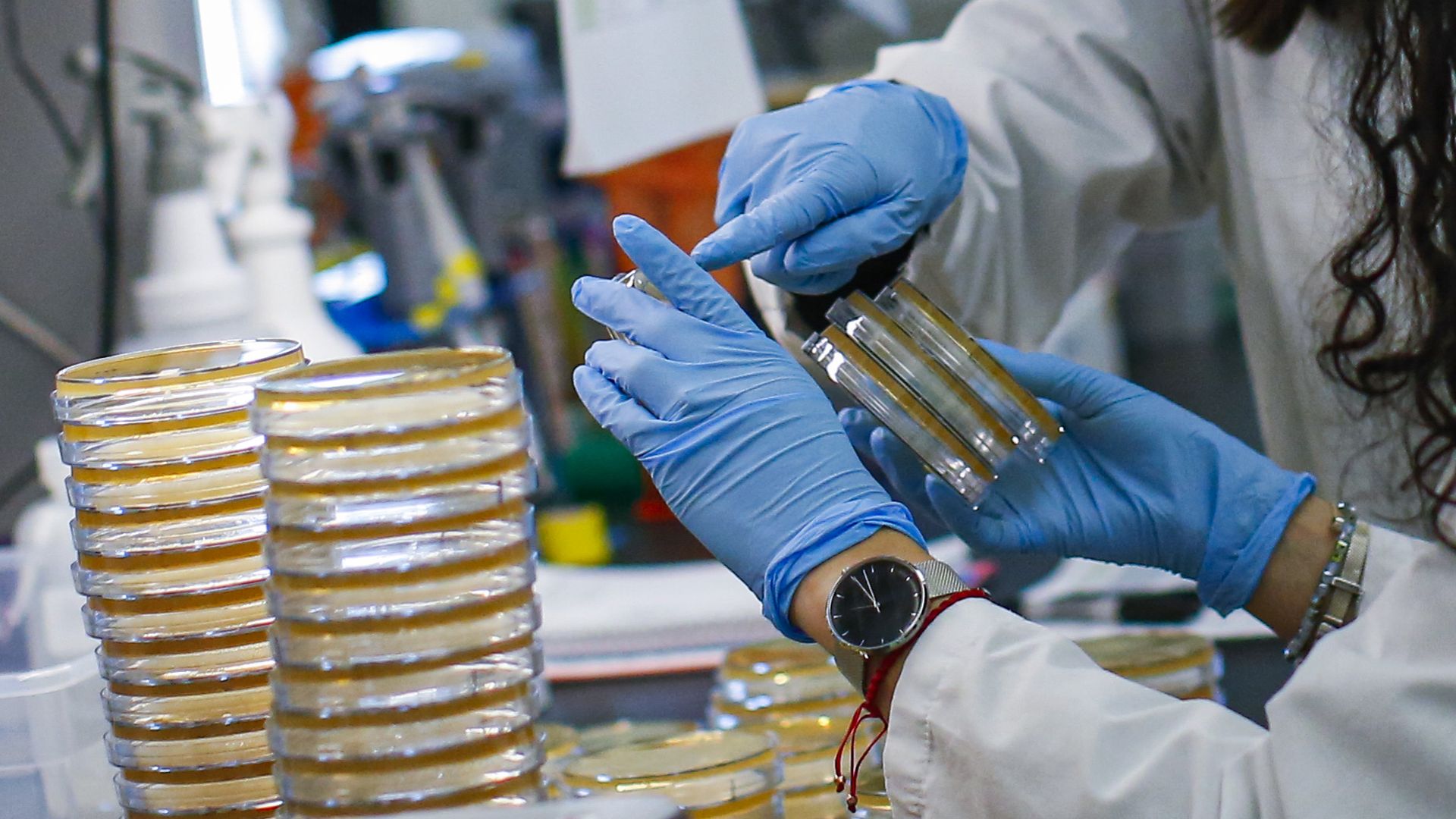
Hundreds of workers at meat plants across the United States have reported they contracted the coronavirus this past week, Bloomberg reports.
Why it matters: Concerns over worker safety continue to rise across the country, but the uptick in confirmed cases also raises questions about the fragility of the food supply chain.
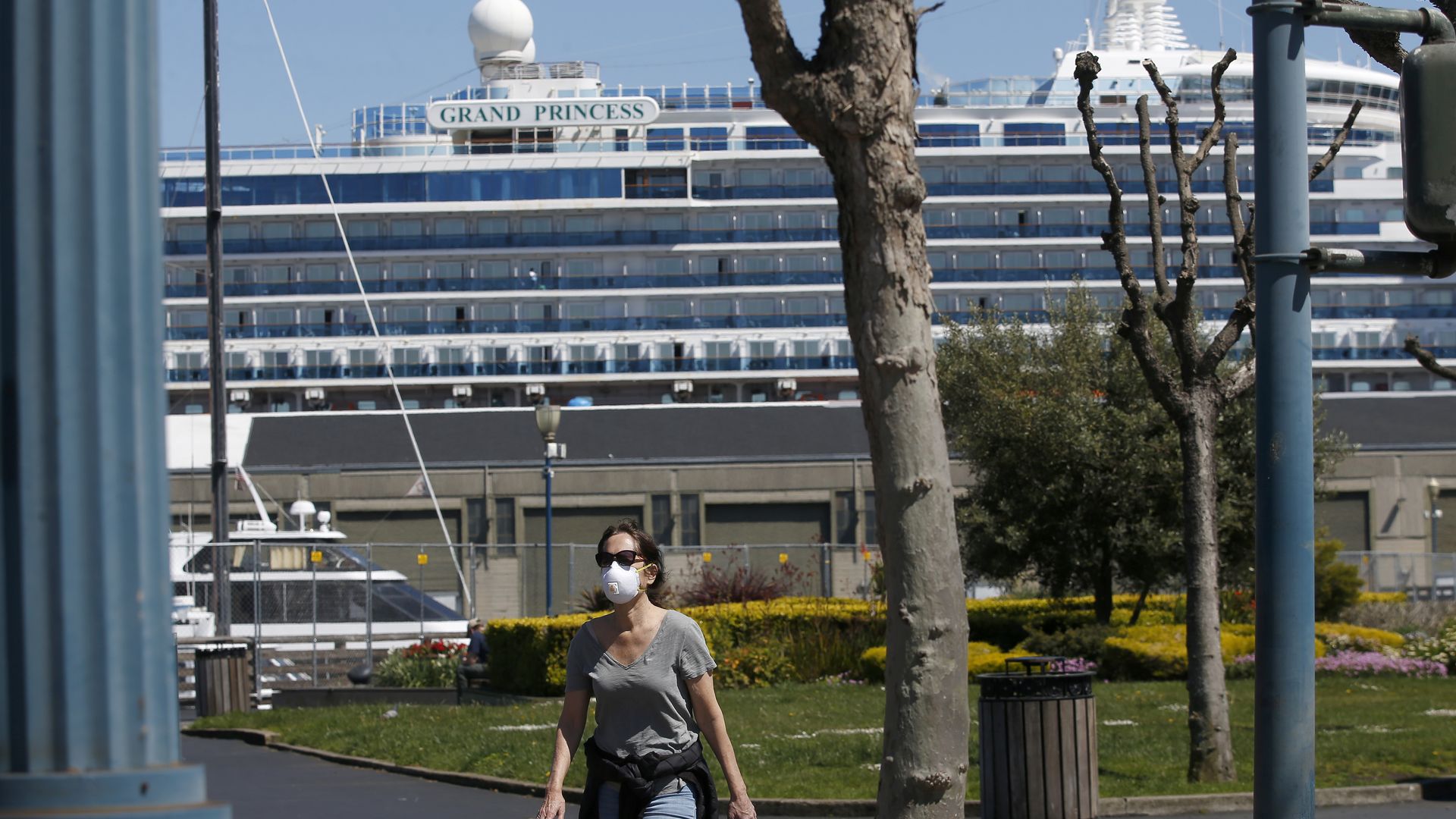
Bookings for 2021 cruises have risen 40% compared to 2019 on CruiseCompete.com in the last 45 days, The Los Angeles Time reports.
Why it matters: The coronavirus outbreak has left dozens of ships stranded at sea and unable to dock over fears. International cruise lines have had viral outbreaks nine to 12 times a year for the last 5 years, according to the Centers for Disease Control and Prevention.
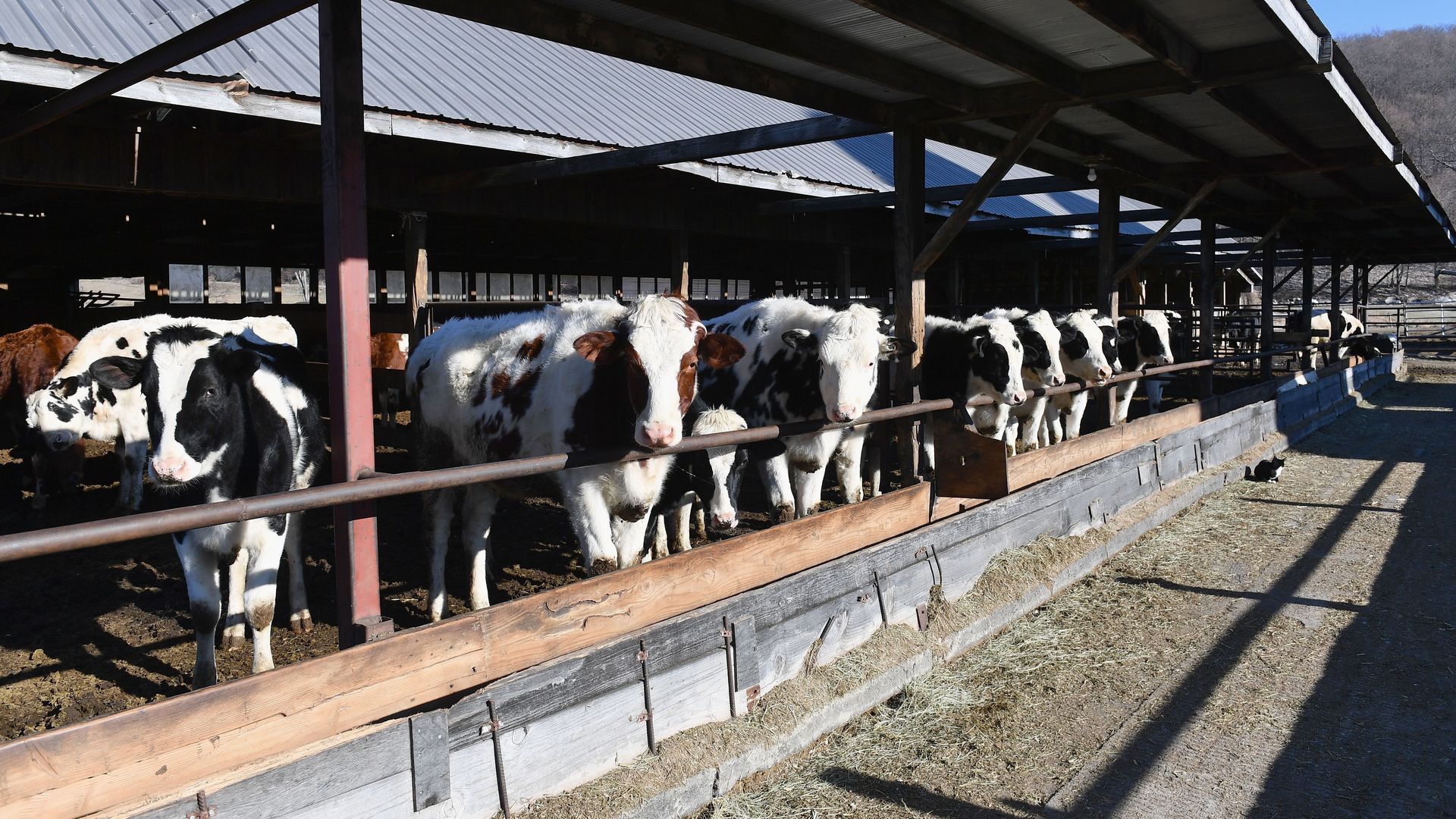
U.S. farmers and food companies are decreasing production as the coronavirus lockdown disrupts the agriculture supply chain and demands from restaurants and schools has dwindled, the Wall Street Journal reports.
Why it matters: COVID-19 is further straining an already-stressed industry as farmers have watched nearby dairies shut down following declines in milk consumption, low prices and trade disputes, the WSJ writes. As producers are stuck with product they can't sell, the industry's reaction to the virus outbreak could impact prices for months to come.
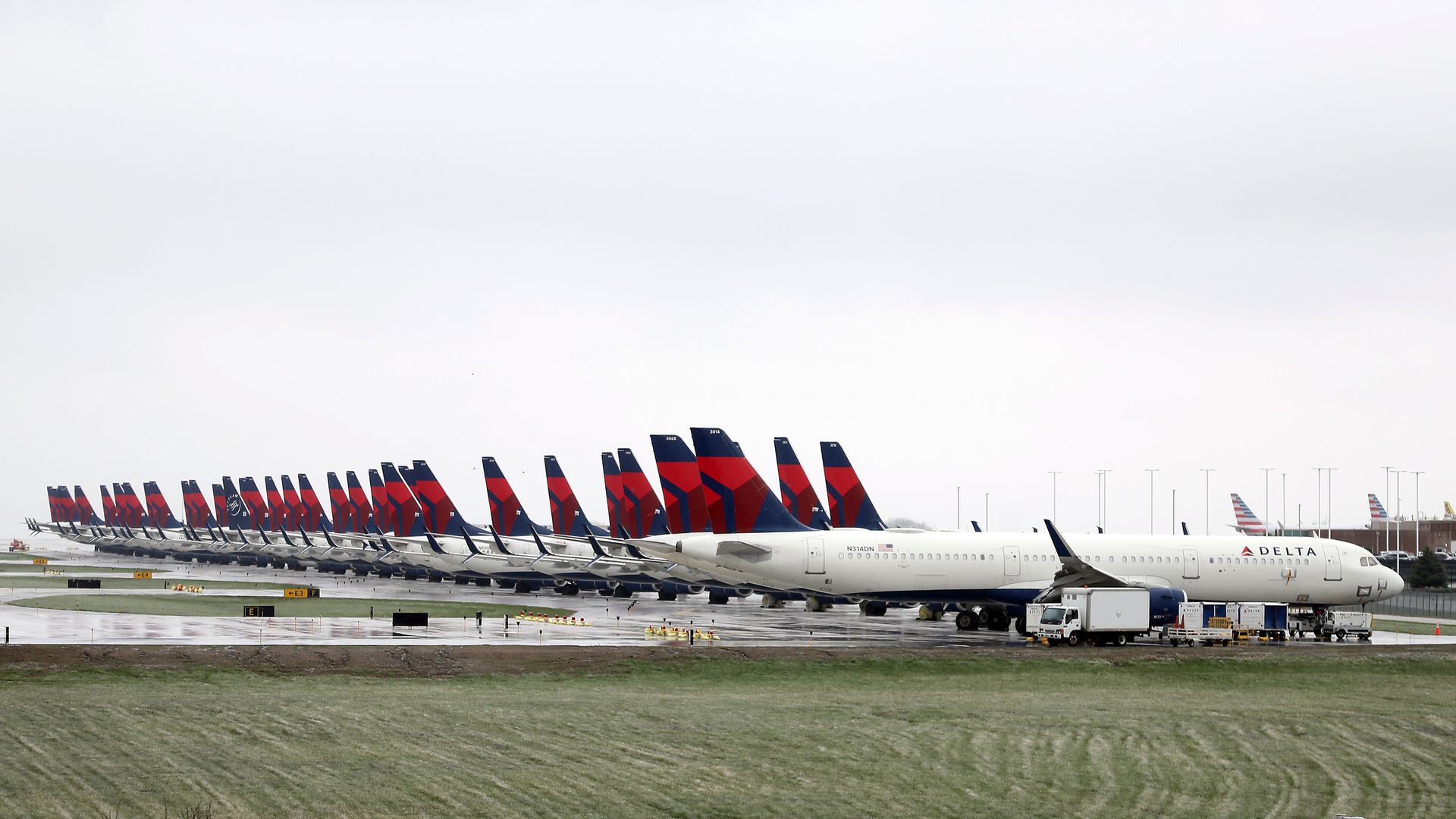
Small to medium airlines receiving bailouts of up to $100 million from the $2.2 trillion coronavirus rescue package will not have to provide the federal government with compensation or equity stakes, the Treasury Department announced Friday evening.
Why it matters: The airline industry got a $58 billion lifeline in the federal aid package, but the sector's operations and prospects will be forever changed by the global pandemic. Approximately 230 air carriers have applied for payroll assistance, the department said.
San Francisco on Friday announced a temporary 15% cap on fees delivery companies can charge restaurants during the coronavirus crisis.
Why it matters: Food delivery has skyrocketed as residents remain confined in their homes except for essential trips. The service has become the primary source of revenue for restaurants as they can no longer serve on-site patrons.
Most of the U.S. will be unable to resume normal life on May 1, the end of the White House's 30-day campaign to slow the spread of coronavirus, Surgeon General Jerome Adams told Fox News' Ed Henry Friday.
Why it matters: Adams' stance conflicts with some signals from others in the federal government as to when the economy should functionally reopen. President Trump's aides have been encouraged by data showing fewer deaths than previously projected, and have pushed for a May 1 reboot, Axios' Jonathan Swan reports.
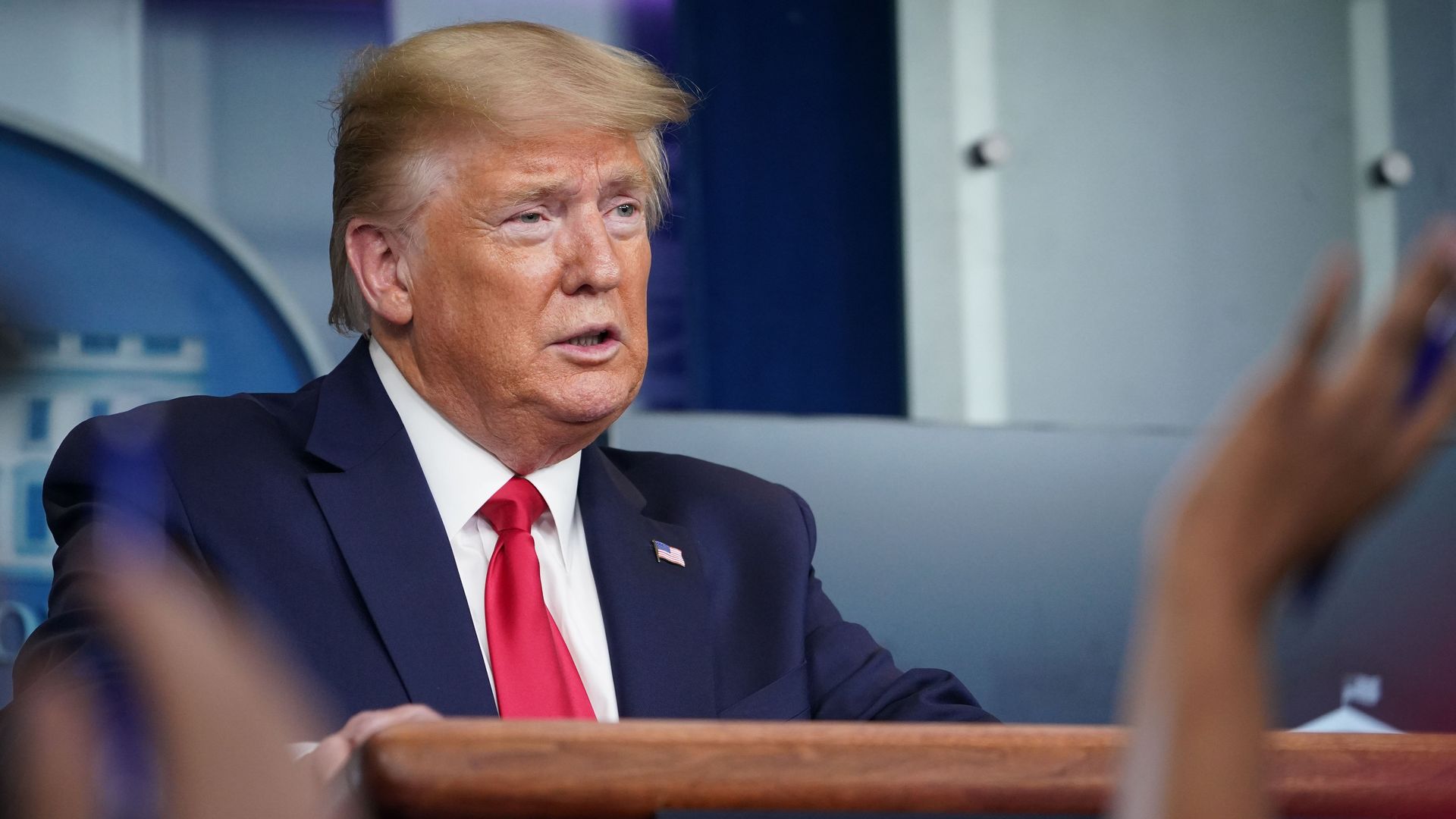
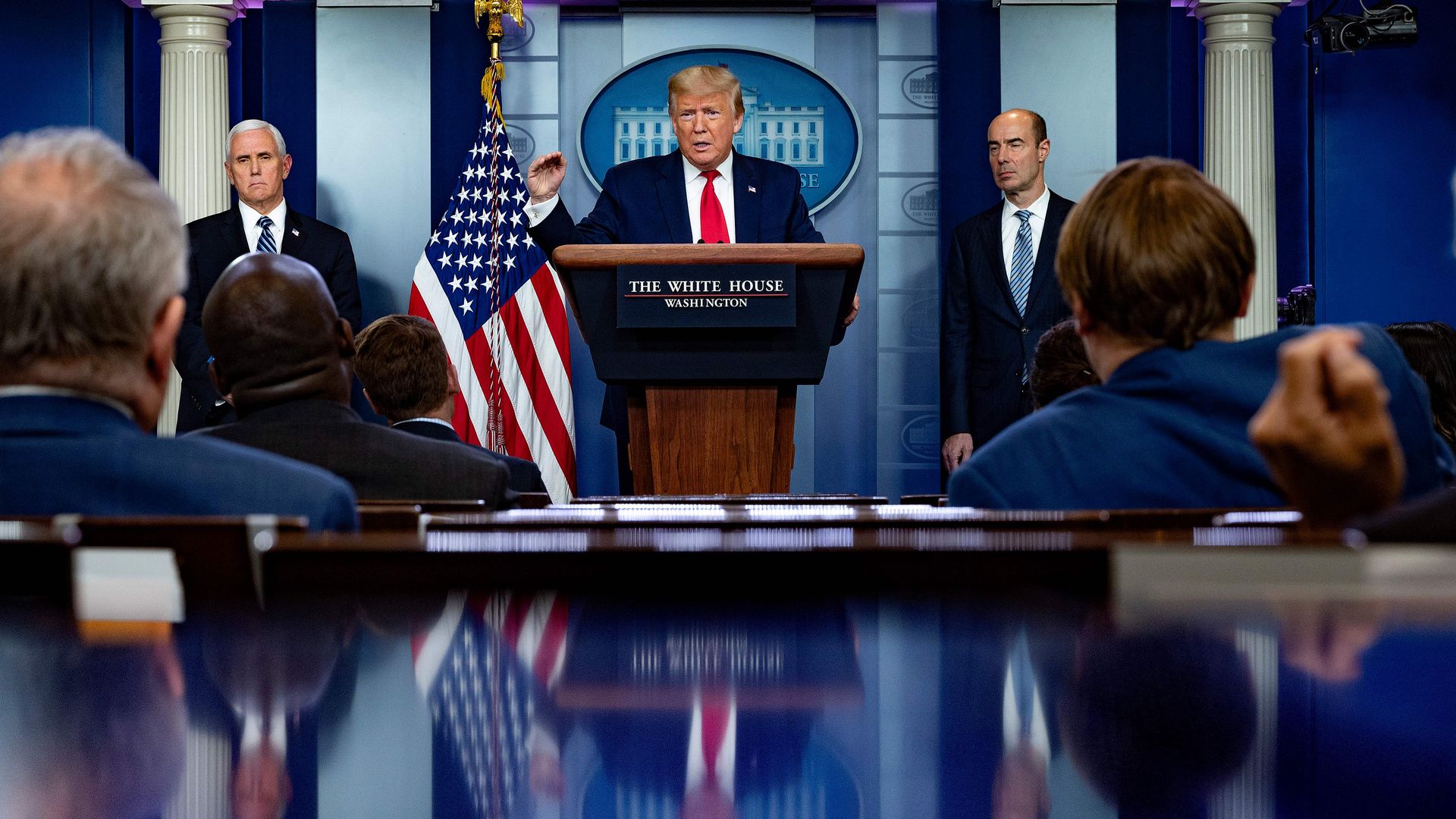
President Trump is preparing to launch a second coronavirus task force focused on reviving the U.S. economy, which has been battered by the coronavirus, two administration officials tell Axios.
Why it matters: There is growing energy within the West Wing to start easing people back to work by May 1. But some public health officials, including those on the coronavirus task force, have warned against doing so, raising concerns about reopening America too soon.
I've developed a new pattern during this stay-at-home monotony: On Wednesdays, around mid-day, I go for a drive and try to find takeout food to support one of our Detroit-area restaurants.
The intrigue: This week my daughter and I took a red 2020 Mazda CX-30 for an hour-long spin and came home with delicious Middle Eastern food.
Wundermobility is teaming up with the World Economic Forum and others to launch a new global mobility initiative to help essential workers get where they need to go during the coronavirus crisis. The goal is to reduce dependency on public transit, where there's potentially higher risk of infection.
Why it matters: Transportation options have been sharply curtailed during the epidemic as public transit systems reduce service and ride-hailing drivers shift to delivering food. But essential employees like health care and grocery workers still need to get to work.
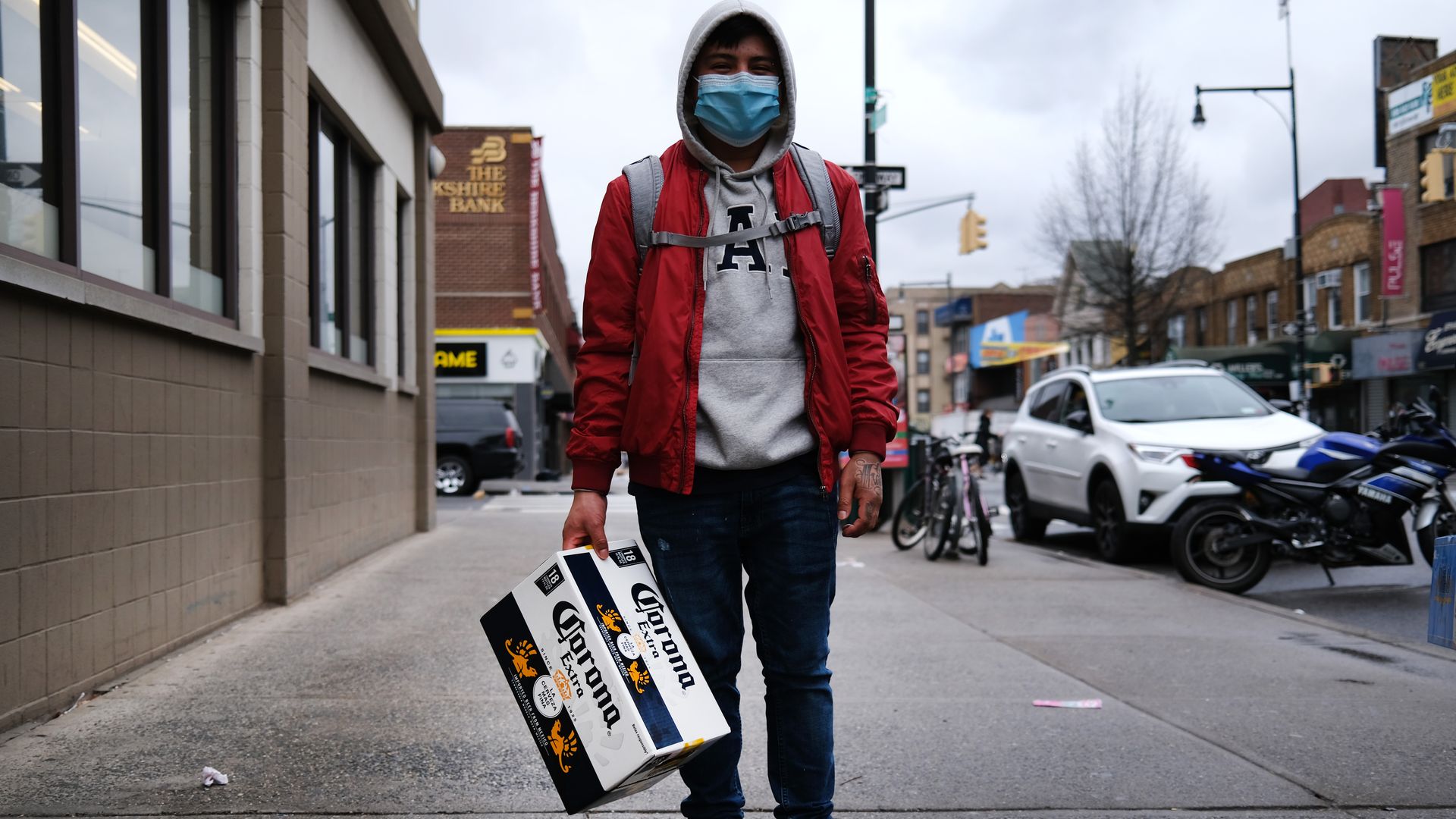
While dine-in restaurants and bars may be closed due to the coronavirus pandemic, Americans are still drinking at home, the Wall Street Journal reports.
The big picture: Most governors have deemed liquor stores, wineries, distilleries and other providers of alcoholic beverages as essential businesses.
Apex Parks Group, an Irvine, Calif.-based amusement parks operator owned by The Carlyle Group and Edgewater Funds, filed for Chapter 11 bankruptcy protection. It also disclosed plans to be acquired by a lender group led by Cerberus Capital Management.
Why it matters: While much of Apex's financial mess predates the pandemic — it closed an upstate New York park in February — this is a reminder of how lockdowns are devastating tourism companies beyond airlines, cruise lines, and hotels.
MLB team valuations have risen yet again, capping a decade of growth during which the average team's value has increased four-fold, per Forbes.
Why it matters: With team profits also reaching record highs — an average of $50 million per team for a 25% increase YoY — the league is confident it will be able to weather whatever economic downturn a shortened season might cause.
Hedge funds outperformed the S&P 500 in March and have suffered fewer losses this year, showing their value during crisis periods, data from eVestment shows.
The state of play: March’s average loss was the second largest on record and largest since the height of the global financial crisis in October 2008 when the average fund lost 8%-9%.
Wall Street seems to unanimously approve of the Federal Reserve's actions so far, but most Americans are less enthused, a new poll from data firm CivicScience provided for Axios shows.
The state of play: The data shows that just 12% of respondents say they think the Fed has done "very well" in its response to the coronavirus outbreak, while 19% say the Fed has done "very poorly."
Commercial labs are in a precarious financial position, as the overwhelming demand for coronavirus tests is not close to making up the revenue of other tests that aren't being ordered.
Why it matters: Commercial labs are anchoring coronavirus testing, and testing remains paramount to mitigating the spread of the coronavirus.
In less than a month, the Federal Reserve has unleashed a multi-trillion dollartour de force to buoy the U.S. economy against the COVID-19 pandemic.
Why it matters: While it has steadied the markets, the Fed is poorly equipped to offset the hit being absorbed by small business owners and the close to 17 million Americans who have filed for unemployment in just the past three weeks.
The auto industry is sharing detailed return-to-work guidelines on how to shield employees from the coronavirus as it prepares to reopen its own factories in the coming weeks.
Why it matters: We might not shake hands again, but sooner or later, most of us will return to our jobs, whether in a factory, office or public venue within close proximity of others. Reestablishing an environment where employees feel comfortable and can remain healthy will be a daunting challenge for every employer.
There is growing concern among top conservative leaders that the Trump administration isn't addressing the long-term economic impact of the coronavirus, several sources tell Axios. One top adviser said if the recovery is bungled it could cost President Trump the election.
What we're hearing: "The next 4-8 weeks is really going to decide whether Trump gets reelected," Stephen Moore, Trump's former nominee for the Federal Reserve board, told Axios. If the administration mishandles its economic recovery efforts, he said, Trump is "in big trouble."