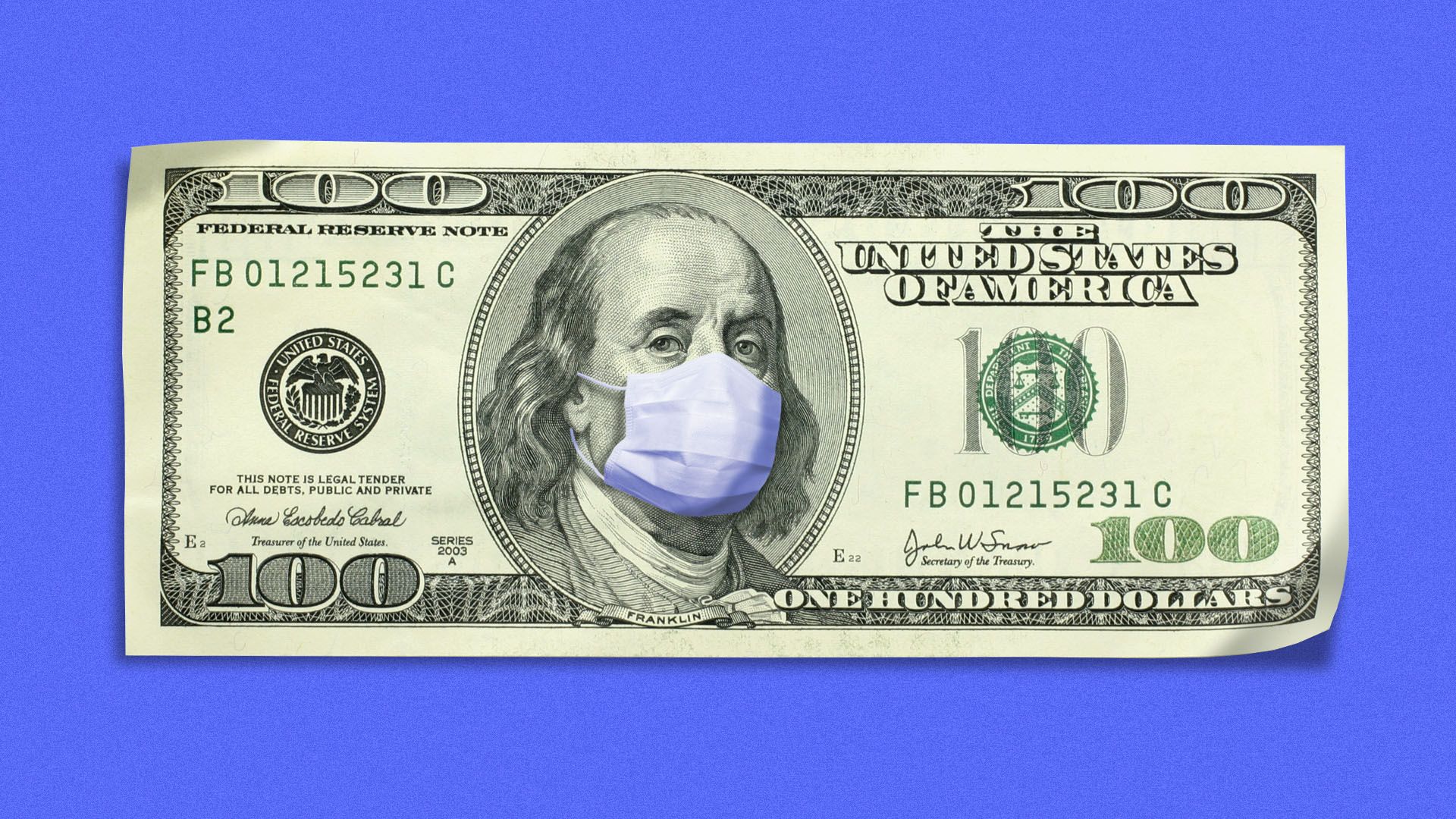
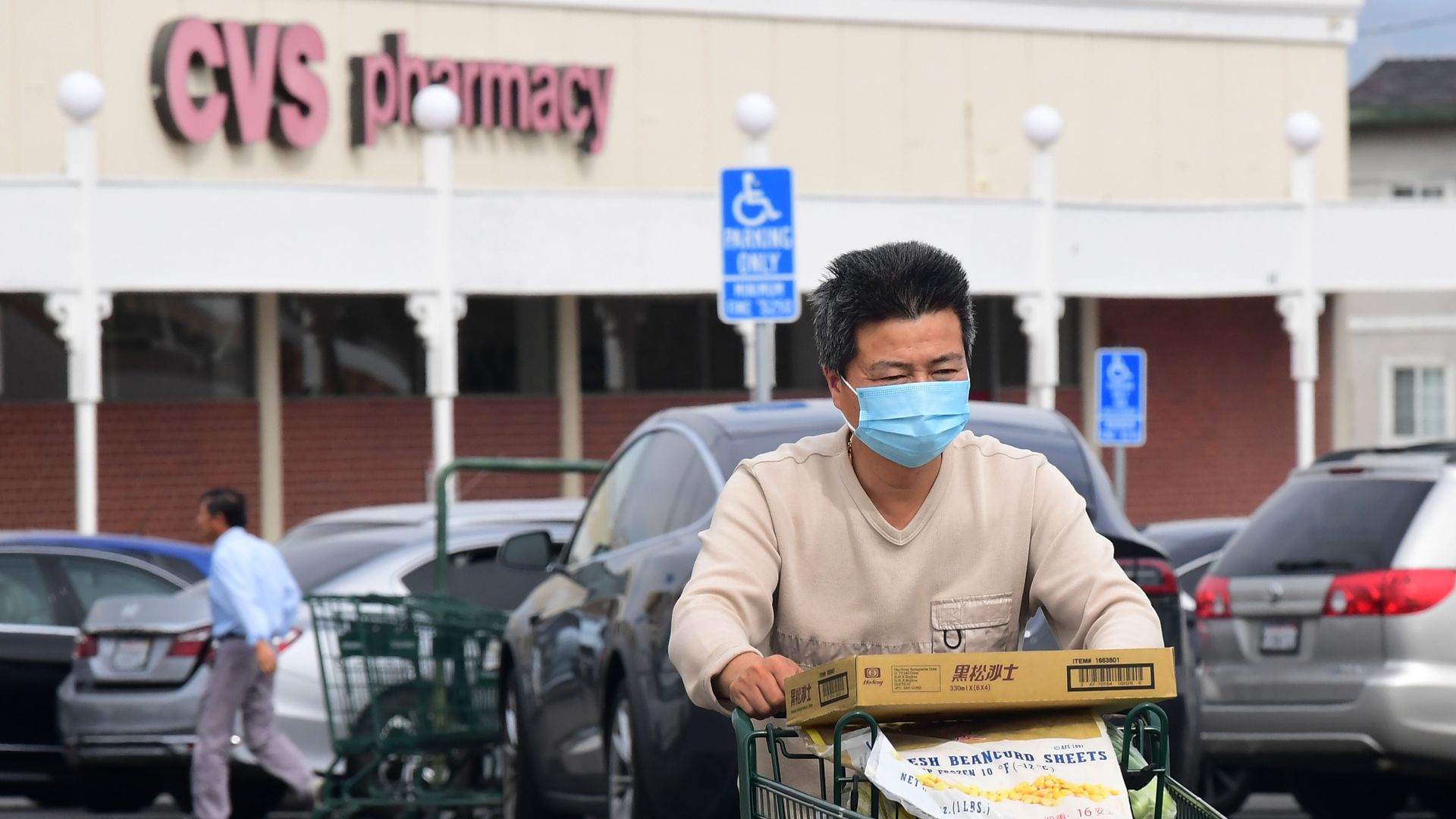
As more people are buying out Clorox wipes, sprays and bleach, CVS is handling temporary shortages of hand sanitizer and fitted N95 face masks that began earlier this month, CVS spokesperson Joe Goode told Axios.
Driving the news: Health officials in California, Oregon and Washington announced Friday that four patients are presumed to have the novel coronavirus. Three of them were infected by unknown means, per the CDC, while the fourth case is likely travel related.
Food delivered via app can cost as much as 91% more than ordering the same dish in the restaurant, The New York Times' Brian X. Chen found.
Why it matters: "When you order through a delivery app, you pay multiple parties, including the driver and the companies that offer the apps, like Uber Eats and Postmates. In some cases, you pay the restaurants extra fees as well."
Russia is opening its first theme park, Dream Island, on Saturday after two failed attempts, The New York Times reports.
Why now: Moscow now has a large enough group of middle-class consumers who can afford a trip to a theme park. The city has, as a result, already seen other new businesses spring up, such as shopping malls.
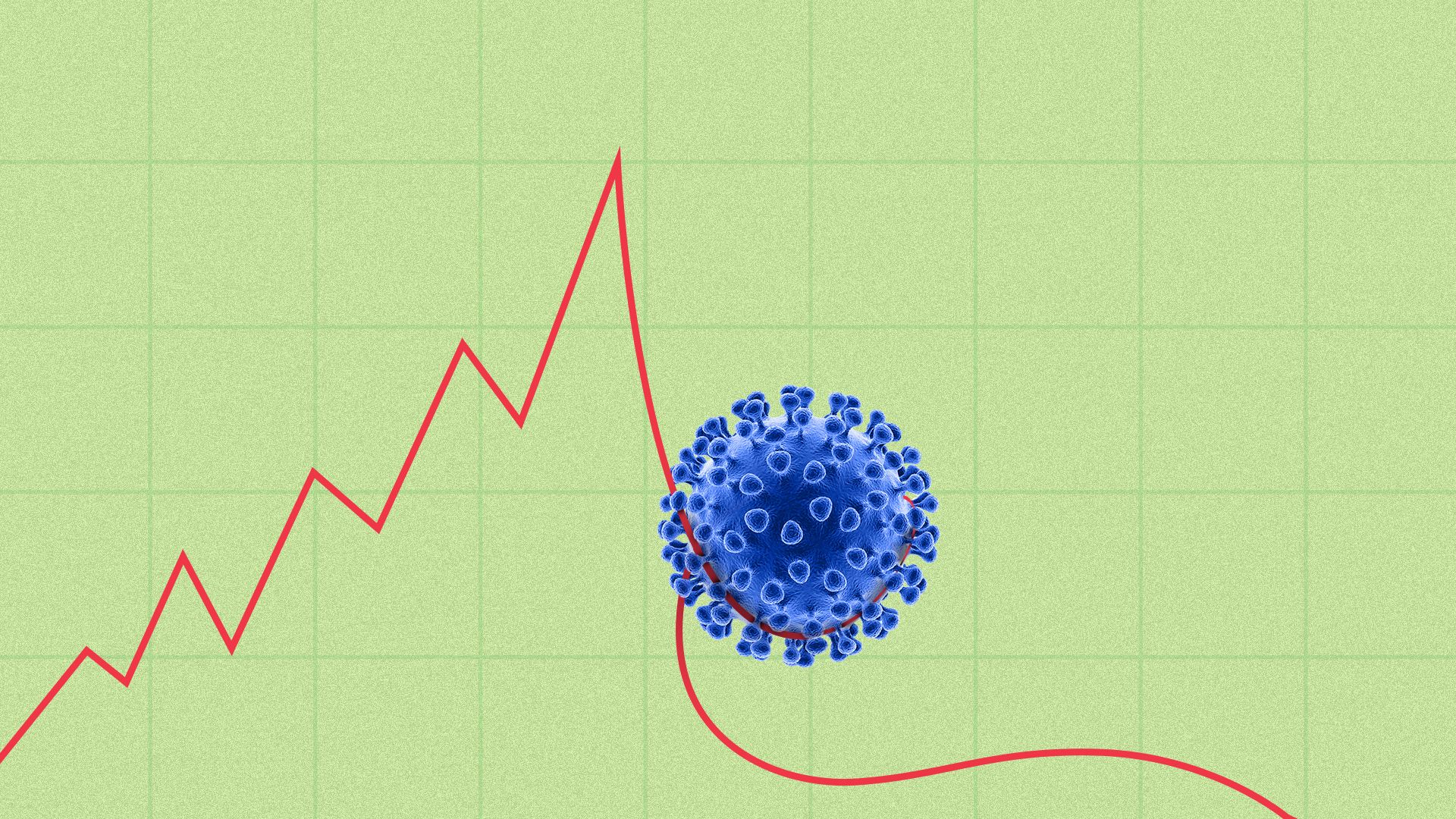
The stock market is heading south with unprecedented velocity amid coronavirus fears. Does that mean it's crashing? Are we in a recession? Is this a financial crisis?
VC firm Social Capital has filed to take public two more special purpose acquisition corporations ("blank check companies"), aiming to raise at least $300 million and $600 million respectively, according to new SECfilings.
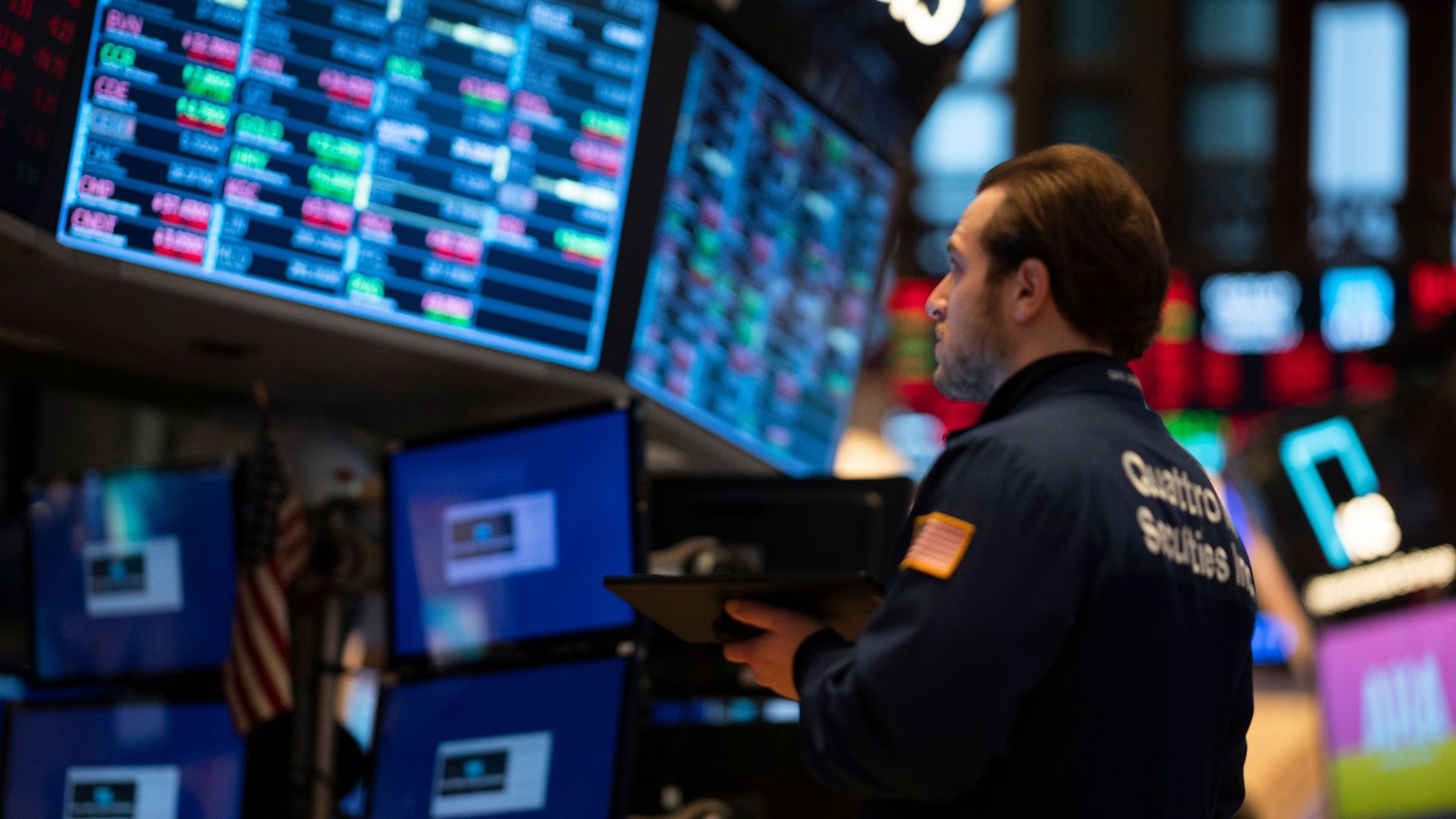
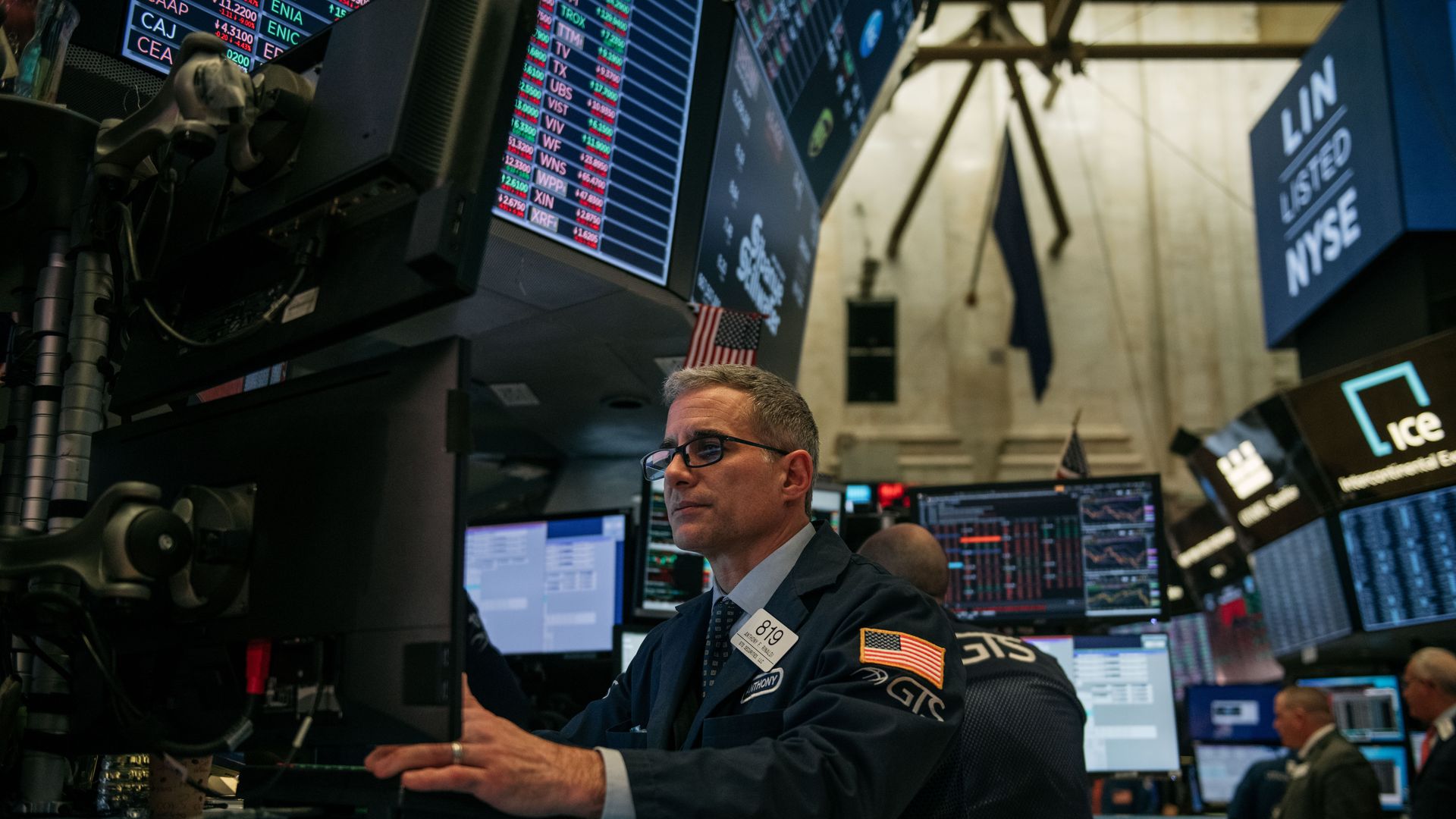
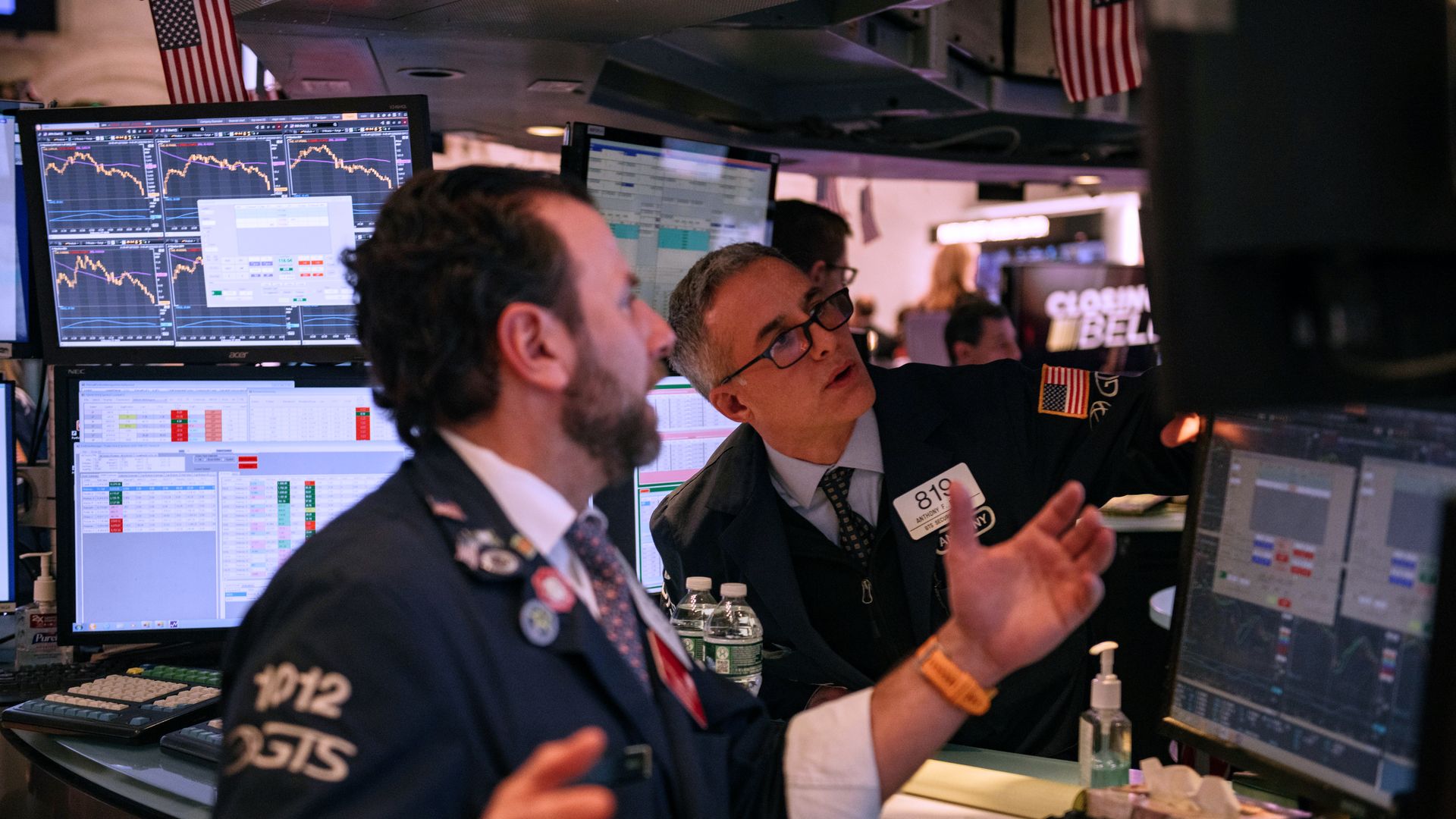
Stocks closed down about 1% on Friday, ending the worst week for Wall Street since the financial crisis.
Why it matters: The stretch of declines came after a spike in coronavirus cases around the world earlier this week. The steep losses prompted questions about the fate of the record-long economic expansion, as well as a rare statement from the Federal Reserve.
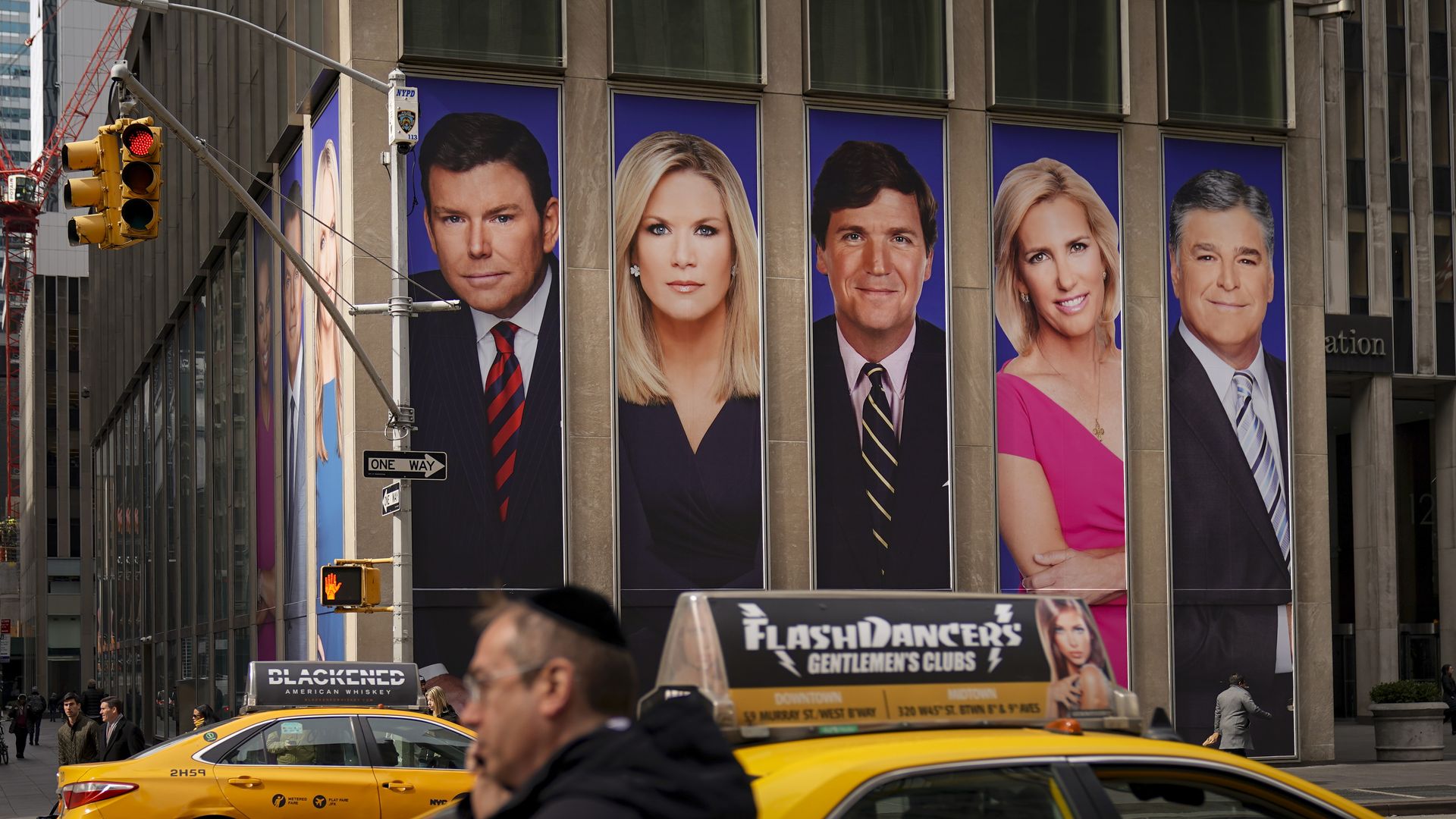
Several conservative pundits and commentators have focused their coronavirus narratives on "evidence of bias designed to harm President Trump," the Washington Post reports.
Why it matters: Attacks from conservative media commentators could "undermine sources of reliable information at a time when such information is vital." Trump is known to listen to such pundits, and has already tweeted that the news media and Democrats are "doing everything possible to make the Caronavirus look as bad as possible."
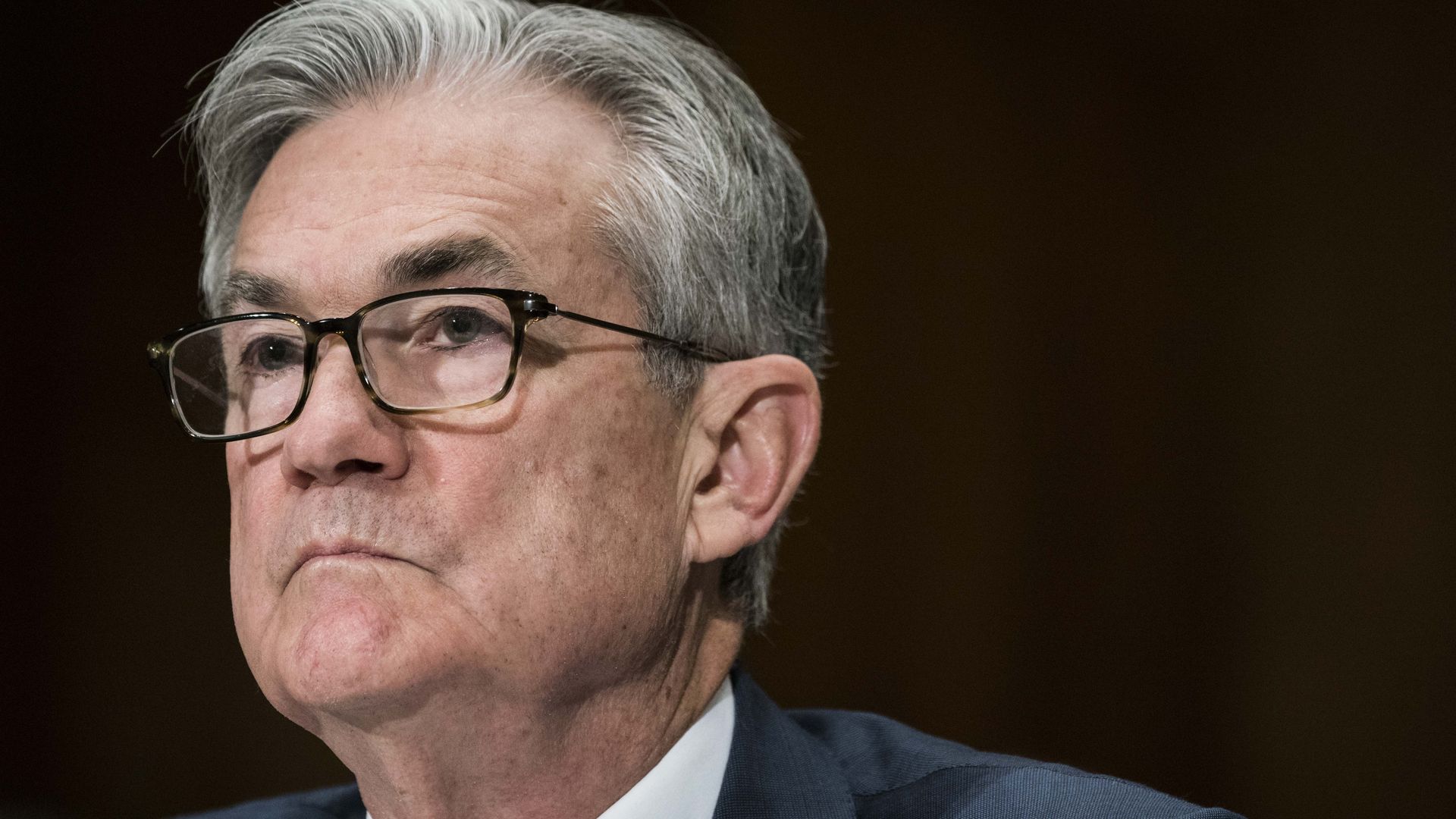
Federal Reserve chairman Jerome Powell took the rare move Friday of issuing a statement meant to reassure investors, one that opened the door to a possible interest rate cut.
Why it matters: The Fed rarely issues statements like this outside of policy meetings and scheduled public appearances. It came as the stock market continues its steep decline this week. Stocks briefly pared some losses after the 2:30 p.m. EST statement came out.
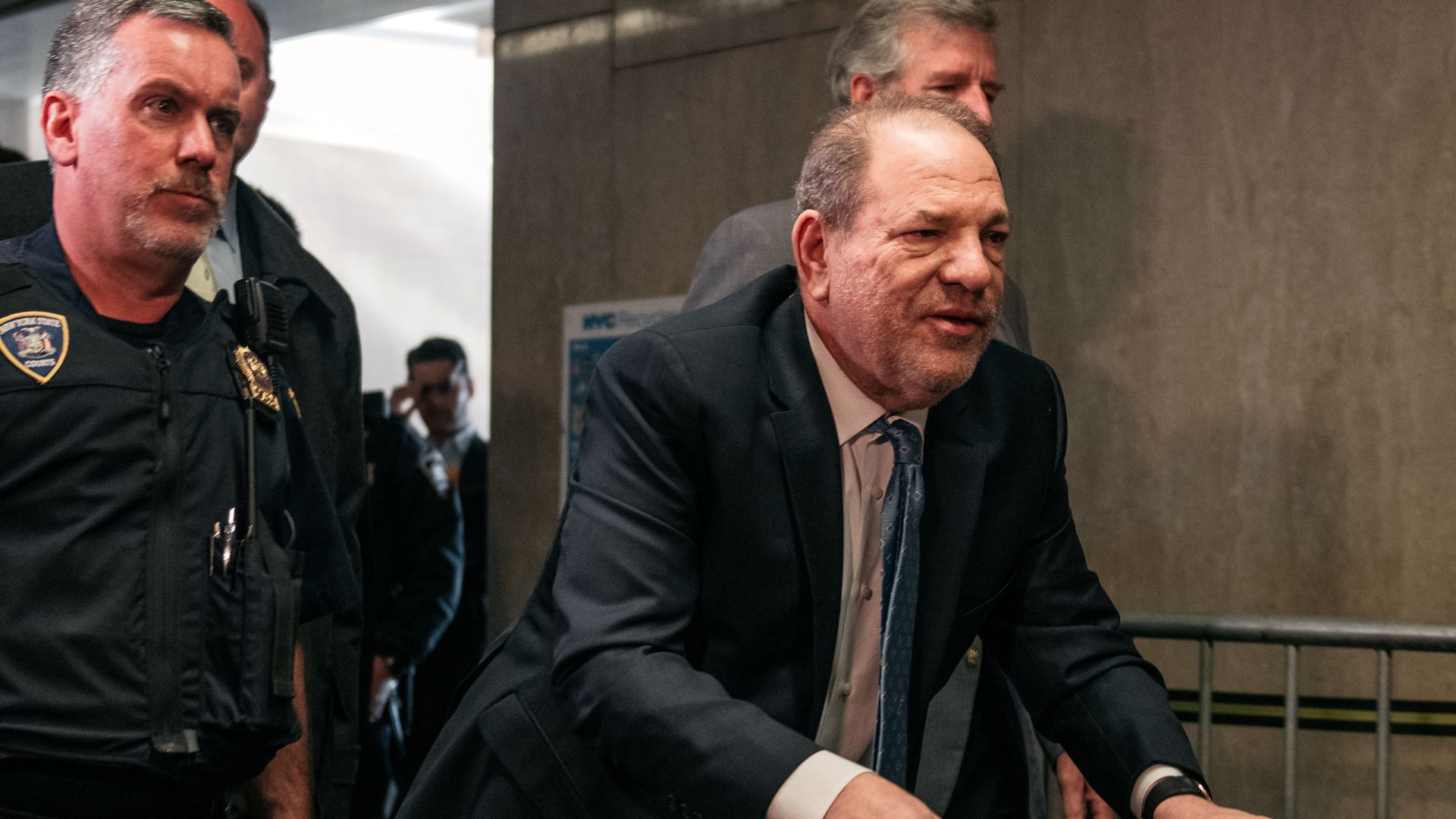
A juror in the Harvey Weinstein trial told "CBS This Morning" that the cultural impact of the #MeToo movement was not a factor in the decision to convict the film mogul on Monday.
What he's saying: In an interview about the case, the juror, who told CBS to identify him as "Drew," said the deliberations took an emotional toll. But the movement had "absolutely zero" impact on the process.
Thyssenkrupp of Germany agreed to sell its elevators unit for $18.7 billion to a consortium that includes Advent International, Cinven, ADIA and the RAG Foundation.
Why it matters: This is Europe's largest buyout since before the 2008-2009 financial crisis.
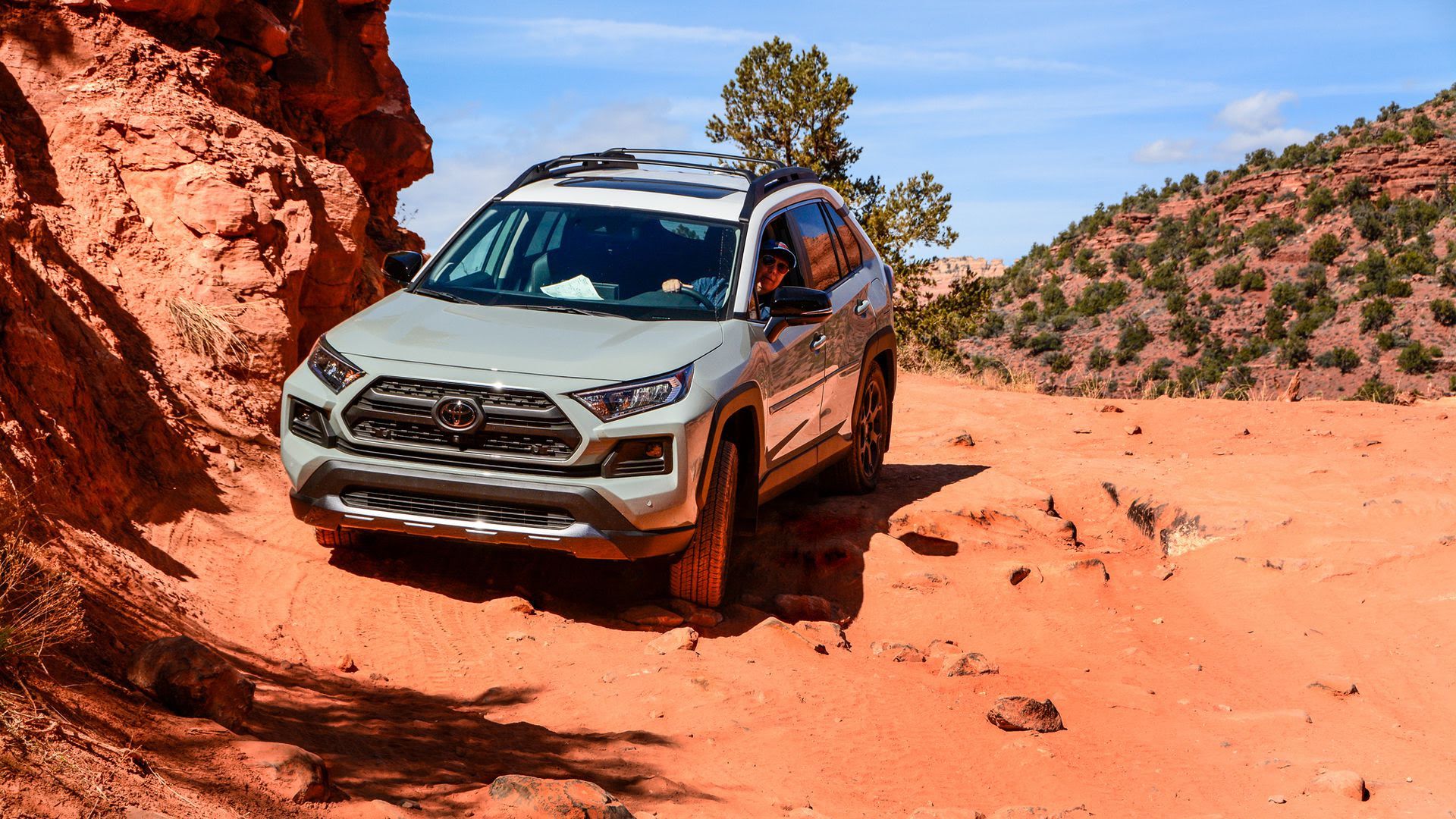
Last week in Sedona, Arizona, we spent time trail-driving in Toyota's new 2020 RAV4 TRD off-road model.
Why it matters: I don't always get to try out a vehicle's full capability during a short press loan. This was a rare opportunity to get off the beaten highway.
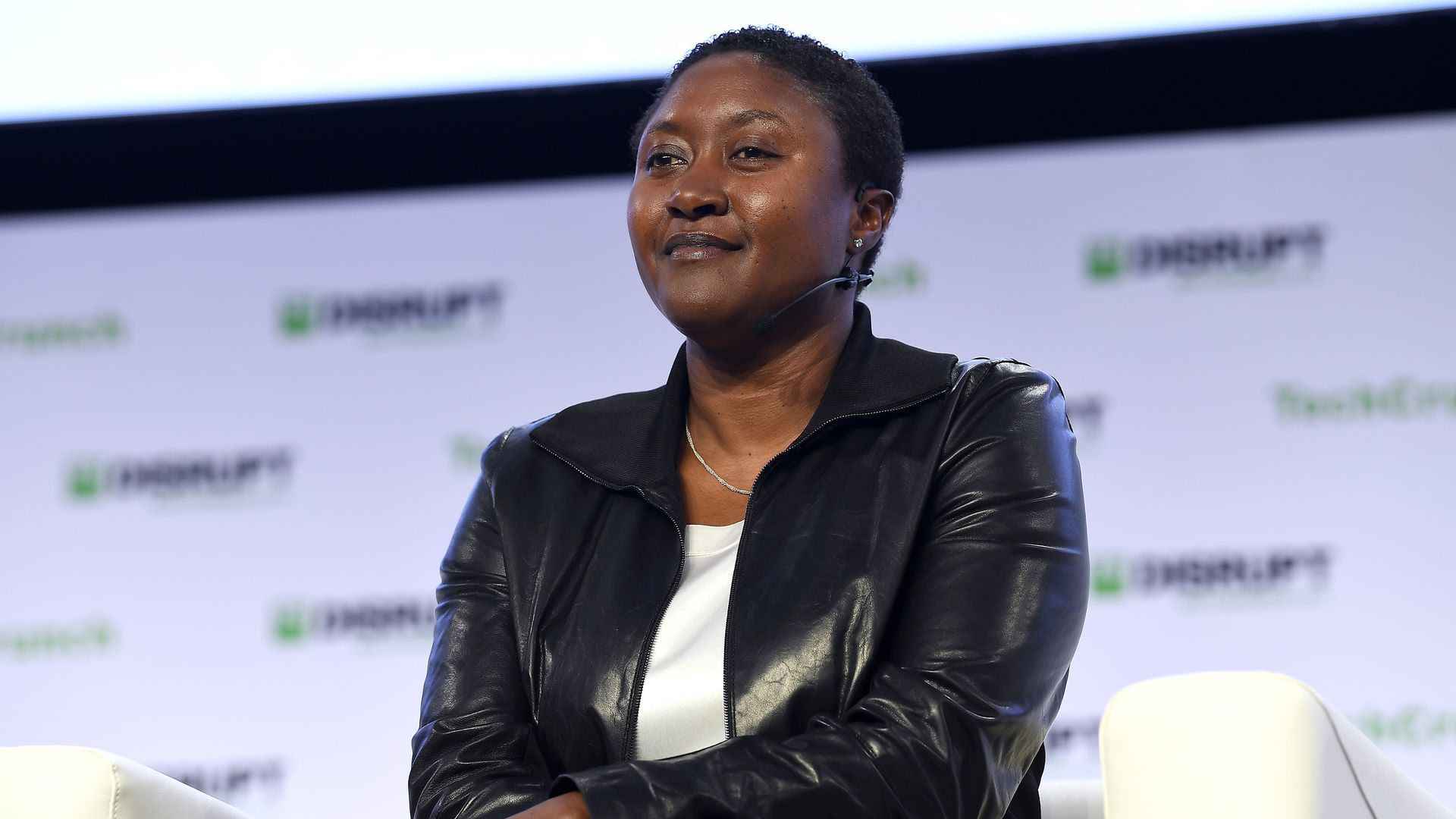
Zoox is in "advanced discussions with several strategic partners and corporate investors" for its next round of funding, CEO Aicha Evans tells Axios.
Why it matters: The self-driving car developer has been especially quiet for the past year or so, and venture capital sources say the company has struggled to raise capital to fund its ambitious plans.
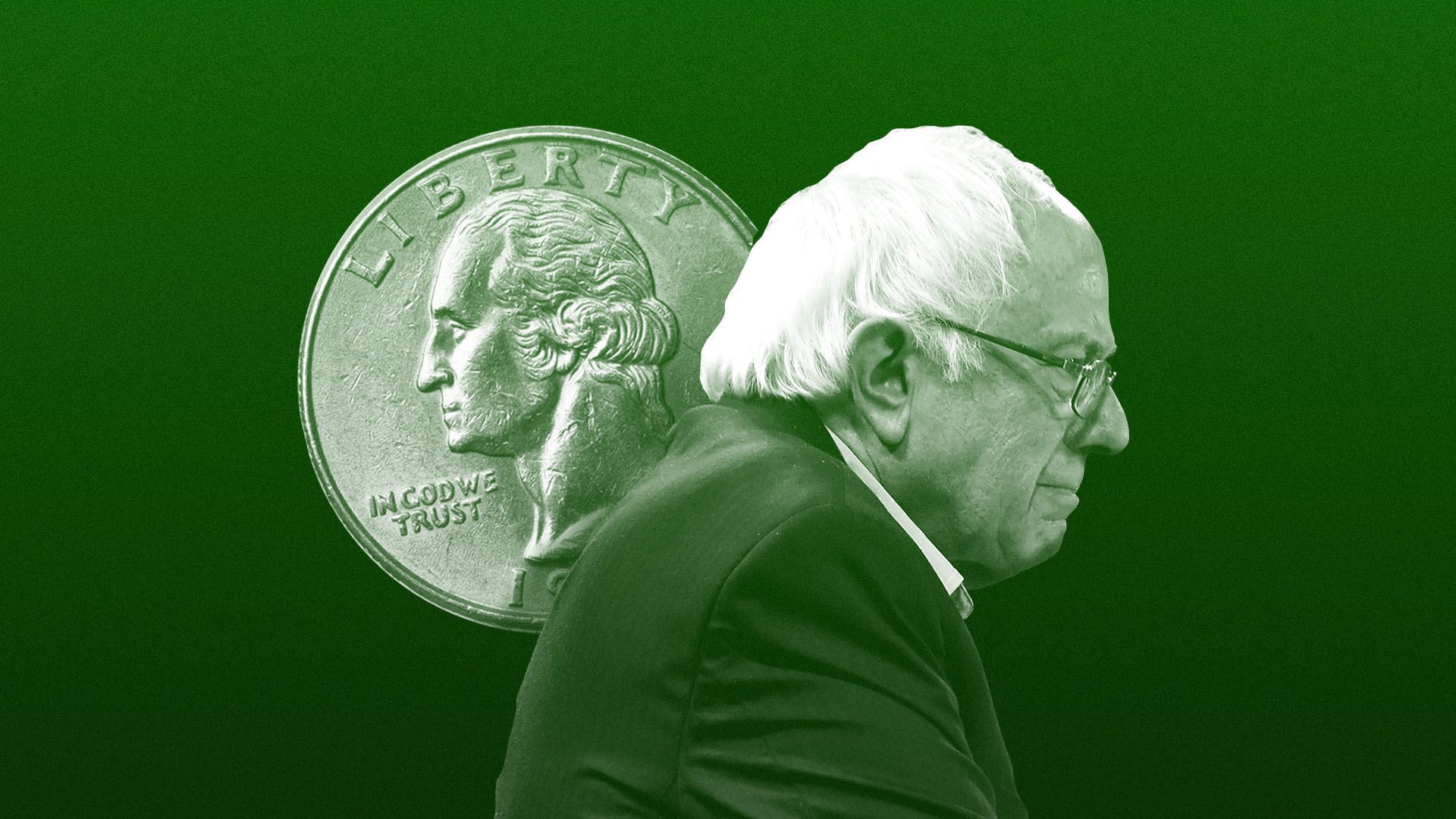
Sens. Bernie Sanders (D-VT) and Chris Van Hollen (D-MD) introduced legislation that would tax nonqualified stock options at vesting, rather than at exercise, for employees making at least $130,000 per year.
The big picture: Select employees at private companies would be taxed on monies that they hadn't yet banked.
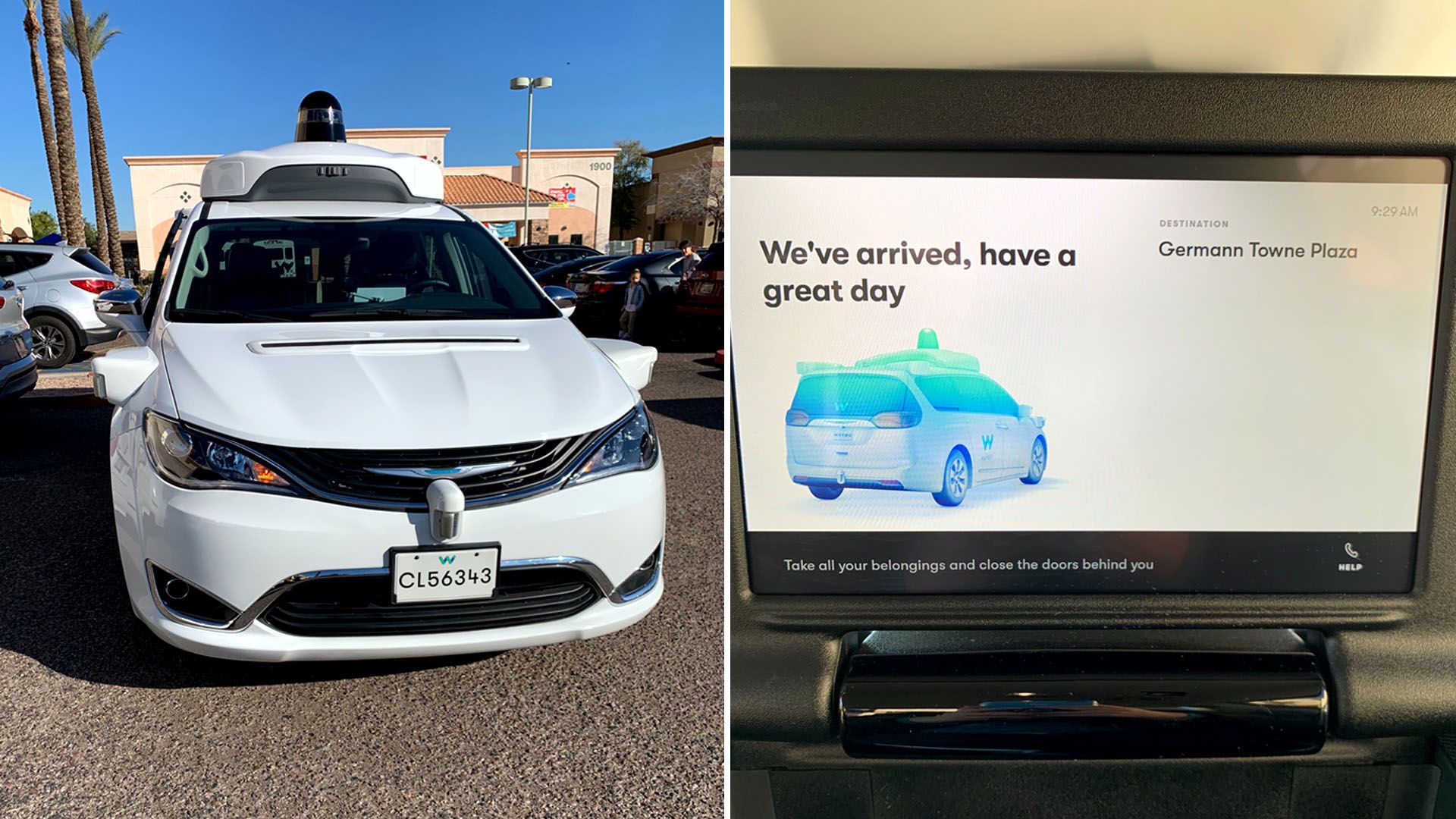
A ride in Waymo's driverless minivan is awe-inspiring, but also a reminder of how industry hype has skewed our expectations for self-driving cars.
Why it matters: Waymo is the first company to deploy automated vehicles on public roads without anyone behind the wheel, but all that means is they've crossed the starting line in the self-driving race.
There's mounting evidence that people put too much trust in driver-assistance features like Tesla Autopilot, but federal regulators aren't doing enough to ensure the systems are deployed safely, experts say.
Why it matters: Nearly 37,000 Americans die each year in highway accidents. As automated features become more common, the roads could get more dangerous — not safer — if drivers use the technology in unintended ways.
Guggenheim Partners global CIO Scott Minerd tells Axios the fallout from the coronavirus outbreak could be "worse than the financial crisis."
Why it matters: Minerd called out the "cognitive dissonance" in markets as stock prices hit new all-time highs in mid-February, saying in an open letter that he had never "seen anything as crazy as what’s going on right now."
In one week, futures traders have gone from seeing virtually no chance of a rate cut at the Fed's next policy meeting to a more than three-quarters likelihood.
Why it matters: Economists aren't sure a rate cut would be effective at offsetting the damage from the coronavirus outbreak, and would put the Fed in a weaker position to bolster the economy should the U.S. fall into a recession.
Walmart plans to start publicly testing its new membership program called Walmart+ next month in hopes of competing with Amazon Prime, Recode's Jason Del Rey scoops.
Why it matters: The paid membership program "would include perks that Amazon can’t replicate, in part to avoid a direct comparison to Prime."
Fears about the coronavirus haven't shattered every stock. Look at the telehealth firm Teladoc.
Driving the news: Teladoc's stock price has soared 19% this week and is now valued at almost $10 billion, because apparently Wall Street believes we will only see doctors on our iPads or on the phone as we avoid the outside world.
In just a matter of weeks, top economists and investment bank analysts have gone from expecting the coronavirus outbreak to have minimal impact on the U.S. economy to warning that an outright recession may be on the horizon.
What's happening: The spread of confirmed coronavirus cases in Europe, the Middle East and the U.S., and the speed at which they are being discovered has set the table for the outbreak to have a larger and much costlier impact.










/2020/02/28/1582906882059.gif?w=3840)