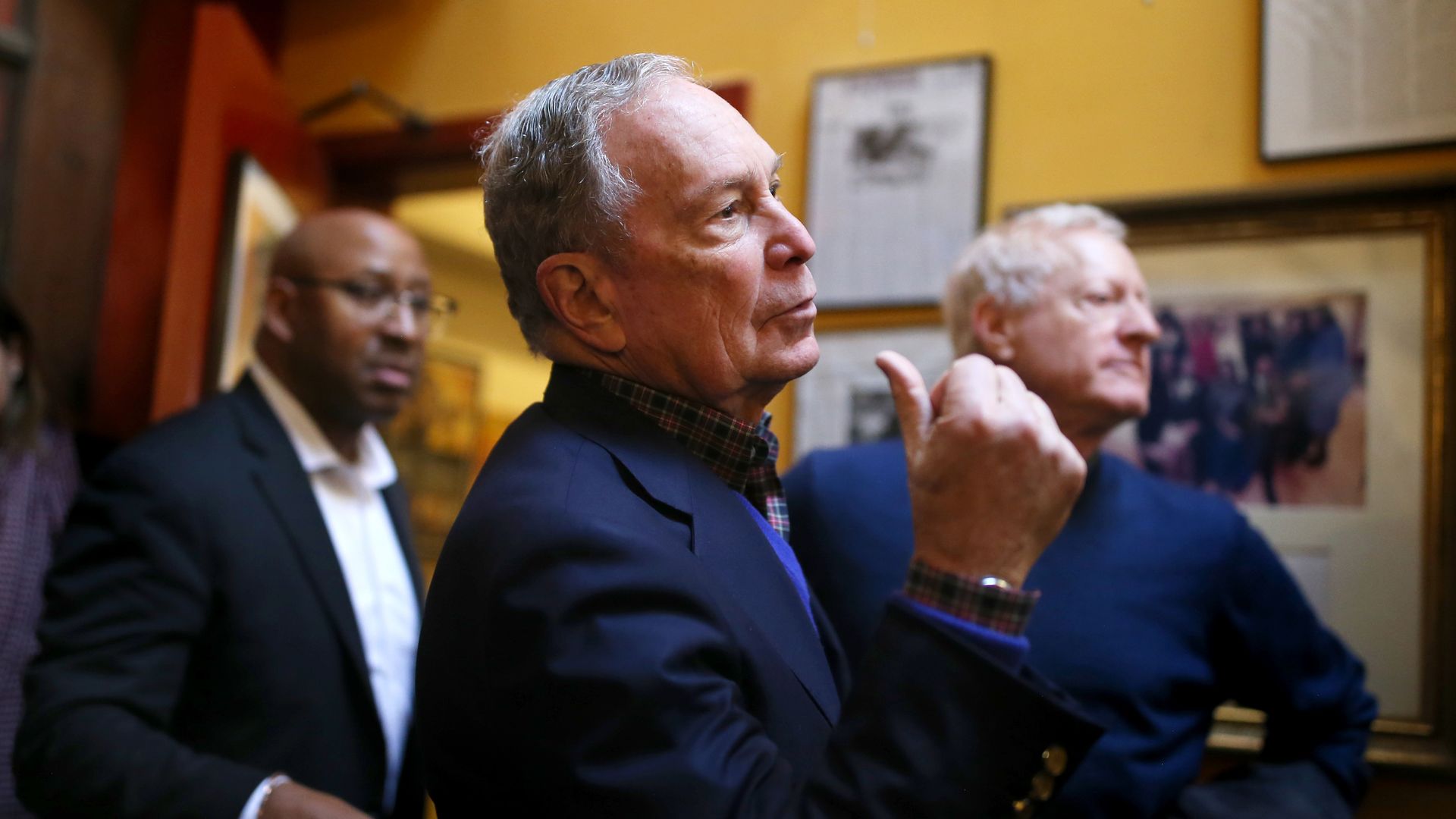
Michael Bloomberg's 2020 campaign is releasing a digital ad on Wednesday that goes after President Trump for his "empty promises" on infrastructure.
Why it matters: Bloomberg is continuing to spend his unlimited funds on ads that question Trump's governing abilities, which have prompted Trump to tweet negatively about his billionaire rival on several occasions. The ads highlight an issue on many voters' minds while impeachment is consuming Washington.
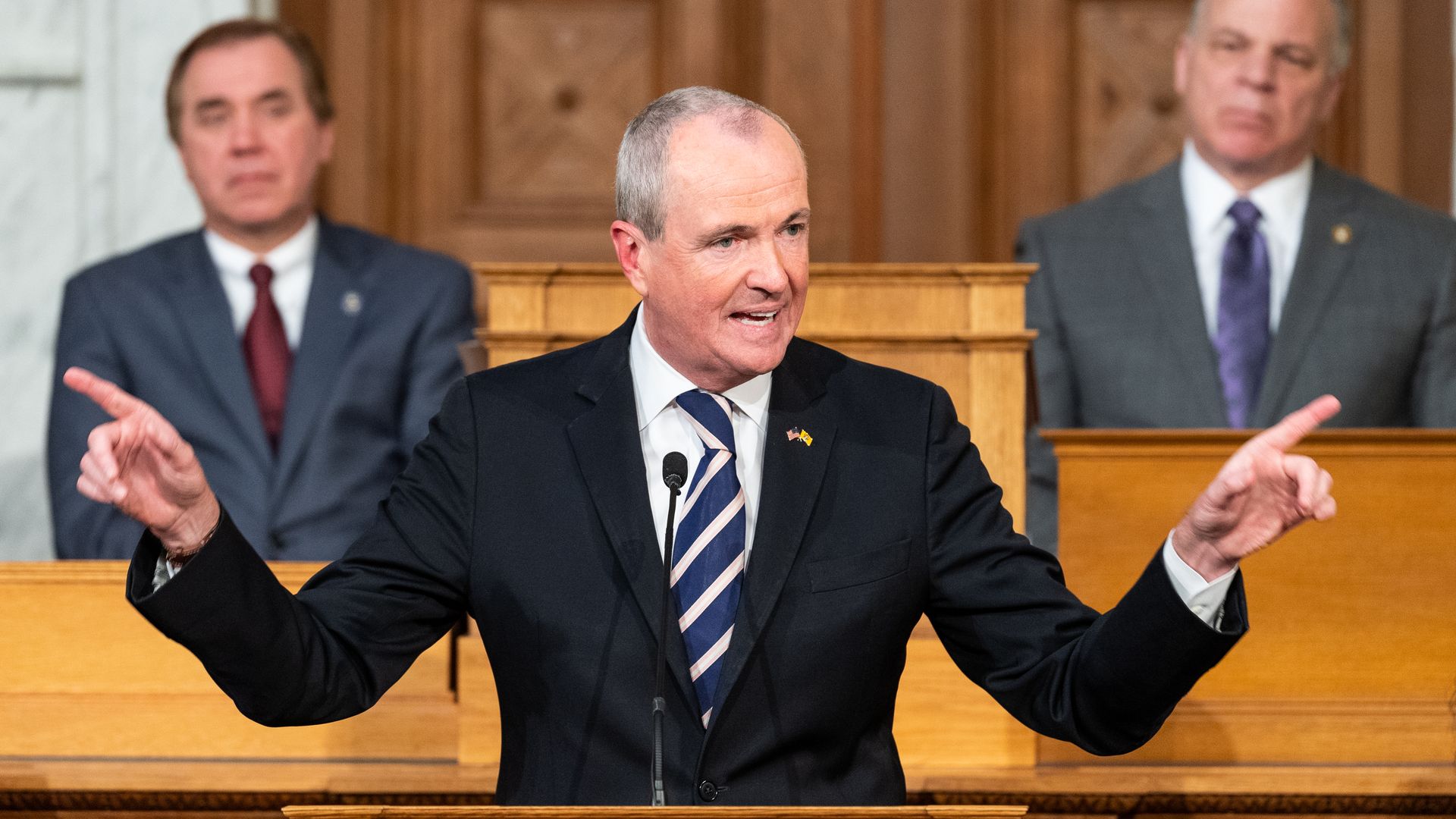
New Jersey on Tuesday became the first state to require businesses and corporations to provide severance pay in the event of mass layoffs after Democratic Gov. Phil Murphy signed new legislation, AP reports.
Why it matters: With the fall of numerous chain stores in recent years, the law seeks to protect people who are left unemployed with little notice. It comes after the closing of chain Toys "R" Us last year cost 2,000 people their jobs in the state.
Local radio and TV stations always expect a revenue boost in election years, but many didn't foresee the staggering spends of Mike Bloomberg and Tom Steyer. Dan and Axios' Sara Fischer dig into what this sudden cash infusion means for struggling outlets.
WeWork said that it has sold its minority stake in women co-working space operator The Wing to a group of new and existing investors, including Google Ventures. No terms were disclosed.
Why it matters: This is a reminder that WeWork isn't just a cautionary tale to be shoehorned into every scattered critique of the venture capital and startup ecosystem. It's still a commercial real estate giant that's trying to right the ship by refocusing on its core, slower-growth business.
With the "phase one" trade deal signed, major asset managers have taken their eyes off the trade war a bit and begun to focus on the upcoming U.S. presidential election.
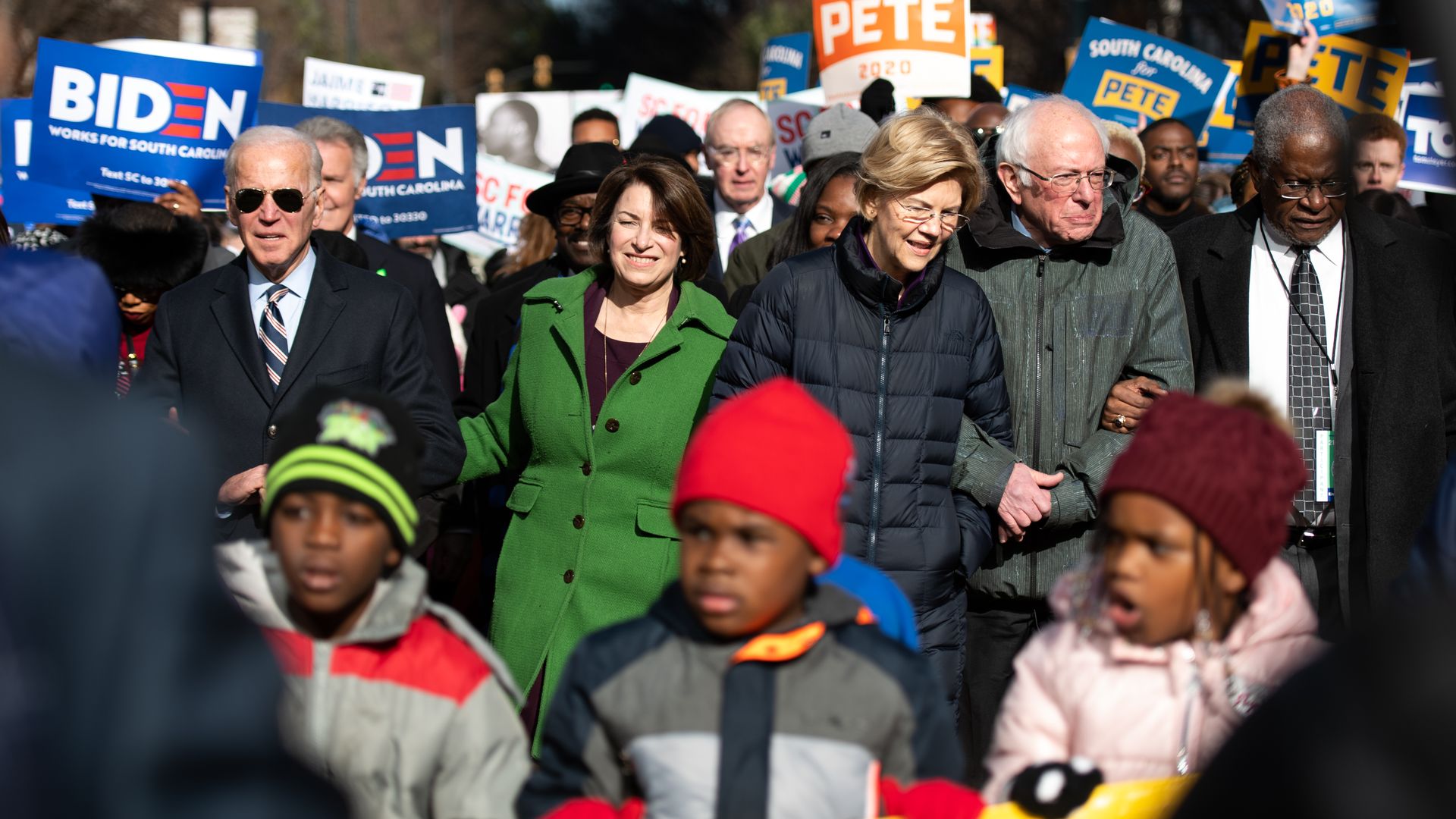
Why it matters: The outcome of November's election is now investors' top concern, according to the results of Bank of America Securities' latest global fund manager survey.
The price of rhodium, a metal used in fine jewelry and car parts, has skyrocketed over the last few months. It has jumped by more than 50% in just the first three weeks of January, reaching a price more than six times that of gold and the highest since late 2008, FactSet data show.
What's happening: "Surging demand from carmakers is partly to blame," the Economist writes. "More than four-fifths of global demand for both rhodium and palladium comes from the automotive industry. The metals, together with platinum, help convert toxic gases in a vehicle’s exhaust system (such as carbon monoxide) into less harmful substances before they exit the tailpipe."
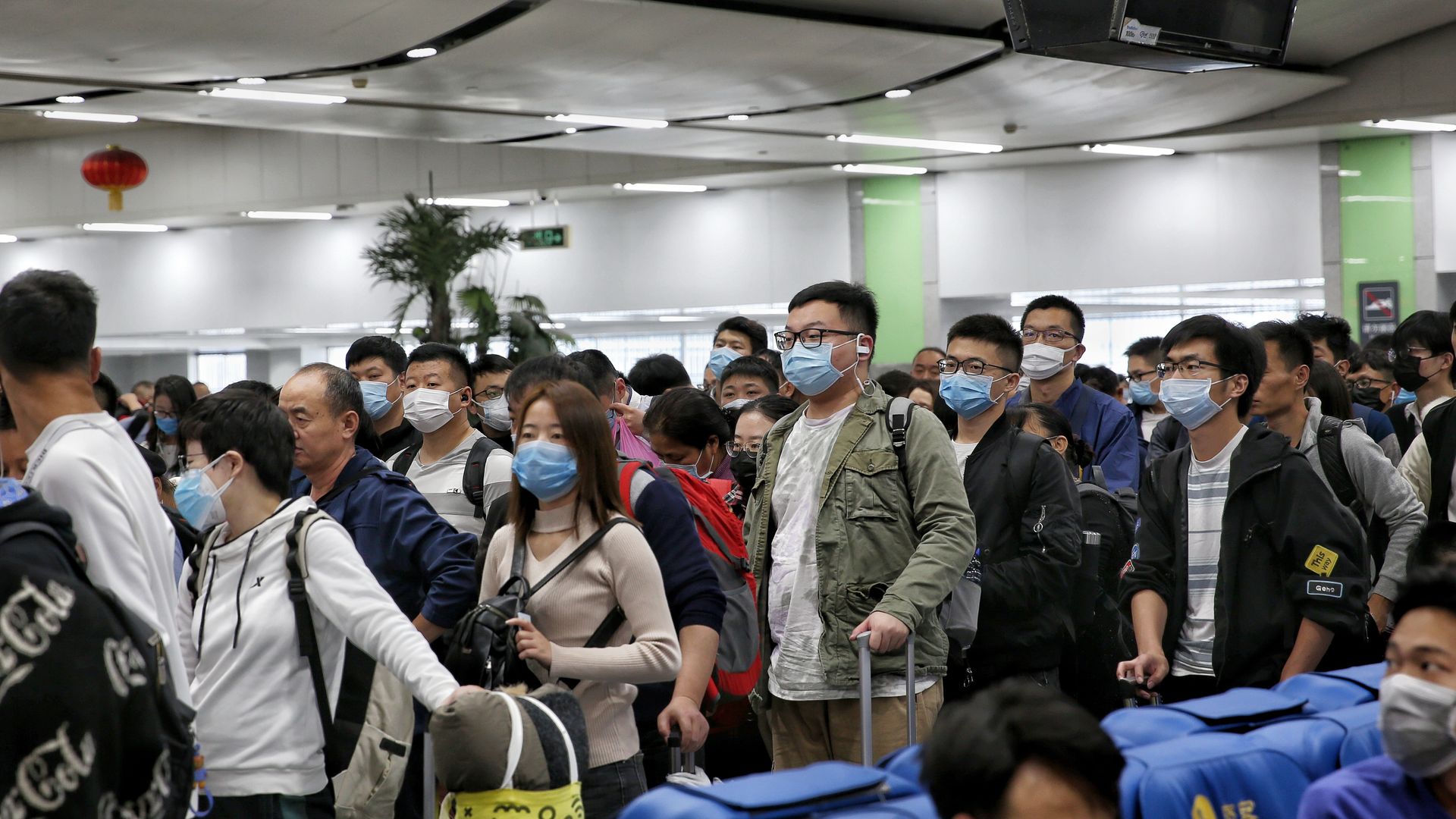
The U.S. and Hong Kong both announcedthe first confirmed cases of coronavirus, and China's National Health Commission said the death toll from the virus has risen to nine, with 440 confirmed cases across 13 provinces.
Why it matters: "There's no question that economic activity in Asia will be affected as we head into one of the busiest travel weeks in China," BK Asset Management managing director of FX strategy Kathy Lien wrote in a note to clients late Tuesday.
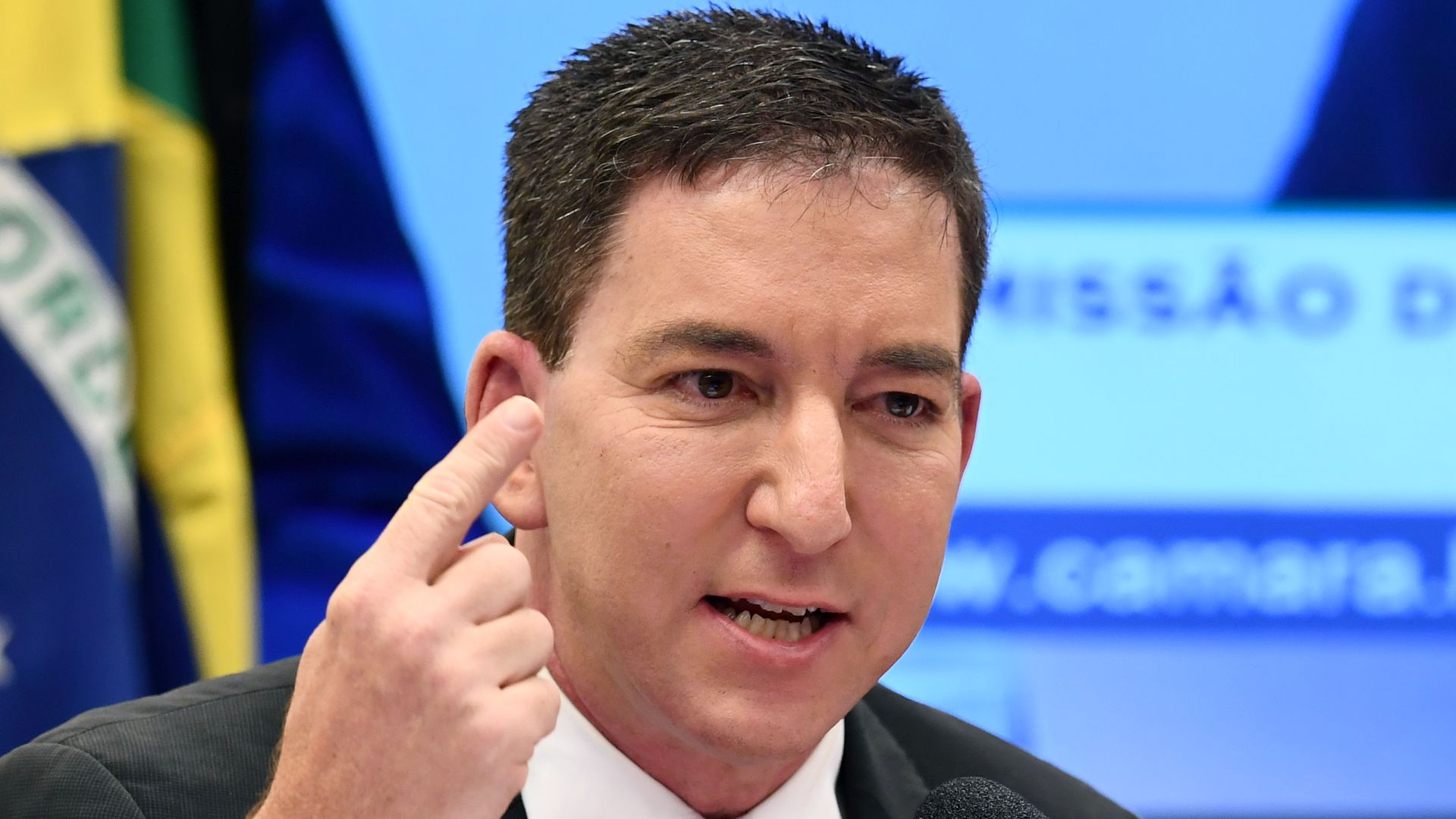
Brazilian prosecutors charged American journalist Glenn Greenwald with cybercrimes on Tuesday for allegedly spreading cellphone messages "that have embarrassed prosecutors and tarnished the image of an anti-corruption task force," the New York Times reports.
The big picture: Greenwald, who is best known for publishing leaked documents from Edward Snowden about U.S. domestic surveillance, is a co-founder of The Intercept Brazil. The publication has faced attacks from far-right President Jair Bolsonaro after publishing leaked messages about a task force that prosecuted high-profile political figures, including former President Luiz Inácio Lula da Silva.
Twitch, the Amazon-owned video-streaming service that got its start with live video-gaming and esports, is expanding into other other verticals.
Why it matters: So many Silicon Valley social and video upstarts debut with a niche purpose, like Twitch with live-streaming esports or Discord with chatting about esports, but eventually broaden in scope as consumers find new uses for them.
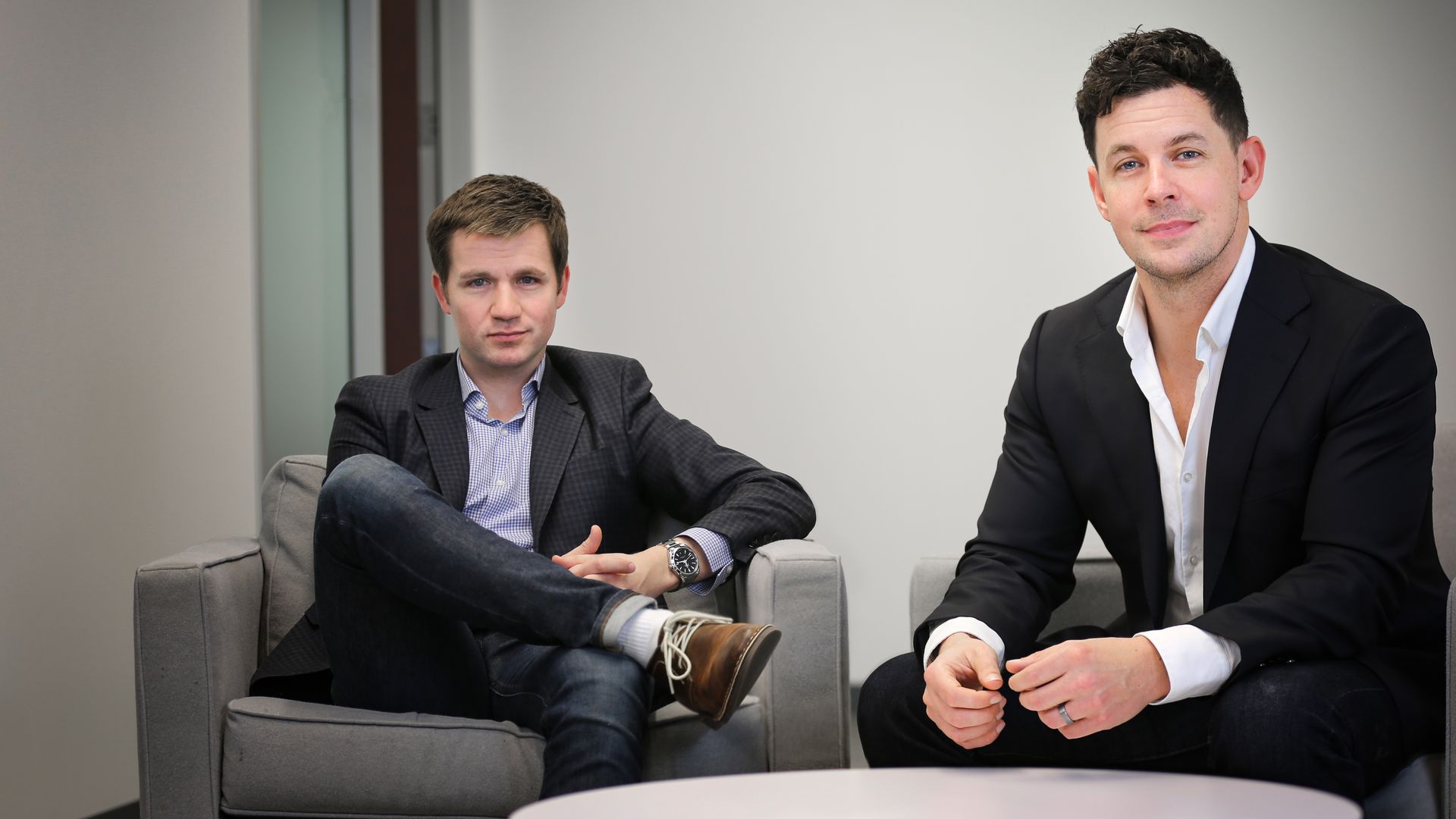
The Athletic, a subscription-based digital sports media company, has raised $50 million in a Series D funding round, executives tell Axios.
With this investment, the company has raised a total of $139.5 million since its launch in 2016 and is valued at roughly $500 million after the new raise, according to sources familiar with the deal.
There were two themes that persisted in November's U.S. job openings and labor turnover survey (JOLTS) released on Friday — the stubborn quits rate and the consistent decline in the number of job openings.
The big picture: Job openings fell by 561,000 to 6.8 million, the Labor Department said, the biggest drop since August 2015. That pushed the number of job openings to the lowest level since February 2018.
Stock indexes around the globe have been roaring higher since the start of the year, but expectations of improved economic growth and soothed international tensions may be getting a bit ahead of themselves.
Driving the news: The IMF released its latest World Economic Outlook Monday, showing yet another revision lower of its expectations for global growth in 2019 and 2020. IMF head Kristalina Georgieva also issued a number of warnings, suggesting that the worst may not have passed yet.
After years of operating with minimal oversight or concern for user privacy, the advertising industry is finally beginning to adopt a privacy-first supply chain that it hopes will gain back the trust of frustrated consumers.
Why it matters: Even though the industry has banded together to push back against privacy regulations at the state level, it's found itself at odds over how it should proactively prepare for a more privacy-focused advertising ecosystem.
Digital publishing is doing something it hasn't done en masse since the dawn of the Internet: make money.
Why it matters: Business Insider, Vox Media, The Information, Axios and Politico all turned profits in 2019, in several cases for the first time ever, sources tell Axios. Others, like The Athletic, BuzzFeed and Vice, say they are expecting to do so this year.
The local news crisis is hitting major cities across America, proving that big papers aren't immune from the financial pressures that are causing a near collapse of hundreds of local outlets across the country. In some case, their problems are harder to solve.
Driving the news: In a desperate plea for help, two investigative reporters at The Chicago Tribune penned a New York Times editorial Sunday, foreshadowing signs of major cuts at the 173-year-old paper, following its acquisition by Alden Global Capital, a hedge fund known for cutting journalists at local papers to maximize profits.