The tech industry was scrambling yesterday after President Trump announced plans to impose tariffs on the $300 billion worth of goods the U.S. imports from China annually that are not yet subject to such taxes.
Why it matters: Until now, the U.S. has tried to target the tariffs on items that consumers wouldn't feel as directly, but this new round would appear to hit all manner of everyday goods, including nearly all types of consumer electronics.
The U.S. economy added 164,000 jobs in July — right in line witheconomists' expectations of 165,000 jobs— the Labor Department said on Friday, while the unemployment rate held steady at 3.7%.
Why it matters: The labor market is still the standout of the record long economic expansion, although cracks are beginning to show. The pace of job growth is slowing down, as the government revised its previous predictions to show that the market had added 41,000 fewer jobs than initially estimated over the last two months.
International visitors are cutting back on trips to the U.S. and spending less money in the country when they do come, data show, as the strength of the dollar has risen, making U.S. goods more expensive.
What it means: Data from the U.S. Travel Association (USTA) show a steep and steady decline in the U.S. share of international travel, which is set to continue until at least 2022.
Retail company shares were among the hardest stocks hit on Thursday after Trump's tariff announcement.
Why it matters: While previous tariffs mainly targeted components of consumer goods, the new tariffs will apply largely to things people buy directly. That will raise the cost of everyday purchases and force retailers to either increase prices or eat the cost of the tariffs, putting pressure on their margins.
Experts are beginning to worry that the trade war between the U.S. and China won't be over in weeks or even months, but has become a long-term conflict that could last for decades.
Why it matters: Bullish investors have priced a near-term positive outcome into record-high stock prices, but a growing chorus of money managers and economists says the conflict's resolution could take a very long time.
If Trump's Thursday tariff expansion takes hold on September 1, it would result in the U.S. taxing nearly every Chinese product sent to America.
Where it stands: Expect higher prices on consumer items like "clothing, toys, home goods, and electronics," according to the Retail Industry Leaders Association. 62% of items hit by Trump's tariffs on the remaining $300 billion of U.S. imports from China are consumer goods, according to Goldman Sachs — "much higher than earlier levies that targeted industrial components," per the Washington Post.
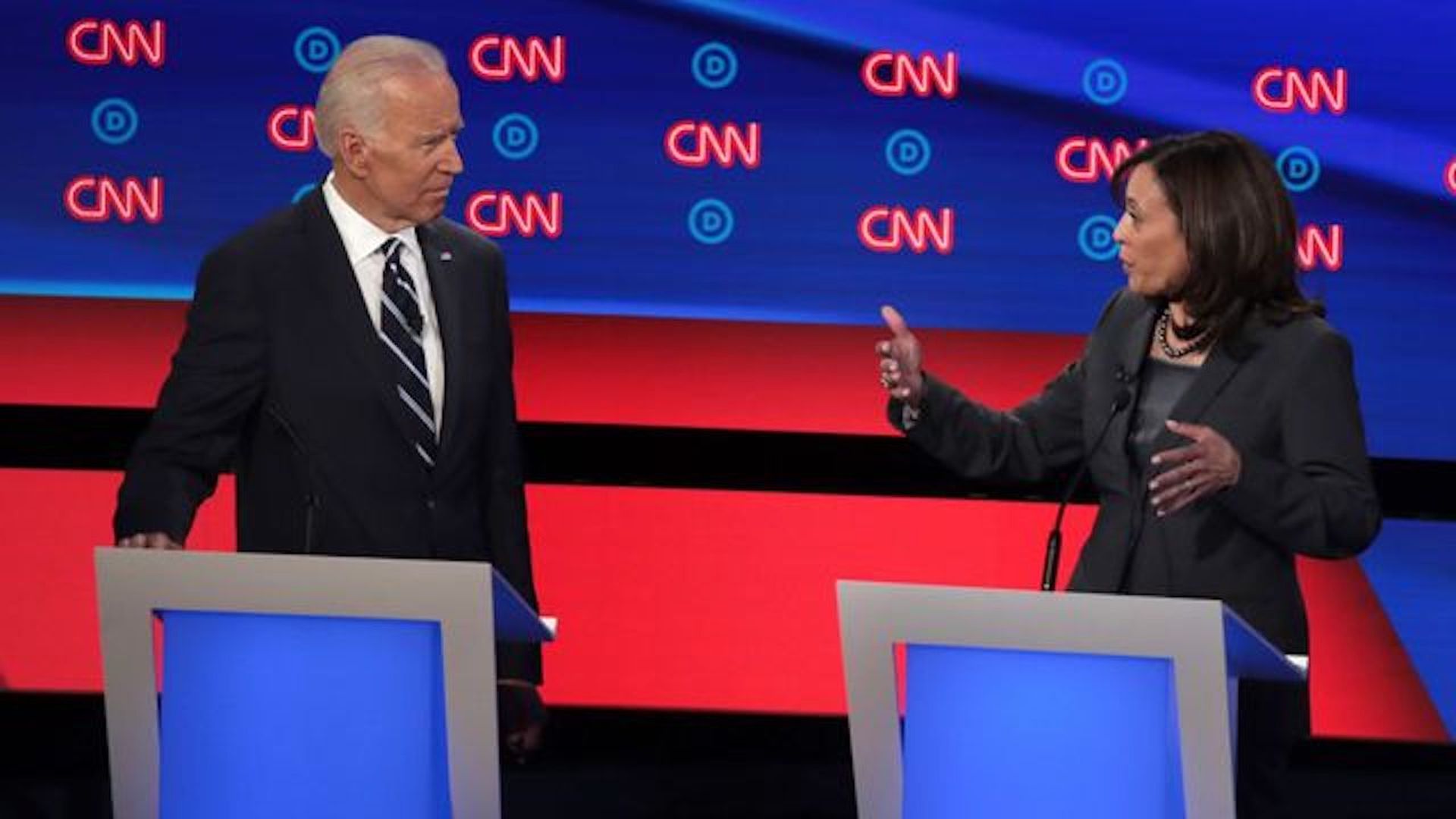
A few buzzy zingers and testy exchanges during Night 2 of the second round of Democratic debates on Wednesday caused ratings to tick up from the previous evening.
By the numbers: More than 10 million people tuned into the second night on live television, according to preliminary numbers from Nielsen. That's higher than the 8.7 million that watched the night before.
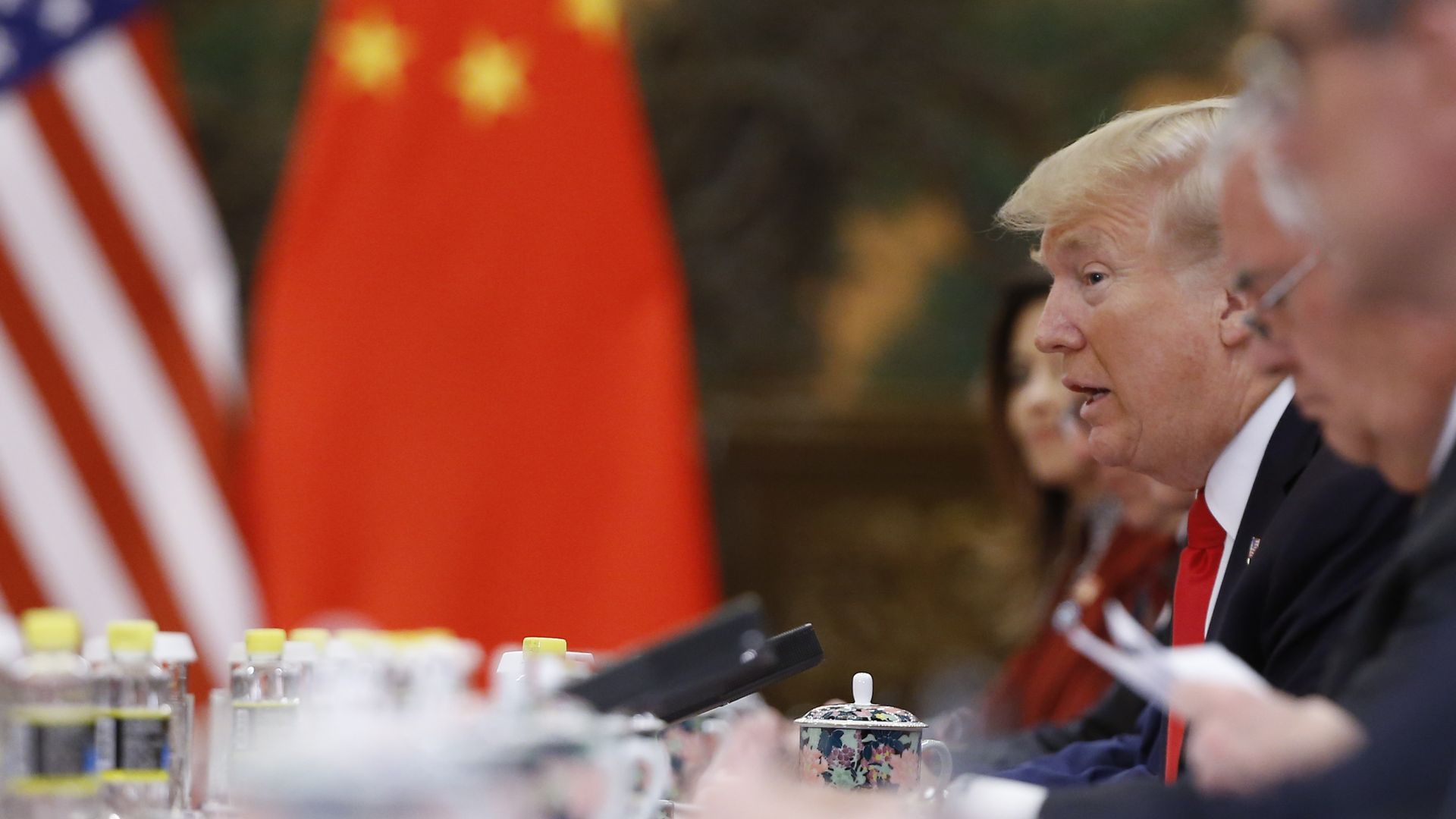
President Trump said in a series of Thursday tweets that 10% tariffs on the remaining $300 billion of U.S. imports from China will begin September 1, accusing Beijing of reneging on a series of promises in this year's ongoing trade talks.
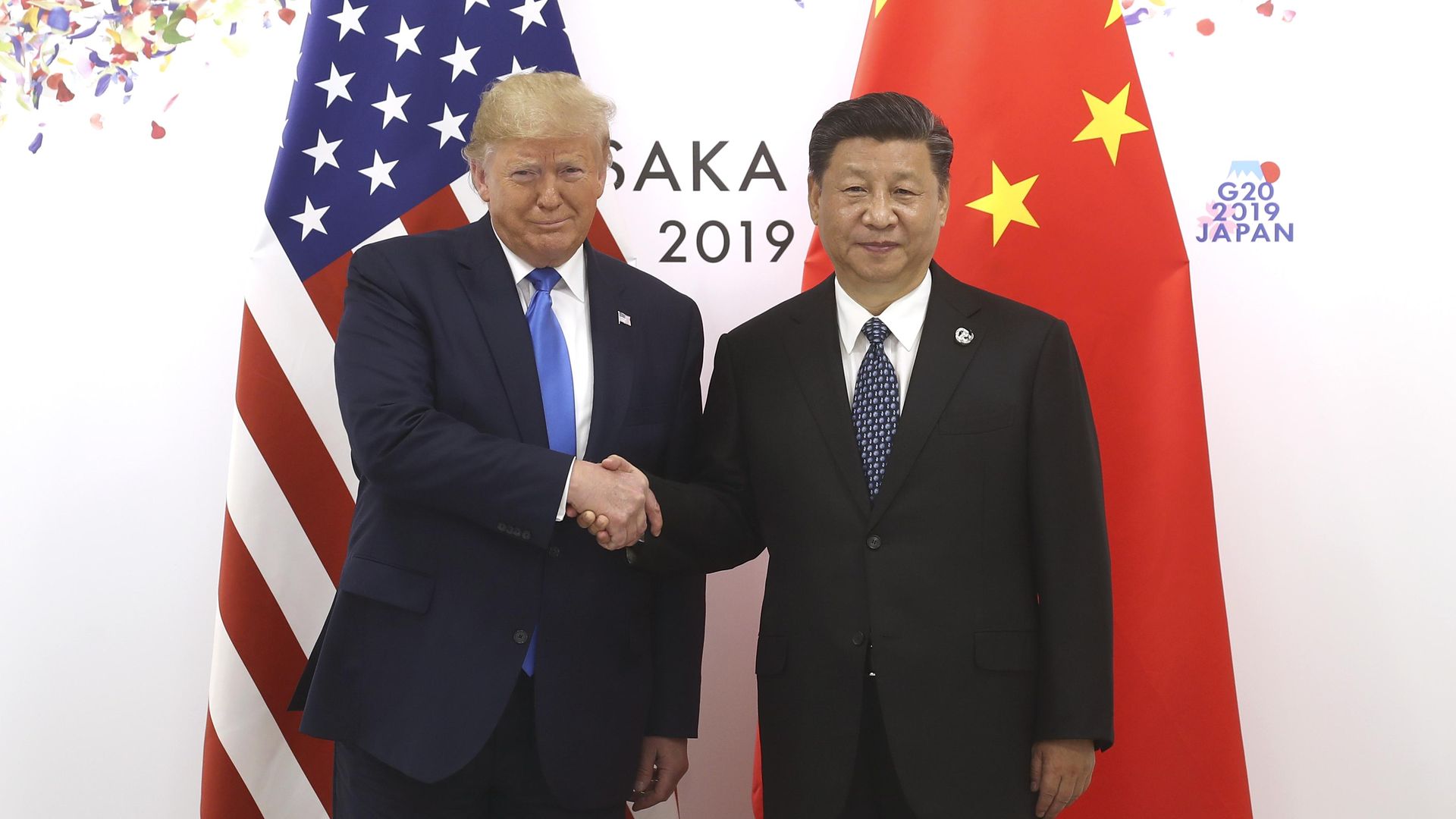
Why it matters: Trump had called a trade truce after meeting with Chinese President Xi Jinping at the G20 summit in June. He said that his administration elected to take the step announced today despite "constructive" trade talks this week in Shanghai led by Treasury Secretary Steven Mnuchin and Trade Representative Robert Lighthizer.
Wish, a San Francisco-based mobile shopping giant, raised approximately $300 million in Series H funding at an $11.2 billion post-money valuation, led by General Atlantic.
Why it matters: Wish built much of its business by sourcing low-cost goods from China, but President Trump's tariffs threaten to upend some of those economics. That's why Wish's deal announcement highlights plans to expand its "merchant footprint in Europe and North America." Expect Amazon to use Wish as a competitive shield against monopoly claims, much like Facebook is trying to use TikTok.
The last time stocks performed as well as they have so far this year was 1997, but historically as the market has boomed, August has brought significant slowdowns, analysts at LPL Financial warn.
By the numbers: "The S&P 500 has been down an average of 0.78% in August over the past 10 years, worse than any other month," LPL senior market strategist Ryan Detrick said in a recent note.
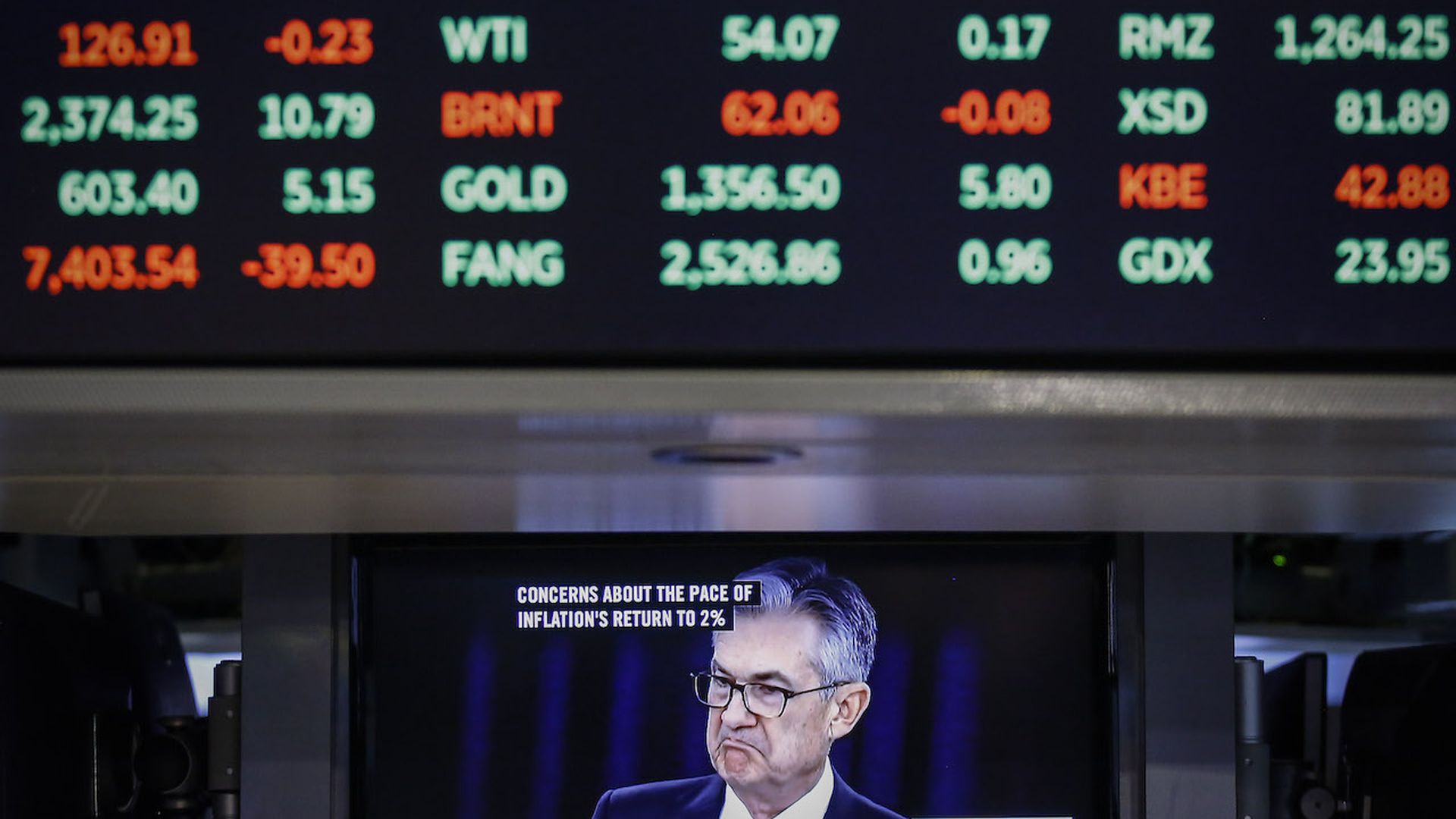
It's President Trump's move now that hegot the rate cut he's been asking for since March, but Fed chair Jerome Powell stopped just short of giving him and the market everything they wanted at the Fed's policy meeting Wednesday.
Why it matters:Powell's cut is the central bank's latest effort to address the U.S. economy's current bipolar state: While consumers are confident and continue to spend, the significant pullback in the manufacturing and transportation sectors shows that businesses are not.








/2019/08/01/1564659471417.gif?w=3840)