The hottest months on record have been the backdrop for what, on the surface, has seemed to be an equally red-hot U.S. labor market, with the lowest joblessness in a half century, rising wages, and bettering prospects for the least advantaged people.
Quick take: But, at odds with classic textbook lessons, experts now cite evidence that the economy may actually only be warm, with millions of people still wishing to get hired, to turn part-time or gig work into full-time employment, and to earn more money.
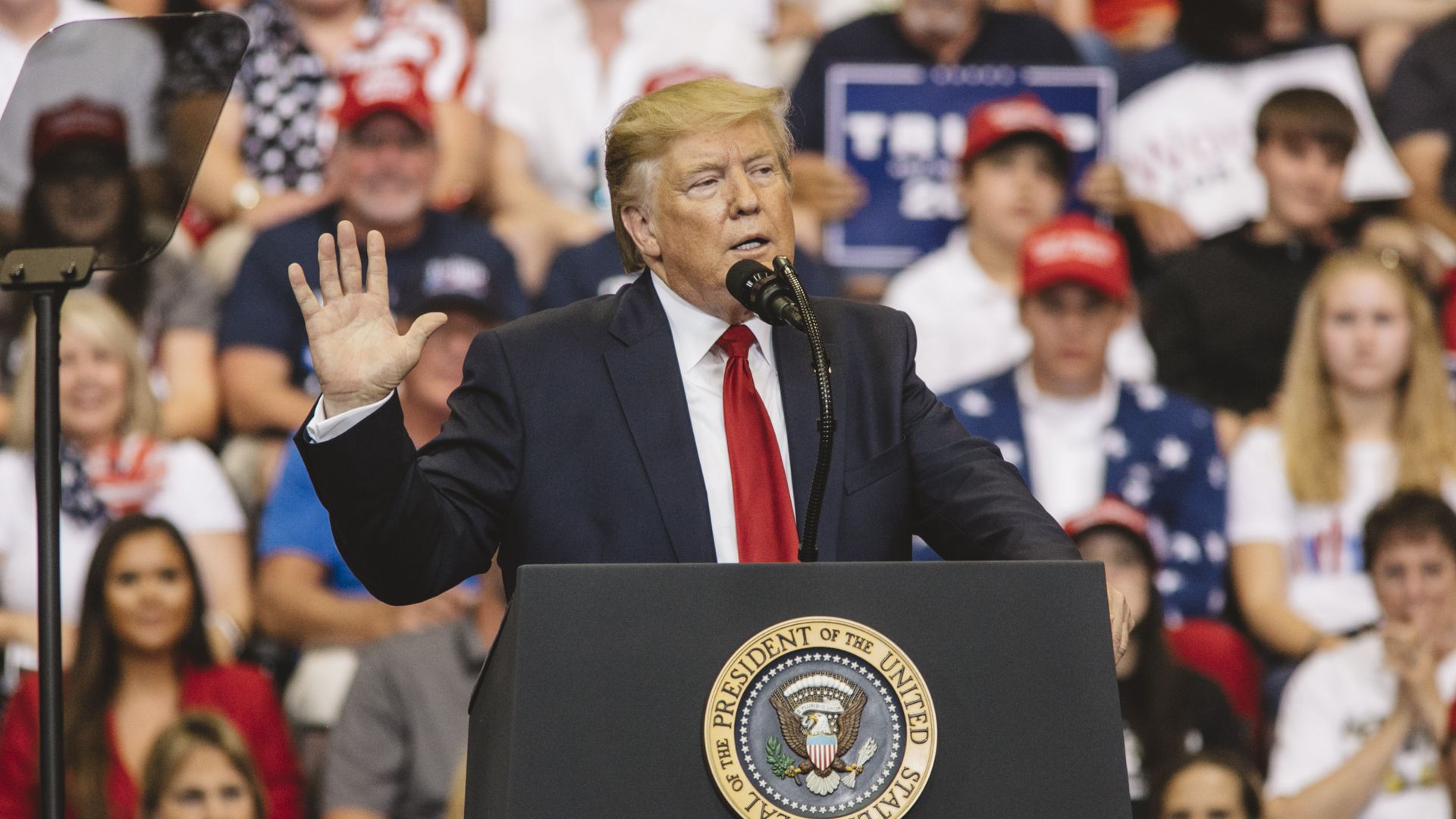
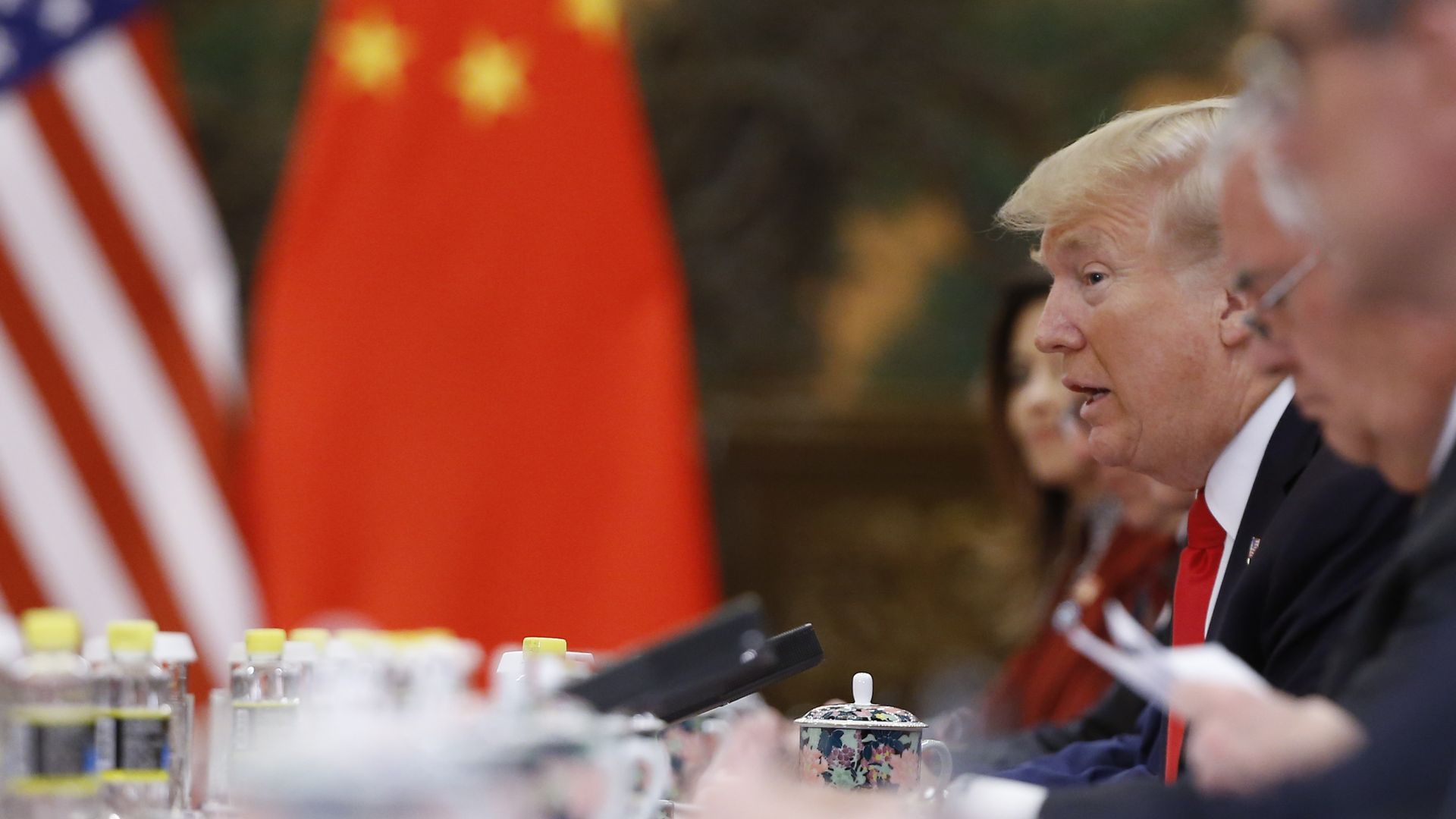
The tech industry was scrambling yesterday after President Trump announced plans to impose tariffs on the $300 billion worth of goods the U.S. imports from China annually that are not yet subject to such taxes.
Why it matters: Until now, the U.S. has tried to target the tariffs on items that consumers wouldn't feel as directly, but this new round would appear to hit all manner of everyday goods, including nearly all types of consumer electronics.
The U.S. economy added 164,000 jobs in July — right in line witheconomists' expectations of 165,000 jobs— the Labor Department said on Friday, while the unemployment rate held steady at 3.7%.
Why it matters: The labor market is still the standout of the record long economic expansion, although cracks are beginning to show. The pace of job growth is slowing down, as the government revised its previous predictions to show that the market had added 41,000 fewer jobs than initially estimated over the last two months.
International visitors are cutting back on trips to the U.S. and spending less money in the country when they do come, data show, as the strength of the dollar has risen, making U.S. goods more expensive.
What it means: Data from the U.S. Travel Association (USTA) show a steep and steady decline in the U.S. share of international travel, which is set to continue until at least 2022.
Retail company shares were among the hardest stocks hit on Thursday after Trump's tariff announcement.
Why it matters: While previous tariffs mainly targeted components of consumer goods, the new tariffs will apply largely to things people buy directly. That will raise the cost of everyday purchases and force retailers to either increase prices or eat the cost of the tariffs, putting pressure on their margins.
Experts are beginning to worry that the trade war between the U.S. and China won't be over in weeks or even months, but has become a long-term conflict that could last for decades.
Why it matters: Bullish investors have priced a near-term positive outcome into record-high stock prices, but a growing chorus of money managers and economists says the conflict's resolution could take a very long time.
If Trump's Thursday tariff expansion takes hold on September 1, it would result in the U.S. taxing nearly every Chinese product sent to America.
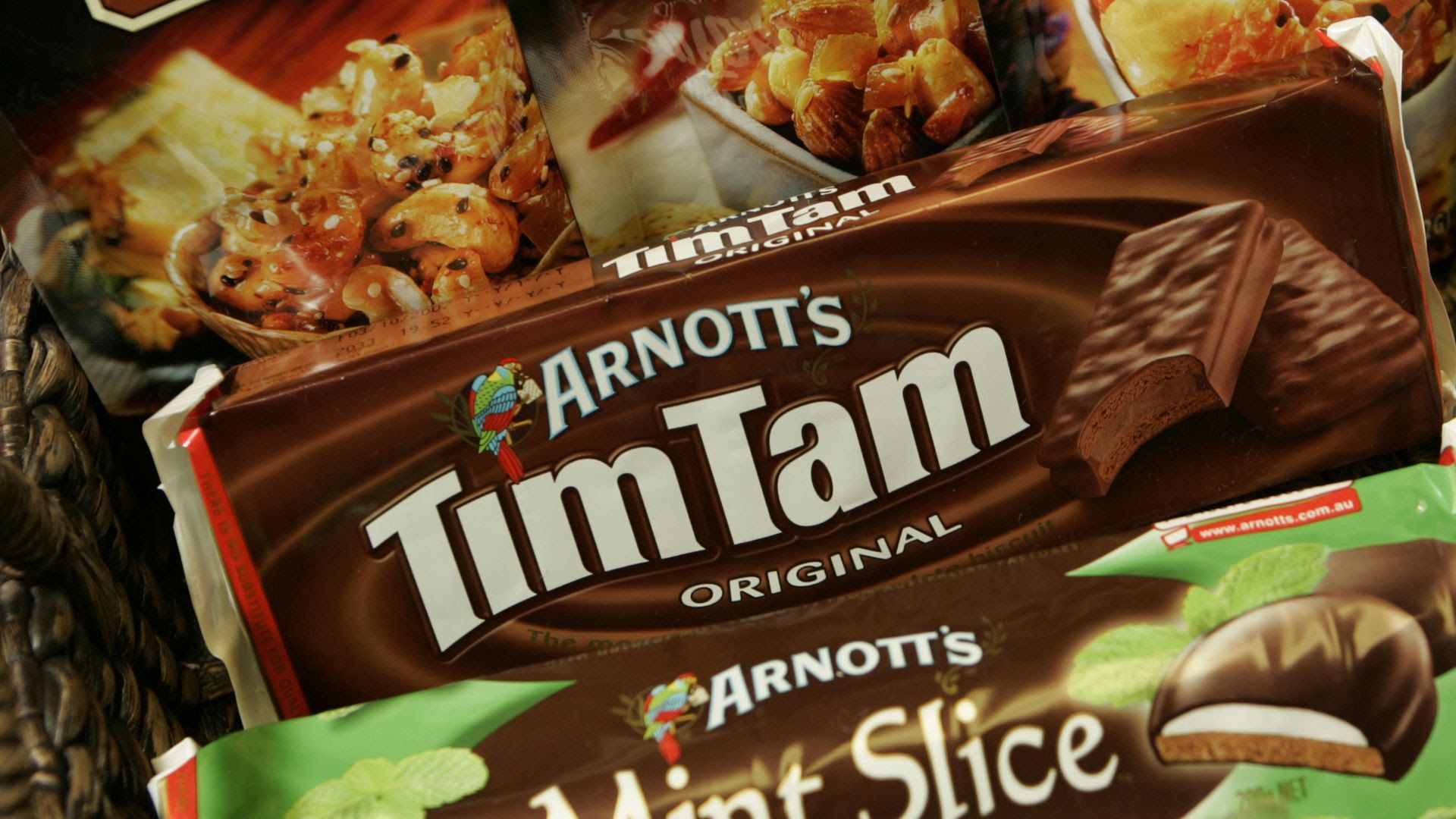
Where it stands: Expect higher prices on consumer items like "clothing, toys, home goods, and electronics," according to the Retail Industry Leaders Association. 62% of items hit by Trump's tariffs on the remaining $300 billion of U.S. imports from China are consumer goods, according to Goldman Sachs — "much higher than earlier levies that targeted industrial components," per the Washington Post.