A collection of well-off TV studios and streaming services are competing with traditional media companies for a generous slice of the home entertainment space, and bringing glossy magazine writers along by buying the rights to develop their stories into hit shows, Bloomberg reports.
Why it matters: Big Tech's efforts to take over Hollywood stems from its poaching of talent and franchises. Over the past year, companies such as Netflix, Amazon and Hulu have hired top TV producers to create hit shows. It's no surprise then, that these same companies are paying or hiring big print writers to develop hit storylines.
Friday marked a cool down on the non-China trade war front, providing a glimmer of hope that the global economy can avoid the worst-case scenario of global trade wars.
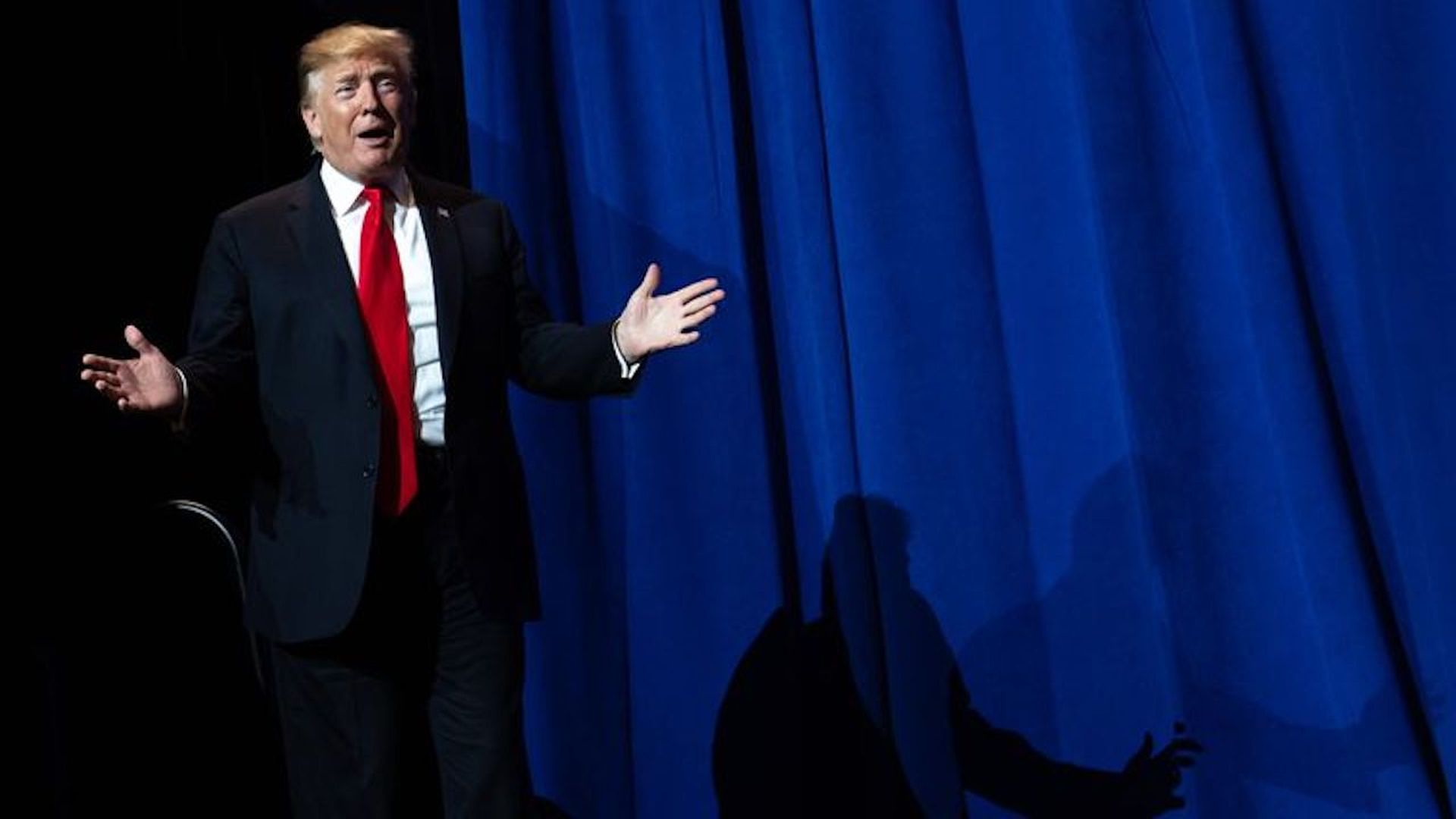
Driving the news: The White House delayed its auto import tariffs for 6 months, which would have hit Japan and Europe especially hard. The U.S. is also preparing to lift its steel and aluminum tariffs that Trump imposed on Mexico and Canada. The three will focus on preventing cheap imports to North America, the U.S. and Canada said in a joint statement.
Heading into 2020, Republicans hold 27 governors' mansions while Democrats have 23. The GOP controls 30 state legislatures to Democrats' 19. Nebraska has a unicameral, non-partisan legislature.
Why it matters: Where the country heads on a number of key issues including abortion, gerrymandering, Medicaid, minimum wage, paid family leave, criminal justice and infrastructure is determined by action at the state level.
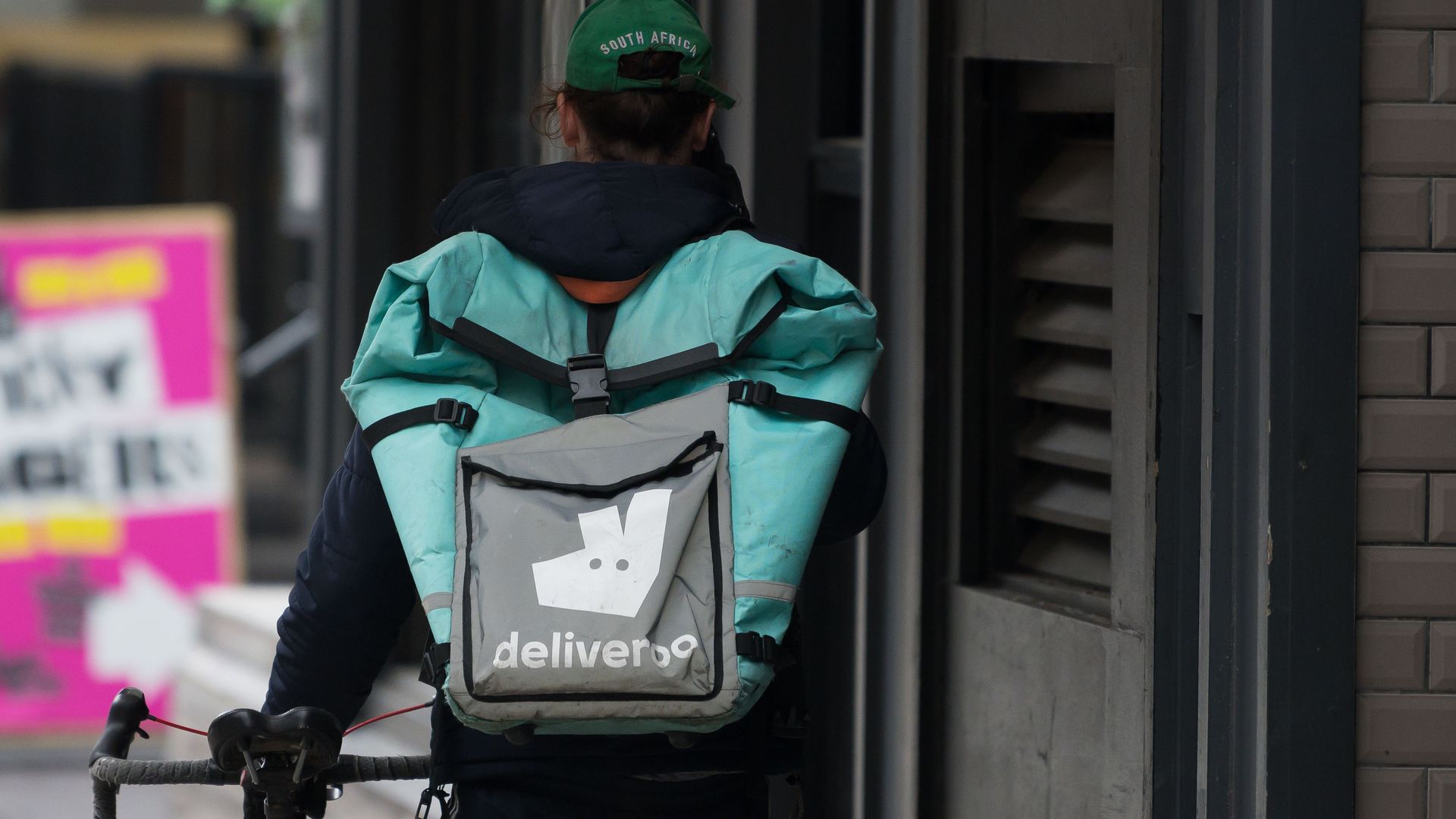
Deliveroo, a London-based food delivery company operating in 14 European countries, raised $575 million in Series G funding led by Amazon.
Why it matters: This means Uber's lackluster IPO hasn't scared investors away from food delivery startups, as word is that the round comes at a higher valuation from where Deliveroo last raised in late 2017.
John Deere has lost its cautious optimism about the U.S.-China trade war amid sinking earnings and an uncertain demand for products, Bloomberg reports.
What's happening: "Ongoing concerns about export-market access, near-term demand for commodities such as soybeans, and a delayed planting season in much of North America are causing farmers to become much more cautious about making major purchases," John Deere CEO Sam Allen said in a statement to Bloomberg on Friday.
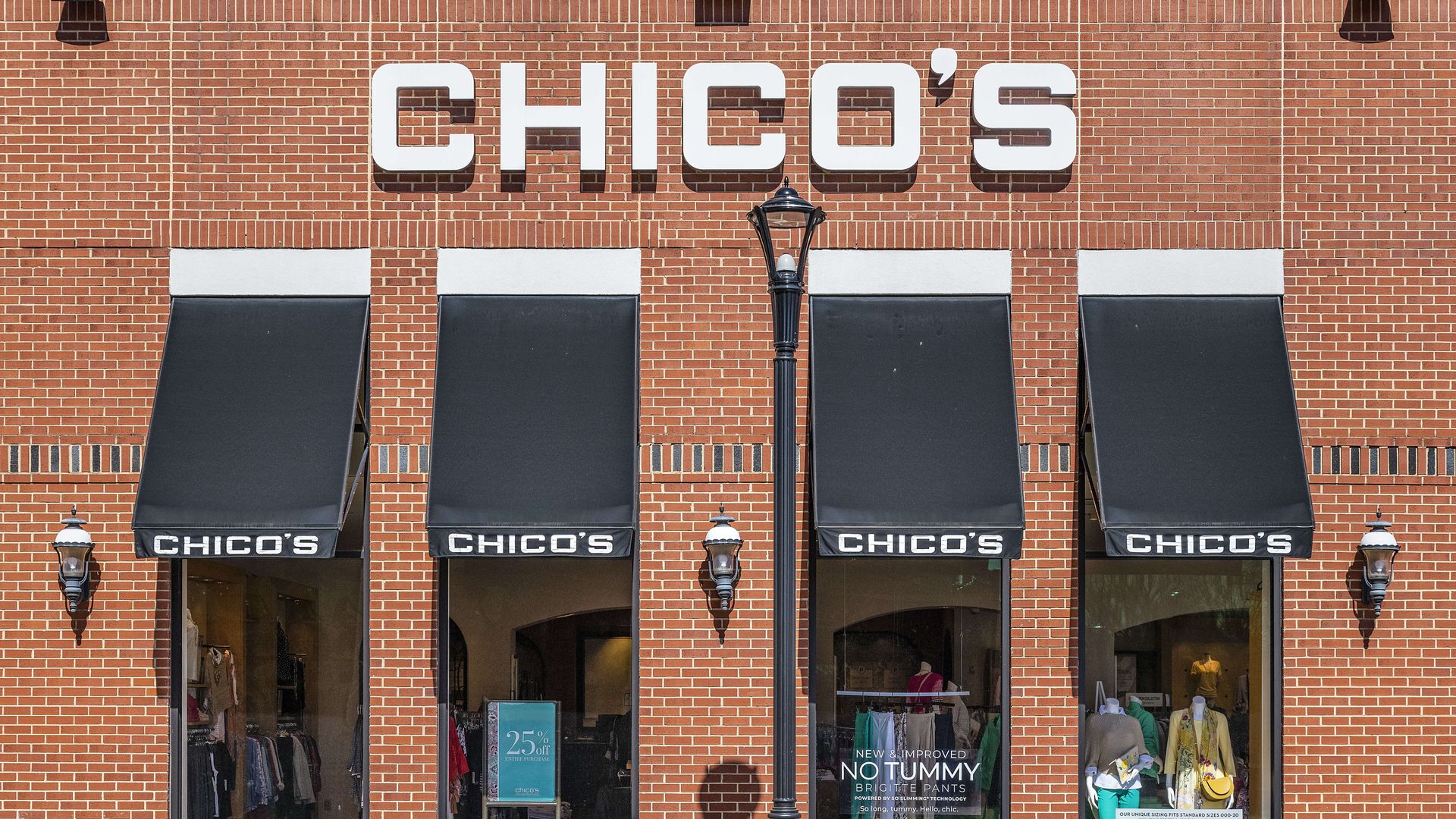
Women's apparel retailer Chico's FAS yesterday rejected a $3.50 per share takeover offer from private equity firm Sycamore Partners, saying it undervalued the company. Nothing shocking, given that Chico's had previously rejected an offer from Sycamore that was 18.6% higher.
Buzz: There are still some big questions about how Sycamore will fare on this non-deal, given that it disclosed a 6.6% stake in Chico's at the same time it announced its $3.50 per share takeover offer. And if that offer, which was bound to be nixed, was designed to recoup some earlier losses.
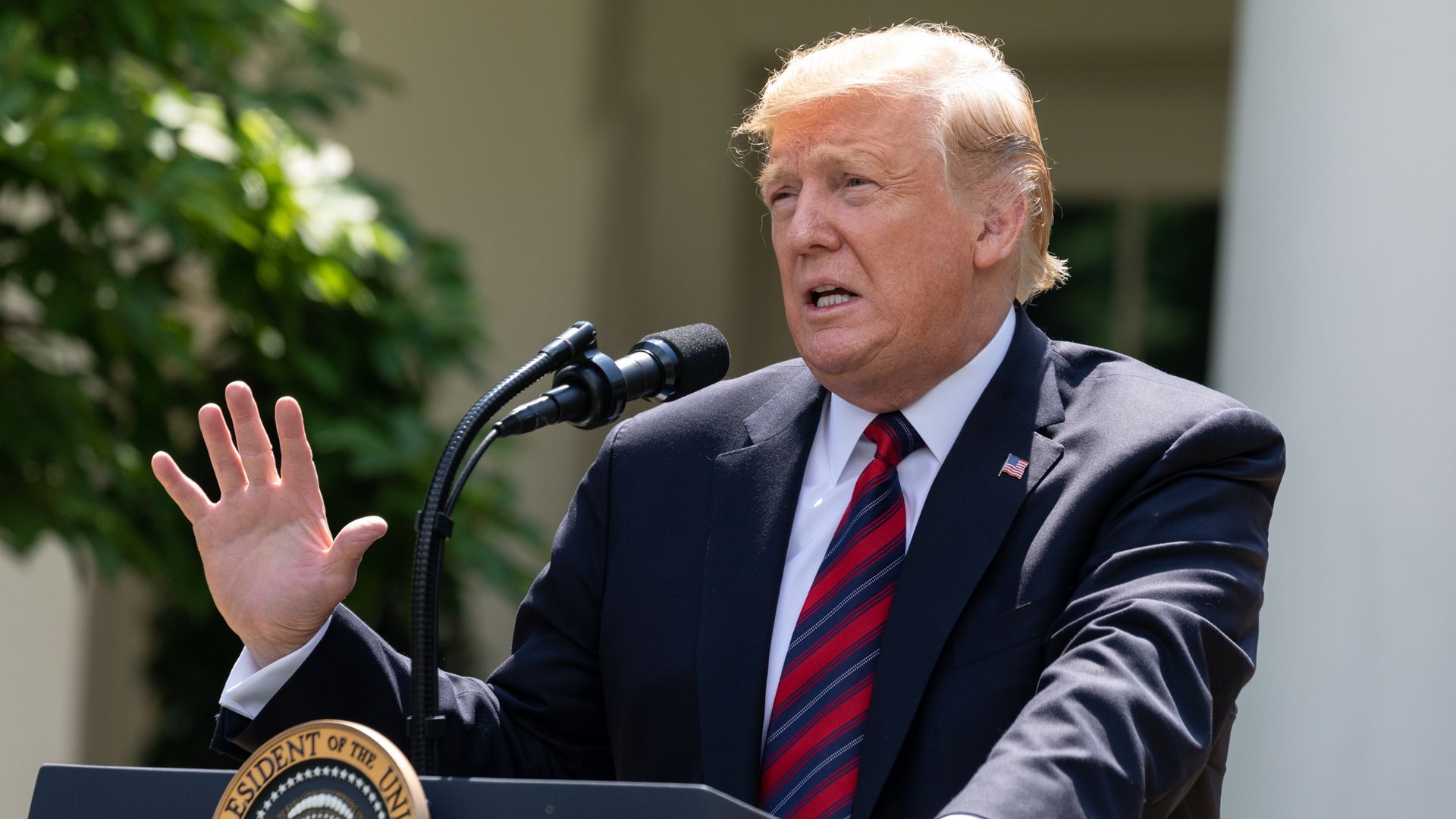
The White House announced a 180 day delay on auto tariffs against imported cars on Friday, confirming a Bloomberg scoop published earlier this week.
Why it matters: Bloomberg reports that these tariffs affect Japanese and European cars, but the White House Friday press release did not directly name Japan or European countries. The Trump administration has preciously cited national security concerns over cars imported from Japan and countries in the EU, the Wall Street Journal reports.
This year's rush of unicorns to the public market is challenging many long-held notions about the stock market, perhaps most notably the idea that companies need pricey investment bankers and other well-paid middlemen to go public.
Why it matters: With a historically low number of companies going public in recent years, investment banks are relying on big deals from billion-dollar companies like Uber, Zoom and Lyft to make their money.