The economy added 196,000 jobs in March — topping economists' forecasts of 175,000, and a big rebound from February's weak report, the Labor Department said on Friday. The unemployment rate held at 3.8%, while wages grew 3.2% from the prior year — a slightly slower pace than last month.
Why it matters: This month's report, which shows that the economy added an additional 13,000 jobs in February than initially estimated, proves the jobs market is still chugging along for now.
Beijing's construction ambitions in Latin America, a region that American leaders have seen as off-limits to other powers since the 19th century, is stirring alarm in Washington, the AP reports from Panama City.
The big picture: China's focus in Central America includes Panama, where the canal linking the Atlantic and Pacific oceans makes it one of the world's busiest trade arteries, and strategically important both to Washington and Beijing.
Video games are the next entertainment industry undergoing a major disruption, all the way down to the consoles and controllers.
Details: "In the past, you plunked down $60 at GameStop for a copy of Grand Theft Auto or Madden NFL and played it out — after which you could trade it in or let it gather dust," the AP reports. "Now, you’ll increasingly have the choice of subscribing to games, playing for free or possibly just streaming them over the internet to your phone or TV."
President Trump on Thursday walked back his previous threat to close the U.S.-Mexico border this week, telling reporters he is giving Mexico a "1-year warning" to stop illegal immigration and what he calls "massive" amounts of drugs entering the country through the southern border.
In response to a story in the New York Times claiming that members of special counsel Robert Mueller's team believe that the Mueller report is more damaging that Attorney General Bill Barr has indicated, President Trump lashed out on Twitter and called the Times a "Fake News paper" with no "legitimate sources."
"The New York Times had no legitimate sources, which would be totally illegal, concerning the Mueller Report. In fact, they probably had no sources at all! They are a Fake News paper who have already been forced to apologize for their incorrect and very bad reporting on me!"
The big picture: The Times story, which has been corroborated by the Washington Post and NBC News, reports that Mueller investigators have expressed frustration to associates about Barr's summary of his "principal conclusions" of the special counsel's findings. One source told the Washington Post: "It was much more acute than Barr suggested." The Justice Department released a statement on Thursday clarifying that Barr's letter was not intended to be a summary of the full Mueller report.
The White House did not respond to a request for comment.
Tradeweb Markets, a New York-based electronic bond and derivatives trading platform, raised nearly $1.1 billion in its IPO. The company priced 40 million shares at $27, versus original plans to offer 27.3 million shares at $24-$26, for an initial market value of around $6 billion.
Why it matters: It's the second billion dollar+ IPO in the past two weeks, after a five month drought. It's also a nice IPO rebound for top shareholder The Blackstone Group, after its Alight float fizzled.
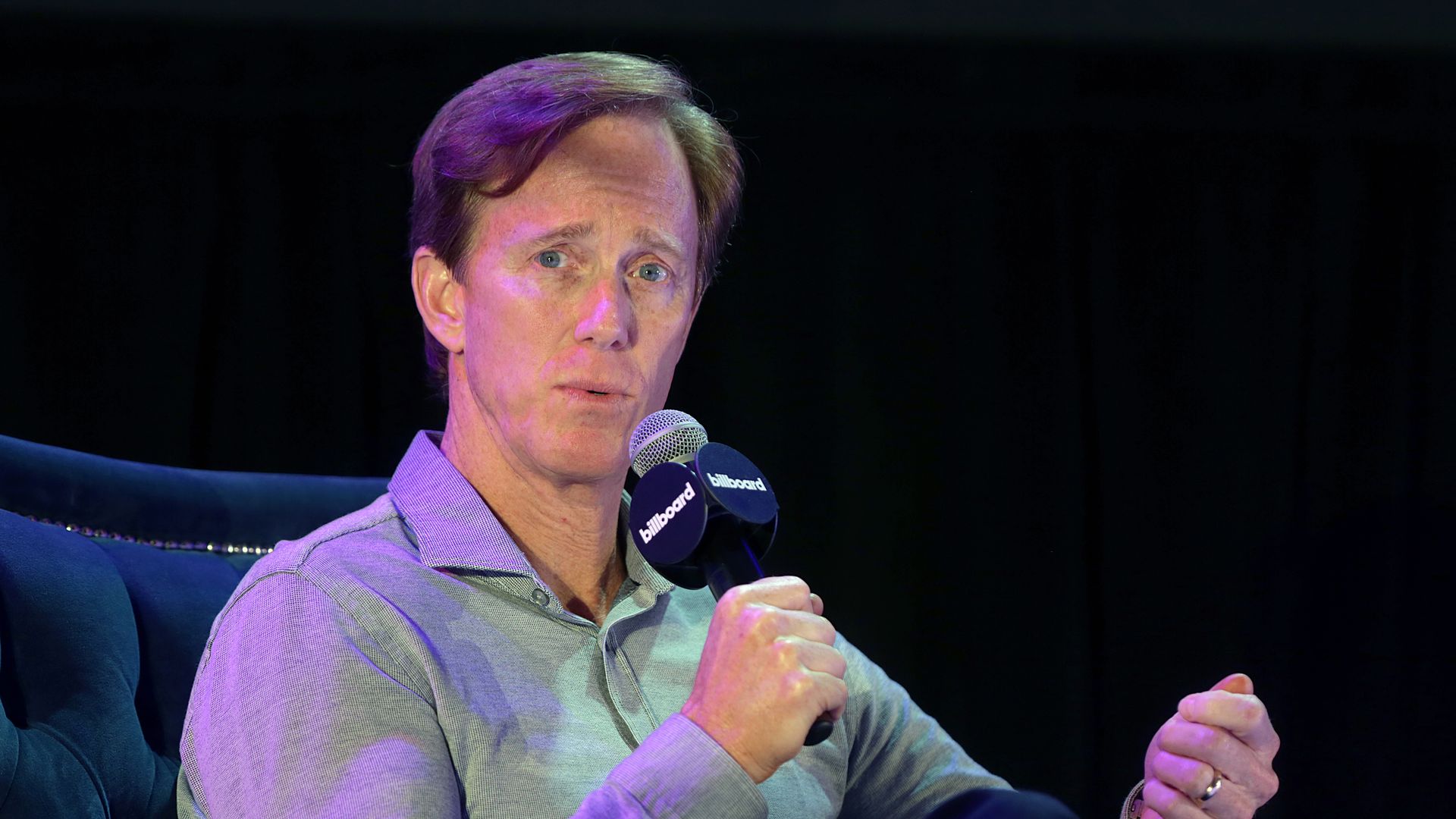
Pandora CEO Roger Lynch has been named the global chief executive for Condé Nast, as the publisher of Vogue, Vanity Fair, GQ and the New Yorker begins to merge its U.S. and U.K. operations.
Our thought bubble, via Axios' Sara Fisher:Lynch has a history of managing companies in transition. He led Dish’s SLING TV through it’s launch — the first real digital TV “skinny bundle” in the U.S. — and Pandora through its sale process to Sirius XM last year. It was announced he would exit Pandora, along with other executives, after the sale to Sirius was final. Condé Nast, which has built up a sizable content licensing business through Condé Nast Entertainment, will benefit from Lynch’s experience in digital TV rights negotiations.
As powerful as artificial intelligence can be, its abilities are extremely narrow: An AI that beats a chess grandmaster can't recognize a face or drive a car. And a robot that carries out flawless eye surgery can't do so unless positioned precisely first.
Why it matters: It turns out that humans have a similar failing — put them in front of a problem they've never solved, and they often come up short. But in the future of work, when automation assumes responsibility for up to half or more of current jobs, such ability will be a huge human advantage — and possibly necessary.