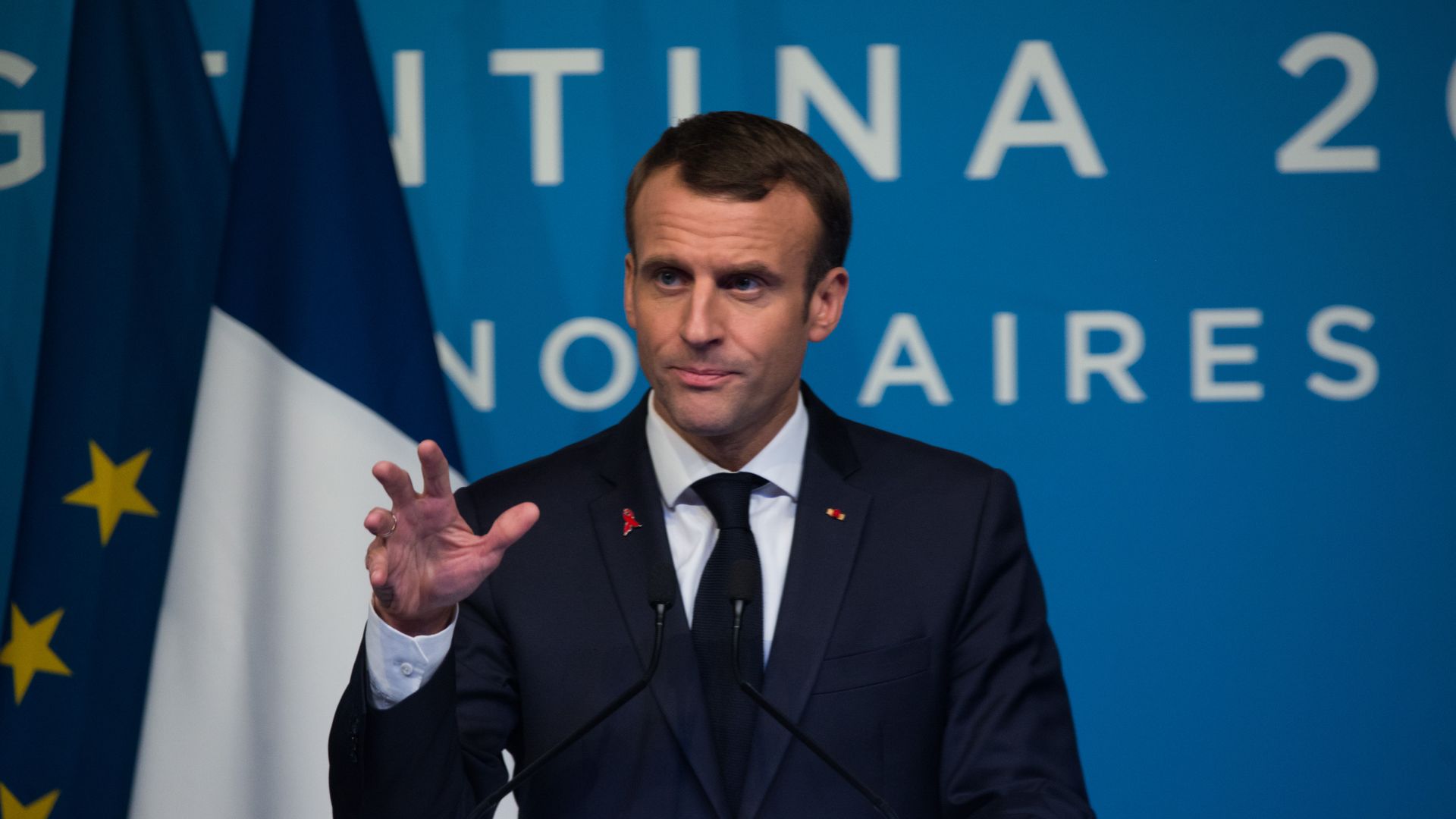
In a direct address to the people of France, Emmanuel Macron responded to the "yellow vest" protests against his presidency by promising a series of financial concessions, including a 100 euro-per-month raise for minimum wage workers, a canceled tax hike for low-income pensioners and a crackdown on tax evasion, the BBC reports.
The big picture: Macron firmly denounced the violent riots that have dominated headlines for the past four weekends, with hundreds injured and more than 1,000 arrested this Saturday alone. But he acknowledged that the yellow vests have legitimate grievances and declared an "economic and social state of emergency" in order to tackle the many issues that plague France. He refused to budge, however, on reinstating a wealth tax, having made its elimination a hallmark of his pro-business reform agenda.
Last week came news that Uber and Lyft have filed confidential IPO documents with U.S. securities regulators, while Slack has hired its IPO underwriter.
The temptationis to write that the companies are reacting to the public equities pullback, particularly in tech stocks, by rushing to price before the IPO window slams shut. The reality is that these plans have been in the works for months, including during the public equities surge in early Q3 and the post-Halloween sugar rush.
Why it matters: Soybeans had become an unlikely political ground zero in Trump's trade war, with sales to China down nearly 90% as a result of retaliatory tariffs. Soybean farmers have pushed the limits of crop storage in the hope that waiting out trade tensions will pay dividends, as Trump has promised.
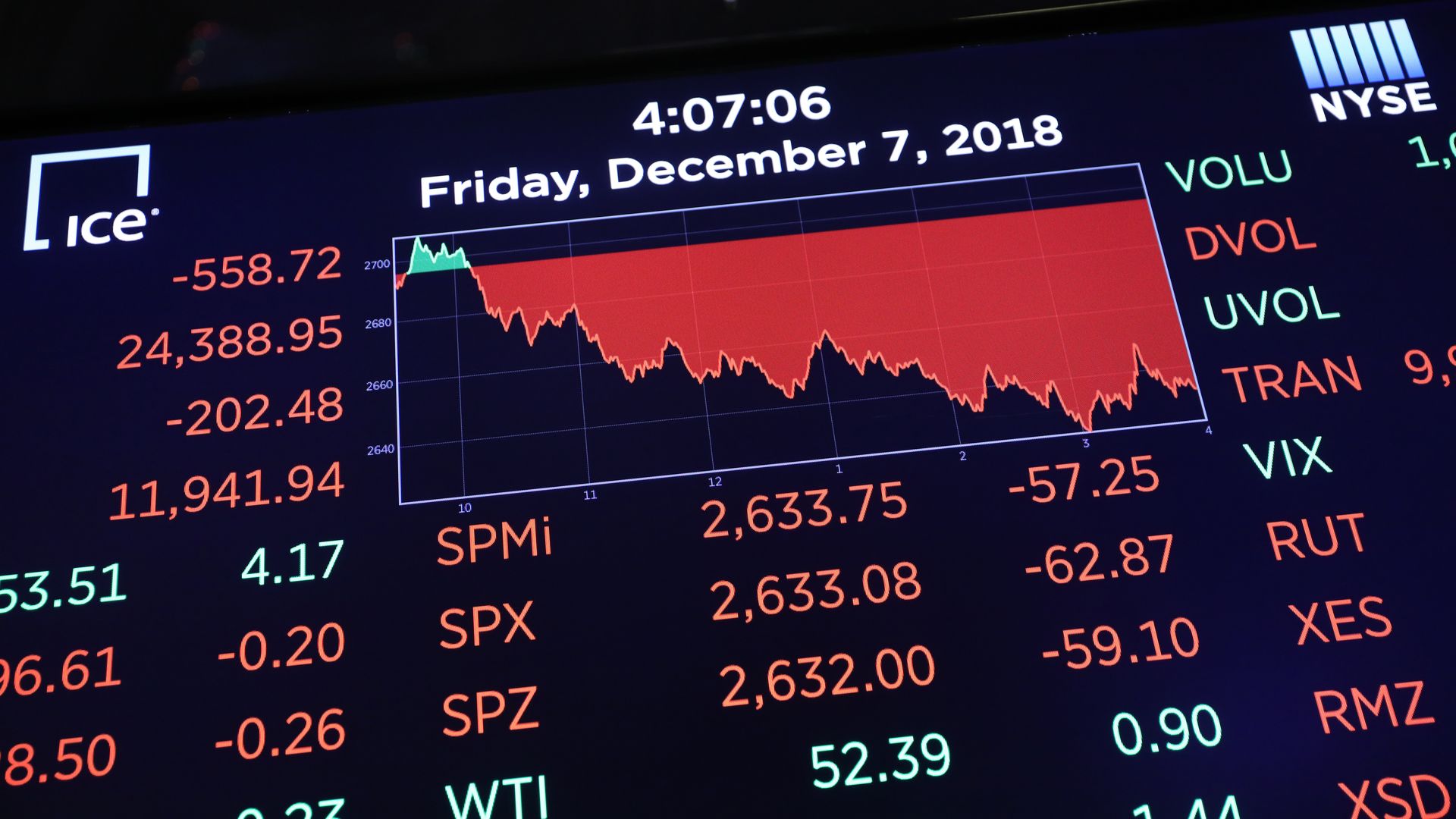
The markets are tanking — the S&P 500 is down 8% in last two months alone — as investors brace for bumpy, if not bad, times ahead.
The big thing: The simple fact that this record period of growth will undoubtedly come to an end, in America and globally. A closely watched bond-market bellwether is this close to flashing a recession signal, Axios' Felix Salmon writes.
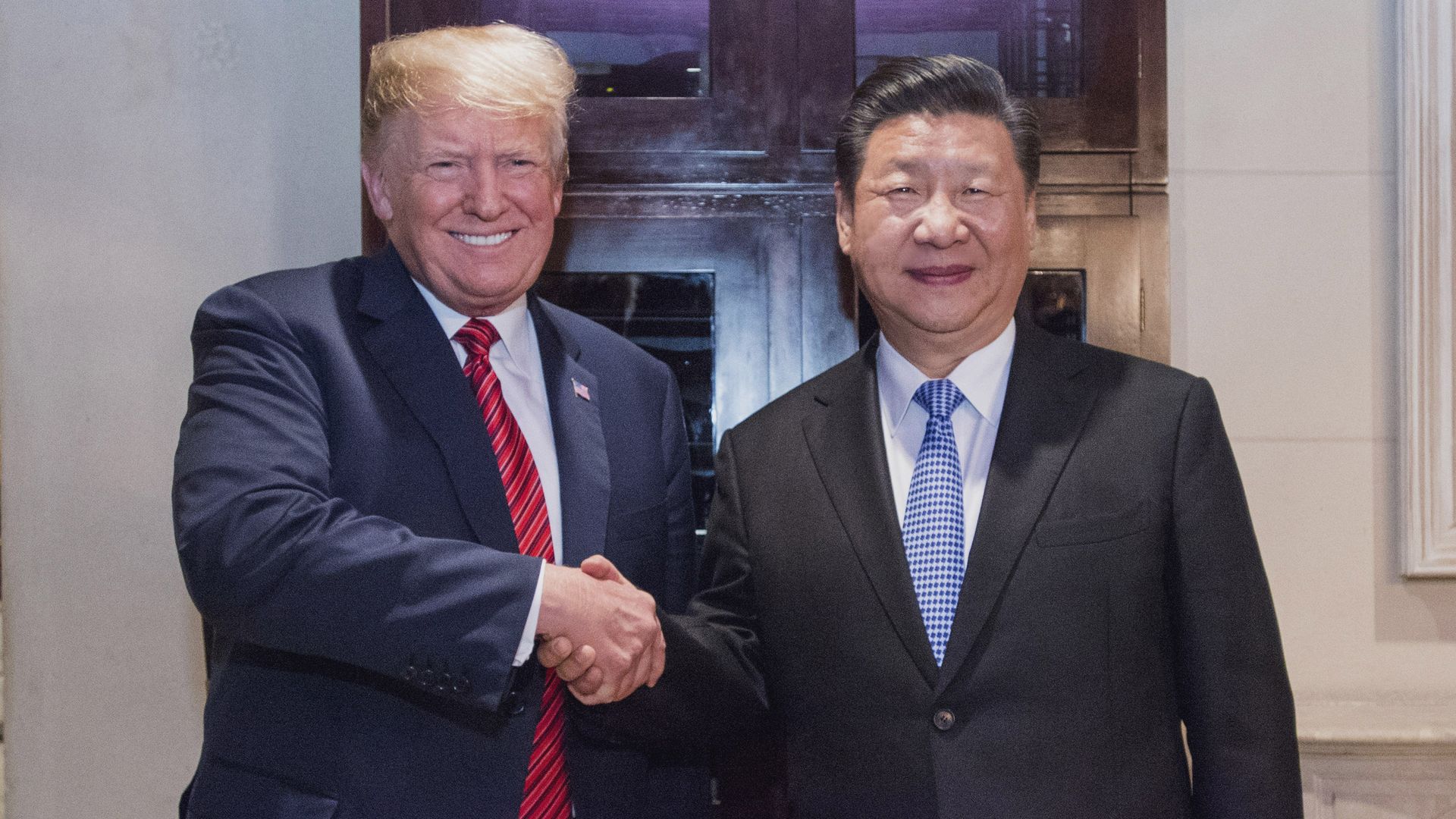
Last Saturday night, after his dinner with China's President Xi Jinping in Buenos Aires, President Trump rode to the airport in his armored limousine. The first lady, Treasury Secretary Steven Mnuchin and Press Secretary Sarah Sanders joined the president in "The Beast."
What happened: Inside the car, Trump dictated a statement to Sanders listing the concessions he said China made during the dinner, according to two sources familiar with their private conversation. The statement, which was circulated to principals, was all Trump. Since then, we've seen a mess of competing and confusing statements from the Chinese and American sides, throwing U.S. stock markets into a spiral.
90% of the debt issued out of private equity shops is rated B2 or lower, according to a new Moody's report. That's not just junk-rated, it's even worse than that.
If you look at junk-rated companies that aren’t sponsored by PE firms, only 40% of them have debt rated that low. Moody's credit-rating scale has 10 "investment-grade" ratings, from Aaa to Baa3. The bottom 11 ratings, from Ba1 to C, are considered "speculative," or junk. A B2 rating is deep into junk status and means there's a very significant chance you'll end up in default.
You might have missed the huge market rally last week, what with all the political news and stock market noise. The price on the benchmark 10-year Treasury bond rose from 100.22 on Monday morning to 102.12 at the close on Friday.
Why it matters: That's a massive move in the world of bond investors. It brought the yield on the bond from 3.04% all the way down to 2.85%. (Yields go down when prices go up.) Bonds vastly outperformed the stock market, which fell by 5.6% from Monday's open to Friday's close.
Tech leaders met with President Trump this week, and a Facebook document dump showed new evidence of its aggressiveness. Here are five otherstories in tech you may have missed.
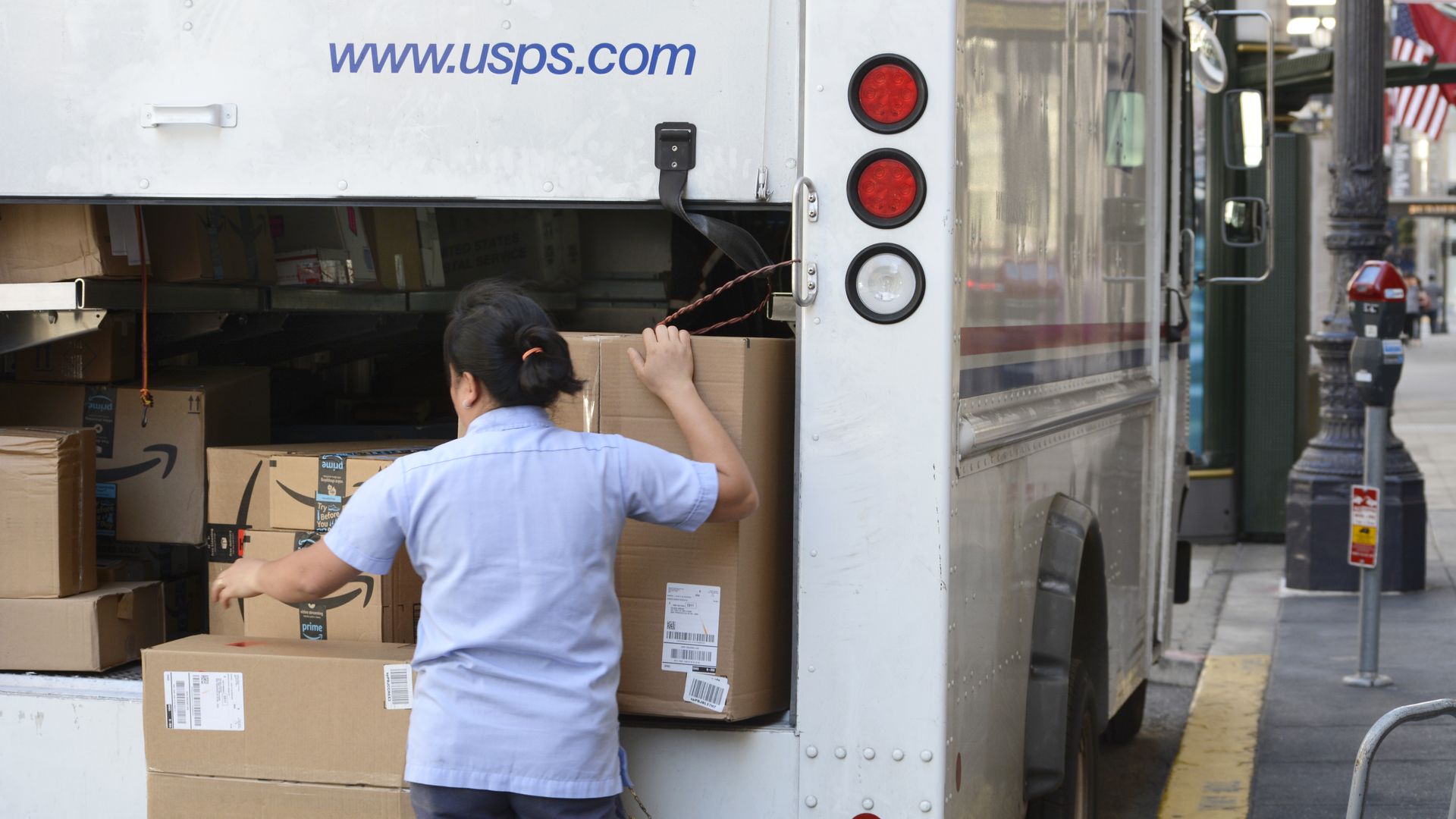
Catch up quick: A task force created by Trump said the U.S. Postal Service should charge more to ship some packages; after a fan uproar, Netflix renewed “Friends” for a hefty price; marketers are risking free advertising to target smart speaker owners; the ACLU outed facial recognition plans from the Secret Service; and Canada revealed a series of fraud charges against a Huawei executive.
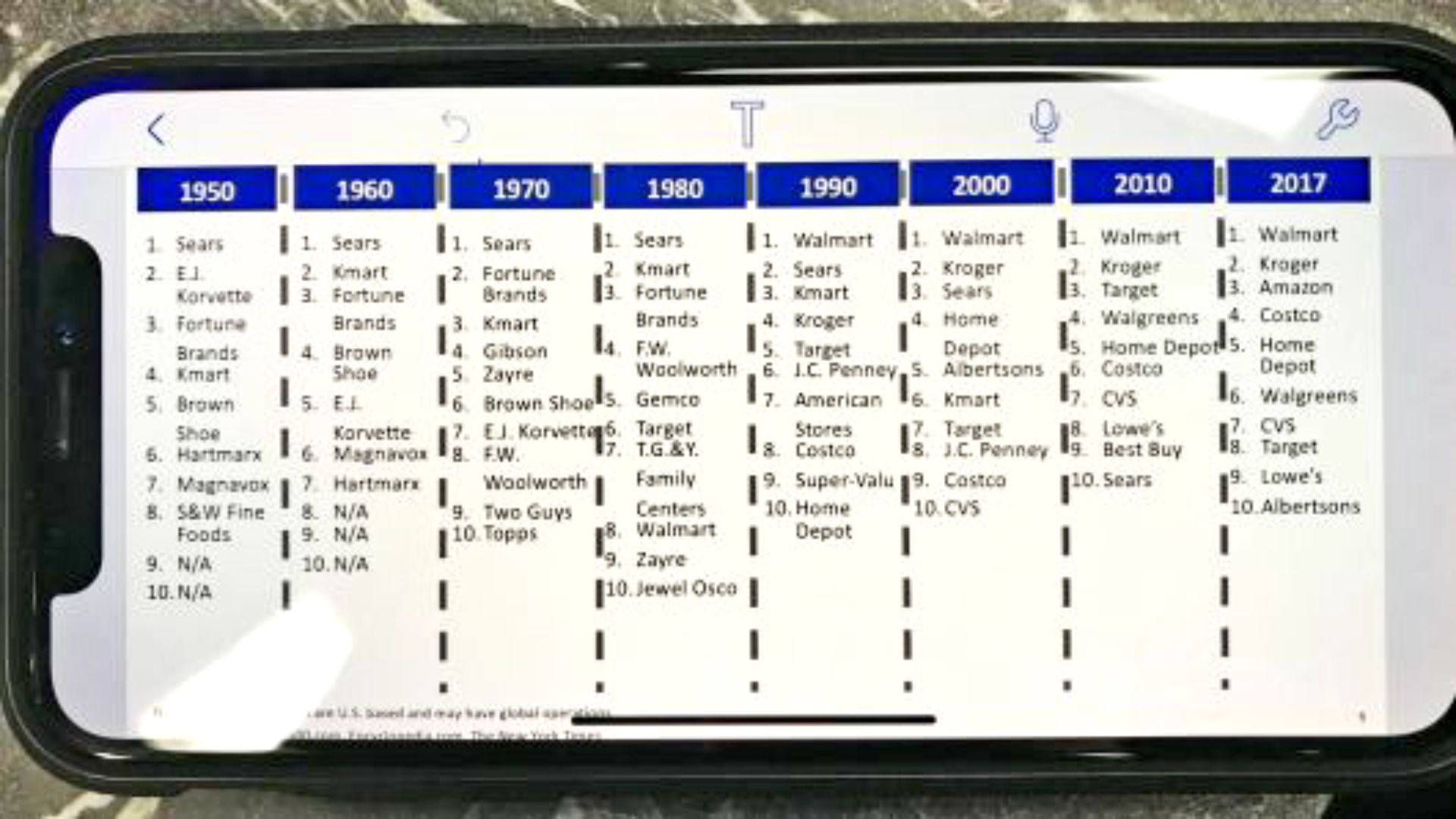
Walmart CEO Doug McMillon said he keeps a photo of the top 10 retailers in the United States throughout the last few decades to remind him how quickly "companies come and go" and how quickly they can fold, CNBC reports.
"After learning from so many people ... we know that retailers come and go ... Businesses grow and they don't change enough and they decline over time. Retailers do that on a bit of a faster cycle."