Saturday's business stories


Washington's message to AI execs: Please shut up
Washington has always viewed Silicon Valley as culturally strange. But the current crop of AI leaders is becoming a monumental political liability, lawmakers and White House advisers tell Axios.
Why it matters: Even pro-AI government officials and lawmakers wish AI founders would do what every other major industry chief does — shut up and just build their products ... safely.
- By centering the conversation around digital sentience and global catastrophe, AI leaders are turning an already complicated regulatory debate into an impossible moral panic.

Axios ahead: 2028 and beyond
Media is changing at AI speed: the open web deteriorating, search shriveling, LLMs rising, hyper-personalization surging, old revenue models breaking.
- AI threatens to finish what the algorithms started: wholly upending journalism as we know it. The only certainty: What follows will be as different as the pre- and post-digital eras.
- After studying and experimenting with AI for the past two years, we're placing a series of big bets on how serious journalism can flourish in an AI world.
The big idea: We believe the value of verified, reported, distinctive truth and curated human connection will spike. The yearning for human connection, and demand for human expertise, will only increase.

AI pixie dust is losing its stock market power
Soaring sales, booming backlogs and gangbusters guidance from AI-related companies just doesn't cut the mustard in this market moment.
Why it matters: The lackluster response to still strong AI-related earnings points to growing investor doubts about the durability of the boom.

Exclusive: Meta acquires AI data platform Sundial
Meta has acquired Sundial, an AI-powered data analytics platform founded by two former Meta employees, a spokesperson confirmed to Axios.
Why it matters: Meta is investing more in its data and analytics team as AI creates massive demand for insights.

Media Trends Live Summit: Media leaders rethink business models
NEW YORK — Media leaders outlined new revenue strategies, distribution plans and audience engagement approaches at Axios' Media Trends Live Summit.
Why it matters: AI, mergers and political pressures are reshaping the entertainment industry. How companies navigate these challenges will determine which legacy organizations survive and which newcomers stand out.
- The Oct. 20 event was sponsored by BBC Studios and Civic.
Catch up quick: Here are our top takeaways.
- There's no price at which Hearst would sell its stake in ESPN, Hearst president and CEO Steven Swartz told Axios' Sara Fischer on stage, pointing in particular to the company's relationship with the NFL.
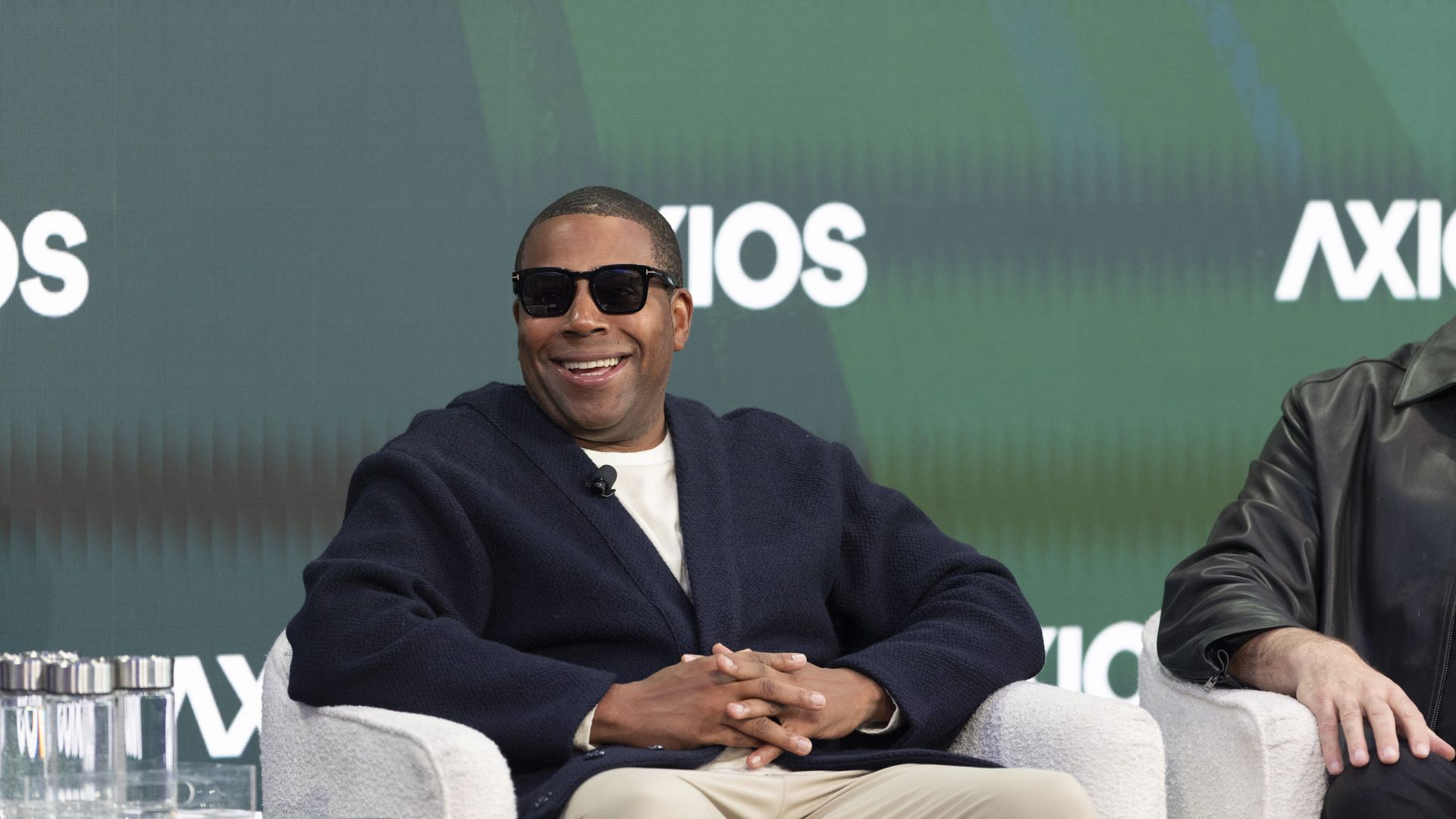
- Longest-running Saturday Night Live cast member, actor and comedian Kenan Thompson addressed the recent Shane Gillis controversy, saying that if Gillis were to return as a host, there would need to be a conversation "like a little kid" about what could have gone differently. "I would just sit him down and be like, 'Yeah, so what do you think we could change there, pal?'"
- Versant is unlikely to acquire Skydance's cable networks, Versant CEO Mark Lazarus told Fischer exclusively, and will instead focus on other M&A opportunities.
- Democratic FCC Commissioner Anna Gomez predicted ABC will win its First Amendment lawsuit against the agency over alleged retaliation for editorial decisions related to Jimmy Kimmel.
- Trump Media and Technology Group CEO Kevin McGurn declined to comment on investigations into Truth API, saying, "We hear from all sorts of government agencies all the time. We're one of the most scrutinized businesses on the face of the planet."
Content from the sponsor's segment:
In a View From the Top conversation, BBC Studios North America SVP of client partnerships Jon Otto said that modern media companies can stay relevant by being selective about how they reach and engage audiences.
- "Being everything to everyone at all times is a really difficult strategy today, when we're in an industry with endless fragmentation and access to infinite content. So audiences are not a monolith, and neither can we be."
In a sponsored conversation, CIVIC Entertainment Group co-founder and co-CEO Stuart Ruderfer said brands can build trust through creating shared experiences and community, especially in emerging audience segments like Gen Z.
- "Let's stop being so much the disco ball and more be the dance floor. Invite people to get on that dance floor and help co-create the brand together. That's where magic can be made, and that's where value can be built in the next couple years."
Go deeper: Watch the full event.
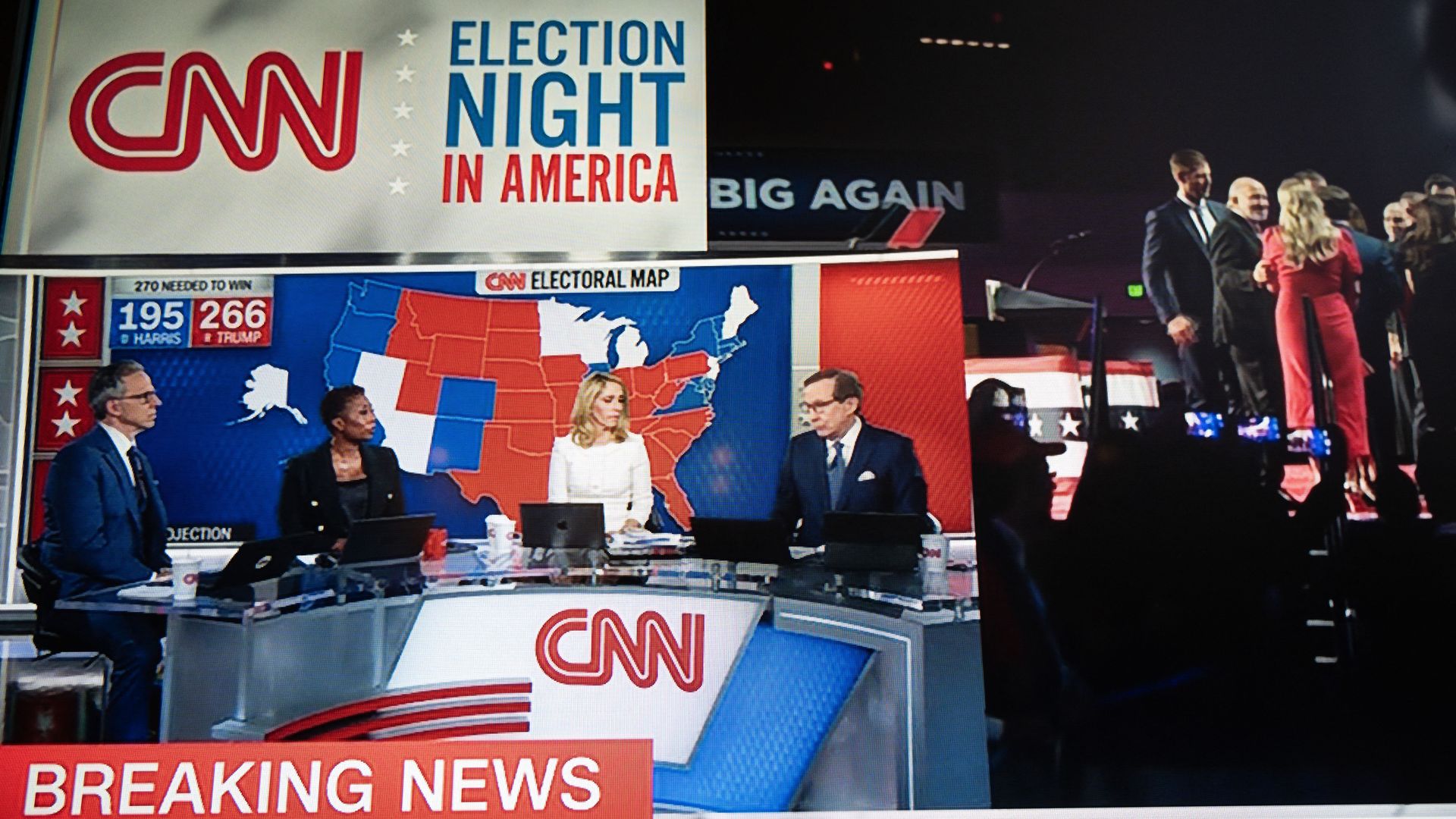
CNN to launch new election data and analysis tool to demystify Decision Desk
CNN will debut a new election data and analysis tool called Sightline that gives political junkies access to the expertise behind its Decision Desk.
Why it matters: Sightline aims to pull back the curtain on the real-time metrics and logic that power the network's forecasts.

Munis are hot right now: And there's plenty to go around


Here's a surprising combination of words: Municipal bonds are sexy right now — offering historically attractive returns at a time when states and localities need more and more cash.
Why it matters: That may be good news for investors, but it costs taxpayers who foot the bill when states and localities borrow money by issuing these bonds.

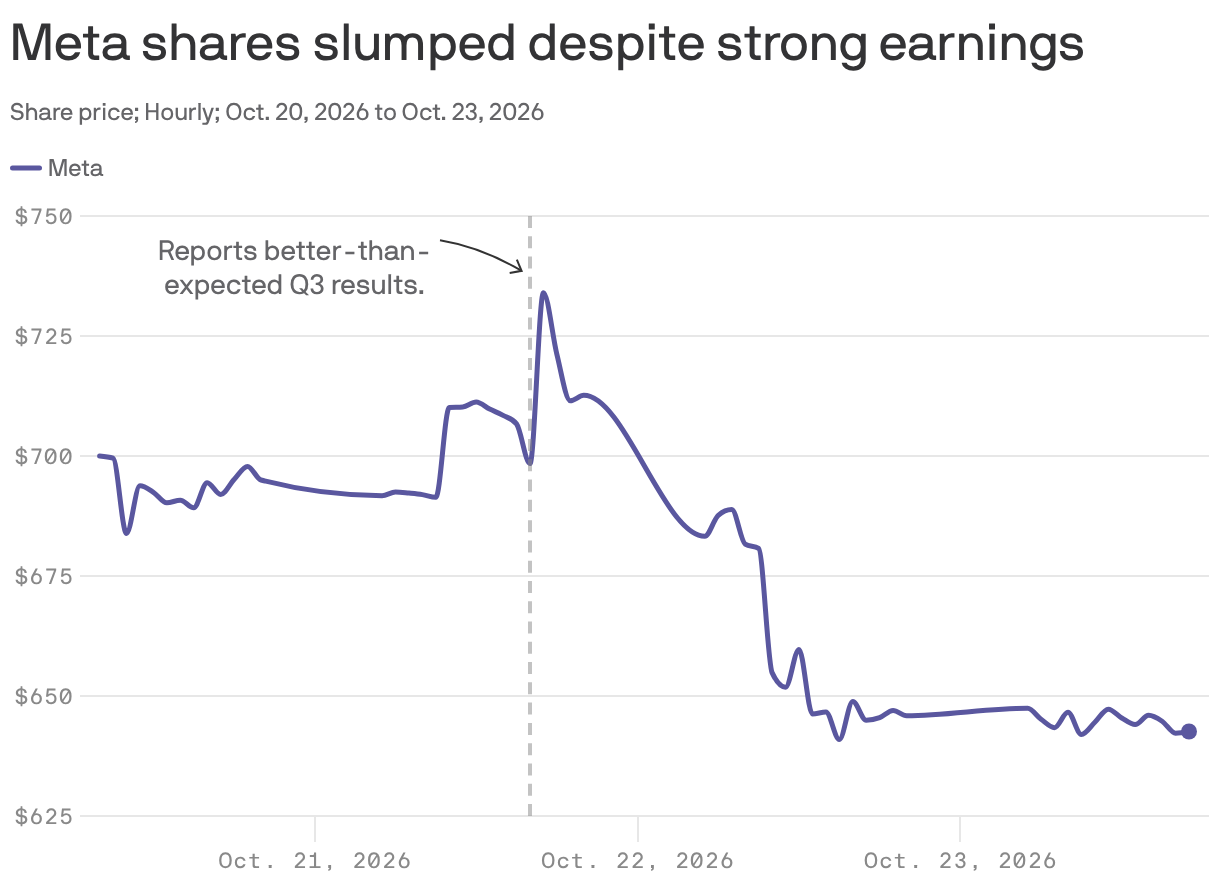
Meta joins Big Tech's negative free cash flow club
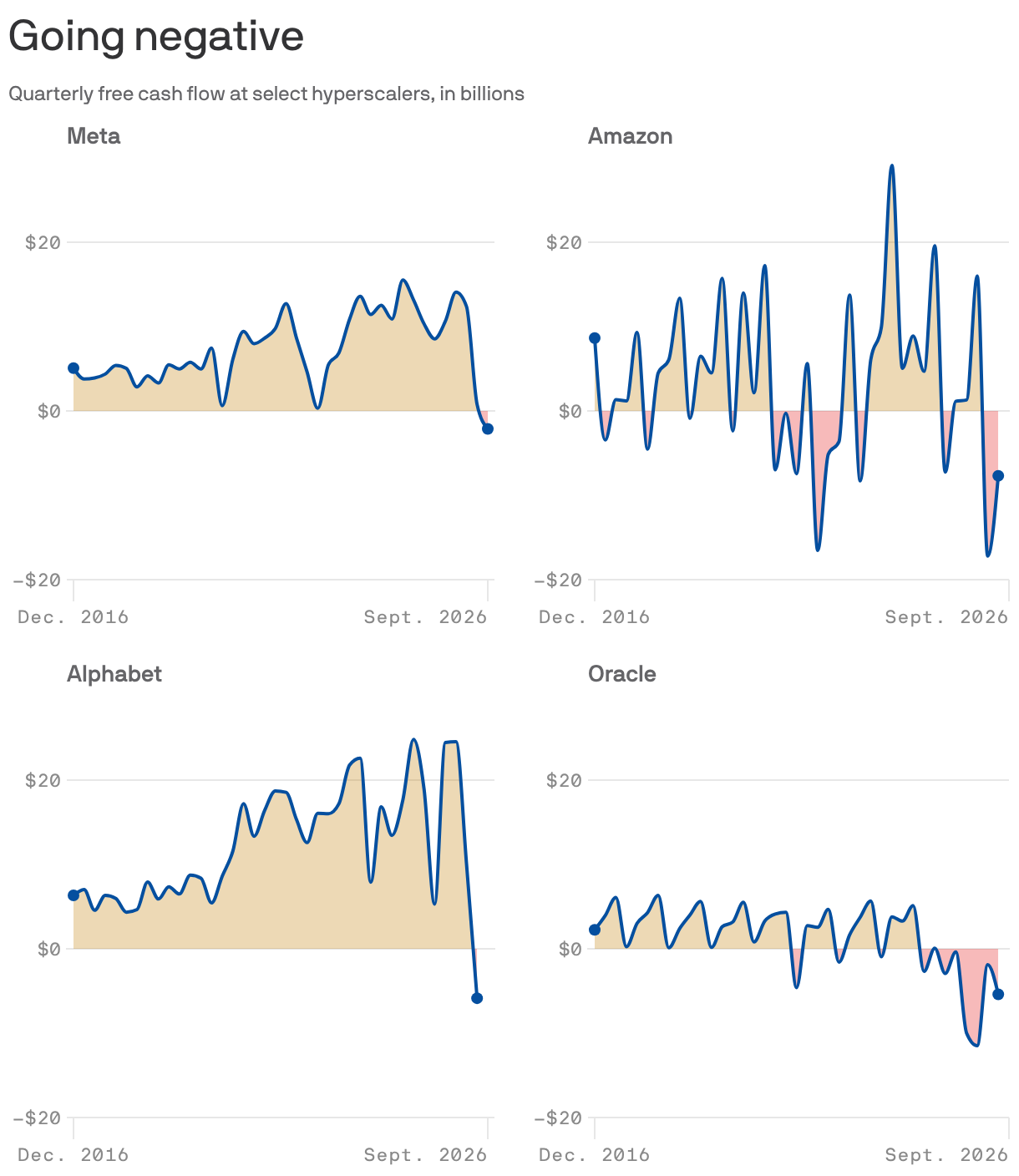
Mark Zuckerberg's Meta got smacked around Thursday after reporting earnings that looked pretty strong at first glance.
Why it matters: Its drubbing in the stock market — Meta ended down 7% —suggests that investors are growing concerned that Big Tech's insistence on pouring more and more capital into data centers could end up costing them in the long run.

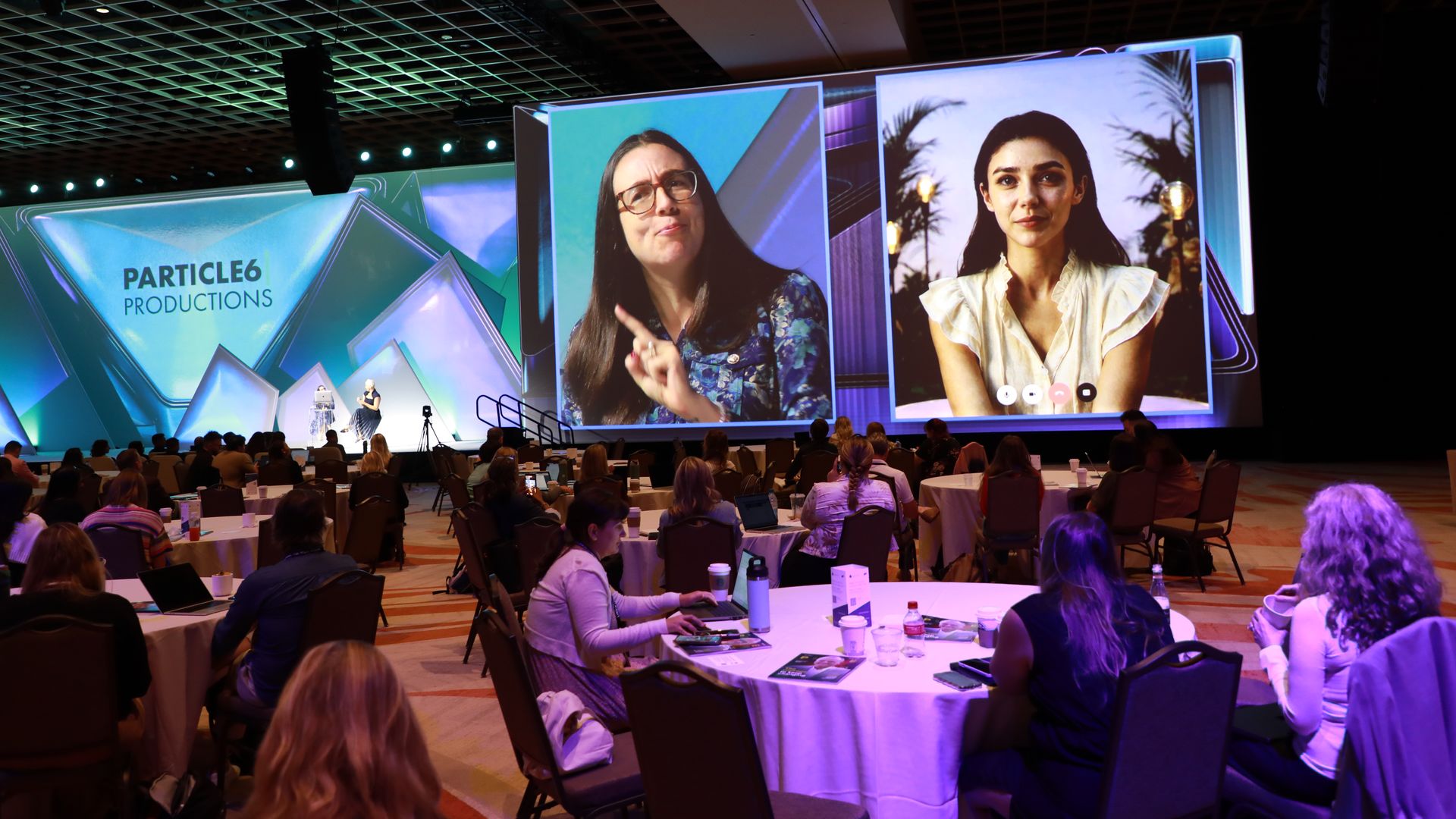
How I got roasted by "AI actor" Tilly Norwood
ORLANDO, Florida — I got roasted by "AI actor" Tilly Norwood in a room full of marketers.
Why it matters: The AI-generated character has attracted controversy over fears of synthetic talent replacing human jobs in Hollywood and in advertising.

Wall Street prepares for AI's "day after"
America's largest banks are working to prevent AI worst-case scenarios. But they're also preparing for the "day after" a catastrophe, Axios has learned.
Why it matters: America's financial institutions have joined the largest AI companies in scenario-planning for disaster, a prudent but worrisome signal about the extent of the risk that major corporations see on the horizon.

The bakery next door
Your neighborhood's next hot bakery — or coffee shop, pizza joint or BBQ spot — might be inside someone's house.
Why it matters: More people are turning their home baking into a business, as online platforms and loosening state regulations make it easier for home cooks to reach customers.