The bakery next door

Add Axios as your preferred source to
see more of our stories on Google.

Illustration: Brendan Lynch/Axios
Your neighborhood's next hot bakery — or coffee shop, pizza joint or BBQ spot — might be inside someone's house.
Why it matters: More people are turning their home baking into a business, as online platforms and loosening state regulations make it easier for home cooks to reach customers.
By the numbers: Seller signups on home chef platform Hotplate doubled in July, after previously numbering in the low thousands, co-founders Tenaya McCoy and Rishi Talati tell Axios.
- And over 1,000 sellers across 48 states joined Potluck, an "Airbnb for homemade food," within two months of launching this summer, founder Ken Barton tells Axios.
The big picture: Selling from home — a setup sometimes called a micro bakery or porch bakery — can help cooks keep overhead low.
- For customers, it can mean fresher food, simpler ingredients or something different from the usual chain fare.
What they're saying: "This is about community, creativity and connection," Hotplate's McCoy says, describing local food as a way to bring neighbors together in an otherwise lonely, increasingly AI-assisted world.
- "It's a lot of human-to-human interaction," Potluck's Barton agrees.
Zoom in: Fort Lauderdale baker Brooke Chambers turned her sourdough hobby into a micro bakery after sharing loaves with family, friends and people at her coworking space, who encouraged her to start selling.
- She mixes dough on Wednesdays and bakes on Fridays for customer pickups, fitting 12-15 hours of bakery work around a full-time corporate job.
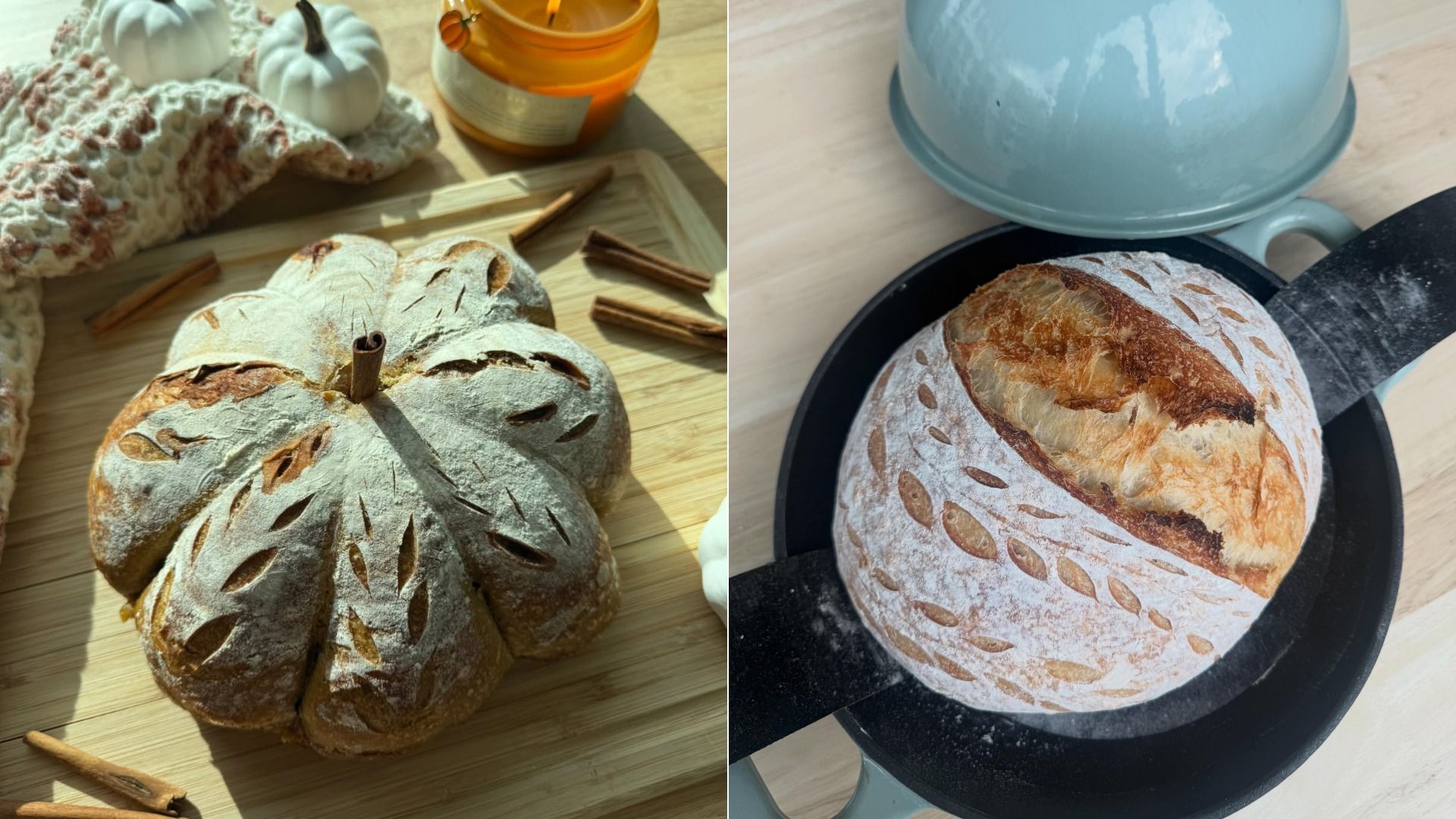
"It can be a lot to juggle," Chambers tells Axios, but she loves the creative outlet — and the extra income helps fund trips she might not otherwise splurge on.
- She averages 25-30 orders a month, often with multiple items, like her bestselling jalapeño cheddar and cinnamon sugar loaves, and has brought in over $4,000 in revenue since she started tracking sales through Hotplate in October 2025.
Between the lines: Home-food businesses are also getting a boost as more states move to loosen restrictions on what people can make and sell from their kitchens.
- For example, Colorado's new "Tamale Act" allows home cooks to sell foods that require refrigeration or contain meat, going beyond the low-risk foods historically covered by cottage food laws.
Yes, but: The cottage-food push, which dovetails with MAHA's call for "food freedom," has raised food-safety concerns among public health officials and restaurant owners pressing for stronger standards.
The bottom line: Starting your own food business is becoming less of a pipe dream.
