Several major sportsbooks have contributed tens of millions of dollars to a new super PAC to support sports betting throughout the country, Axios has learned.
Why it matters: Traditional sportsbooks have been advocating for broader legalization amid rising competition with prediction markets like Kalshi and Polymarket.
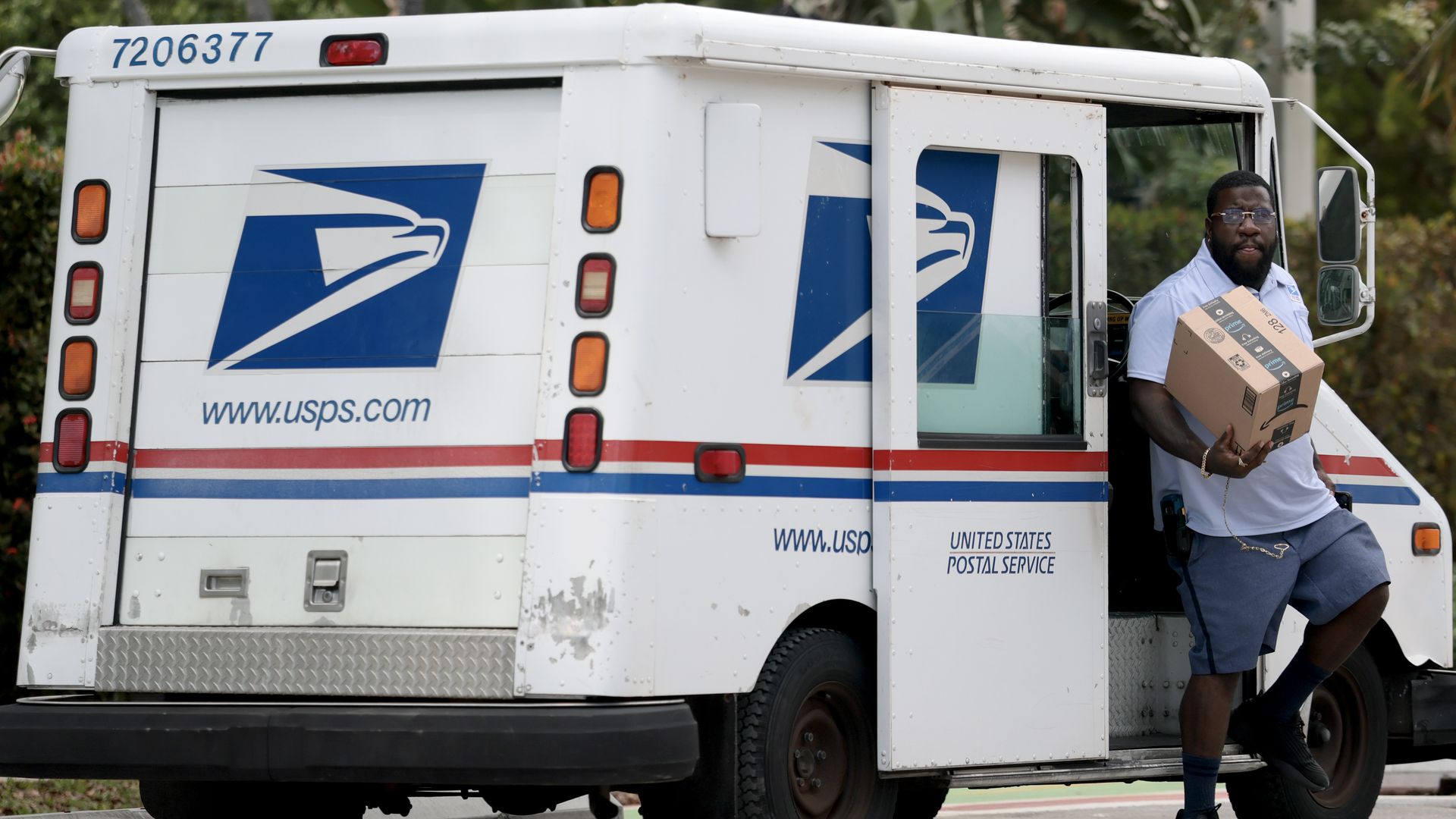
The U.S. Postal Service said Thursday that it plans to raise stamp prices this summer as it looks to shore up finances amid mounting cost pressures.
Why it matters: The proposed increase — alongside a series of cost-cutting and pricing moves — shows USPS is pulling multiple levers to stabilize its finances.
AI-powered monitoring platform PeakMetrics has raised $6 million in a Series A funding round, bringing its total capital raised to $16.3 million, Axios is first to report.
Why it matters: This comes as companies scramble to keep up with reputational risks that are now shaped or accelerated by social media and AI-generated content.
High-quality CEO thought leadership can drive an average of $367 million in shareholder value in a single week, according to a new study by Cardinal40.
Why it matters: This study suggests words themselves can create value, independent of external news or disclosures — something communicators have long believed but haven't been able to prove.
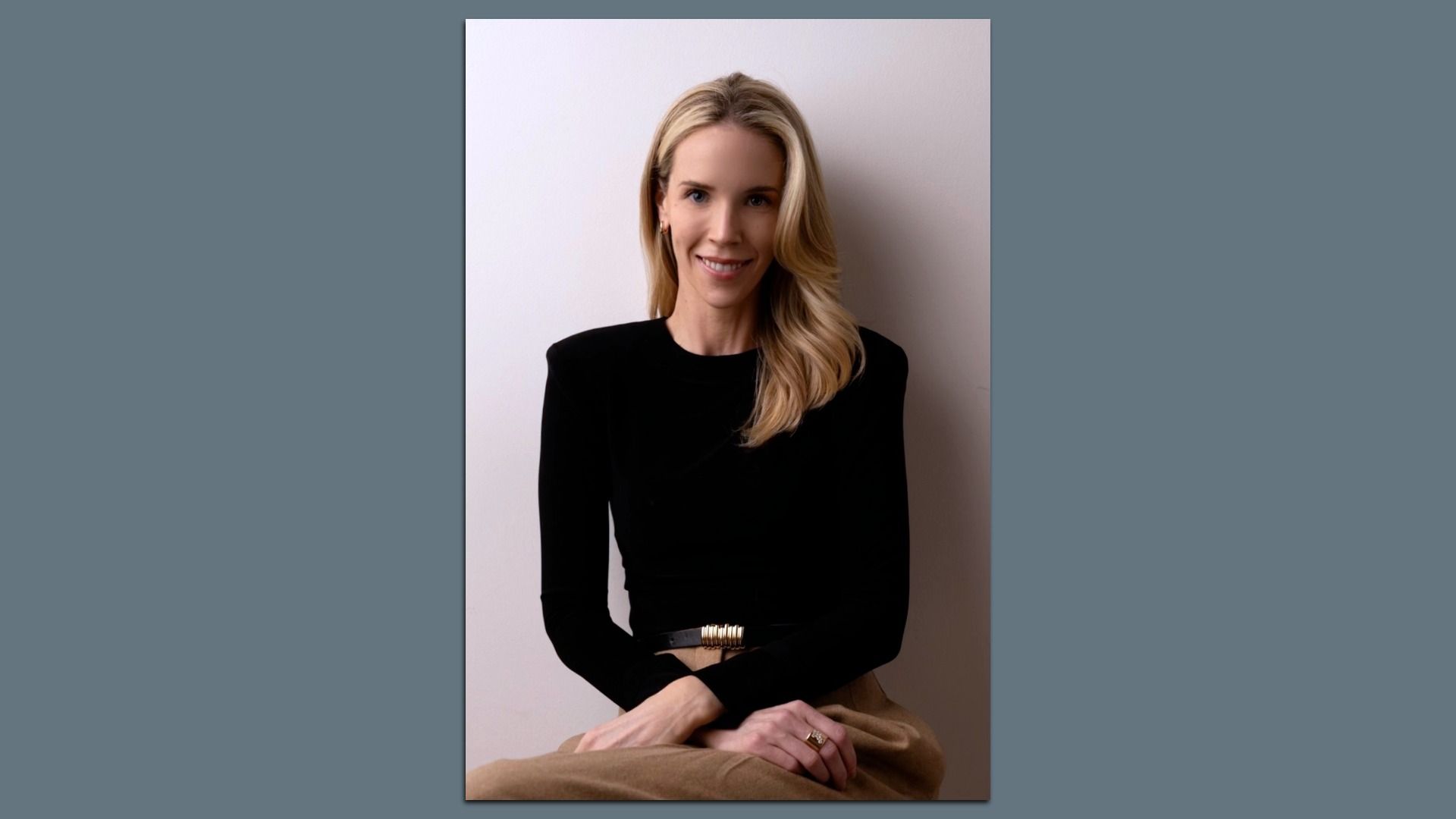
As chief communications officer of Lead Edge Capital, Michaela Balderston helps the growth equity firm differentiate itself in the eyes of investors and founders.
Driving the news: Lead Edge recently announced it raised $3.5 billion in commitments, bringing the fund's total raised capital to $9 billion.
Seven & i Holdings, the Japanese owner of 7-Eleven convenience stores, is delaying an IPO of its North American unit from this year until April 2027 "at the earliest."
The big picture: It's a reminder that the macro matters.
The co-founders of predictions market Kalshi said in the latest episode of "The Axios Show" that they're playing by the rules and benefiting society — even if a growing number of politicians and anti-gambling activists disagree.
Why it matters: Kalshi has become very big business, last month taking nearly $13 billion of bets on everything from sporting events to elections to where Taylor Swift and Travis Kelce will get married.
Meta on Thursday began removing advertisements from attorneys who were seeking clients that claim to have been harmed by social media while under the age of 18.
Why it matters: This comes just two weeks after Meta and YouTube were found negligent in a landmark California case about social media addiction.
AARP, the leading advocacy group for adults age 50 and up, is increasingly leaning into social media and digital channels to reach seniors — but it's not ditching its print magazine.
Why it matters: Senior citizens are increasingly online, forcing AARP, a media behemoth in its own right, to rethink how it reaches its members.
OpenAI expects to generate $2.5 billion in ad revenue this year and $100 billion by 2030, according to a source familiar with recent presentations to investors.
Why it matters: It's the clearest sign yet that OpenAI sees advertising as a core part of its future business.
JPMorganChase has inked a deal with a startup to remove carbon from the air — a step that could also prevent wildfires, Axios has learned.
Why it matters: The purchase signals that the carbon removal industry is pushing ahead despite policy setbacks — and highlights how near-term benefits can help drive deals.
Gen Z's sentiment toward artificial intelligence has shifted in the last year, with teens and 20-somethings less excited about the tech — and more angry, according to a newly released report.
Why it matters: Despite a growing share of workplace leaders and some higher ed institutions embracing AI, a generation that's grown up online remains skeptical about its impact on learning and professional skills.