Communicator spotlight: Michaela Balderston of Lead Edge Capital

Add Axios as your preferred source to
see more of our stories on Google.
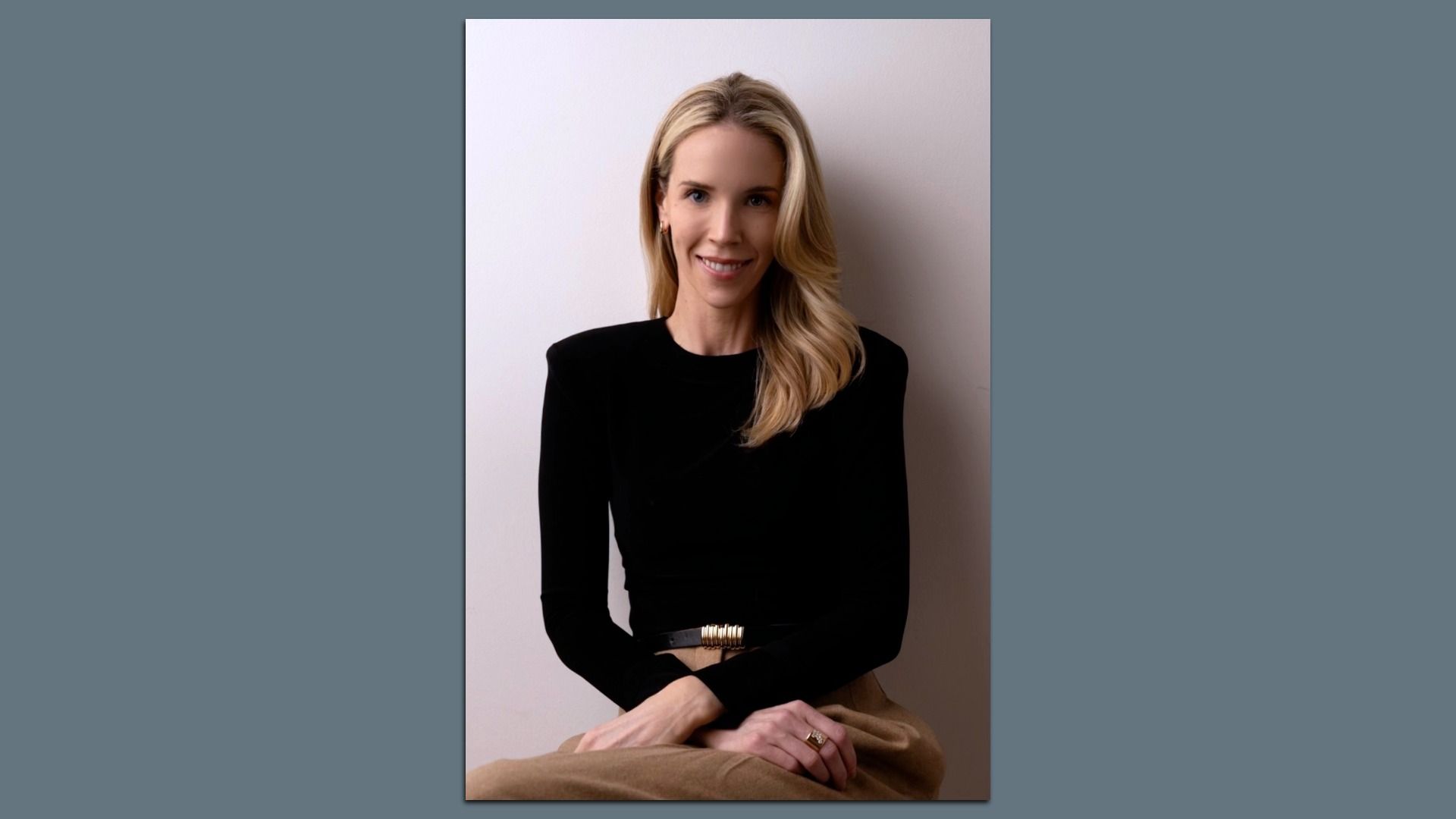
Photo: Courtesy of Lead Edge Capital
As chief communications officer of Lead Edge Capital, Michaela Balderston helps the growth equity firm differentiate itself in the eyes of investors and founders.
Driving the news: Lead Edge recently announced it raised $3.5 billion in commitments, bringing the fund's total raised capital to $9 billion.
What she's saying: "My job solely exists to help the firm raise money, deploy it and invest it," Balderston told Axios.
- "I think so many people lose sight of what investment firm comms should be — like, I'm not trying to build a media company. I think the best comms people know exactly what the objectives of their business are, and they saddle up to solely serve those objectives."
Catch up quick: Before joining Lead Edge, Balderston served as a partner at Tusk Ventures, where she helped establish the firm's brand by making Tusk synonymous with regulatory affairs.
- Earlier in her career, Balderston held communications and public policy roles at Nestlé, The ONE Campaign and Burson-Marsteller.
What she's watching: How comms teams are finding the proper balance between owned and earned content in the age of AI.
- "I think a lot of people in VC overcorrected to just creating all of this content from the firm, and they slept a little bit on traditional media," Balderston said.
- "Trust and third-party validation are paramount in our industry. When you're asking people to give you money or to take your money, there's a level of trust that is required. Going to third parties and having them tell the story about you can build trust. And so you're constantly having to think through, where do my audiences live, how do I get to them, and who are the people that they trust?"
Zoom in: Balderston used this playbook when rolling out Lead Edge's recent fundraise.
- "You really have to figure out and hop around each sphere of influence. We had that credibility builder with an exclusive in Bloomberg, but then we went on TBPN, because that's a much smaller but highly influential audience. And then there are the podcasts that tap into culture, and the trades, which are even more niche."
And going direct is "a tool, not a strategy," says Balderston.
- "I think the strategy is much more in knowing your audience well enough and knowing where you can meet them. So sometimes that's going direct, but sometimes that's going on a podcast or on CNBC."
Best advice: If you build it, they will come.
- "I stopped a long time ago trying to explain the value of communications, and now I just try to show it," she says.
- "Nine times out of 10, when you start getting results, when [partners] start getting inbounds from founders or investors saying, 'Hey, we heard you guys on a podcast. We'd love to talk,' — they come. And so that's always been my approach. ... Don't feel like you have to justify your role, just do it."
More on Axios:
