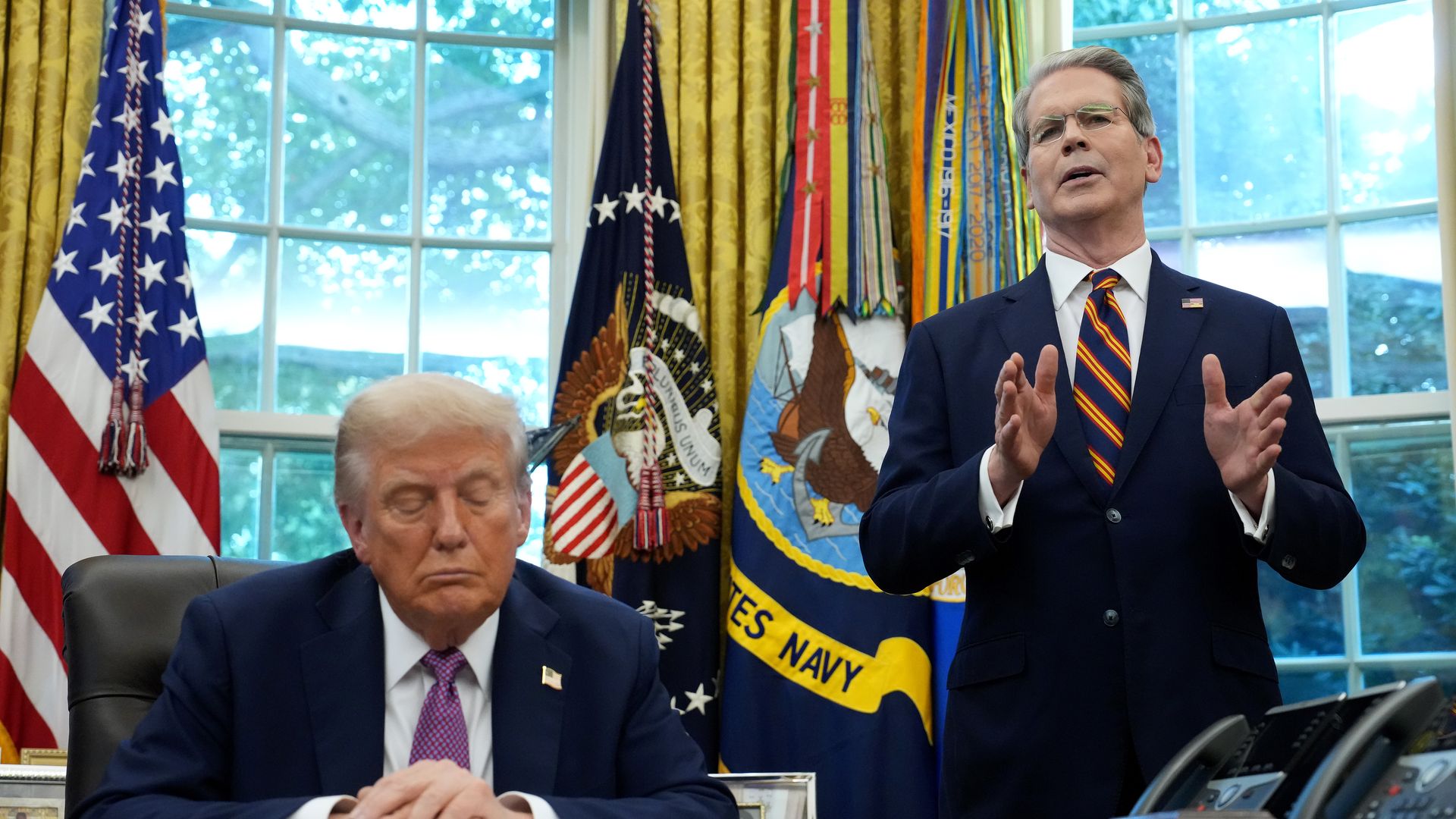
The U.S. economy will take off by the fourth quarter of this year as President Trump's policy changes take root, Treasury Secretary Scott Bessent said on Sunday.
Why it matters: The government's own data says inflation is rising and the labor market is weakening, but the administration says the reality is entirely to the contrary.
The U.S. Treasury would have to refund about half the tariffs collected since President Trump took office if the Supreme Court rules they were imposed illegally, Treasury Secretary Scott Bessent said Sunday.
Why it matters: That could put the government on the hook for tens of billions of dollars in refunds, a prospect that has scared bond market investors in recent days.
Workers at all stages of their careers — from job hunters to job havers — are increasingly anxious about the lightning-fast deployment of AI.
Why it matters: Their fears come at a particularly fraught moment, with jobs in scarce supply, hiring frozen in many industries and corporate leaders relentlessly pushing this technology as a replacement for humans.
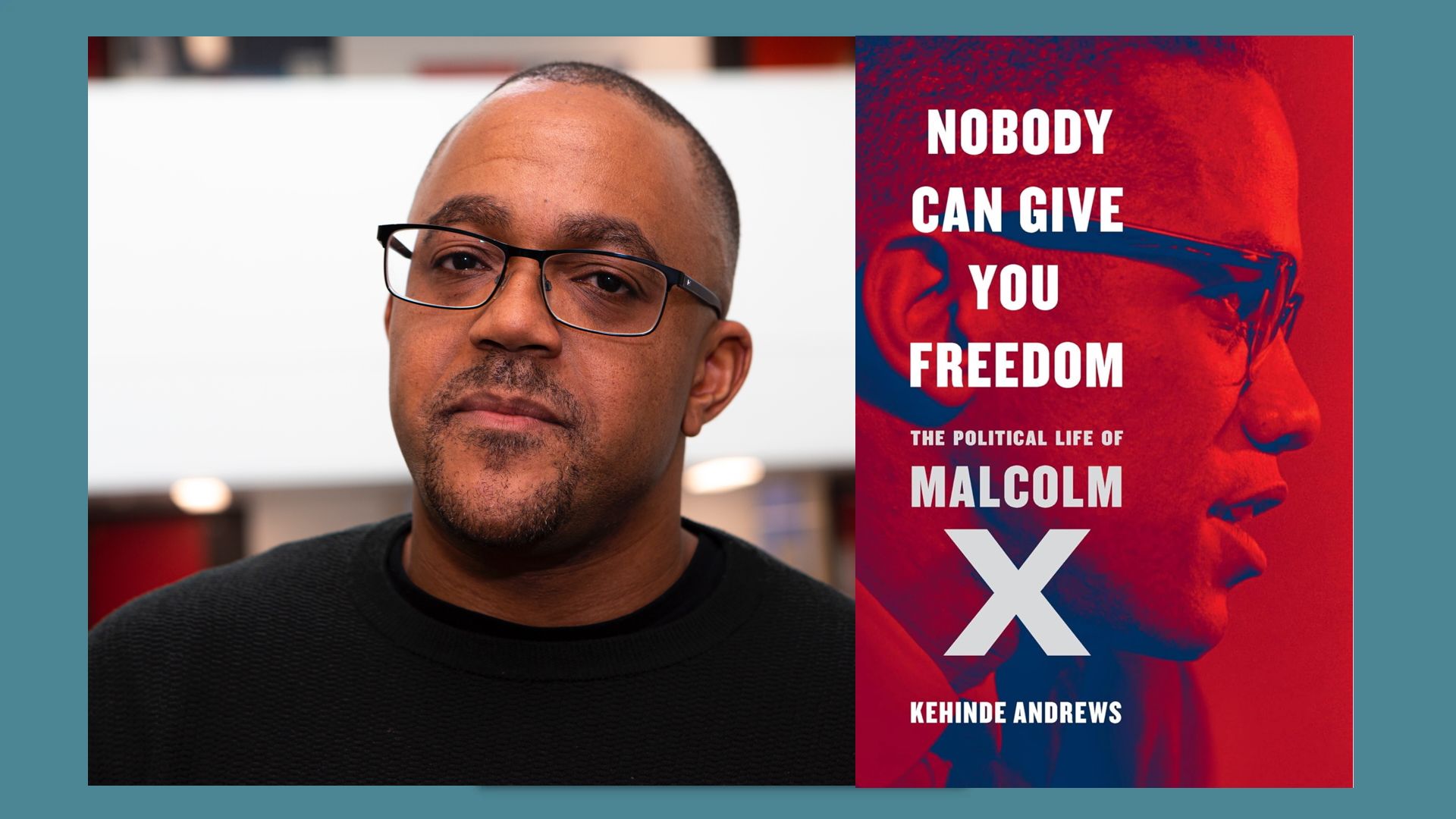
A new book dives into the often misunderstood political life and evolution of Malcolm X — an instrumental figure who helped shape the narrative about people of color in the U.S.
The big picture: Malcolm X has been the subject of many books in recent years amid new questions about his 1965 assassination and the 100th anniversary of his birth.
Tech companies are racing to strike their own deals to leverage their massive troves of proprietary data, the key differentiator in the AI era.
Why it matters: Much of this data is public and easily scrapeable, putting platforms in a similar predicament for copyright infringement as publishers.
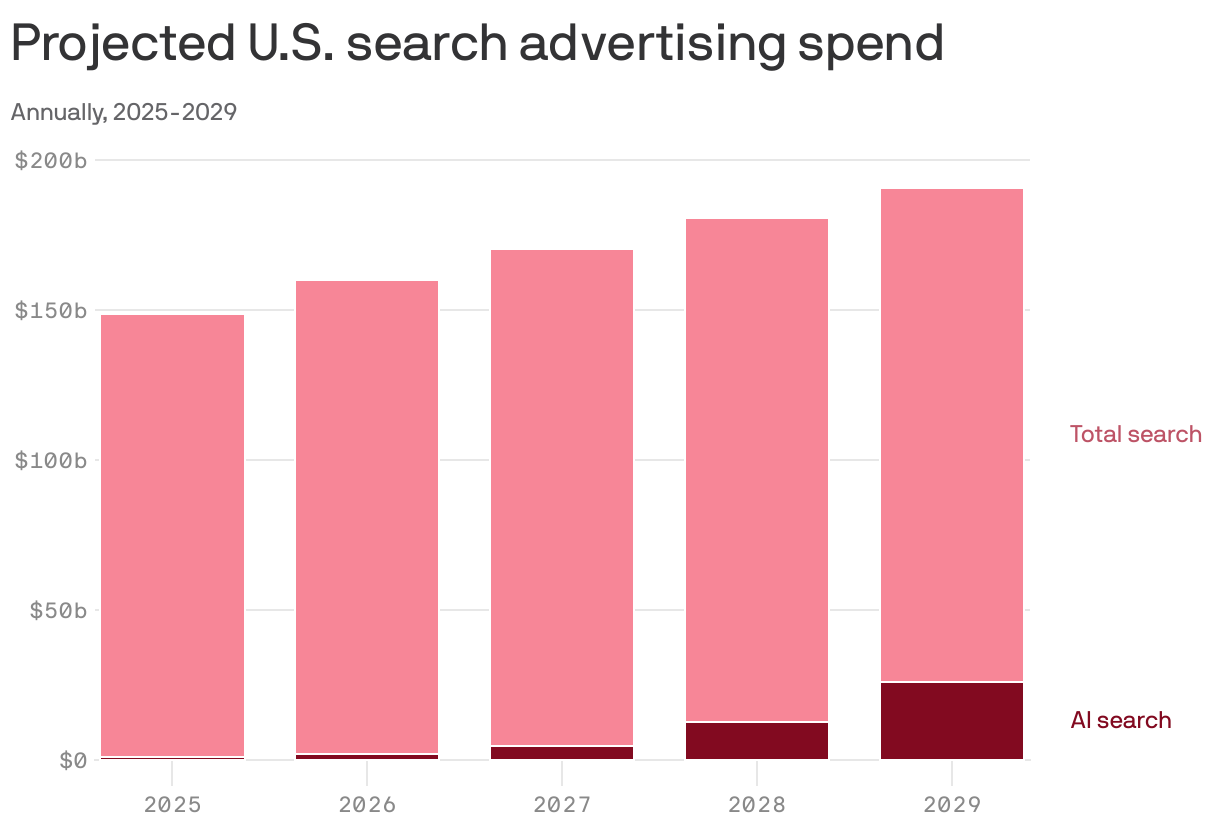
The $350 billion global search advertising industry will grow even faster in the AI era, thanks to new capabilities that make search queries more dimensional and multimodal.
Why it matters: The search ad business model of targeting based on keywords and evaluating success based on last-click attribution has barely evolved over the past three decades. It isn't going away, but it is about to get a lot more sophisticated.
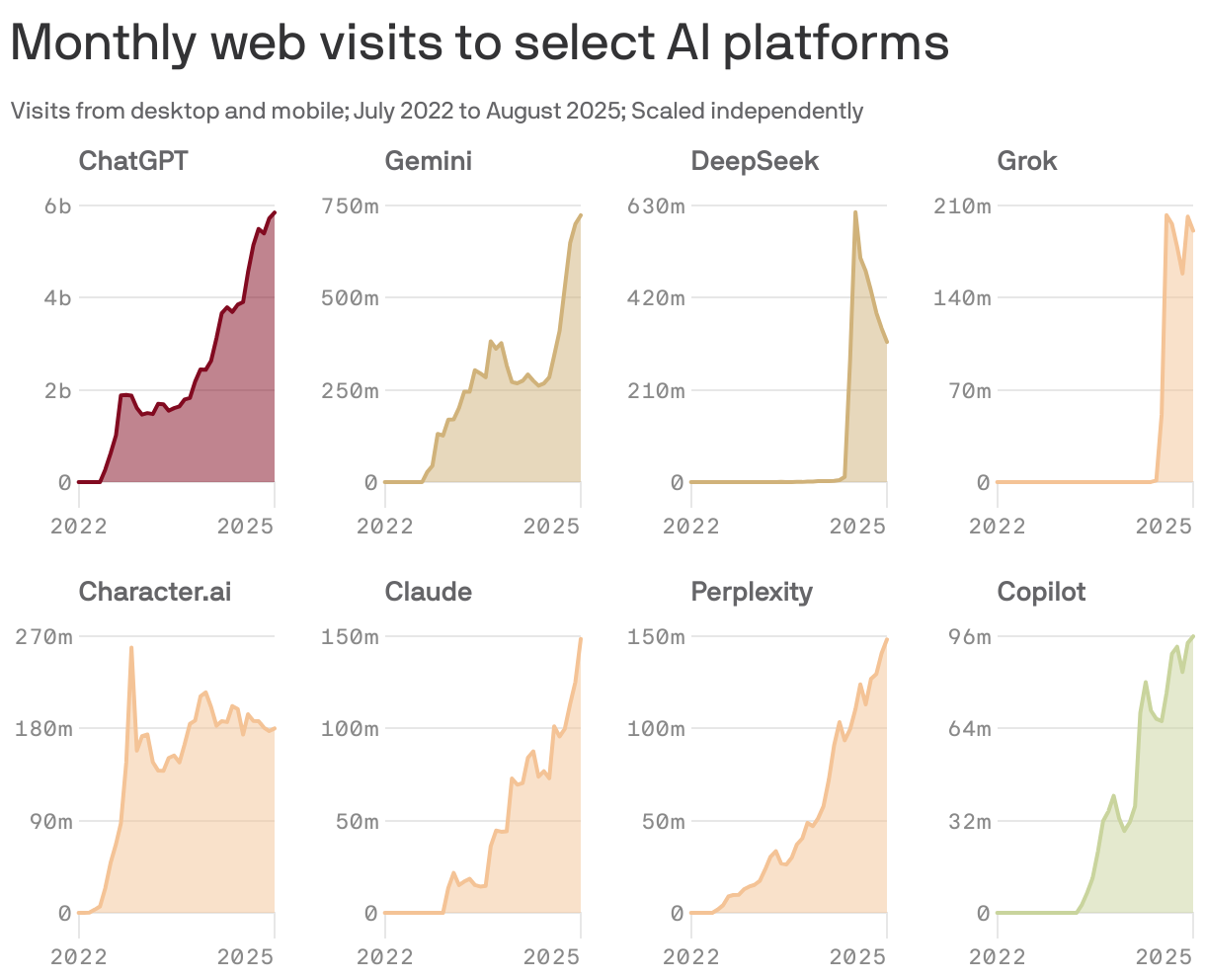
OpenAI's ChatGPT is by far the most popular AI chatbot in the world, according to data from Similarweb.
Zoom in: With nearly 6 billion monthly desktop and mobile visits, ChatGPT receives around 8 times more monthly visits than its next closest competitor, Google's Gemini, and around 9 times more than the open-source Chinese app DeepSeek.
Hollywood is suing some AI startups and signing deals with others as the industry navigates both the threat AI poses to intellectual property and the efficiencies it brings to production.
Why it matters: The response to AI will redefine how content gets made and monetized now and in the future.
The U.S. Copyright Office, which is responsible for issuing hundreds of thousands of trademark and patent approvals each year, remains in a state of flux after the Trump administration abruptly fired its longtime director, Shira Perlmutter, earlier this year.
Why it matters: The firing has rattled the publishing and creative communities, which worry her ousting could yield preferential treatment for Big Tech in the AI era.
The incredible volume of both deals and lawsuits between publishers and AI companies over the past two years suggests a fundamental shift from the Web 2.0 era to the Agentic Web.
Why it matters: Intellectual property owners have a stronger copyright case against AI firms than they ever did against social media giants, which has empowered them to wage lawsuits or demand larger payouts from Big Tech than they ever could before.
The amount of mail entering the U.S. fell by 80% on the first day President Trump imposed tariffs on small packages that were previously exempt, according to a UN agency.
Why it matters: TheUniversal Postal Union, the UN arm charged with maintaining free circulation of mail, said airlines and shippers were unable to independently tally the duties on millions of small packages heading to the U.S., bringing mail delivery to a near standstill.
The White House says it will consider lowering tariffs on hundreds of products across sectors including food and pharmaceuticals, depending on what specific deals can be struck with trading partners.
Why it matters: As evidence mounts that inflation is creeping back into the economy, the prospect of lower tariffs on a sweeping list of grocery staples in particular could ease some of the pressure on consumers.