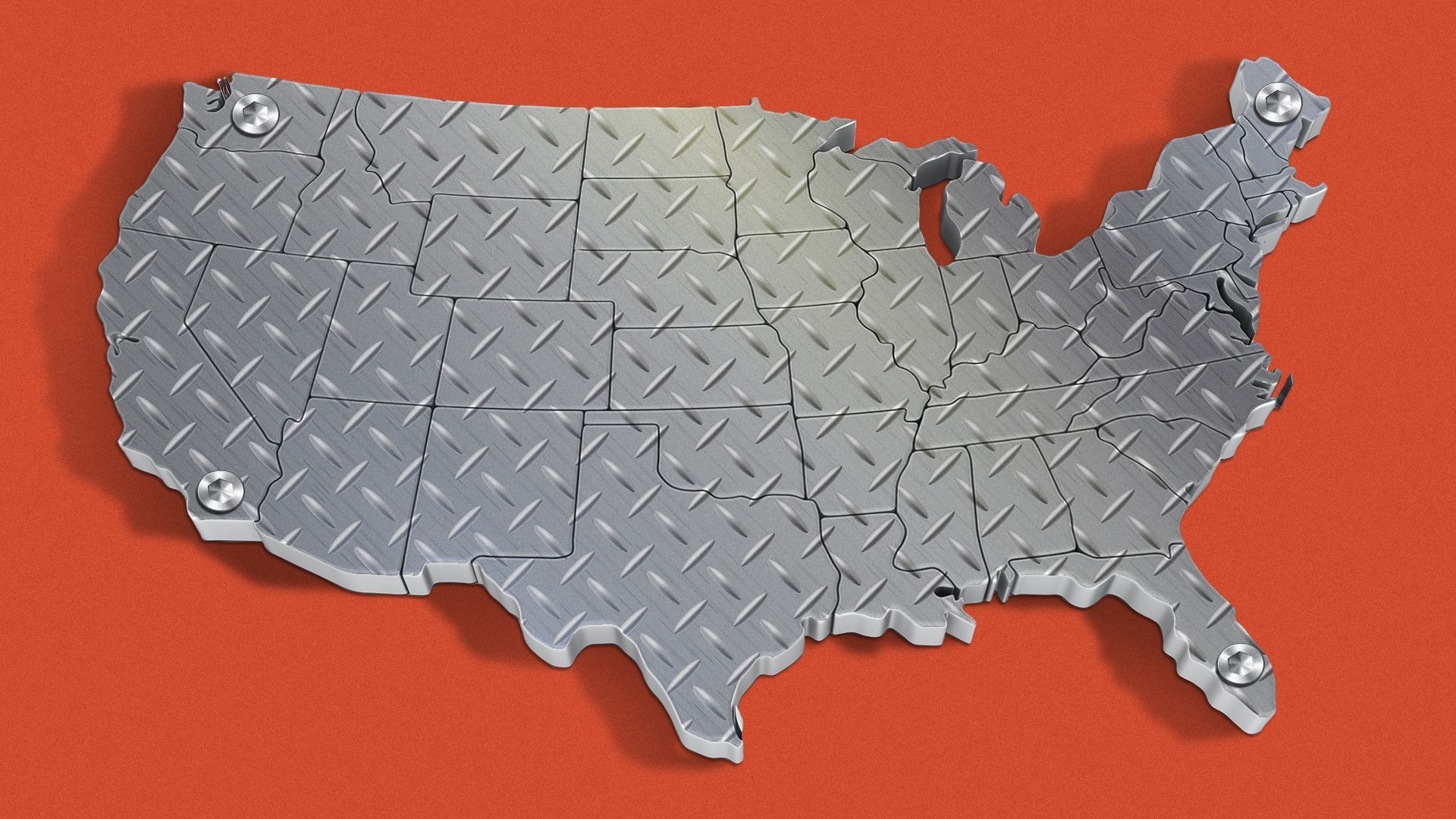
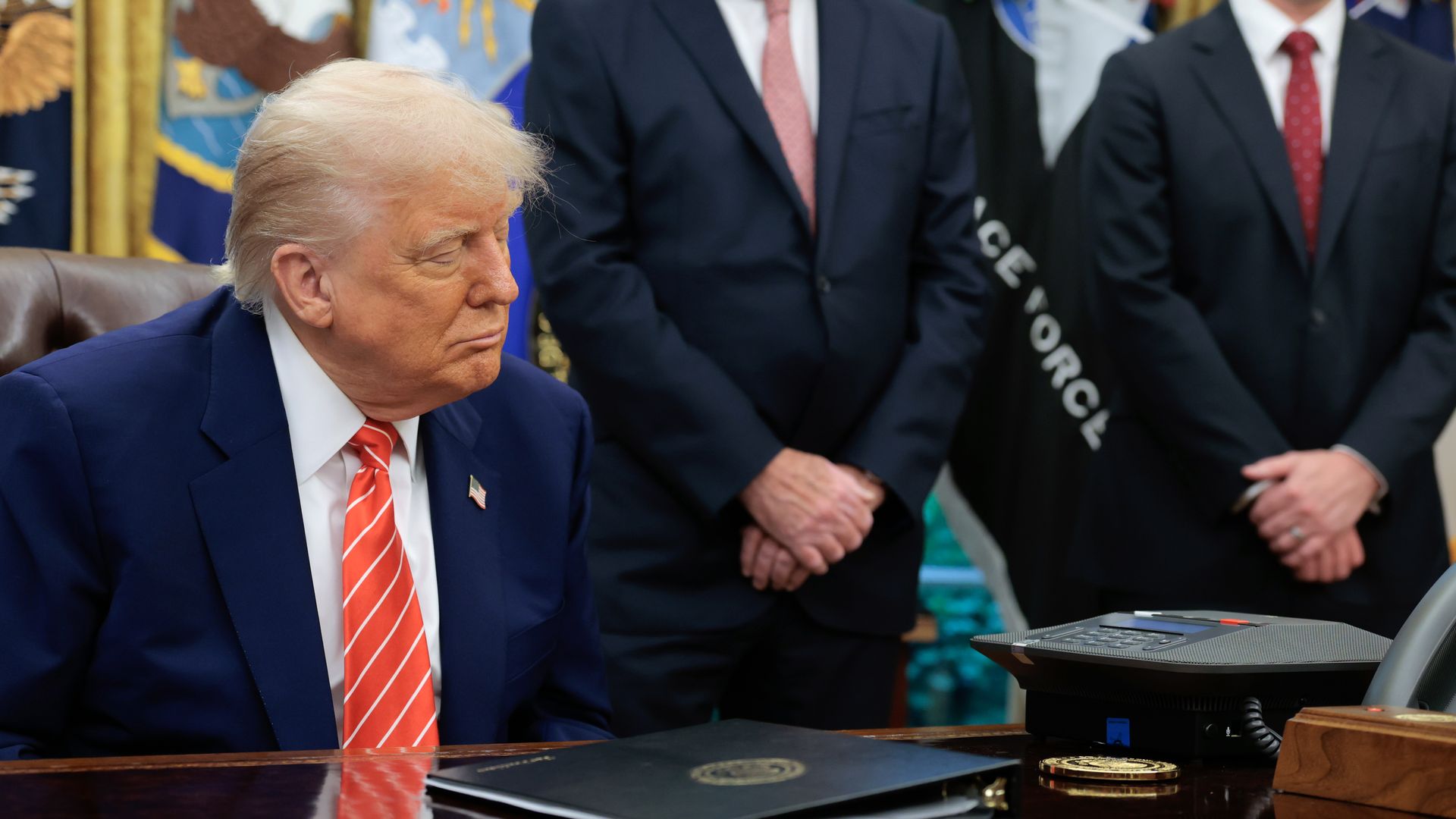
President Trump has opposed Nippon Steel's proposed acquisition of U.S. Steel since almost the moment it was announced. He also is fixated on signing deals that include large foreign direct investment commitments.
Why it matters: We're about to learn which force is stronger.
Pfizeron Tuesday announced a cancer drug licensing deal with Chinese biotech 3SBio that includes a $1.25 billion upfront payment and $4.8 billion in potential earnouts. Pfizer also plans to invest $100 million for an equity stake.
Why it matters: This highlights how globalization is still finding a way in pharma, despite trade tensions that threaten to fracture the market.
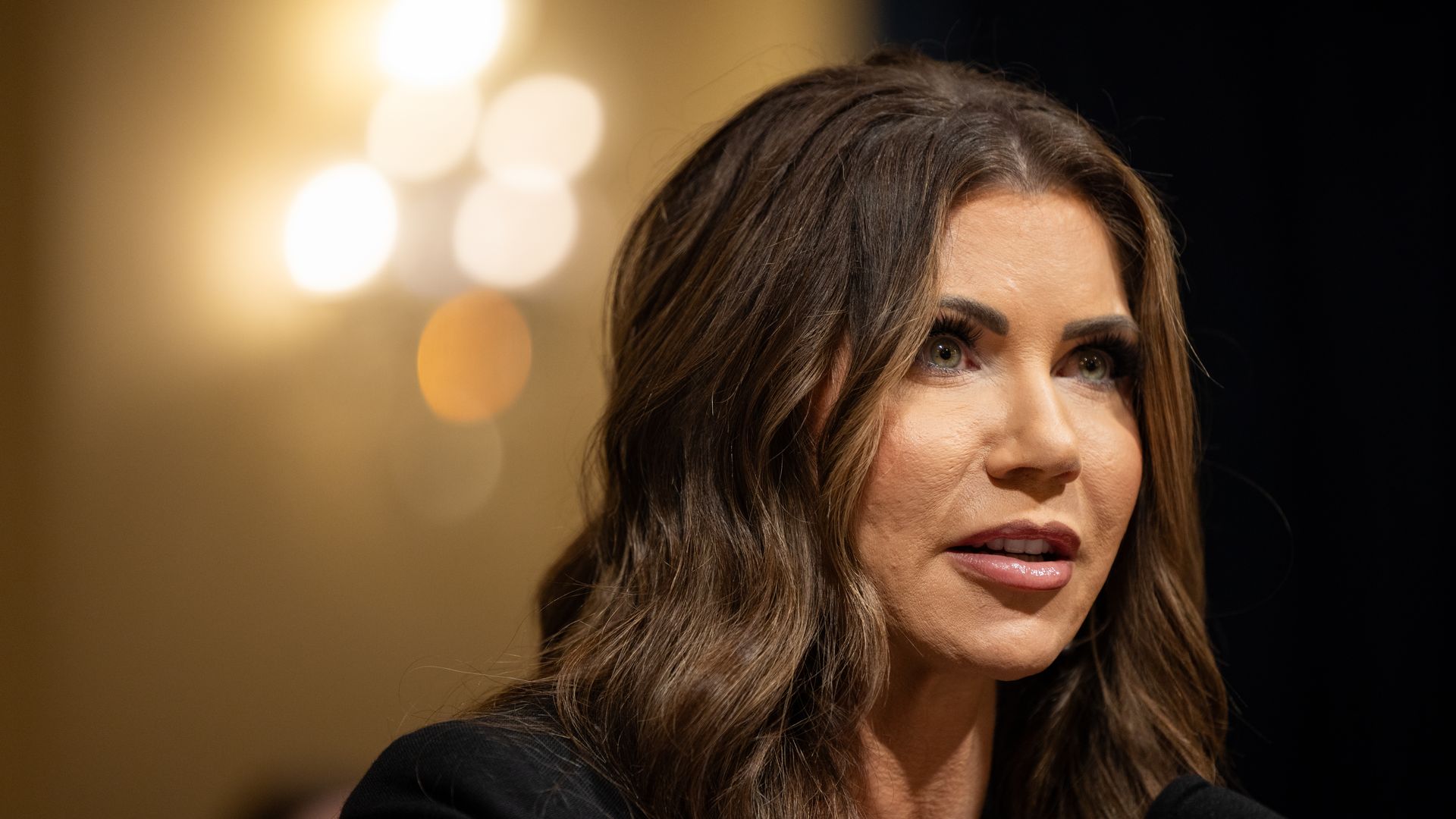
Homeland Security Secretary Kristi Noem botched questions about habeas corpus at a Senate hearing Tuesday, falsely asserting the check on the government's power to detain people actually gives President Trump a "constitutional right" to conduct deportations.
Why it matters: Top Trump adviser Stephen Miller recently floated the idea of suspending habeas corpus if courts impede the administration's efforts to deport immigrants.
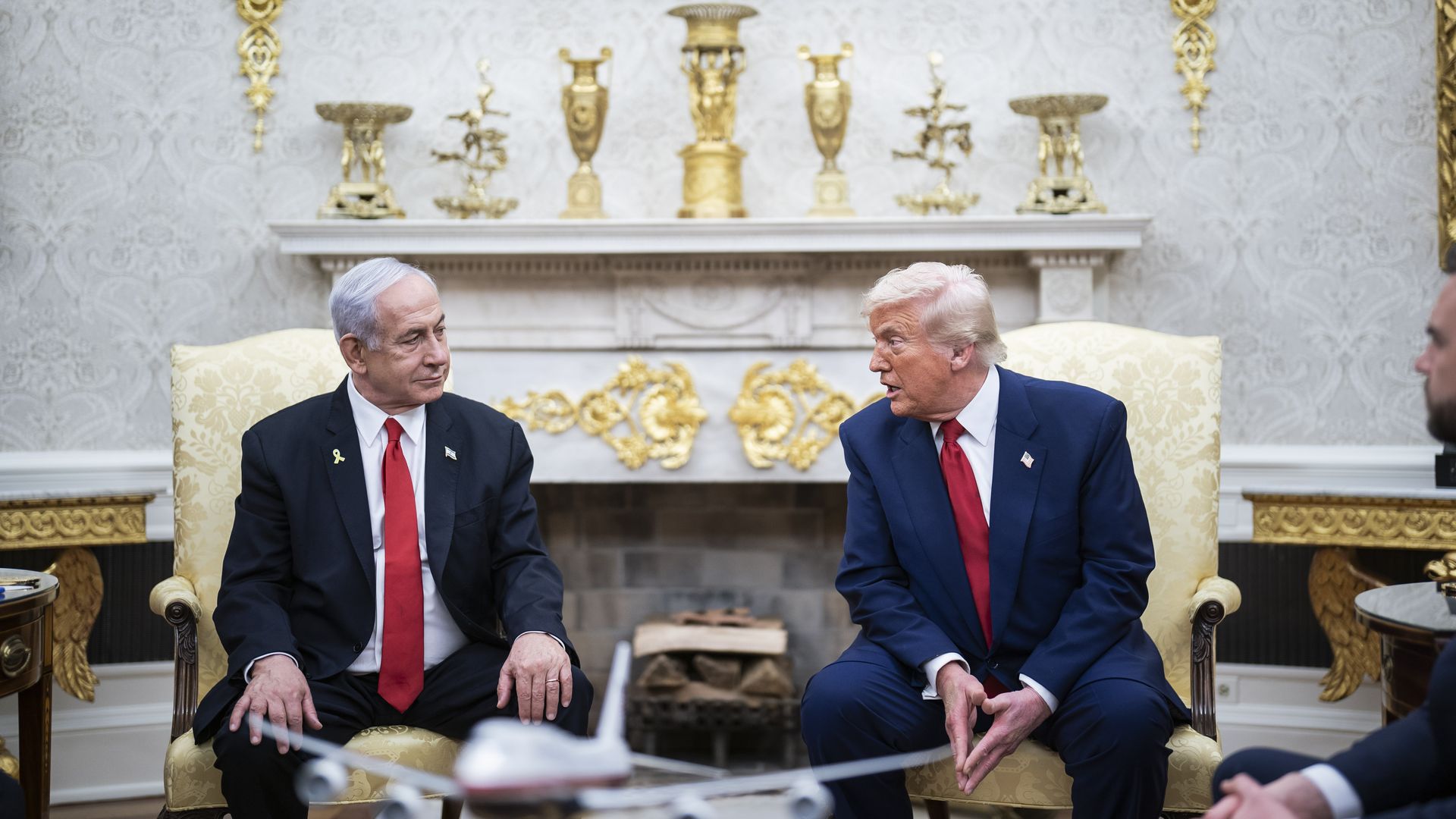
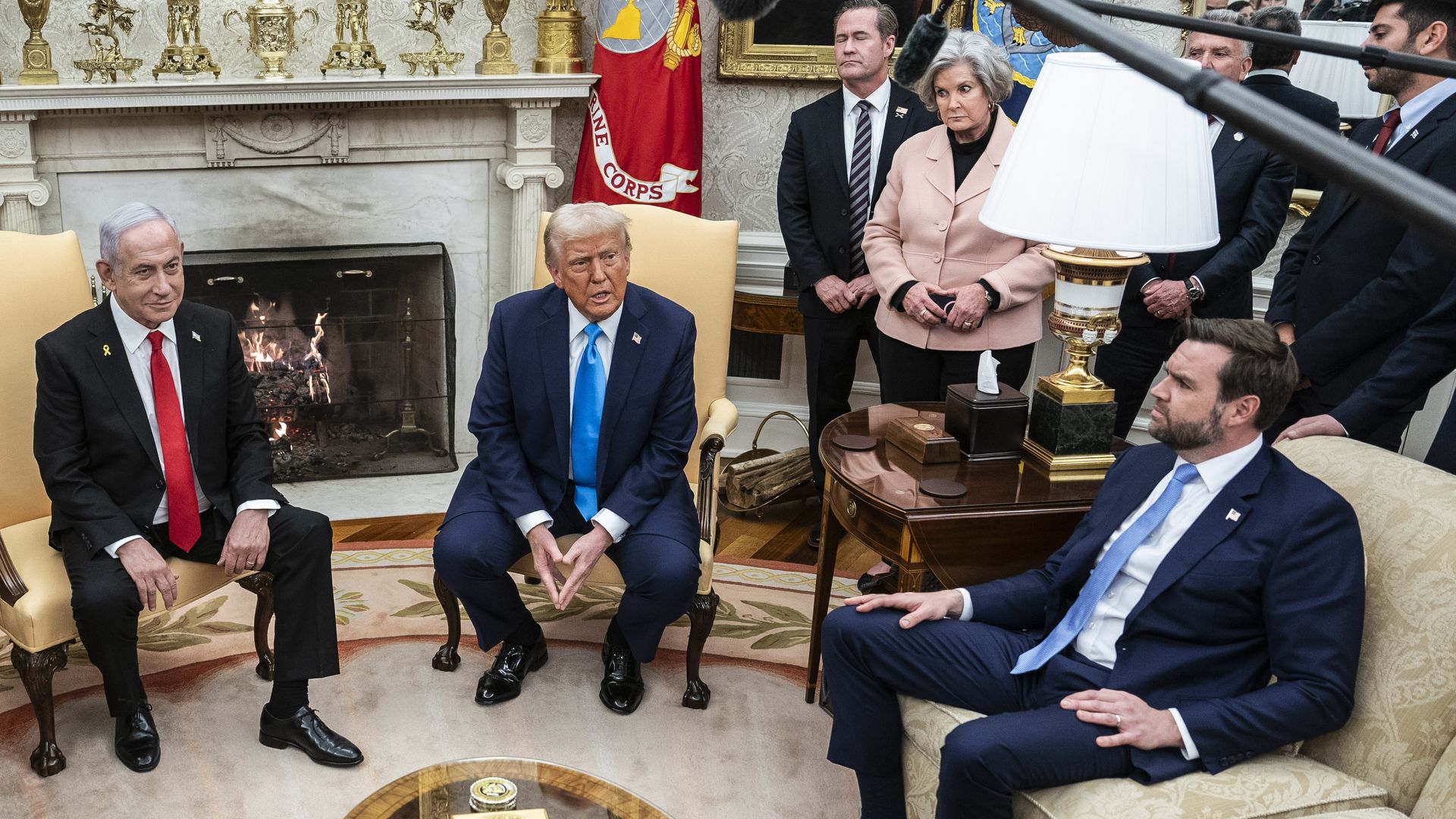
President Trump has been frustrated by the ongoing war in Gaza and upset by images of suffering of Palestinian children, and has told his aides to tell Israeli Prime Minister Benjamin Netanyahu he wants him to wrap it up, two White House officials tell Axios.
Why it matters: U.S. and Israeli officials deny that Trump is prepared to "abandon" Israel, or that he is applying intense pressure on Netanyahu. But they admit there are growing policy differences between a president who wants to end the war and a prime minister who is massively expanding it.
Taiwanese President Lai Ching-te on Tuesday expressed hope for peace and dialogue with China — but said the island must continue to strengthen its defenses, Reuters reported.
The big picture: The message of peace suggests a somewhat softer tone than Lai struck earlier this month, when he compared his nation to European countries facing off against Nazi Germany in World War II, per The Guardian.
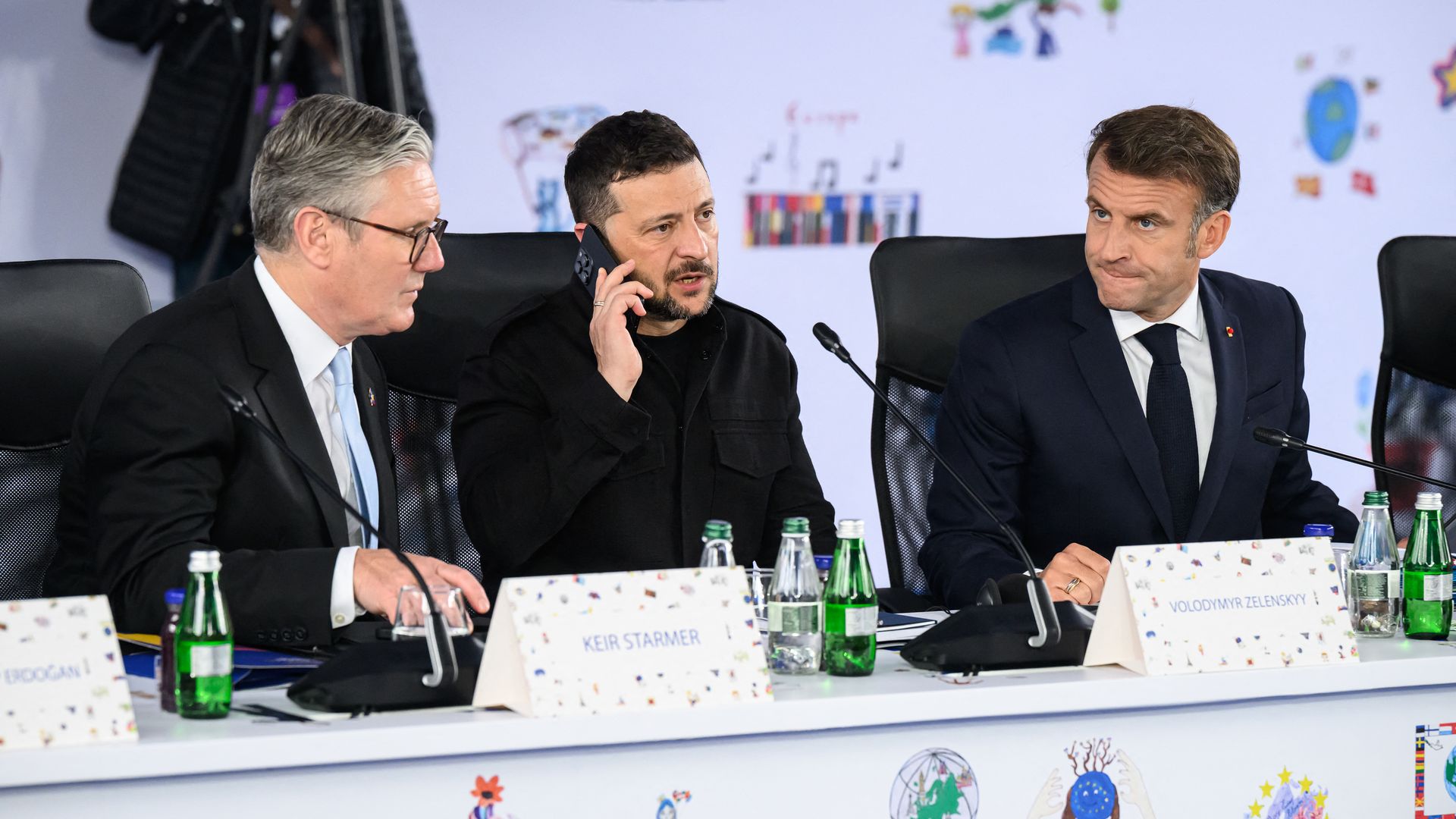
Ukrainian President Zelensky and five other European leaders joined a conference call with President Trump immediately after his call with Vladimir Putin on Monday hoping to hear that Putin had agreed to a ceasefire — or the U.S. would impose penalties on him for refusing to do so.
Instead, Trump said Putin had agreed to negotiate, stressed the U.S. wouldn't be involved in those negotiations, and pushed back against the idea of imposing sanctions on Putin at the current time, two sources who were on the call and a third source briefed on the call told Axios.
Why it matters: Trump gave the impression he was getting closer to withdrawing from the issue altogether.Some leaders on the call seemed "surprised" or "shocked," the sources said.
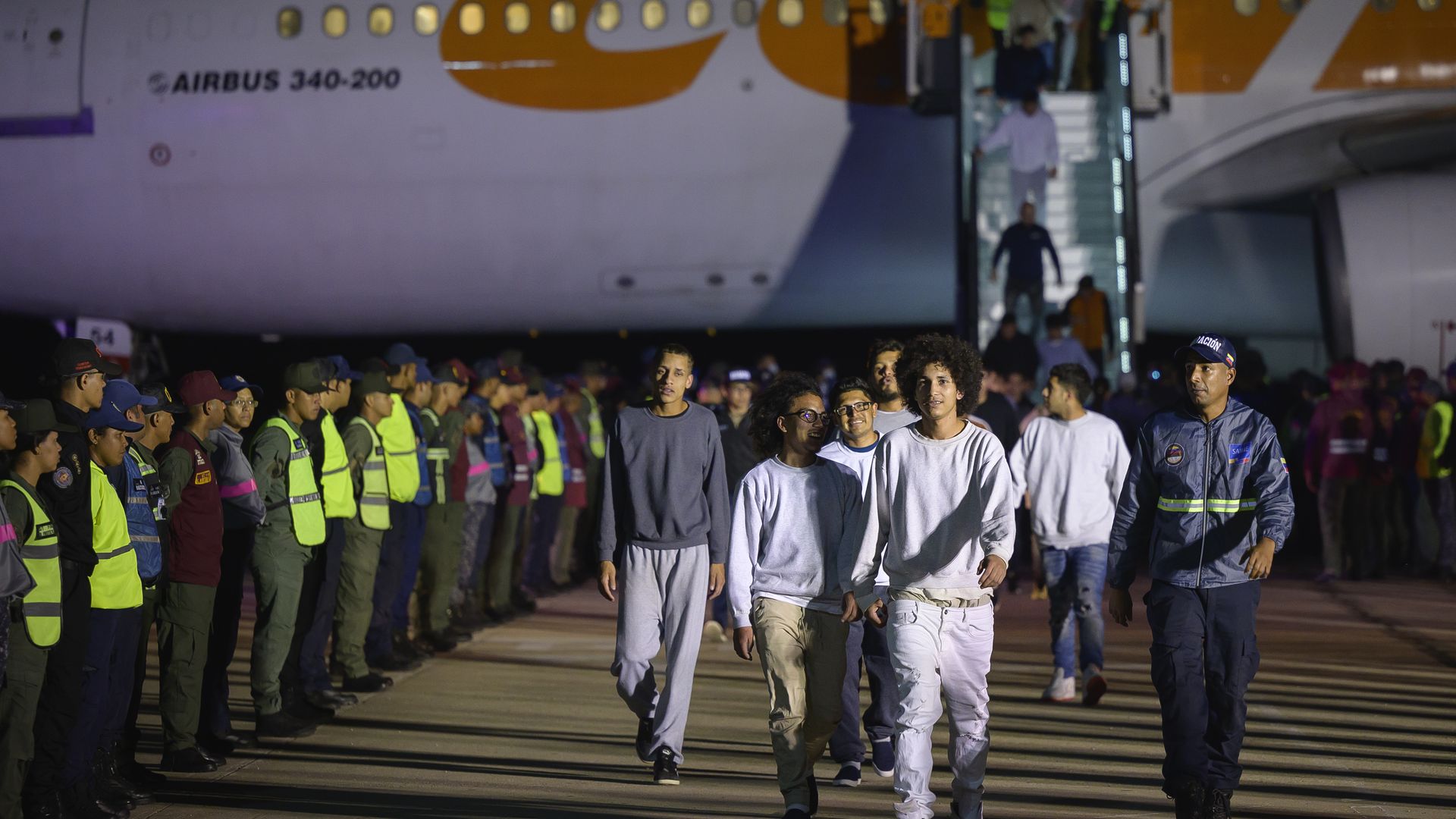
Why it matters: The Venezuelan immigrants are still challenging the Trump administration's decision to remove their Temporary Protected Status in a lower court, but the Supreme Court's order means those protections can be revoked while the case continues.
President Trump and Russian President Vladimir Putin spoke for around two hours on Monday, after which Trump announced that Russia and Ukraine would "immediately start negotiations toward a ceasefire" and an end to the war.
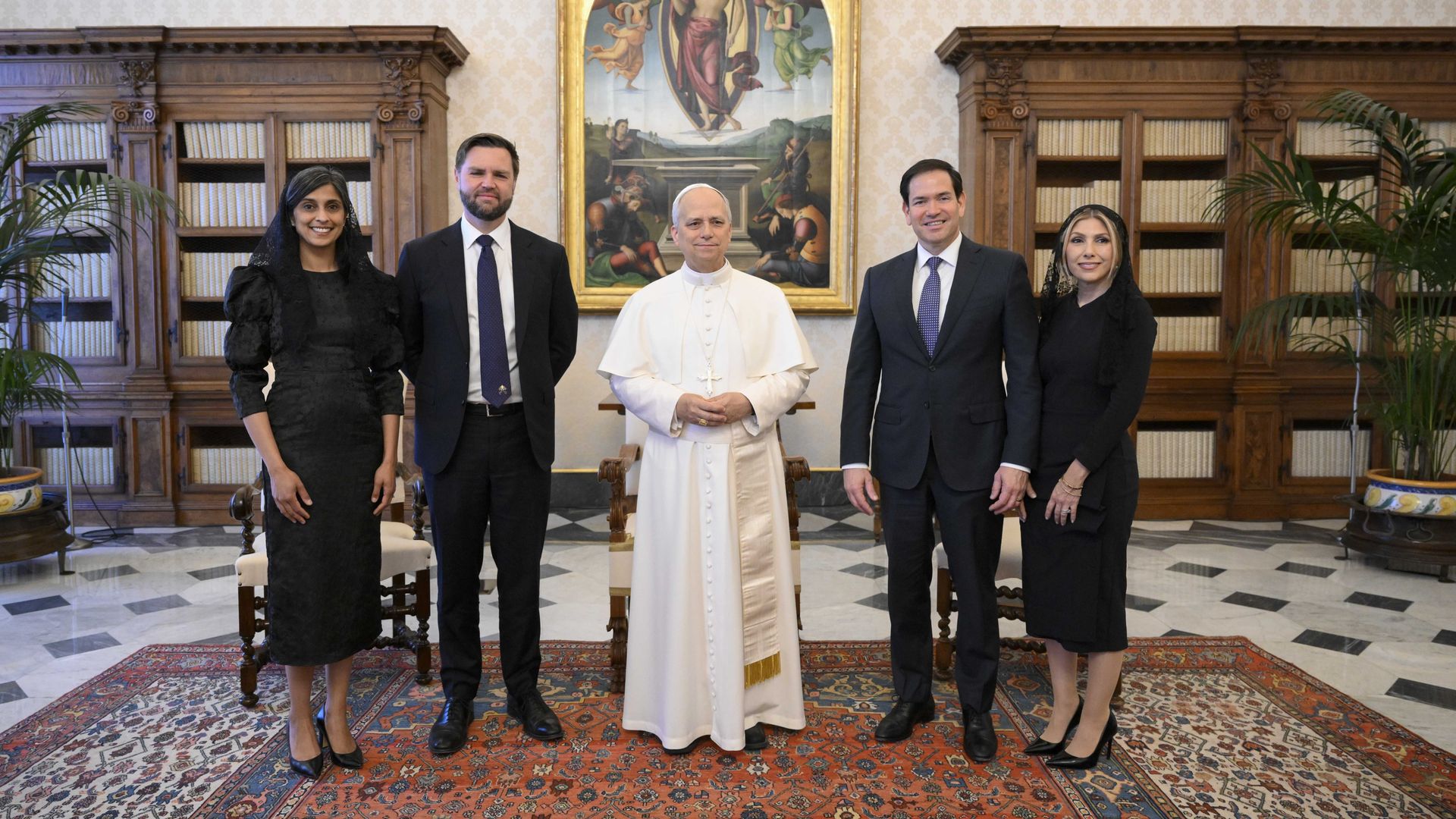
Why it matters: Trump previously argued his personal involvement would be crucial to achieving any deal, but walked back from any mediator role on Monday and said the talks would be only between the two countries. He added that Pope Leo XIV "would be very interested in hosting" talks in the Vatican.
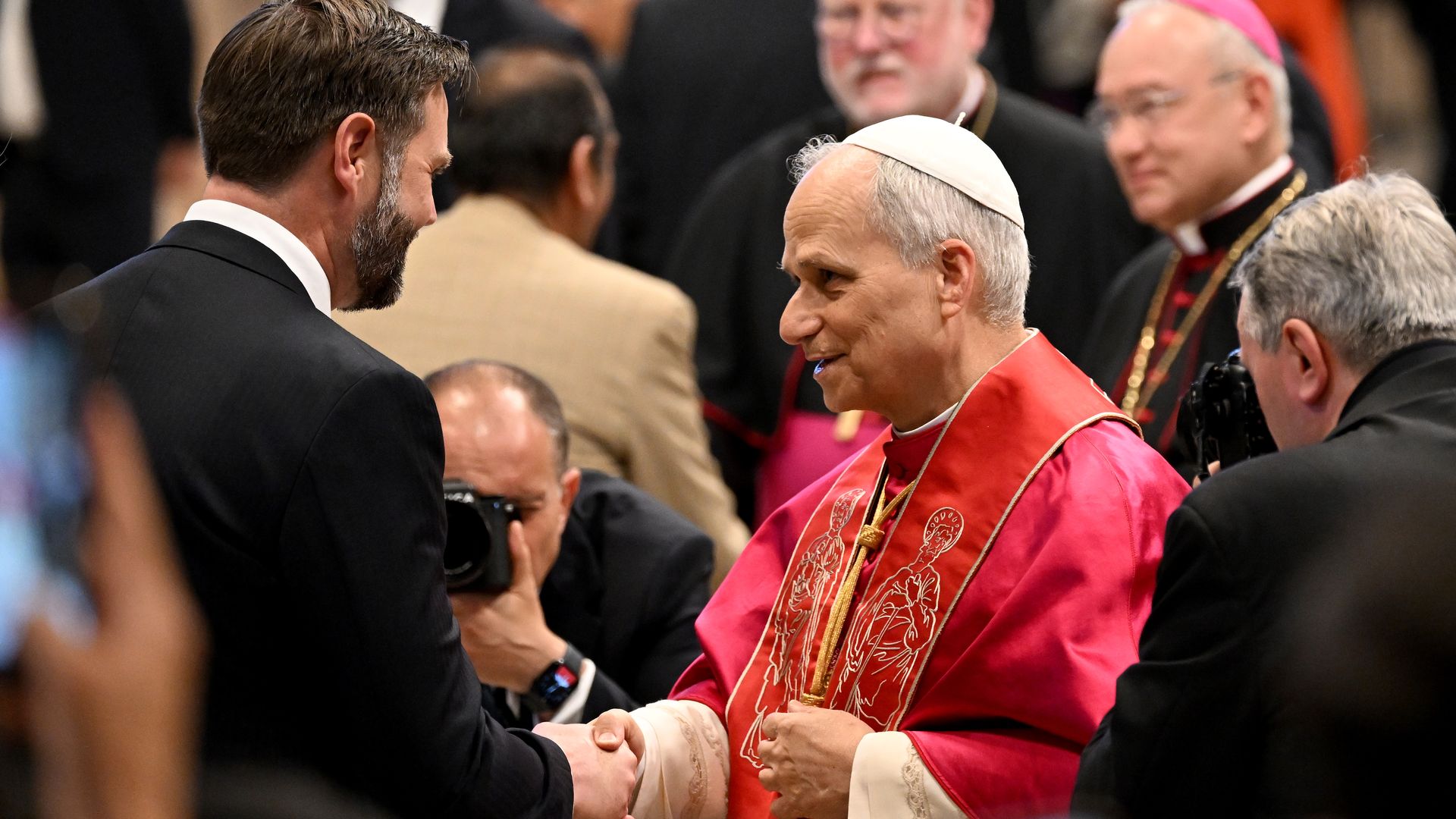
President Trump has invited newly inaugurated Pope Leo to the White House, Press Secretary Karoline Leavitt said on Monday.
Why it matters: If accepted, the visit would mark the first time a pope has visited the White House since Pope Francis visited then-President Obama in 2015.
Vice President JD Vance considered traveling to Israel on Tuesday but decided against it due to the expansion of Israel's military operation in Gaza, a senior U.S. official told Axios.
Why it matters: The U.S. official said Vance made the decision because he didn't want his trip to suggest the Trump administration endorsed the Israeli decision to launch a massive operation at a time when the U.S. is pushing for a ceasefire and hostage deal.