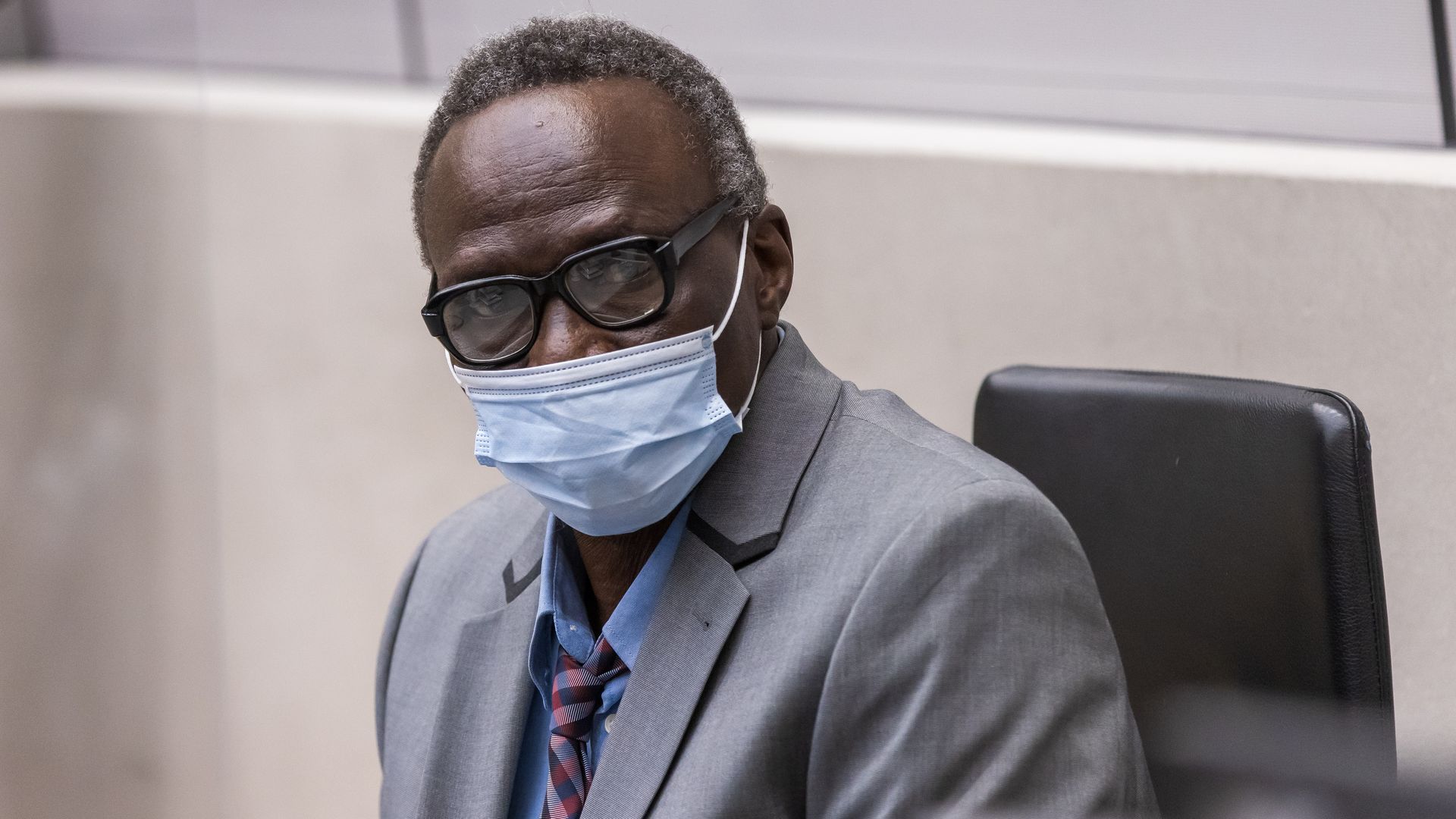
An alleged leader of the Sudan's janjaweed militia pleaded not guilty Tuesday to more than 30 counts of war crimes and crimes against humanity, including rape and murder, related to the conflict in Darfur.
The big picture: Ali Muhammad Ali Abd-Al-Rahman, 72, also known as Ali Kushayb, is first person to be tried at the ICC over the atrocities documented in Darfur.
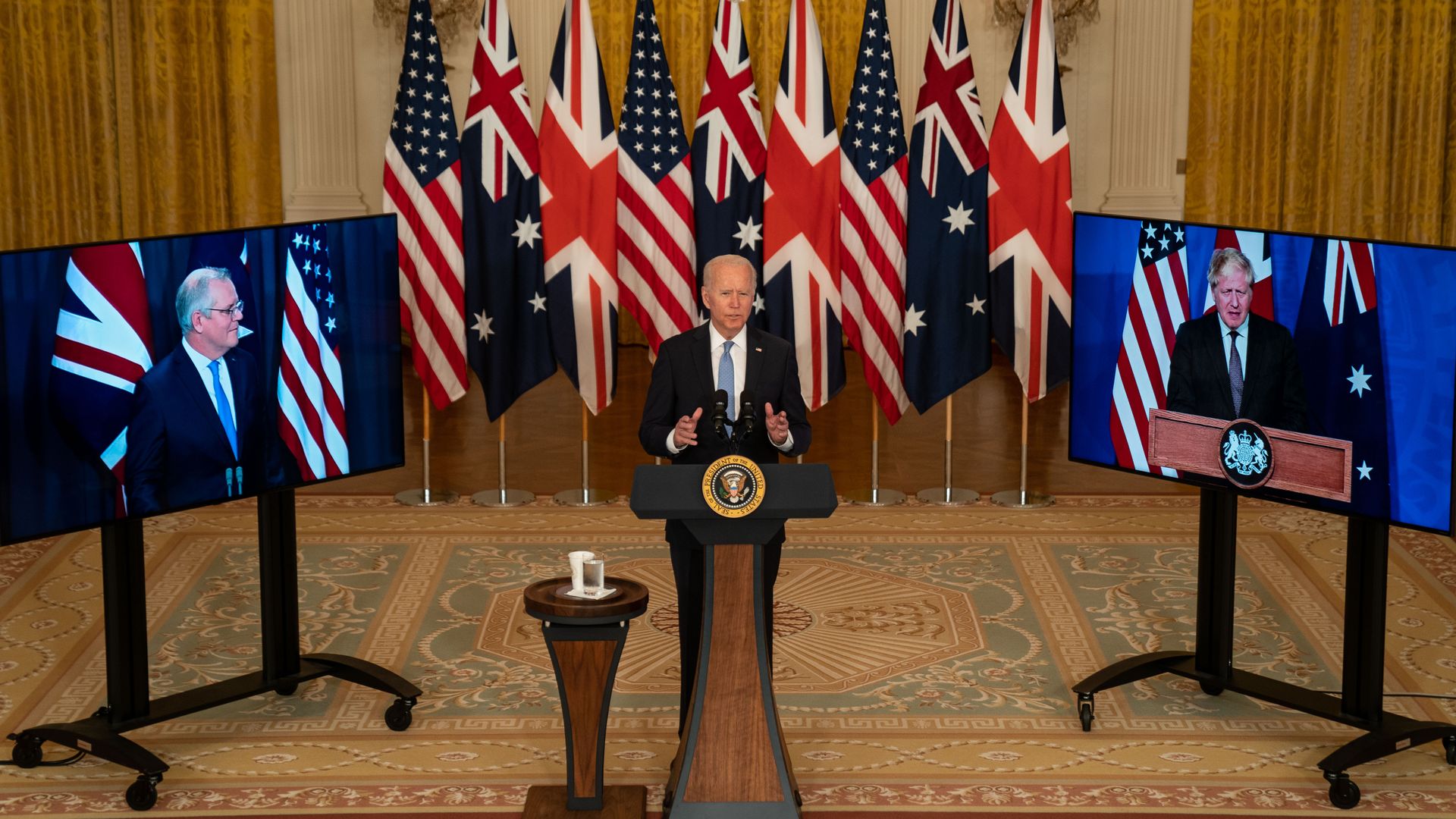
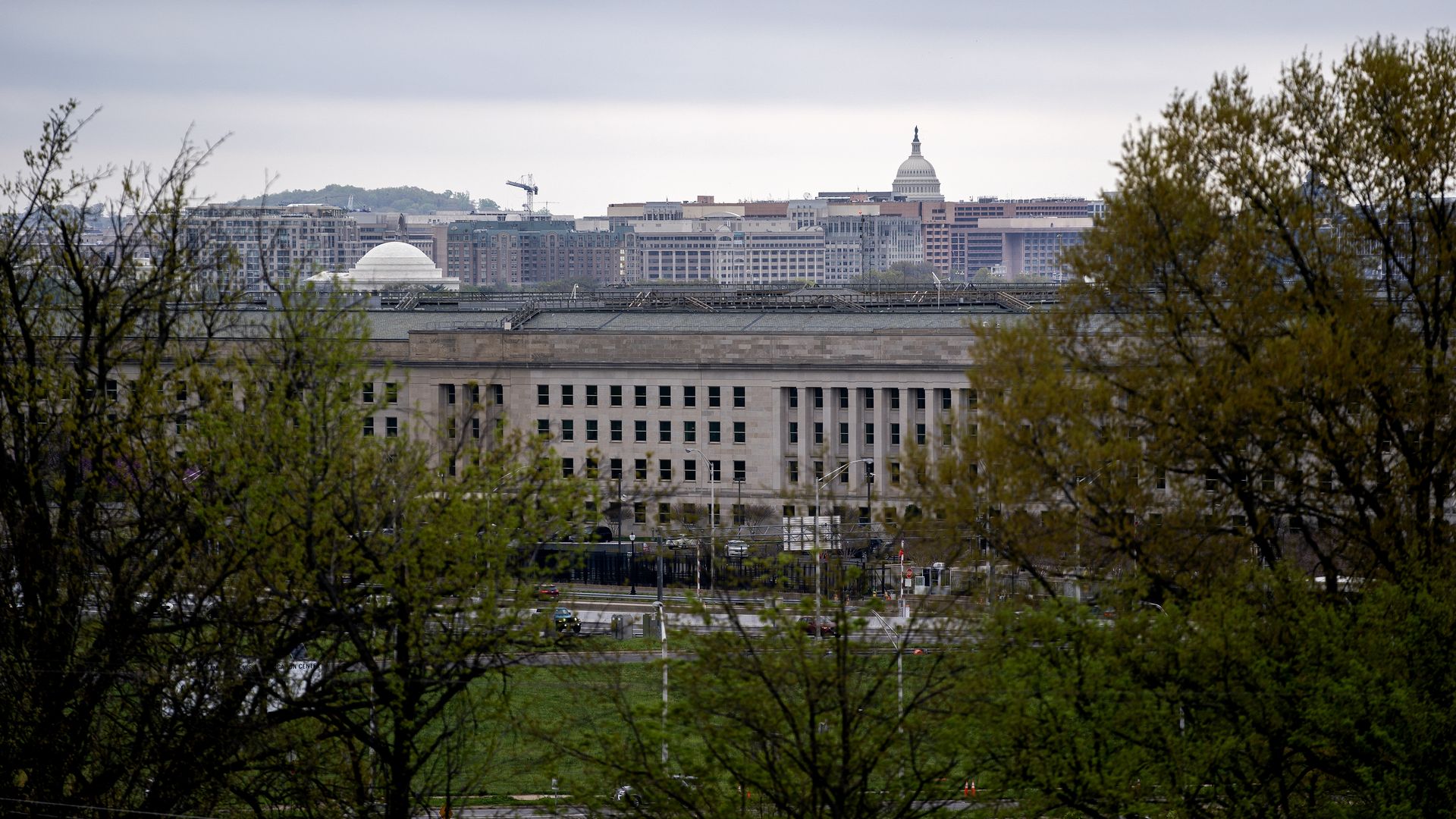
The White House said Tuesday the United States, United Kingdom and Australia agreed to cooperate on developing hypersonic weapons and other defensive capabilities under the AUKUS security pact.
Why it matters: The new announcements deepen the collective defense agreement between the countries as means to counter China in the Indo-Pacific region, though the leaders said they reiterated their commitment to the pact Tuesday in part because of Russia's invasion of Ukraine.
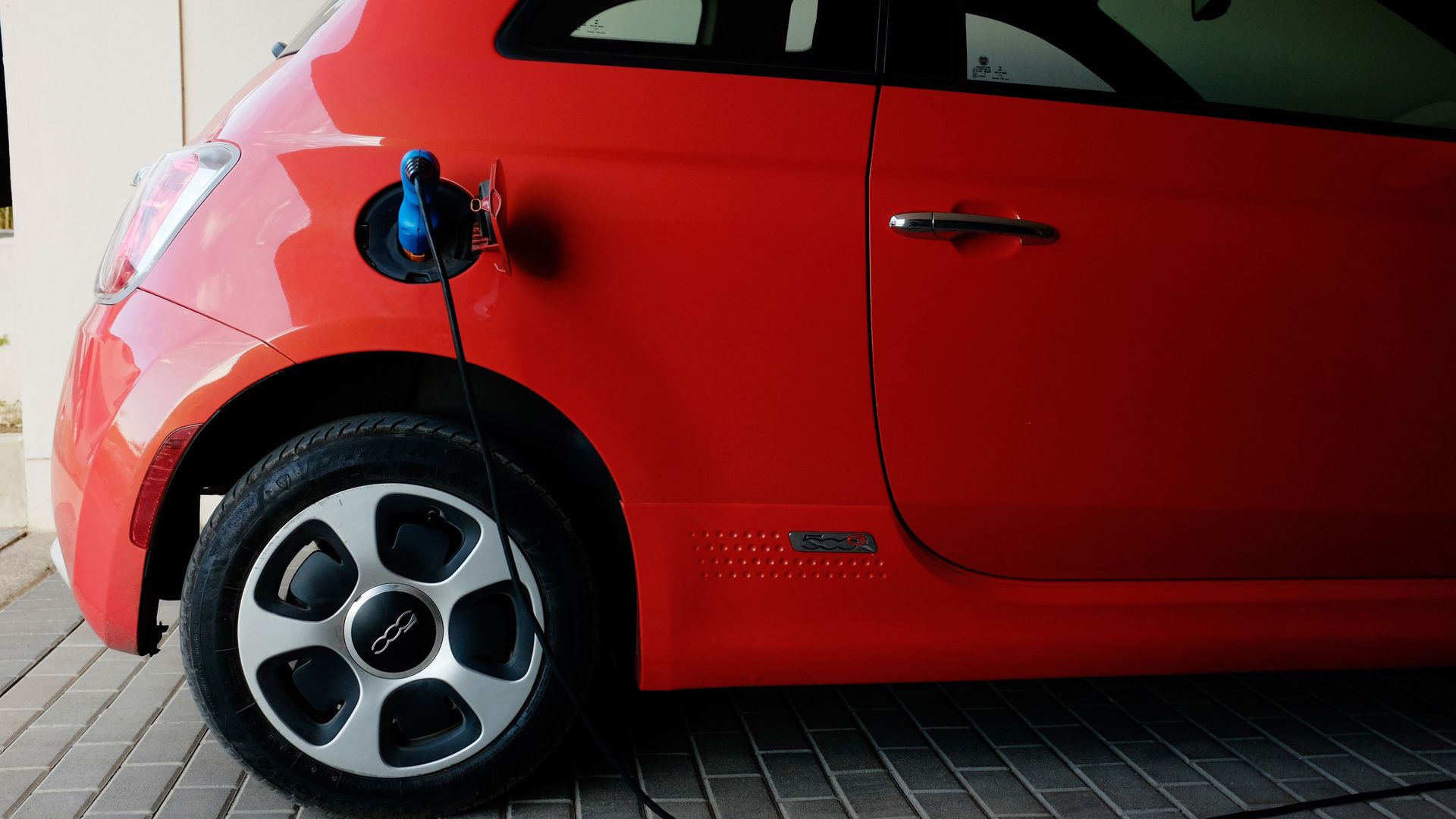
The enthusiasm for electric vehicles is high in parts of Latin America, but sales are lagging due to expensive options and a lack of charging stations.
Driving the news: Brazil leads the world in residents interested in purchasing EVs, according to a recent survey by Morning Consult on consumer trends in the automotive and shared mobility sectors.
The number of Spanish immersion schoolsand dual-language programs in the U.S. has skyrocketed in the past decade.
Why it matters: The growing number of these programs shows not only the cultural impact recently arrived Latinos have had in the U.S., but also how families are embracing multilingualism after decades of rejecting it.
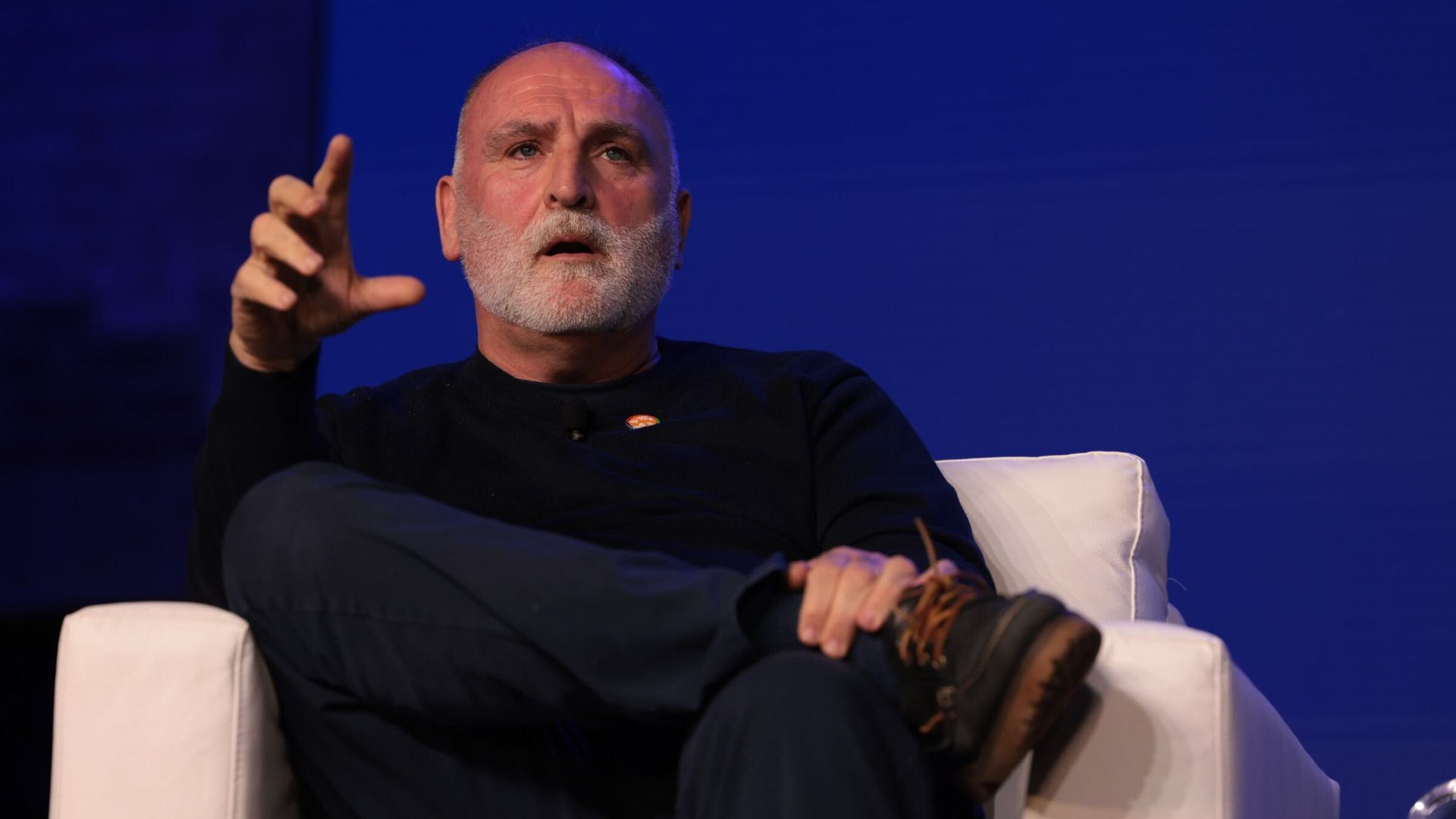
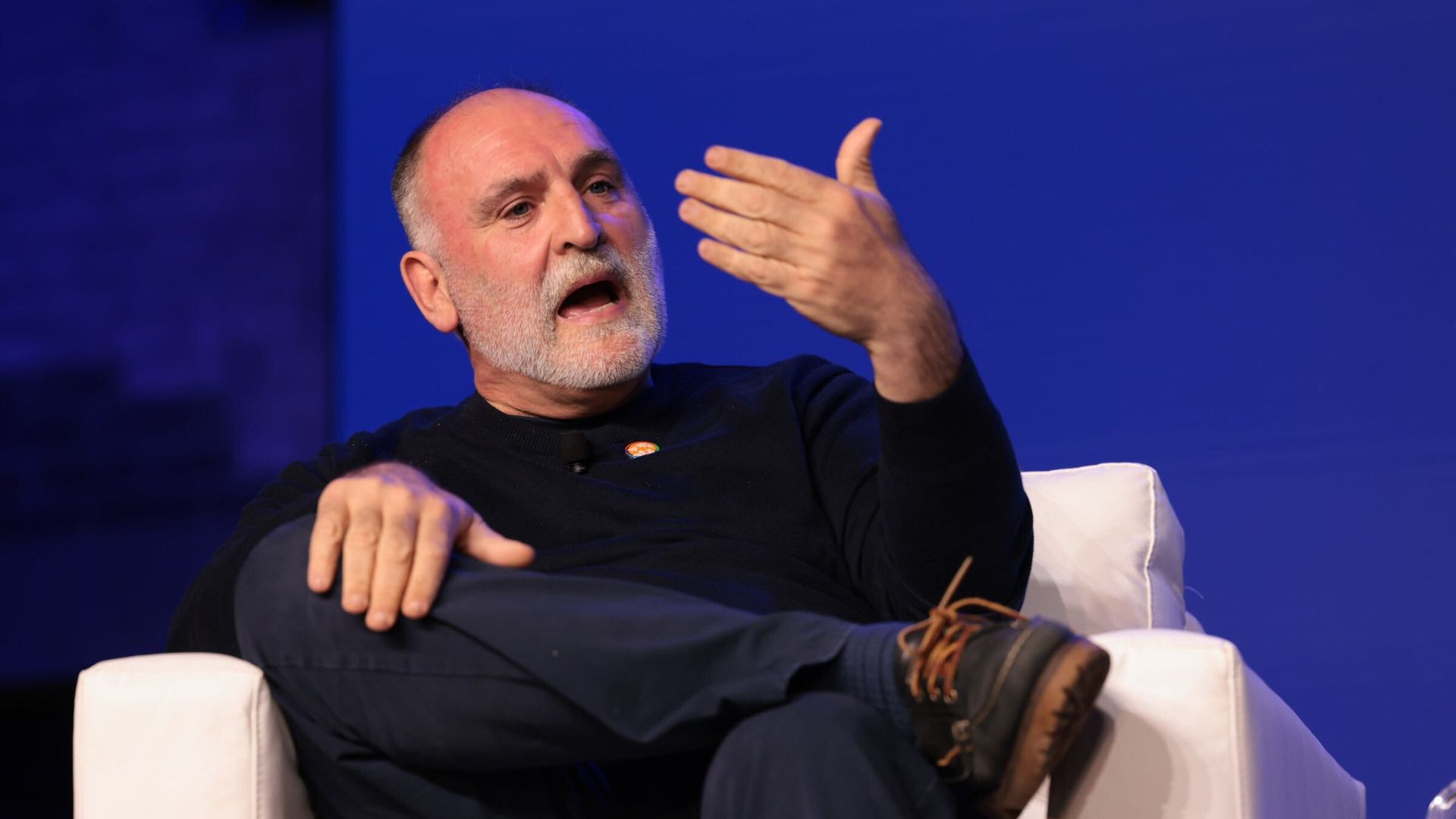
Chef José Andrés said Tuesday at the Axios What's Next summit that he would continue his efforts to feed starving Ukrainians despite the dangers caused by Russia's unprovoked invasion of the country.
Driving the news: Since the start of the invasion, Andrés has been working to provide food and meals to people fleeing the war in Ukraine to surrounding countries, as well as those who cannot leave.
The Defense Advanced Research Projects Agency (DARPA) and the U.S. Air Force recently successfully tested a hypersonic cruise missile produced by Lockheed Martin, the country's second successful in-flight test of such a weapon.
Why it matters: Disclosure of the test comes amid Russia's invasion of Ukraine, during which Russian forces have used hypersonic missiles against Ukrainian targets.
Ukrainian President Volodymyr Zelensky proposed holding a global conference in Kyiv to reform the United Nations system during an address to the Security Council on Tuesday.
Why it matters: Zelensky said that reforms of the world security system are necessary to better establish guarantees of border recognition, the integrity of states and countries, and compliance with international law.
China's stock regulator removed its long-standing requirement that Chinese companies seeking to list on foreign exchanges primarily use Chinese auditors.
Why it matters: The rule change could make it possible for the U.S. and China to reach an agreement permitting Chinese companies to continue to list on U.S. stock exchanges.
People in Shanghai are facing food shortages, disruptions in medical care, and censorship as the city is in lockdown amid China's biggest wave of infections since early 2020.
Why it matters: China's "zero-COVID" policy has saved countless lives, but the extreme measures required to fully contain the highly transmissible Omicron variant are causing other kinds of suffering.
Chef José Andrés on Tuesday urged Europe and the U.S. to stop buying "absolutely anything" energy-related coming from Russia.
What he's saying: "Every company ... should, for once, put real profits on the side and put all the pressure they can on Putin and the Russian government to starve them from money that allows them to keep paying for this war," Andrés said at the Axios What's Next summit.
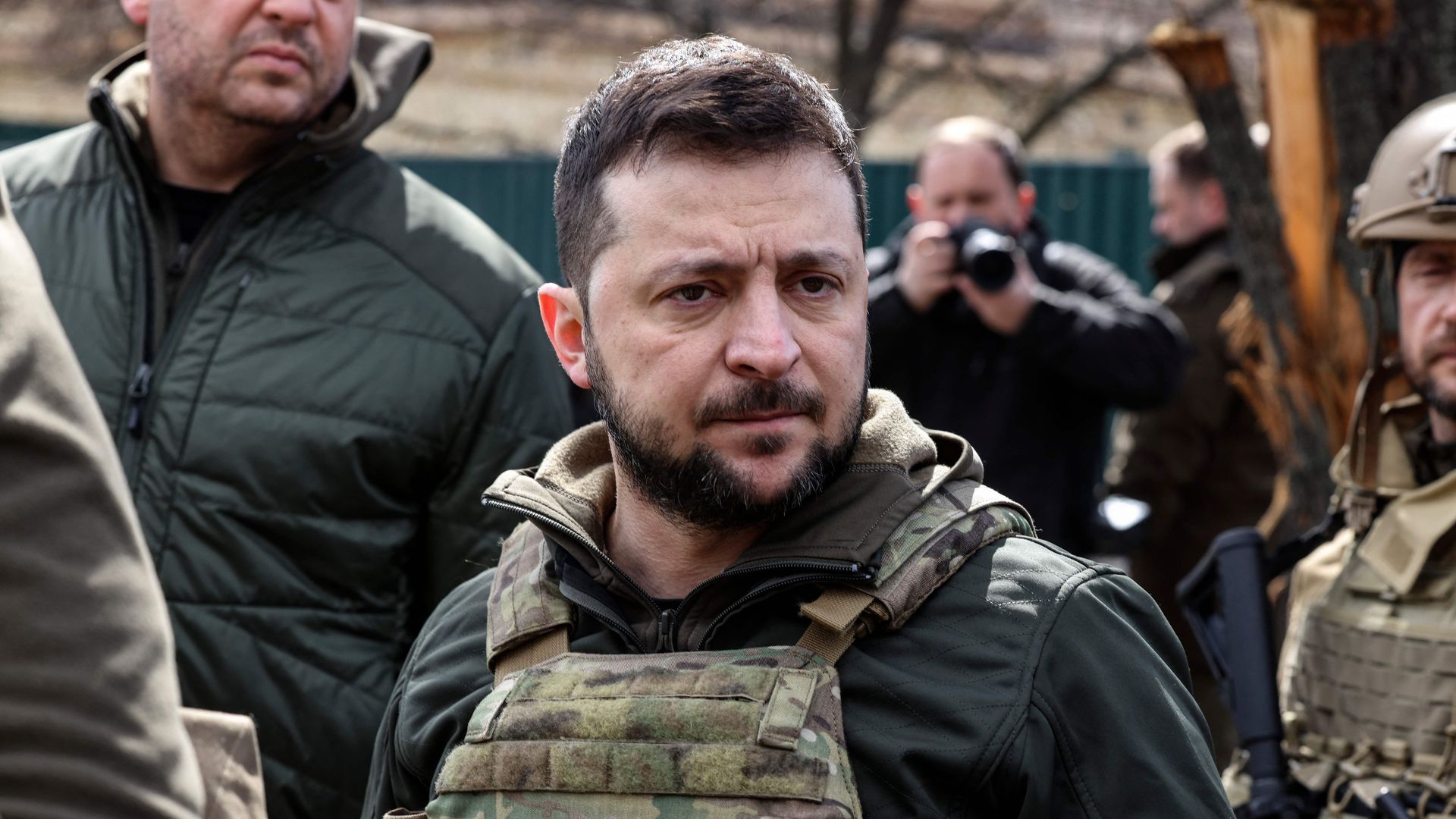
Ukrainian President Volodymyr Zelensky said in an overnight address that more than 300 people had been tortured and killed in Bucha.
The big picture: The shocking figure is likely to grow as more bodies are uncovered in the Kyiv suburb and other cities formerly occupied by Russian forces.
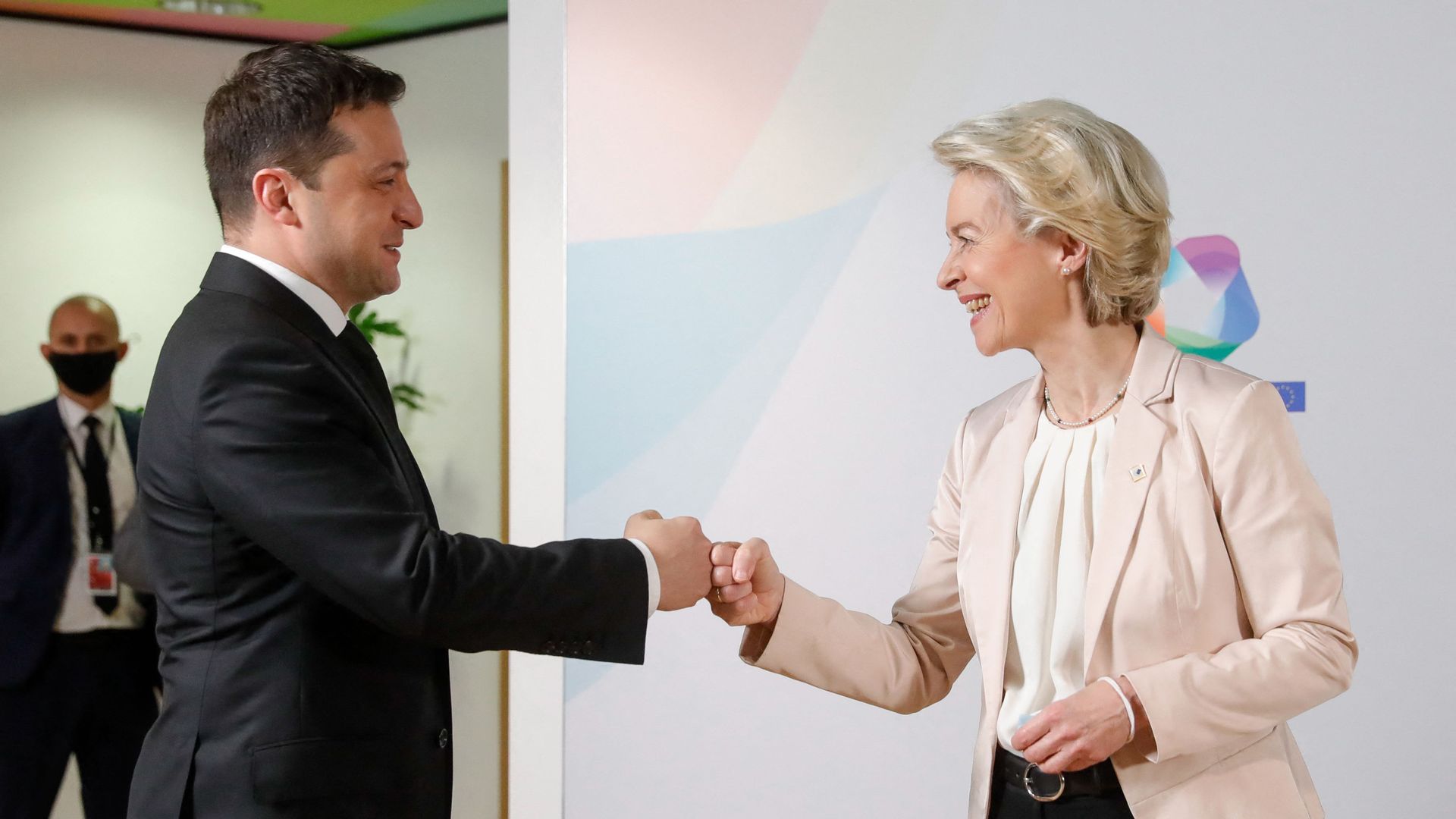
European Commission President Ursula von der Leyen and EU foreign policy chief Josep Borrell will visit Kyiv this week to meet with Ukrainian President Volodymyr Zelensky ahead of a global Ukraine fundraiser on Saturday.
The latest: Hours after announcing the visit, von der Leyen outlined a fresh sanctions proposal punishing Russia for the reported atrocities in the Kyiv suburb of Bucha.
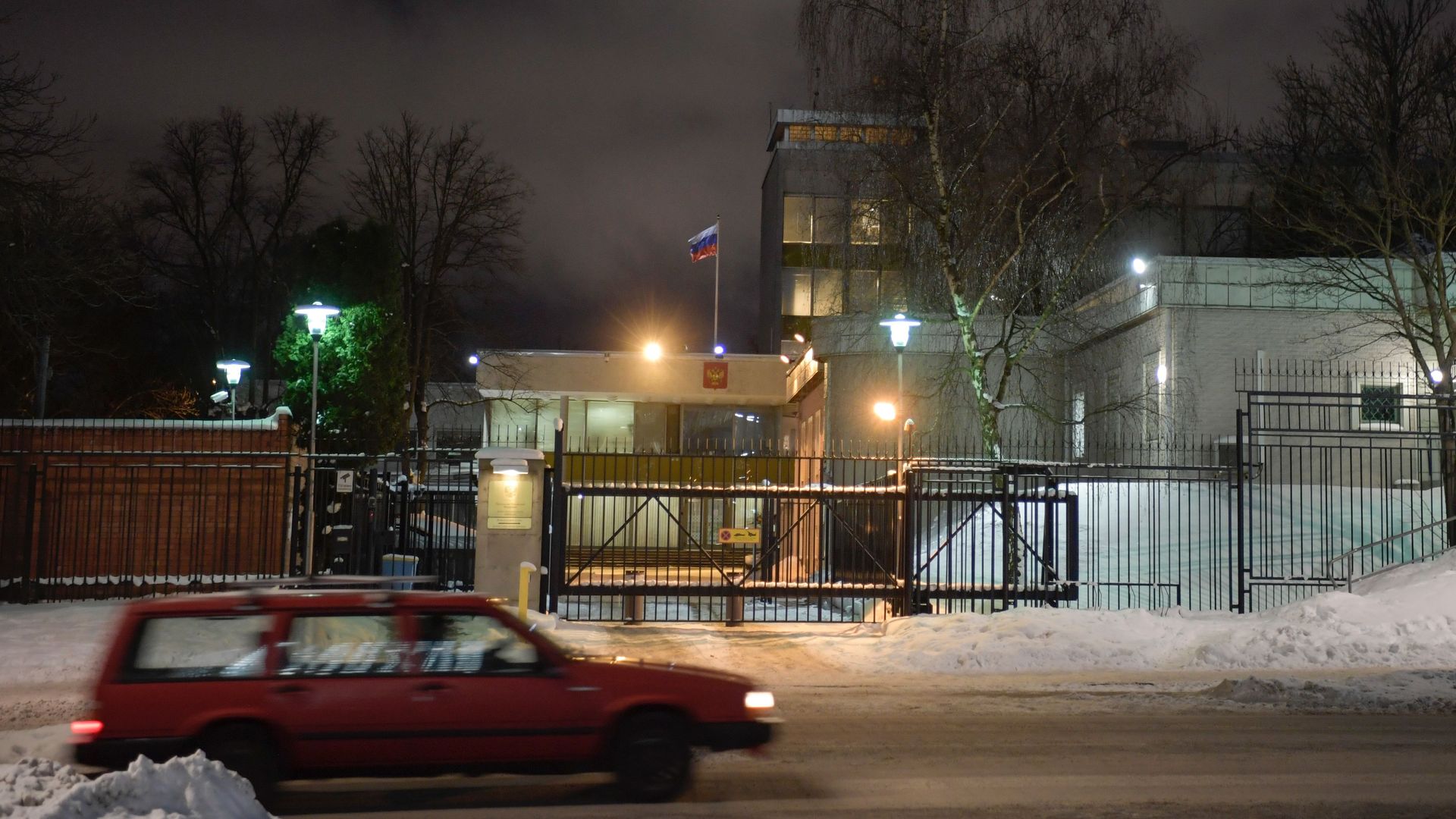
Sweden, Denmark, Italy and Spain announced separately Tuesday that they will expel dozens of Russian diplomats following similar expulsions from other European Union countries.
Why it matters: Several EU members, including Germany and France, have now announced Russian dismissals after evidence surfaced of atrocities in the Ukrainian town of Bucha in the wake of Russia's military withdrawal from northern Ukraine.
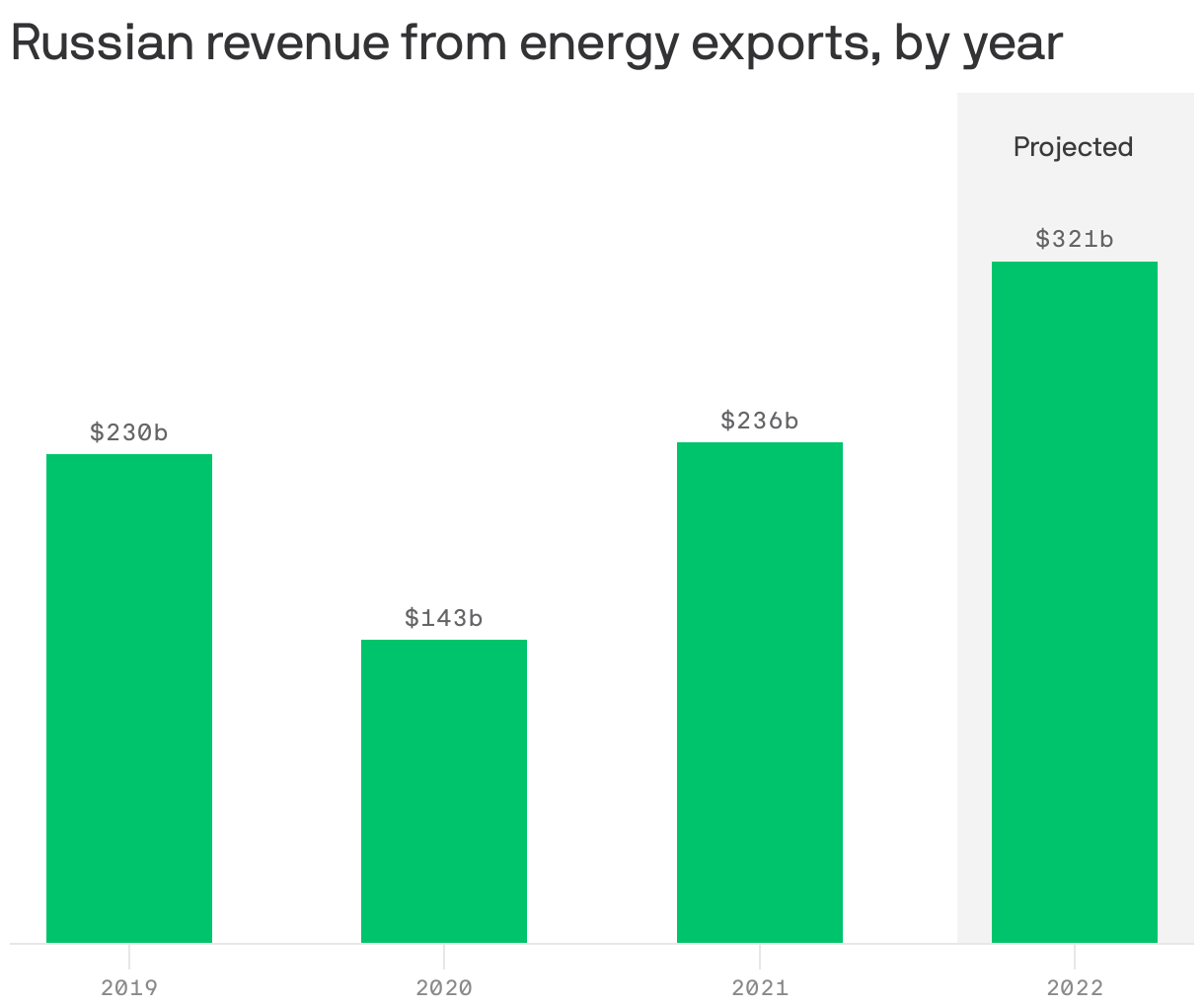
Russia's massacre of civilians in Bucha has reignited a debate within the European Union about banning Russian energy imports — and whether any threshold of atrocity in Ukraine would justify plunging Europe into a recession.
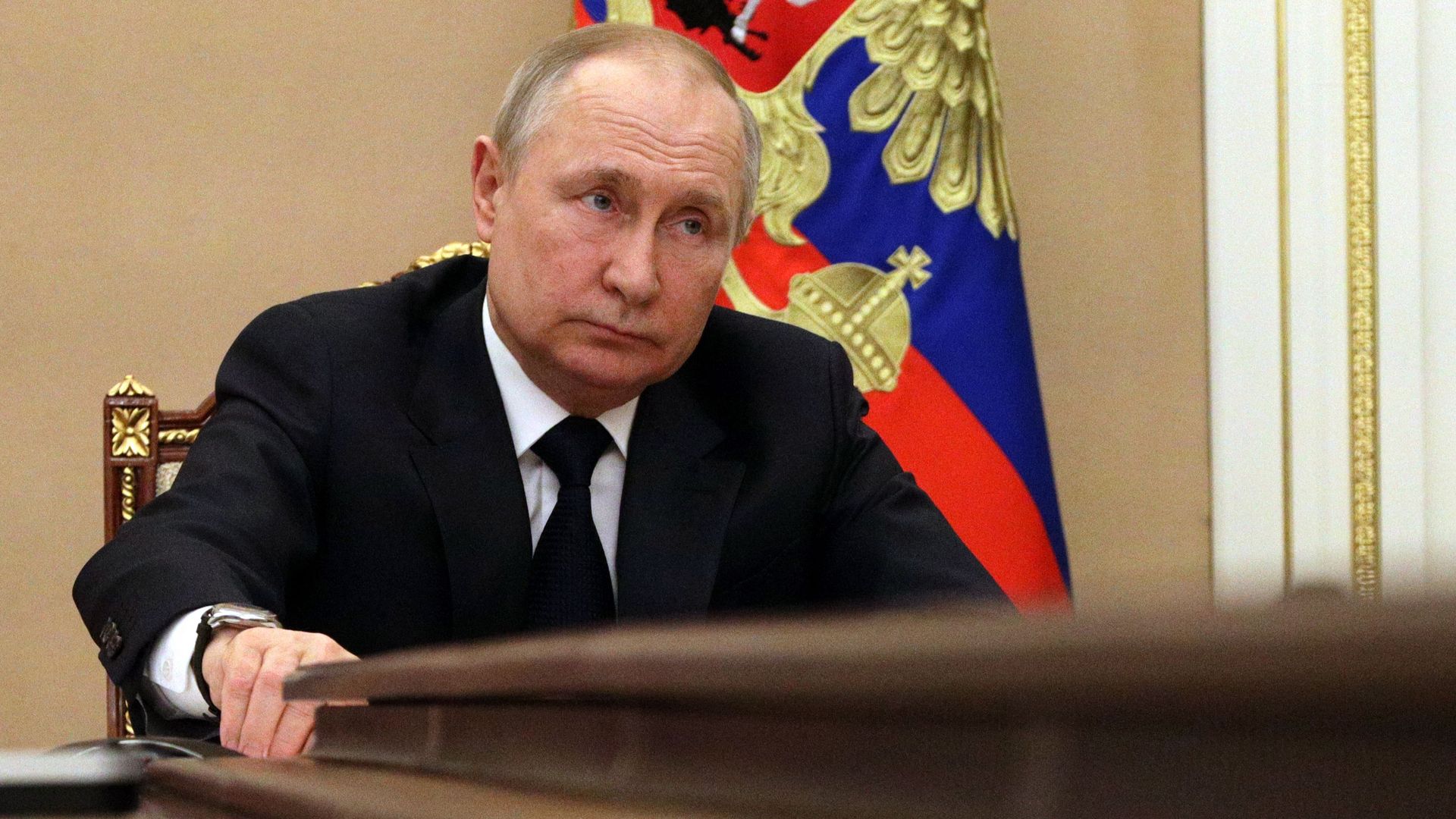
Why it matters: The EU's continued reliance on Russian energy is refilling the Kremlin's coffers at a breakneck pace, financing President Vladimir Putin's war machine at the same time Western leaders claim to be collecting evidence for a future trial at The Hague.
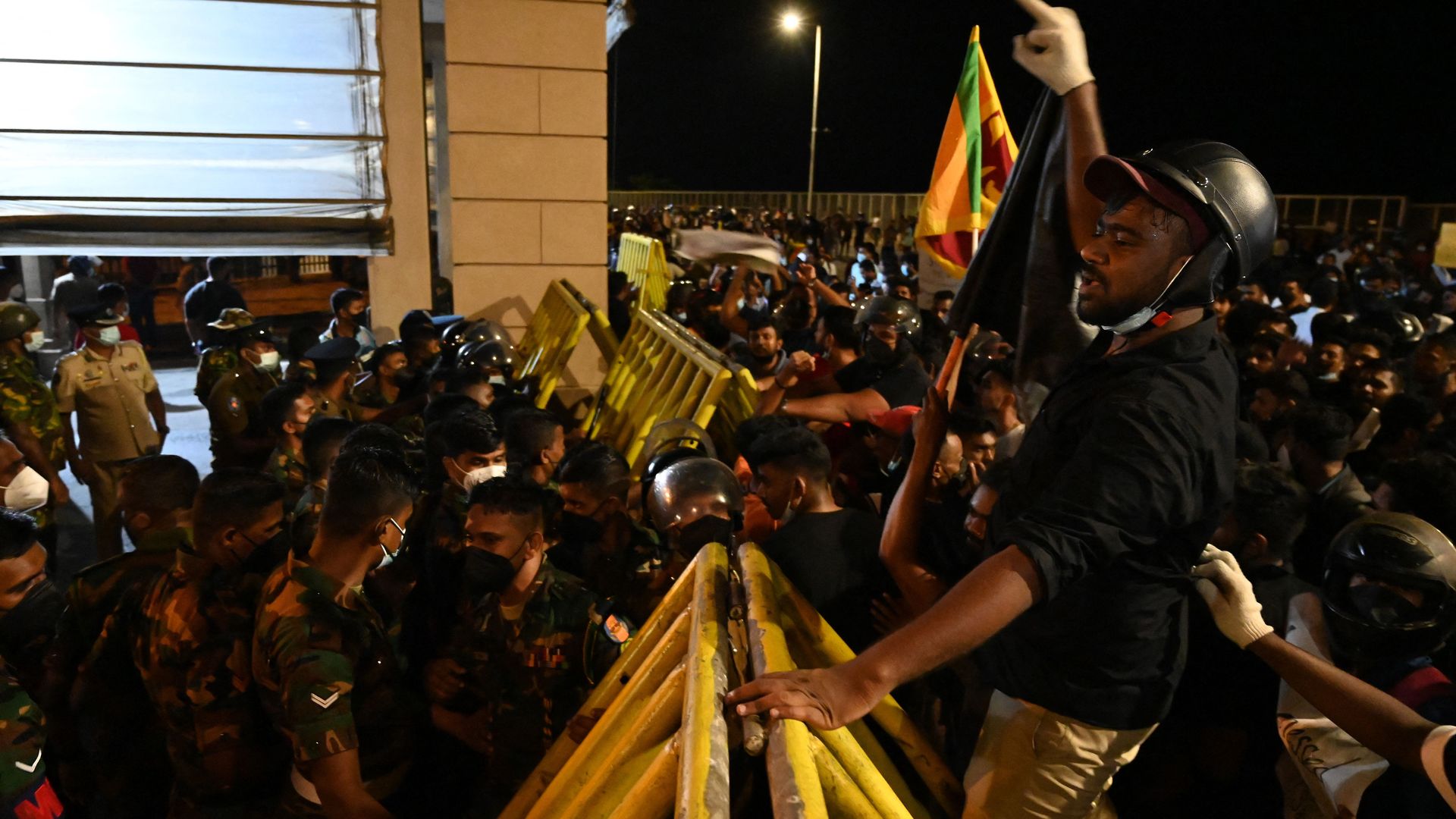
Sri Lankan President Gotabaya Rajapaksais scrambling to stabilize his government and curtail protests over the country’s economic crisis, which has led to power cuts and shortages of essential goods.
Driving the news: Rajapaksa has invited opposition parties into the Cabinet in an effort to form a unity government. His government also imposed a curfew and blocked social media sites in a largely unsuccessful attempt to quell the protests.
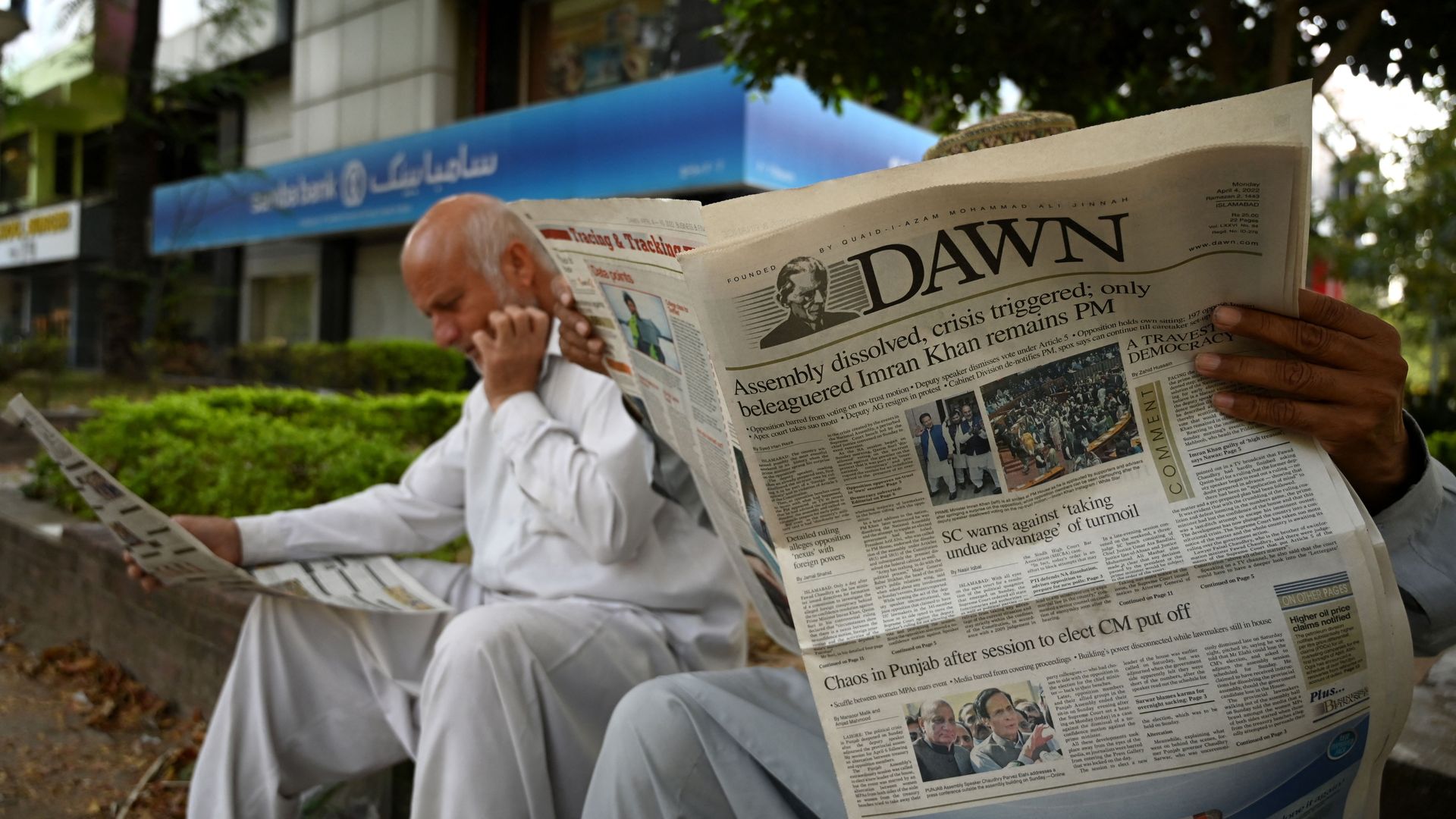
Pakistan’s Supreme Court on Monday began hearing a challenge to Prime Minister Imran Khan’s surprise move to suspend parliament and call for elections before a no-confidence vote that could have removed him from power.
Why it matters: Khan’s move to thwart the bid to remove him — which was thought to be backed by the powerful security elites who helped put him in power — has sparked a constitutional crisis and highlighted the country’s messy relationship with the United States.