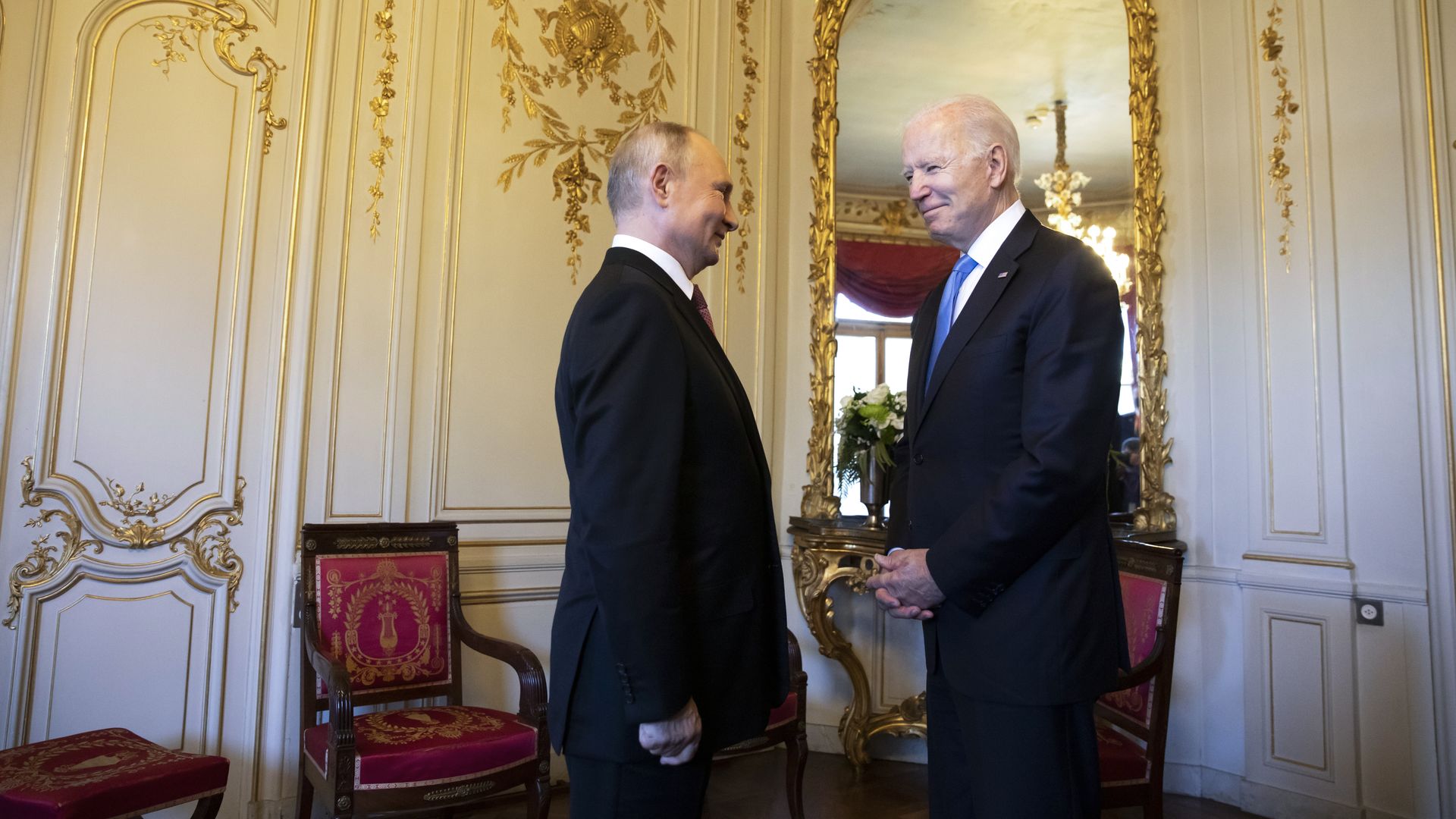
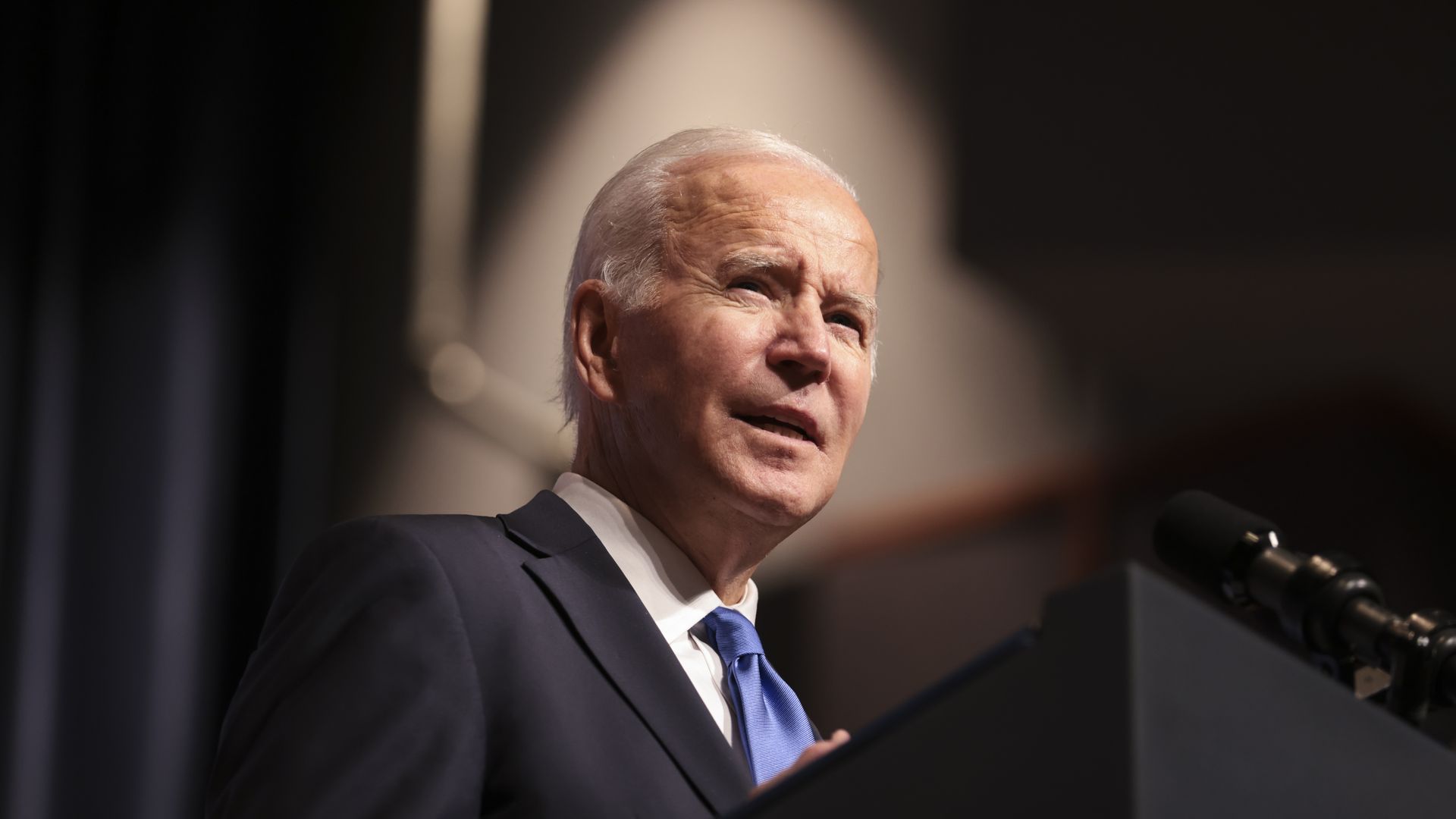
President Biden will warn Russian President Vladimir Putin when they speak on Tuesday that if Russia invades Ukraine, the U.S. is prepared to increase its troop presence, capabilities and military exercises on NATO's "eastern flank," a senior administration official told reporters.
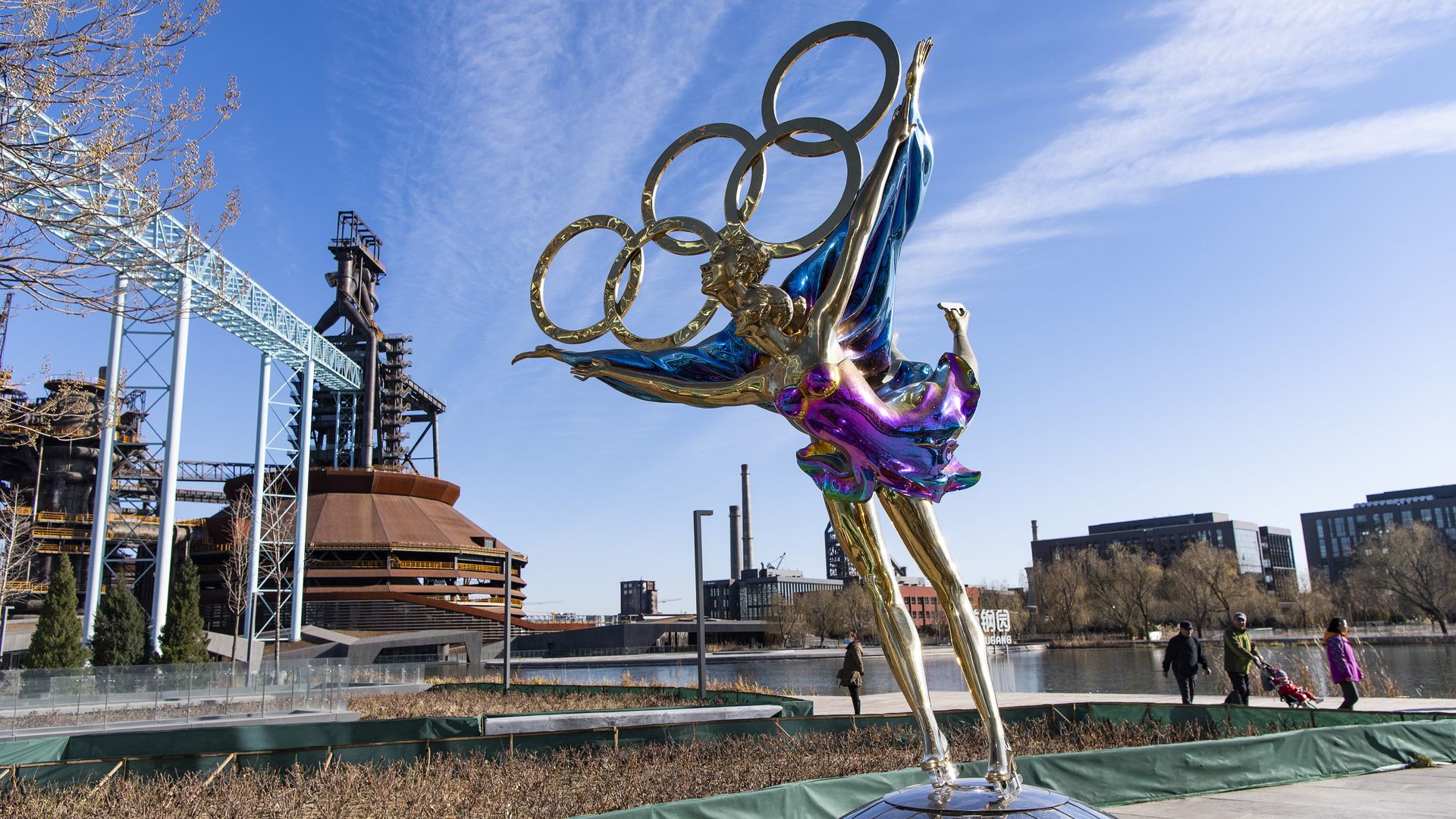
Why it matters: The diplomatic boycott — which won't prevent American athletes from competing — marks a major escalation between the U.S. and China amid already heightened tensions over the CCP's treatment of Muslim minorities, military threats to Taiwan and economic tariffs.
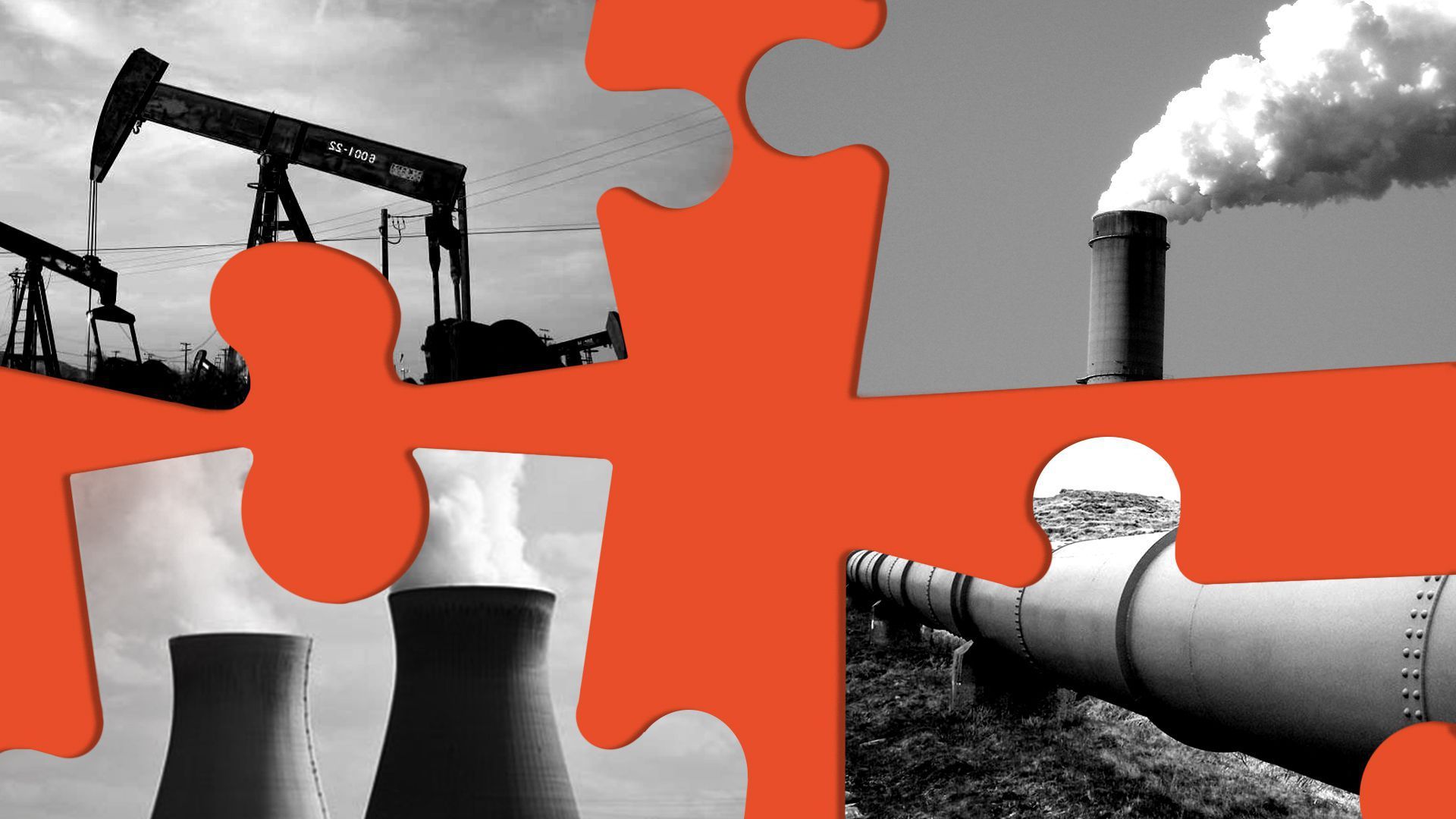
Two wide-angle new essays explore how the global movement away from fossil fuels could be wrenching and geopolitically messy.
Driving the news: Adam Tooze's piece in Foreign Policy covers a lot of ground. One key takeaway: He warns that it's not clear if the red-blue U.S. political and policy divide will ever be successfully bridged, despite clean energy's growth in conservative states, its growing economic importance and Wall Street's increasing buy-in.
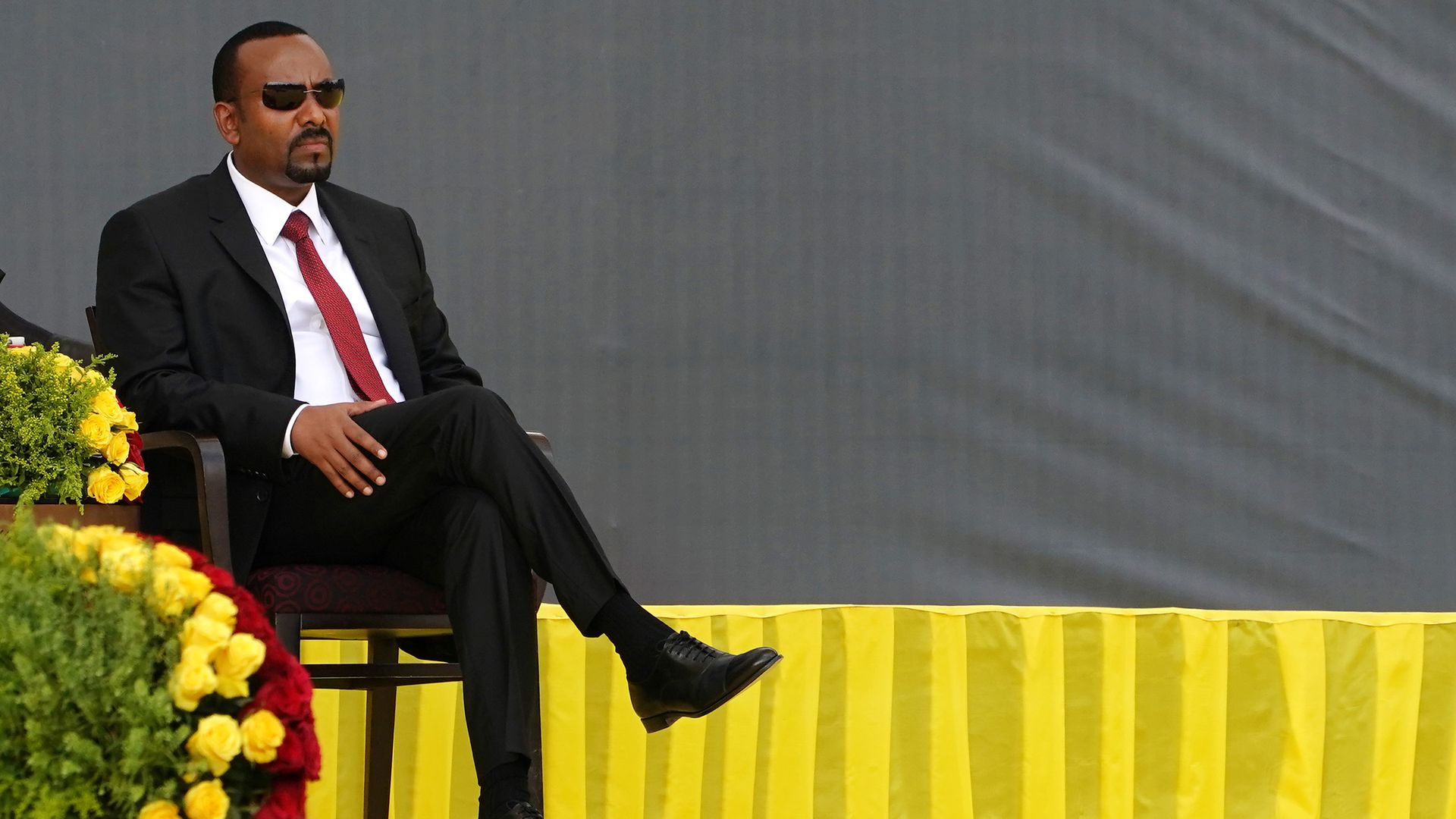
The U.S. and several allies released a joint statement on Monday condemning "widespread arrests" in Ethiopia made on the basis of ethnicity, specifically of ethnic Tigrayans.
The big picture: The Ethiopian government is engaged in a civil war with rebel forces from the Tigray region. Now the U.S. and its allies are responding to reports that Tigrayans in the capital and elsewhere are being swept up by security forces and held without charge.
The Biden administration on Monday released the first-ever U.S. government strategy for countering corruption, kicking off a week of policy initiatives pegged to the inaugural "Summit for Democracy" on Dec. 9-10.
Why it matters: Joe Biden is the first president to establish the fight against corruption as a core national security interest. Critics say corruption not only robs a nation of its core resources but discourages citizens from believing in the rule of law.
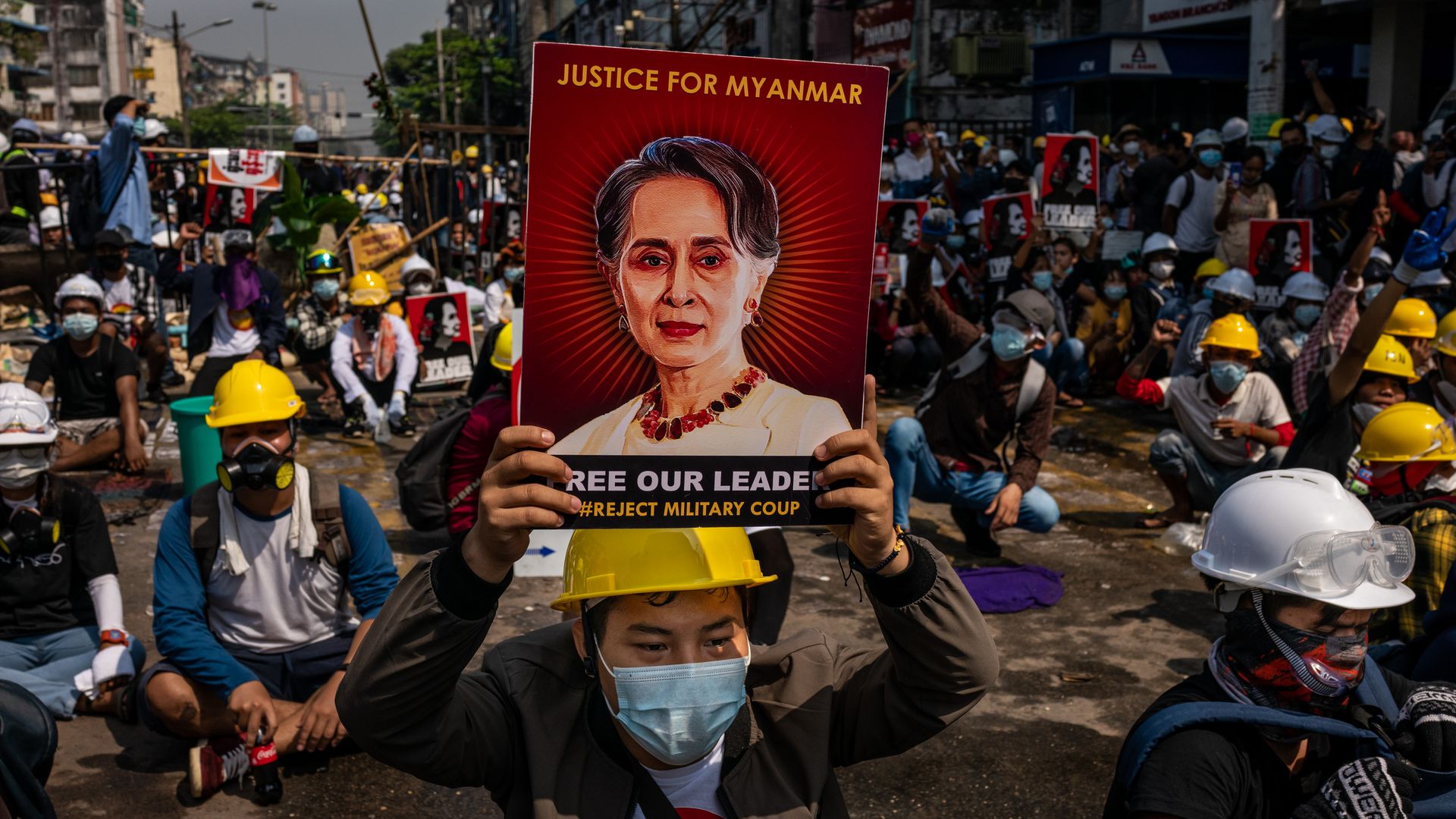
A Myanmar court sentenced the country's ousted leader, Aung San Suu Kyi, on Monday to four years in prison on charges of "inciting public unrest" and breaking COVID-19 protocols, per the New York Times.
The latest: Senior Gen. Min Aung Hlaing, the country's leader, later cut Suu Kyi's sentence to two years, the Times reports.
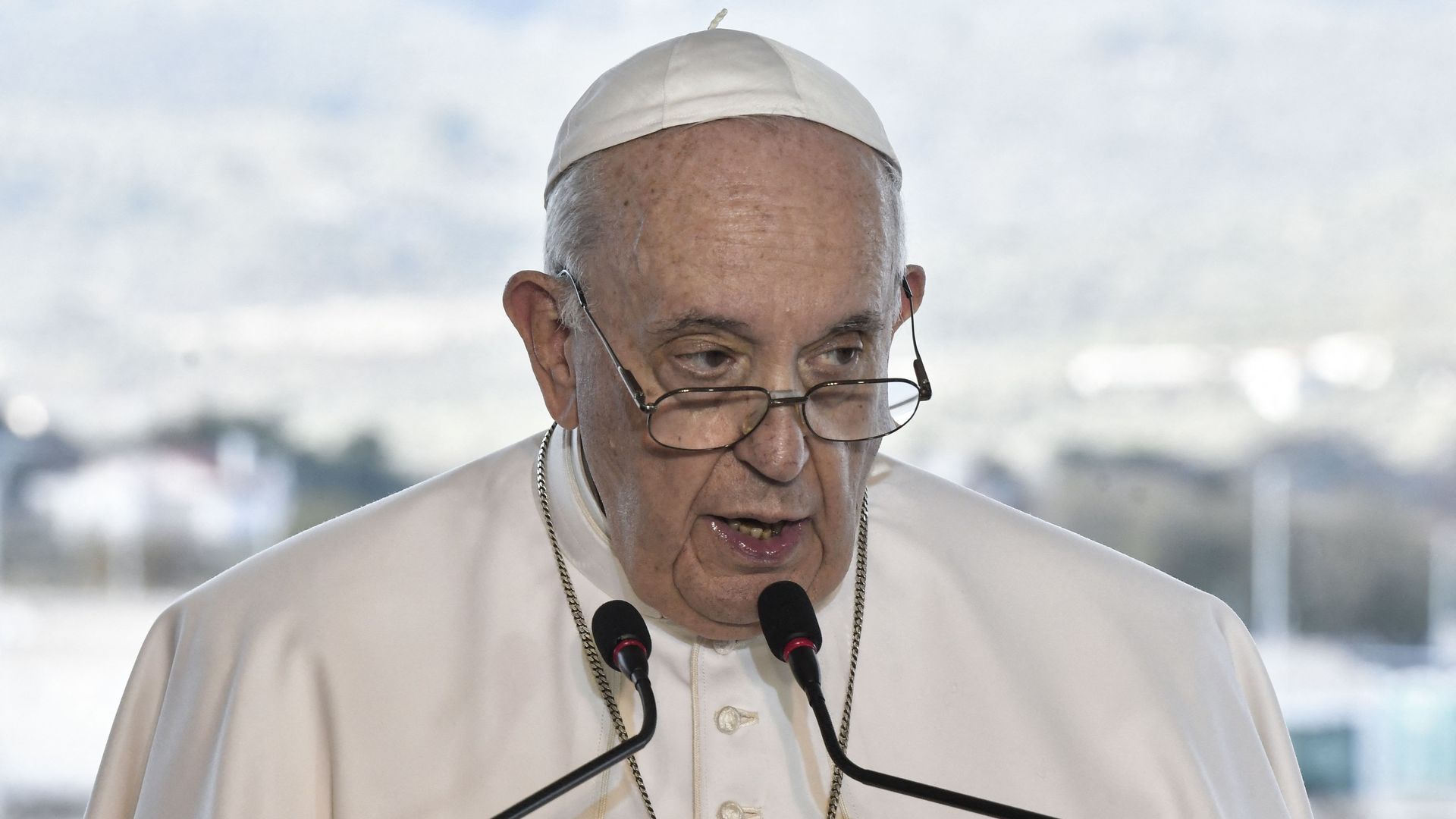
Pope Francis criticized European countries' response to migrants and asylum seekers during his visit to a refugee camp on the Greek island of Lesbos on Sunday.
Why it matters: The pope said "migration is a humanitarian crisis that concerns everyone," but little had changed in the global response to displaced peoples since his first visit to Lesbos five years ago, per a transcript of his remarks. "Human lives, real people, are at stake. ... Let us stop this shipwreck of civilization!"
The United Kingdom on Saturday announced that all travelers would be required to submit a negative coronavirus test before boarding a flight, regardless of vaccination status.
Why it matters: The move comes amid fears that the newly-identified Omicron variant possesses enough mutations to evade immune systems and drive up a new wave of infections.
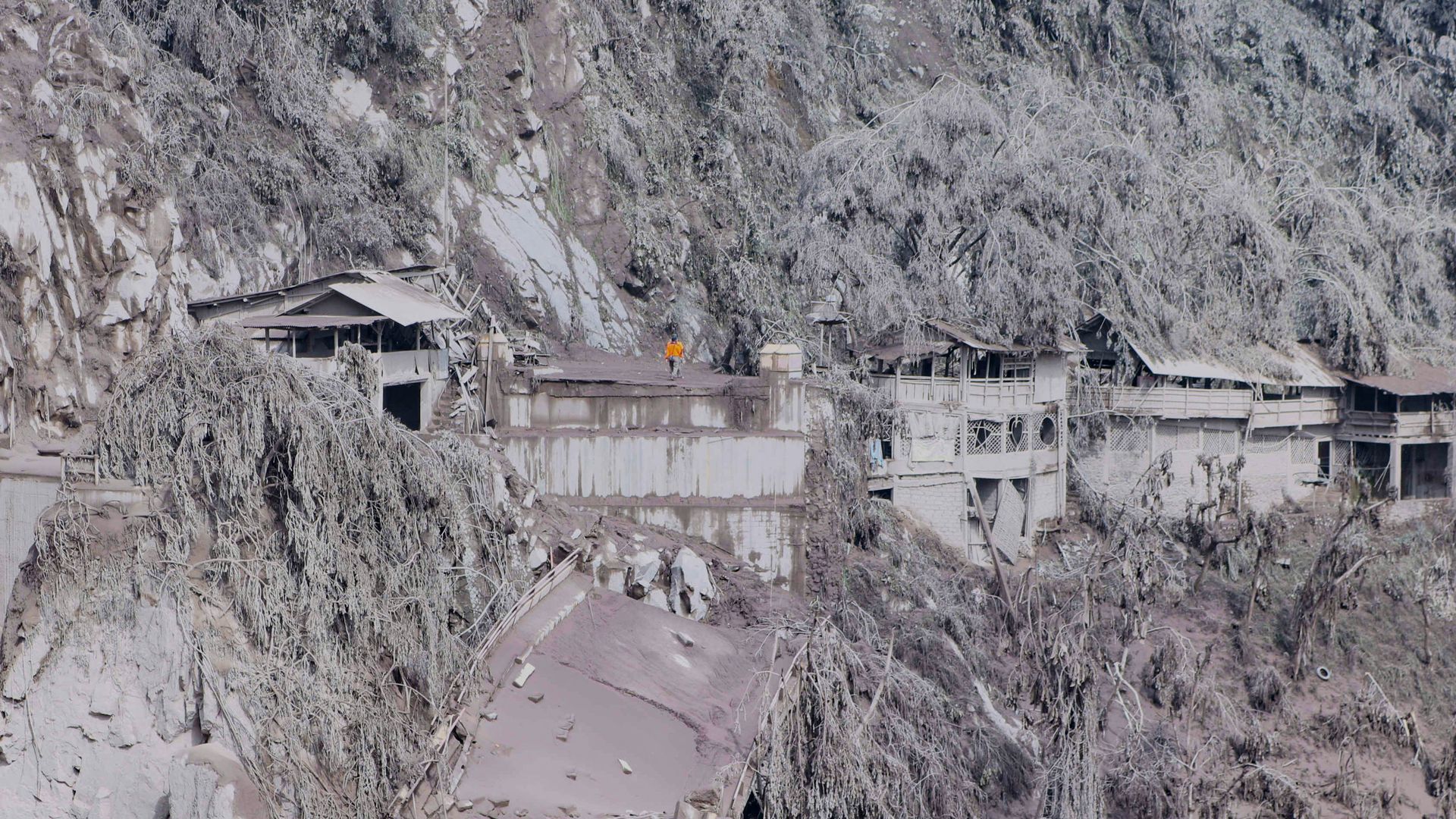
At least 13 people are dead and dozens are injured after Indonesia's Mount Semeru erupted, the country's National Board for Disaster Management (BNPB) said in a statement Sunday.
Driving the news: At least 41 people suffered burn injuries from the eruption, according to the agency. The lava flow has also displaced more than 900 residents, with about 300 taking refuge in "educational facilities and village halls."
European countries are doubling down on pressure campaigns to get people vaccinated just as Republicans continue to wage war — often successfully — against vaccine mandates in the U.S.
Why it matters: The starkly different approaches create a sharp contrast between the regions' approaches to vaccination, even as the Omicron variant rapidly spreads around the world.
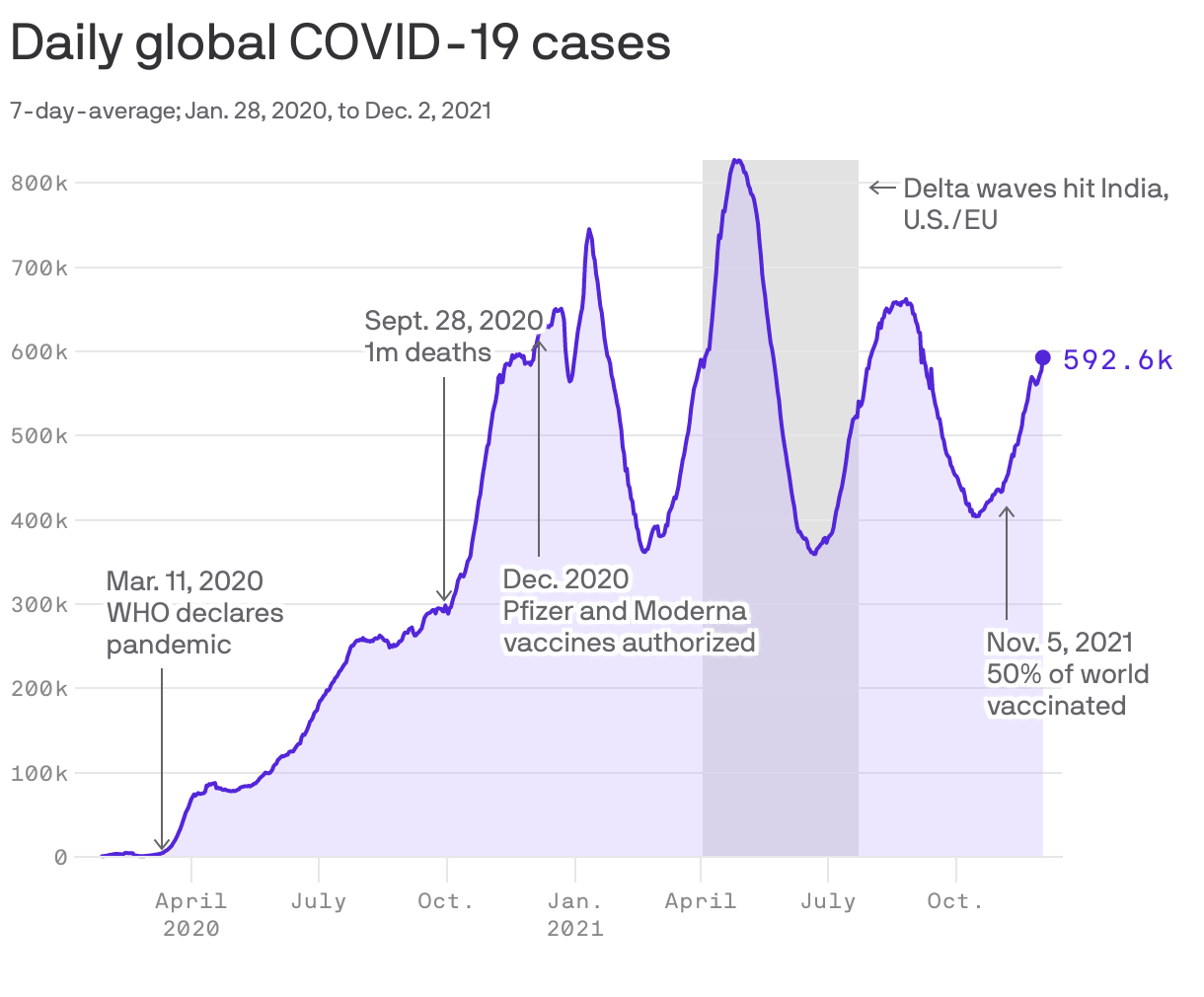
Two years ago Wednesday, the first case of a mysterious new respiratory disease was discovered in Wuhan, China. Now, the Omicron variant has deepened concerns about just how much longer the coronavirus pandemic will last.
The big picture: More than 5 million people have died since that first case. Most people on earth have lived through some form of lockdown. 54% of the global population has had at least one vaccination, though the shots have been distributed unevenly.