Any future real-world conflict between the United States and an adversary like China or Russia will have direct impacts on regular Americans because of the risk of cyber attack, Kevin Mandia, CEO of cybersecurity company FireEye, tells "Axios on HBO."
What they're saying: "The next conflict where the gloves come off in cyber, the American citizen will be dragged into it, whether they want to be or not. Period."
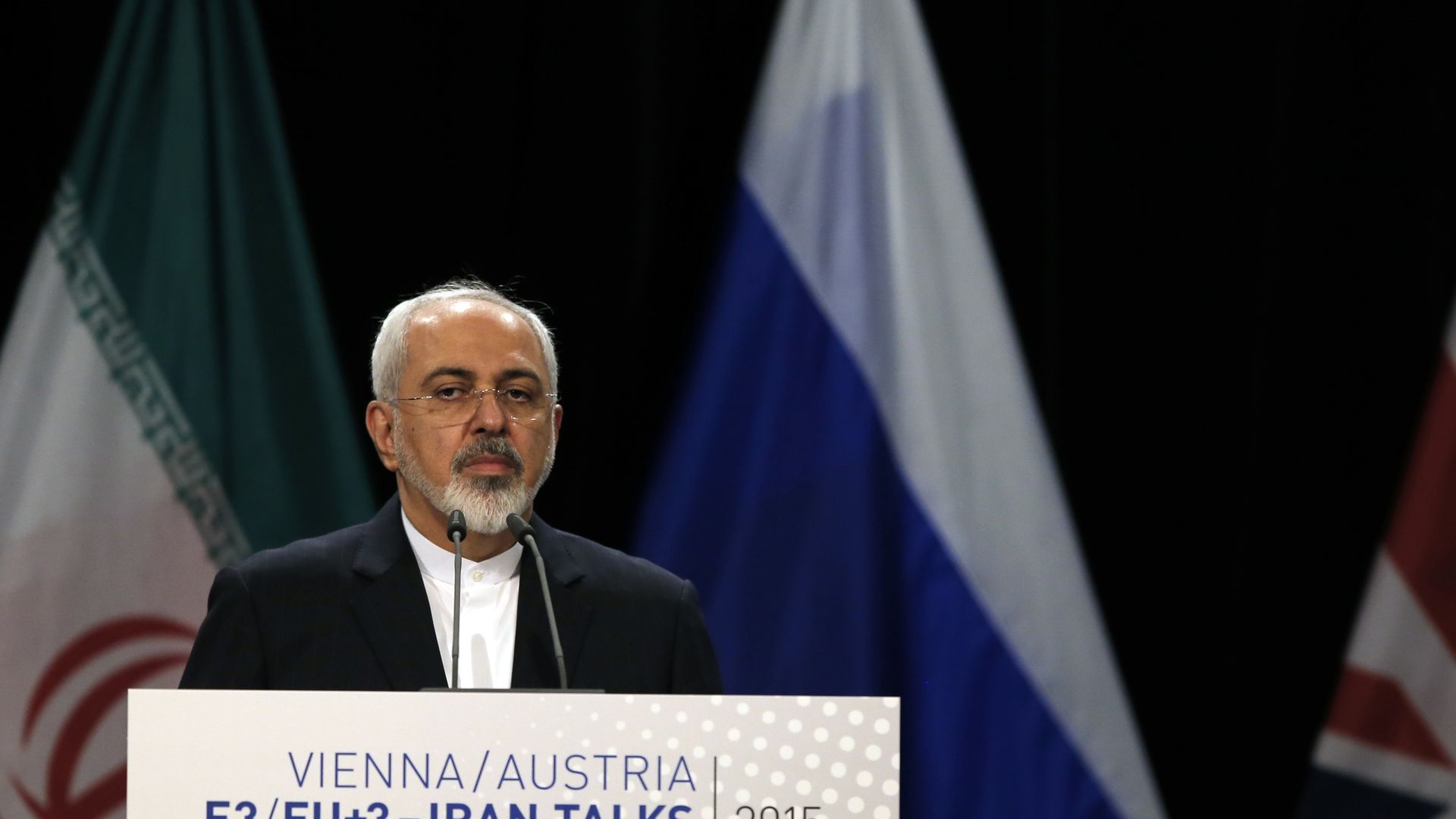
A spokesman for Iran’s Foreign Ministry said on Sunday that conditions are not ripe for informal nuclear talks between Iran, the U.S. and other world powers.
Why it matters: The Biden administration had proposed the talks as part of its efforts to negotiate a path back to the 2015 nuclear deal. The White House expressed disappointment with Iran's response, but said it remained willing to engage with Tehran.
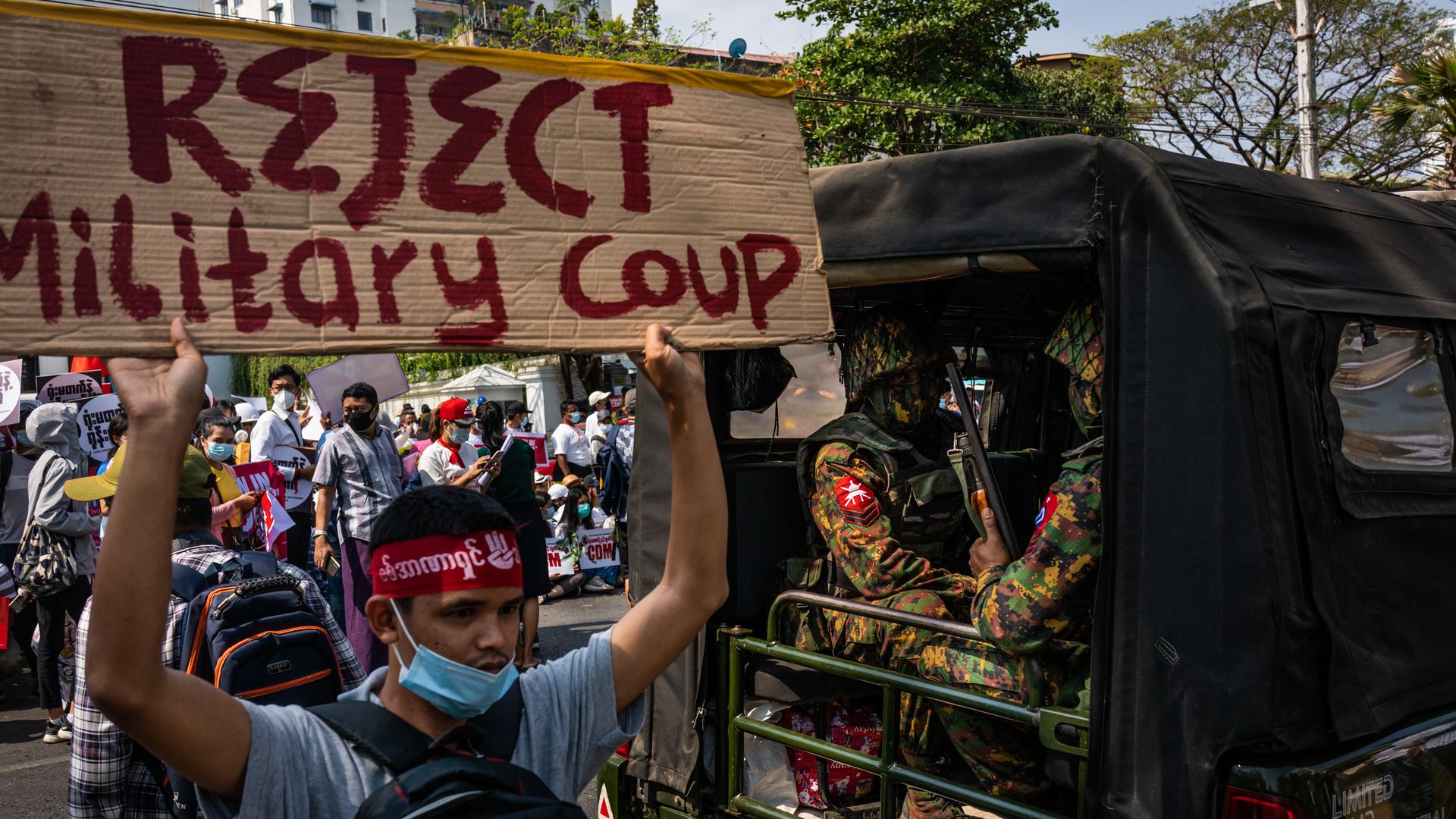
At least 18 people were killed and 30 more injured during protests in Myanmar on Sunday, according to the United Nations Human Rights Office in a statement reported by CNN.
Driving the news: The New York Times reported it was the "largest single-day toll" since the coup on Feb. 1, in which the military forced out the civilian government led by Daw Aung San Suu Kyi.
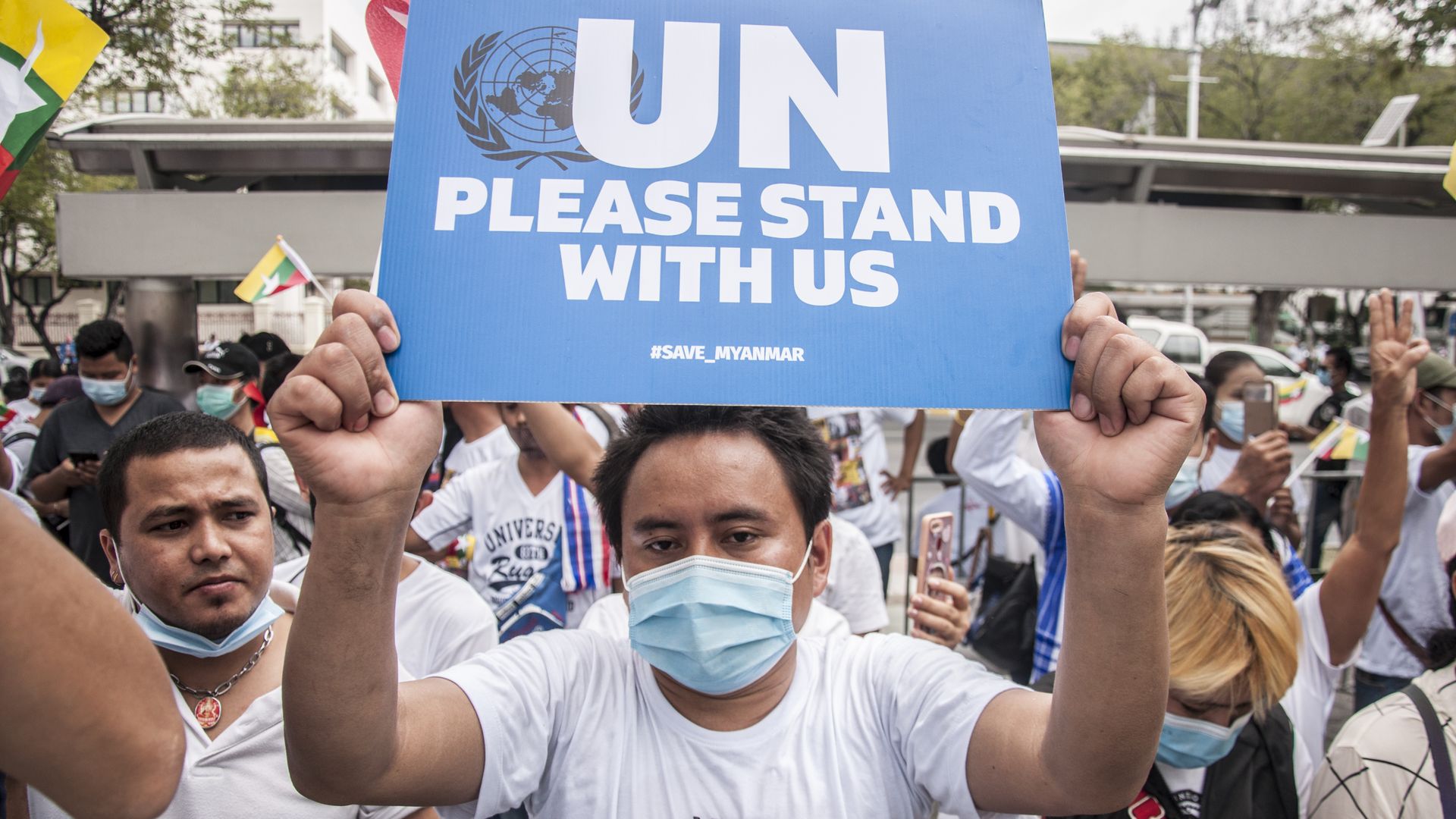
Myanmar's military regime on Saturday fired the country's ambassador to the United Nations, Kyaw Moe Tun, a day after he gave a pro-democracy speech asking UN member nations to publicly condemn the Feb. 1 coup, The New York Times reports.
The latest: Kyaw Moe Tun told Reuters later on Saturday, "I decided to fight back as long as I can."
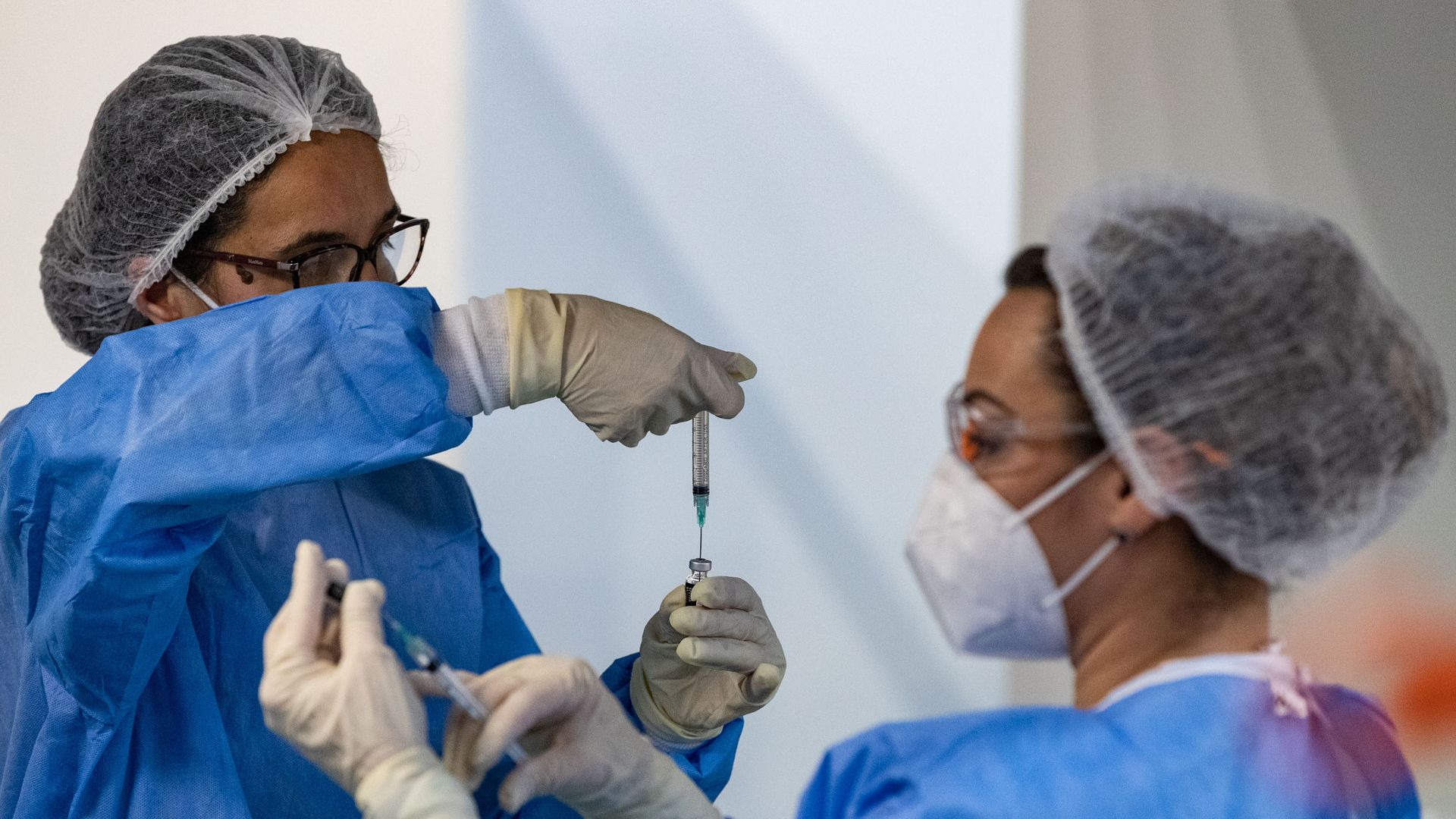
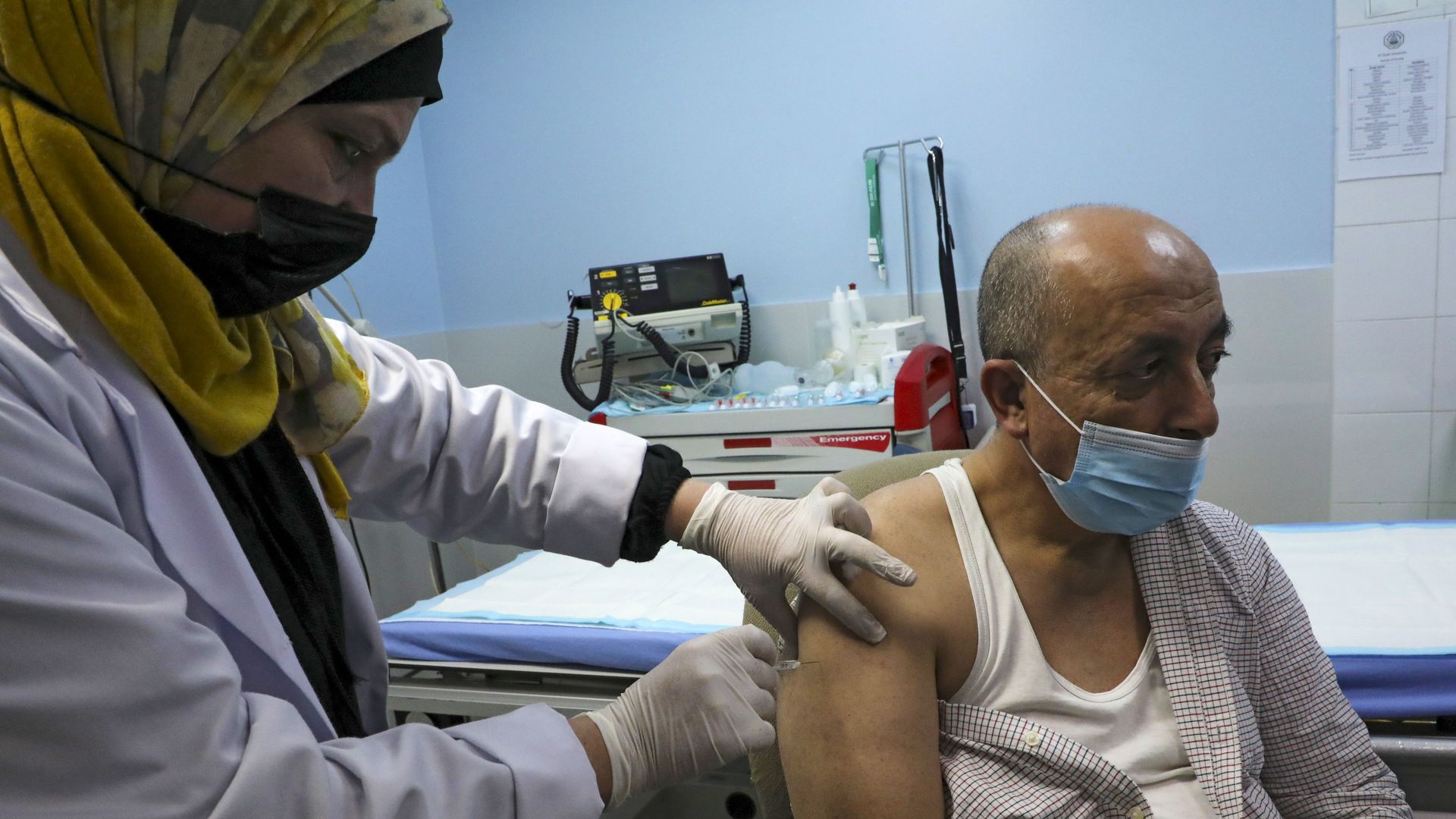
The Palestinian Authority on Saturday announced fresh coronavirus restrictions, including a partial lockdown, for the occupied West Bank as COVID-19 cases surge.
The big picture: The new measures come as Israel, which leads the world in vaccinations, faces increased pressure to ensure Palestinians in the occupied West Bank and Gaza Strip have equal access to vaccines.
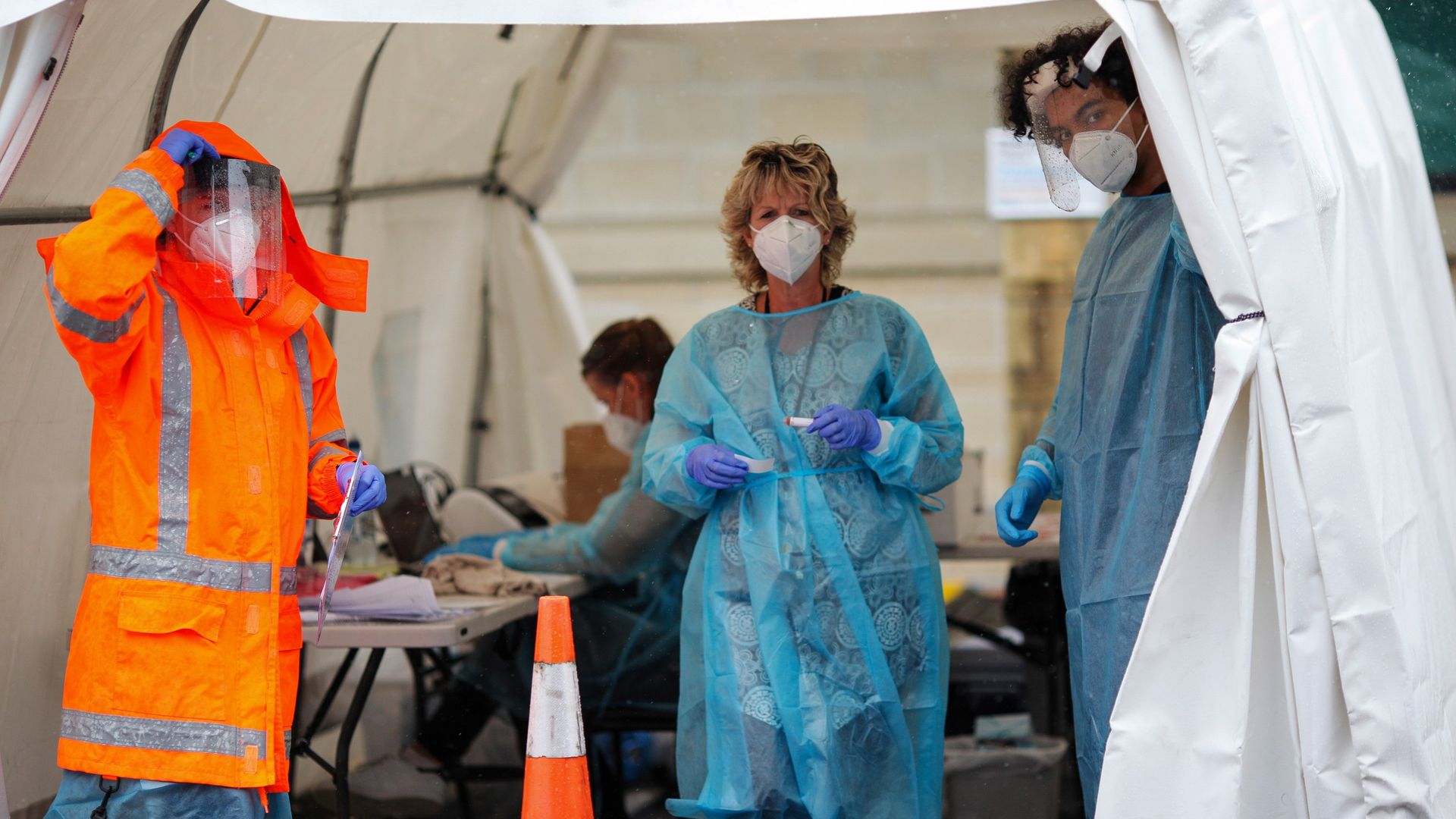
New Zealand's largest city Auckland will enter a seven-day coronavirus lockdown starting Sunday after a new local case of the virus was discovered, Prime Minister Jacinda Ardern announced.
Why it matters: The action comes roughly two weeks after the city of 2 million residents entered a three-day lockdown over a cluster of the more transmissible UK variant that was reported in the city.
The southeastern region of Iran on Saturday reported internet disruptions following demonstrations against Monday's fatal border shootings, AP reports.
The big picture: Iran has a history of suppressing freedom of speech, association and assembly, according to Amnesty International. Internet blackouts are now common around the world when power hangs in the balance, Axios' Dave Lawler and Sara Fischer write.
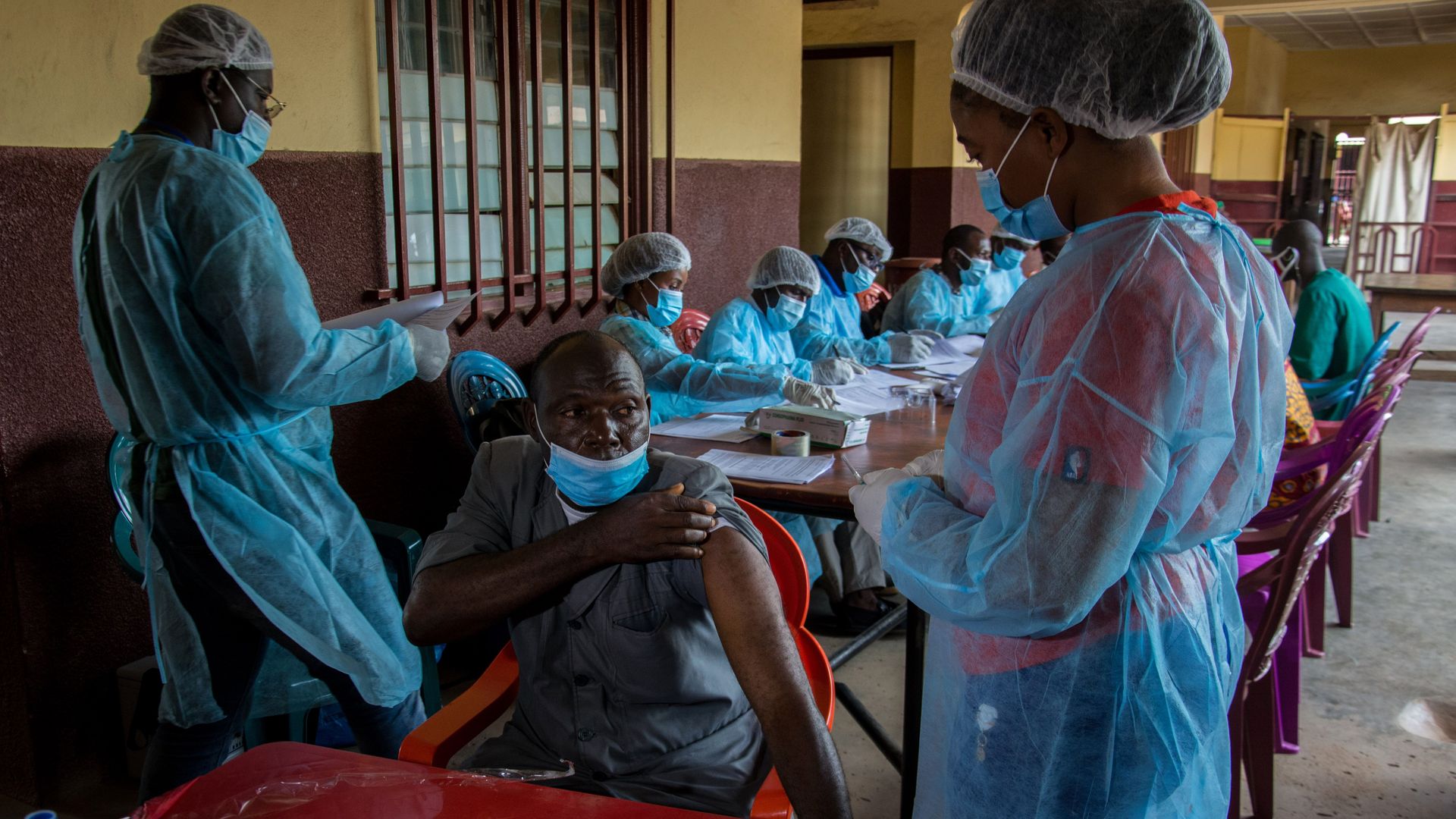
The Centers for Disease Control and Prevention on Friday announced travel restrictions on people coming to the U.S. from Guinea and the Democratic Republic of Congo, both of which are fighting outbreaks of the Ebola virus, according to the United Nations.
The state of play: Starting next week, flights from those countries will be directed to six U.S. airports, where airlines are directed to collect and provide passenger information. The CDC will monitor new arrivals who were in the DRC or Guinea during the previous 21 days.
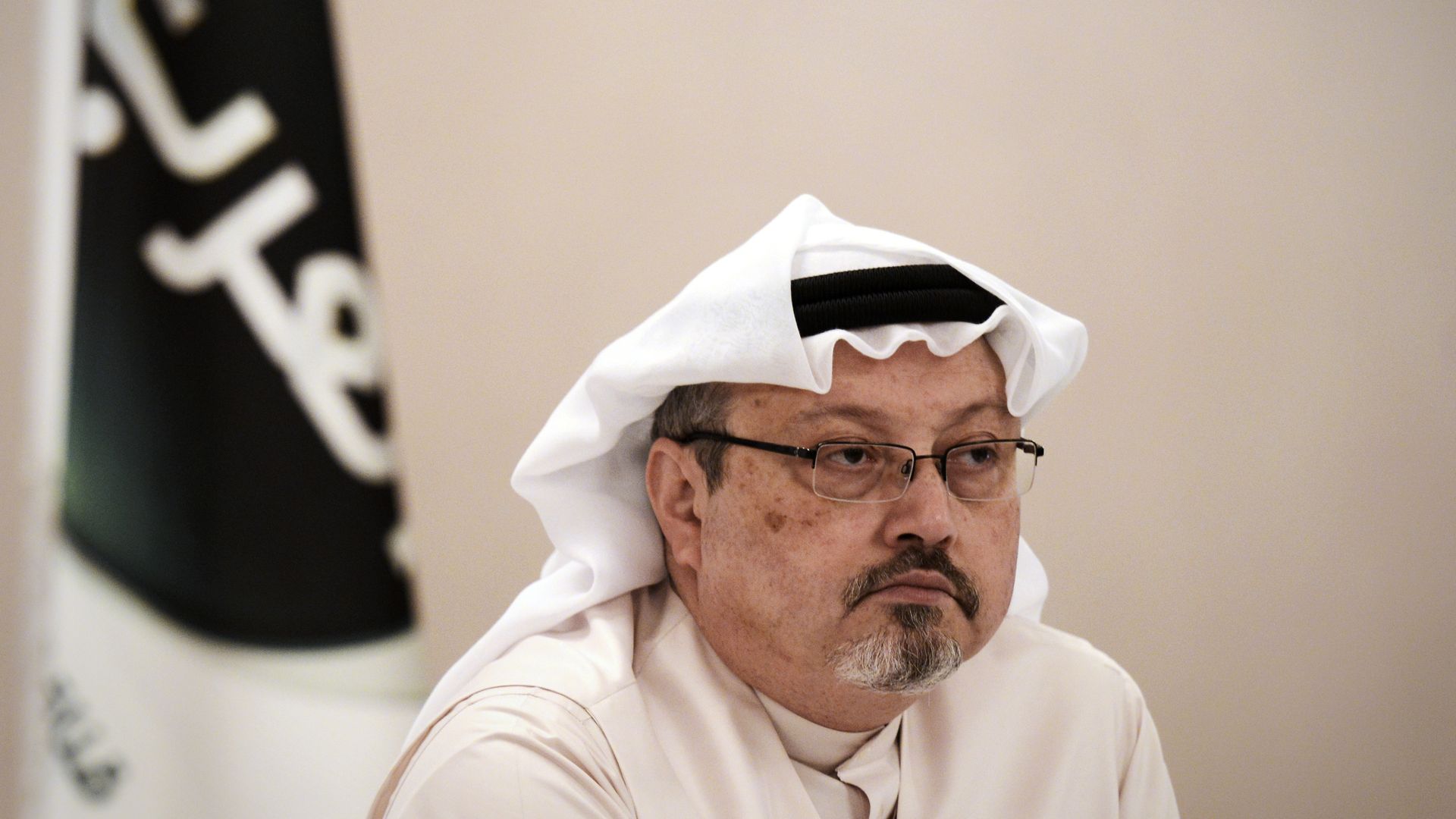
Biden administration officials on Friday announced visa restrictions and other sanctions on specific Saudi Arabian citizens in connection with the 2018 murder of journalist Jamal Khashoggi.
Yes, but: While the Office of the Director of National Intelligence on Friday released an unclassified report assessing that Saudi Crown Prince Mohammed bin Salman approved the operation to "capture or kill" Khashoggi, the Biden administration declined to directly target MBS.
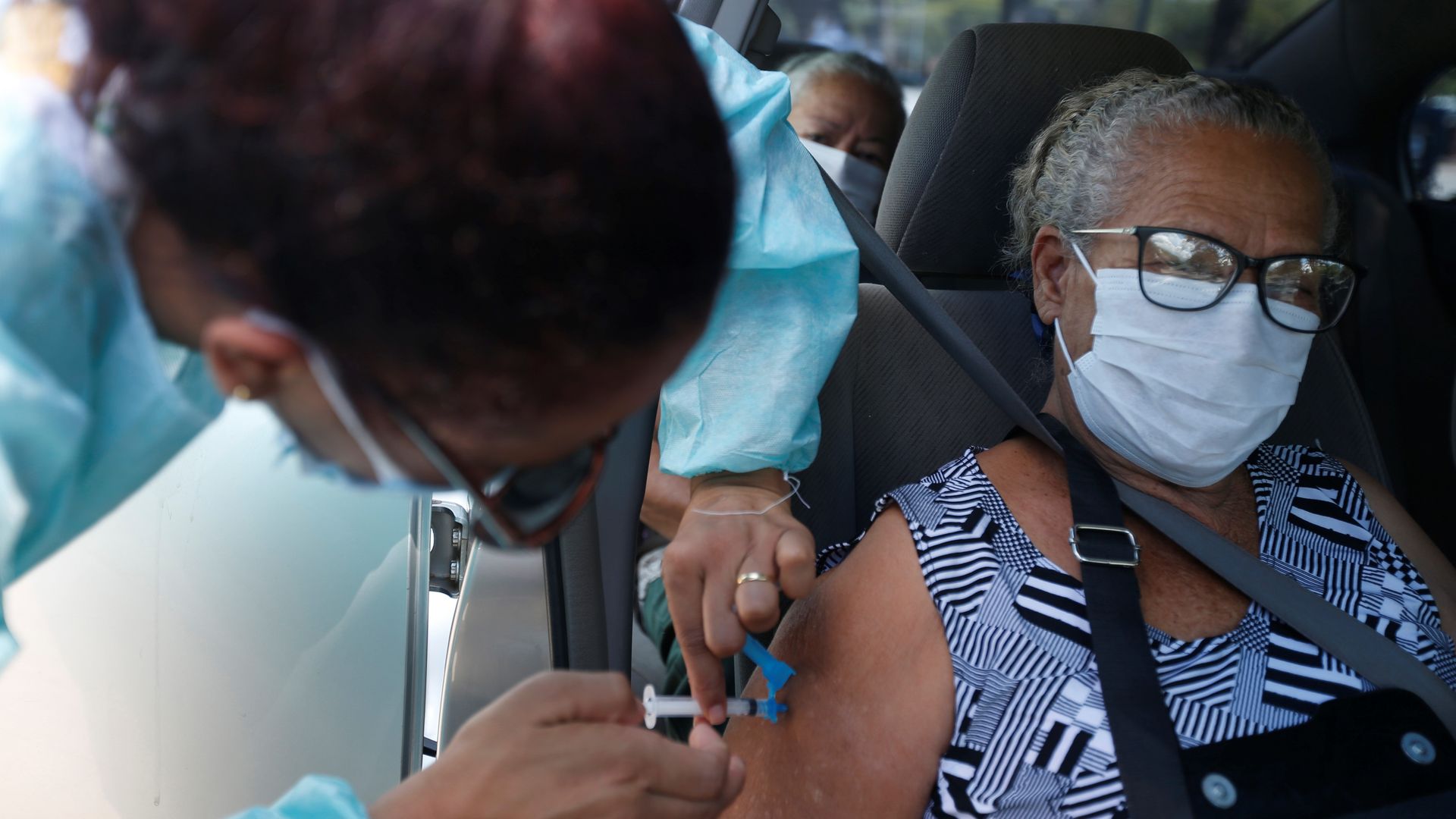
The Brazilian capital of Brasilia will enter a 24-lockdown on Saturday as coronavirus cases and hospitalizations surge, Reuters reports.
Why it matters: Hospitals in Brasilia, the third-largest city in Brazil, have struggled to keep up with hospitalizations from the virus. More than 80% of the city's intensive care beds are occupied, according to Reuters.