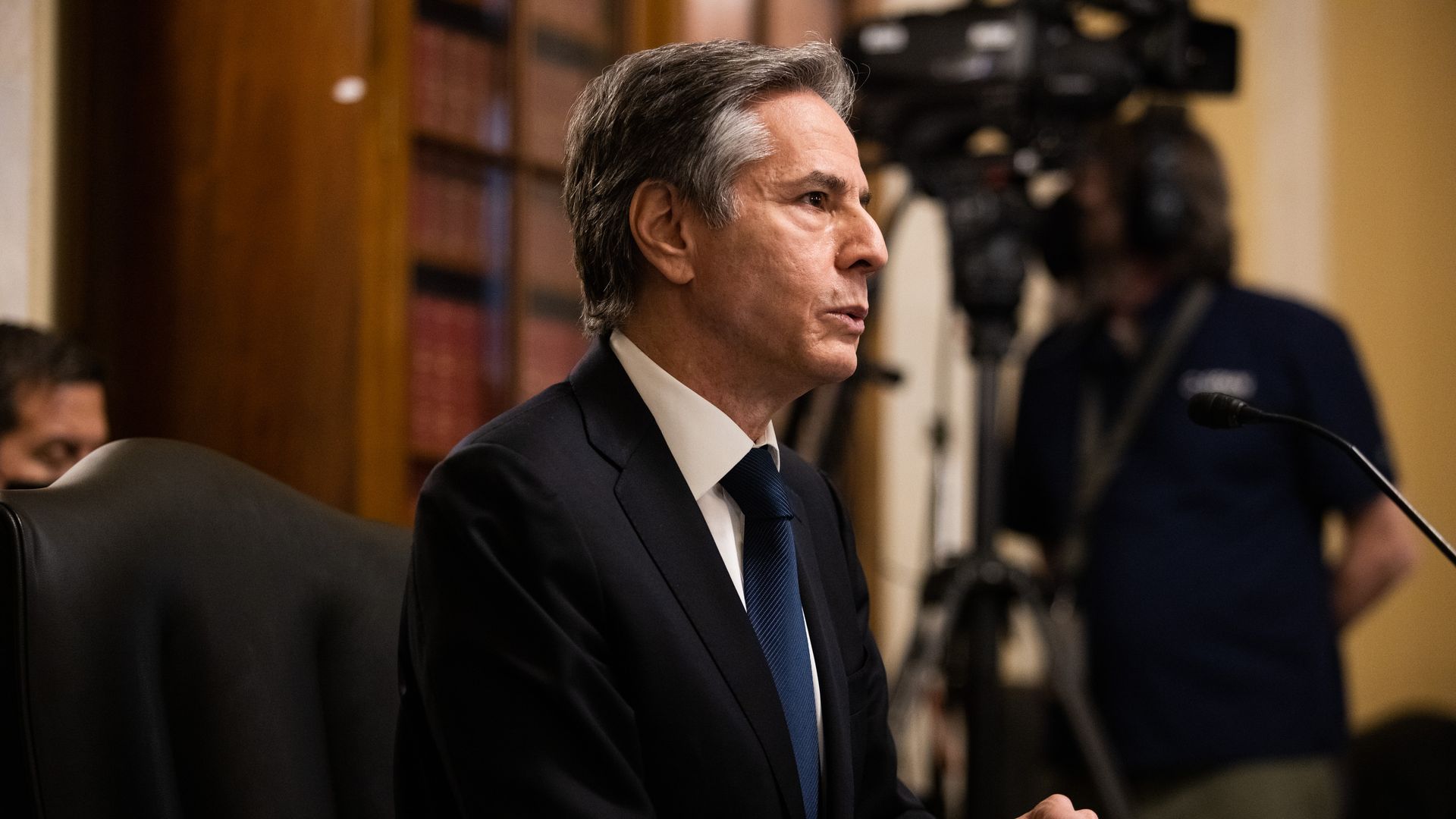
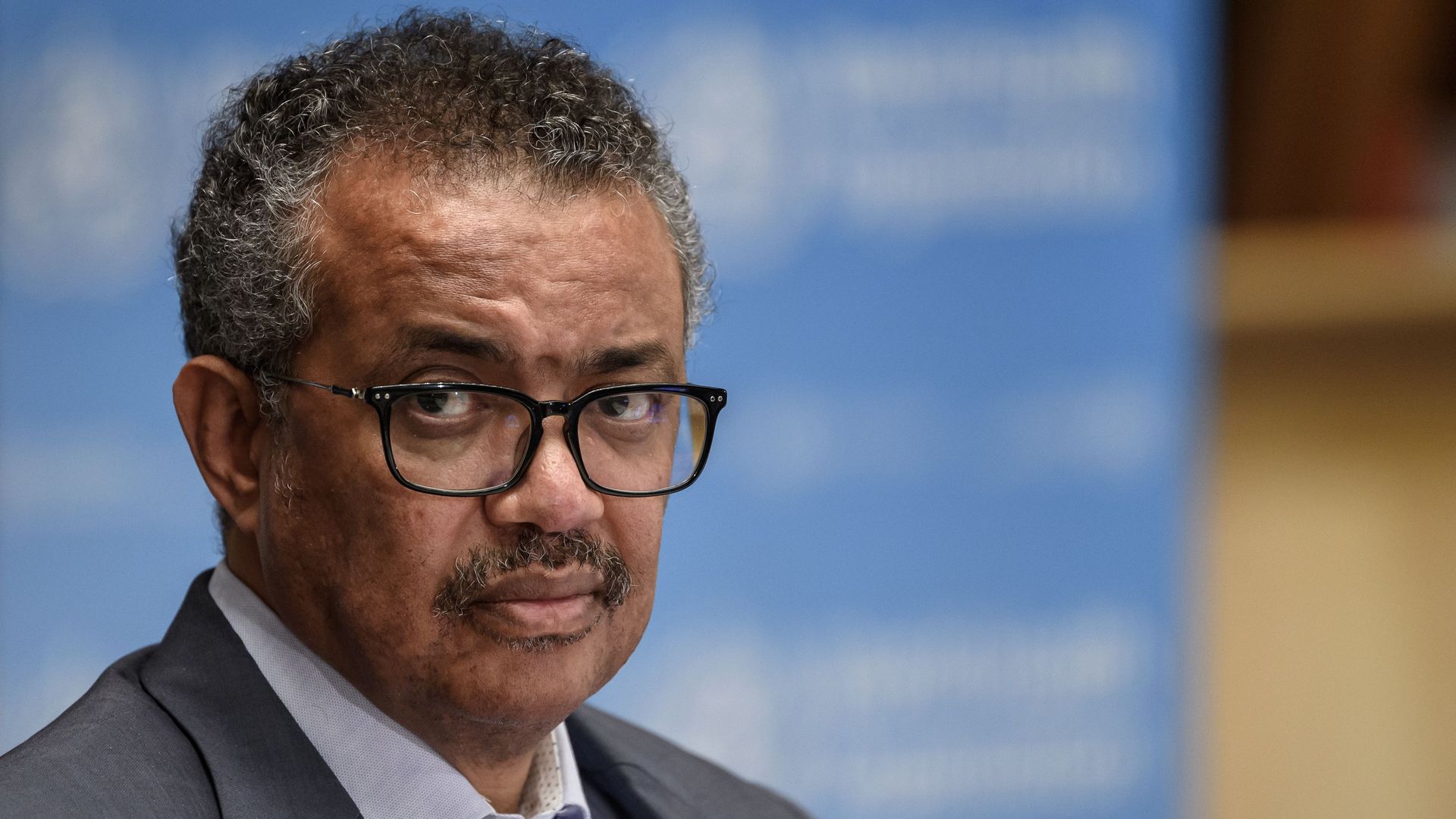
Secretary of State designate Tony Blinken announced in a confirmation hearing on Tuesday that President-elect Biden would bring the U.S. into the COVAX initiative — the global effort from the World Health Organization and other groups to ensure that every country has access to COVID-19 vaccines.
Why it matters: Virtually the entire world has signed onto COVAX, apart from the U.S. and Russia. It's expected to be the only source of vaccines for some of the world's poorest countries, and it needs additional funding to fulfill its goal of vaccinating at least 20% of the population in every country by the end of 2021.
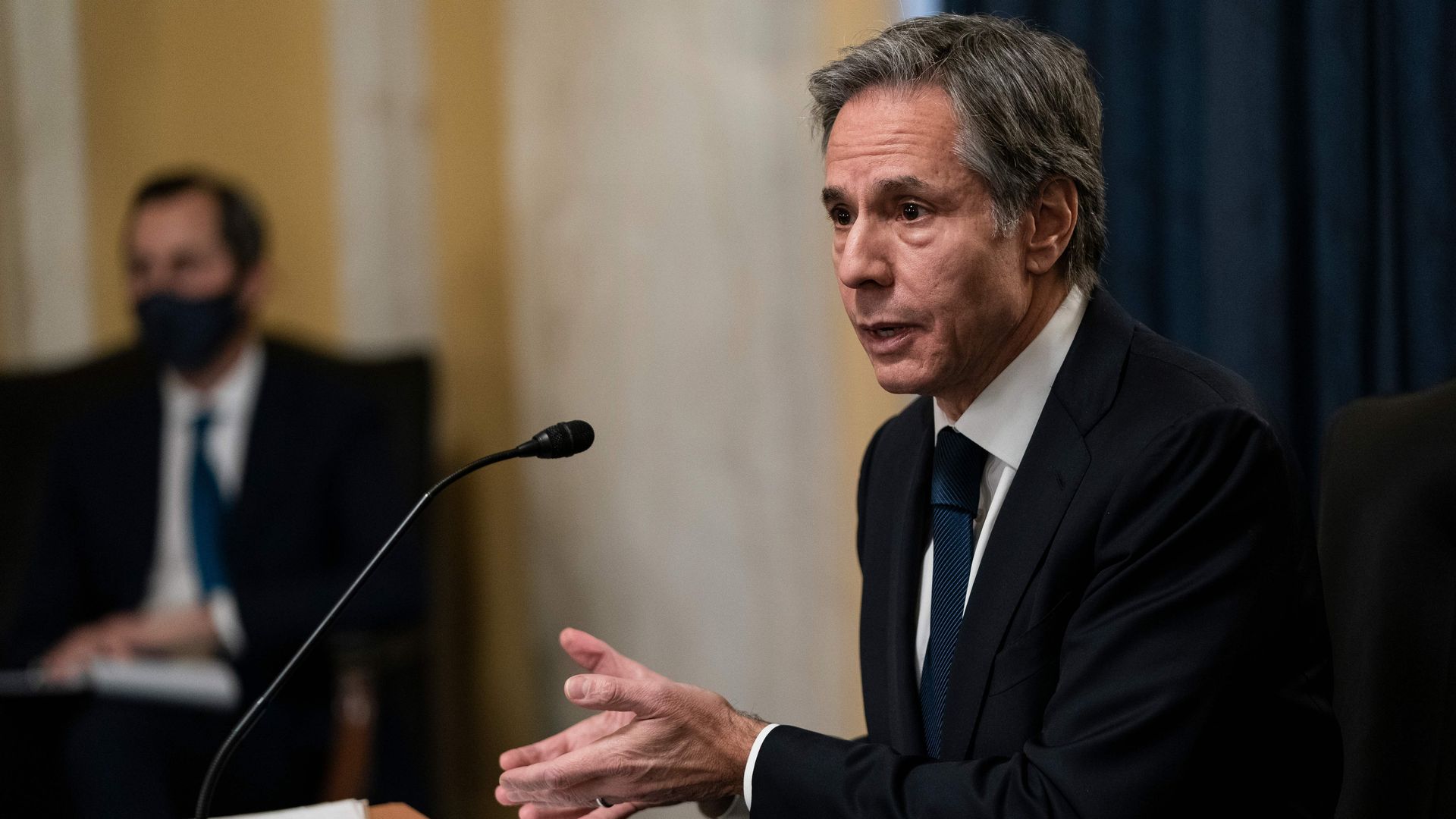
Secretary of State designate Tony Blinken said in his confirmation hearing on Tuesday that the Biden administration is "a long way" from executing its plan to return to the Iran nuclear deal, and he plans to consult with Israel and the Gulf states before doing so.
Why it matters: America's partners in the Middle East have been publicly raising their concerns about a possible return to the 2015 agreement and calling on the Biden administration to consult with them first.
Secretary of State nominee Tony Blinken said at a confirmation hearing on Tuesday that it was “extraordinary how frightened Vladimir Putin seems to be of one man” — Alexey Navalny.
Why it matters: Russia’s most prominent opposition figure, Navalny, returned to Russia on Sunday and was swiftly arrested. He spent the previous five months recovering in Germany after being poisoned with the nerve agent Novichok. His detention poses an early foreign policy challenge for the Biden administration.
Joe Biden's inauguration will be greeted with enthusiasm in Europe, with three new polls making clear that most Europeans can't wait to bid Donald Trump adieu.
The big picture: Europeans generally expect brighter days ahead under Biden, according to the polls, but his election has not fully assuaged doubts about U.S. democracy and global leadership.
Russian opposition leader Alexei Navalny was recently arrested in Moscow, just months after being poisoned in an assassination attempt, in what could become Joe Biden’s first major foreign policy test.
Axios Re:Cap speaks with Bill Browder, an investor and author who has his own history of clashing with Putin, to better understand the Navalny situation and how the U.S. might respond by using a law that Browder helped create.
Early indicators suggest the Biden administration may continue to pursue a robust China strategy that reaches across multiple government departments and agencies.
Why it matters: Though the Trump administration's approach to China was often controversial, there is broad bipartisan agreement that China poses a major challenge to U.S. interests and values.
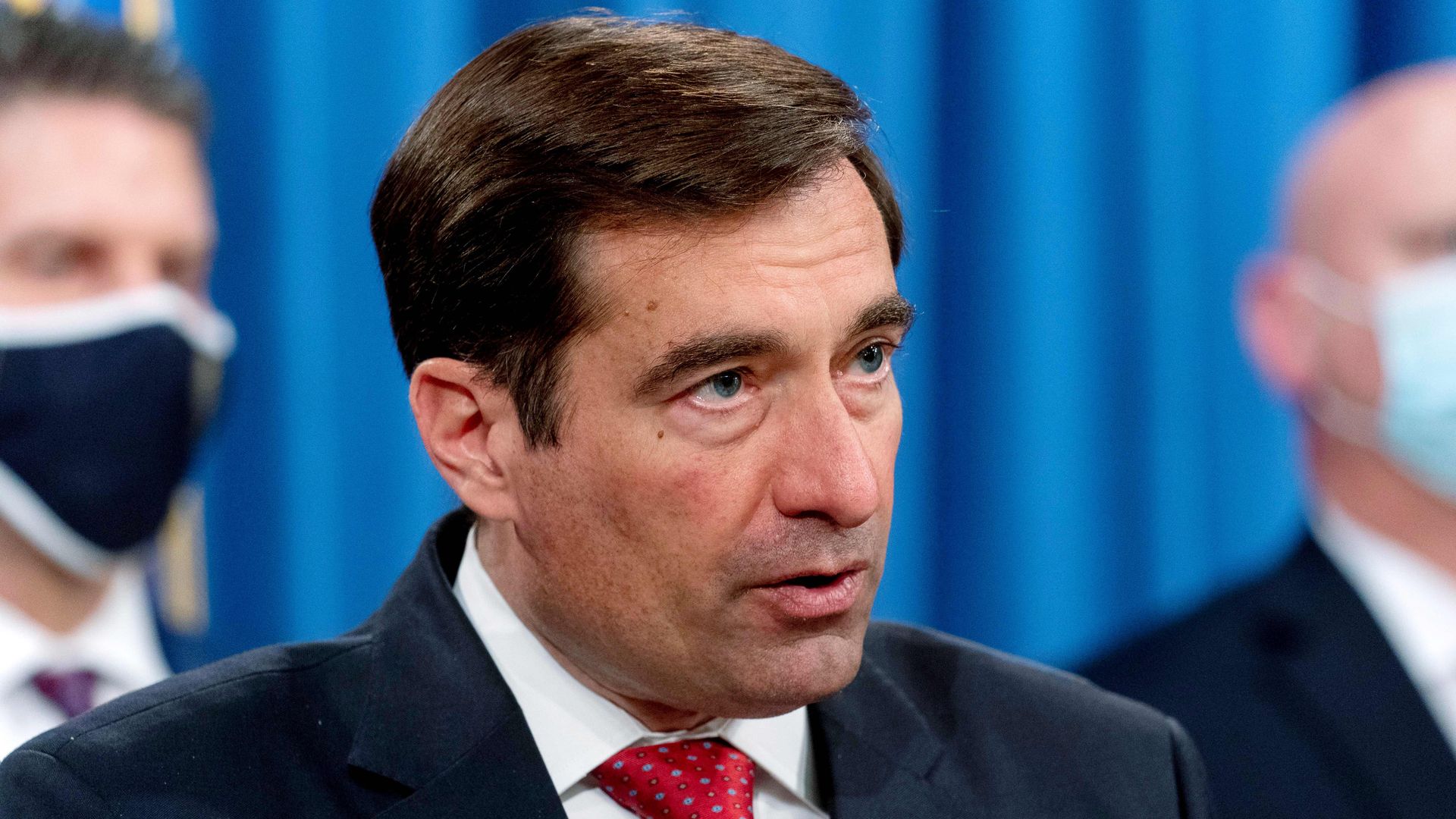
John Demers, the assistant attorney general at the Department of Justice's National Security Division who leads the department's China Initiative, spoke with Axios about his view on the initiative's progress since its launch in 2018 and what he hopes to see in the coming year as Biden assumes office.
The big picture: The China Initiative made headlines with dozens of major indictments but also sparked controversy over its targeting of scientists with links to the Chinese government.
President Trump began his term by launching the trade war with China he had promised on the campaign trail. By mid-2020, however, Trump was no longer the public face of China policy-making as he became increasingly consumed with domestic troubles, giving his top aides carte blanche to pursue a cascade of tough-on-China policies.
Why it matters: Trump alone did not reshape the China relationship. But his trade war shattered global norms, paving the way for administration officials to pursue policies that just a few years earlier would have been unthinkable.
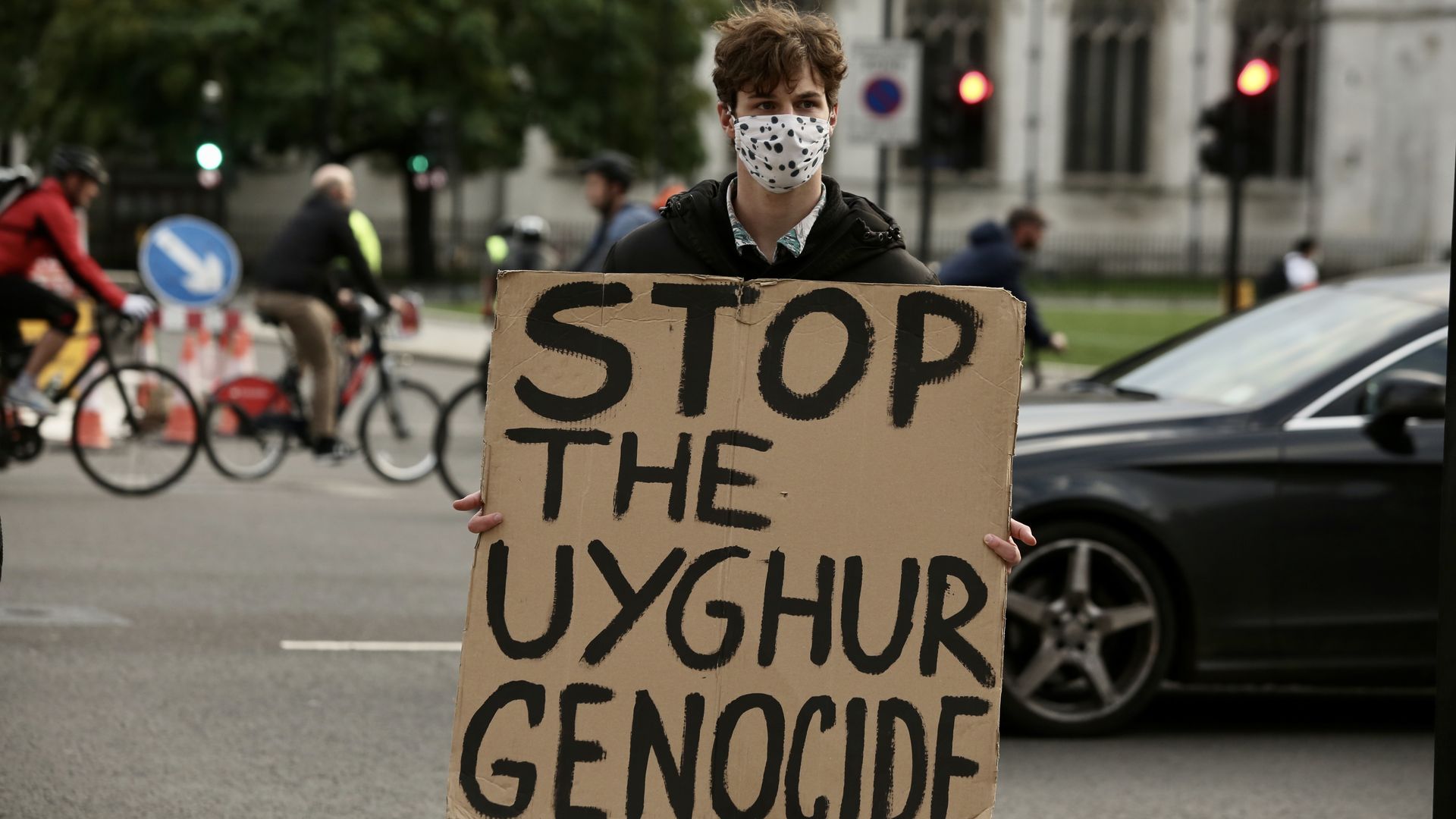
With just one day left in President Trump's term, Secretary of State Mike Pompeo has officially determined that China's campaign of mass internment, forced labor and forced sterilization of over 1 million Muslim minorities in Xinjiang constitutes "genocide" and "crimes against humanity."
Why it matters: The U.S. has become the first country to adopt these terms to describe the Chinese Communist Party's gross human rights abuses in its far northwest.
Donald Trump has one day left in the White House. TikTok has a lot longer left in the app stores, despite still being owned by China's ByteDance.
Why it matters: Trump's failure to force divestiture or eviction was more than just a blunder, or source of schadenfreude for the TikTok users who bedeviled his reelection campaign's event planners. It was part of a "talk loudly and carry a small stick" economic policy toward China that Joe Biden will inherit.
World Health Organization chief Tedros Adhanom Ghebreyesus warned Monday the world is "on the brink of a catastrophic moral failure" because of unequal COVID-19 vaccine distribution.
Why it matters: Tedros noted during an executive session that 39 million vaccine doses had been administered in 49 higher-income countries, while one lowest-income nation had "just 25 doses."