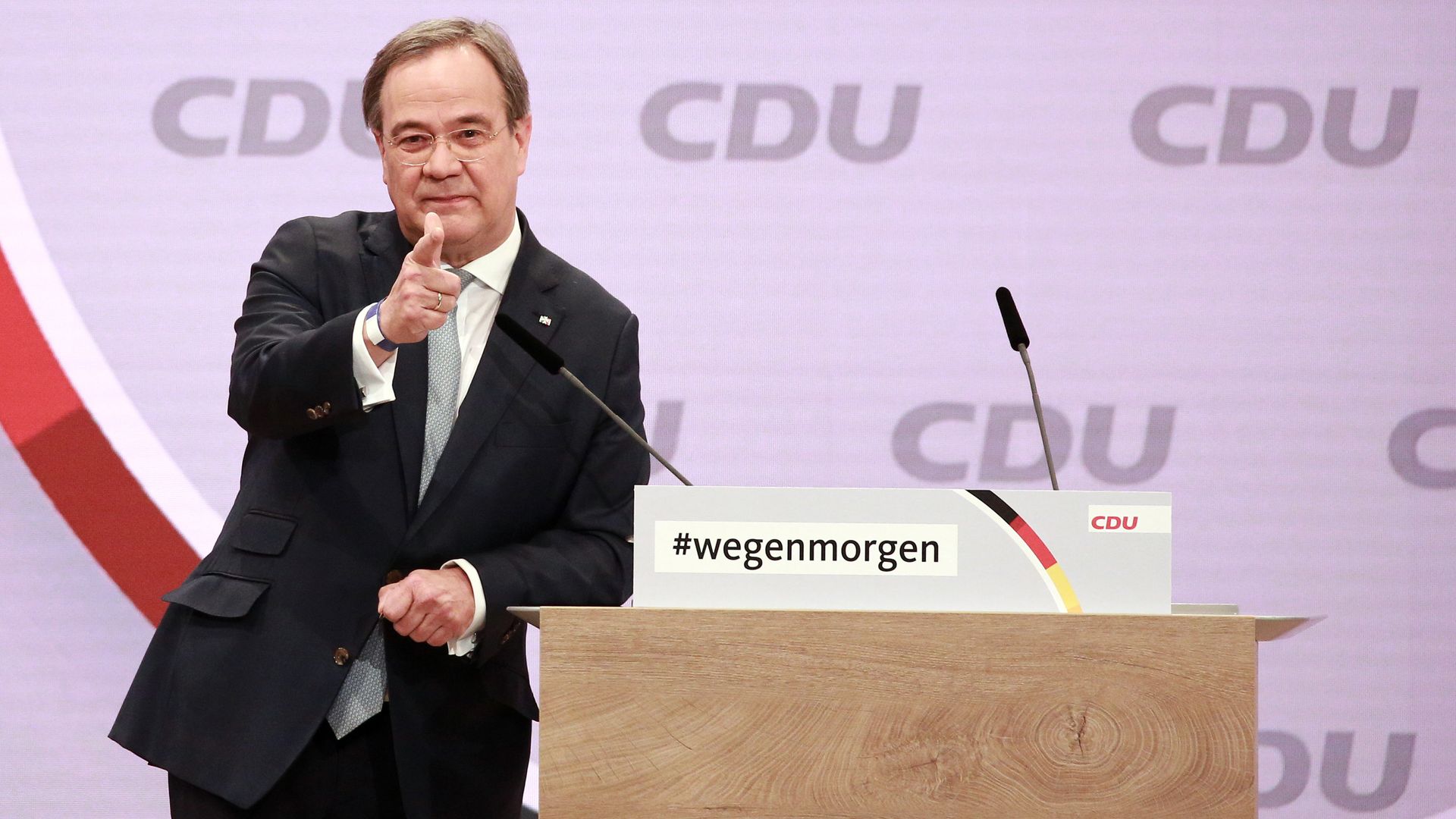
The race to lead Germany's Christian Democratic Union (CDU) came down to a conservative, a modernizer and a continuity candidate.
What happened: The party of Angela Merkel opted for continuity on Sunday, picking North Rhine-Westphalia Governor Armin Laschet, a centrist Merkel ally. With Merkel set to step down later this year after 16 years in power, Laschet is now the frontrunner to lead the German center-right into September's elections.
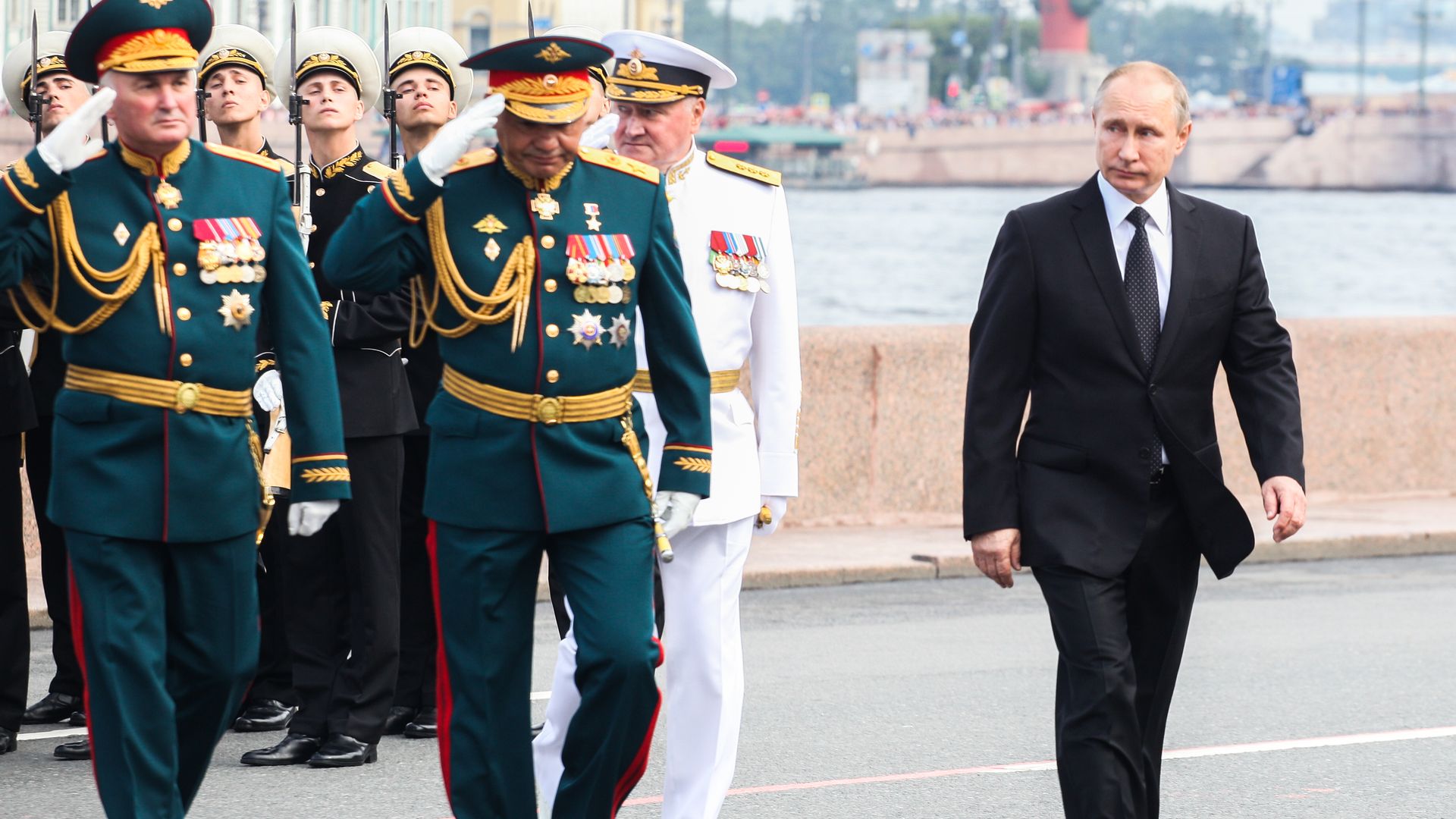
President Biden will seek a five-year extension of the New START nuclear arms control pact with Russia before it expires on Feb. 5, senior officials told the Washington Post.
Why it matters: The 2010 treaty is the last remaining constraint on the arsenals of the world's two nuclear superpowers, limiting the number of deployed nuclear warheads and the bombers, missiles and submarines which can deliver them.
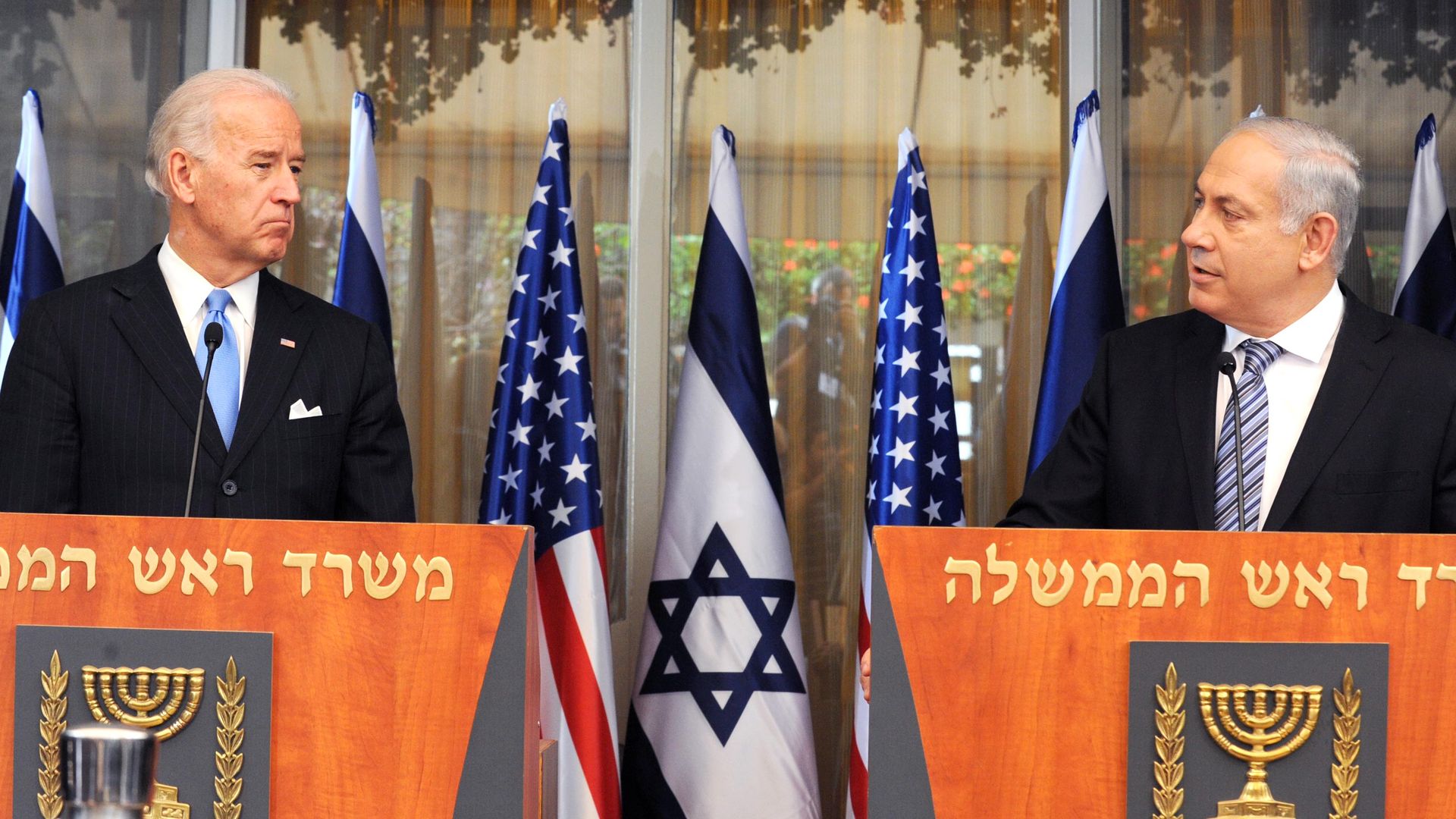
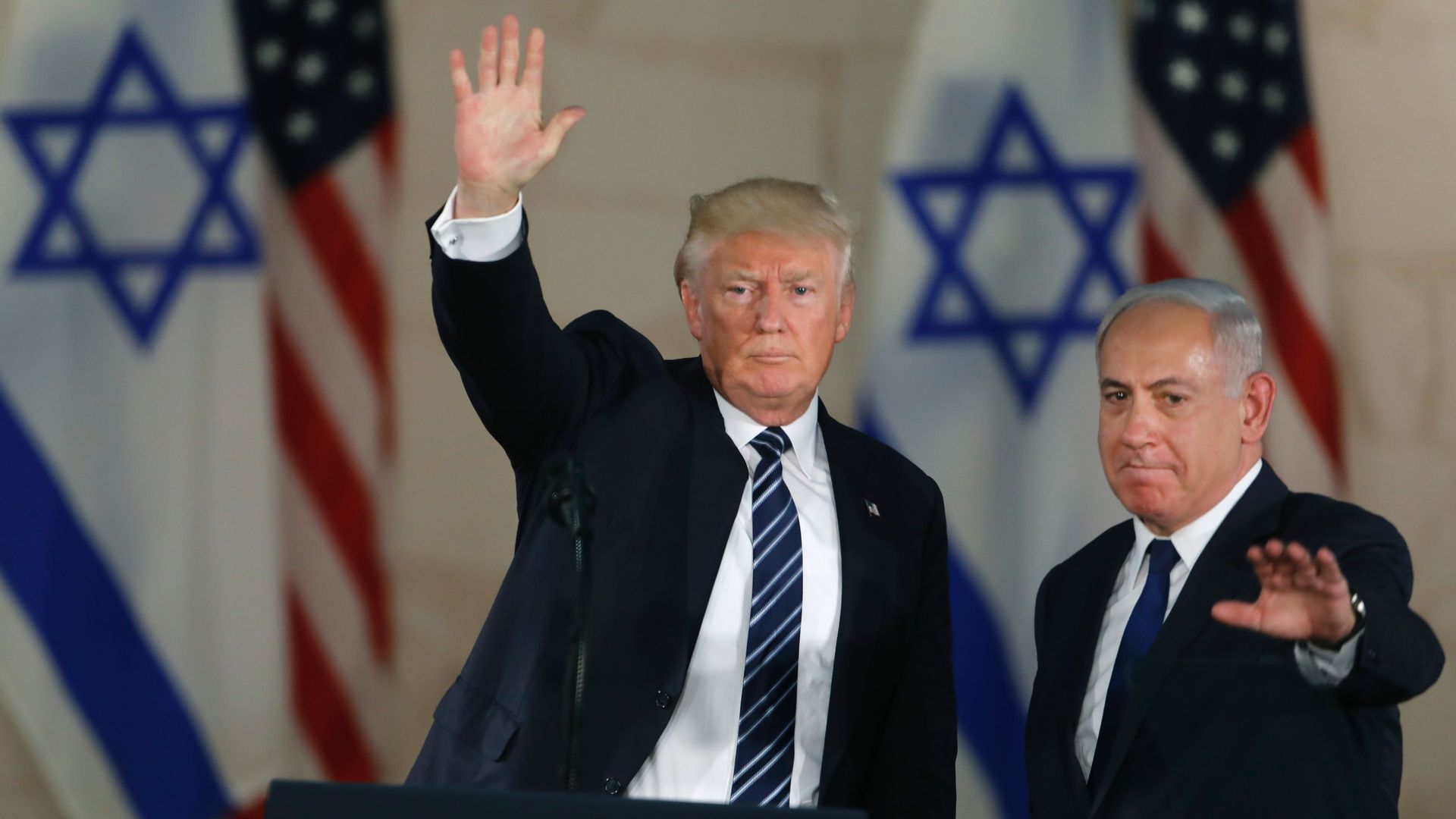
Prime Minister Benjamin Netanyahu and his close aides are very nervous about the transition to a new U.S. administration after a four-year honeymoon with Donald Trump. One Israeli official told me it felt like going through detox.
What he's saying: Netanyahu congratulated Biden minutes after he was sworn in, saying in a statement that he looked forward to working together to "continue expanding peace between Israel and the Arab world and to confront common challenges, chief among them the threat posed by Iran."
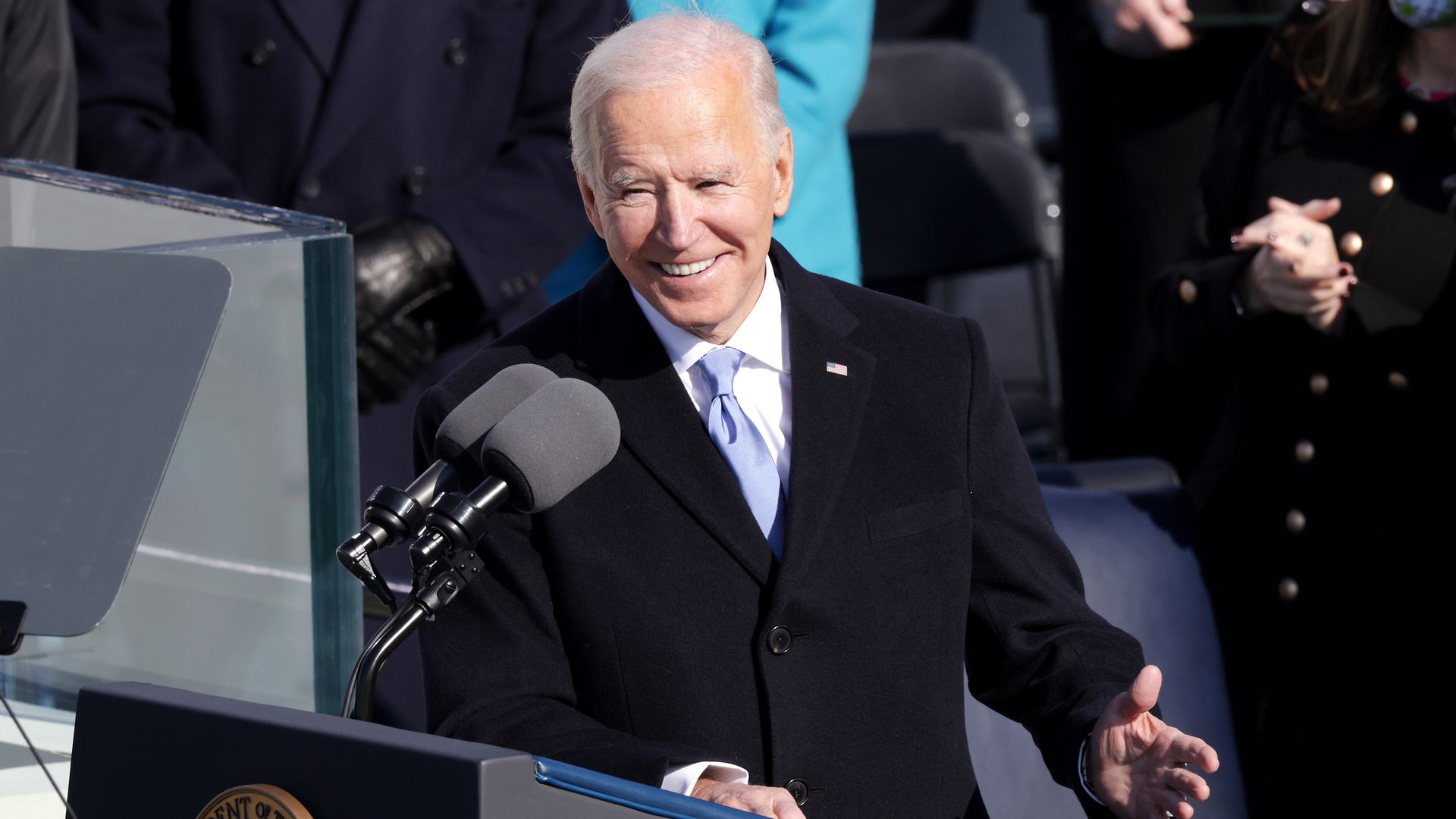
World leaders have pledged to work with President Biden on issues including the COVID-19 pandemic and climate change, with many praising his move to begin the formal process for the U.S. to rejoin the Paris Climate Agreement.
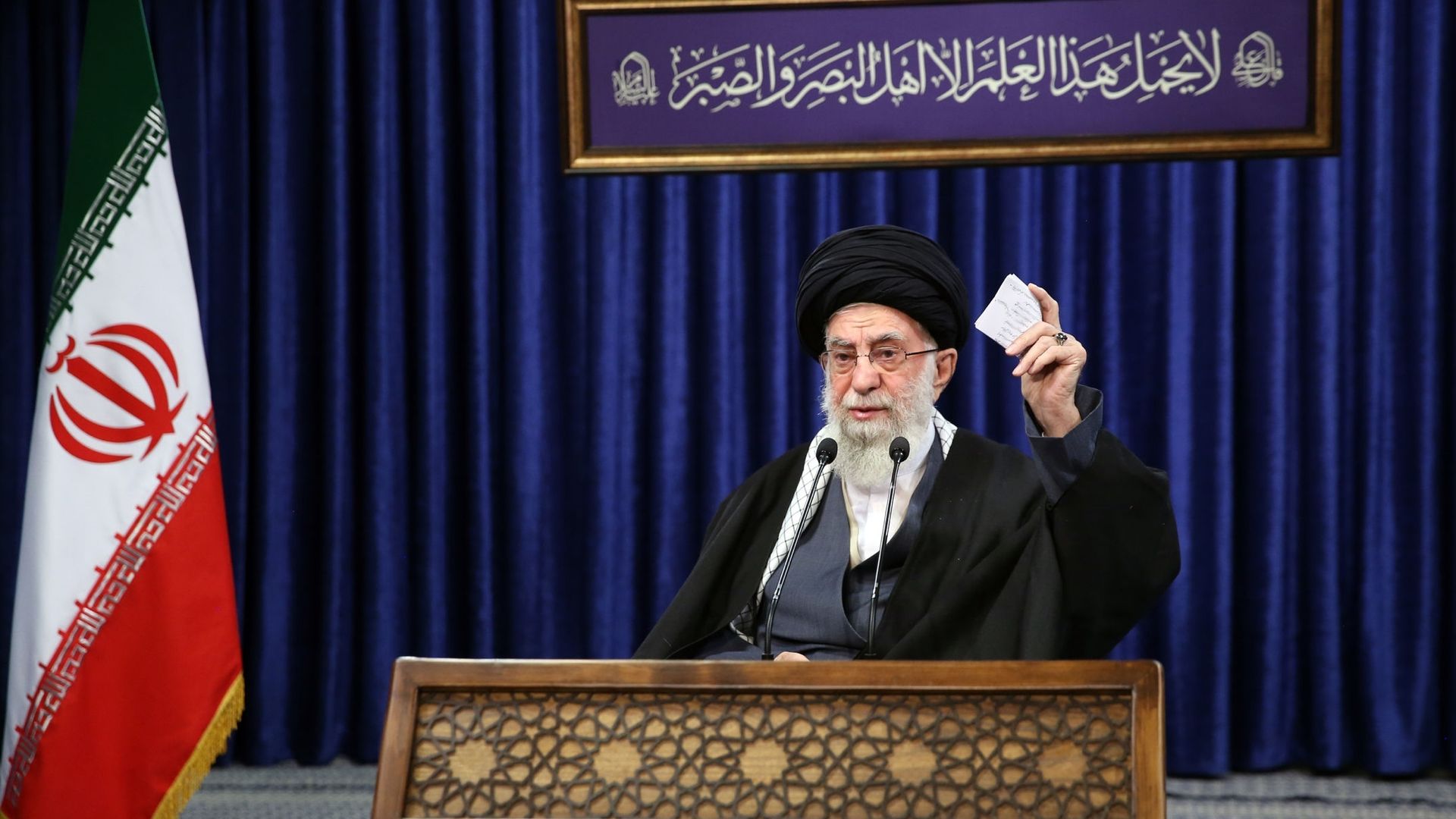
Iran has been accumulating bargaining chips and laying out its strategy for engagement with Joe Biden, who arrives in office promising to return the U.S. to the 2015 nuclear deal if Iran returns to compliance.
Why it matters: Recent statements from Iran's leaders indicate that they're willing to strike such a deal. But the sides differ over who will have to make the first move, and when.
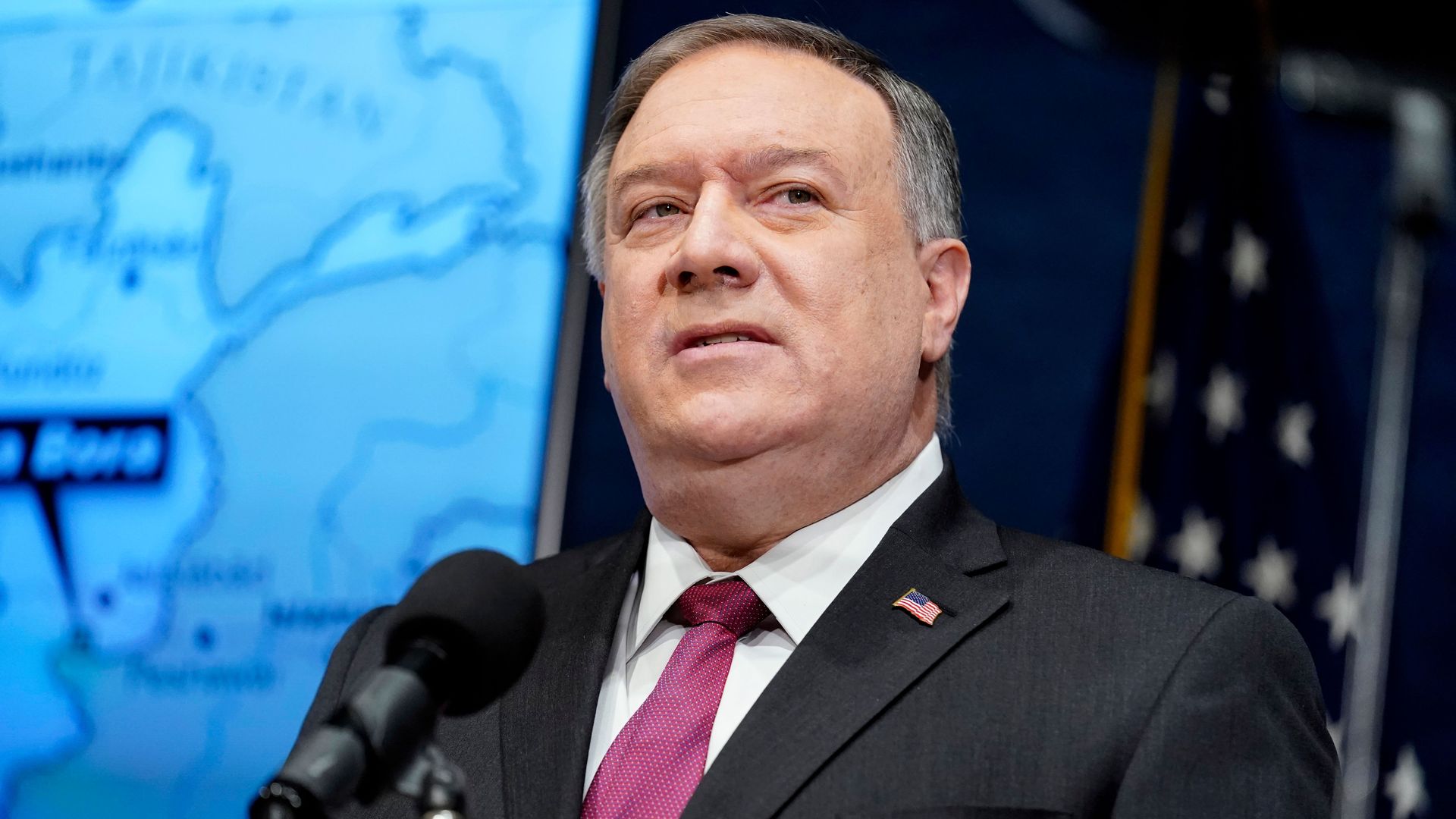
China's Foreign Ministry announced Wednesday it would sanction 28 "anti-China" U.S. politicians, including a slew of top officials from the outgoing Trump administration such as former Secretary of State Mike Pompeo, former national security adviser John Bolton and former chief strategist Steve Bannon.
Between the lines, via Axios China expert Bethany Allen-Ebrahimian: Chinese government officials have traditionally decried the use of unilateral sanctions by Western countries, even though China regularly blocks foreign companies and individuals from its markets for perceived political slights.
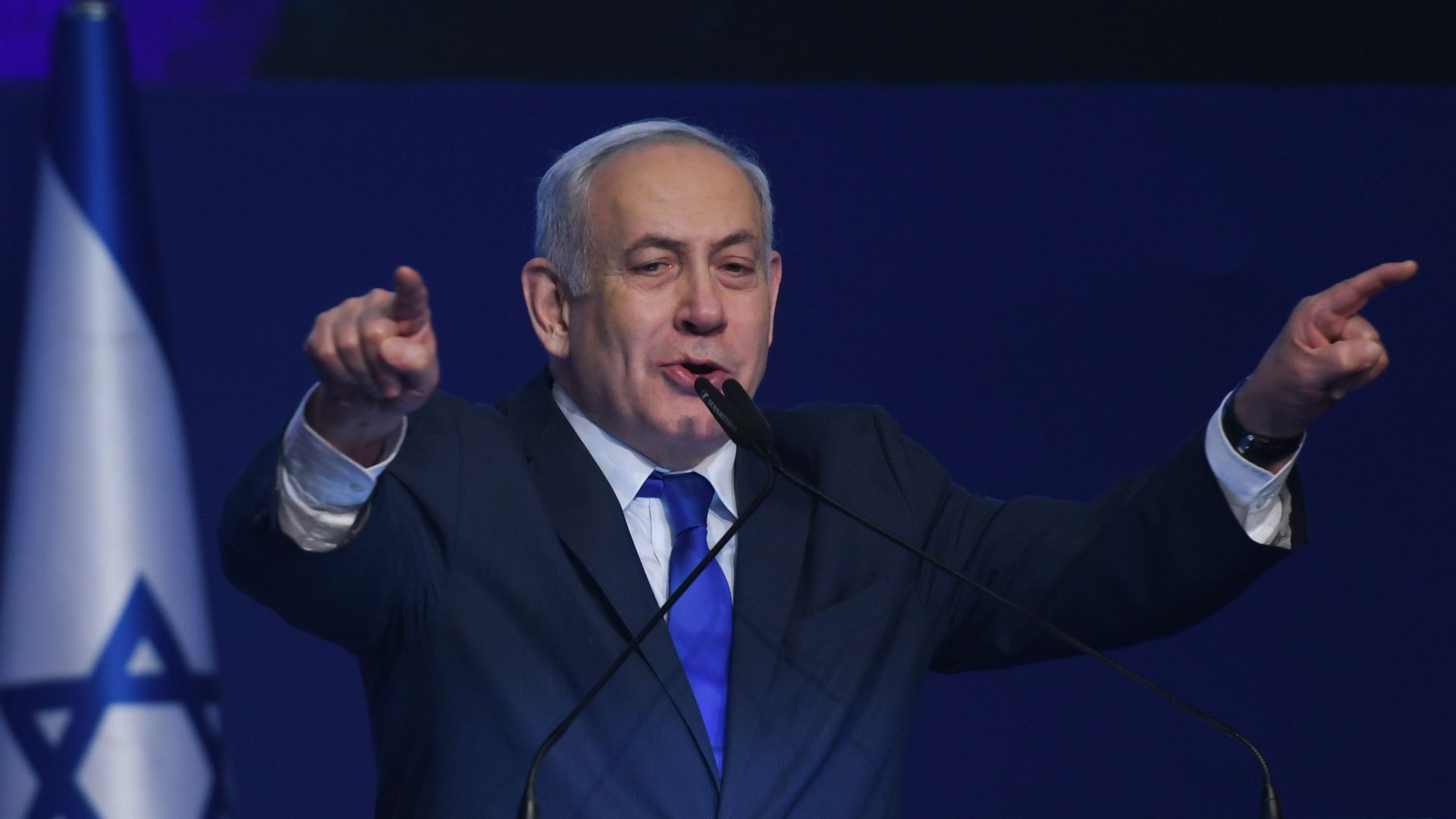
Prime Minister Netanyahu and his main rival, Gideon Saar, will both have Republican strategists running their campaigns ahead of the elections on March 23.
Why it matters: The competition between Netanyahu and Saar’s American advisers will be an extension of the rivalry inside the Republican Party between the pro-Trump and "never Trump" camps.
Israeli Prime Minister Benjamin Netanyahu attempted to execute a “Hail Mary” decision to legalize dozens of illegal settler outposts deep in the West Bank one day before Biden’s inauguration. He failed.
Why it matters: The mass legalization of outposts would have been a highly provocative step, broadening Israeli control over land in the West Bank and further reducing the chances of a future peace deal with the Palestinians.
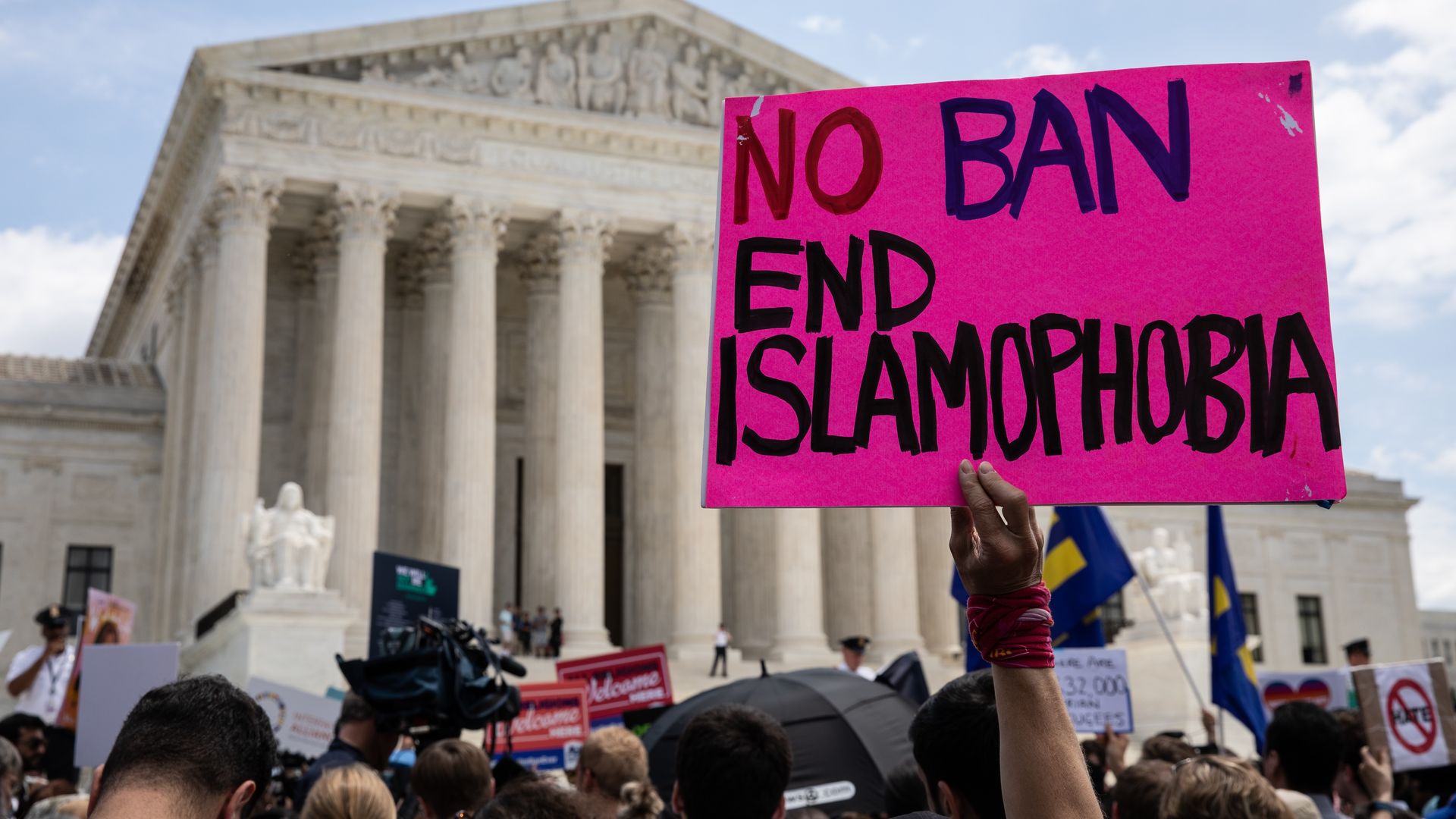
President-elect Biden will reverse President Trump's controversial policy restricting travel for nationals from several Muslim-majority countries.
Why it matters: The ban restricted travel and immigration, to varying degrees, for about 7% of the world's population. Biden previously blamed Trump for the "unconscionable rise in Islamophobia."