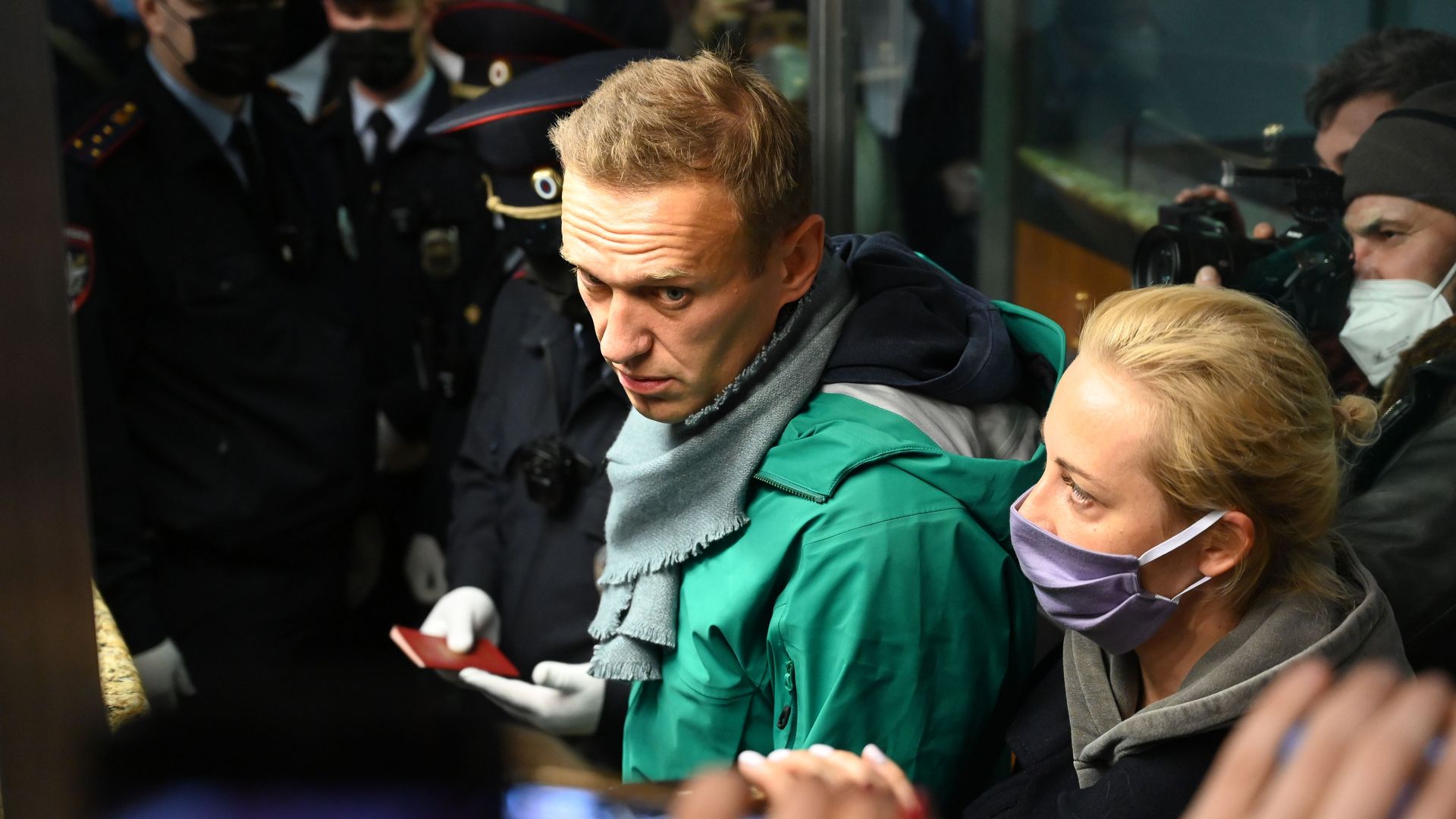
Russian opposition leader Alexey Navalny was detained upon his return to Moscow on Sunday, which came five months after he was poisoned with the nerve agent Novichok. He returned despite being warned that he would be arrested.
The latest: Navalny was stopped at a customs checkpoint and led away alone by officers. He appeared to hug his wife goodbye, and his spokesman reports that his lawyer was not allowed to accompany him.
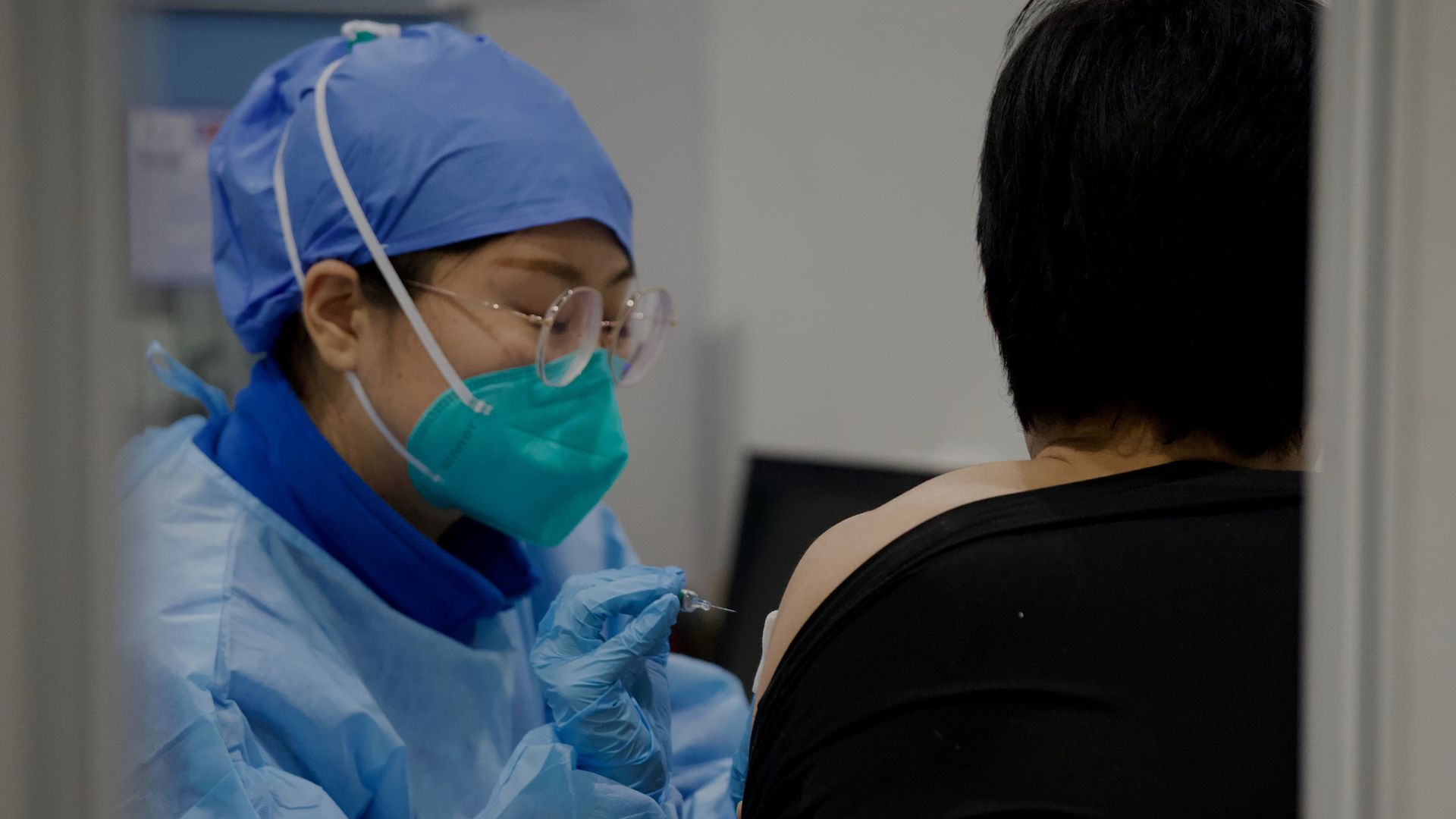
China on Saturday finished a five-day construction project on a 1,500-room hospital as clusters of COVID-19 spread in Beijing and the surrounding provinces.
The state of play: The facility is the one of six hospitals with a total of 6,500 rooms in the works in Nangong, the Xinhua News Agency said Saturday per AP reporting. They are all expected to be completed next week.
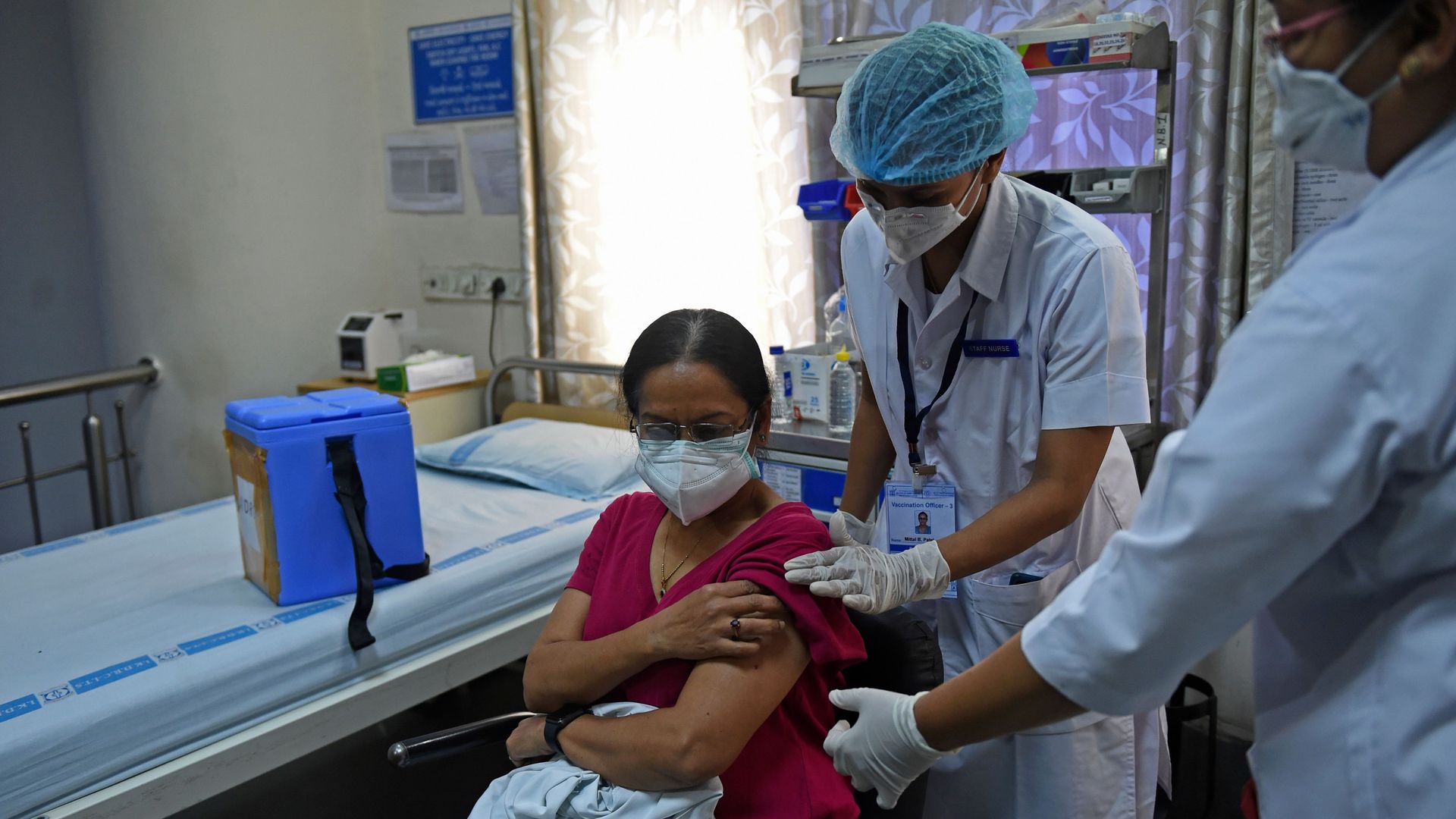
India on Saturday started inoculating medical workers, beginning the country's massive coronavirus vaccination campaign to address the world's second-largest outbreak.
The state of play: Indian Prime Minister Narendra Modi has pledged to vaccinate 300 million health care and frontline workers by July. But it could take years to vaccinate the nation's 1.3 billion people, per NPR.
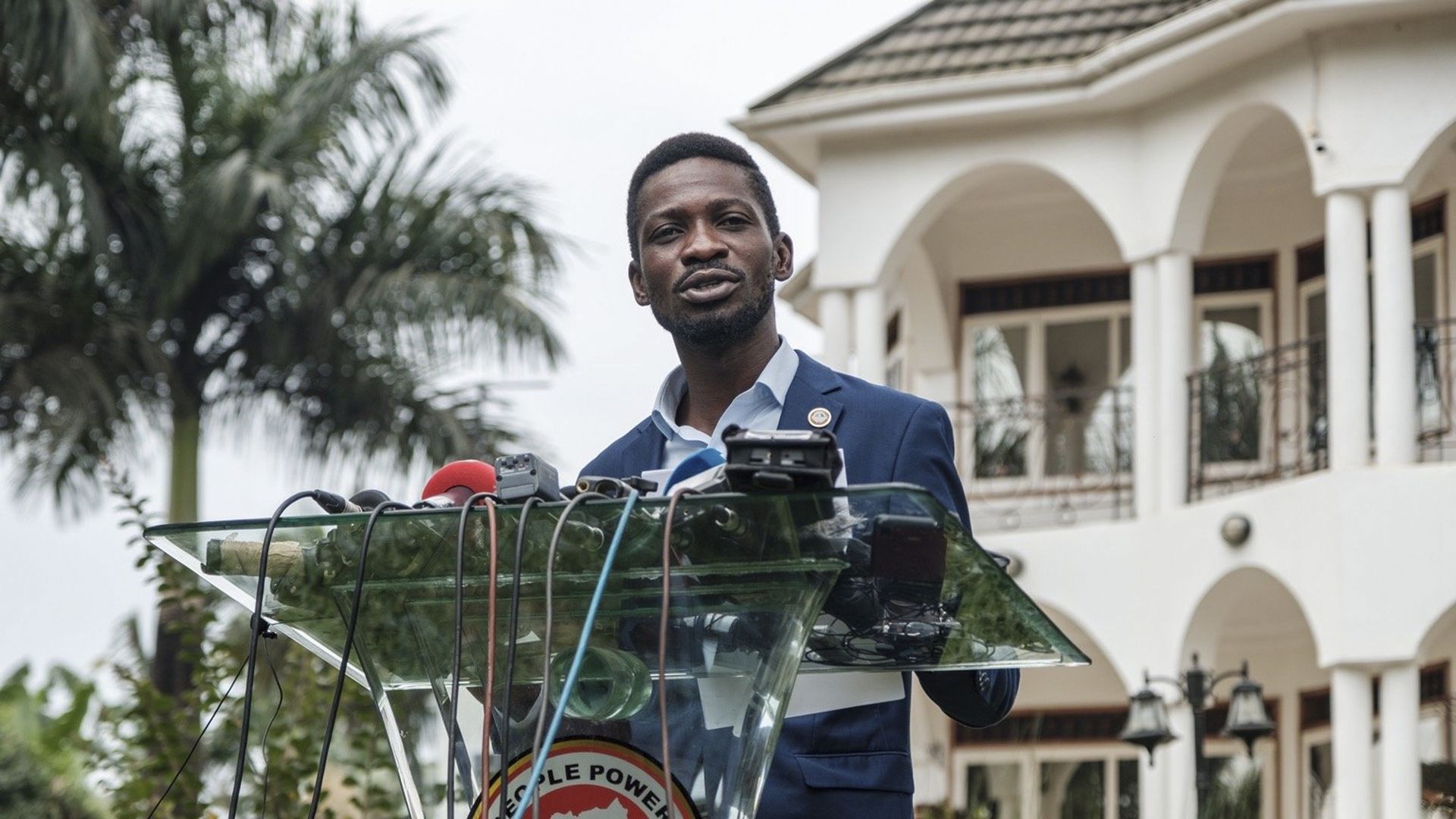
Yoweri Museveni was declared the winner of a sixth presidential term on Saturday, with official results giving him 59% to 35% for Bobi Wine, the singer-turned-opposition leader.
Why it matters: This announcement was predictable, as the election was neither free nor fair and Museveni had no intention of surrendering power after 35 years. But Wine — who posed a strong challenged to Museveni, particularly in urban areas, and was beaten and arrested during the campaign — has said he will present evidence of fraud. The big question is whether he will mobilize mass resistance in the streets.
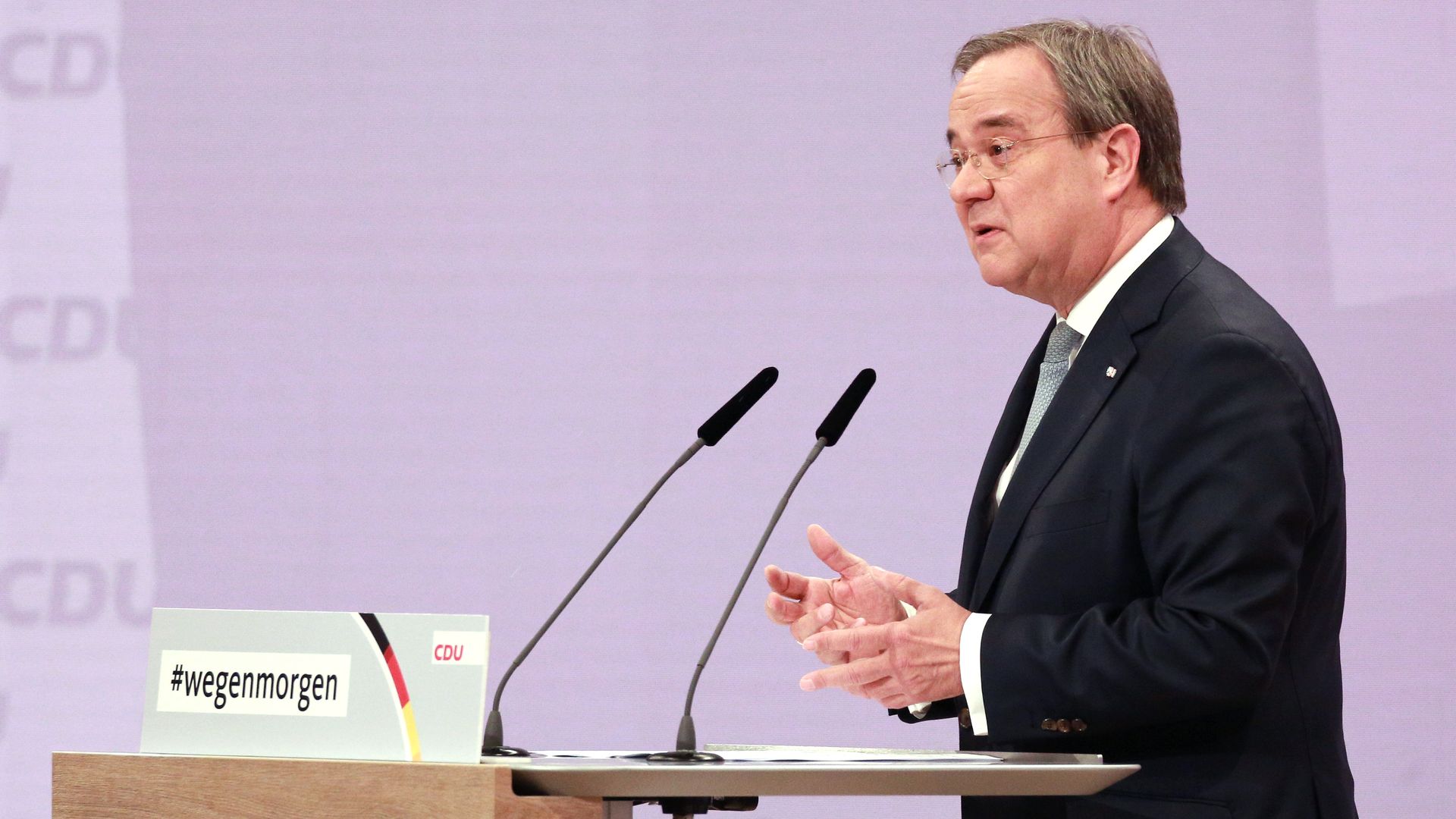
Armin Laschet, the centrist governor of North Rhine-Westphalia, was elected on Saturday as the new leader of Germany's Christian Democratic Union (CDU), defeating the more conservative Friedrich Merz by a 521-466 margin.
Why it matters: Laschet is now the most likely successor to Chancellor Angela Merkel as the standard bearer of the German center-right heading into September's elections. With Merkel preparing to step down after 16 years in power, Laschet is seen as a continuity candidate.