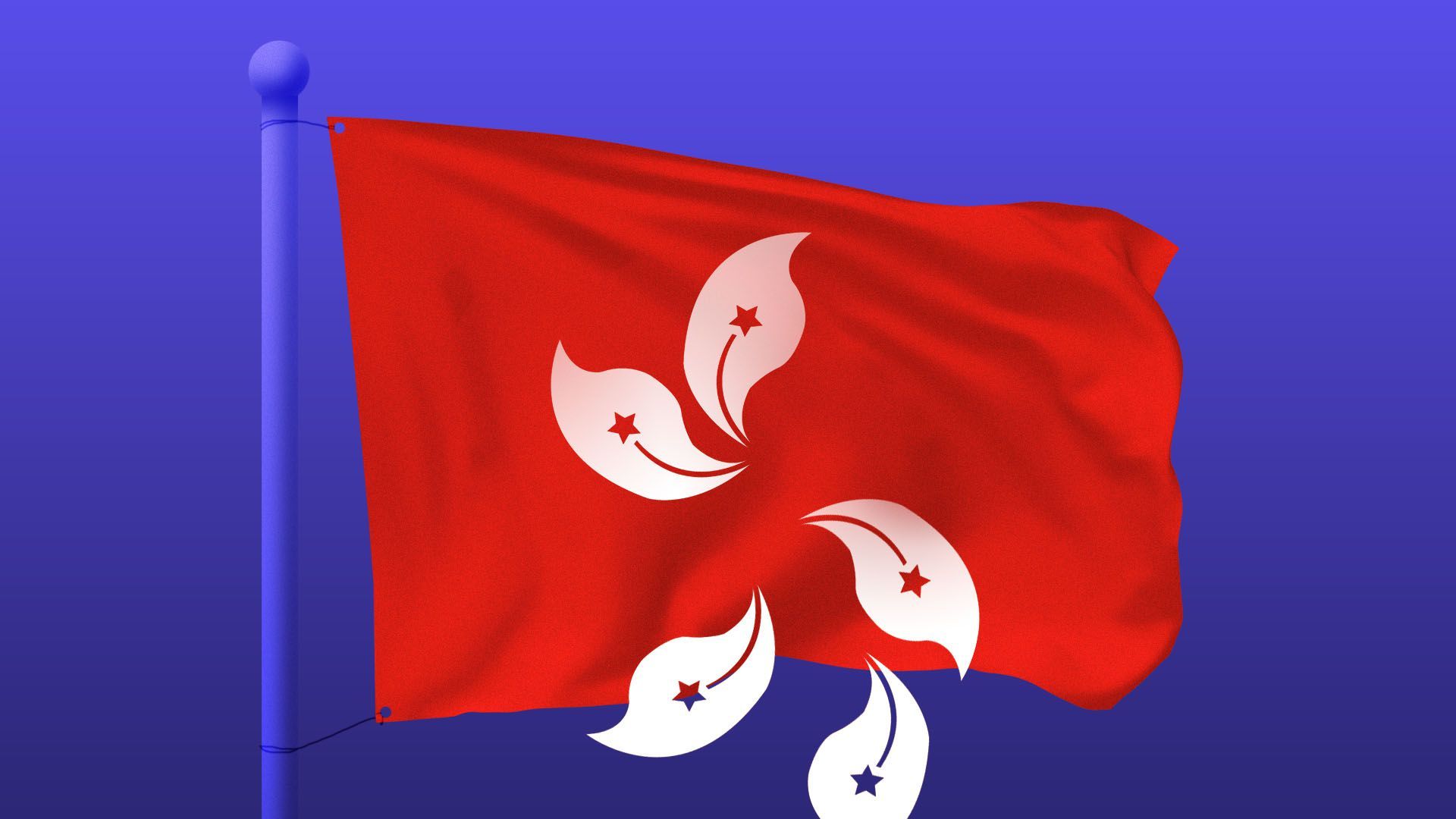
The Senate approved a bill via unanimous consent on Thursday that authorizes sanctions on Chinese officials involved in implementing Hong Kong's draconian new national security law, in addition to banks and firms that do business with them.
Why it matters: The bill, which passed the House unanimously on Wednesday, is part of the United States' bipartisan rebuke of China's passage of the security law, which encroaches on Hong Kong's independent legal system by setting harsh punishments for broadly defined crimes associated with protests.
The romance between private equity and Hong Kong may be over, before it even had a chance to begin.
The state of play: Hong Kong officials in February announced plans to introduce a new carried interest tax scheme that is expected to be one of the world's most generous. This came on top of Hong Kong's existing effort to implement a limited partnership fund regime — all of which could make the city a more viable alternative to the Cayman Islands, particularly for Asia-focused funds.
A new security law in Hong Kong is the latest blow to a globalist vision of the free movement of people, ideas and capital.
Why it matters: The law all but eliminates the civil rights that people in Hong Kong have exercised for years. But it also points the way to a more dangerous and divided world that will be increasingly defined by borders and nationality.
White House press secretary Kayleigh McEnany said Wednesday that the career CIA officer who chose not to verbally brief President Trump on the intelligence about alleged Russian bounties made "the right decision."
Driving the news: National security adviser Robert O'Brien told Fox News earlier Wednesday that "once the U.S. received raw intelligence on the Russian bounties, U.S. and coalition forces were made aware even though the intelligence wasn't verified."
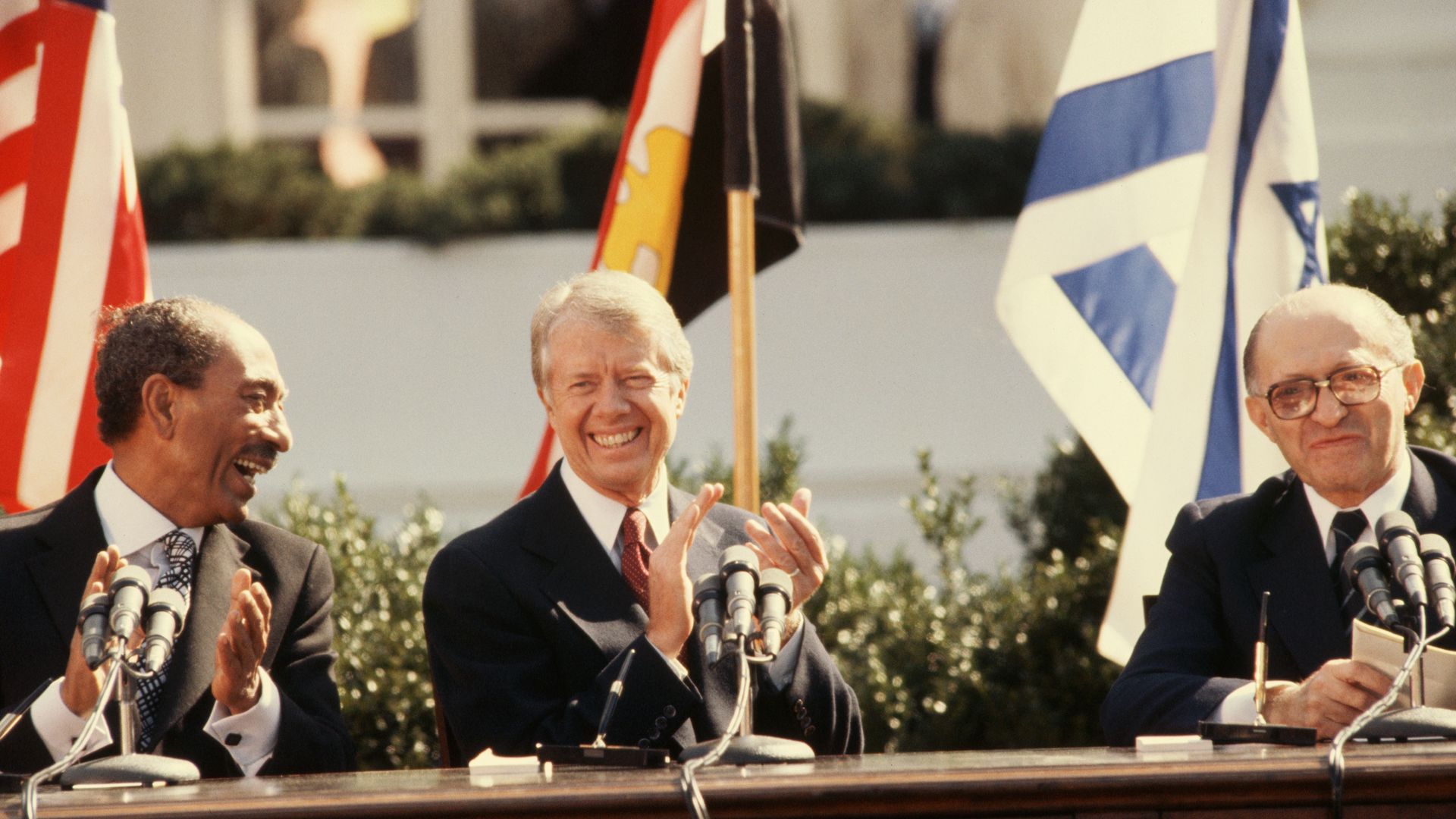
Former President Jimmy Carter issued a statement on Wednesday calling Israel's planned annexation of up to 30% of the West Bank a "massive, illegal expropriation of Palestinian territory" that would jeopardize peace treaties and mark the end of any possible two-state solution.
Why it matters: Carter famously brought the leaders of Egypt and Israel together for secret negotiations that resulted in the 1978 Camp David Accords. His statement echoes sentiments expressed by the United Nations, the European Union and Arab nations who believe that annexation will deal a devastating blow to peace efforts.
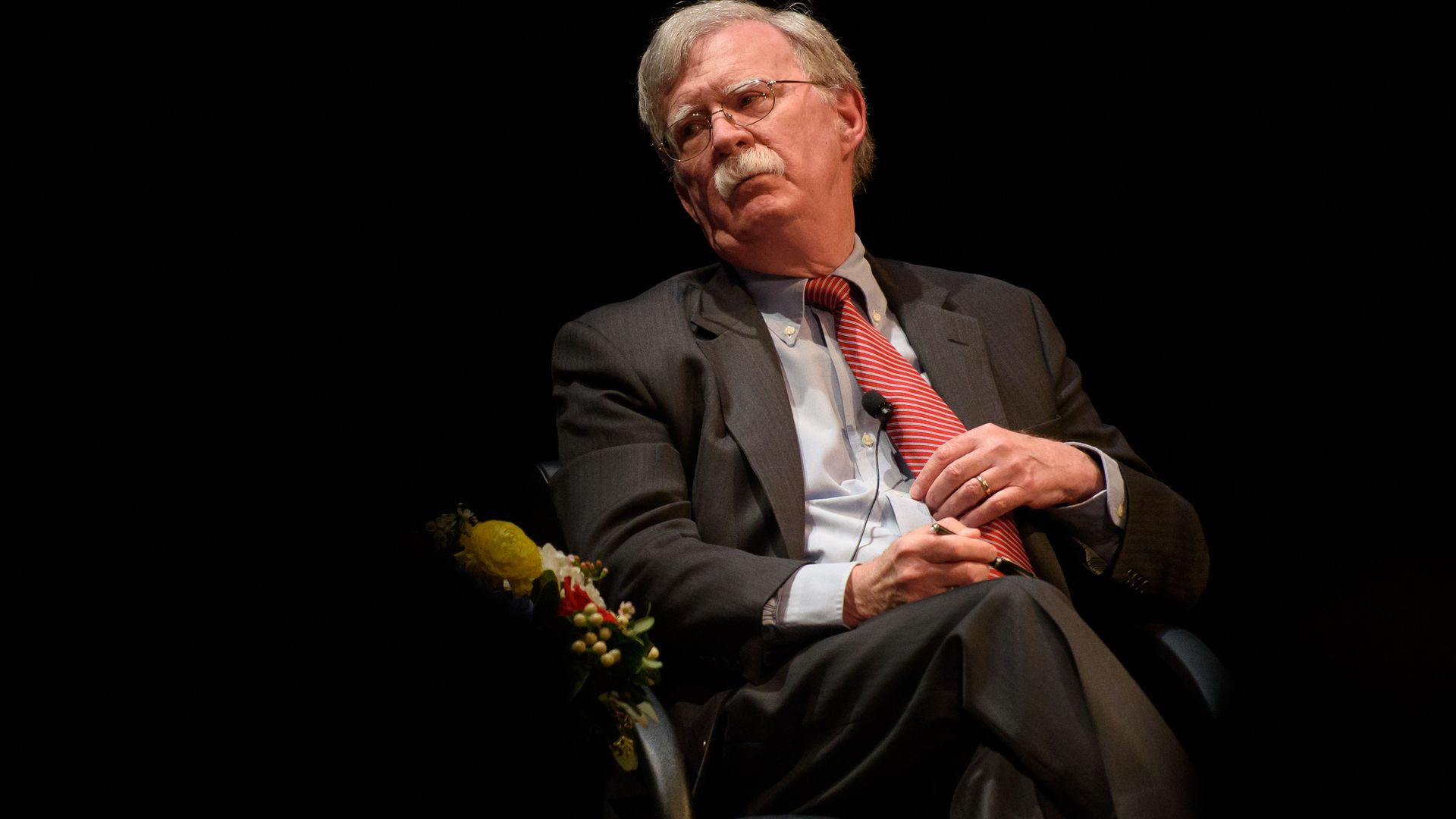
Former national security adviser John Bolton told CBS News' "The Takeout" podcast" on Wednesday that he would have personally briefed President Trump if he saw intelligence that Russian officials offered bounties to Taliban-linked militants to kill U.S. troops, but cautioned that Trump is simply not receptive to intelligence briefings.
Driving the news: "The purpose of the briefing process is to meet the particular needs of the president and present it to him in the way that best suits his desires," Bolton said. "The problem with Donald Trump is not that he is not receptive to one means or another. He's just not receptive to new facts."
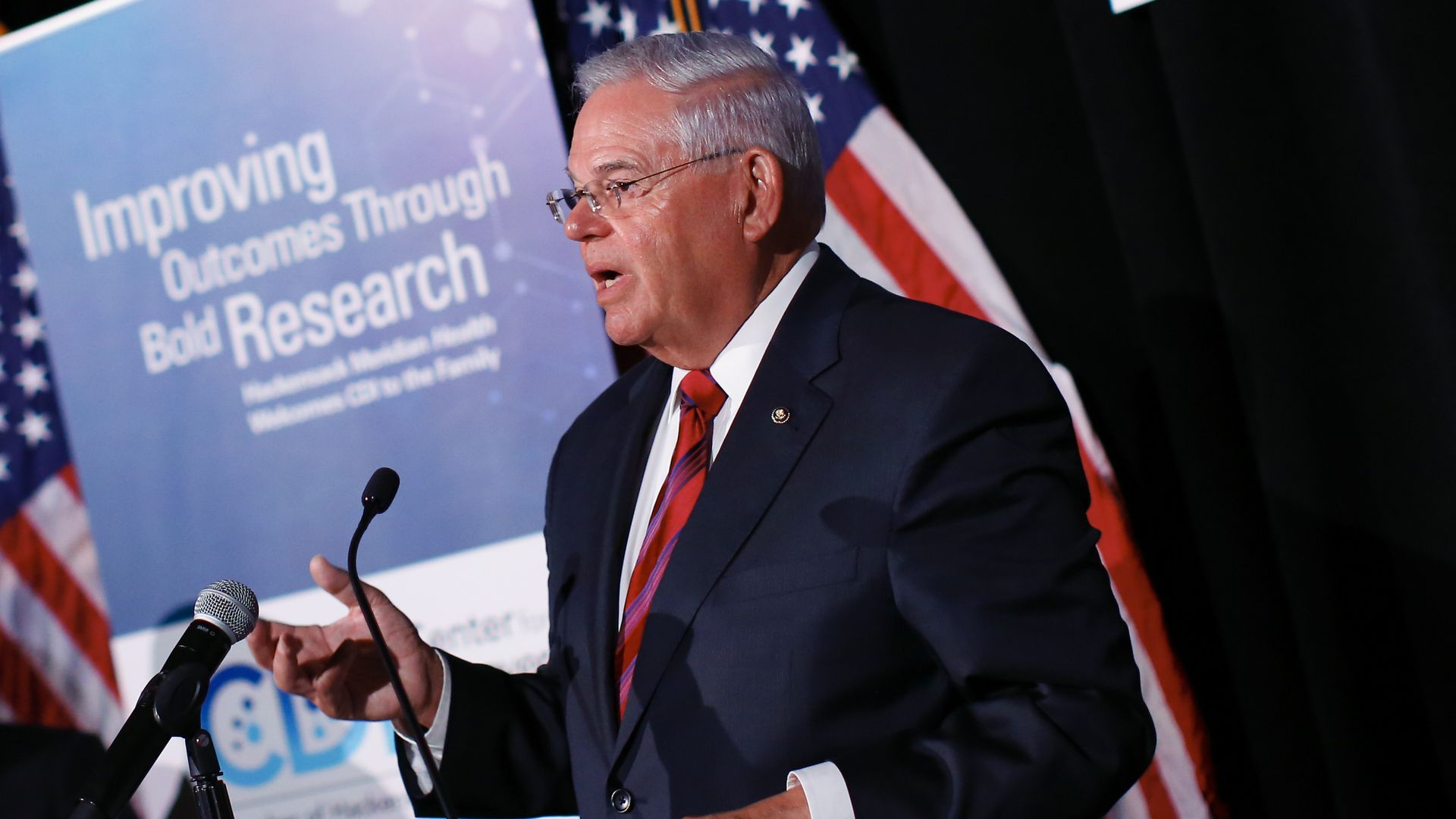
Sen. Bob Menendez (D-N.J.), ranking member of the Senate Foreign Relations Committee, introduced an amendment on Wednesday that would require the Trump administration to impose asset freezing sanctions on President Vladimir Putin and other Russian officials involved in alleged bounties to Taliban-linked militants.
Why it matters: It's the first legislative proposal related to the controversy over the alleged Russian bounty scheme, which President Trump and other top officials have sought to downplay as unverified intelligence.
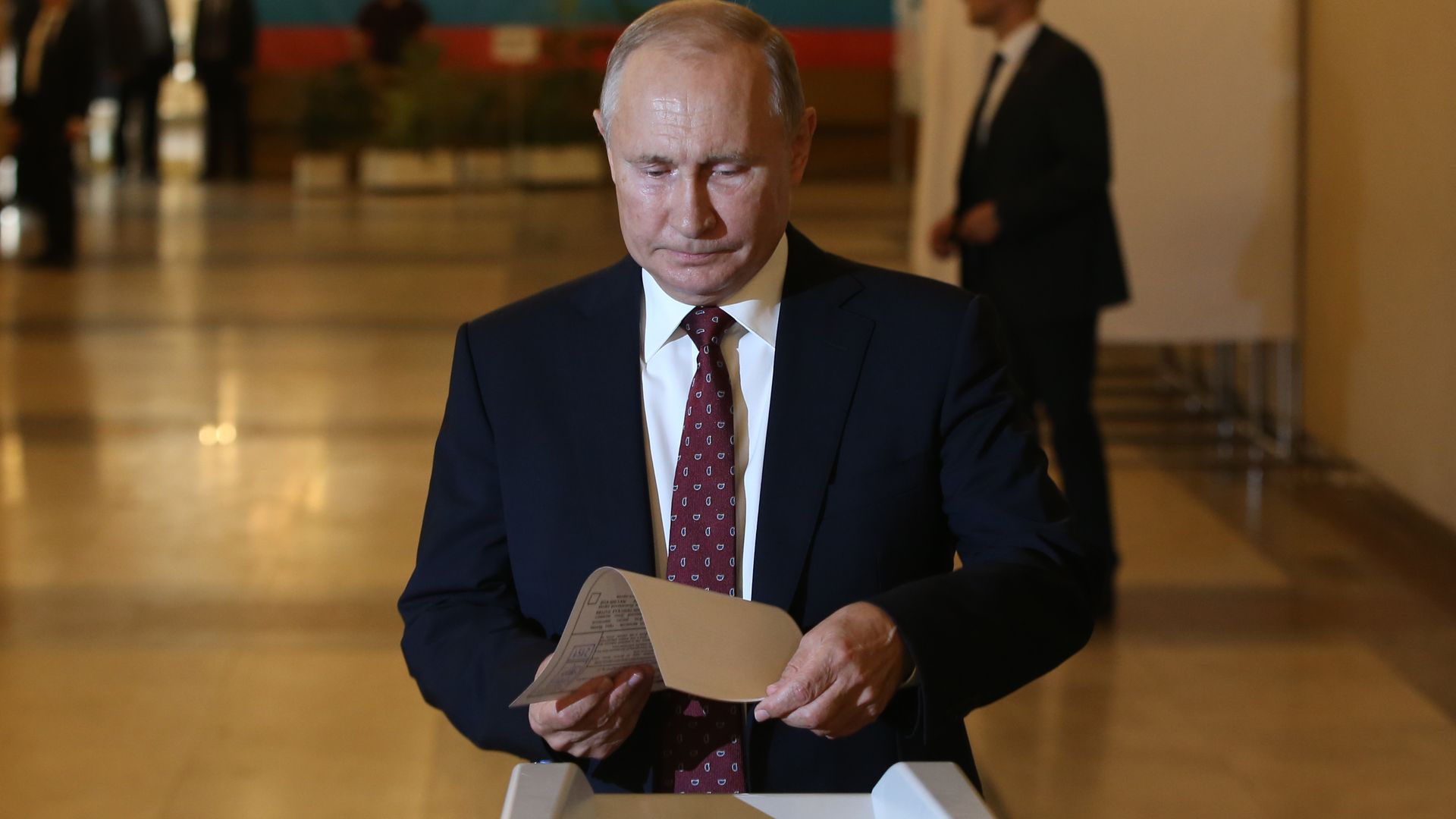
Russians have overwhelmingly approved constitutional changes that could allow President Vladimir Putin to stay in office for 16 more years, electoral officials said Wednesday, though independent observers have reported widespread irregularities, AP reports.
Why it matters: This is the most significant package of constitutional changes since the fall of the Soviet Union, and it will allow Putin — who has led Russia either as president or prime minister for 20 years — to serve two more terms after his current mandate ends in 2024. Critics have decried it as a power grab and cast doubt on the results.
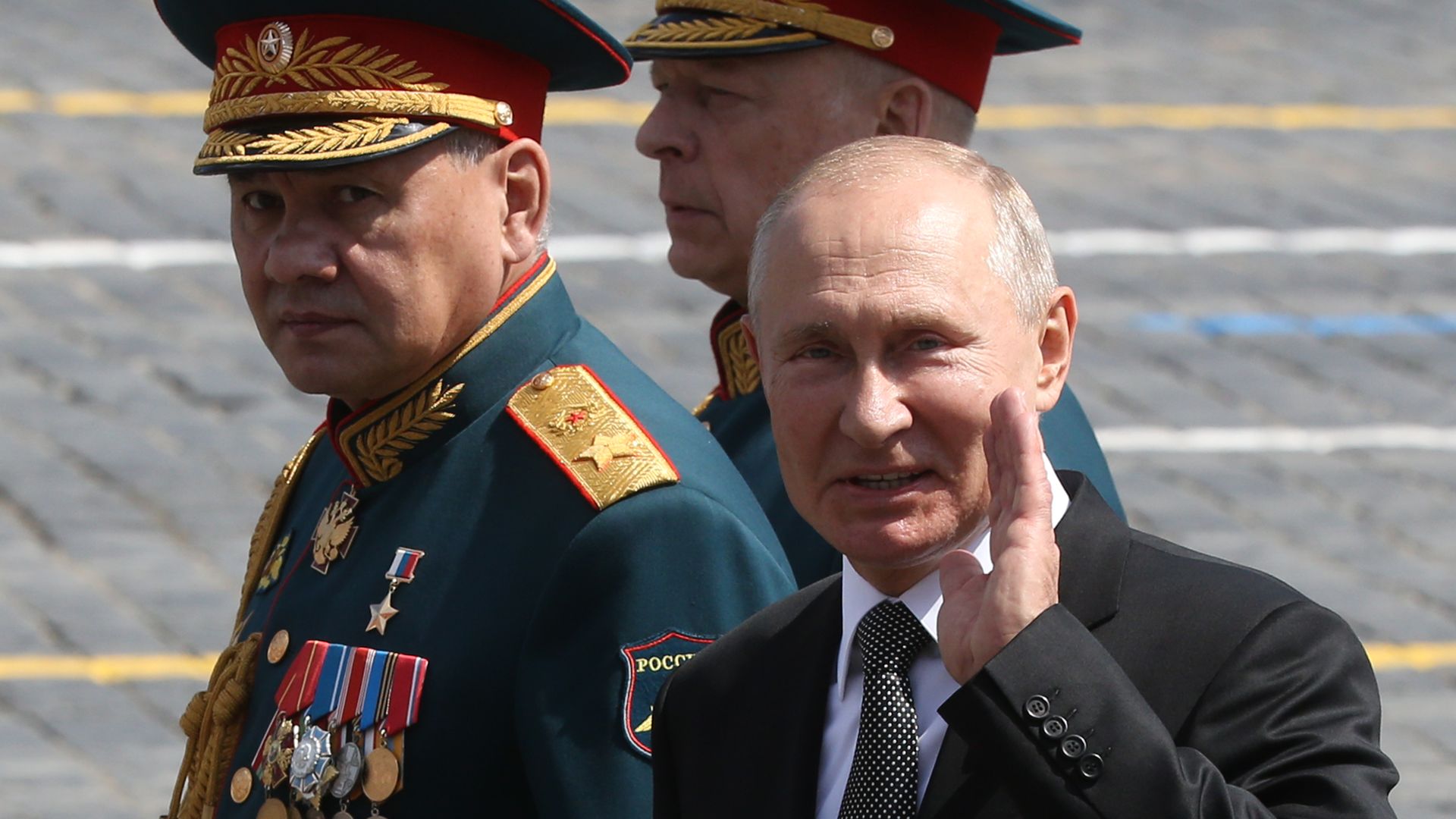
The Russian government is working with the Afghan government, regional countries, and the Taliban to "gain increased influence in Afghanistan" and "expedite a U.S. military withdrawal," according to a Department of Defense report published Wednesday.
Why it matters: The report was released amid a mounting controversy over allegations that U.S. intelligence assessed that Russian operatives were paying bounties to Taliban-linked militants to kill U.S. troops. President Trump has denied that he was briefed and tweeted Wednesday that the reports are a "Fake News Media Hoax started to slander me & the Republican Party."
A new International Energy Agency report highlights one big challenge facing China as the world's largest CO2 emitter begins implementing its national emissions trading system: The country's coal fleet is very young.
Why it matters: IEA's analysis this week warns that while newer facilities are far more efficient than older models, the average plant age "potentially locks in large amounts of CO2 emissions" for decades.
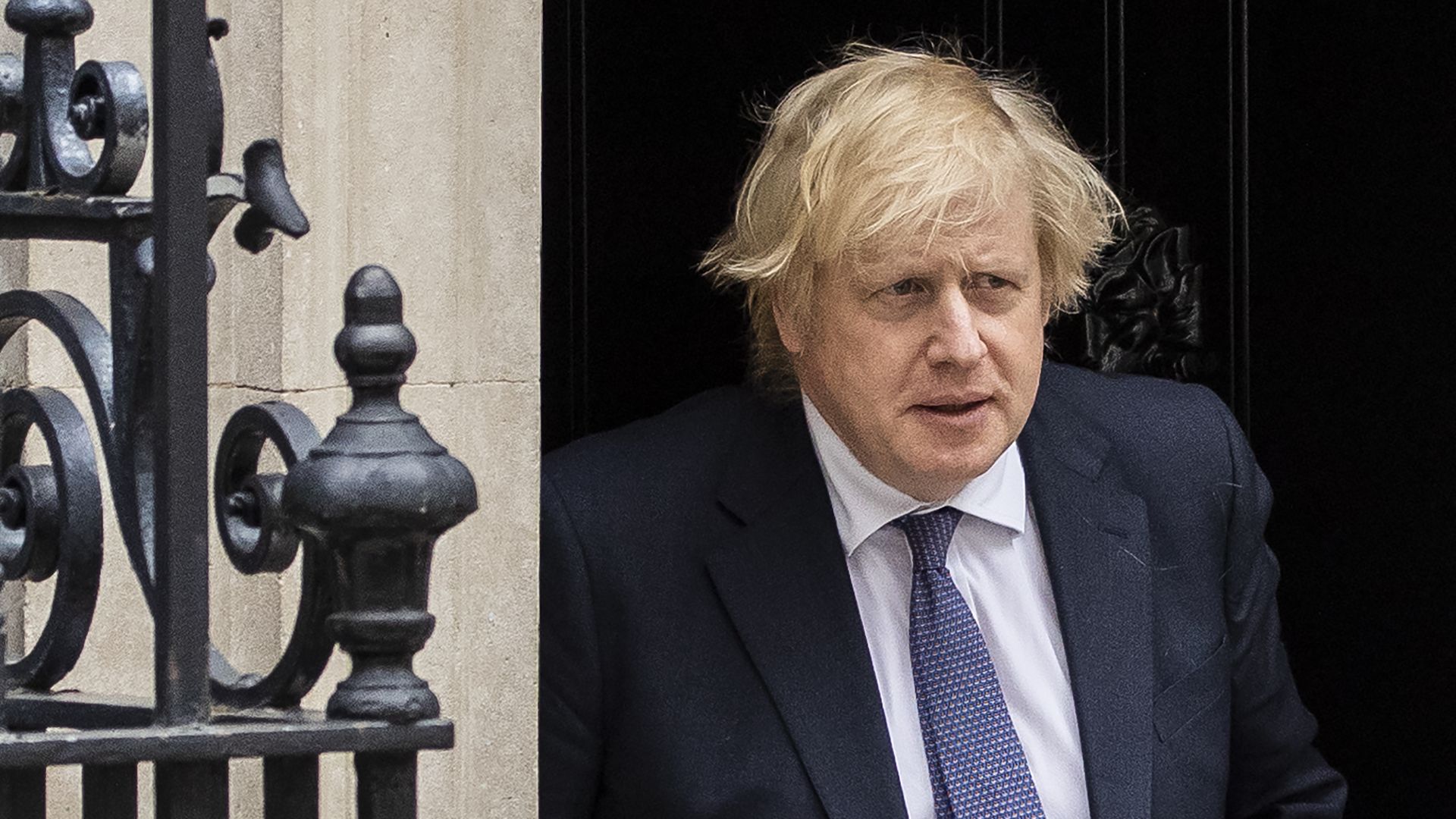
U.K. Prime Minister Boris Johnson denounced China's new security law for Hong Kong and said the U.K. would offer residency and a path to citizenship to eligible residents of the semi-autonomous city — potentially numbering in the millions.
What they're saying: Johnson accused China of a "serious breach" of the terms under which the U.K. returned the city in 1997. China pledged to maintain Hong Kong's independent legal system and political freedoms for a period of 50 years.
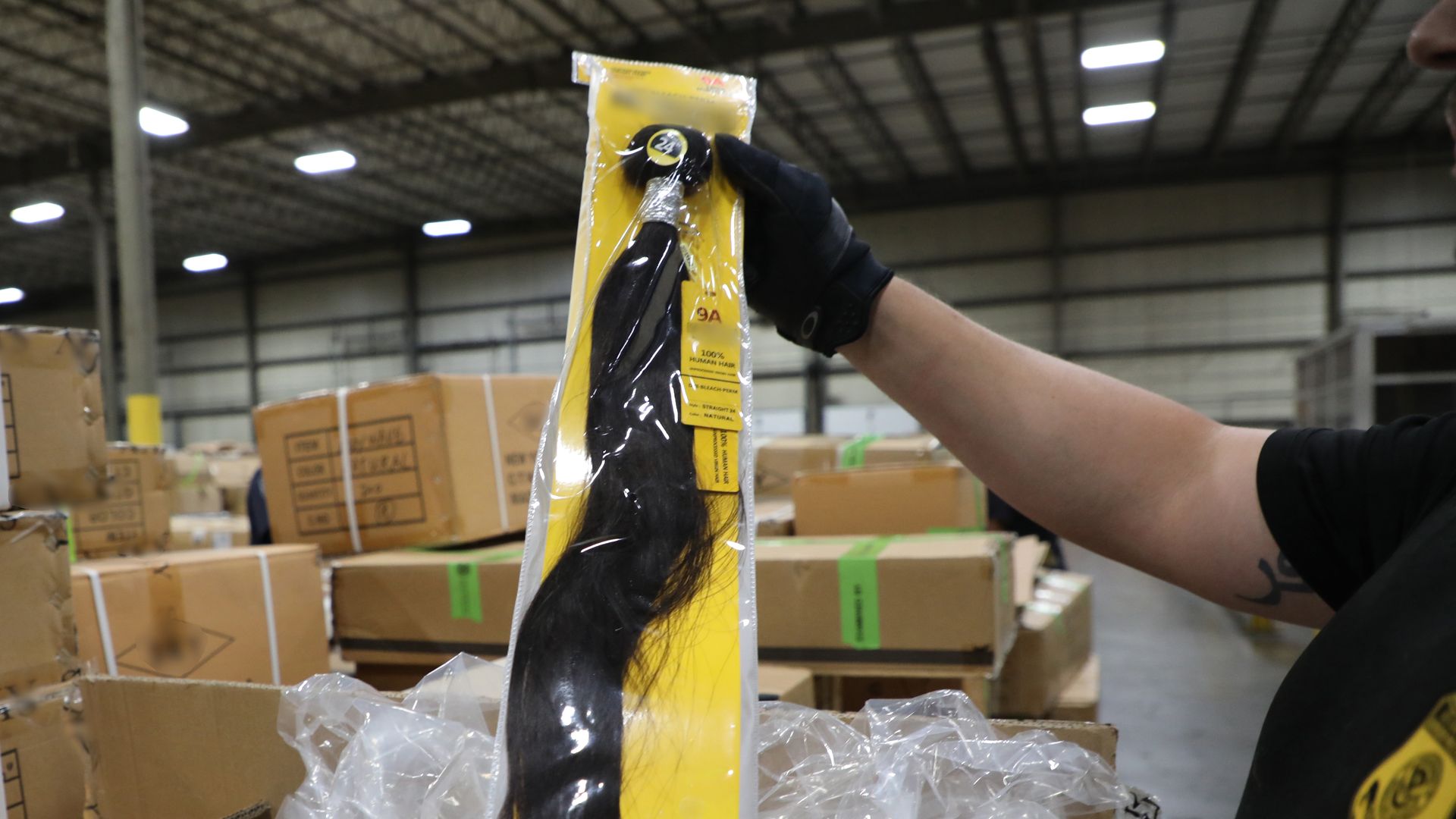
U.S. Customs and Border Protection officers detained a shipment ofalmost 13 tons of wigs and other human hair products suspected of being made through forced labor in Xinjiang, China, U.S. government officials tell Axios.
Why it matters: Importing products made with forced labor into the U.S. is illegal. But it's extremely difficult to trace U.S. supply chains back to factories in Xinjiang that use forced labor, making this a rare event.
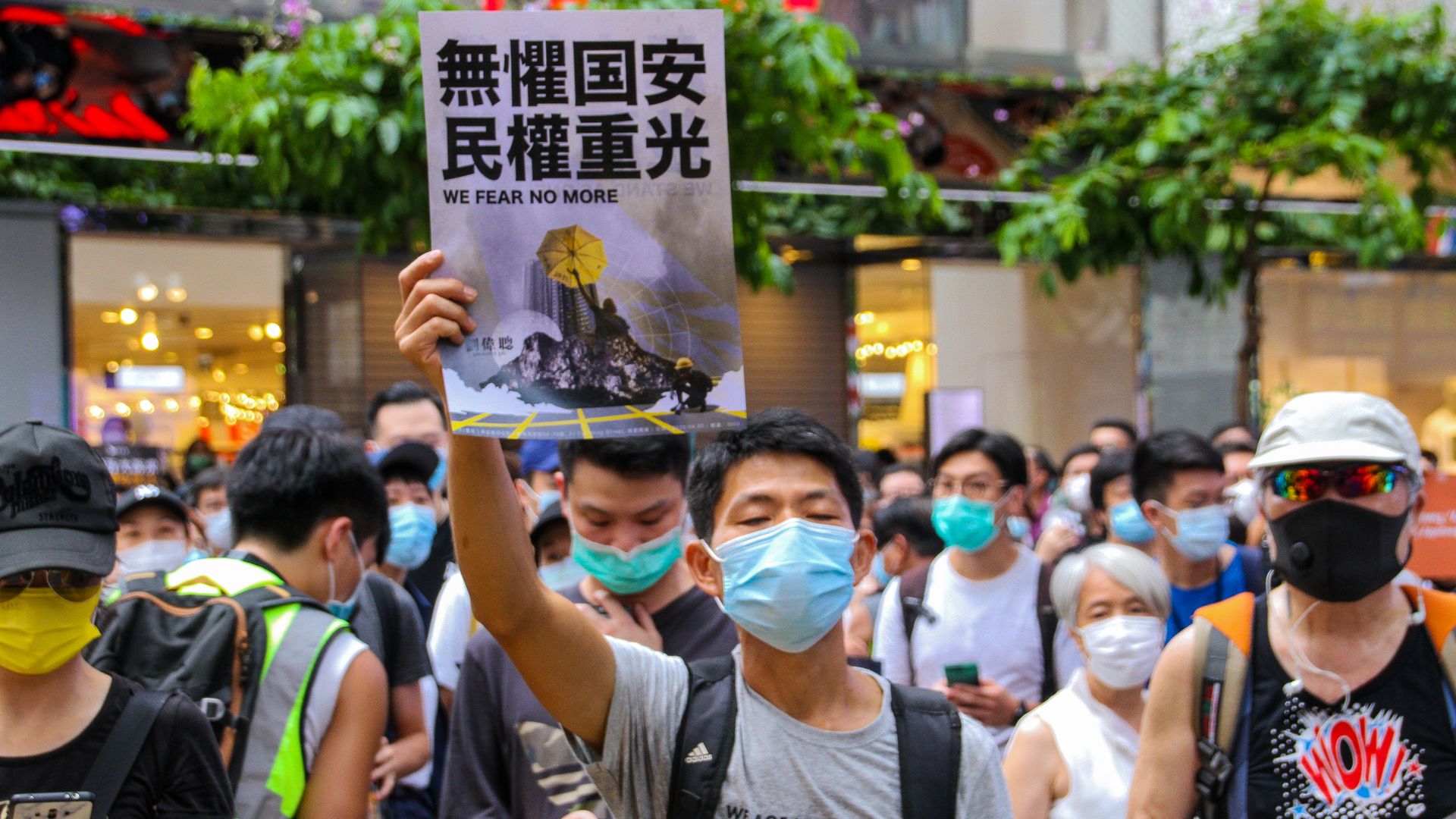
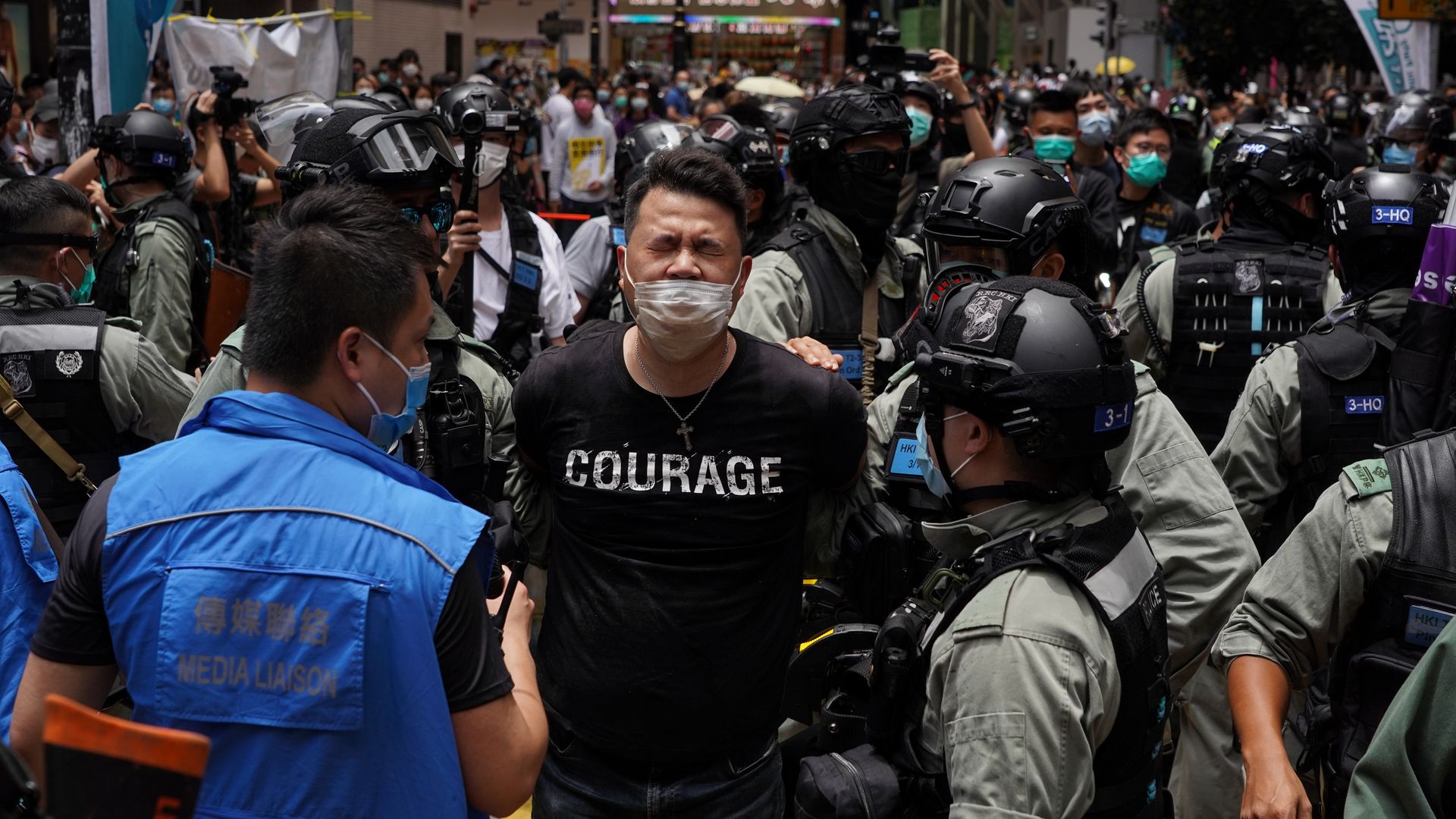
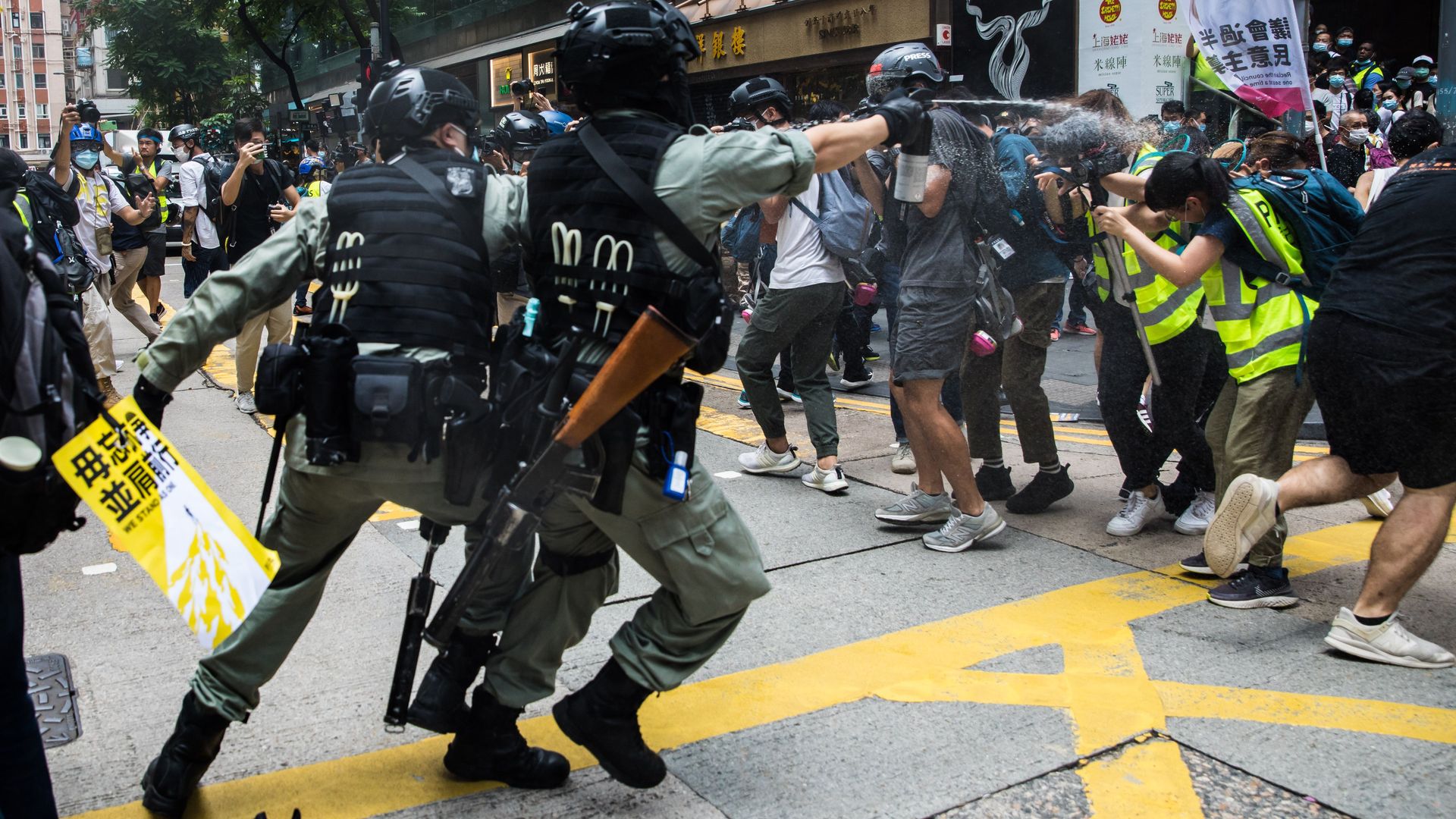
Hong Kong police announced on Wednesday their first arrest under the new security law as officers used pepper spray to break up a rally by pro-democracy protesters elsewhere in the city, images from the scene show.
Why it matters: The law, passed by Chinese lawmakers Tuesday, is a further encroachment on Hong Kong's independent legal system and the autonomy the territory had retained since the former British colony was returned to China in 1997.