U.K. Prime Minister Boris Johnson announced in a televised message Sunday that he is extending the country's lockdown measures, but unveiled a three-stage plan to reopen schools, some businesses and the hospitality industry in June and July.
Why it matters: The U.K. has the second-highest confirmed coronavirus death toll in the world and the highest in Europe. The country has reported more than 220,000 recorded cases and 31,000 deaths from the virus as of Sunday, according to Johns Hopkins University data.
The coronavirus pandemic could cause remittance payments around the world to drop by 20%, the sharpest decline in history — threatening the livelihoods of the families who rely on them, the World Bank projects.
Why it matters: Families across the globe are depending on remittances more than ever as the coronavirus crisis batters local economies. Without them, millions will struggle to pay for basic needs, such as housing, health care and education.
South Korea's President Moon Jae-in said the country should "brace for the pandemic's second wave," the BBC reports, as officials confirmed 34 new novel coronavirus cases on Sunday — the highest daily number in a month.
Why it matters: South Korea had the second-highest number of COVID-19 cases after China in early March. But diligent tracing, testing and strict lockdowns allowed the country to control the outbreak. The new cases could serve as a warning to nations grappling with how to reopen their own communities.
From Austria to Australia, countries have begun to relax lockdown restrictions introduced to combat the spread of the novel coronavirus.
The big picture: The number of COVID-19 cases continues to climb, but several countries are beating back outbreaks. The virus has killed almost 280,000 people and infected more than 4 million globally, per Johns Hopkins. With the IMF predicting the pandemic will cause global GDP to contract by 3% this year, governments are beginning to reopen economies with strict health measures in place.
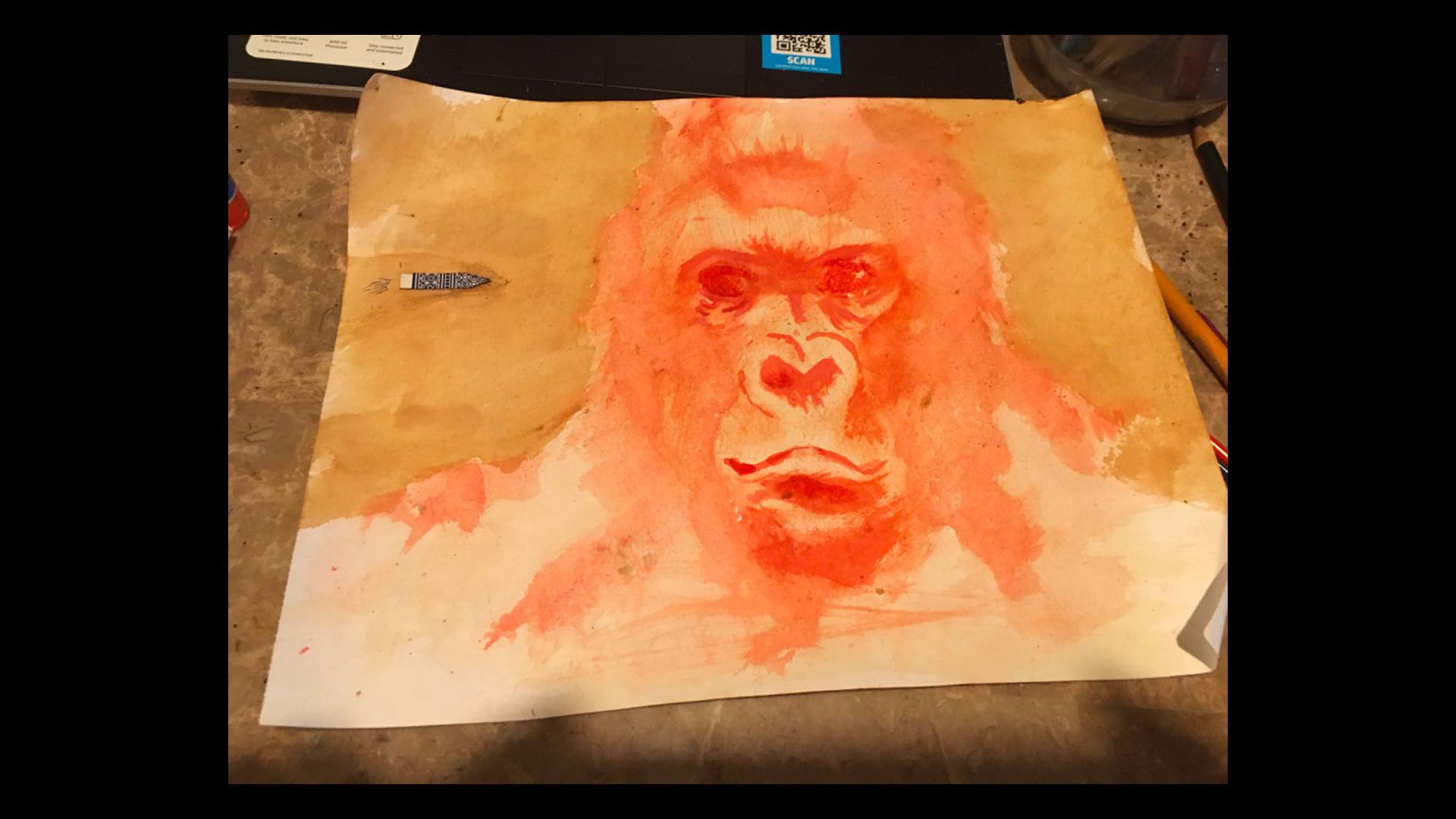
Students on both sides of the border that attend the IDEA San Juan College Prep school in Texas are completing art assignments remotely using materials found at home.
Why it matters: Teachers around the country are struggling to provide their students with continuity — not just in academics, but also in designating time and resources for self-expression — and art teacher Cristina Correa found resourceful solutions.
The Israeli security cabinet held a top secret meeting on Thursday to discuss a highly unusual Iranian cyberattack against Israeli civilian water infrastructure that took place two weeks ago, Israeli officials tell me.
Why it matters: The Iranian cyberattack didn't cause much damage, but Israeli officials say the government sees the attack as a major escalation by the Iranians, and the crossing of a red line due to the fact that the target was civilian water facilities.
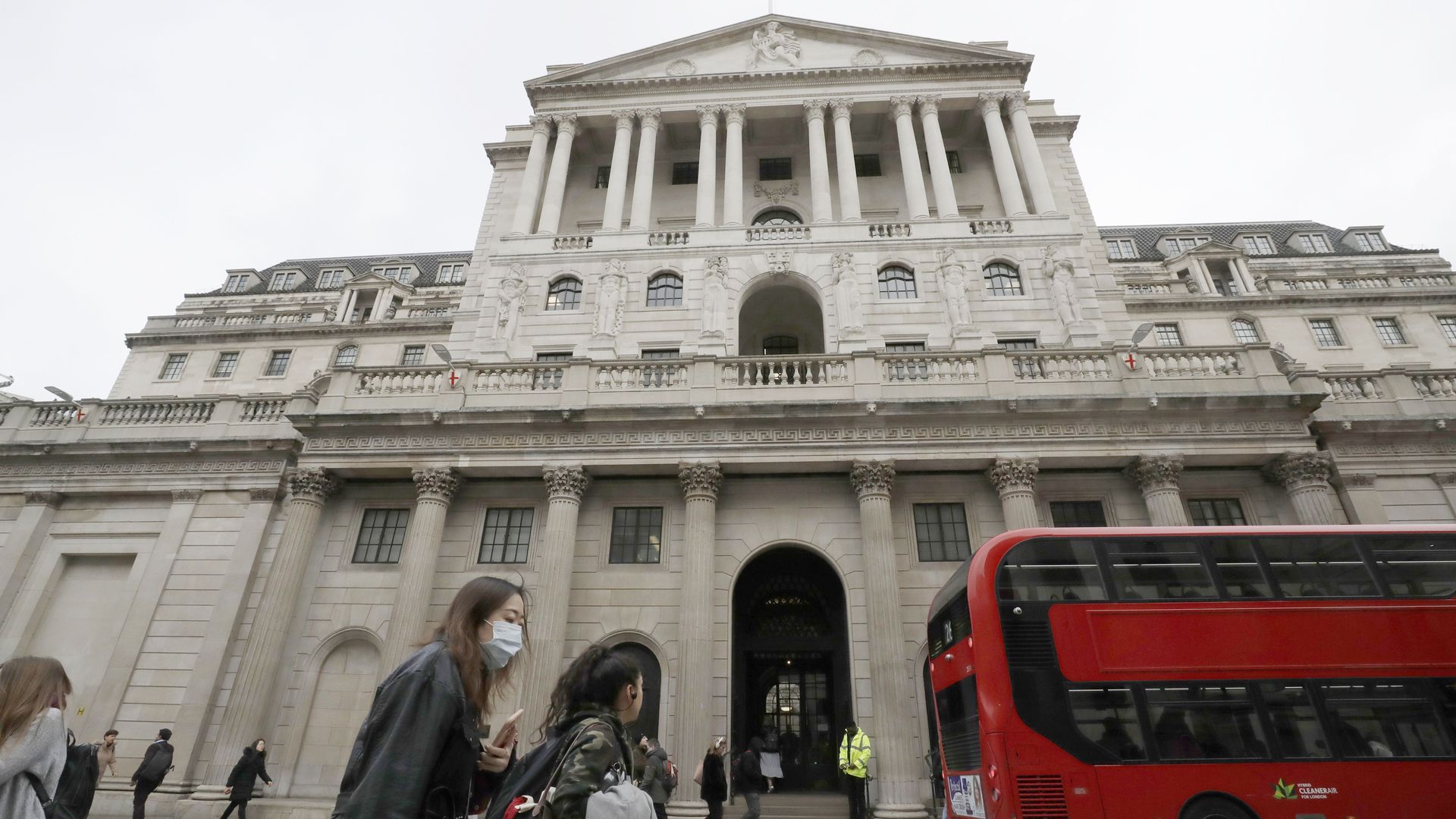
The United Kingdom is on track to enter its deepest annual recession in three centuries, the Bank of England forecast this week in its monetary policy report, the Financial Times writes.
The big picture: In March, the global market began seeing economic effects of the novel coronavirus outbreak morphing into a depression unlike any the world has seen in generations.
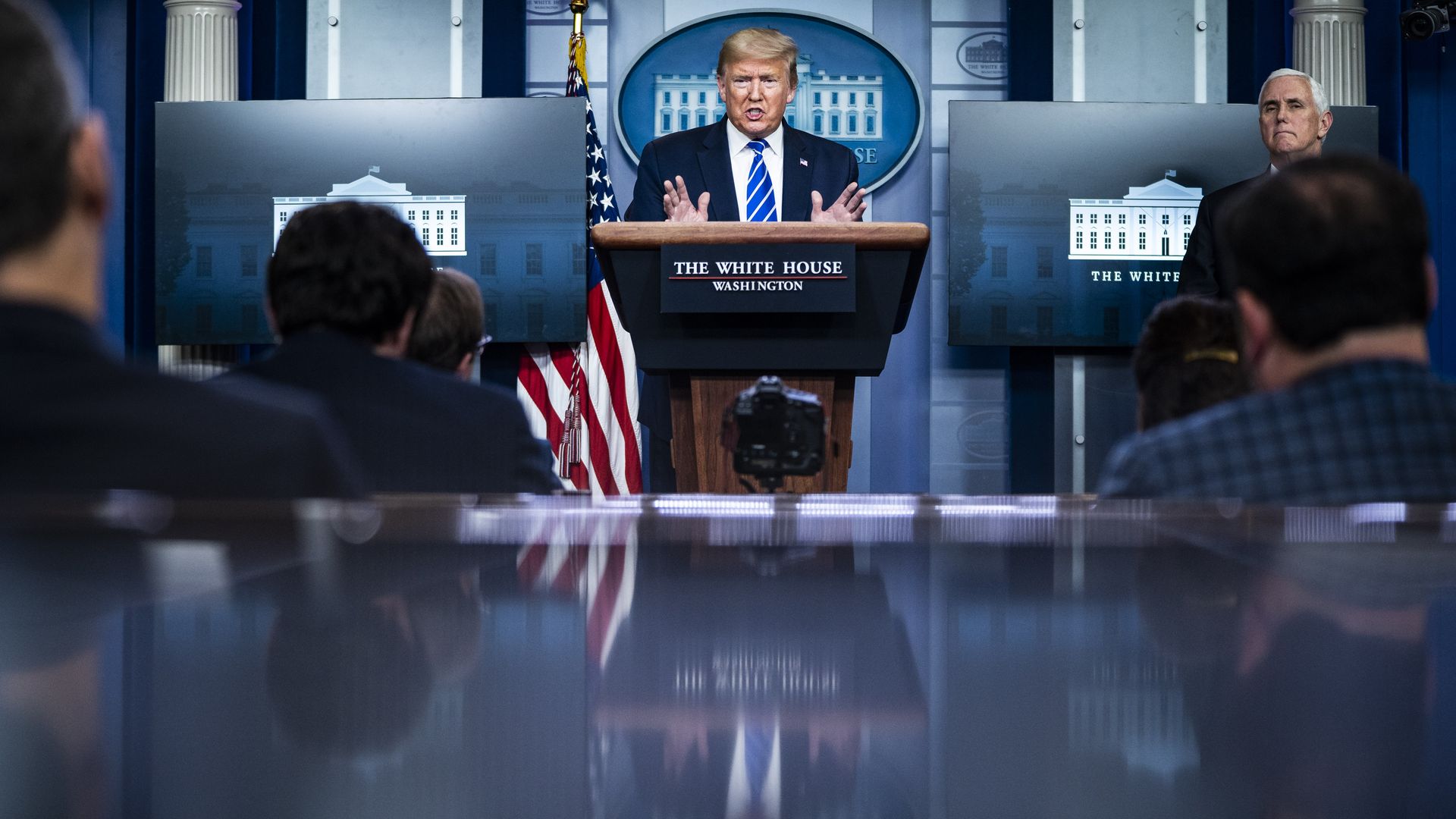
The Trump administration announced on Friday that Chinese journalists working for non-American media outlets in the U.S. will be limited to 90-day work visas, The New York Times reports.
The big picture: The U.S. and China have gone back and forth for months over the other's media presence as relations between the two countries deteriorate, per the Times. The latest restrictions from the U.S. will likely escalate tensions as the two nations battle for global influence.
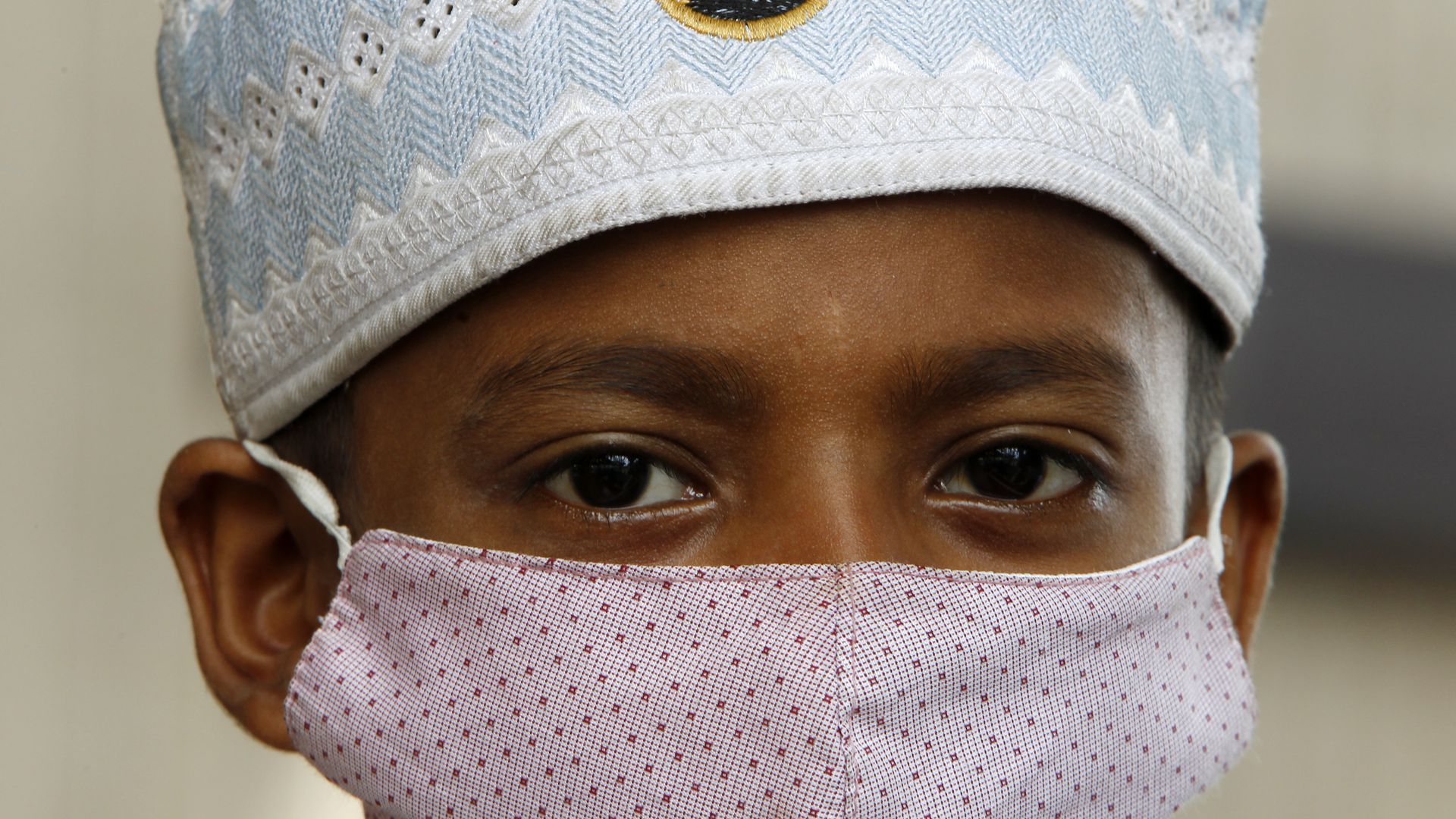
Experts fear children will be suffering from the psychological effects of the pandemic for decades — even down to the level of their genes.
Why it matters: Children are not exempt from the stress associated with the pandemic and its accompanying economic shock, and we could be reckoning with the scars of the experience for generations.