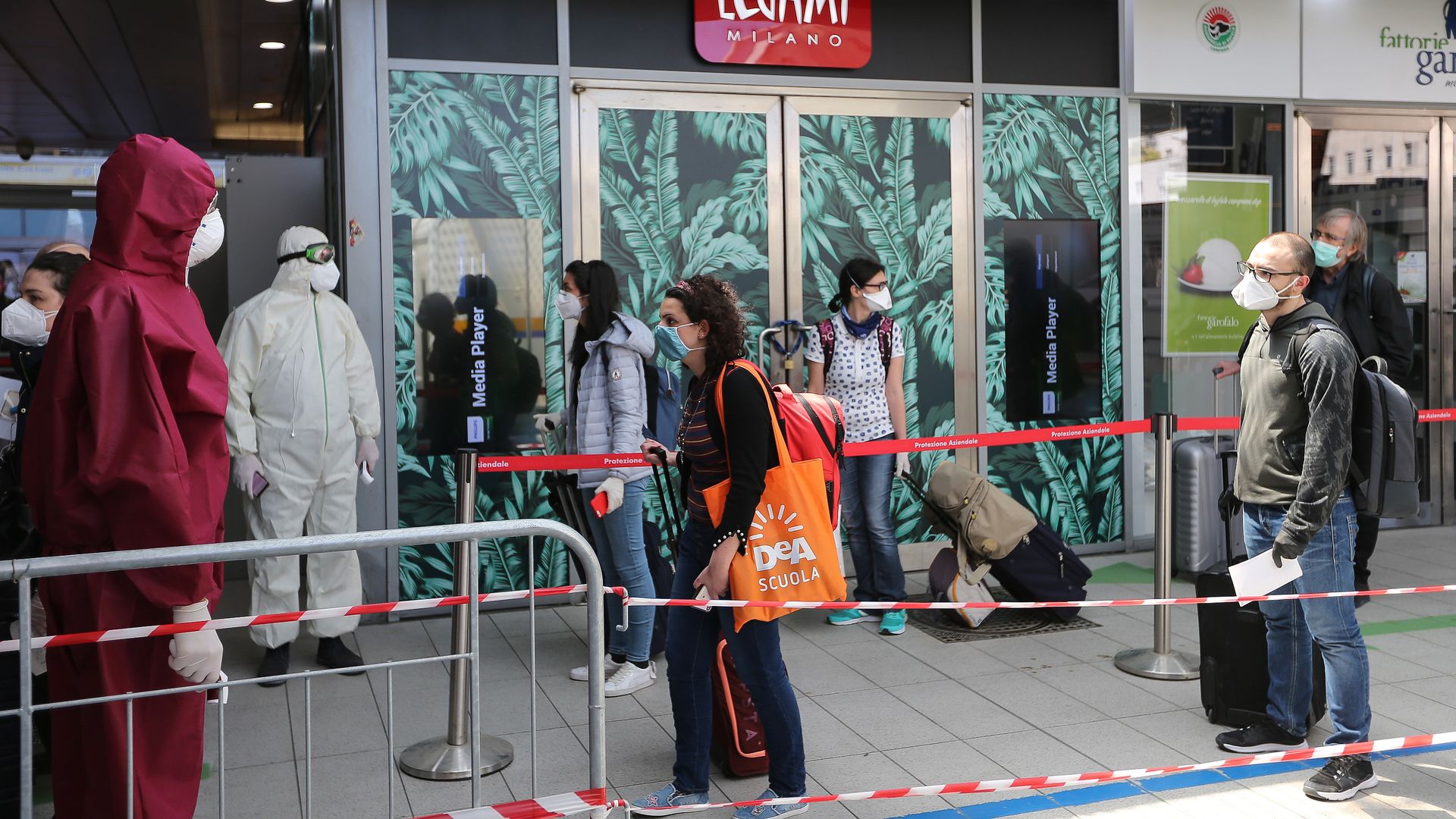
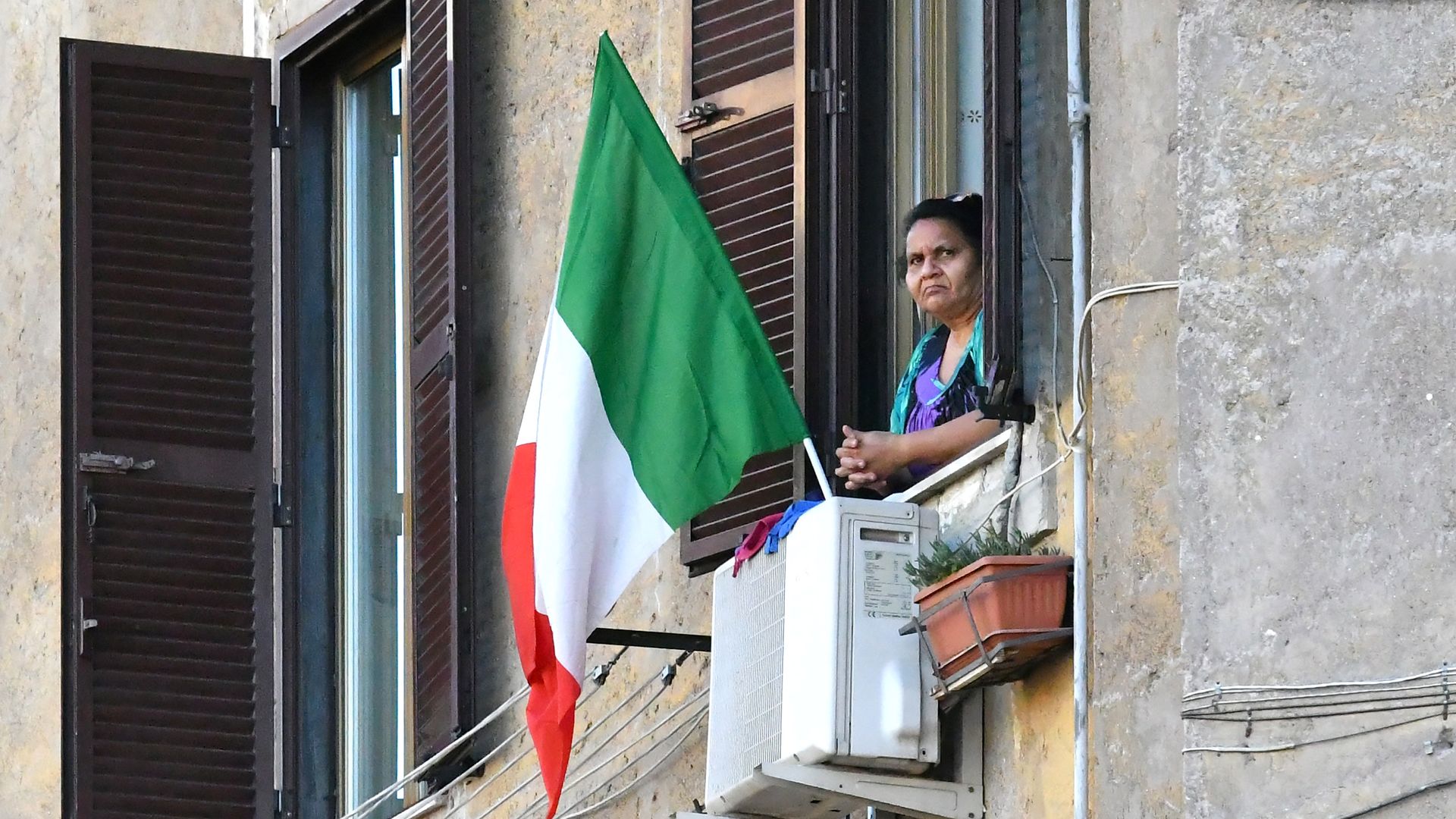
Spain and Italy, the European countries hardest-hit by the novel coronavirus, are reopening their economies in stages beginning on Monday.
The big picture: Both countries have emphasized bringing back industry before retail. In the U.S., some states are reopening restaurants and other non-essential businesses first, in contrast with federal guidelines for reopening.
The leaders of nations, banks and organizations gathered Monday via video conference for a European Union-led summit, collectively pledging 7.4 billion euros ($8 billion) toward research for a coronavirus vaccine, AP reports.
Why it matters: The U.S. was noticeably absent, despite appearances from the "heads of state and government from Australia, Canada, Israel, Japan, Jordan, South Africa and Turkey spoke at the event, along with China’s EU ambassador" among the many European participants.
The Italian government announced that confirmed coronavirus deaths in the country increased by 174 on Sunday, well below the 474 jump it reported on Saturday.
Why it matters: It's the smallest daily increase in fatalities the country has seen since March 9, when the Italian government extended lockdown restrictions from northern Italy to the entire country.
Secretary of State Mike Pompeo said on ABC's "This Week" Sunday that there's "enormous evidence" to support the theory that the coronavirus originated in the Wuhan Institute of Virology, not a nearby market.
Why it matters: The Office of the Director of National Intelligence announced Thursday that it is investigating whether the outbreak was the result of exposure to wild animals or a laboratory accident in Wuhan. Pompeo said he has no reason to doubt the intelligence community's consensus that the virus was "not manmade or genetically modified."
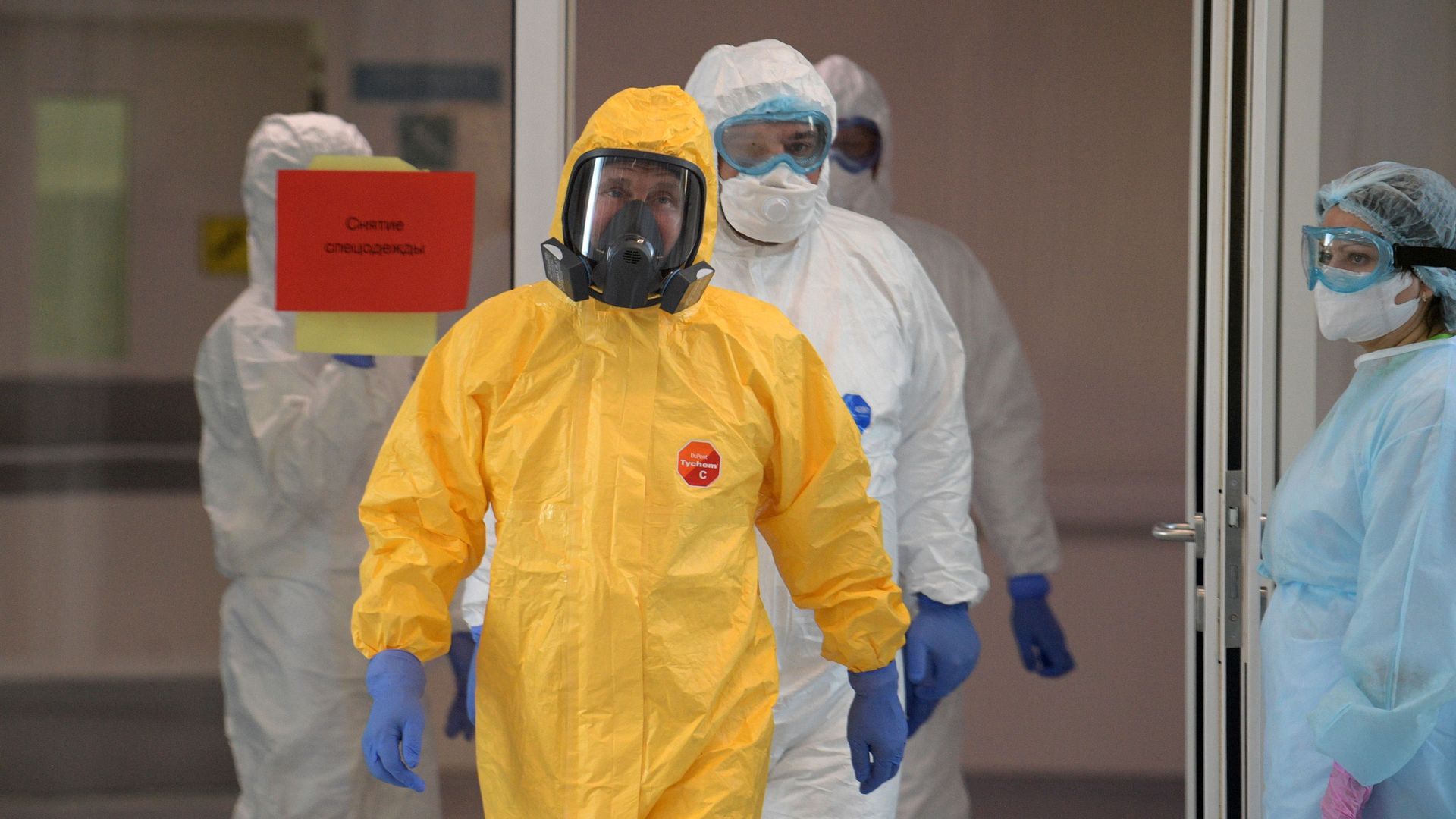
Russia reported 10,633 new coronavirus cases on Sunday, increasing its confirmed case total to 134,687.
Why it matters: It marks the fourth consecutive day that the country announced record single-day increases, according to Johns Hopkins University data.
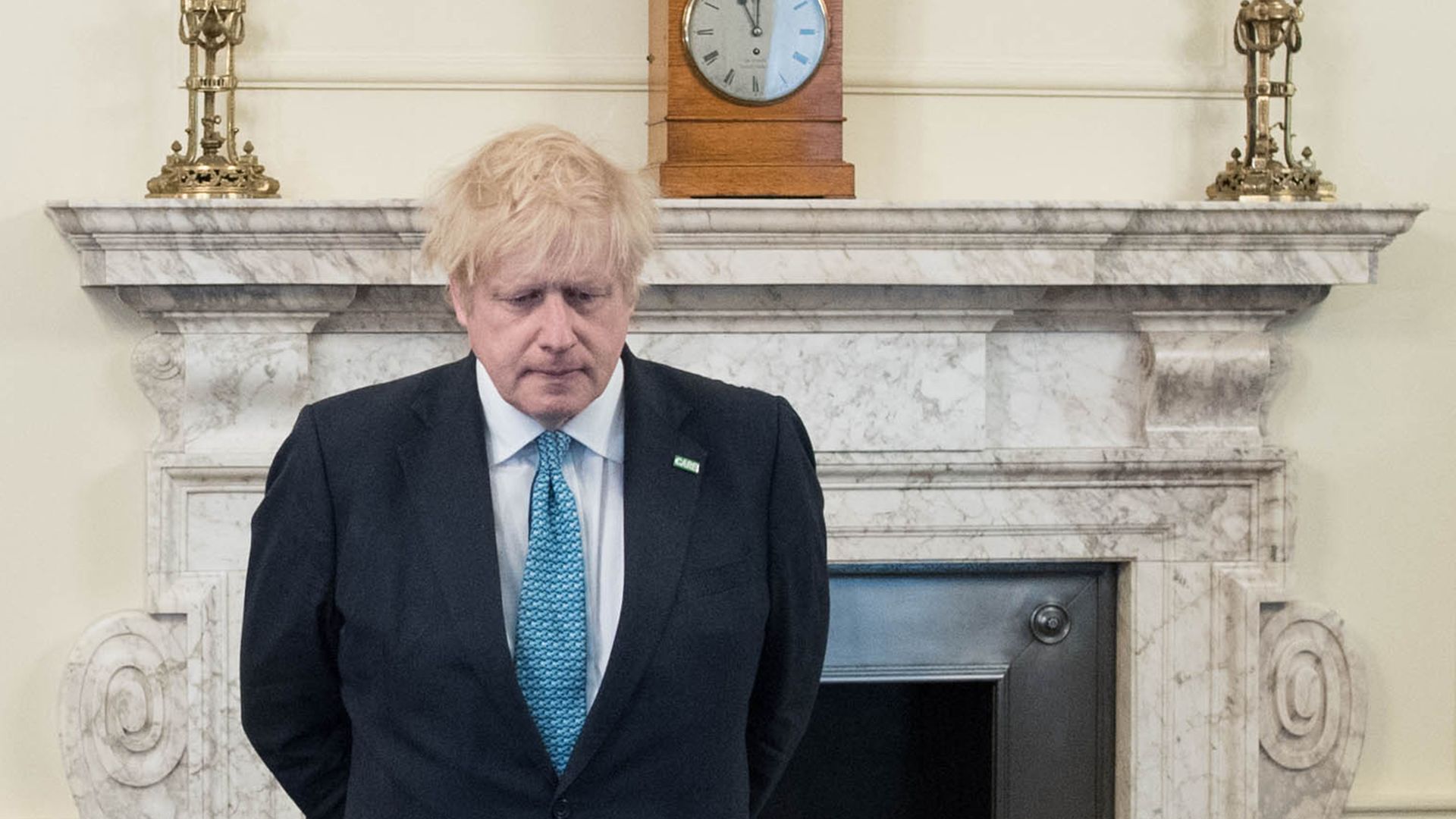
U.K. Prime Minister Boris Johnson said in an interview with The Sun on Sunday that the rapid deterioration of his condition while suffering from the coronavirus had doctors preparing how to announce his death.
What he's saying: “It was a tough old moment, I won’t deny it. They had a strategy to deal with a ‘death of Stalin’-type scenario. I was not in particularly brilliant shape and I was aware there were contingency plans in place. The doctors had all sorts of arrangements for what to do if things went badly wrong."
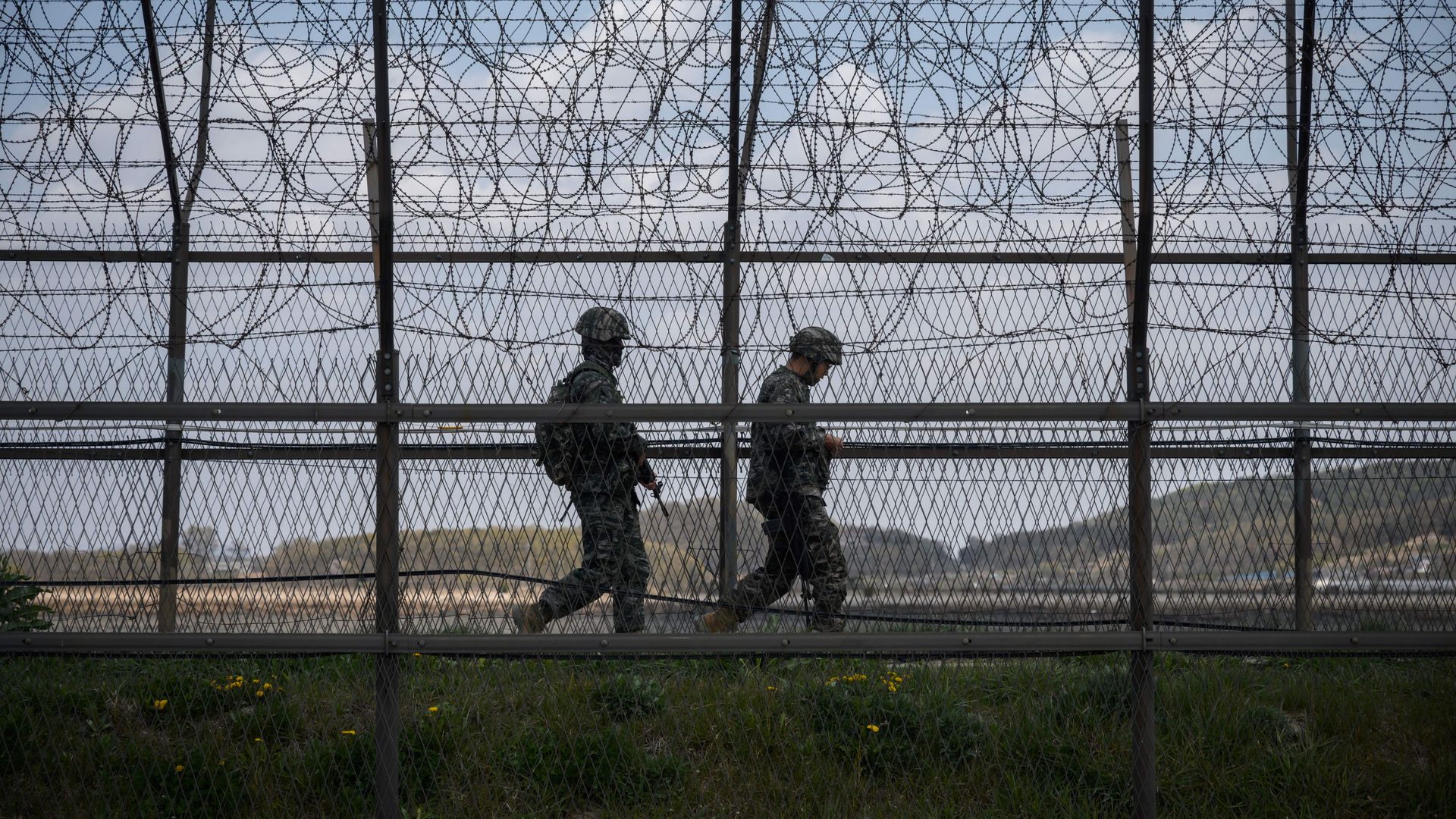
North and South Korean troops exchanged fire across the Demilitarized Zone on Sunday. The South Korean military suffered no casualties, and officials said it’s unlikely that North Korea had any casualties, according to AP.
Why it matters: It's the first violent confrontation between the two countries on the border since 2017, and it comes after weeks of conflicting reports about the health of North Korean dictator Kim Jong-un.