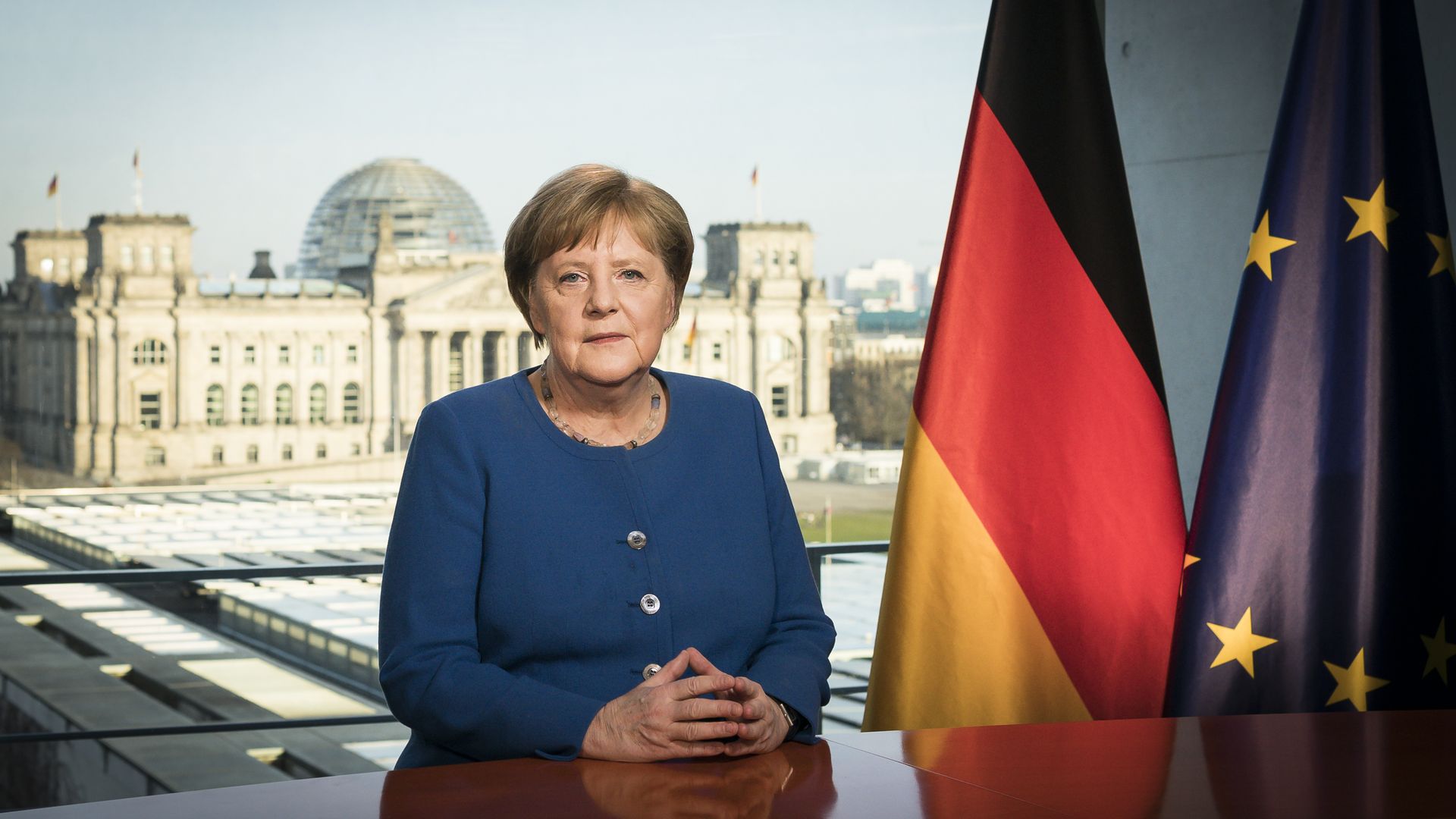
In a national address with no precedent in her 14 years as chancellor, Angela Merkel said Germany now faces the gravest challenge since World War II.
What she’s saying: “Take it seriously. Since German unification, no, since the Second World War, there has been no challenge to our nation that has demanded such a degree of common and united action," Merkel said, per DW.
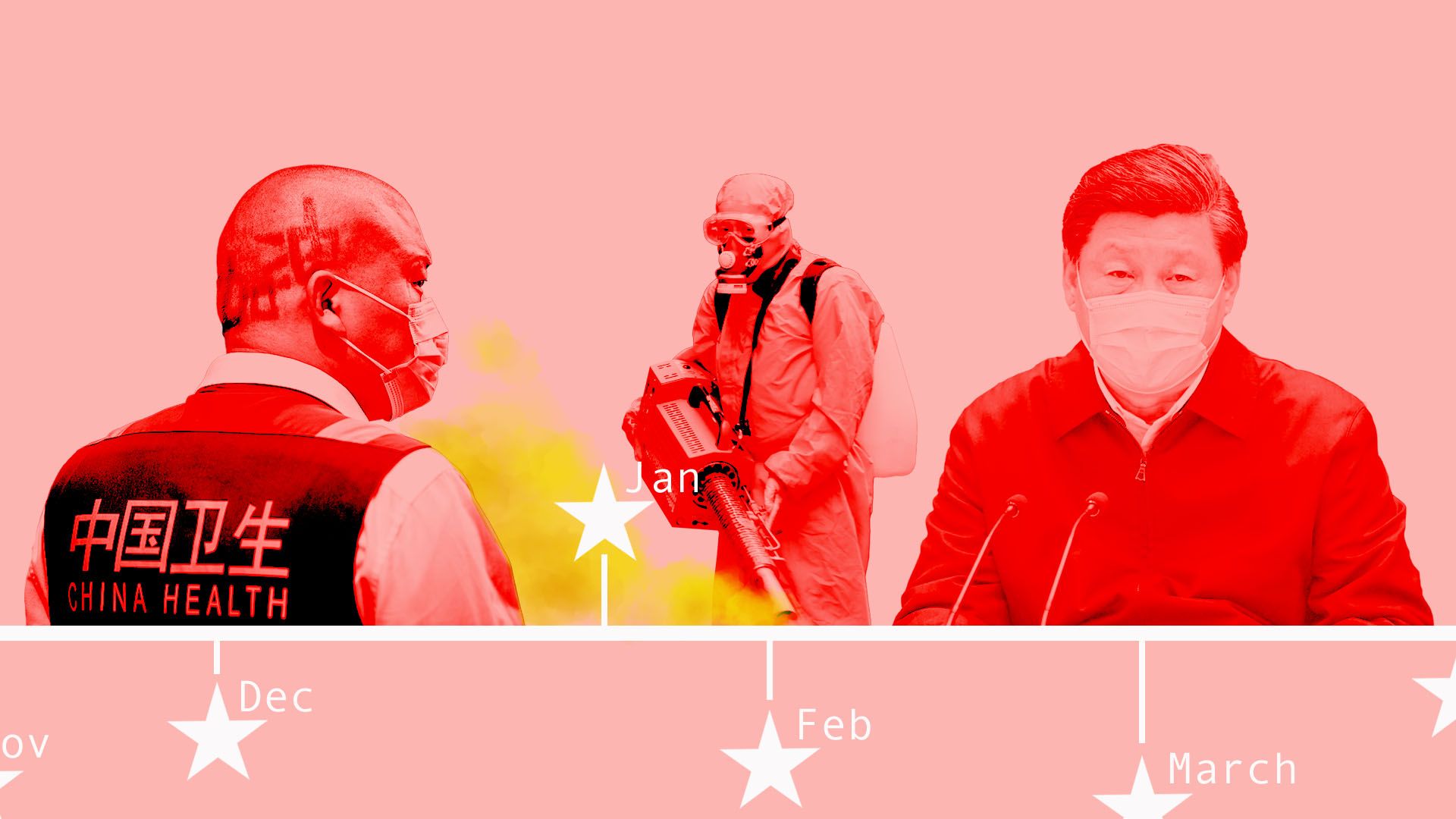
Axios has compiled a timeline of the earliest weeks of the coronavirus outbreak in China, highlighting when the cover-up started and ended — and showing how, during that time, the virus already started spreading around the world, including to the United States.
Why it matters: A study published in March indicated that if Chinese authorities had acted three weeks earlier than they did, the number of coronavirus cases could have been reduced by 95% and its geographic spread limited.
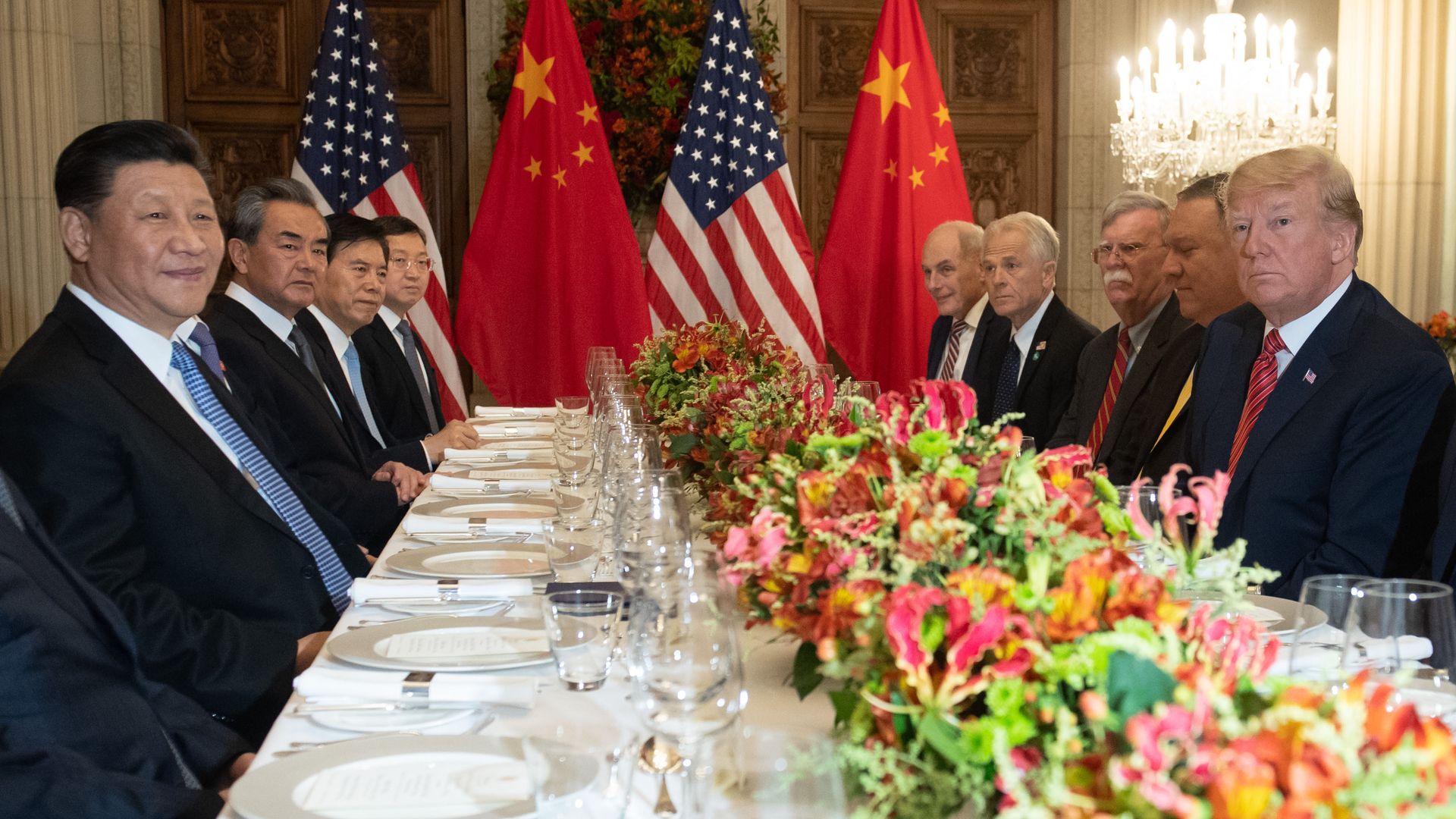
The top Republican on the House Foreign Affairs Committee has accused China of carrying out "one of the worst cover-ups in human history" over the novel coronavirus outbreak and inflicting a pandemic and economic calamity on the world.
Why it matters: Rep. Michael McCaul's rhetoric is characteristic of the growing hawkishness toward China among many in Washington, D.C. even, or especially, amid a crisis that is battering both countries.
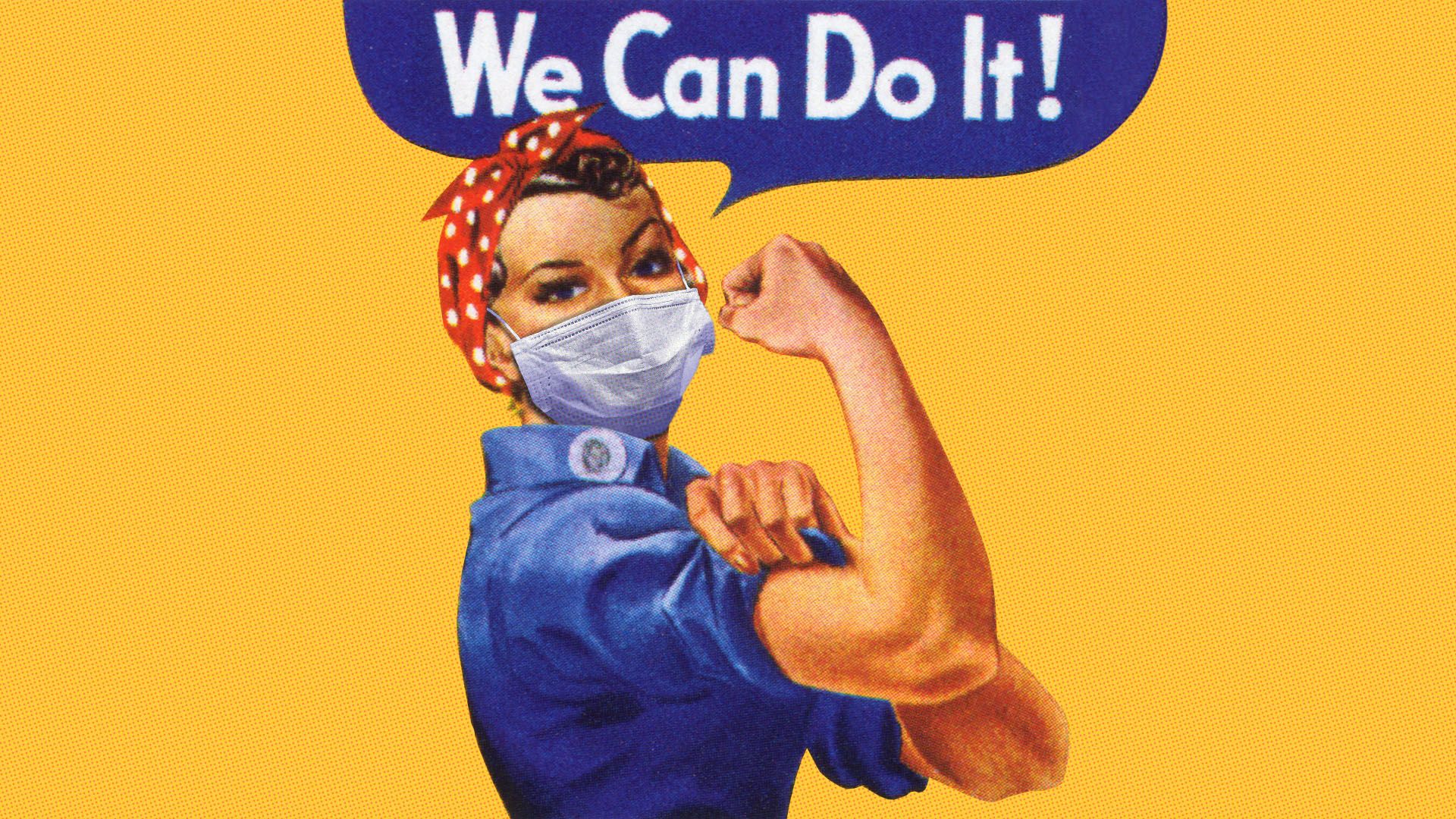
China's successful fight against the coronavirus has exacerbated a pre-existing crisis of confidence in Western democracies. But many of China's measures to combat the coronavirus aren't authoritarian; they are the kind of total social mobilization that happens during war.
Why it matters: In the fight against the coronavirus, as in wartime, democracies are perfectly capable of taking extreme measures when necessary.
The Chinese government announced Tuesday that it will revoke press credentials for American journalists who work for the New York Times, Washington Post and Wall Street Journal and whose credentials were set to expire in 2020, retaliating for state media restrictions by the Trump administration.
Why it matters: It's an escalation of a media war — in the midst of a global pandemic — that will result in U.S. journalists effectively being expelled from China. The journalists will not be permitted to work in Hong Kong or Macao, which is typically what blacklisted journalists have done in the past.
Over the past few days there's been a noticeable uptick in conservatives using the terms "Wuhan virus" and "Chinese virus," according to a new report from The Atlantic Council’s Digital Forensic Research Lab provided exclusively to Axios.
Why it matters: This is in opposition to guidance from the World Health Organization, which requested back in February that the epidemic be referred to as coronavirus or Covid-19, rather than terms that could stigmatize individuals with Chinese ancestry.
A startling new report from Imperial College London warns that 2.2 million Americans and 510,000 Britons could die from coronavirus if extreme action isn't taken to change the course of the outbreak.
Why it matters: The report's dire warnings prompted a quick course correction from both the American and British governments on their strategies, but its strict recommendations and long timeline — 18 months — to stem the tide could have far-reaching implications for both populations and economies.