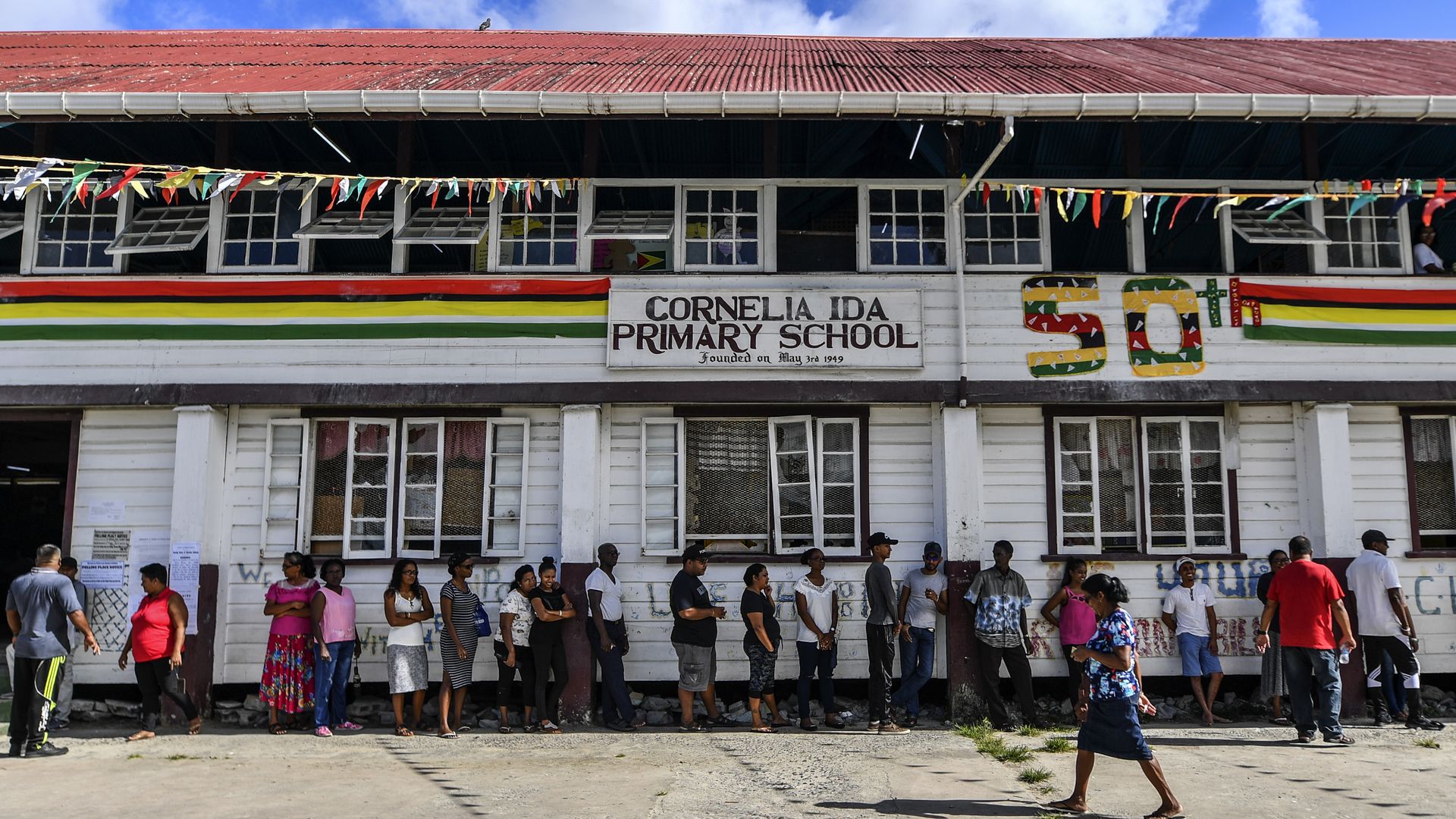
Guyana’s March 2 election came while the country is on the cusp of a transition from relative poverty to newfound wealth — and it was marred by severe irregularities that caused the U.S. and other countries to reject the result.
Why it matters: The coming days could determine whether the world’s next oil-rich country maintains democracy or slips back into strongman rule just as revenues start to flood in.
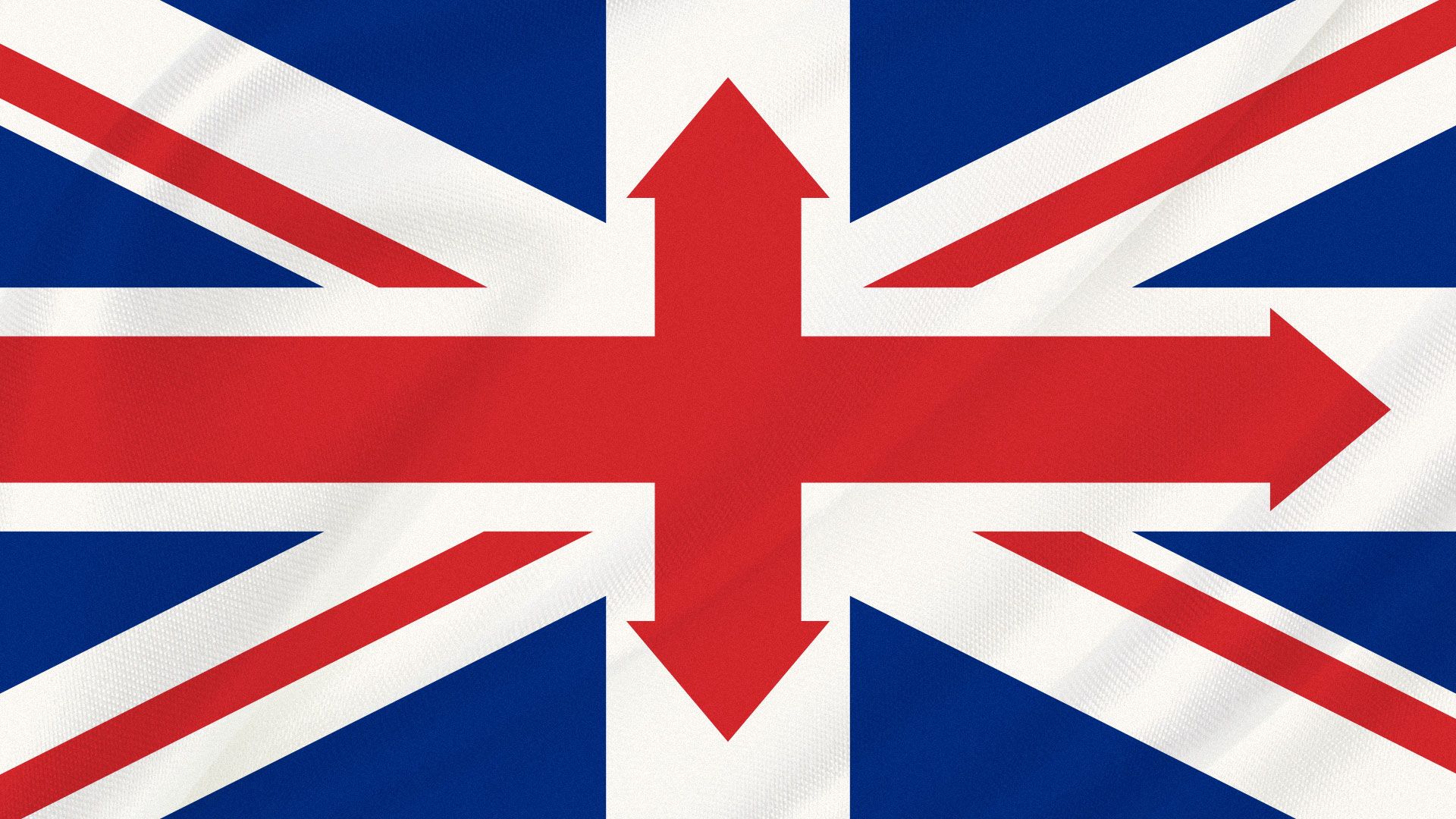
With the world shutting down and spreading out, U.K. Prime Minister Boris Johnson has — in the course of four days — shown what an alternative approach to the coronavirus pandemic might look like, and why it's nearly impossible to execute.
The big picture: Johnson, flanked by his scientific advisers, laid out a strategy premised on some crucial concessions: tens of millions of Britons could be infected, many would die, and the danger would loom for many months — with fresh waves expected in the autumn and beyond.
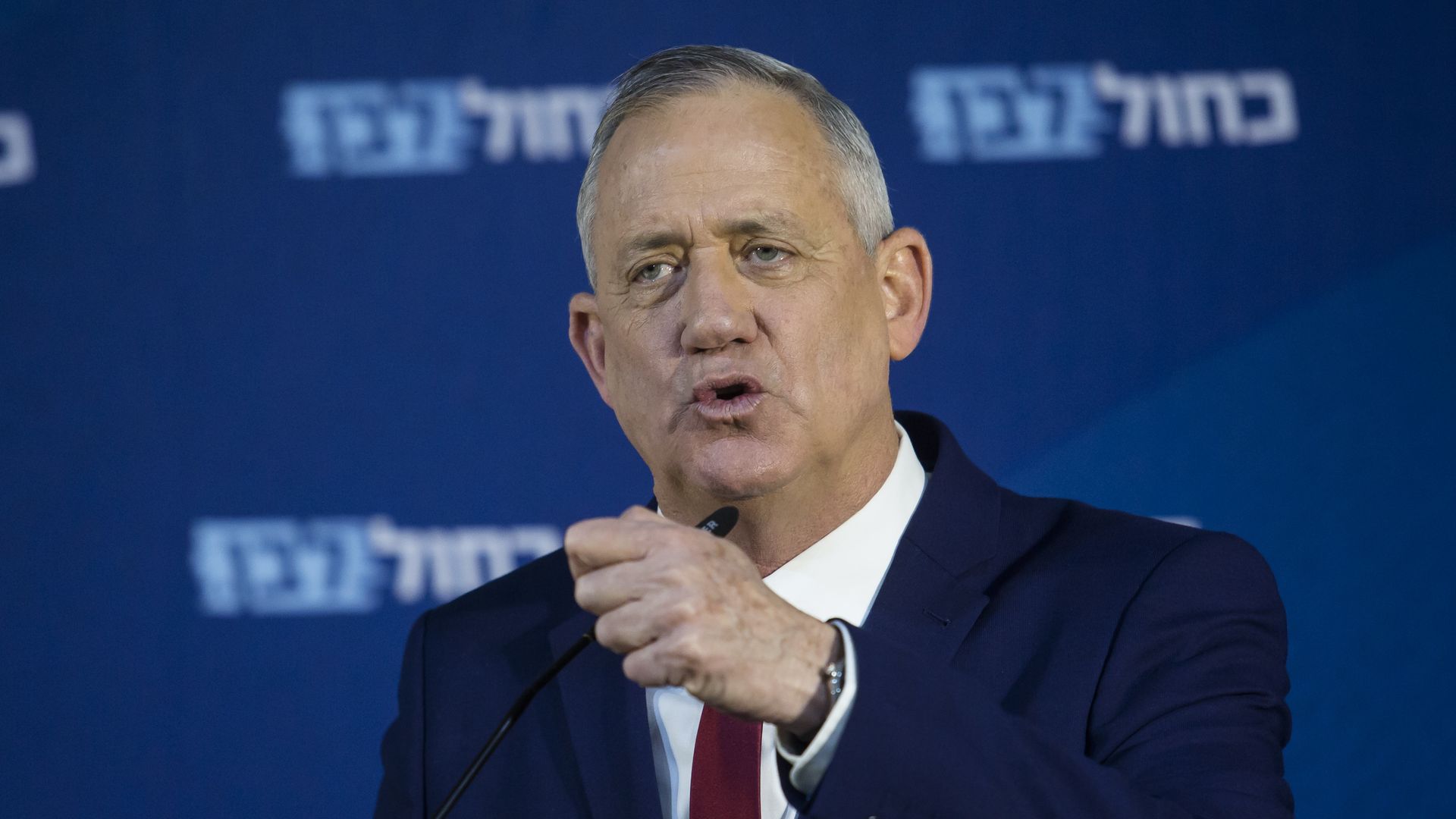
The leader of Israel's Blue and White party Benny Gantz has won recommendations from 61 members of the Knesset, paving the way for him to receive the mandate from President Reuven Rivlin to form a new government after Israel’s third elections.
Why it matters: The fact that Gantz managed to secure 61 recommendations means that Rivlin by law has to grant him the mandate. This will allow Gantz to take control of the Knesset, appoint the speaker from his party, control the main committees and start pushing legislation that could prevent Prime Minister Benjamin Netanyahu from forming a government due to his corruption indictments.
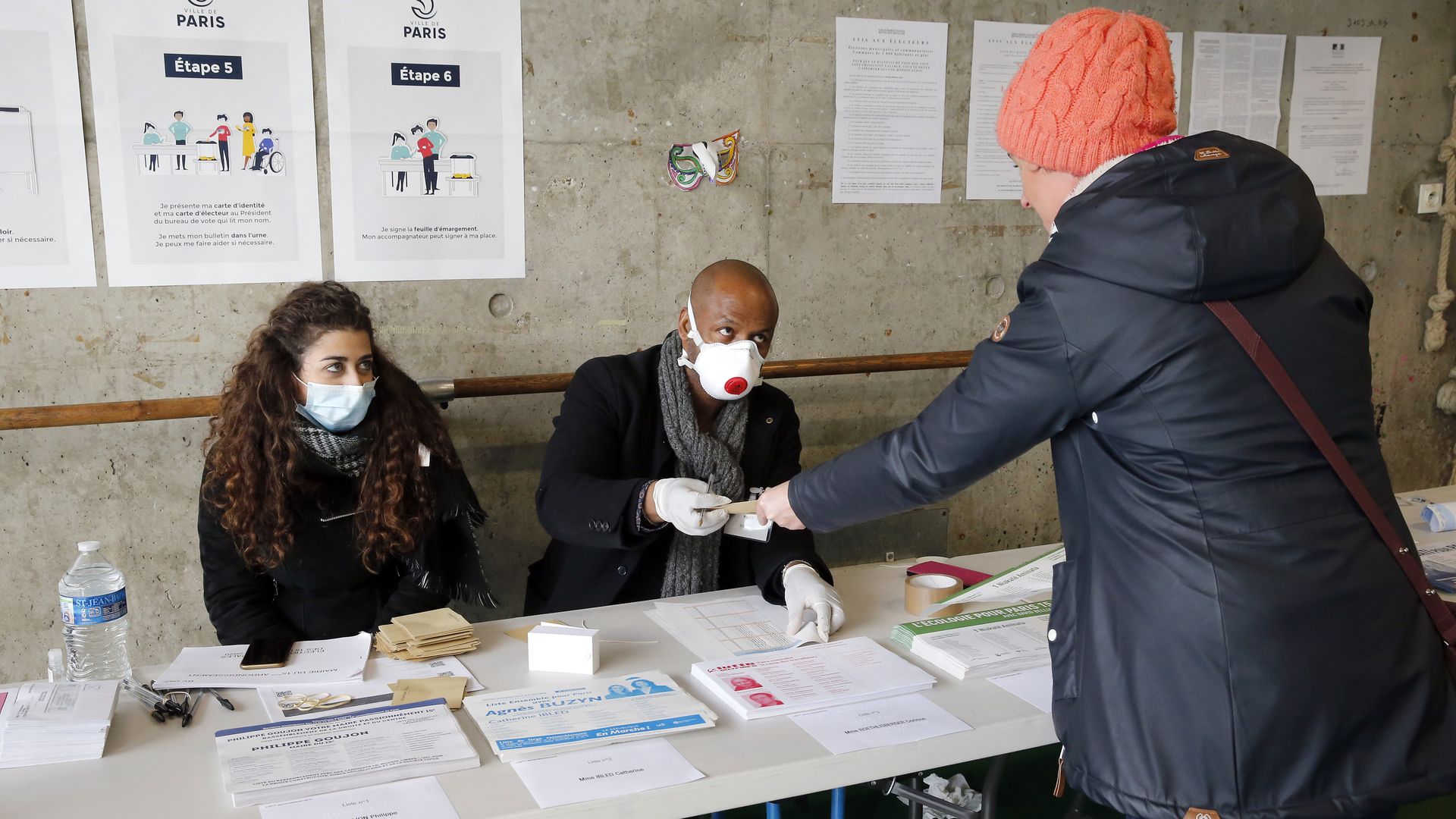
France is electing mayors and municipal councils leaders on Sunday, despite a public ban on gatherings of more than 100 people and closures of schools, restaurants, clubs and more due to the coronavirus, AP reports.
The big picture: Public officials around the world must decide if and how to hold elections in a pandemic.