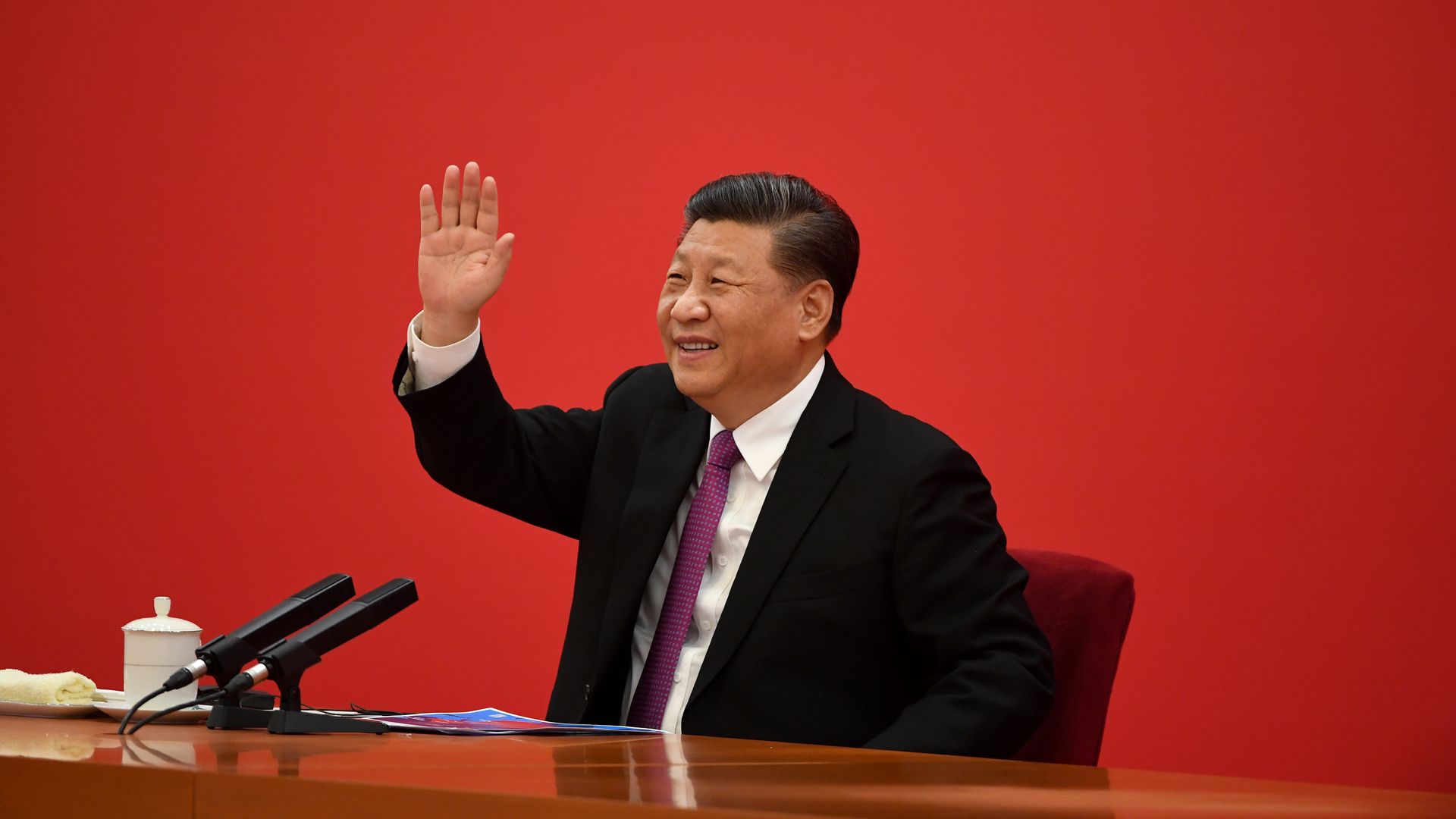
The Chinese government announced Tuesday that it will revoke press credentials for American journalists who work for the New York Times, Washington Post and Wall Street Journal and whose credentials were set to expire in 2020, retaliating for state media restrictions by the Trump administration.
Why it matters: It's an escalation of a media war — in the midst of a global pandemic — that will result in U.S. journalists effectively being expelled from China. The journalists will not be permitted to work in Hong Kong or Macao, which is typically what blacklisted journalists have done in the past.
Over the past few days there's been a noticeable uptick in conservatives using the terms "Wuhan virus" and "Chinese virus," according to a new report from The Atlantic Council’s Digital Forensic Research Lab provided exclusively to Axios.
Why it matters: This is in opposition to guidance from the World Health Organization, which requested back in February that the epidemic be referred to as coronavirus or Covid-19, rather than terms that could stigmatize individuals with Chinese ancestry.
A startling new report from Imperial College London warns that 2.2 million Americans and 510,000 Britons could die from coronavirus if extreme action isn't taken to change the course of the outbreak.
Why it matters: The report's dire warnings prompted a quick course correction from both the American and British governments on their strategies, but its strict recommendations and long timeline — 18 months — to stem the tide could have far-reaching implications for both populations and economies.
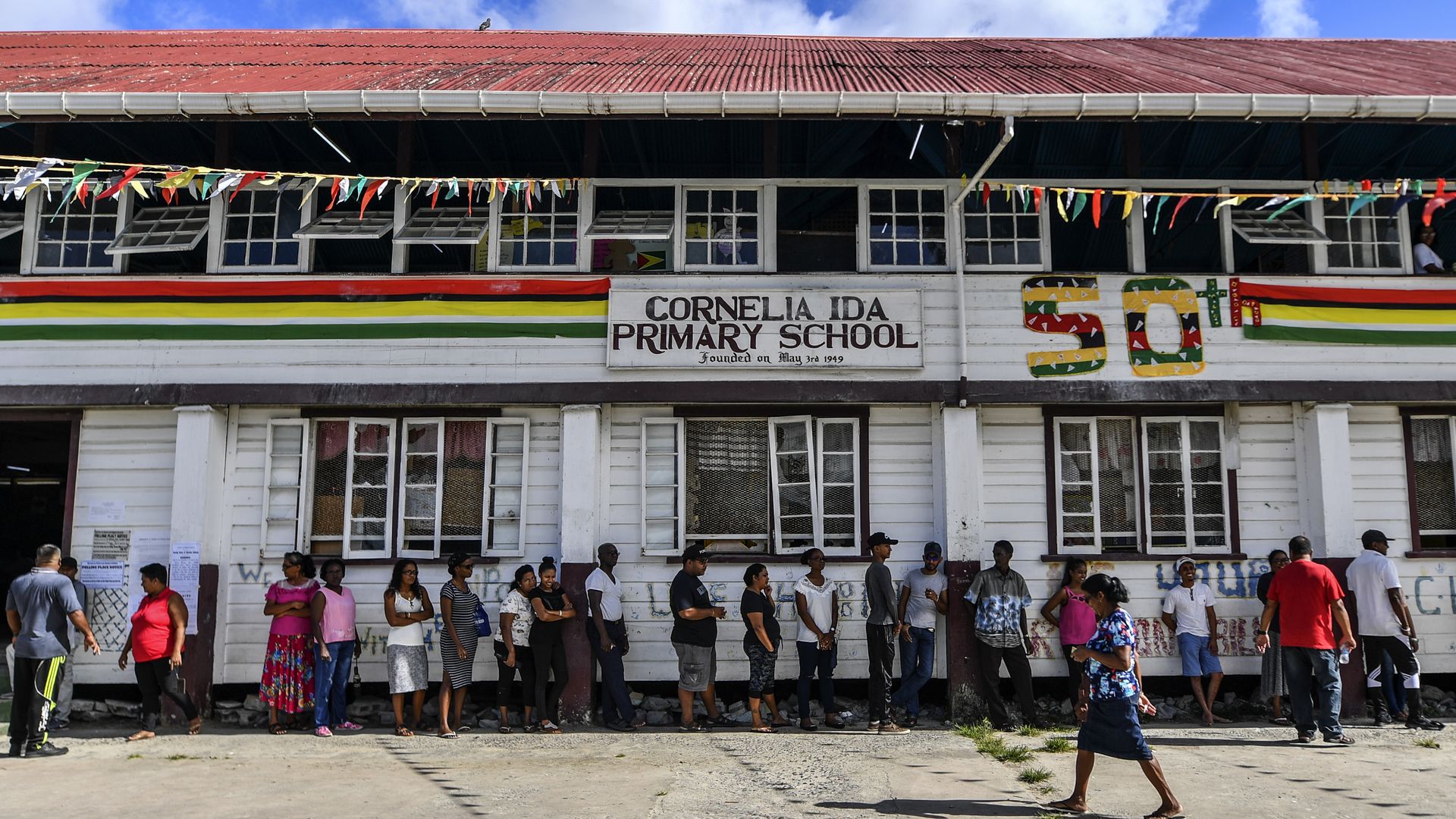
Guyana’s March 2 election came while the country is on the cusp of a transition from relative poverty to newfound wealth — and it was marred by severe irregularities that caused the U.S. and other countries to reject the result.
Why it matters: The coming days could determine whether the world’s next oil-rich country maintains democracy or slips back into strongman rule just as revenues start to flood in.
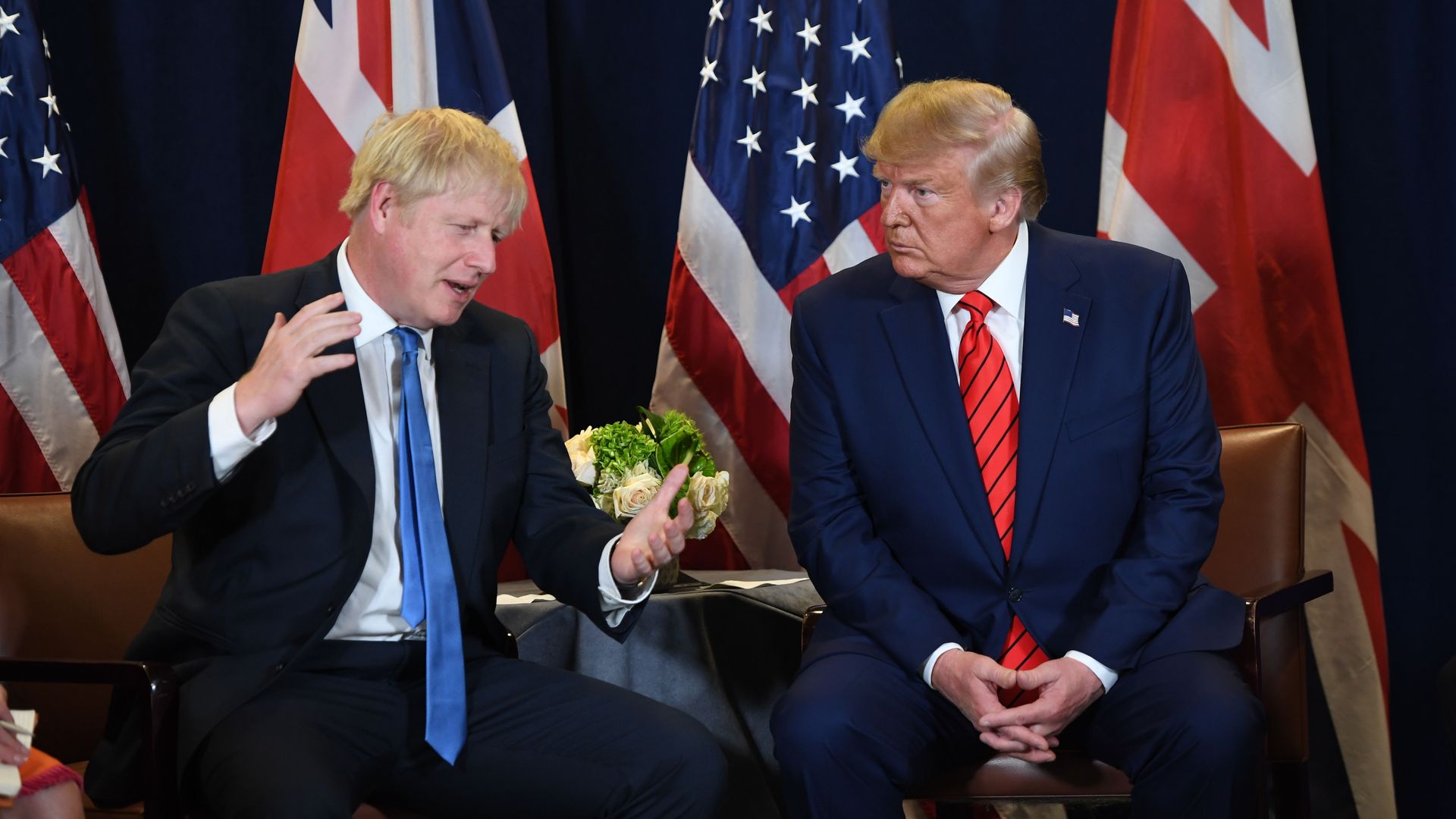
With the world shutting down and spreading out, U.K. Prime Minister Boris Johnson has — in the course of four days — shown what an alternative approach to the coronavirus pandemic might look like, and why it's nearly impossible to execute.
The big picture: Johnson, flanked by his scientific advisers, laid out a strategy premised on some crucial concessions: tens of millions of Britons could be infected, many would die, and the danger would loom for many months — with fresh waves expected in the autumn and beyond.