Soccer leagues across Europe are reacting differently as the coronavirus spreads, from canceling games to playing in closed-door arenas.
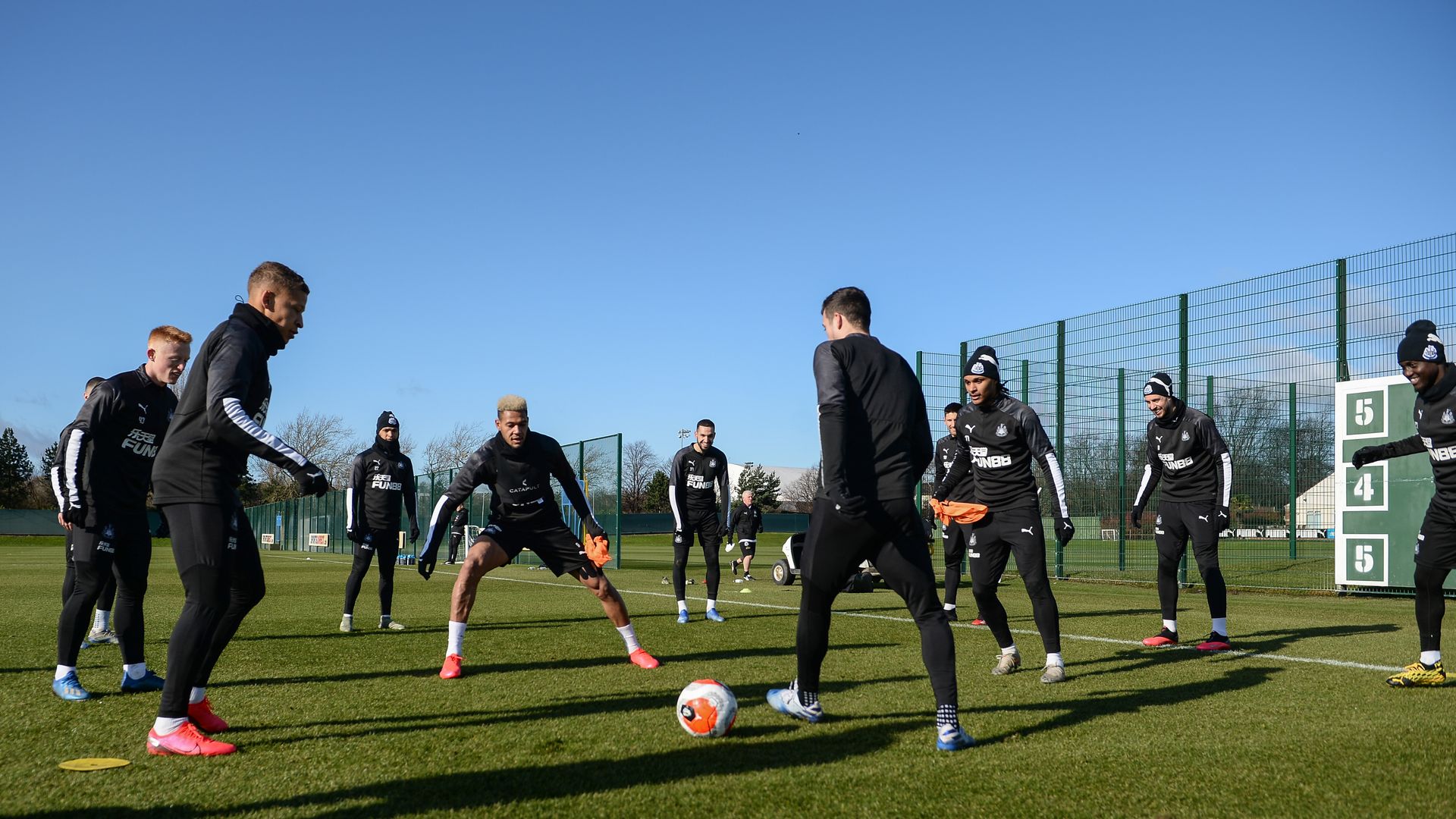
Driving the news: The Premier League has banned the ceremonial pre-match handshake. But following advice from the government, it has not canceled any of the upcoming games yet.
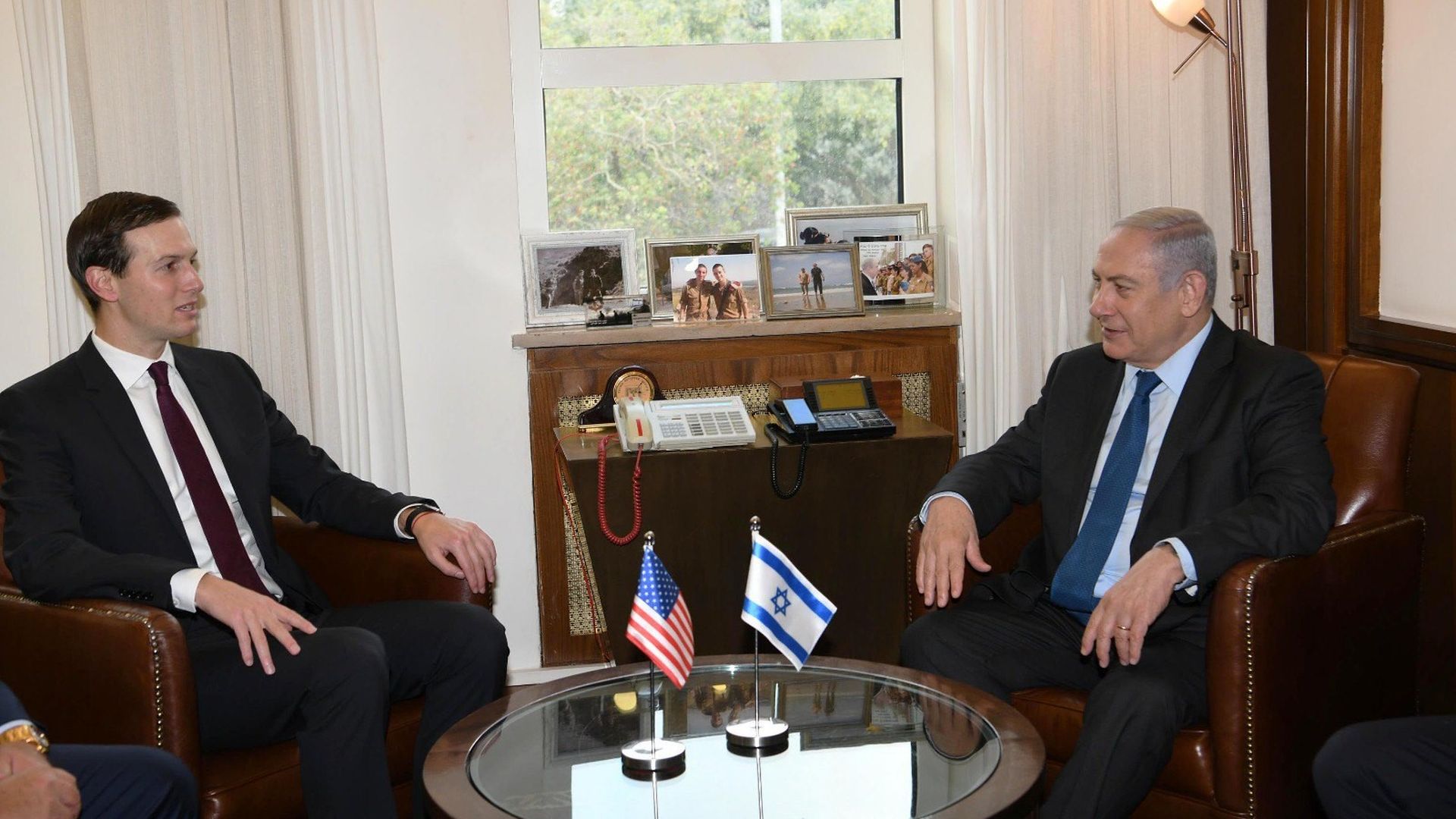
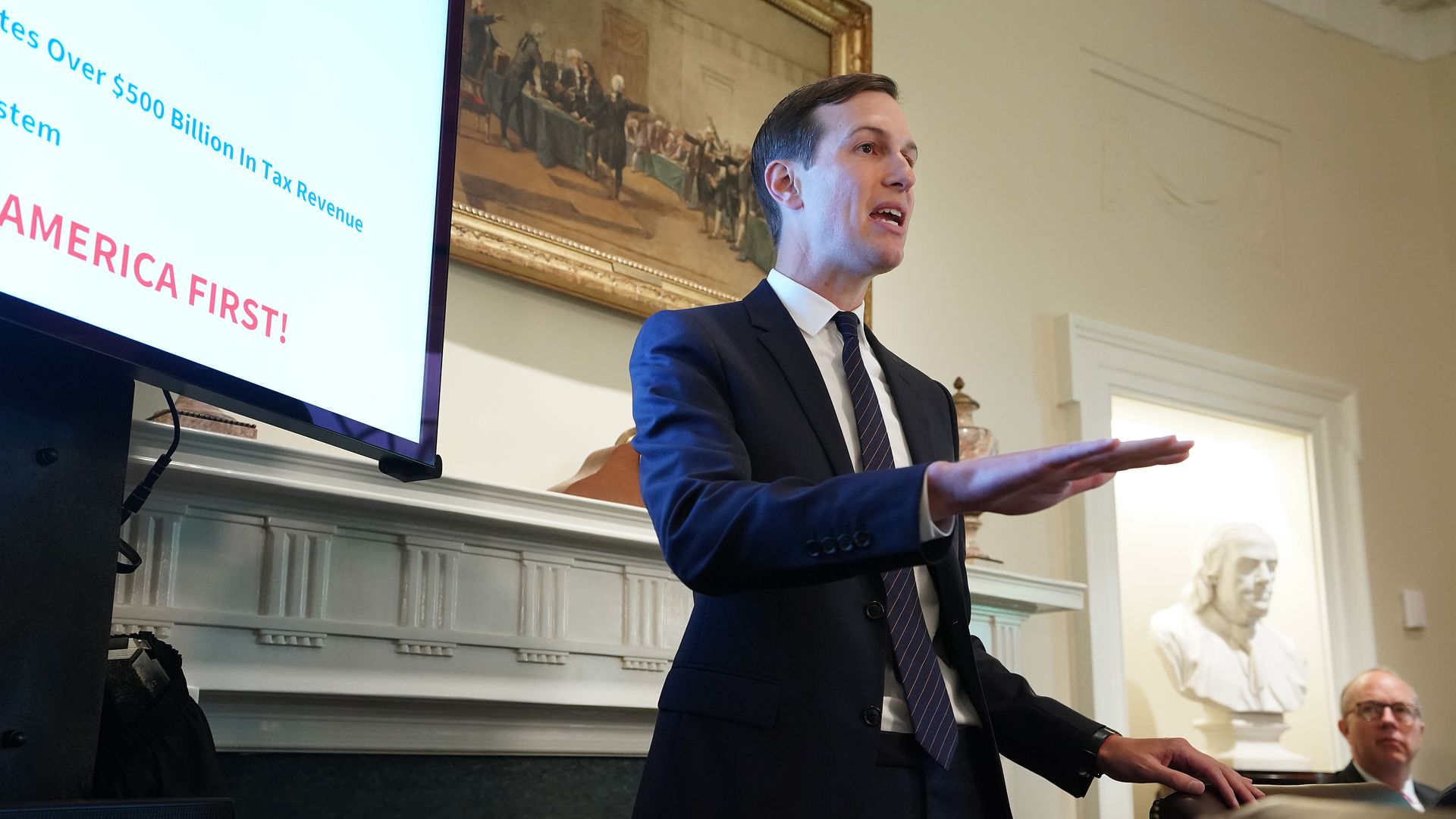
Jared Kushner told senators in a closed-door briefing Wednesday that the Trump administration is pressing ahead with its Middle East peace plan, even with the Palestinians boycotting the process and without a stable government in Israel, White House officials tell me.
Why it matters: The path could soon be cleared for Israel to annex areas of the West Bank envisioned as part of Israel under the plan. In the meantime, the administration is urging the Palestinians to negotiate, warning that its current plan will move forward without their input if they don't.
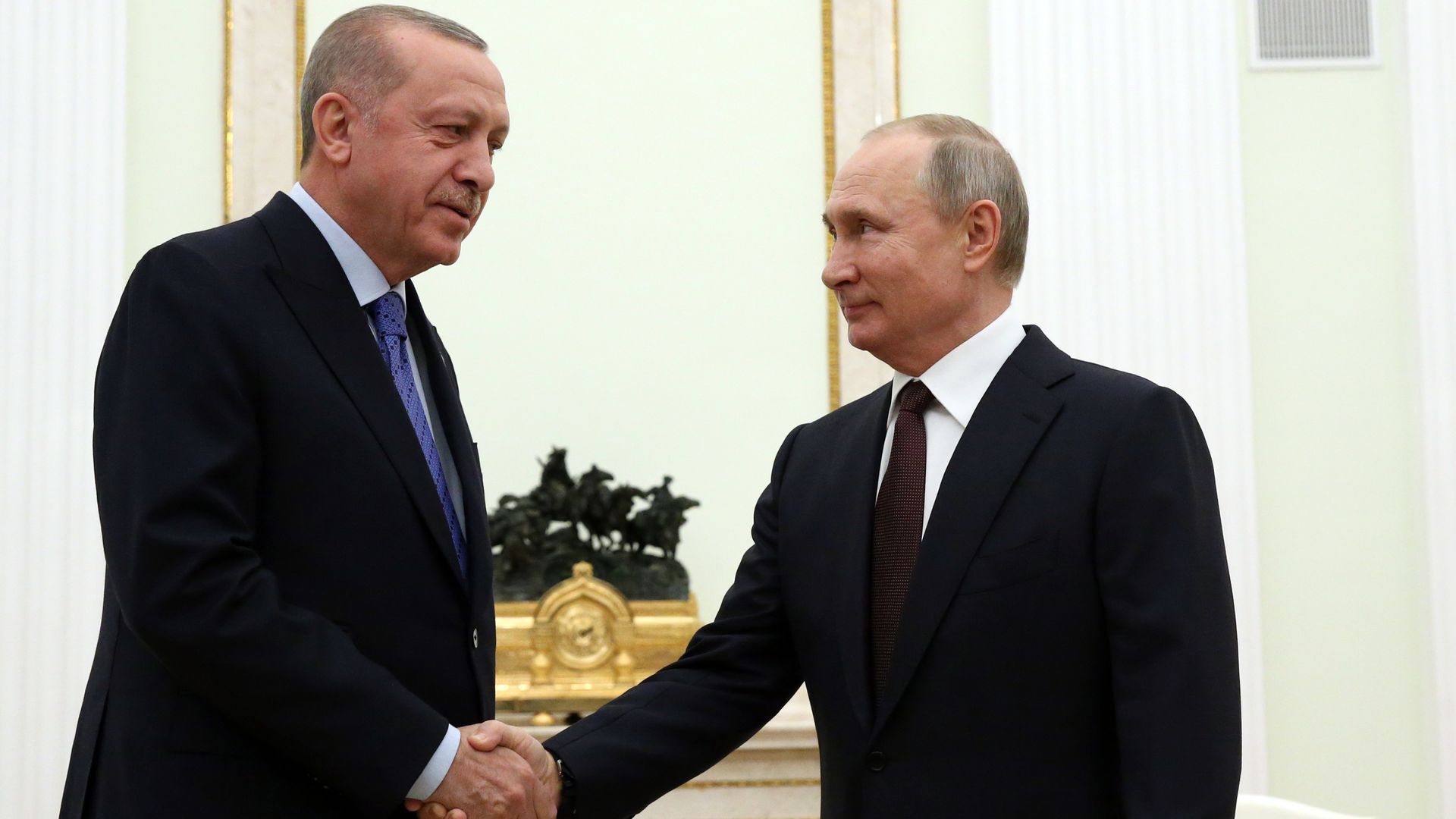
Russian President Vladimir Putin and Turkish President Recep Tayyip Erdogan announced in a press conference Thursday that the two countries had agreed to a ceasefire in the northwestern Syrian region of Idlib.
Why it matters: A brutal offensive by Syrian dictator Bashar al-Assad and his Russian patrons has forced more than 1 million civilians to flee toward the Turkish border, infuriating Erdogan and bringing Turkey to the brink of direct military conflict with Russia. The ceasefire, which is set to go into effect at midnight, is aimed at cooling geopolitical tensions and halting what is already a massive humanitarian crisis.
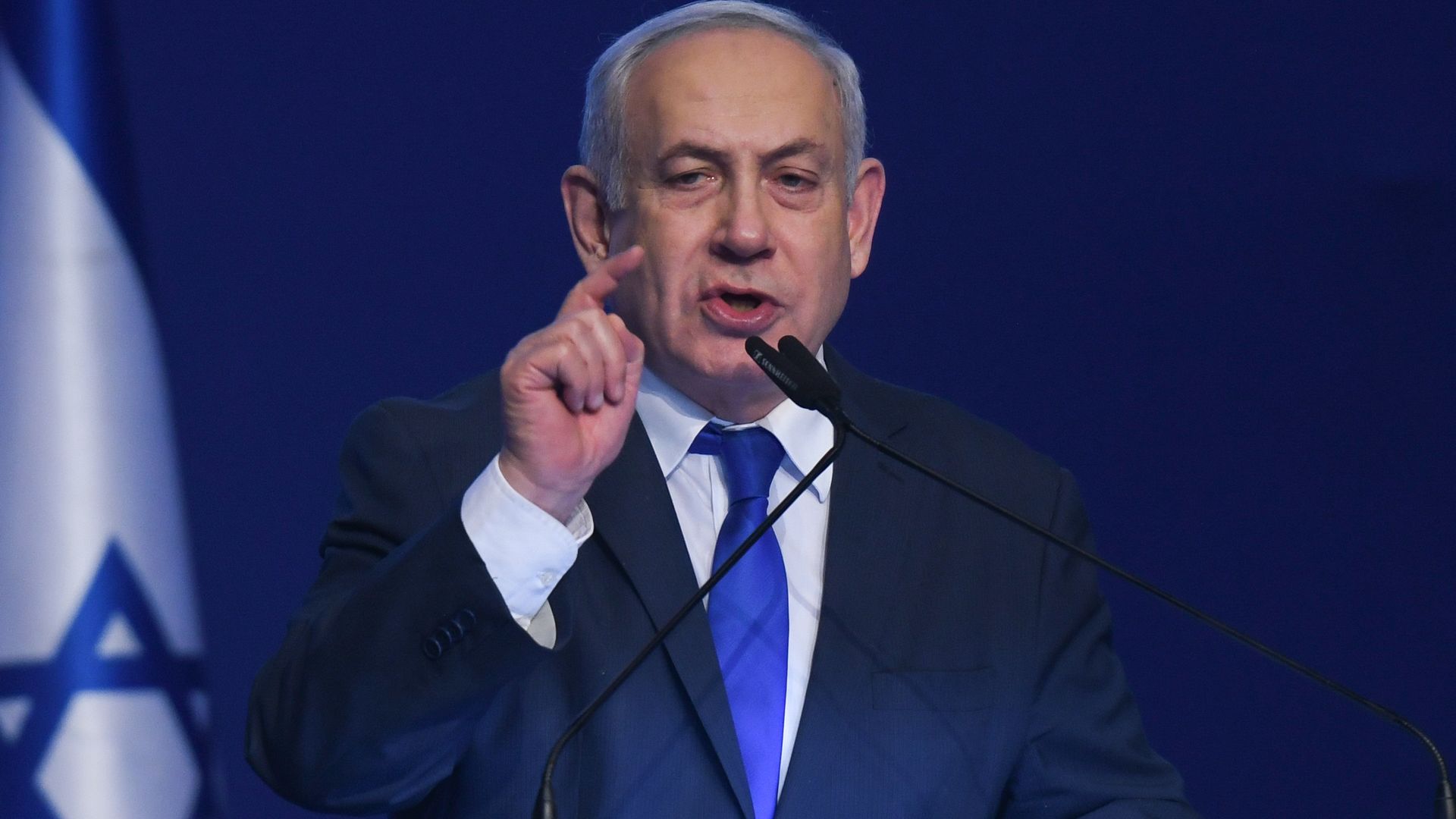
Israel's election committee has published the results of Monday's election showing Prime Minister Benjamin Netanyahu's right-wing bloc with 58 seats — three short of the parliamentary majority needed to form a government.
Why it matters: Worse still for Netanyahu, particularly in the wake of what looked like a remarkable victory, a majority might now be uniting behind an effort to effectively end his political career. His corruption trial, meanwhile, is set to begin in just 12 days.
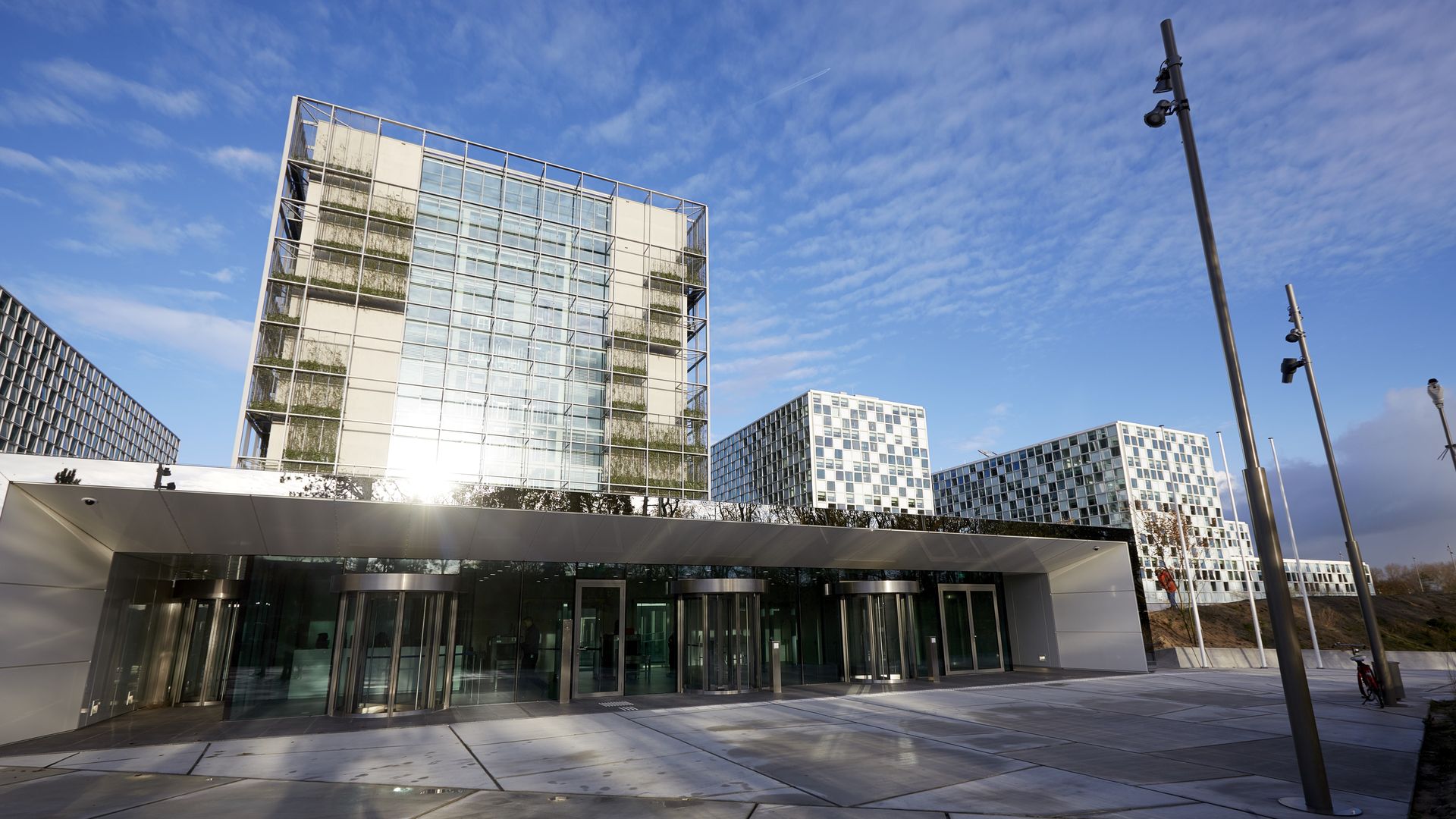
International Criminal Court judges ruled on Thursday that prosecutors can open investigations into allegations of war crimes committed by the Taliban, Afghan forces and U.S. forces in Afghanistan, the AP reports.
Why it matters: It's the first time that ICC judges have allowed prosecutors to investigate U.S. forces, but Washington does not recognize the court's jurisdiction and may refuse to cooperate.
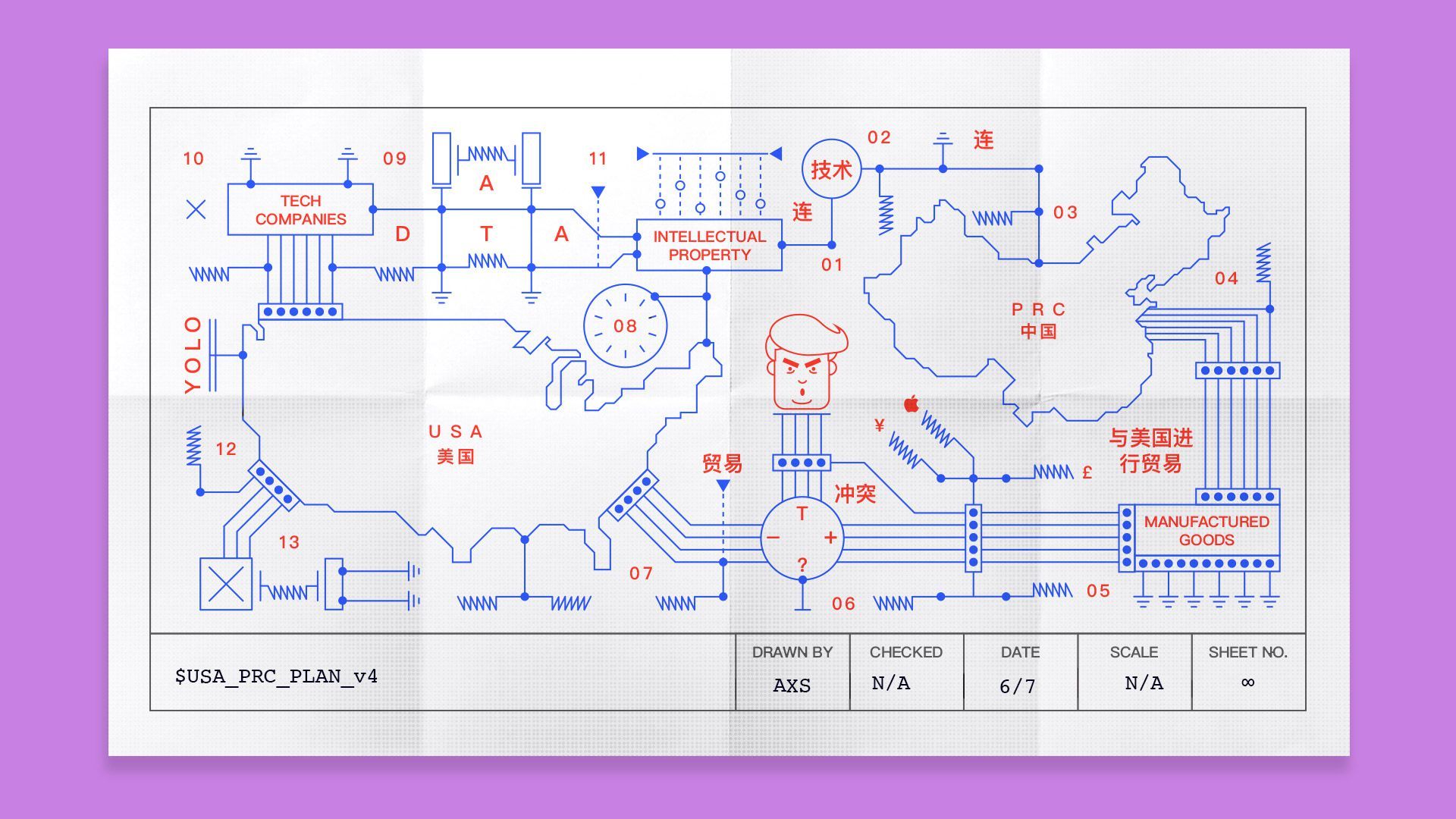
Policymakers in D.C. are targeting a handful of specific Chinese-owned companies as they try to thread the needle between protecting U.S. security and avoiding wider disruption of the two nations' interdependent economies.
The big picture: A new wave of proposals in Congress is turning TikTok, Huawei and other specific companies into proxies in Washington's broader power struggle with Beijing.
Jared Kushner briefed senators behind closed doors today on the Trump administration's Middle East peace plan, White House officials tell me.
Where things stand: Palestinian leaders swiftly rejected the plan last month, as expected, but Kushner told a bipartisan group from the Senate Foreign Relations Committee that the international reaction was otherwise encouraging. His briefing was part of an effort to build support for the plan in Washington and overseas.
The erosion of democracy around the world continued for the 14th consecutive year, according to an annual report from Freedom House.
Why it matters: Year after year, many of the world’s democracies become less democratic. This year’s report draws particular attention to India, where policies targeting Muslims are “threatening the democratic future of a country long seen as a potential bulwark of freedom in Asia and the world.”
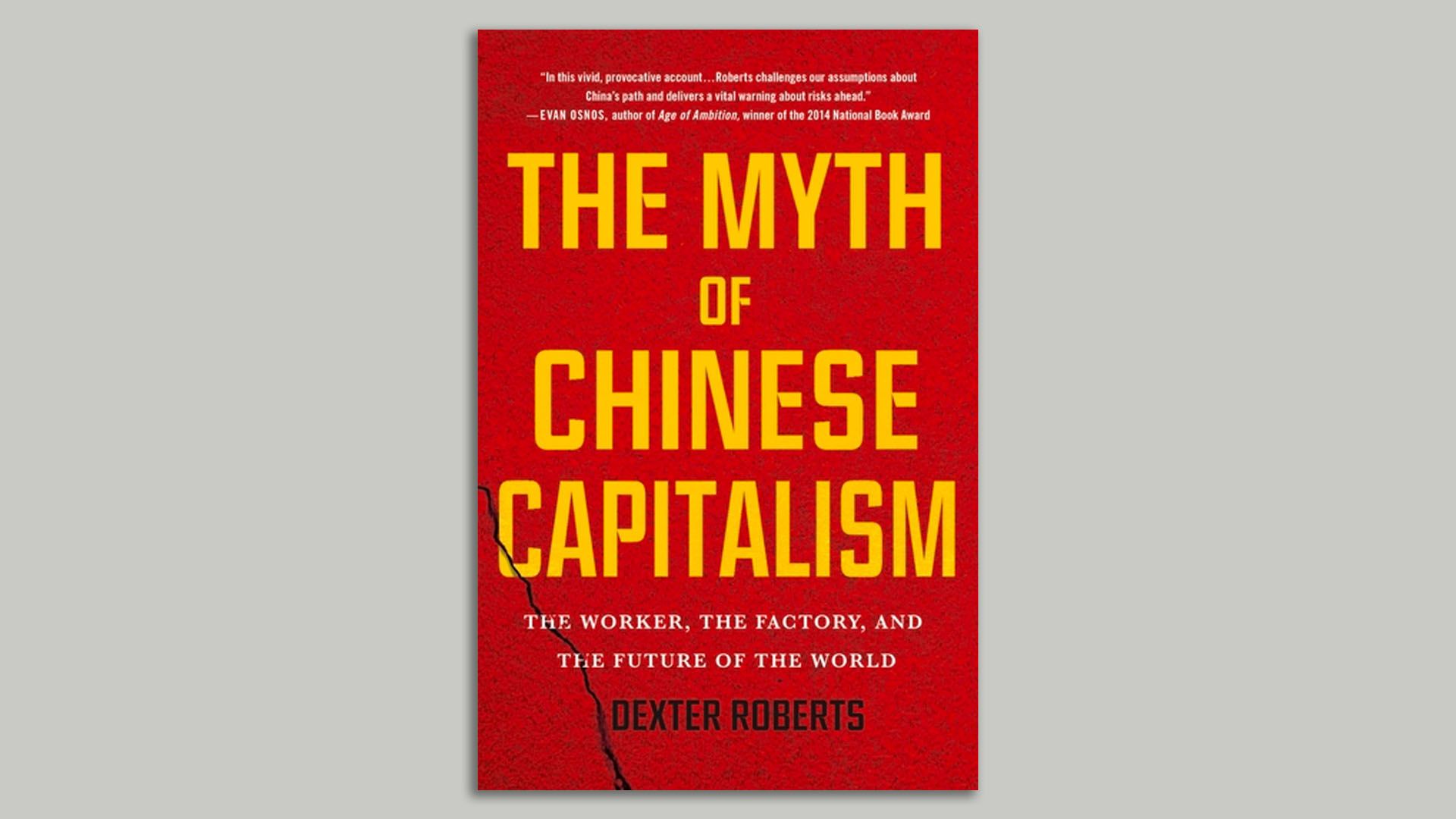
China's migrant workers — approximately 288 million wage laborers locked into low wages with few social benefits — aren't just a human rights issue, a new book argues; they're part of an apartheid system undergirding China's 30-year economic miracle.
Why it matters: What Beijing has touted as a better model of economic growth is actually based on systematic exploitation of its rural population, writes Dexter Roberts, a former Bloomberg China correspondent.
The Trump administration this week announced unprecedented restrictions on Chinese journalists in the U.S. in an effort to pressure Beijing to ease its own restrictions on foreign journalists in China.
The big picture: The U.S. approach of late to dealing with Beijing is focused on reciprocity but analysts are split on whether the tactic will have the intended effect.
An Australian think tank has traced the supply chains of major U.S. companies back to Chinese companies that use Uighur forced labor.
Why it matters: It's against U.S. law for companies to import products made through forced labor — but proving those links is often difficult. As more information comes to light, expect more government action to combat tainted imports.
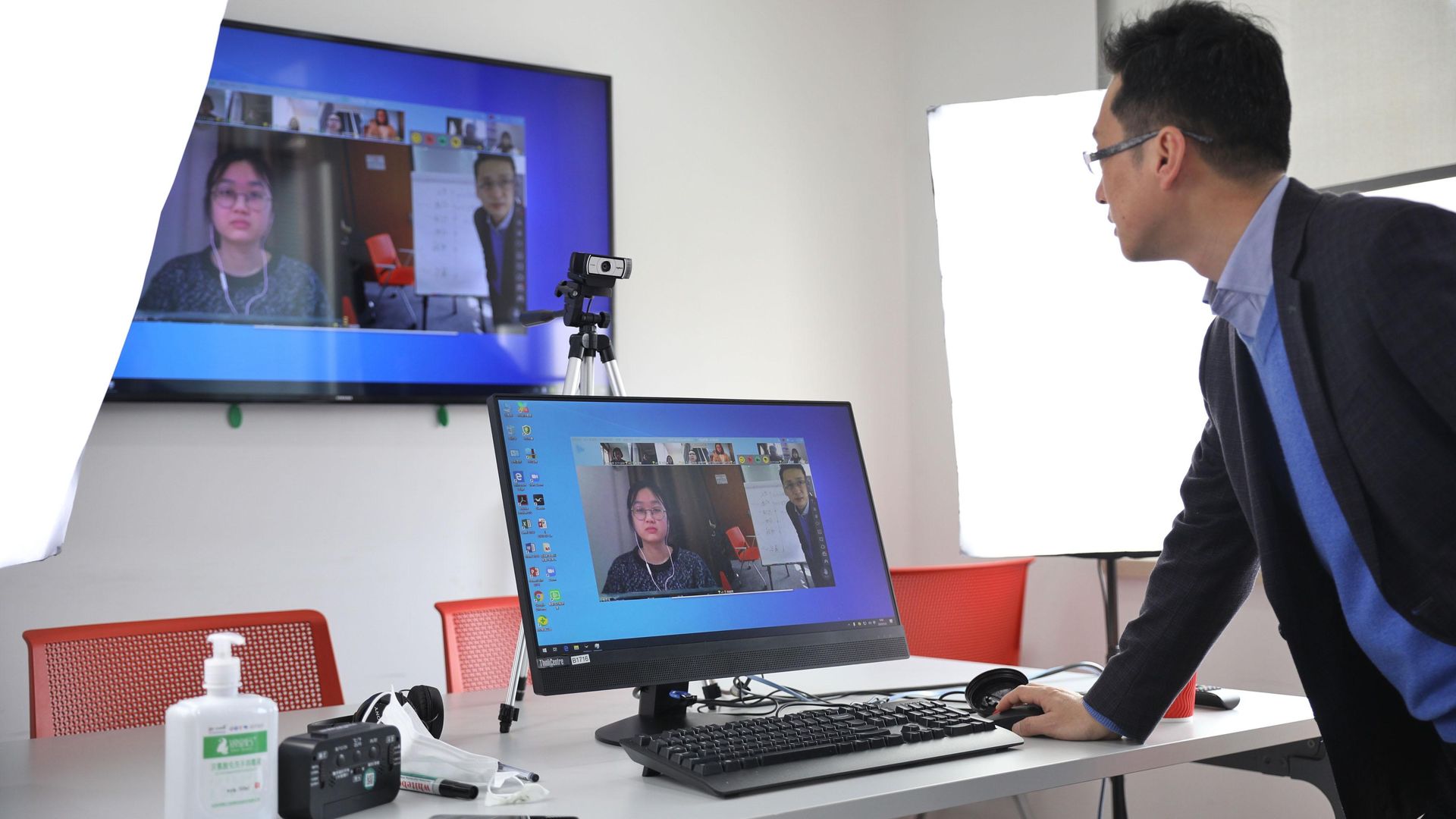
Schools and universities across much of China have closed due to the coronavirus outbreak and are being forced to hold classes online for the foreseeable future.
Zoom in: The video platforms being used are closely monitored by censors, and some teachers are finding their lessons unceremoniously ended when they hit on controversial topics, the AP reports.
As part of our What Matters 2020 series on the critical trends that will outlive this moment, Axios co-founders Jim VandeHei and Mike Allen discuss the rise of China and how it's reordering the world.