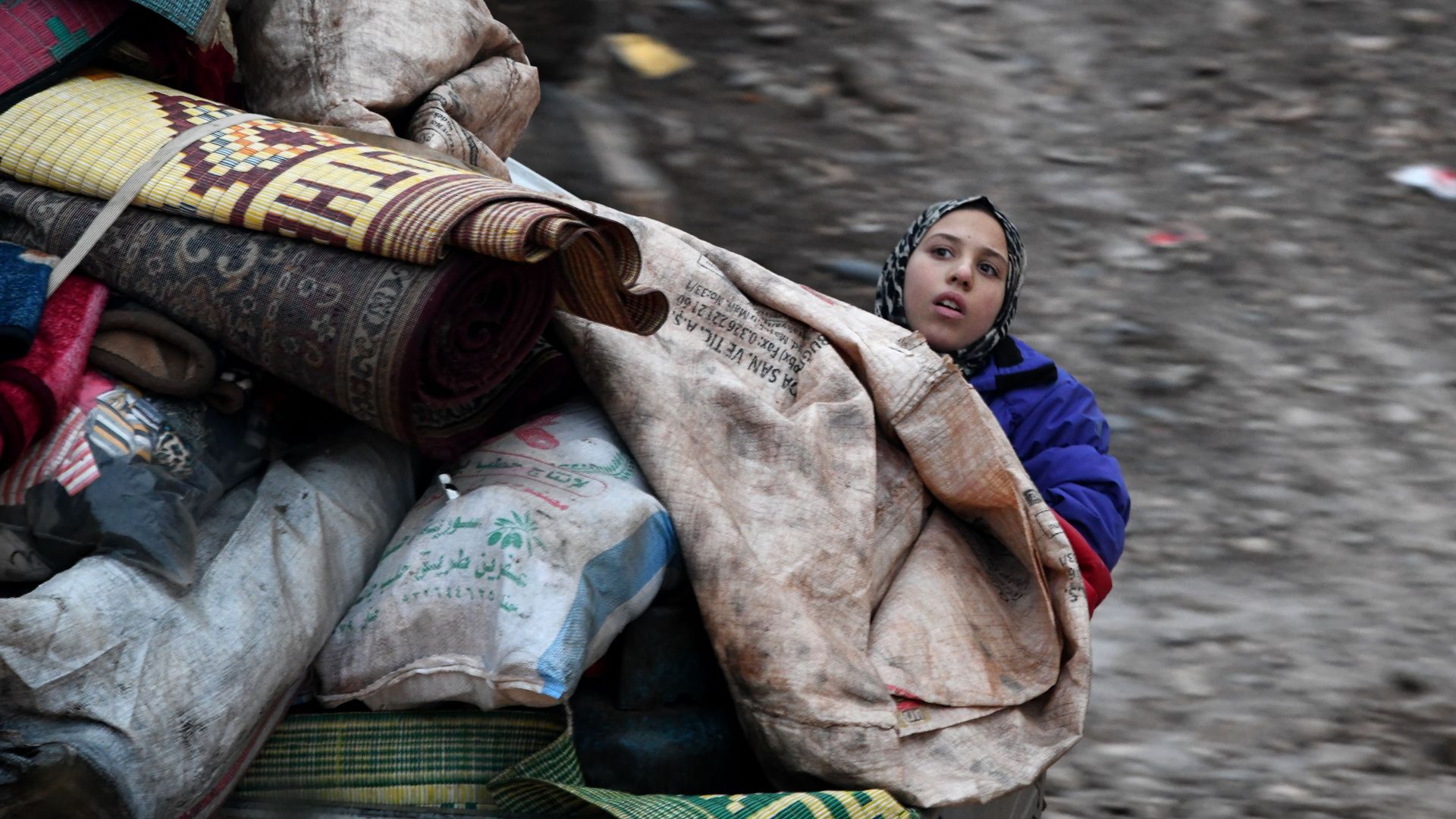
Bashar al-Assad’s Russia-backed offensive on Syria's northwestern enclave of Idlib — home to the last rebel-held areas — has forced some 150,000 civilians to flee over the past two weeks and led to direct clashes with Turkey.
Why it matters: David Miliband, CEO of the International Rescue Committee, tells Axios that the future of Idlib is being decided by an “arm wrestle between the Russians and the Turks” with “no U.S. engagement” and massive humanitarian consequences.
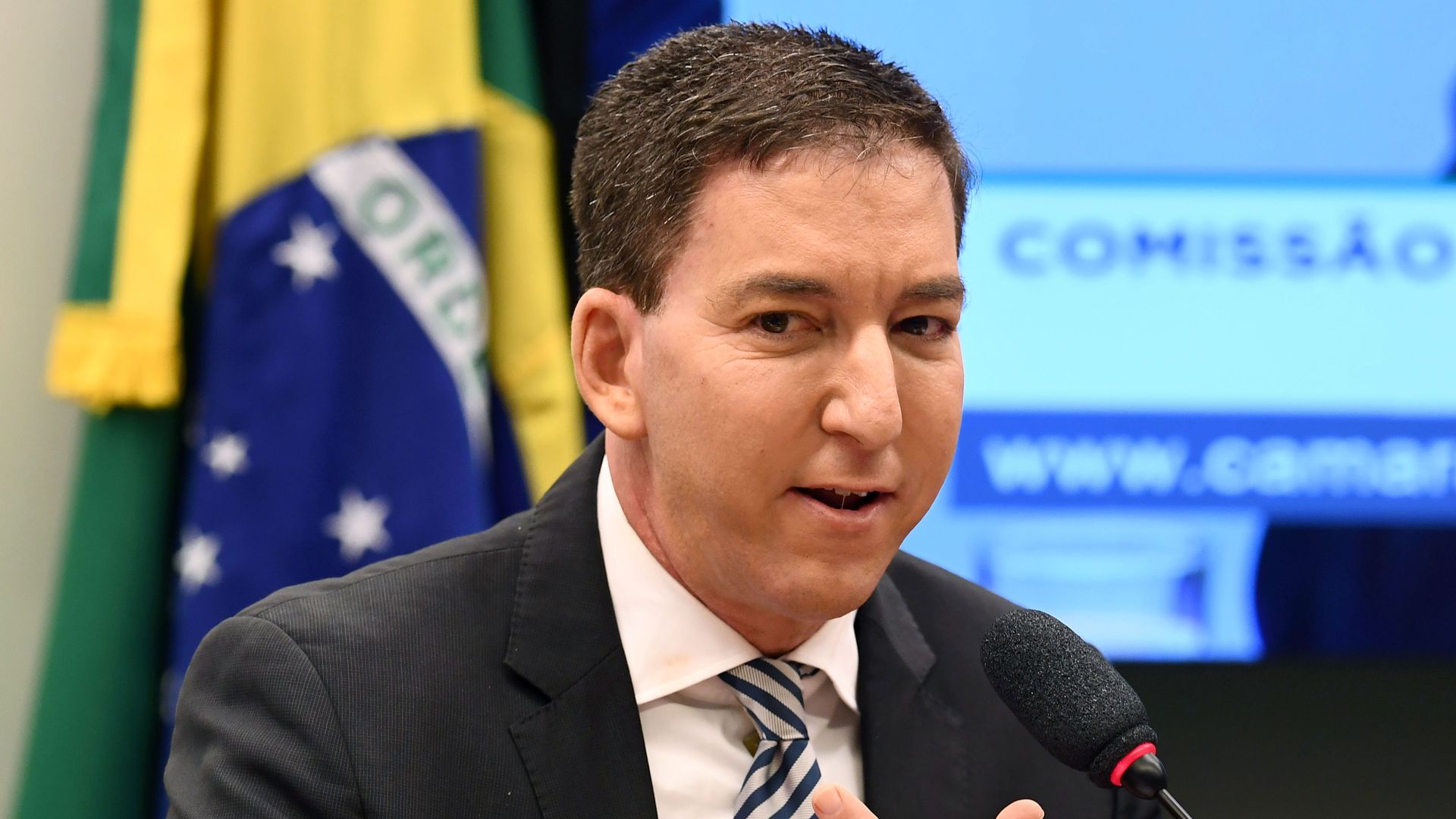
The Intercept reported Thursday that a Brazilian judge has declined to move forward with cybercrime charges against its co-founder Glenn Greenwald.
The backdrop: Brazilian prosecutors last month charged Greenwald — best known for publishing leaked documents from whistleblower Edward Snowden about U.S. domestic surveillance — for allegedly spreading cellphone messages that undermined the reputation of a sweeping anti-corruption investigation known as Operation Car Wash.
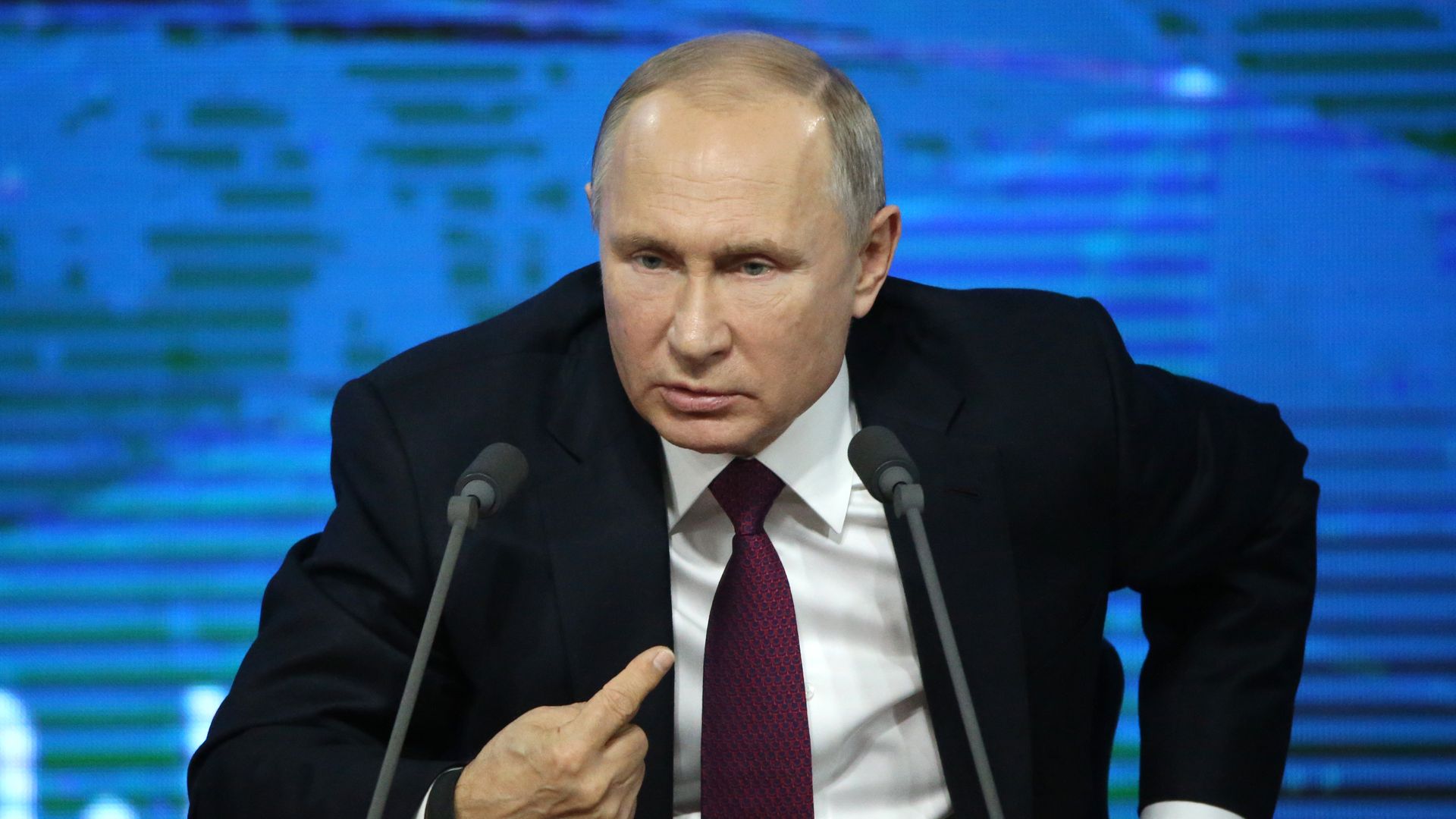
Vladimir Putin has gone to extreme lengths to control the flow of information in Russia, but there’s one step he hasn’t dared take: shutting down YouTube.
Why it matters: One of Putin’s first initiatives upon taking office 20 years ago was to bring Russia’s independent TV networks under his control. But YouTube has replaced TV in the news and entertainment diets of Russians under 30, and it's become the go-to platform for Putin’s critics, Russian journalist Andrey Loshak tells Axios.
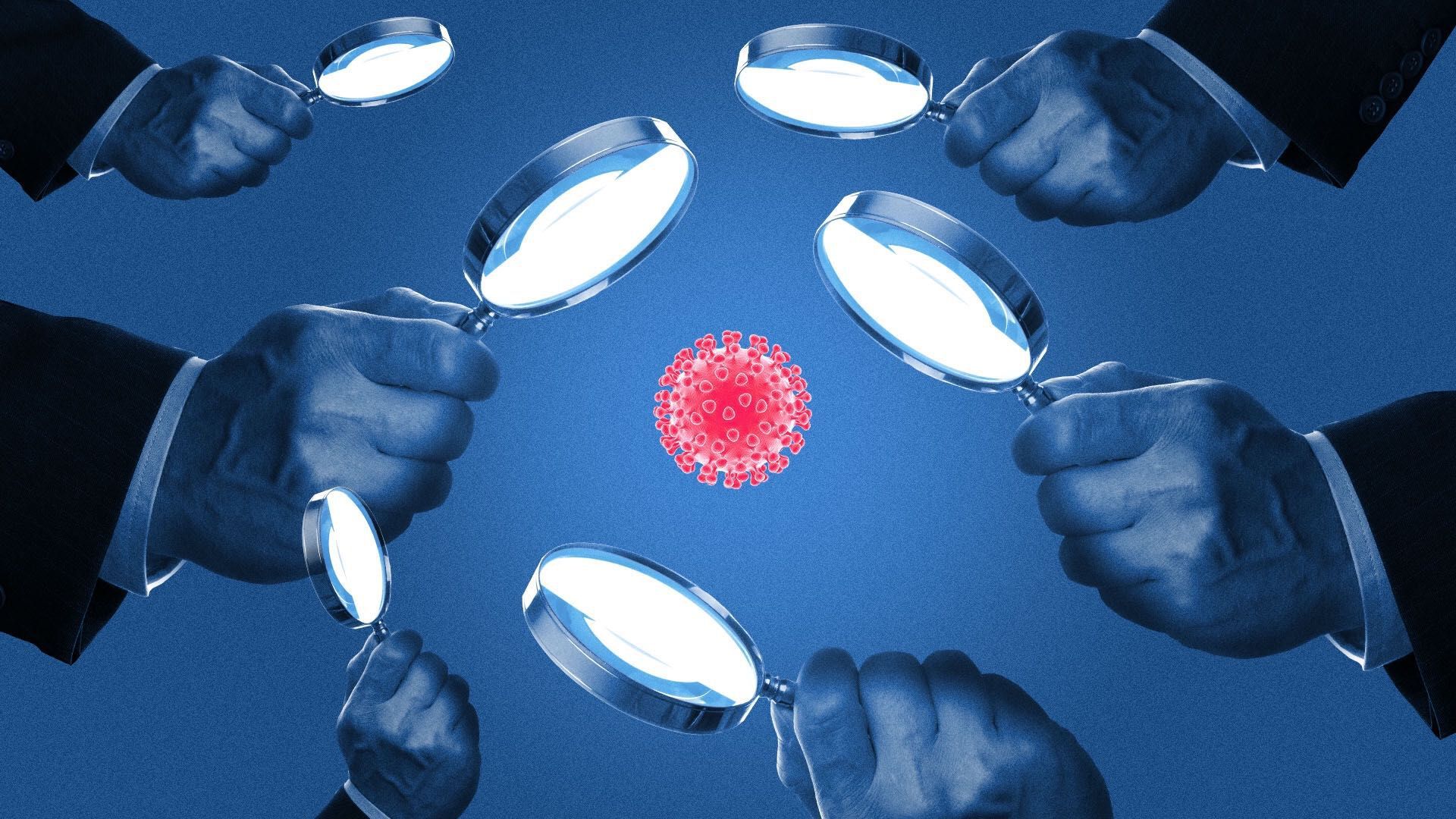
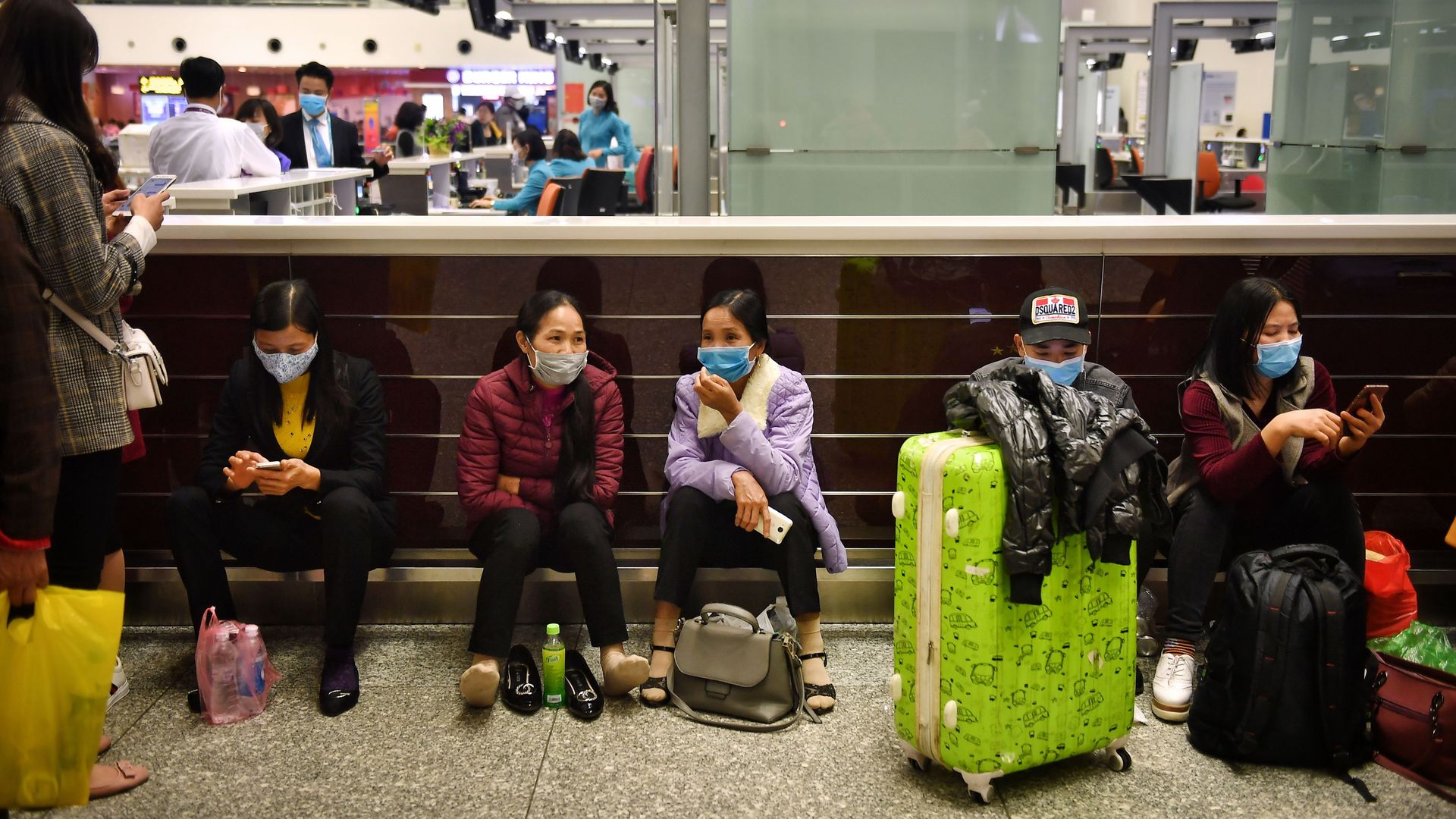
The World Health Organization says it will host a “major meeting” with researchers and health agencies from around the world on Tuesday to address the novel coronavirus outbreak.
The goal: To set priorities and fast-track the development and evaluation of diagnostics, vaccines and treatments, plus ensure accessibility for vulnerable populations, the WHO said.
The Chinese doctor, who sounded the alarm on the potential of a deadly coronavirus outbreak, has died after contracting the virus. The Wuhan Central Hospital has confirmed his death, after there was a period of confusion in the media.
Why it matters: Li Wenliang, 34, was an ophthalmologist at Wuhan Central Hospital. In December he sent a warning to other physicians about the potential of a respiratory illness he had seen in several patients, per the Washington Post. Chinese authorities ordered him and other doctors to stop promulgating "rumors" about the SARS-like cases.
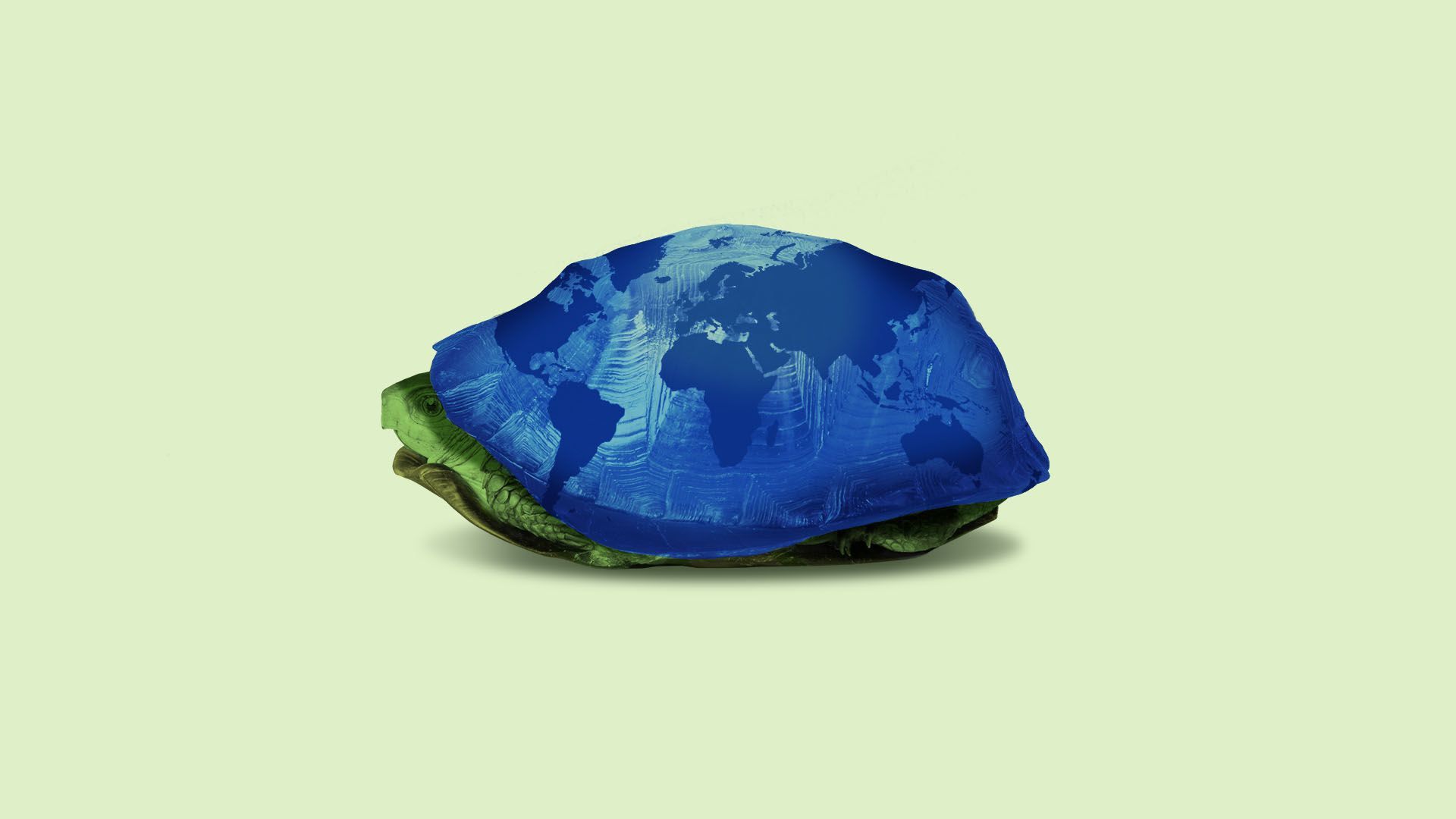
It's not just goods and services that cross international borders every day — it's people, too. But now the world is retreating into national shells, and the U.S. is leading the way in discouraging international travel.
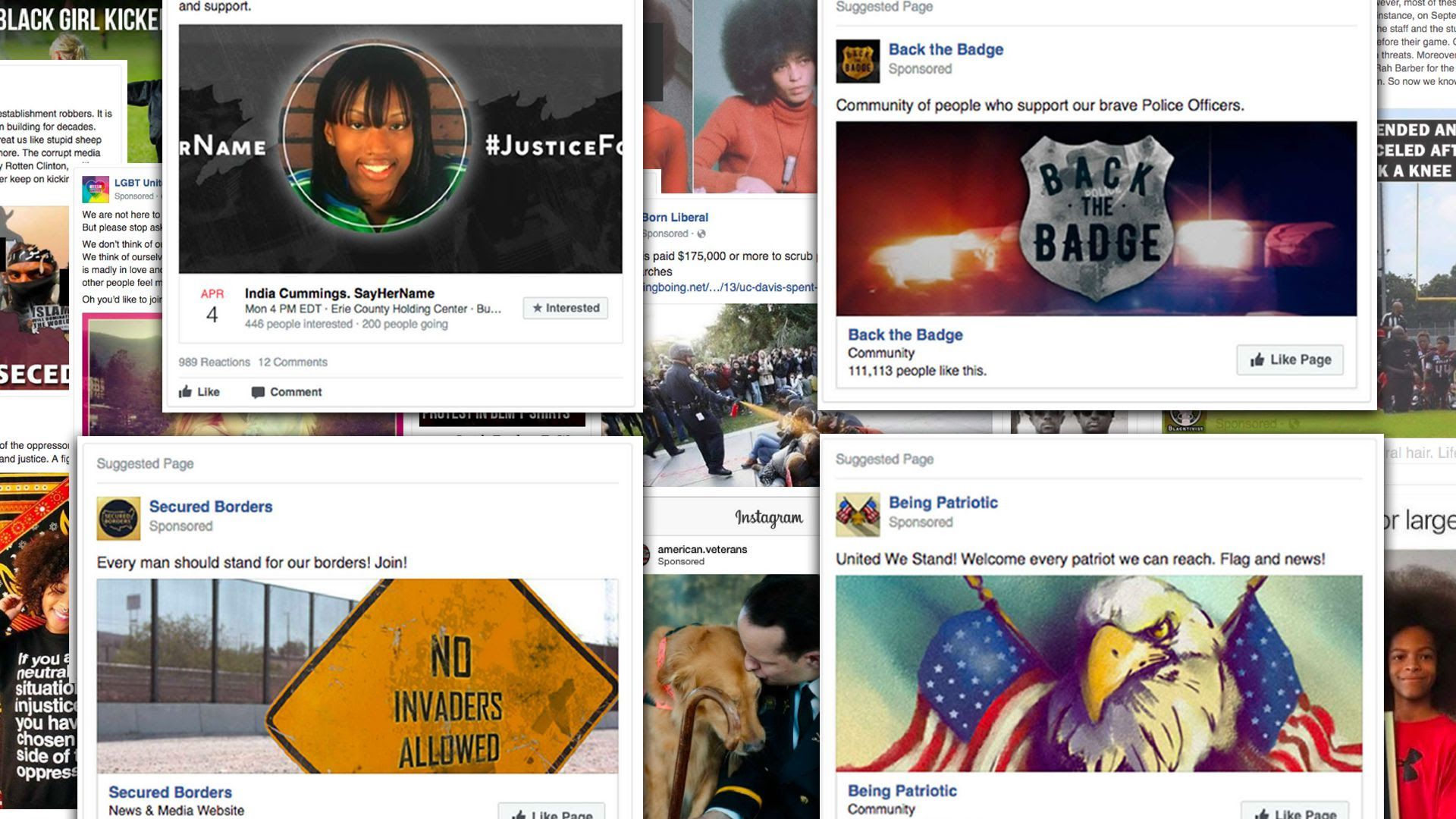
Sergey Pavlovich Polozov says he was so surprised to find his name included in special counsel Robert Mueller’s indictments that he told himself it couldn’t be him — until he saw a more detailed document that included his date of birth.
Why it matters: Mueller’s indictment accused Polozov of providing “material and technological support” to the Internet Research Agency (IRA), the St. Petersburg-based “troll factory” on the front lines of Russia’s meddling in the 2016 election.
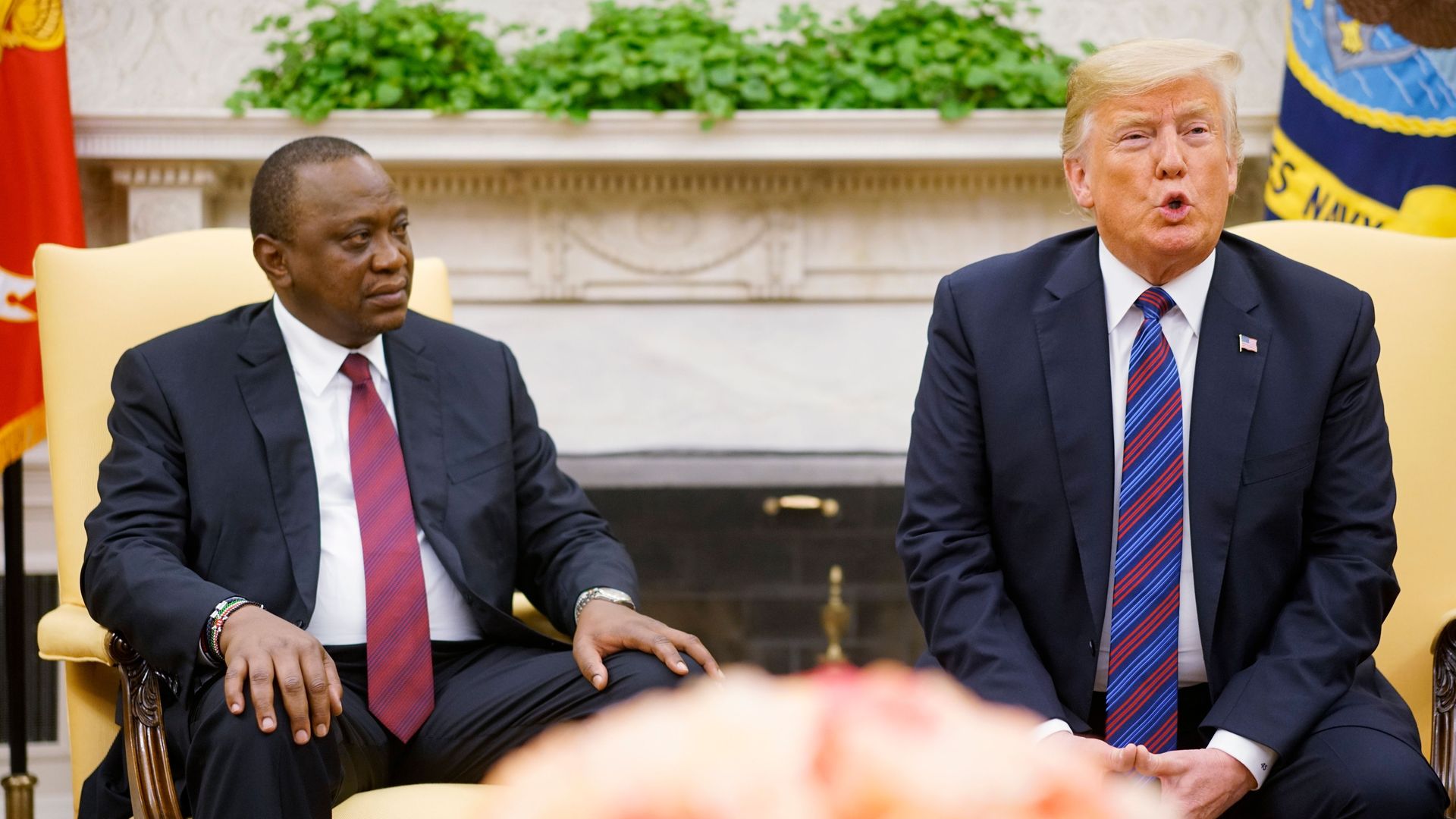
Kenyan President Uhuru Kenyatta arrived in Washington, ahead of a visit today with President Trump, with a message: the U.S. and China should not see Africa as a battlefield to be conquered, AP reports.
What they're saying: Kenyatta stated on Wednesday that world powers are "behaving like Africa is for the taking. We don't want to be forced to choose...We must begin to look at Africa as the world's biggest opportunity, and I believe that you can dare to look at it with a fresh eye."
The U.S. government is trying to solve a difficult problem: How to protect scientific research from China-linked theft, without quashing international collaboration or resorting to racial profiling.
Driving the news: Last week federal prosecutors charged Charles Lieber, chair of the Harvard University chemistry department, with lying about funds he obtained through a Chinese government recruitment program.
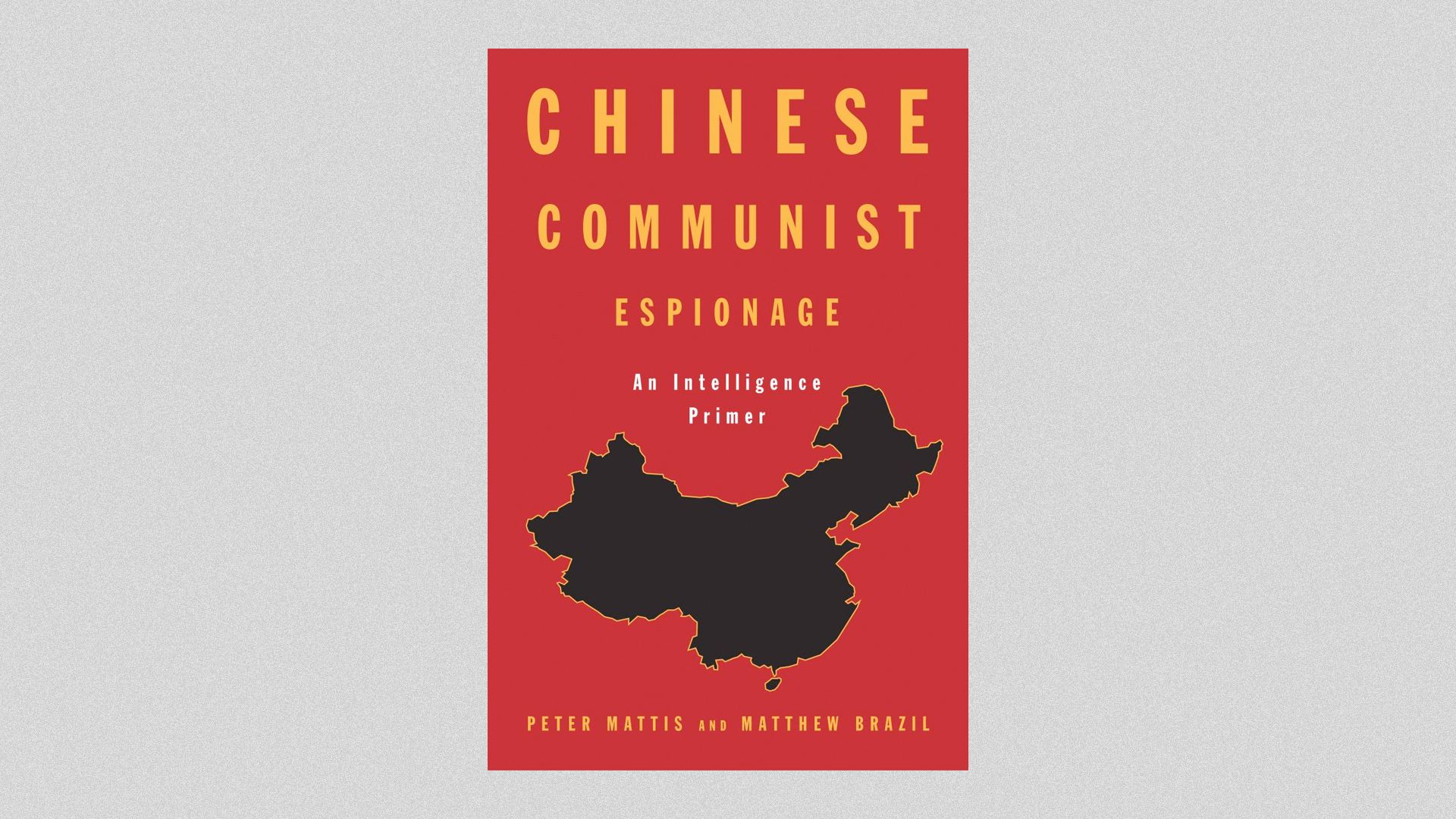
Chinese espionage hinges on a sophisticated network of spies focused on state-sponsored tech theft, according to a new book that dispels outdated theories of how Beijing collects intelligence around the world.
Why it matters: Old tropes cast all ethnic Chinese as potential amateur spies, a belief which has led to racial profiling. In reality, China's intelligence agencies employ highly trained professionals who operate much like spies from any other country.
After a high-level meeting to address the deadly coronavirus, China's leaders are prescribing even tighter information controls around the outbreak.
Why it matters: The suppression of vital information about the coronavirus during its earliest weeks of transmission contributed to the devastating epidemic China is now facing.
Britain will allow Huawei into its national 5G network. Germany may not be far behind. But one European country has unequivocally sounded the alarm on Huawei: the Czech Republic.
Why it matters: Europe's giants are having trouble resisting Chinese inducements to open their 5G networks to Huawei's less expensive equipment. Despite its small economic footprint, the Czech Republic shows it's possible to turn back the tide of dependency on China.
With the U.S. paralyzed by political gridlock and western institutions stagnating, China is positioning itself as the primary architect of new power structures in the 21st century.
Why it matters: If the U.S. continues to anger allies, withdraw from global institutions, and ignore much of the developing world, in 20 years it may wake up to find itself resigned to a small corner in a world defined and dominated by China.