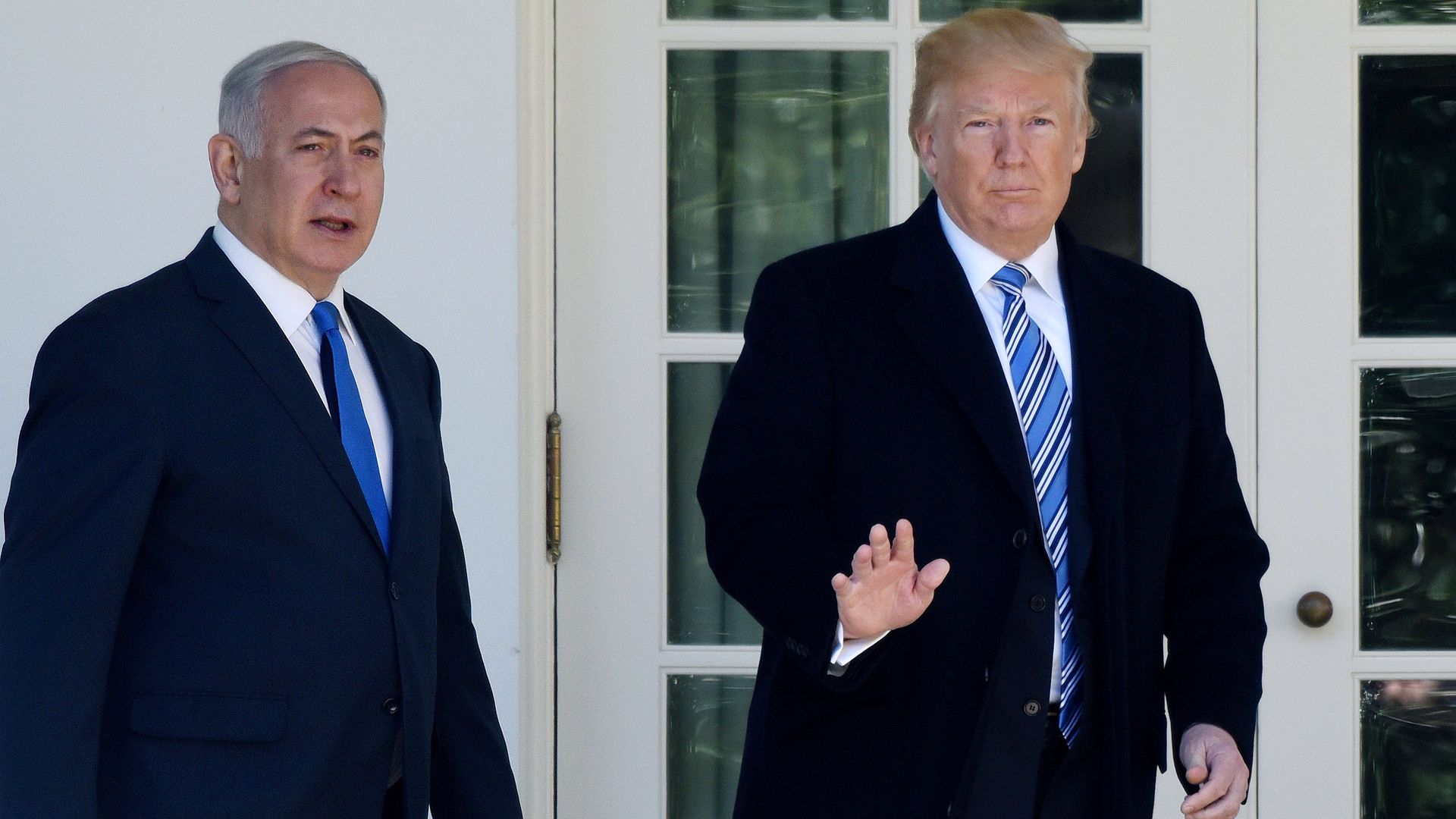
The Trump administration is blocking a $500 million arms deal between Israel and Croatia, for the sale of 12 U.S.-made F-16 fighter jets refurbished and upgraded by Israel, Israeli officials tell me.
Why it matters: The U.S. was also fighting for the Croatia tender, and U.S. officials claimed Israel was being dishonest and trying to profit off the back of the U.S., according to the Israeli officials. This is a very rare standoff after two years of incredibly close relations between Israel and the Trump administration, especially when it comes to military and defense cooperation.
Hackers are targeting academics, particularly those with biomedical engineering backgrounds, in an espionage-like campaign to steal data. Arbor Networks ASERT team, who discovered the group, have dubbed the actors "Stolen Pencil."
Why it matters: Universities are gold mines of intellectual property. But ASERT notes that there is no evidence of data theft, leaving the purpose of the attacks a little unclear.
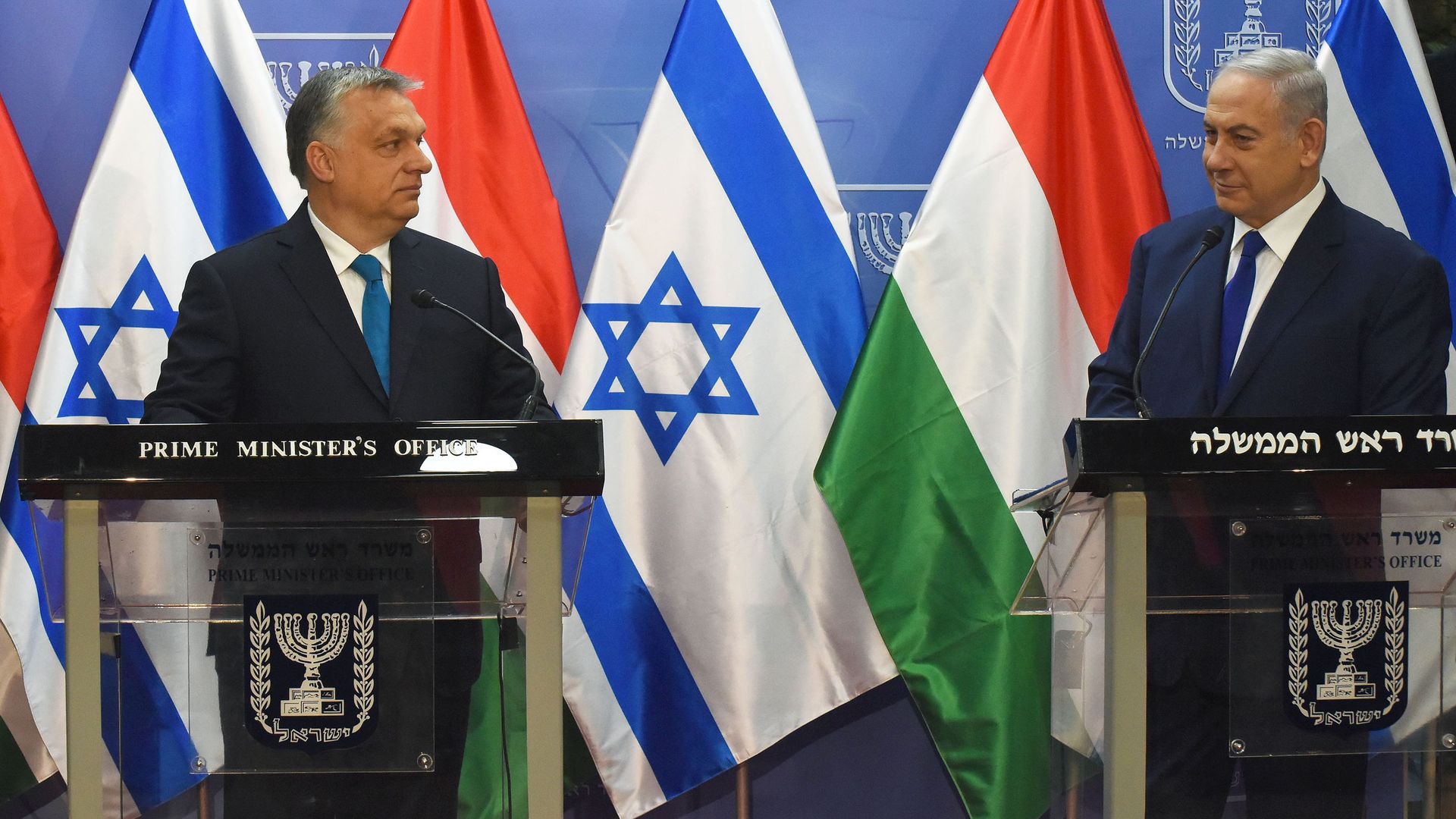
Israel is negotiating with Hungary's government over the future contents of a new revisionist Holocaust museum to be opened in Budapest. Israeli officials told me the nationalist right-wing Hungarian government led by Viktor Orbán wants to use the museum to whitewash any involvement of the Hungarian state or the Hungarian people in Nazi crimes during World War II.
The bigger picture: This is another example of a populist government in central Europe trying to rewrite the history of World War II and distance themselves from any history of antisemitism or cooperation with the Nazis. Prime Minister Benjamin Netanyahu's government is accommodating those steps because it needs the support of the central European governments – mainly Hungary, Poland and the Czech Republic — inside the EU.
Almost 26 years after he left office a one-term president, George H.W. Bush was remembered today as a great man — with the chancellor of reunified Germany and the president of free Poland in the pews.
Why it matters: The world that was in many ways born during the Bush administration — as the Soviet Union crumbled, democracy spread and America’s preeminence solidified — is under severe threat.
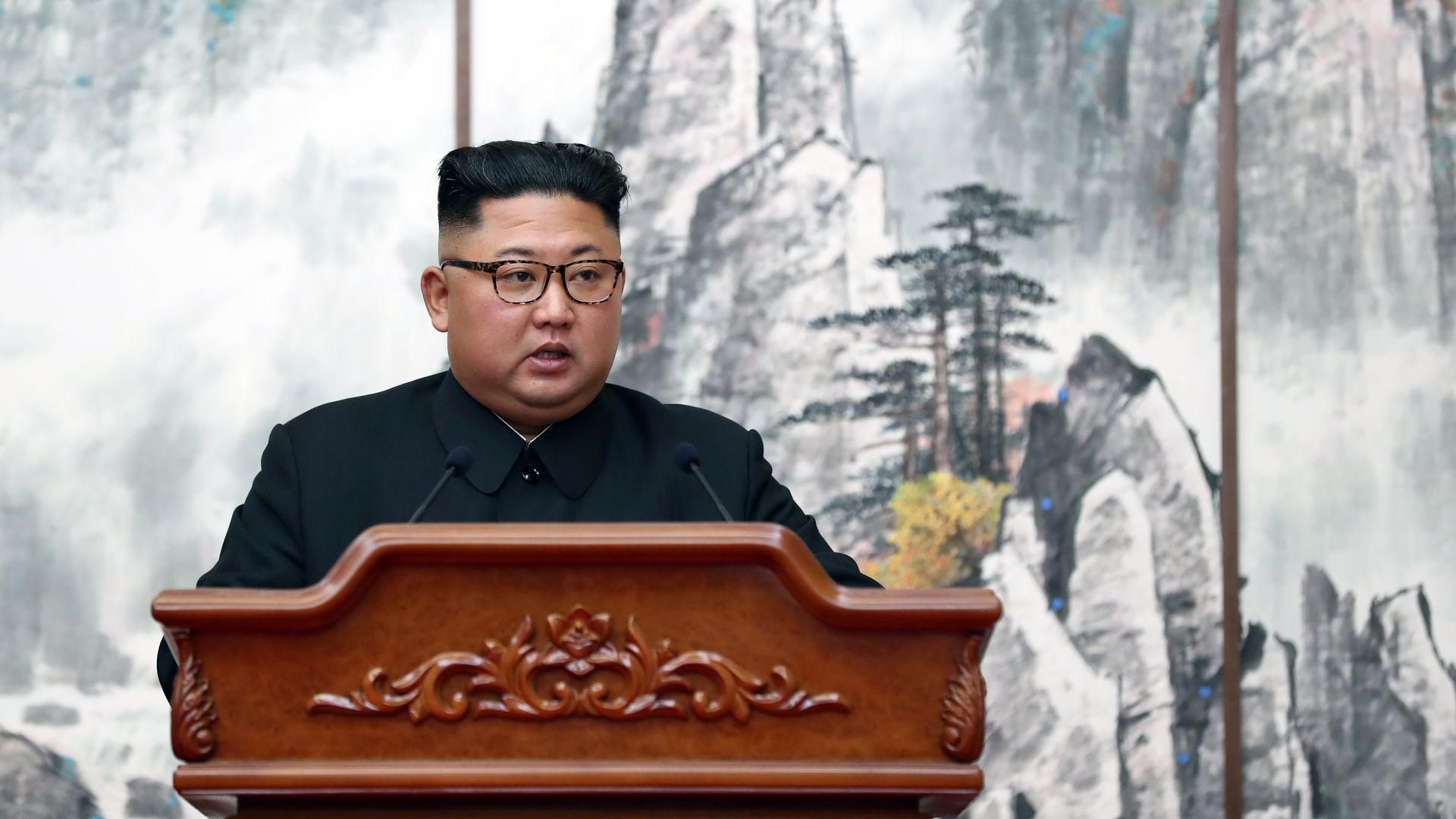
Despite diplomatic efforts by the U.S., new satellite images show that North Korea has expanded an unidentified long-range missile base along the "mountainous interior of the country," CNN's Zachary Cohen reports.
Why it matters: The construction does not technically violate any agreement between the U.S. and South Korea, per CNN. However, the activity shown from the images is more evidence that the Yeongjeo-dong missile base and a nearby site remain active, leading the Trump administration to conclude that Pyongyang has failed to live up to its promises.
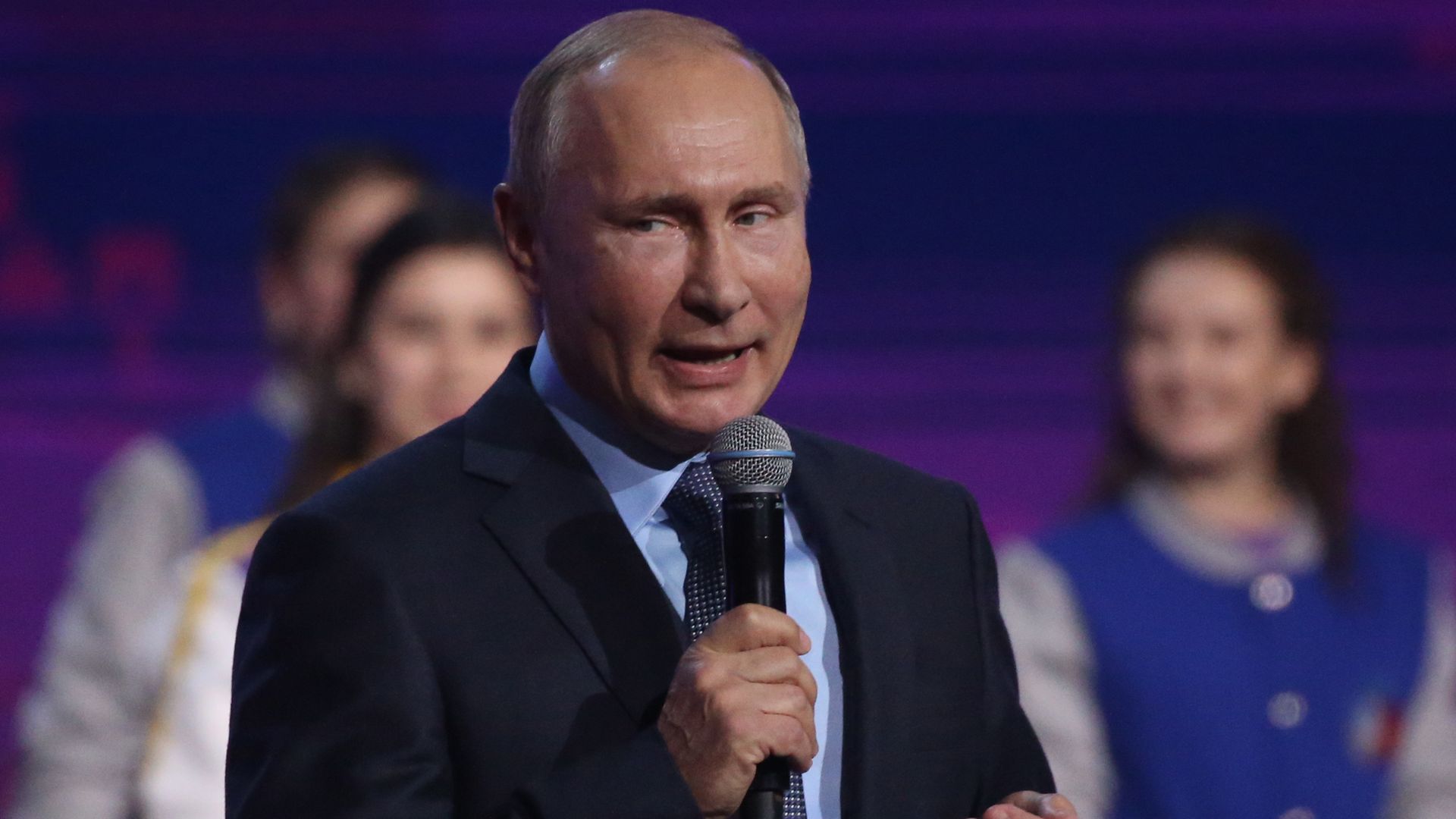
Russian President Vladimir Putin said on Wednesday that if the U.S. exits a Cold War-era missile treaty and begins developing new intermediate-range missiles, his country will follow suit, per the AP.
The backdrop: President Trump has threatened to withdraw from the landmark 1987 Intermediate-Range Nuclear Forces (INF) treaty — which bans land-based nuclear missiles in Europe — because Russia has developed and fielded a banned missile system. All 29 NATO members backed the U.S. accusation yesterday, saying: "It is now up to Russia to preserve the INF Treaty." Secretary of State Mike Pompeo said the U.S. would begin withdrawal in 60 days if Russia remains in violation.
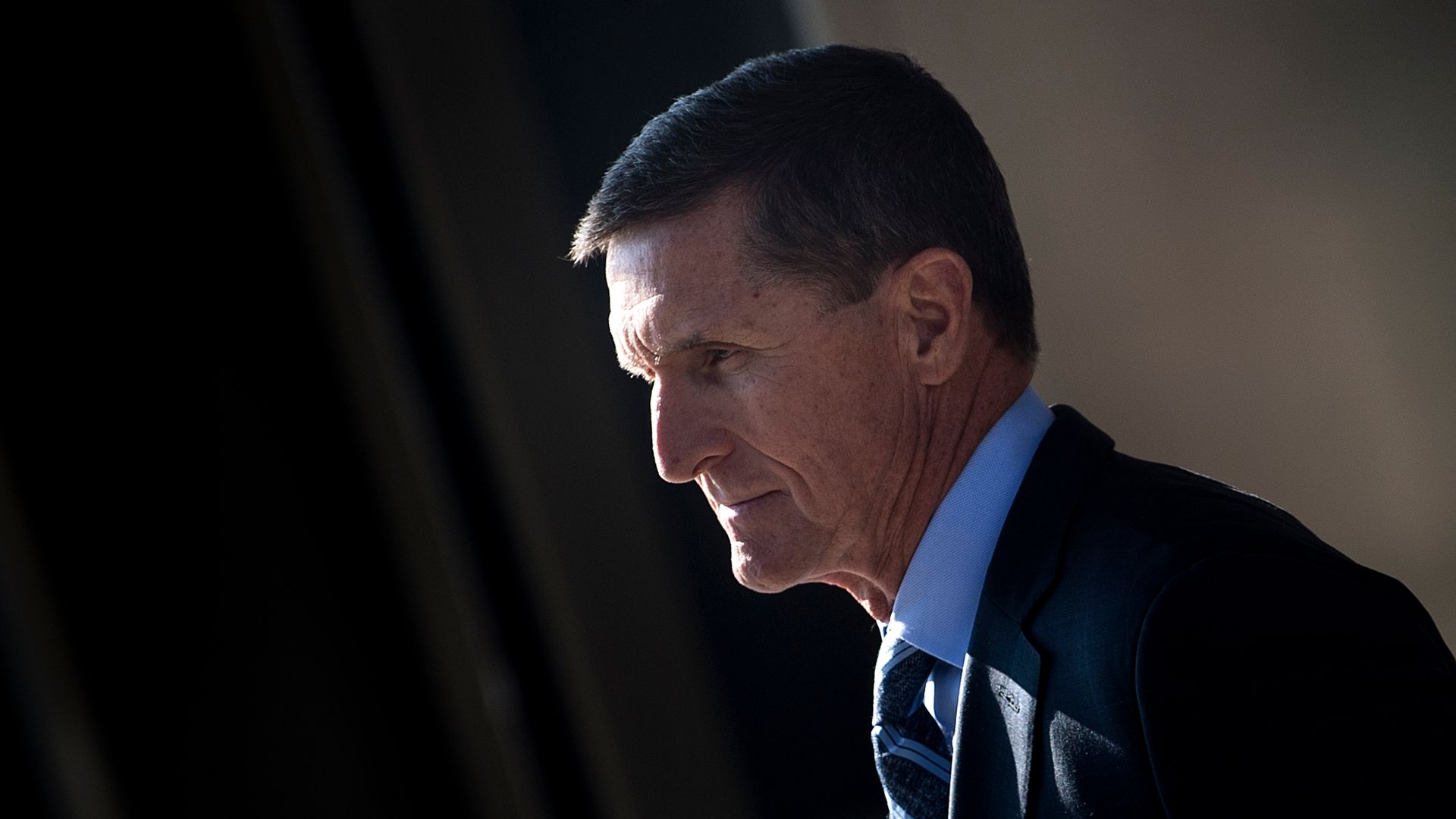
Special counsel Robert Mueller has recommended no prison time for former national security advisor and Trump campaign aide Michael Flynn, citing his “substantial assistance” with the investigation, according to a new court document filed late Tuesday.
Why it matters: Flynn, who pleaded guilty last year to lying to the FBI about his conversations with former Russian ambassador to the U.S. Sergey Kislyak before President Trump’s inauguration, had agreed to cooperate fully with Mueller's investigation. Flynn’s guilty plea and move to cooperate was one of the first such deals in the Mueller probe.
With the flourish of a significant concession, China said today that it will punish companies and individuals who steal intellectual property, a primary U.S. complaint. But China hands are skeptical.
"What they’ve done in the past is fail to enforce or, when they have to enforce, find somebody they don’t like, blame them, and then say to the Americans, 'See?'"
— Jim Lewis of the Center for Strategic and International Studies







/2018/12/04/1543967554513.gif?w=3840)