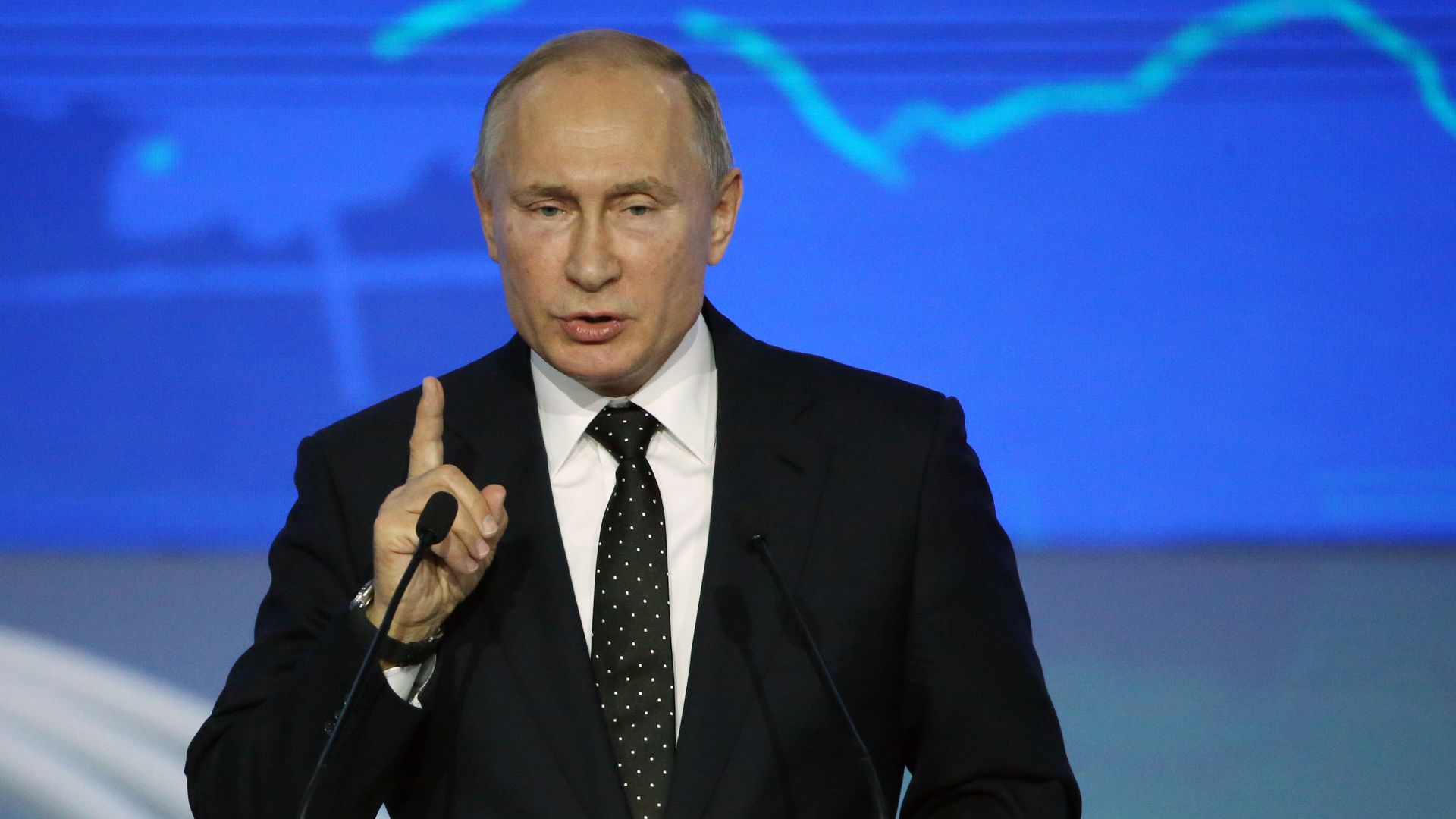
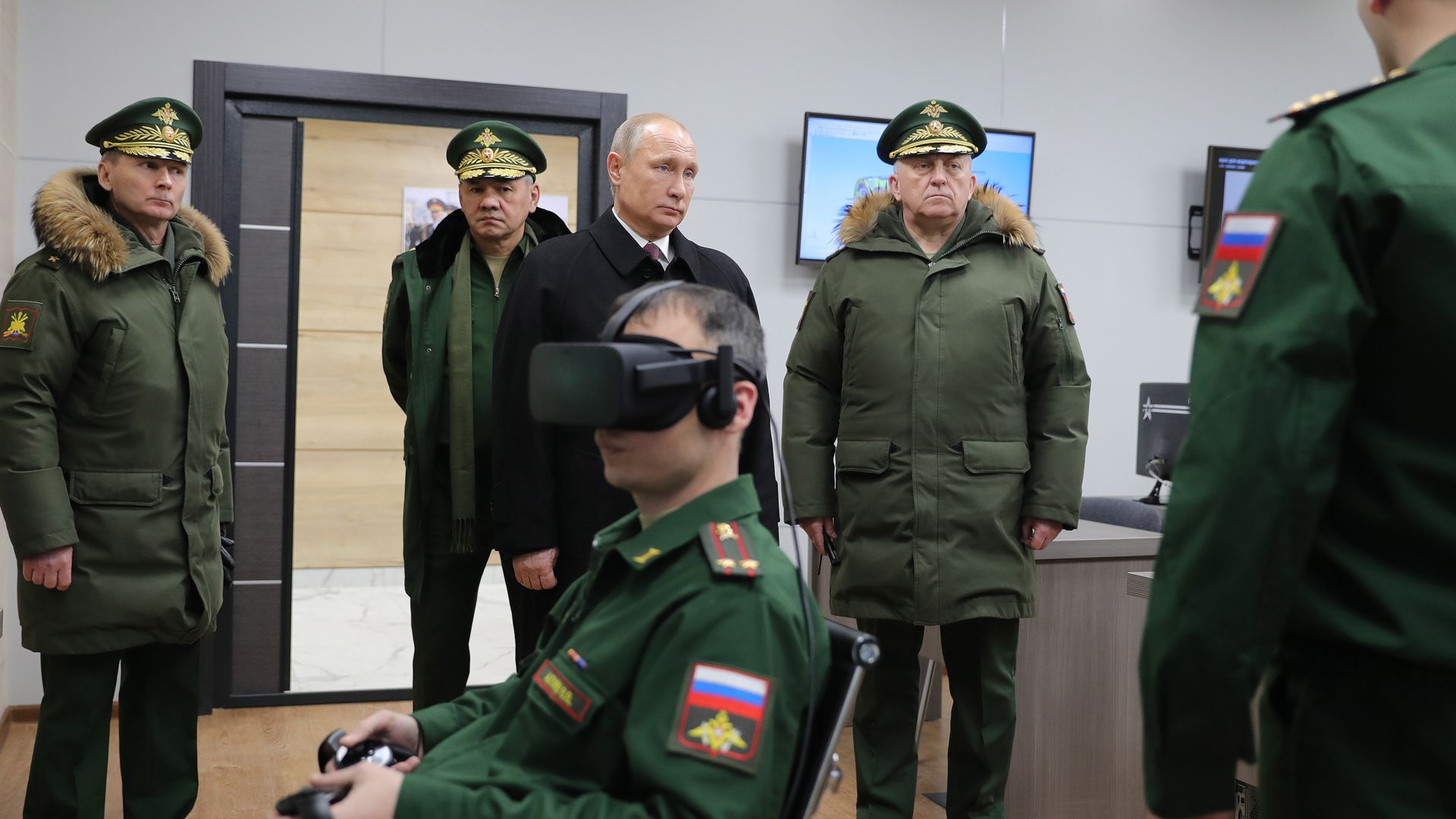
The global public has unfavorable opinions of Russia and President Vladimir Putin, but the country is still rising and becoming a world power, reports Clark Letterman of Pew Research Center citing data from a poll of 25 countries.
By the numbers: A median of 34% of people around the globe view Russia favorably and just 26% of those polled have confidence in Putin to "do the right thing in world affairs," with more unfavorable opinions belonging to those in the West. However, four countries showed favorable views of the country — the Philippines, Tunisia, South Korea and Greece — with "at least half have a positive view of Russia." Overall, 42% of participants in the poll said Russia plays a more important role in the world today as they did 10 years ago.
December will be a busy month for Xi and the PRC leadership.
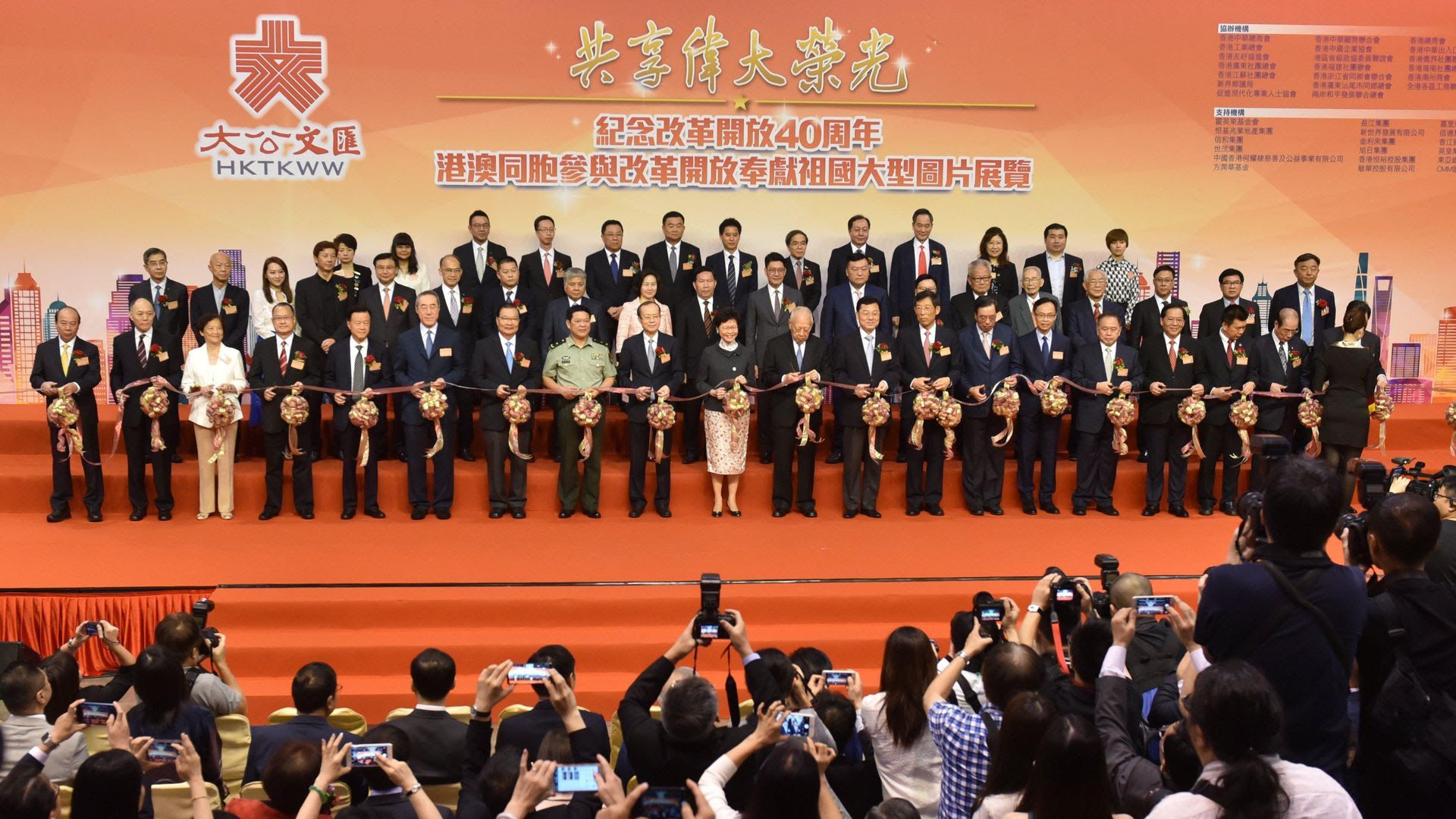
What's happening: The annual Central Economic Work Conference, which sets the agenda for the next year's economic policies, is likely to convene next week. But the big event will be a major meeting to celebrate the 40th anniversary of the "Reform & Opening" policy that started at the 3rd Plenum of the 11th Party Congress on Dec. 18–22, 1978. I believe that meeting may be on the exact 40th anniversary of that famous 3rd Plenum and will see a big speech by Xi and a noteworthy propaganda and theoretical blitz.
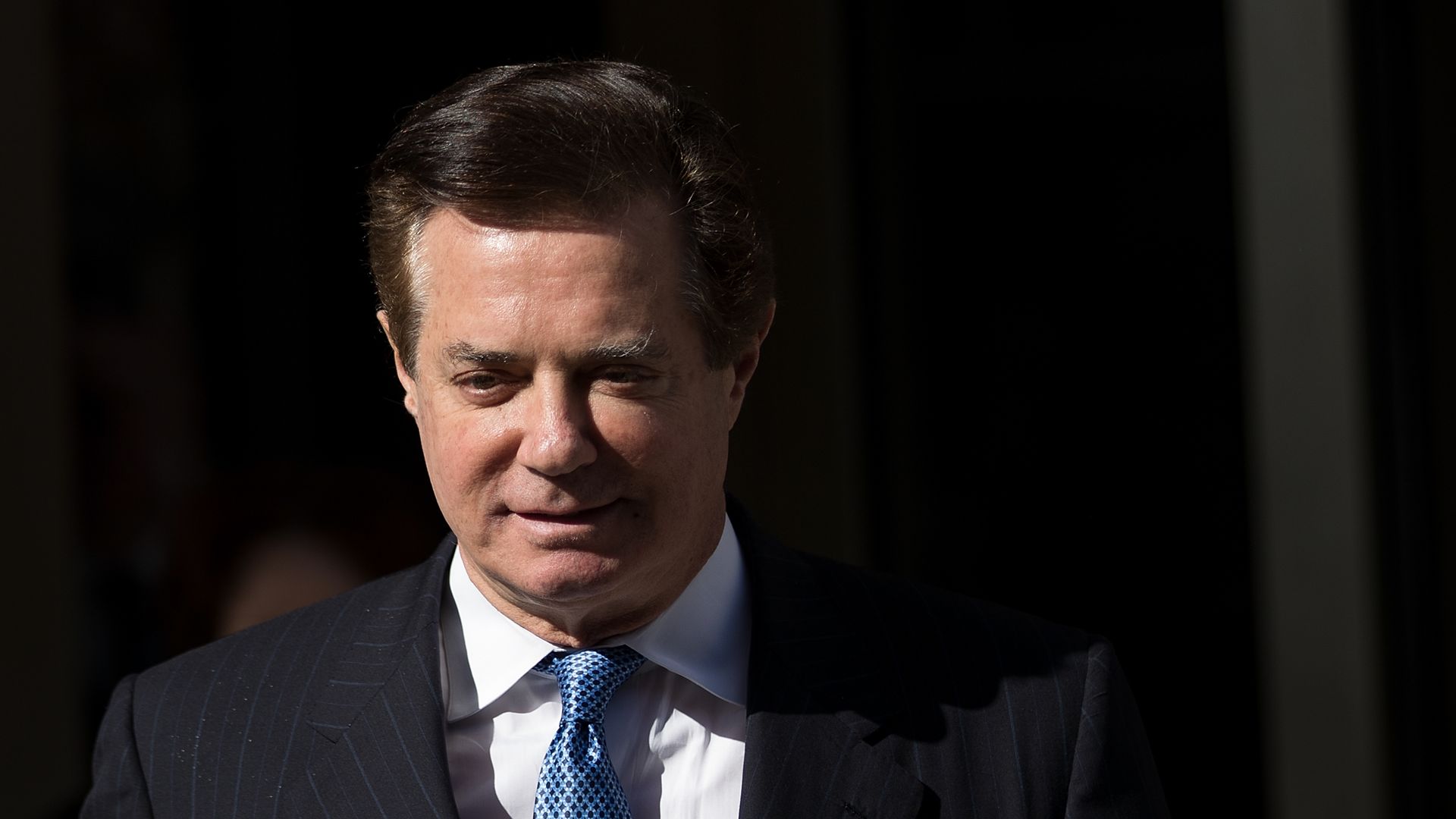
Special Counsel Robert Mueller revealed Friday that the former Trump campaign manager Paul Manafort lied to the FBI and the Special Counsel's Office about his contact with administration officials, a Russian political consultant, a wire transfer, and information related to another DOJ investigation.
Why it matters: These are the "principal" lies Manafort made that ruined his plea agreement with Mueller. The document shows how much Mueller knows about the investigation’s witnesses and their conduct, and could serve as a warning shot to other witnesses not to lie or tell partial truths — which includes the president, who has already submitted his written statement to Mueller’s team.
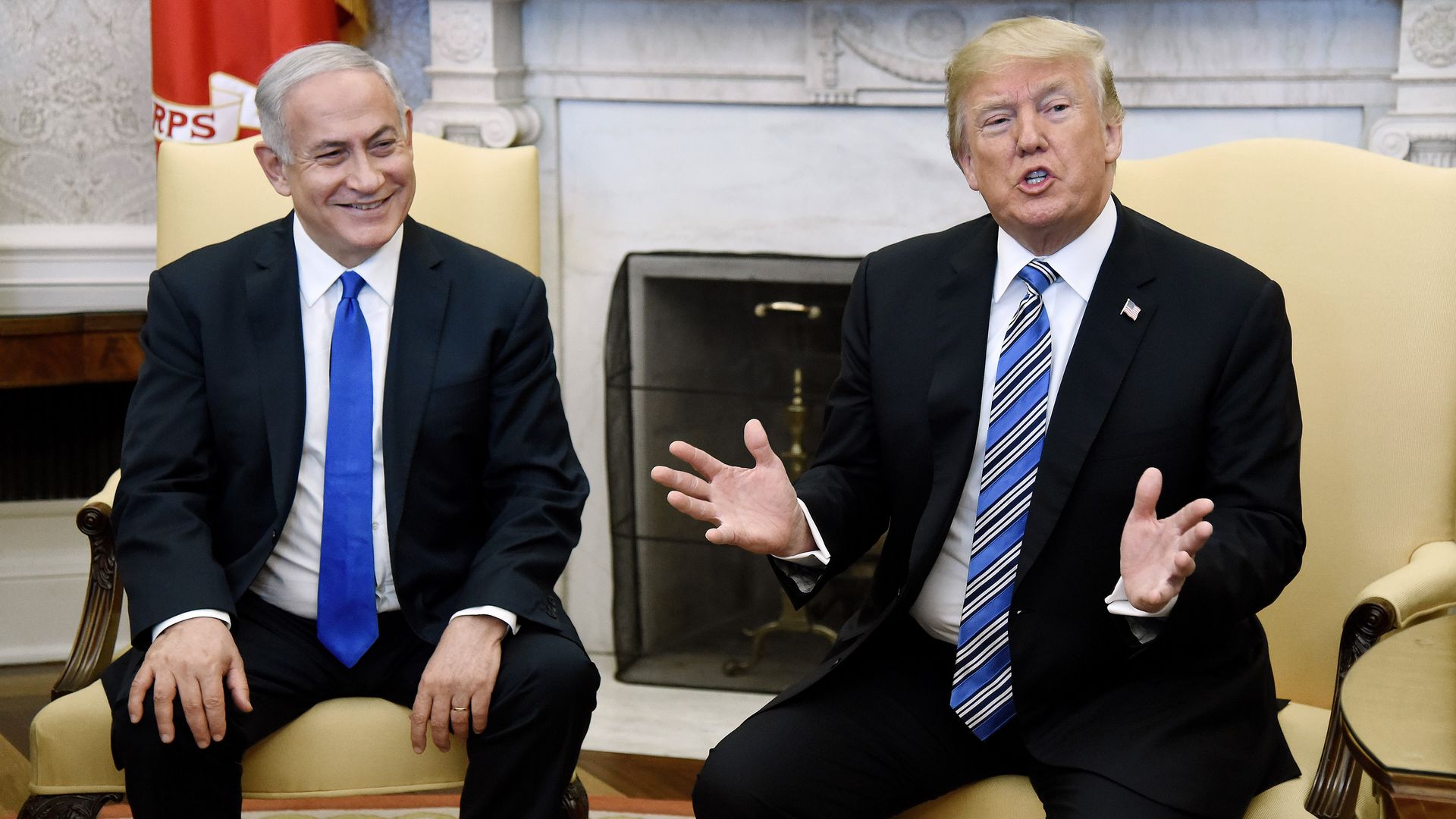
The Prime Minister of Croatia Andrej Plenkovič confirmed the U.S. was blocking a $500 million F-16 fighter jet deal between Israel and Croatia, as I reported yesterday, and said Israel was responsible for sorting out the matter with the U.S.
Why it matters: Croatian Ministry of Defense officials told the Croatian press they feel they got stuck between Israel and the U.S. The Croatians are very concerned because they already allocated money in the budget for the purchase, and the deadline for the first phase of the deal is fast approaching. The Croatian government was criticized domestically for the deal, with some in the opposition saying it agreed to pay too much for used fighter jets.
Vladimir Putin has threatened to begin developing missiles banned under the landmark 1987 Intermediate-Range Nuclear Forces (INF) treaty if the U.S. withdraws from the pact. According to every NATO country and both the Obama and Trump administrations, he already has.
Why it matters: President Trump tweeted this week about meeting with Russia and China to "halt what has become a major and uncontrollable Arms Race." It seems more likely that the arms race is about to heat up.