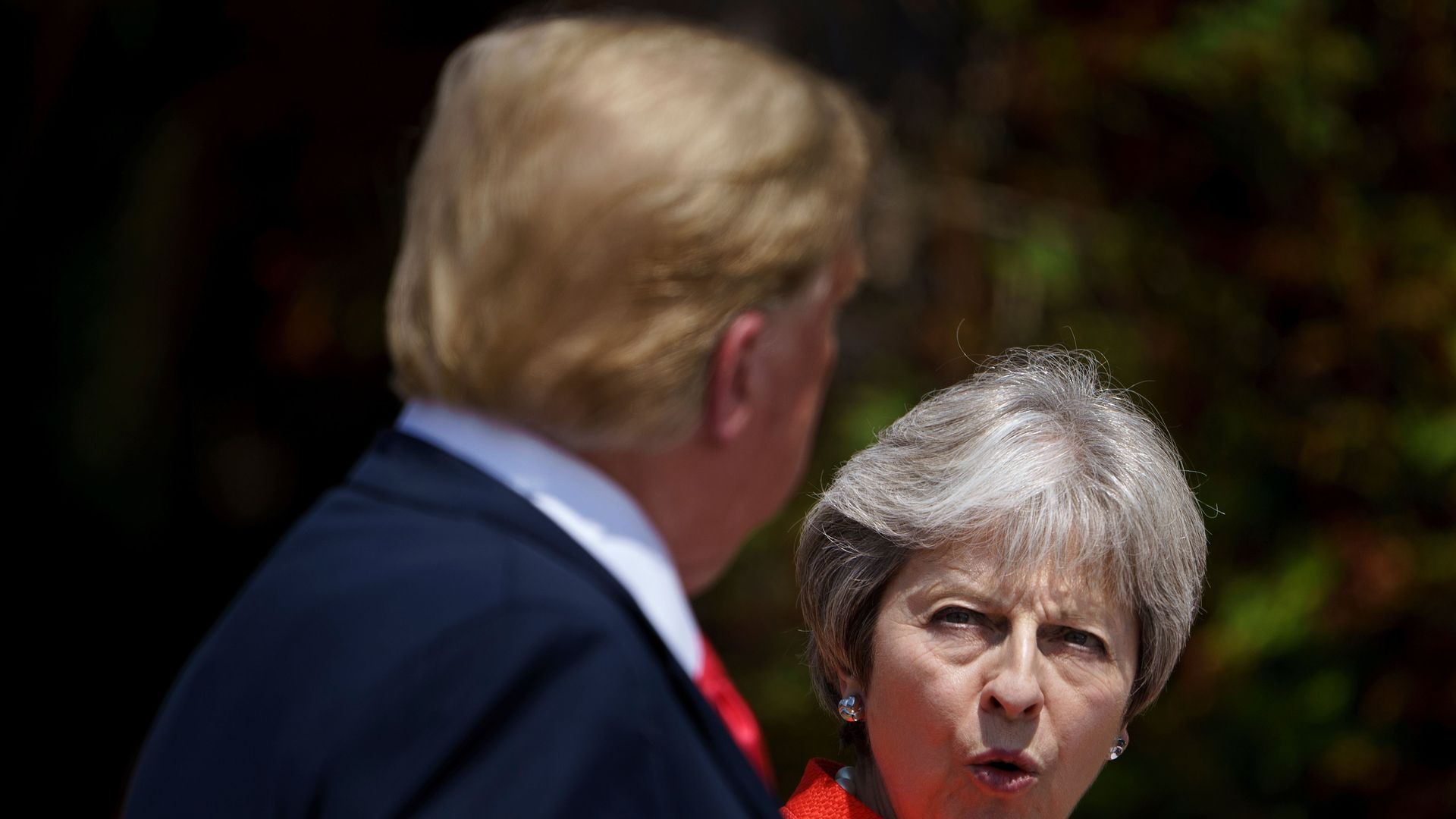
With U.K. Prime Minister Theresa May working desperately to sell her Brexit deal to a skeptical Parliament, President Trump slammed it today as "a great deal for the EU" that could keep the U.K. from securing a trade deal with the U.S.
Why it matters: Trump is unpopular in the U.K., but his comments could deepen what, from May's perspective, is an unwelcome debate over the U.K.'s ability to negotiate trade deals under her plan. Her deal won the approval of all 27 EU leaders over the weekend, but it doesn't currently appear to have enough votes to pass through the House of Commons.
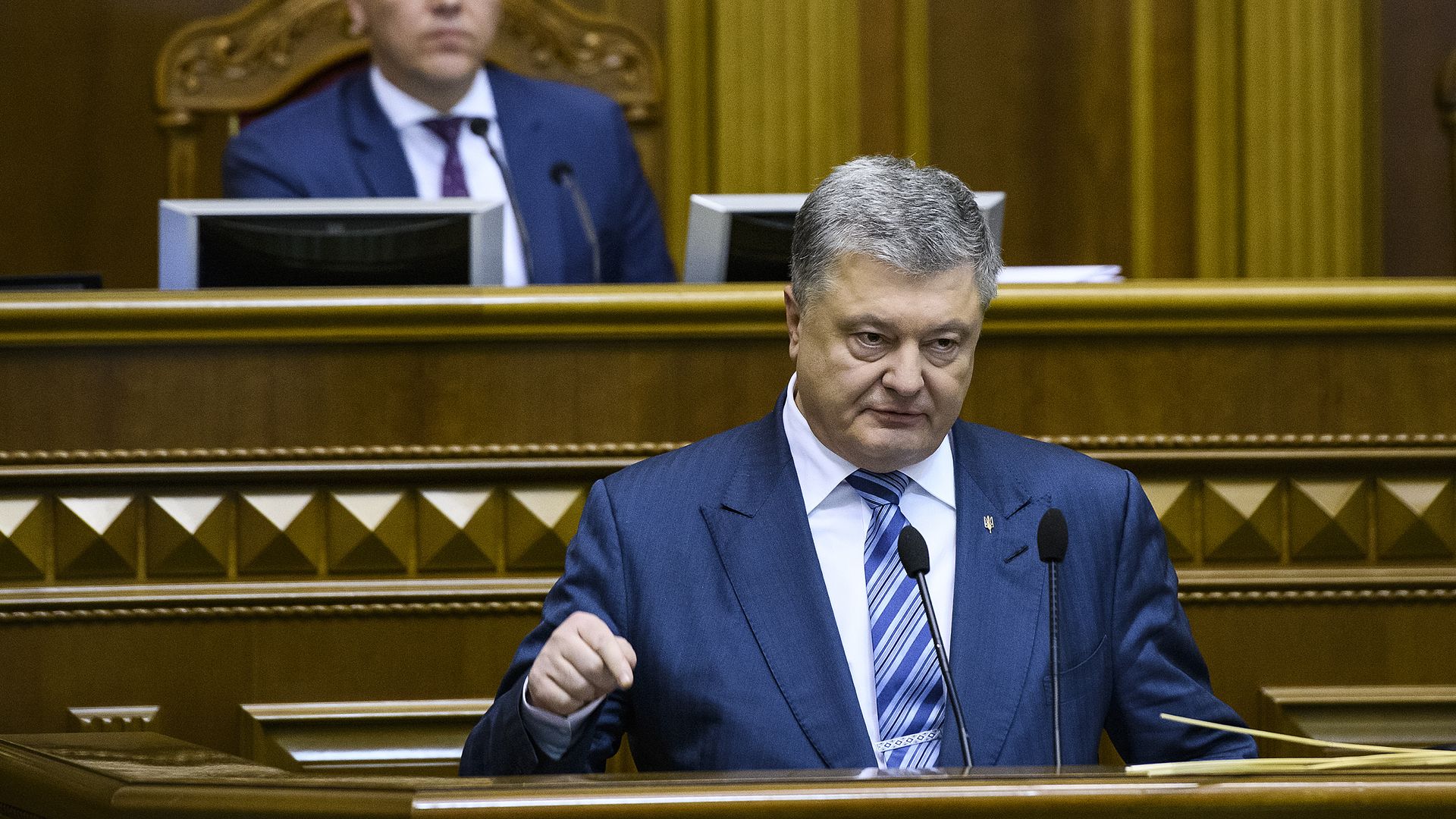
Ukraine's parliament has voted to impose martial law for 30 days in regions of the country under threat from "Russian aggression," giving its government broad military power over its citizens in those areas in response to an escalation of tensions with Russia near Crimea.
The big picture: Ukrainian President Petro Poroshenko had originally proposed martial law for 60 days across the whole of the country, causing skepticism from his political opponents as he faces plunging approval ratings, per the AP. Poroshenko's proposal also could have meant the delay of the nation's presidential election in March, but the parliament's decision ensures that the election will take place as scheduled.
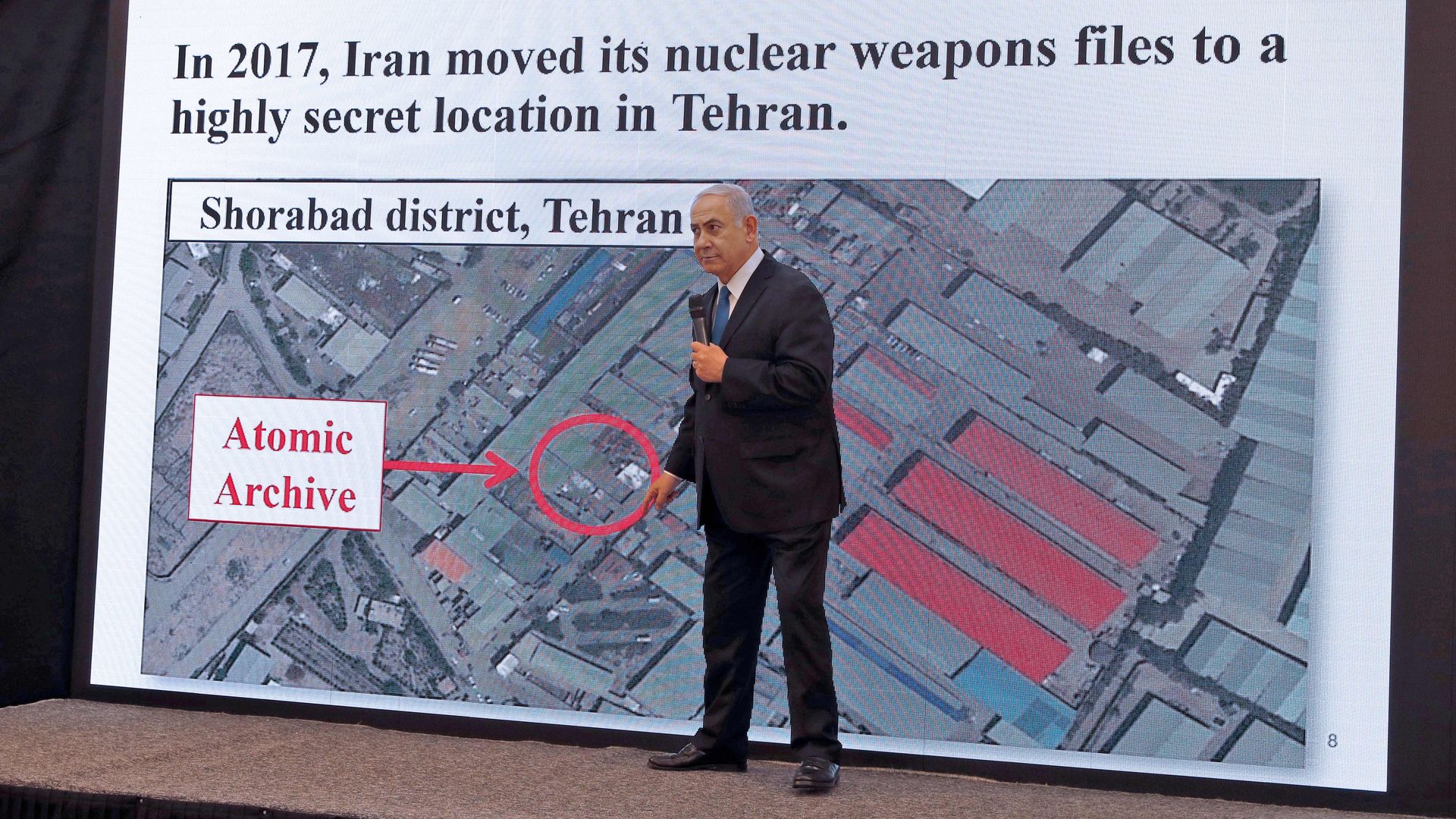
The Trump administration has promised Israel it will put pressure on the International Atomic Energy Agency (IAEA) to examine revelations from Israel about Iran's nuclear program, State Department officials told me.
Why it matters: As part of the Iran nuclear deal, the IAEA closed its investigation into the possible military dimensions of Iran's nuclear program, and the Iranians have never fully disclosed their past efforts to develop nuclear weapons. In an attempt to reopen the investigation, Israel publicly reveled the Iranian nuclear archives captured by Israeli intelligence in Tehran. The archives showed Iran was working until 2003 on building at least five nuclear warheads. In his address to the UN in September, Prime Minister Benjamin Netanyahu also revealed a warehouse allegedly used to store undeclared parts from Iran's nuclear program.
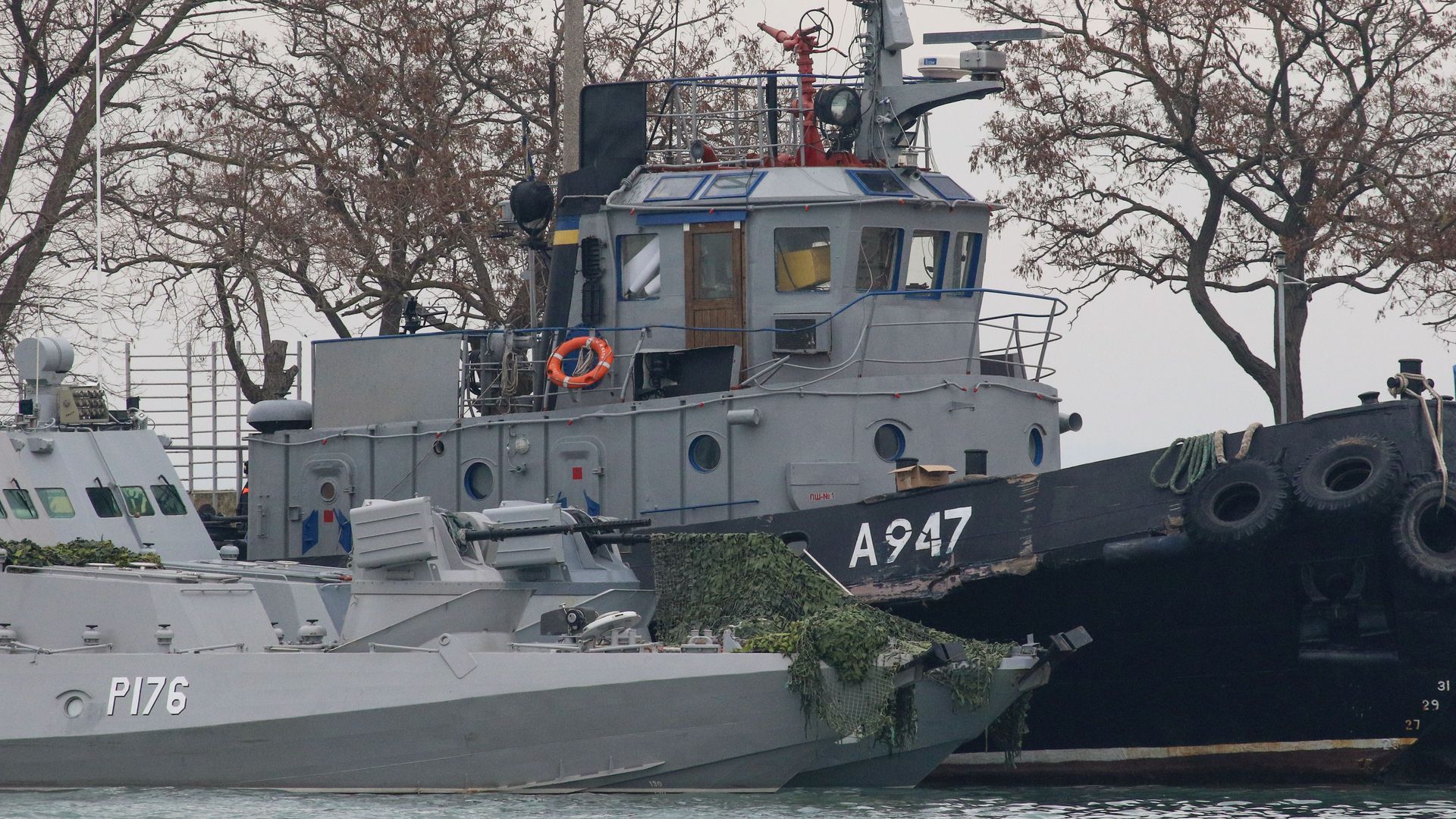
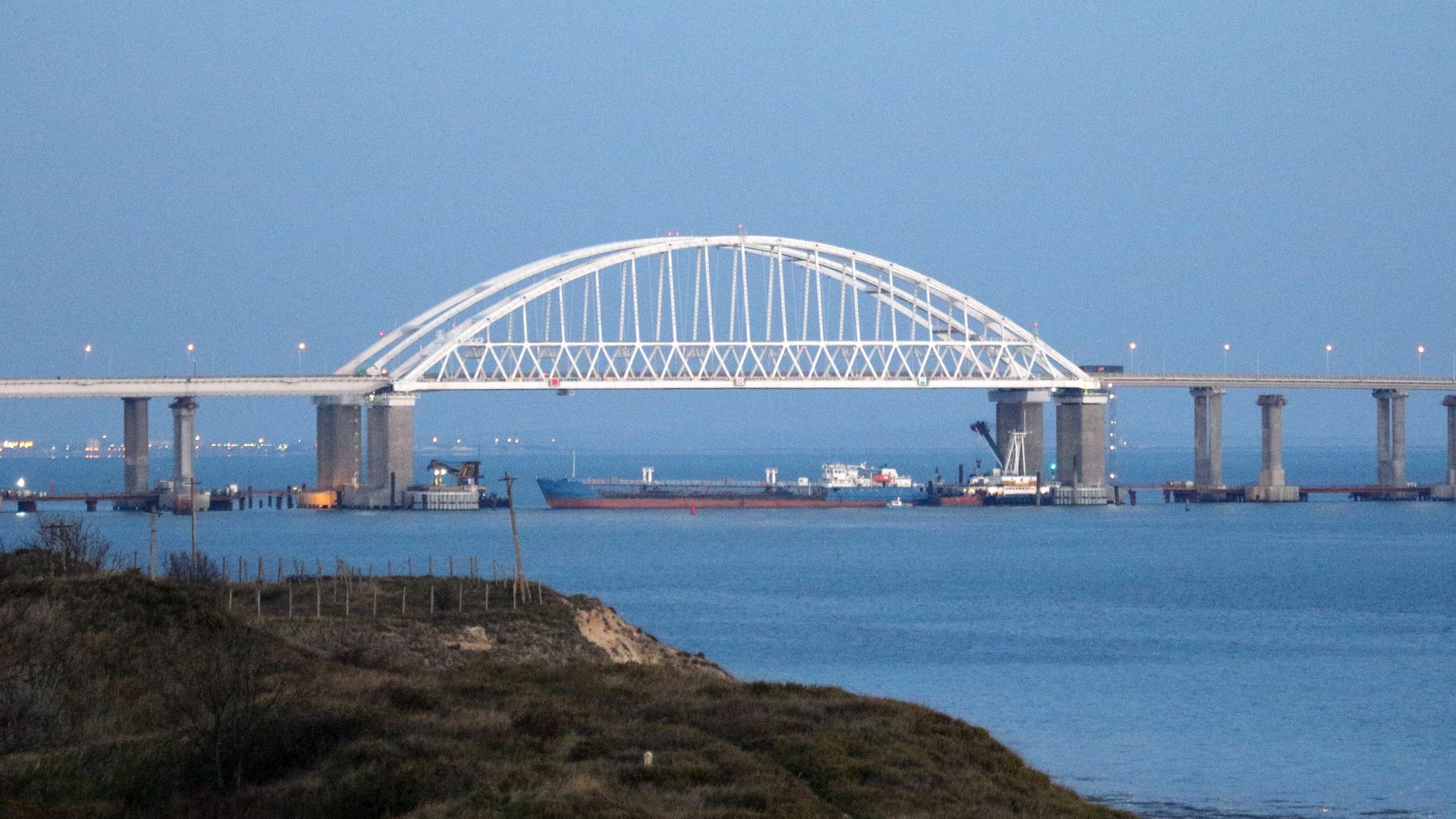
A Russian coast guard vessel rammed a Ukrainian tugboat in the Sea of Azov Sunday, Nov. 25, setting off a series of increasingly dangerous escalations. Russia blocked the Kerch Strait — the narrow passageway connecting the Sea of Azov to the much larger Black Sea — and detained three Ukrainian vessels and 23 sailors. On Monday, Ukraine’s government imposed short-term martial law.
Why it matters: This weekend's attack opened a new front in Russia’s four-year aggression against Ukraine, which includes the ongoing land war in Ukraine's east and the occupation of Crimea.
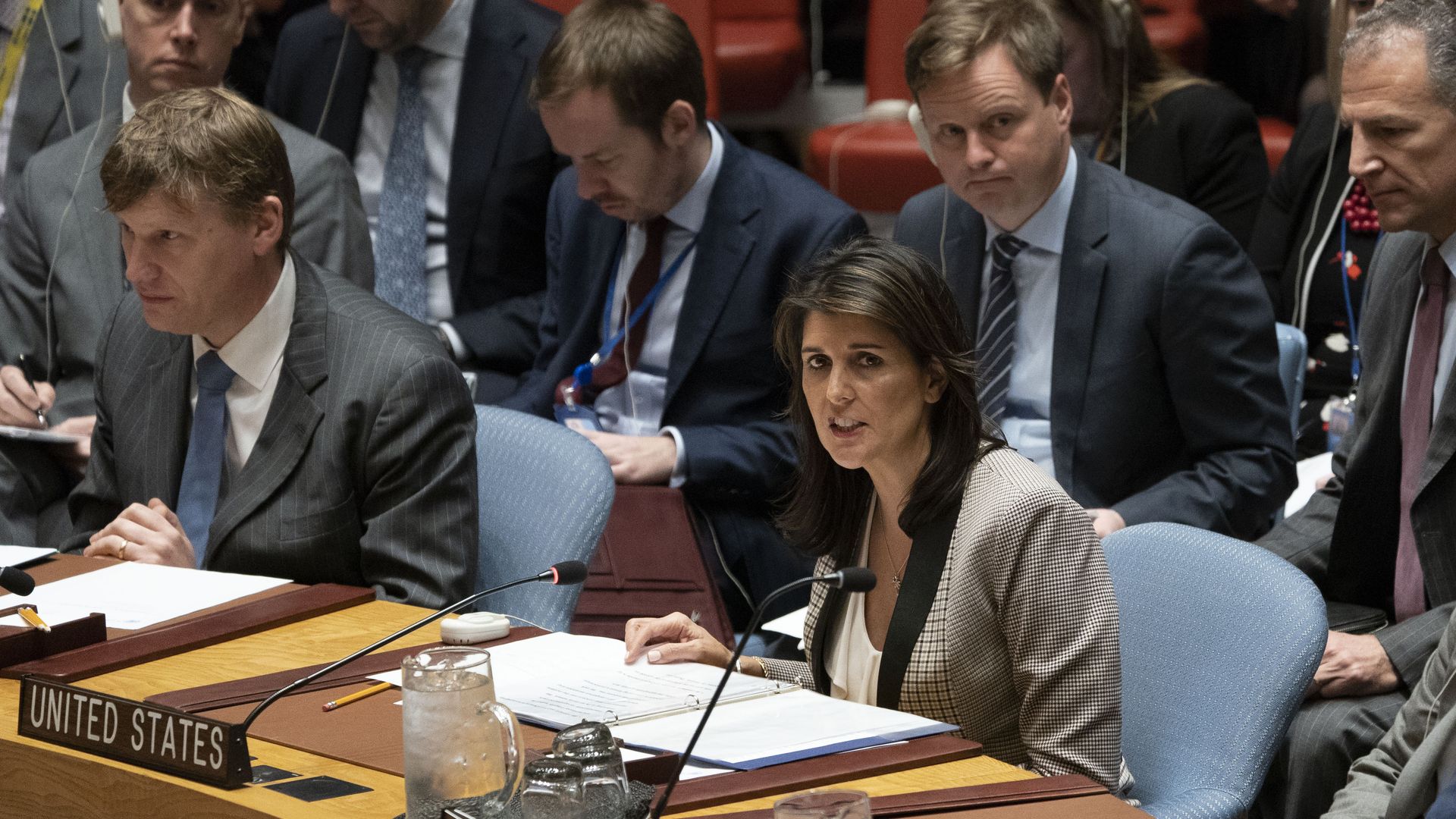
Outgoing UN Ambassador Nikki Haley has condemned Russia's decision to intercept, fire on and seize three Ukrainian navy vessels off the coast of Crimea yesterday as "arrogant" and an "outlaw act" that shows better relations between the U.S. and Russia are "impossible."
Why it matters: Prior to Haley's remarks at an emergency UN Security Council session, the Trump administration had been almost entirely silent on the incident. John Herbst, a former U.S. ambassador to Ukraine now at the Atlantic Council, says if this "new, more dangerous form of aggression" goes unanswered, further Russian provocation is likely. Potential U.S. responses could include sanctions, or supplying Ukraine with additional weaponry.
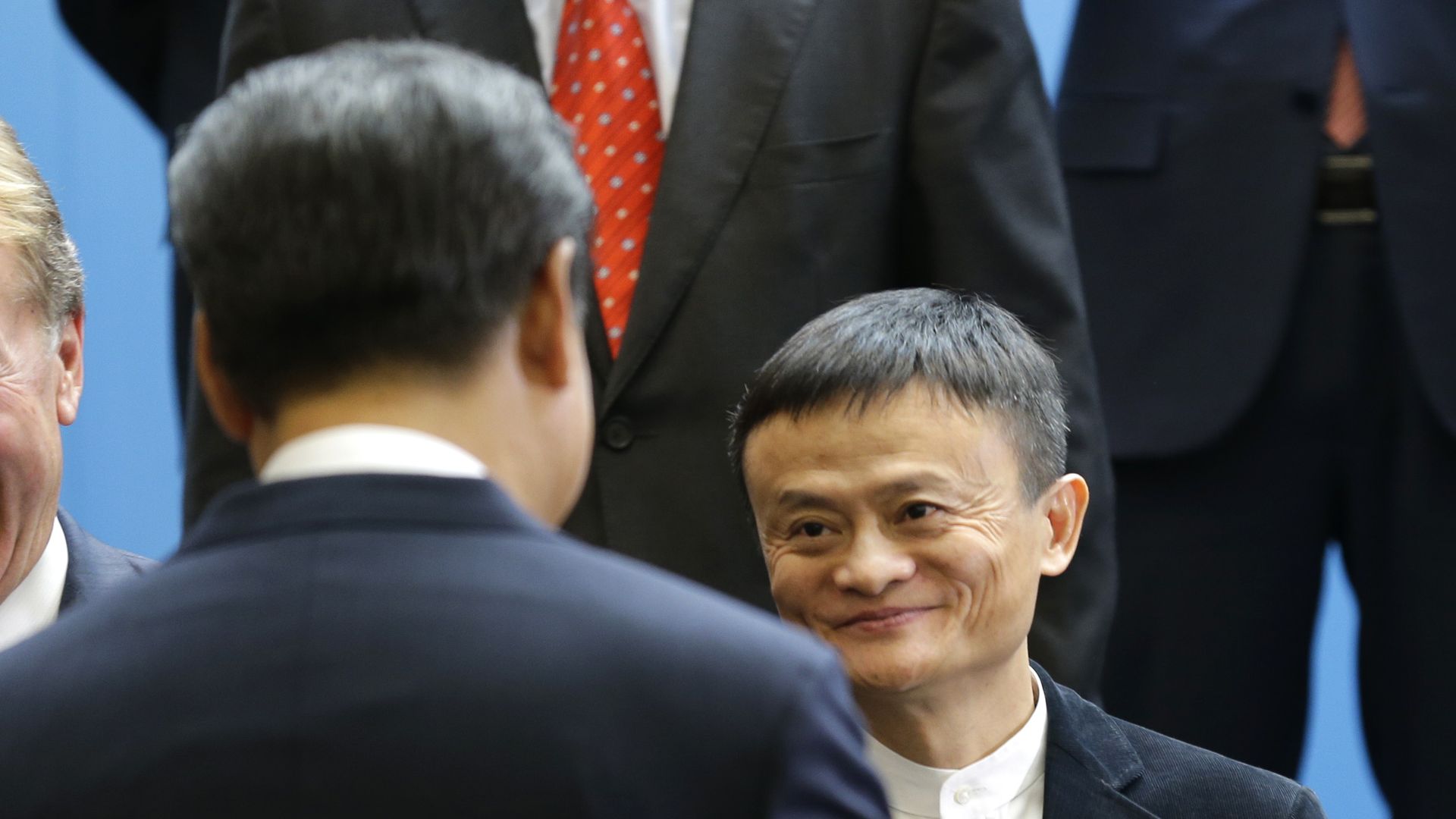
Jack Ma, the c0-founder and executive chairman of Chinese e-commerce behemoth Alibaba, was identified by the People's Daily, China's state-run media outlet, as a member of the Communist Party. His name appeared on a list honoring people working to modernize the Chinese economy, reports the Wall Street Journal.
The backdrop: Ma has long kept a distance from Chinese politics. He once said companies' relationship with Beijing should be, "Love them, don’t marry them." But as the Communist Party gains influence under President Xi Jinping, it is seeking to publicly link itself to China's most powerful names.
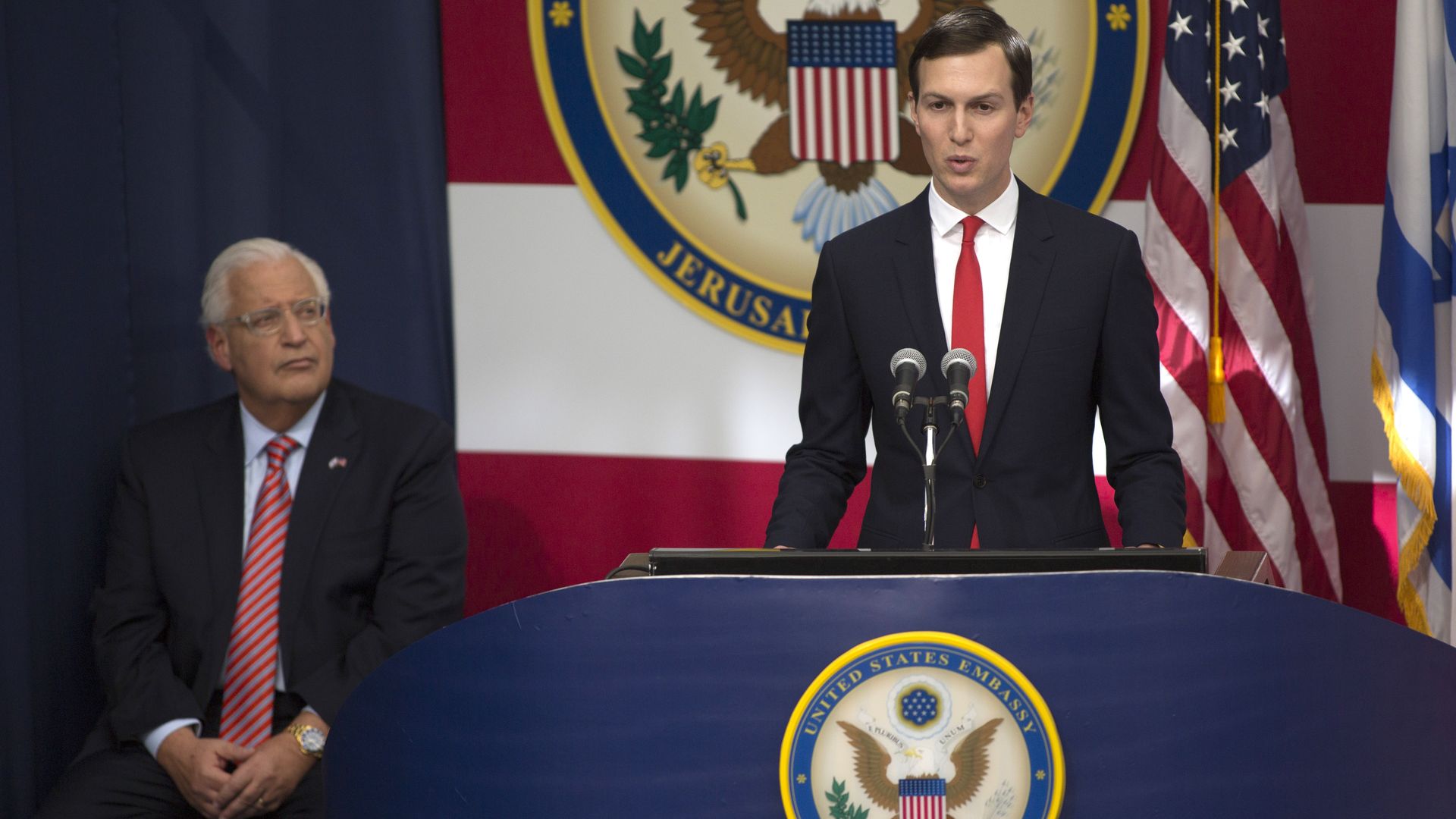
U.S. Ambassador to Israel David Friedman said in a rare statement today that President Trump will release his Israeli-Palestinian peace plan at a time that will allow its best chance for success.
Why it matters: Friedman confirmed my story from last week about a high-level meeting Trump held with his White House "peace team" to discuss the contents of the peace plan and the timing for its release. Trump said in late September that he wanted to publish the long-awaited plan between December and February.
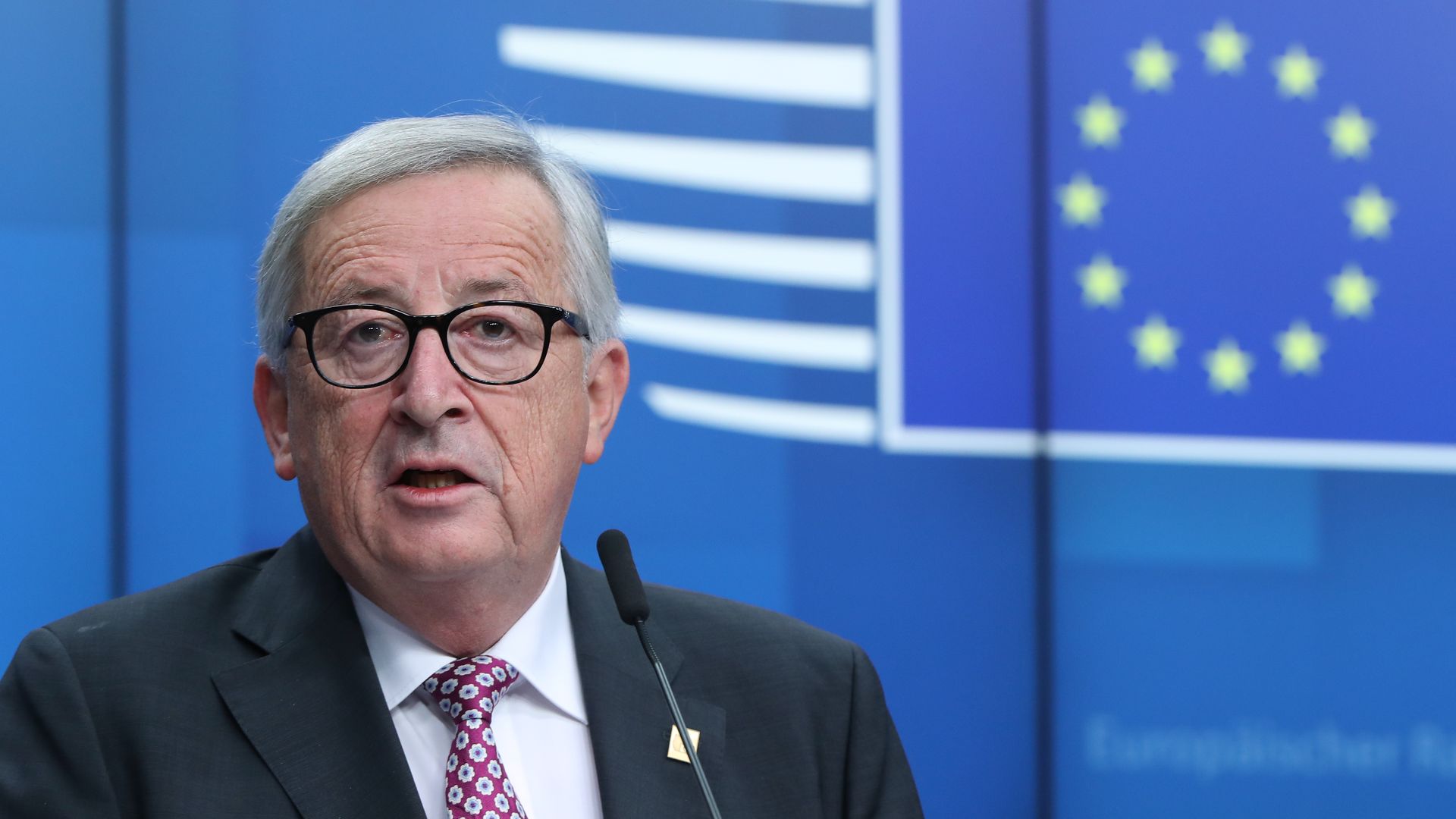
European Commission President Jean-Claude Juncker called the Brexit withdrawal agreement EU leaders approved Sunday the "best and only deal possible," reports the BBC.
The big picture: It took 20 months for the EU and the U.K. to finalize a Brexit deal, and while Juncker and Prime Minister Theresa May agree that it's the best possible outcome for the British people, others beg to differ — including hardline members of May's own Conservative party. Parliament is expected to vote on the agreement Dec. 12, but approval is far from guaranteed. Juncker told the BBC that if the House of Commons votes no, "we would have no deal."
Ukraine claimed that Russia opened fire on its navy ships in the Kirch Strait, a sea passage between Crimea and Russia's mainland, on Sunday, damaging one and escalating the ongoing Crimean crisis, per the AP.
The big picture: The standoff led Ukrainian President Petro Poroshenko to convene his military cabinet.Russia earlier blocked access to the strait after it claimed Ukrainian naval vessels ventured into Russian waters. Ukraine claims it gave Russia advance warning about the movement of its navy ships. Russia's blockade of the strait with a tanker effectively cuts off sea access for Ukrainian cities that lie on the Sea of Azov, reheating the geopolitical crisis that kicked off with Russia's annexation of Crimea in 2014.