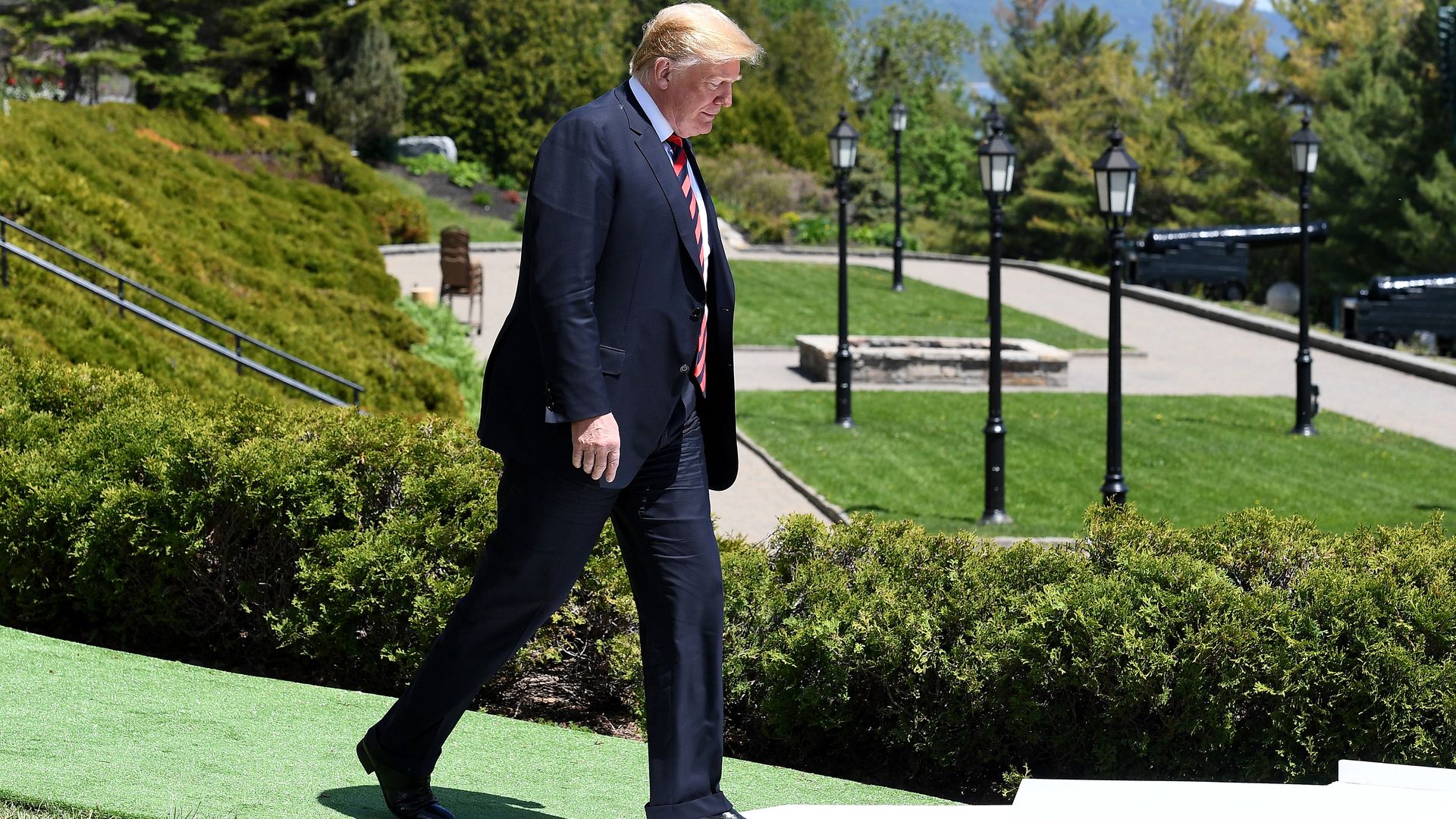
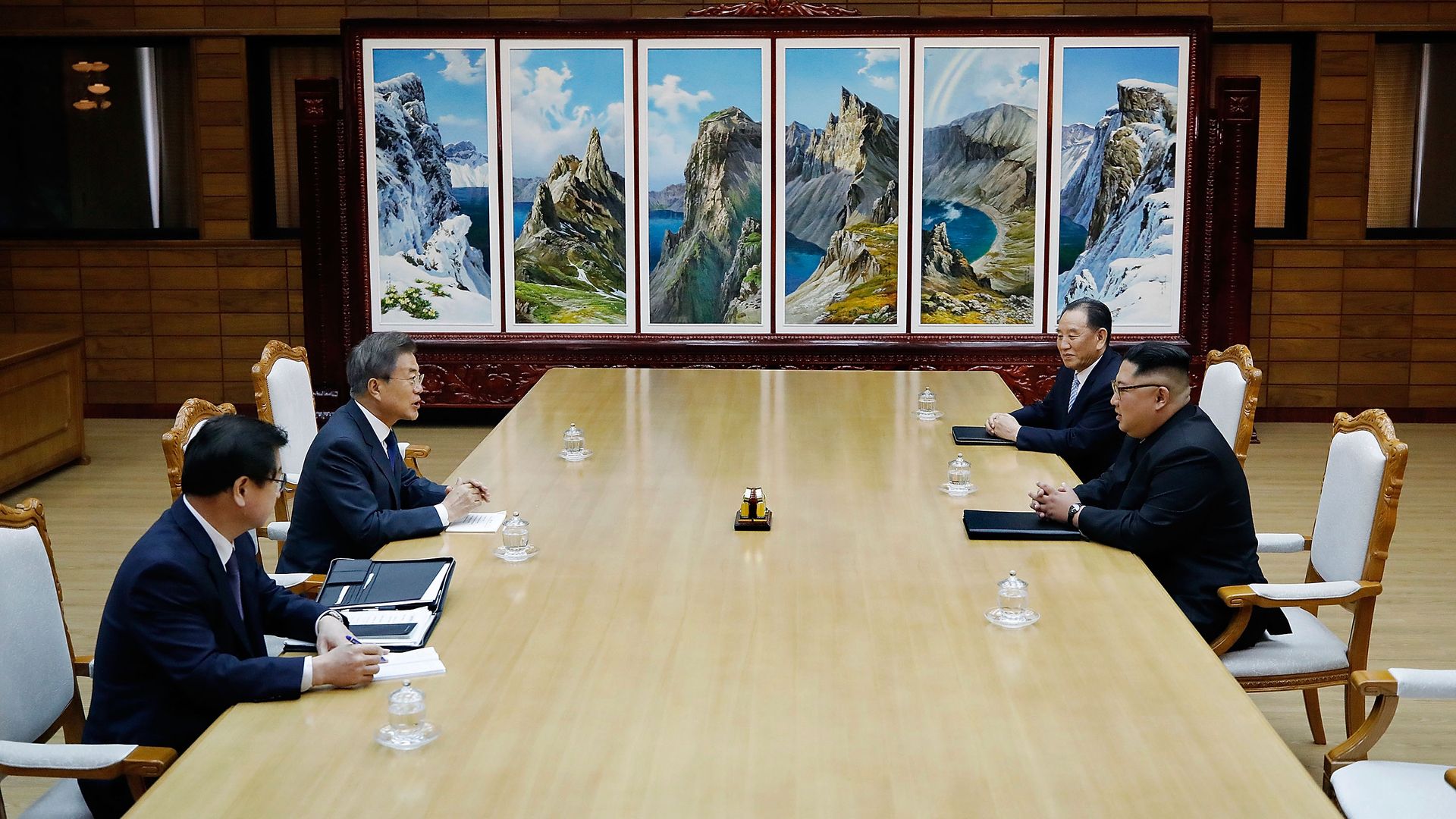
As President Trump defends his means of preparedness for the historic summit with North Korea, the New York Times points out that he is doing so absent of a science adviser to the White House, or a senior counselor trained in nuclear physics.
Why it matters: The veteran negotiator is sticking to his trademark of running matters his own way as the Times details that he is "the first president since 1941 not to name a science adviser." And former nuclear negotiators caution that the lack of an adviser with such experience in the field "could put him at a tactical disadvantage in one of the weightiest diplomatic matters of his presidency."
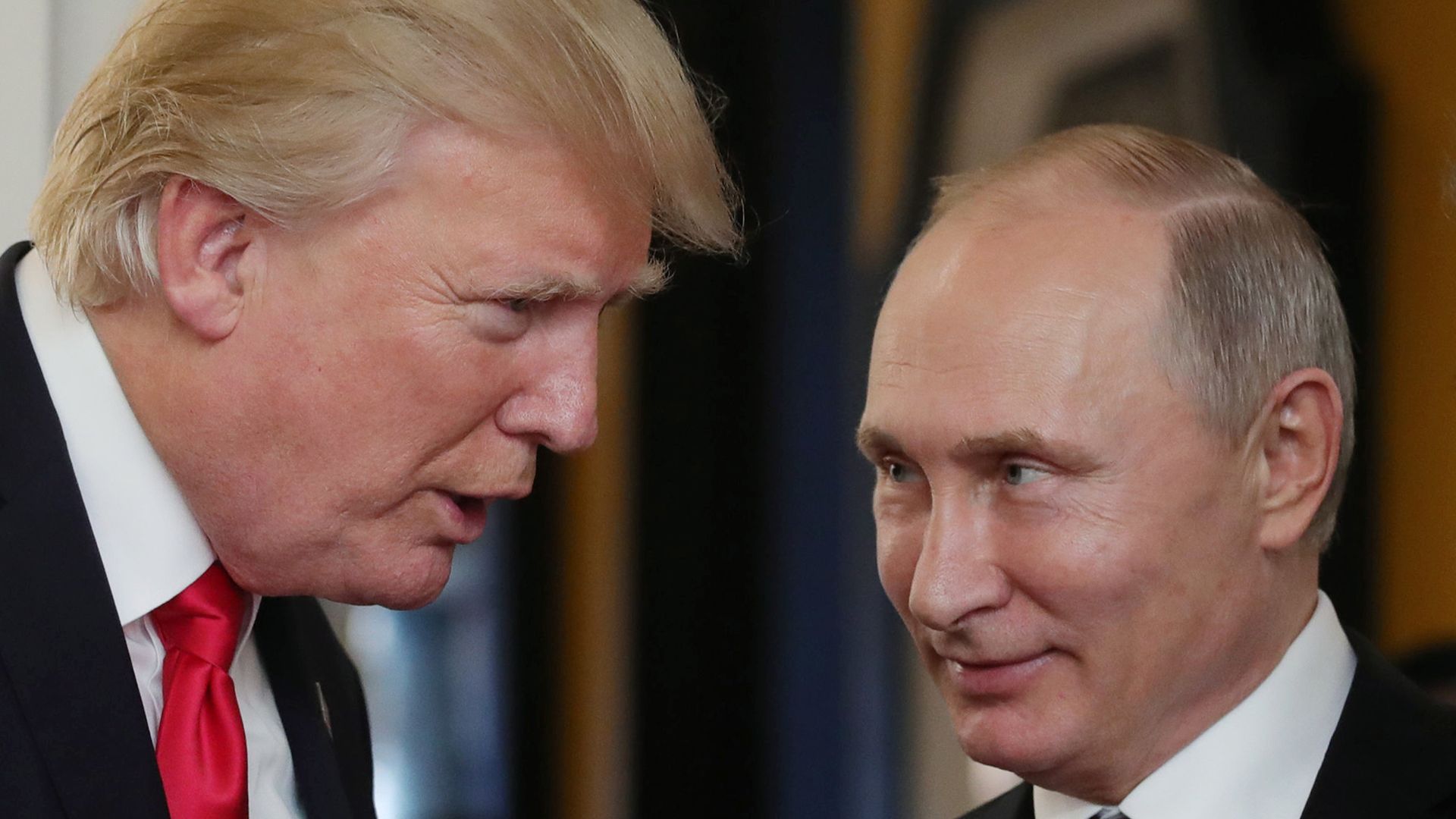
The Kremlin said on Saturday that Vienna was being floated as the possible destination for a summit between Presidents Donald Trump and Vladimir Putin, Politico reports.
The details: Putin's spokesman Dmitry Peskov said that Trump and his Russian counterpart have discussed "the need for such a meeting," but that nothing had been decided yet. They last spoke on March 20, per White House statements, which was before Trump expelled Russian officials over the Kremlin's involvement in the poisoning of a former spy in the U.K. Putin said, per Politico: "The ball, I believe ... [is] on the American court."
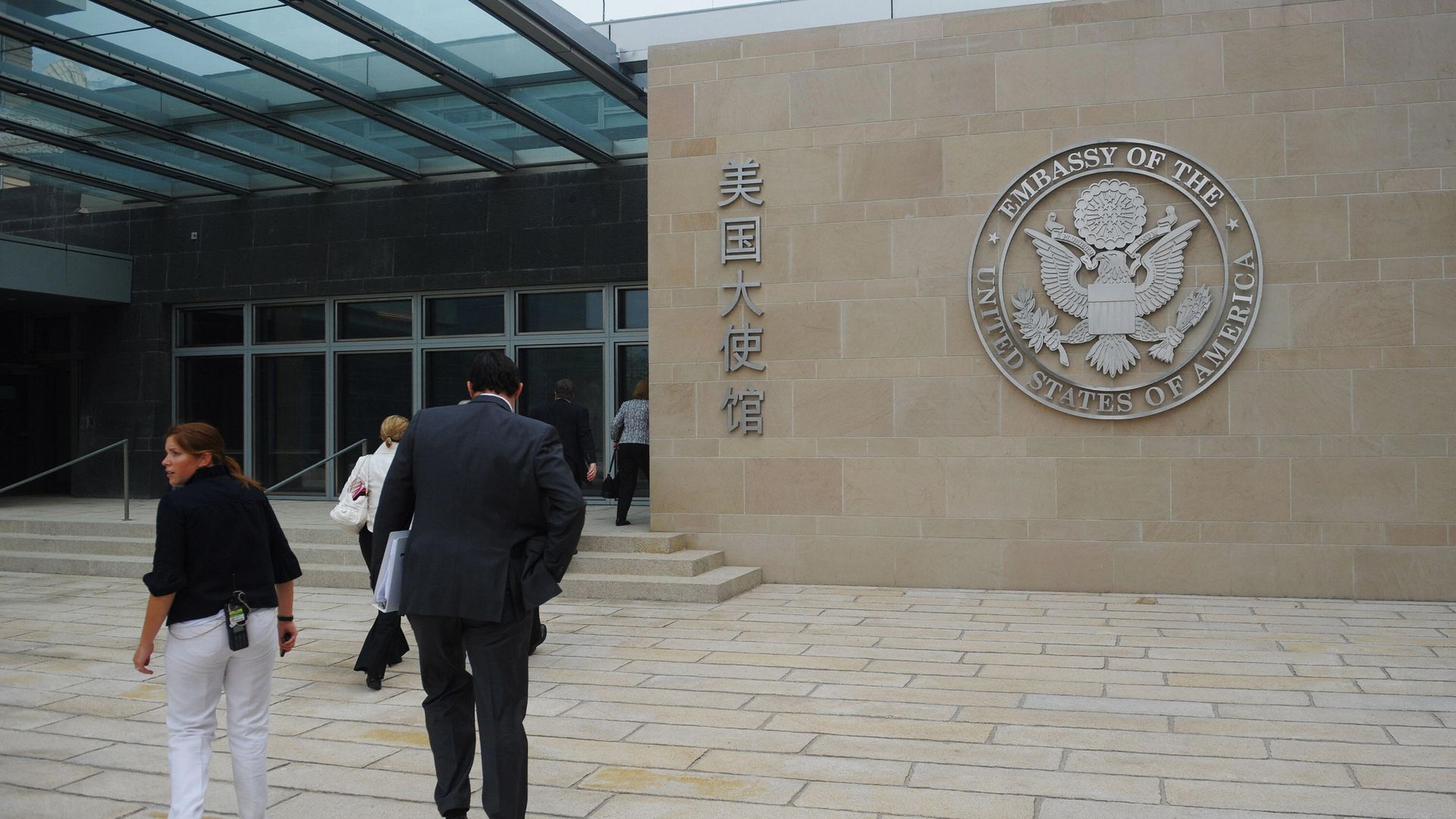
U.S. citizens in China received their second alert in nearly two weeks warning of "unexplained health issues that have prompted the evacuation of a number of U.S. government employees working at a consulate in a southern city," the Associated Press reports.
Why it matters: The warning was sent amid American medical teams screening additional U.S. workers at the Guangzhou consulate, where a previous case prompted such tests. Per the AP, the alert told Americans to get medial help if they experience symptoms such as "dizziness, headaches, tinnitus, fatigue, cognitive issues, visual problems, ear complaints and hearing loss, and difficulty sleeping."
A former CIA officer was found guilty of espionage, on behalf of China, and lying to the FBI about communication with Chinese officials, the New York Times reports. The officer, Kevin Mallory, faces life in prison following the verdict.
The intrigue: Per the times, the prosecution called his story "totally and completely absurd," explaining that he "selectively disclosed his contacts in order to have a potential defense in case federal investigators caught on to his true plan: to trade American secrets for cash." However, Mallory’s lawyers persistently denied the charges claiming that he is "a former C.I.A. clandestine officer and a private consultant, is a patriot who planned to use his recruitment to lure Chinese intelligence handlers into the C.I.A.'s grasp."
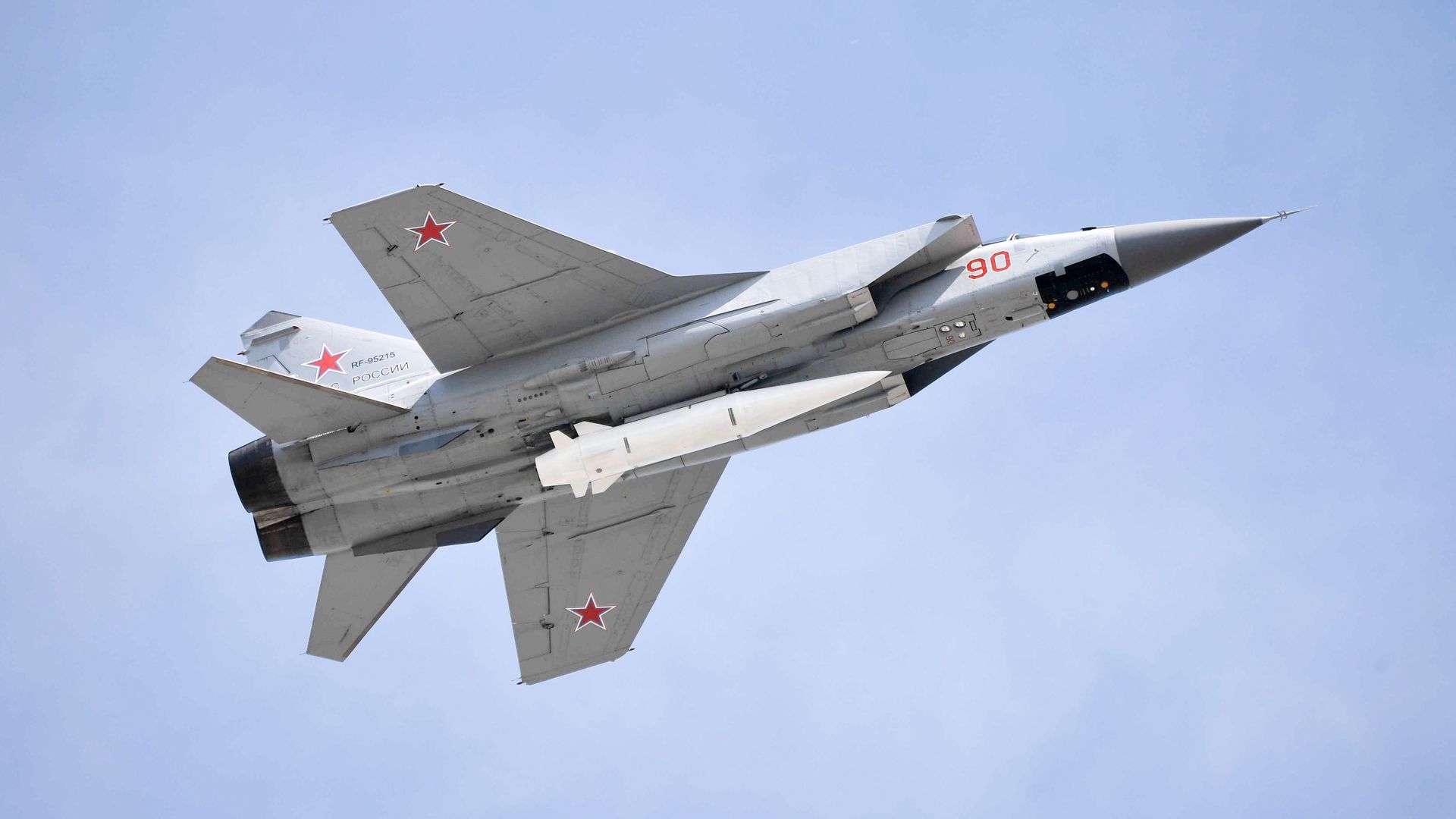
The United States is falling behind in the hypersonic arms race as China and Russia outpace the rest in developing "a maneuverable missile that could fly many times the speed of sound and strike anywhere in the world within an hour or two," the Washington Post writes on the cover of Sunday business, citing senior military officials.
Why it matters: The U.S. prides itself on being one of, if not, the strongest military in the world. And while the Pentagon has made this development a top priority, falling behind to obtain a major weapon of war in the future, is not an option to stay competitive.
Hopes are high for President Trump to strike a “grand deal” with Kim Jong-un in Singapore next week to denuclearize North Korea, but neither CVID (complete, verifiable, irreversible denuclearization) nor CVIG (complete, verifiable, irreversible guarantee of North Korea's security) has much chance of becoming a reality.
Between the lines: Both leaders will be tempted to paint the meeting as a success, but real challenges will attend any post-summit discussion of the logistics of North Korea's denuclearization. The Trump team is unlikely to abandon its CVID goal, which Kim's team will oppose for fear of following in the footsteps of Libya, Iraq or Ukraine. North Korea has reportedly demanded a CVIG for the current regime, but even if the U.S. were willing to grant it in exchange for CVID, there is a great risk such a deal would fall through after the summit.
At the beginning of this year, Chinese government hackers retrieved troves of highly classified information regarding undersea warfare, the Washington Post reports.
The details: The hackers stole the data from a Naval Undersea Warfare Center contractor in Rhode Island, per the Post, compromising "hundreds of mechanical and software systems." This hack follows other breaches as China works towards disrupting the U.S. military technology advantages.
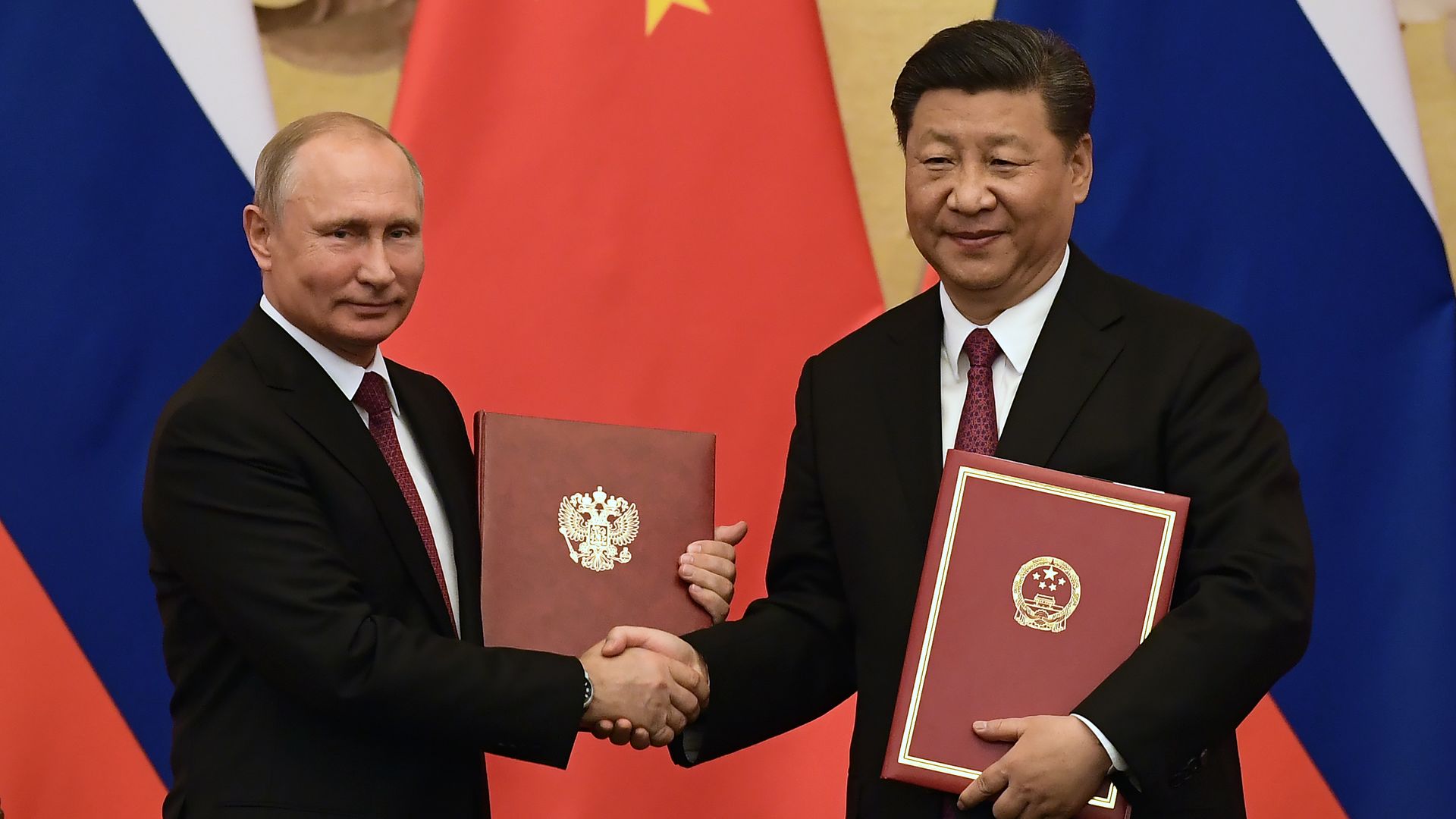
Russian President Vladimir Putin is on a state visit to China, which will include attending the 18th Shanghai Cooperation Organization (SCO) summit, June 9-10.
What we're hearing: Chinese President Xi Jinping awarded Putin the inaugural friendship medal of the People's Republic of China, and praised his "contribution and efforts to building a peaceful world."
New charges have been brought by special counsel Robert Mueller against former Trump campaign chairman Paul Manafort and Konstantin Kilimnik — a former aide to Manafort who has been suspected of having ties to Russian intelligence and worked for Manafort's company and oversaw its office in Kiev.