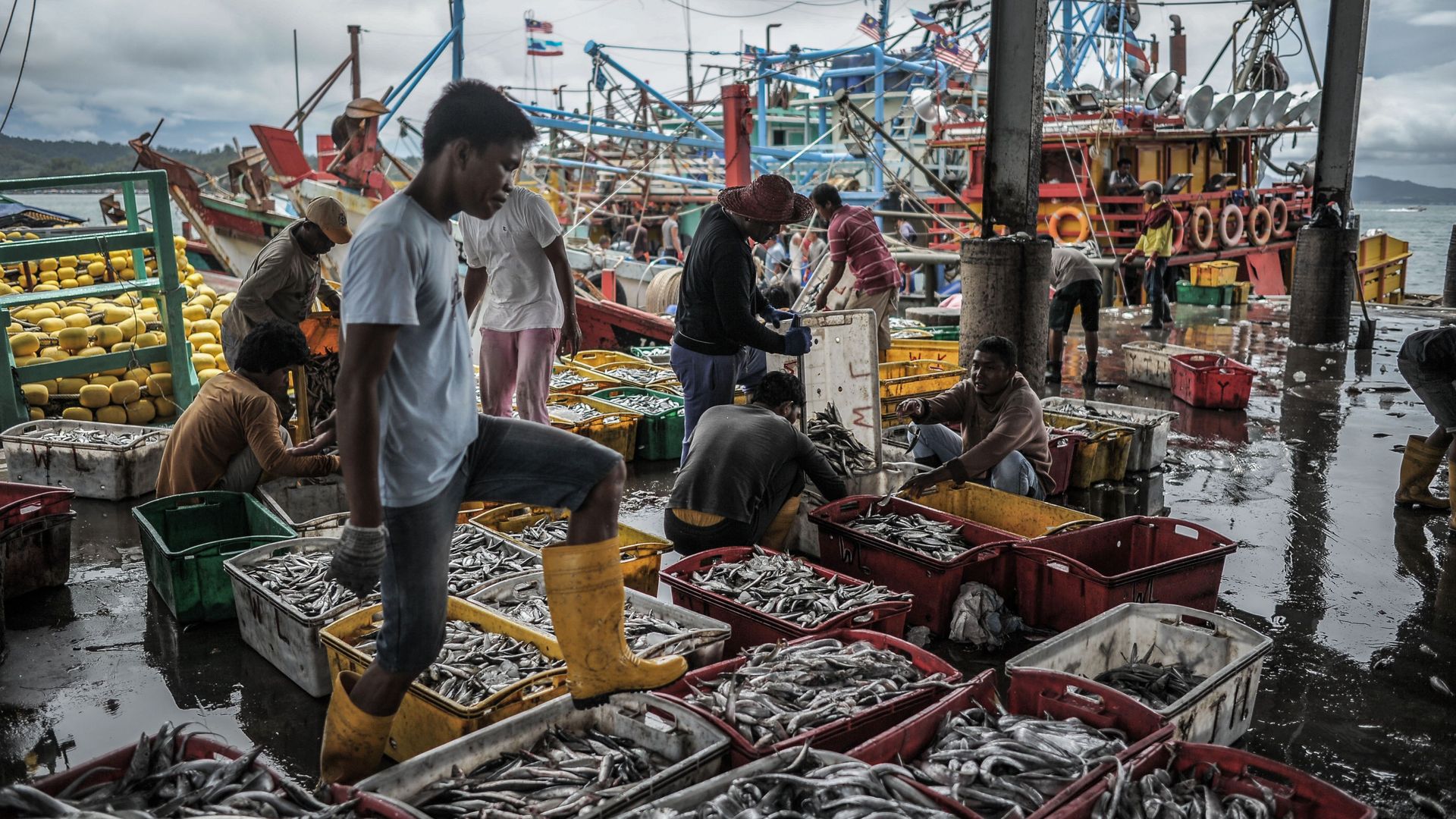
Malaysia made headlines, and raised eyebrows, last week by announcing it would use crowd-funding to help pay down the crippling national debt. But another move could have much bigger implications — renegotiating big infrastructure contracts with China.
The bigger picture:China's debt-trap diplomacy is spreading across Asia and Africa. Beijing offers attractive, expensive projects to countries that need infrastructure, then leverages debt for influence.
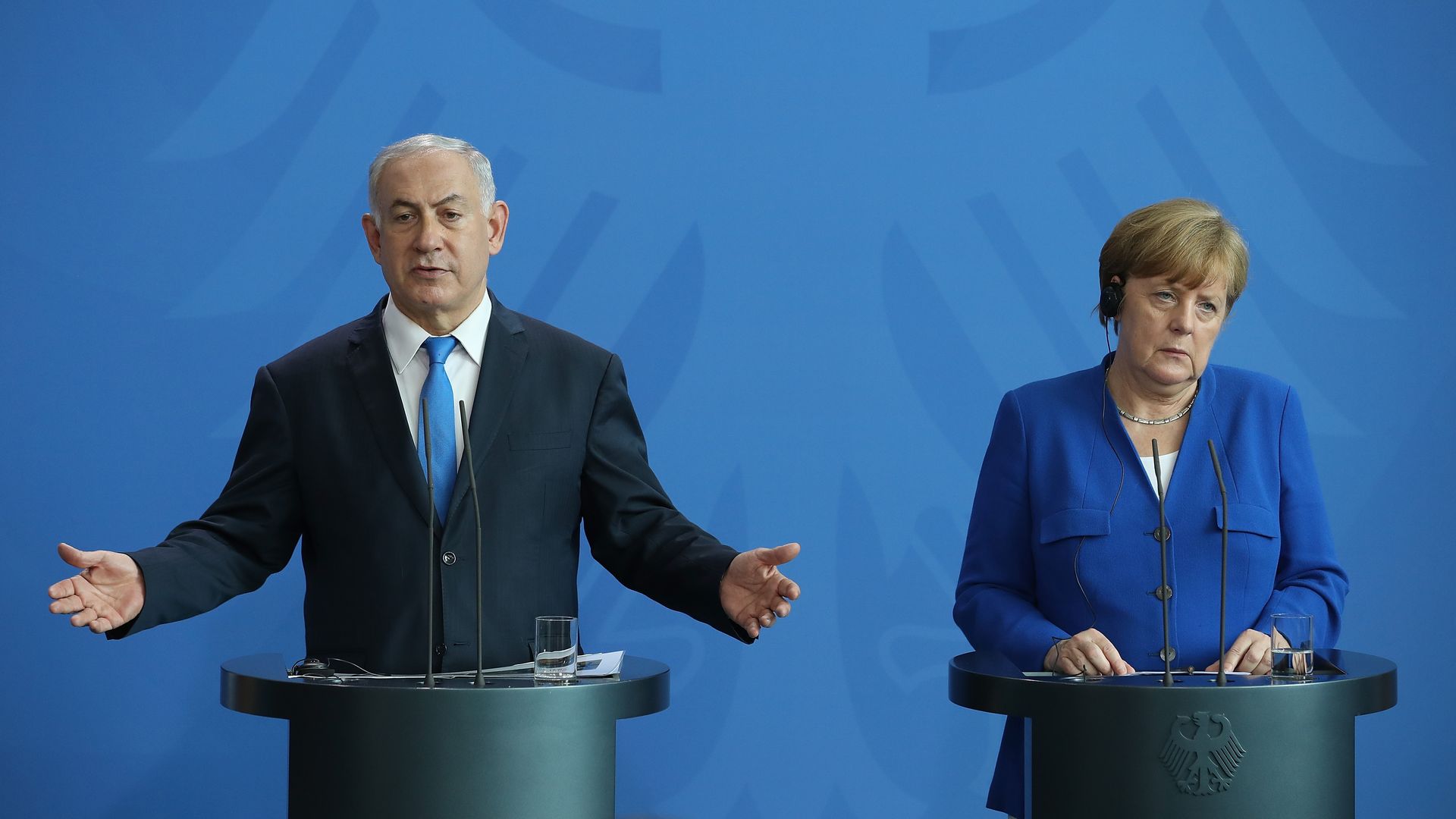
Israeli Prime Minister Benjamin Netanyahu said at a press conference in Berlin with Chancellor Angela Merkel that he would meet with U.S. ambassador to Germany Richard Grenell at Berlin's airport today — at Grenell's request.
The backdrop: Grenell has been an unusually high-profile and controversial ambassador during his first month on the job. In a Breitbart interview published yesterday, Grenell raised eyebrows by saying he hoped to "empower other conservatives throughout Europe," with Germany now seeking clarification about his comments.
Update: Netanyahu met Grenell at the airport but because of his tight schedule the meeting was very short. Netanyahu said Grenell is a big supporter of Israel and the meeting was requested long before the latest controversy. "It was basically a courtesy call," he said.
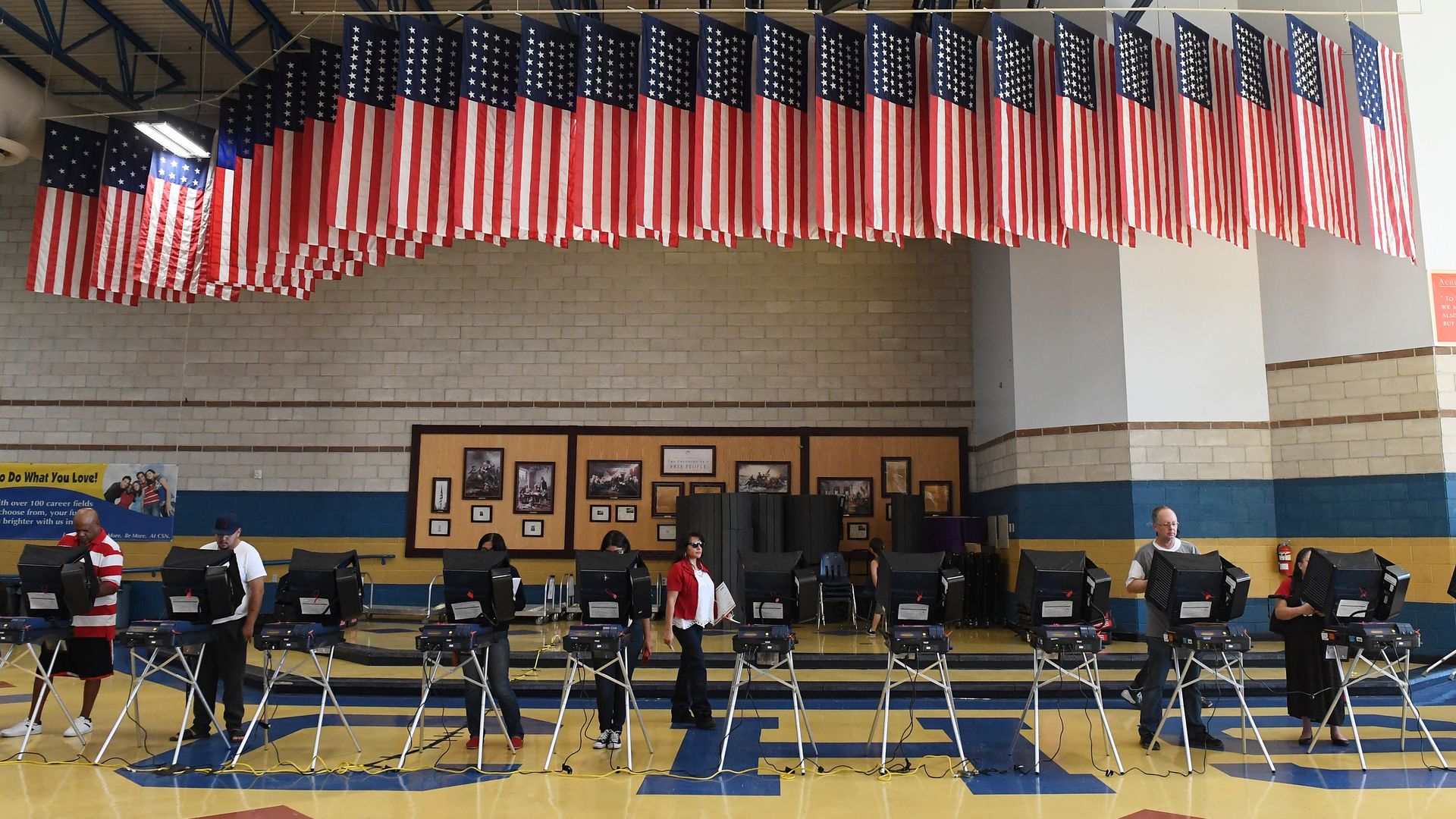
The recent $380 million of federal funding to replace paperless voting machinery and improve cybersecurity is desperately needed, but it is unlikely to ensure the long-term cybersecurity of U.S. election technology.
The big picture: At best, the one-time spending will provide a catalyst for election organizations to gain basic cybersecurity competence. At worst, though, the money will be spent on discretionary purchases (e.g., digital pollbooks or new PC hardware) that only appear helpful and that, without proper security-centric integration, may increase the systems’ exposure to attacks.
The Chinese government has launched an investigation into U.S. and South Korean memory-chip makers Micron, Samsung and SK Hynix, reports the Wall Street Journal.
The big picture: It's not yet clear why China is probing the foreign companies, but the move comes as China looks to strengthen domestic tech and curb reliance on the West.
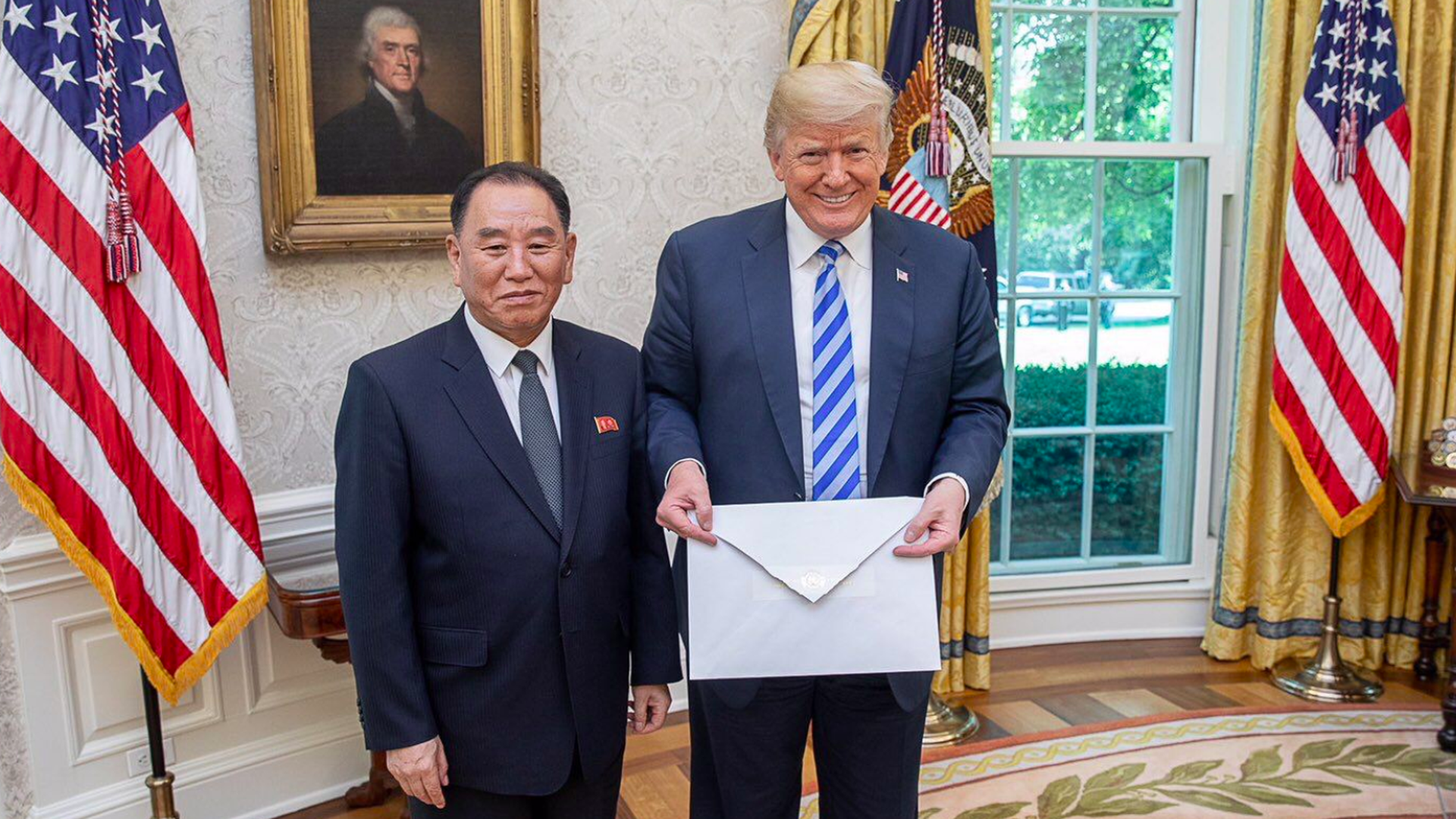
"[N]ot enough nuclear experts may exist to visit the hundreds of buildings, track down the voluminous records and conduct the comprehensive inspections required to verify compliance" with a North Korean denuclearization deal, the L.A. Times' David Cloud reports.
The issue: "U.S. intelligence agencies believe Pyongyang has assembled as many as 60 nuclear weapons and built a widely dispersed network of secret development and production facilities, some deep underground in the country’s rugged northern mountains."
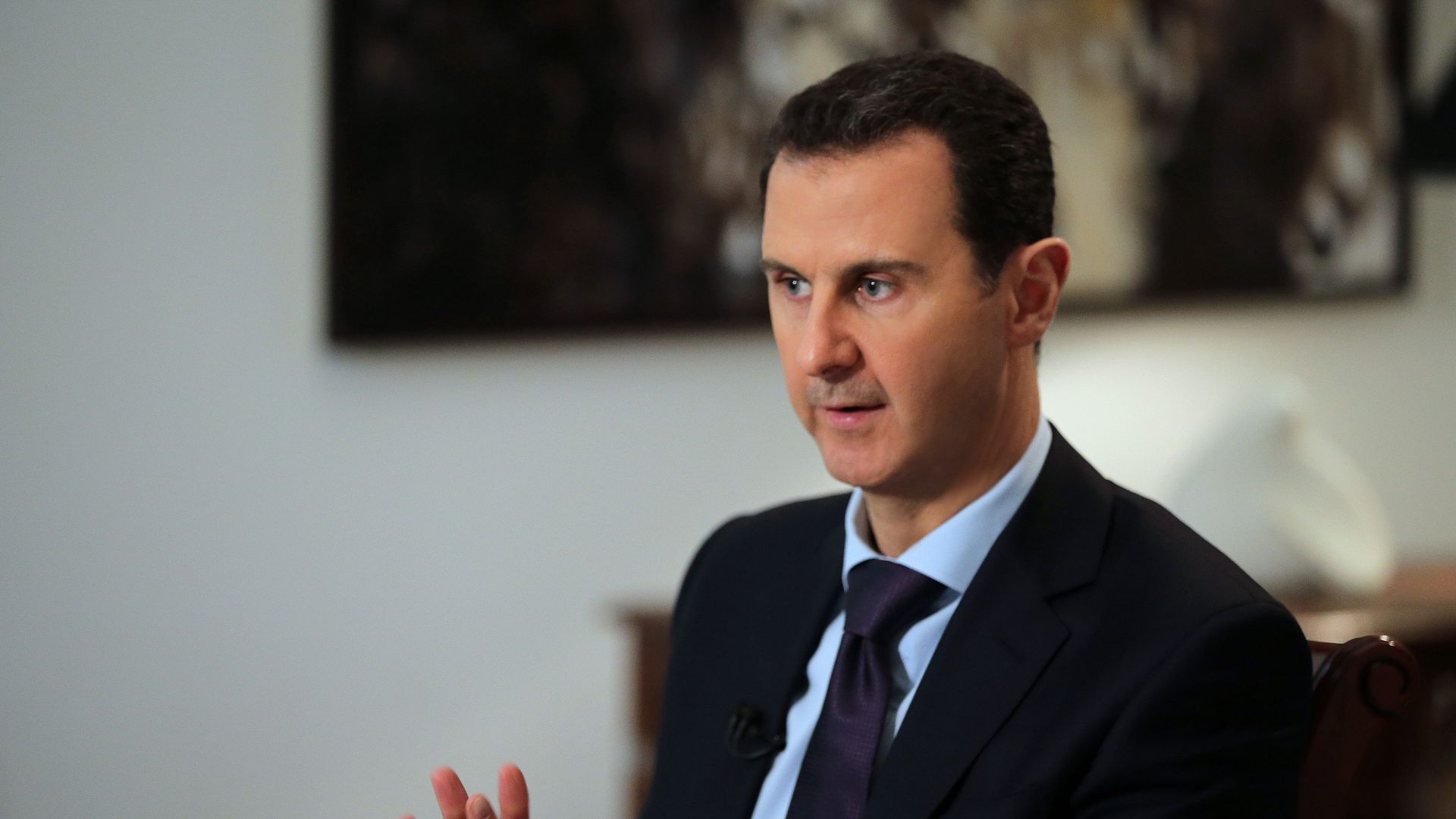
Syrian President Bashar al-Assad plans to make a state visit to Pyongyang, reports Reuters, citing a Sunday report by the North Korea's state news agency. The report didn't offer a timeline when he will do so.
Why it matters: It would be the first time North Korean leader Kim Jong-un would host a head of state since he assumed power in 2011, and comes amid several other meetings with world leaders.
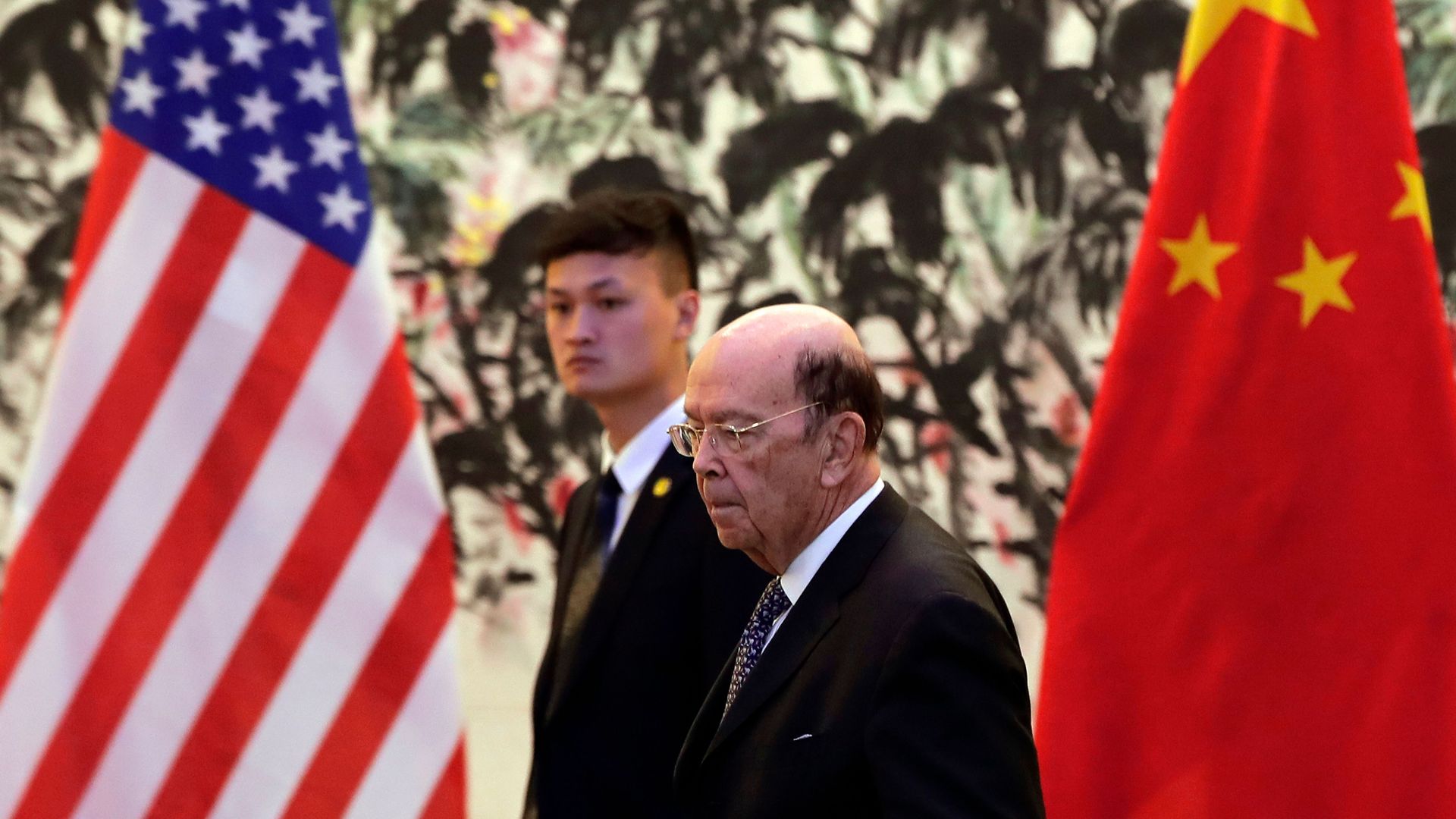
China forewarned the Trump administration on Sunday that any trade deals currently being discussed will not go into effect should the U.S. implement proposed tariffs on Chinese goods, according to a statement published by the official Xinhua News Agency.
The backdrop: The warning came after a U.S. delegation, led by Commerce Secretary Wilbur Ross, held talks with Chinese officials in Beijing on Saturday and Sunday. The latest, sprawling discussion over trade disputes between both countries ended with neither a joint statement and nor did they released any details, per the AP. The White House had casted doubt on trade talks when it renewed a threat on Tuesday to impose 25% tariffs on $50 billion of Chinese technology this month.