Tuesday's world stories

Why the U.S. is blaming North Korea for the WannaCry hack
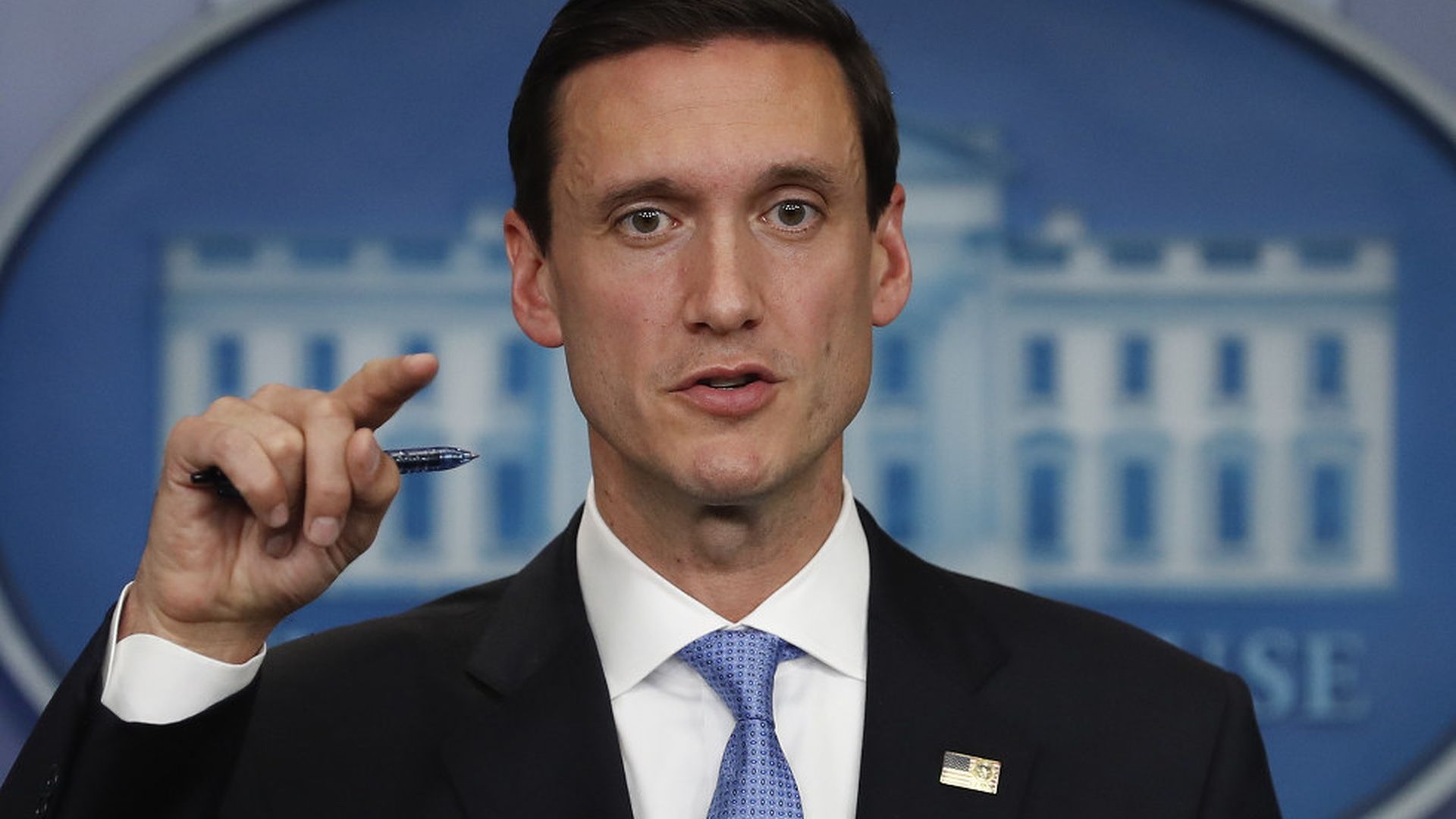
According to White House Homeland Security Advisor Tom Bossert, there are "technical links to previously identified North Korean cyber tools" that helped the U.S. trace the origin of the WannaCry ransomware attack, which stemmed from the NSA cyber arsenal. However, Bossert told reporters Tuesday morning that much of the information that led the U.S. to declare North Korean responsibility is private.
Context: WannaCry is thought to have been launched via an advanced persistent threat group called Lazarus Group, which is suspected of having links with North Korea. That group was suspected of launching an attack on Sony before the release of "The Interview," which showed Kim Jong-un being assassinated. The group also allegedly tried to pull off a bank heist via the central bank of Bangladesh.
Saudis say they intercepted another missile from Yemeni rebels
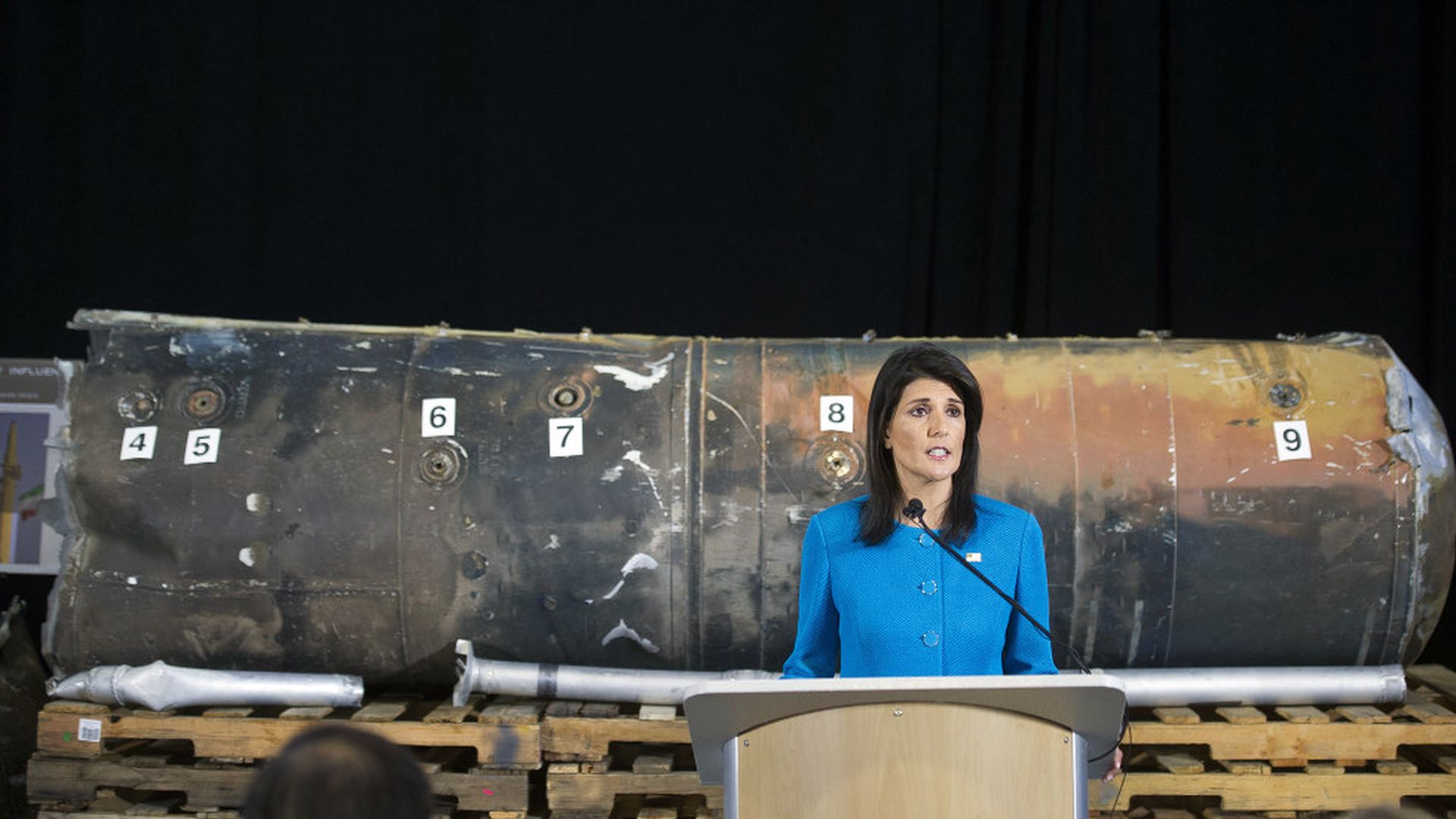
The Saudi-led coalition reports it has intercepted a missile south of its capital, Riyadh, just after Yemen's Iran-aligned Houthi rebels said they launched a missile towards the city, targeting Yamama Palace where King Salman hosts government meetings, per the AP. The Saudis also said they intercepted a missile from the Houthis just last month, although whether the missile fell apart before it could be intercepted is up for debate, per the NYT analysis of photos and videos of the attack.
Context: U.S. Ambassador to the UN Nikki Haley presented last week pieces of Iranian weapons supplied to the Houthis, which she said served as "undeniable" evidence Tehran was violating UN resolutions. Iran denies supplying these and other weapons to the Houthis. The war between the Houthis and the coalition began in 2015.

Kaspersky connections to Russian intelligence still undocumented
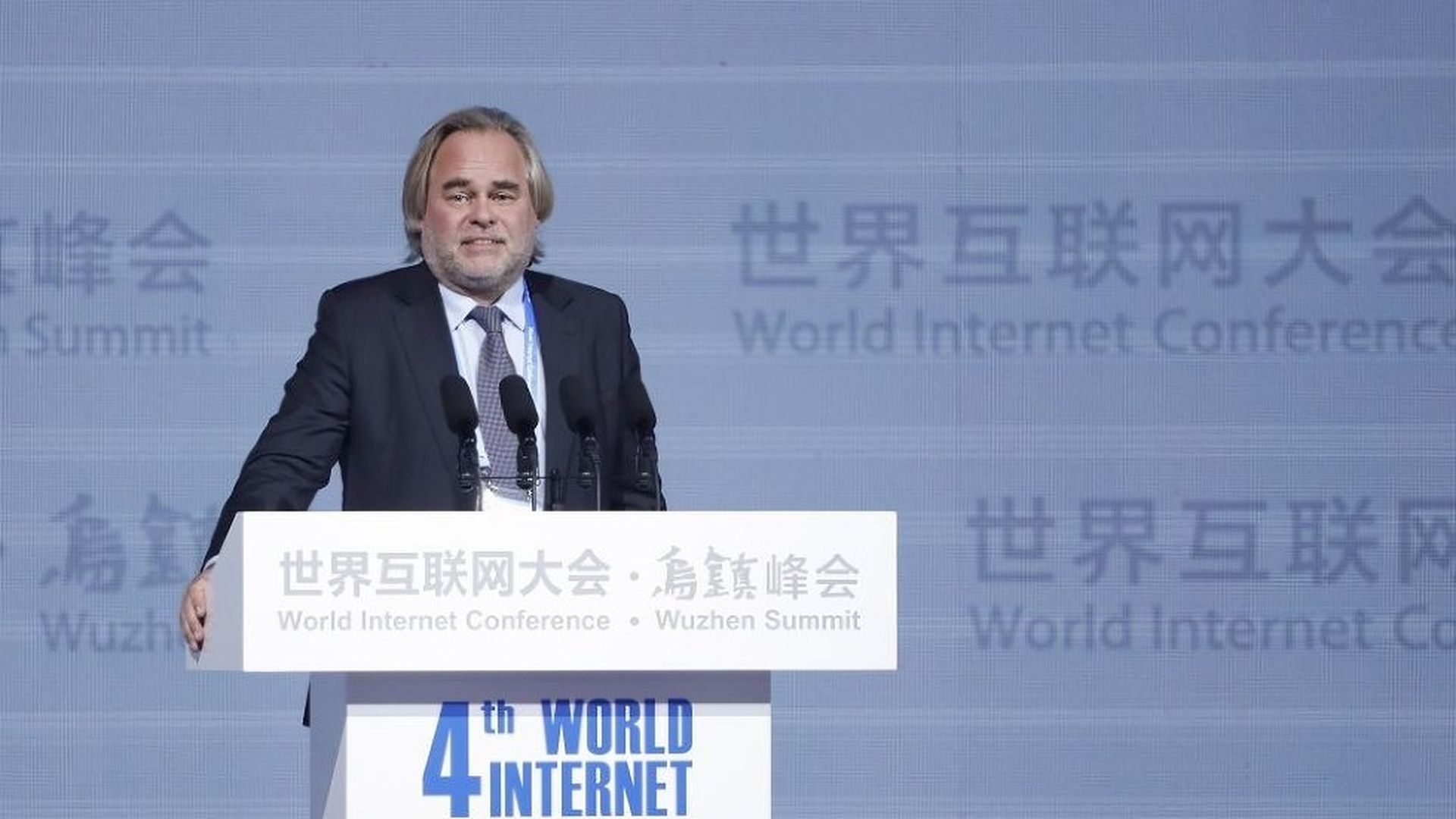
In a last-minute voice vote on December 7, a provision was added to the $700 billion National Defense Authorization Act that bars federal agencies from using Kaspersky anti-virus software."The case against Kaspersky Lab is overwhelming," said Senator Shaheen (D-NH). "The strong ties between Kaspersky Lab and the Kremlin are alarming and well-documented." The Department of Homeland Security has alleged "ties between certain Kaspersky officials and Russian intelligence," yet no evidence has been provided.Yesterday Kaspersky responded by filing suit against the DHS for banning its product, claiming DHS "relied primarily on subjective, non-technical public sources like uncorroborated and often anonymously sourced media reports." Without proof, how are we to judge whether Kaspersky is a real threat or whether this is merely protectionism for U.S. vendors, an old tactic? Check Point Software, an Israeli firm, was blocked from selling to federal agencies in the 1990s. Huawei, the Chinese networking giant, has been effectively blocked from doing business in the U.S. Cisco was the U.S. vendor that benefited most from both of these actions.
The bottom line: What if Spain or Germany were to make similar claims against McAfee or Symantec to support their own vendors? The U.S. cybersecurity industry is not well served by unsubstantiated claims about the trustworthiness of security products, which only muddy the waters and encourage blowback.

U.S. to declare North Korea was behind WannaCry cyberattack
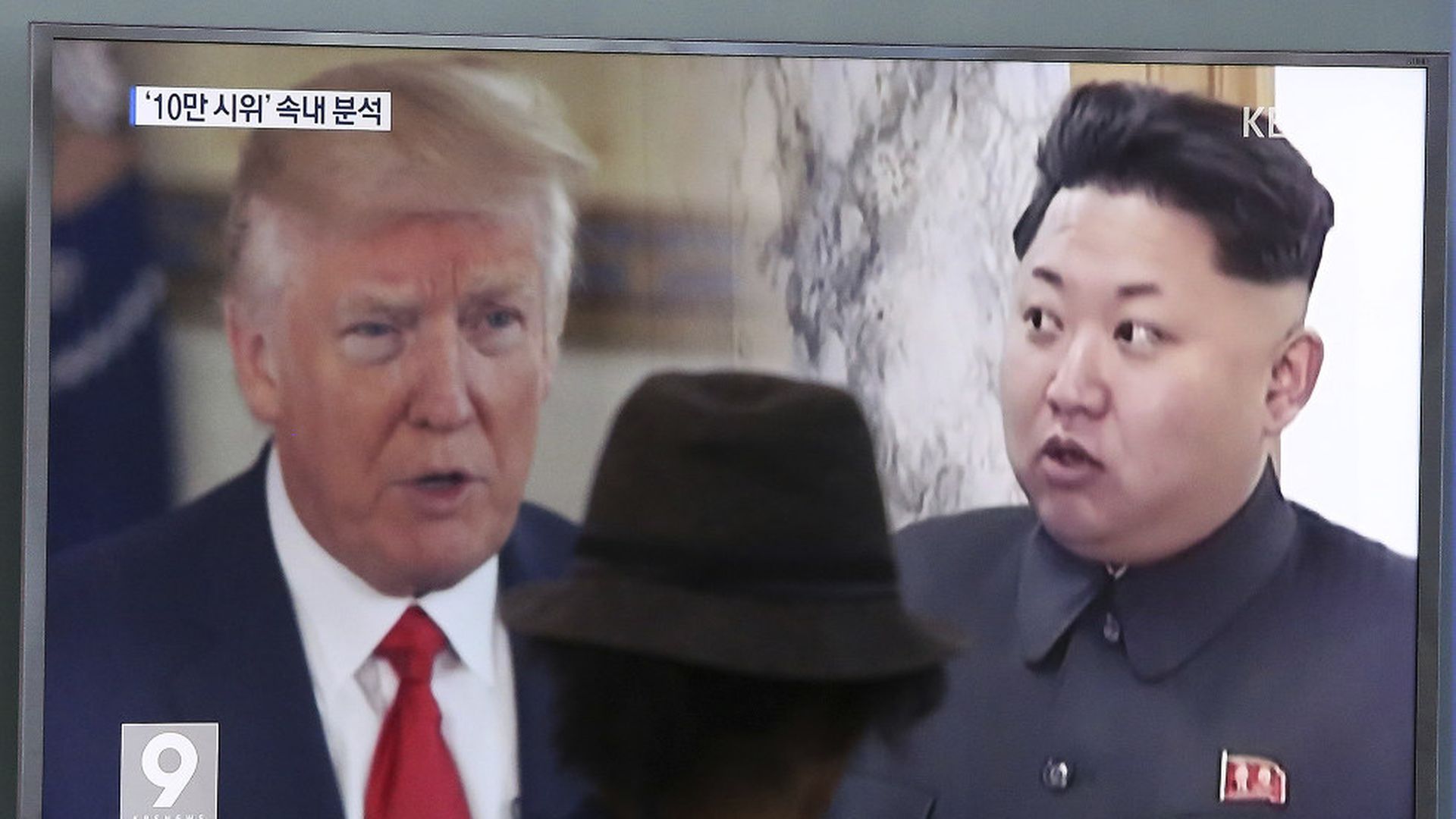
The U.S. government is prepared to publicly declare that North Korea was behind the sweeping WannaCry cyberattack that impacted over 230,000 computers across more than 150 countries this summer, the Washington Post reports.
What's next: President Trump's homeland security adviser, Tom Bossert, will make the declaration in an op-ed Monday evening. The Trump administration will direct "all responsible states" to combat the North Korean regime's cyber hacking capabilities and to impose "relevant" United Nations Security Council sanctions, the Post reports, citing a U.S. official familiar with the plans.

Russia's Kaspersky Lab sues Trump administration over software ban

Russian tech company Kaspersky Lab sued the Trump administration in U.S. federal court Monday over its decision to ban the company's software products at all federal agencies due to national security concerns, reports Reuters. The firm argues that the Department of Homeland Security deprived it of due process and unfairly damaged its reputation.
Why it matters: Kaspersky Lab, the world's largest private cybersecurity company, has been accused of helping Moscow in their intelligence efforts, though they have repeatedly denied any such connection.
Report: Obama administration backed off Hezbollah investigation

The Obama administration railroaded a U.S. effort to dismantle a Hezbollah drug-trafficking scheme since it conflicted with aspirations to strike a nuclear deal with Iran, according to a Politico report by Josh Meyer.
What happened: The Drug Enforcement Agency's top-secret effort to trace the trafficking found links to state sponsors in Iran. Requests that the DEA's team put in at the Departments of State, Justice, and Treasury to advance the investigation were delayed or denied. Officials have said publicly they believed roadblocks were constructed for political reasons, namely, to keep conversations about a nuclear deal with Iran going.

Fear and loathing on China’s border with North Korea
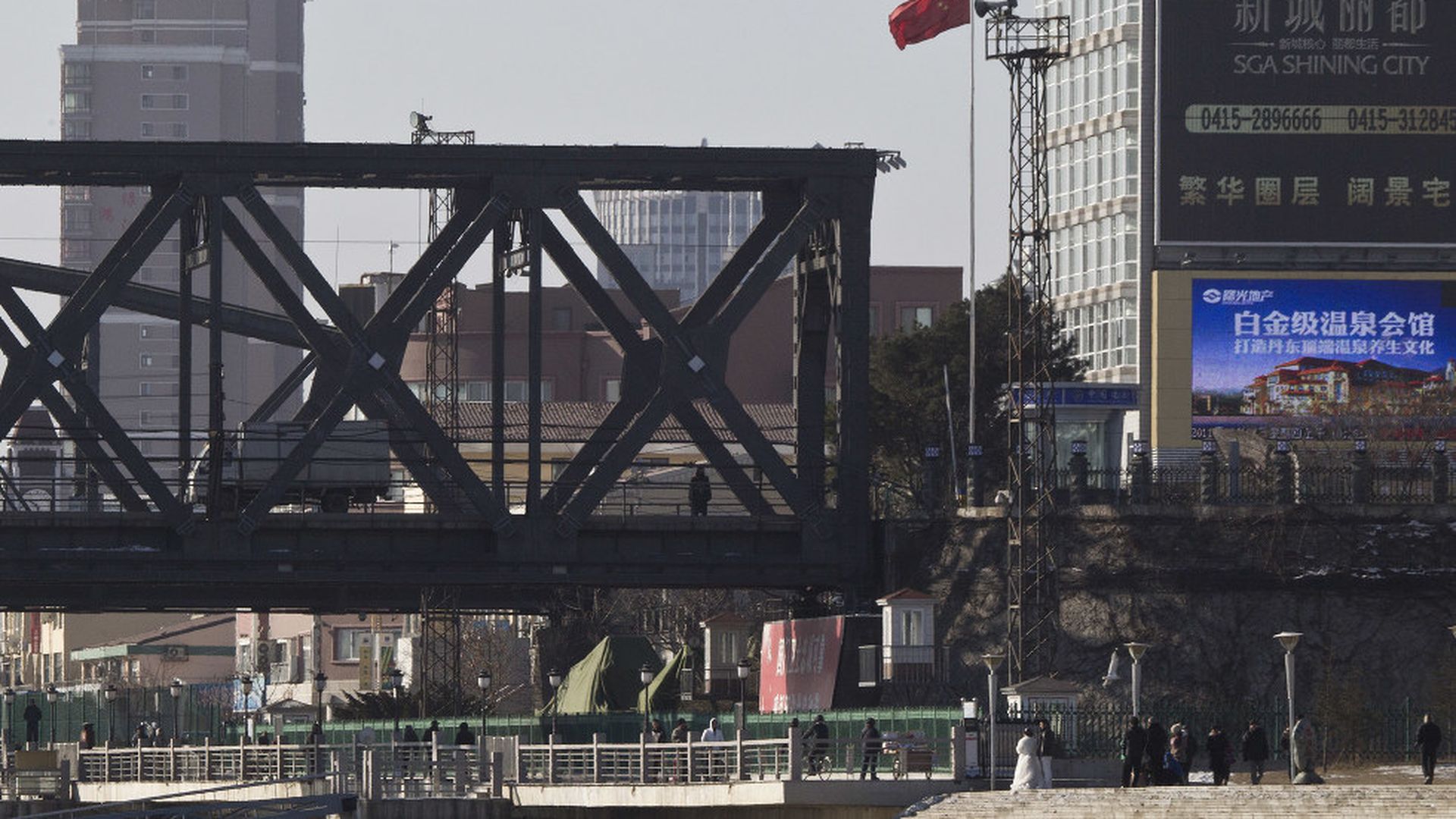
Along China's side of the 900-mile border it shares with North Korea, tension and resentment of the neighboring regime are slowly building.
The economy in China's underdeveloped Northeast, which lags far behind the prosperous urban centers, has taken a huge hit due to sanctions. Where do locals place the blame? While they fear military action by President Trump, their anger is directed squarely at Kim Jong-un, whom they hold responsible for heightened friction.
In the border city of Dandong, where shop signs are in Korean and local vendors sell North Korean cigarettes and beer, traffic and trade have dwindled, though the Friendship Bridge across the Yalu River is not quite closed, despite claims by central authorities in Beijing. Ambitious development projects begun in partnership with Kim Jong-un's China-friendly uncle, Jang Song-taek, were shelved after Jang was executed for "counter-revolutionary" activities.
Meanwhile, fears of basic security still loom over these communities. A local newspaper recently published a primer for residents on how to deal with radioactive fallout from an accident or airstrike against North Korean nuclear sites.
Why it matters: As China's old alliance with North Korea erodes and its fear of nuclear fallout grows, there is an opportunity for meaningful U.S.–China cooperation to stop the threat from Kim Jong-un.