Monday's world stories

Russia's Kaspersky Lab sues Trump administration over software ban

Russian tech company Kaspersky Lab sued the Trump administration in U.S. federal court Monday over its decision to ban the company's software products at all federal agencies due to national security concerns, reports Reuters. The firm argues that the Department of Homeland Security deprived it of due process and unfairly damaged its reputation.
Why it matters: Kaspersky Lab, the world's largest private cybersecurity company, has been accused of helping Moscow in their intelligence efforts, though they have repeatedly denied any such connection.

Report: Obama administration backed off Hezbollah investigation
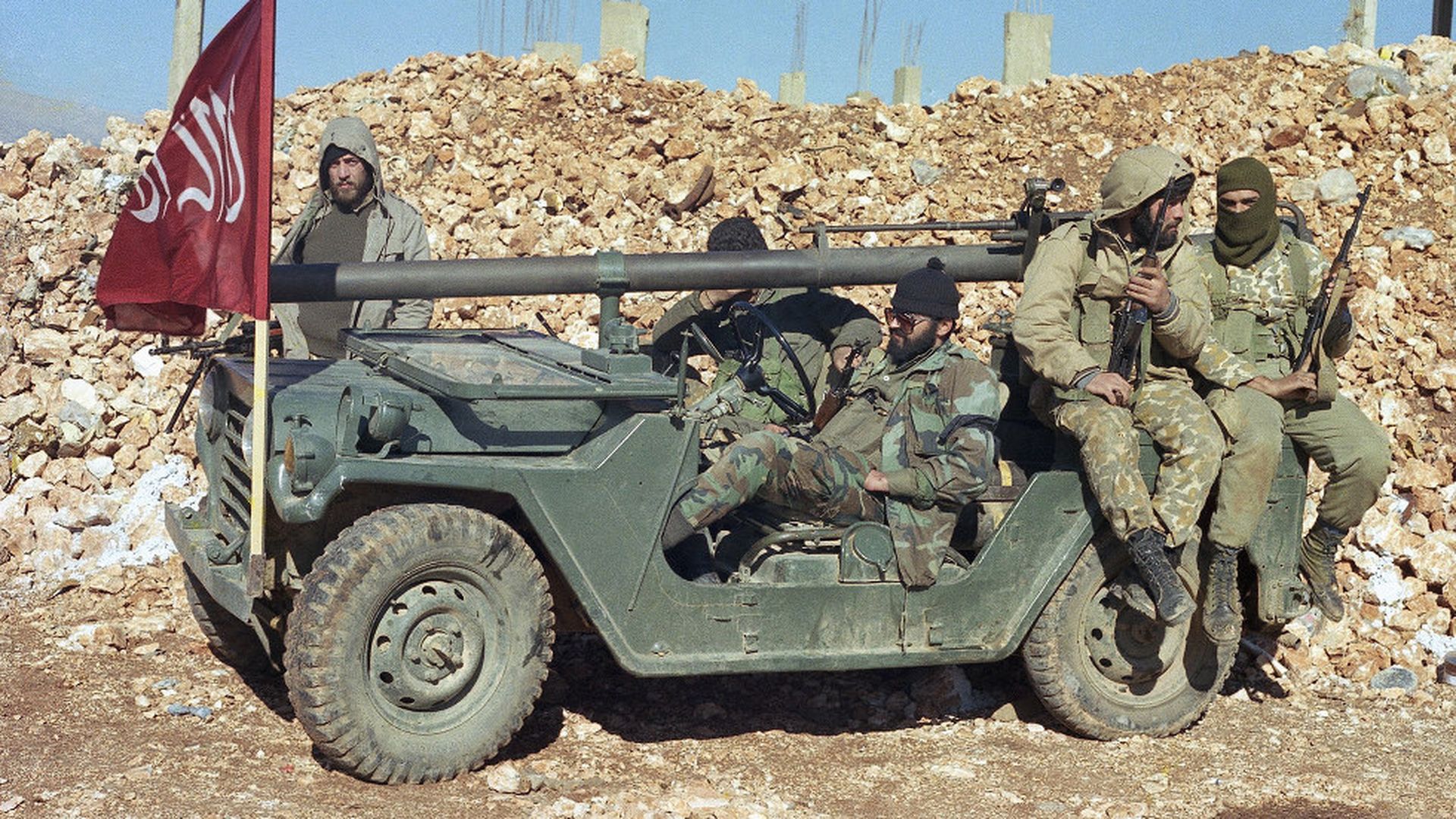
The Obama administration railroaded a U.S. effort to dismantle a Hezbollah drug-trafficking scheme since it conflicted with aspirations to strike a nuclear deal with Iran, according to a Politico report by Josh Meyer.
What happened: The Drug Enforcement Agency's top-secret effort to trace the trafficking found links to state sponsors in Iran. Requests that the DEA's team put in at the Departments of State, Justice, and Treasury to advance the investigation were delayed or denied. Officials have said publicly they believed roadblocks were constructed for political reasons, namely, to keep conversations about a nuclear deal with Iran going.

Fear and loathing on China’s border with North Korea
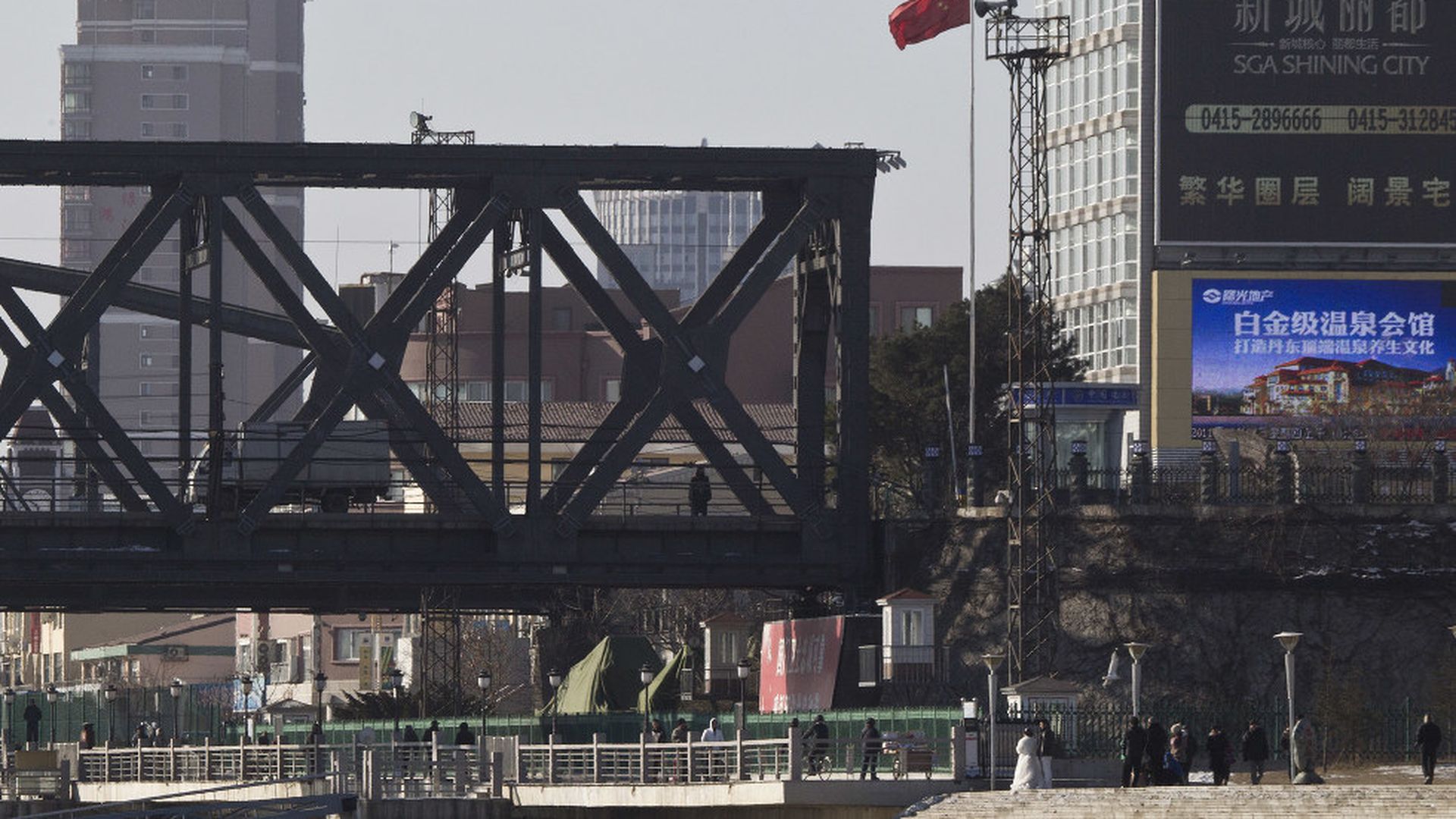
Along China's side of the 900-mile border it shares with North Korea, tension and resentment of the neighboring regime are slowly building.
The economy in China's underdeveloped Northeast, which lags far behind the prosperous urban centers, has taken a huge hit due to sanctions. Where do locals place the blame? While they fear military action by President Trump, their anger is directed squarely at Kim Jong-un, whom they hold responsible for heightened friction.
In the border city of Dandong, where shop signs are in Korean and local vendors sell North Korean cigarettes and beer, traffic and trade have dwindled, though the Friendship Bridge across the Yalu River is not quite closed, despite claims by central authorities in Beijing. Ambitious development projects begun in partnership with Kim Jong-un's China-friendly uncle, Jang Song-taek, were shelved after Jang was executed for "counter-revolutionary" activities.
Meanwhile, fears of basic security still loom over these communities. A local newspaper recently published a primer for residents on how to deal with radioactive fallout from an accident or airstrike against North Korean nuclear sites.
Why it matters: As China's old alliance with North Korea erodes and its fear of nuclear fallout grows, there is an opportunity for meaningful U.S.–China cooperation to stop the threat from Kim Jong-un.