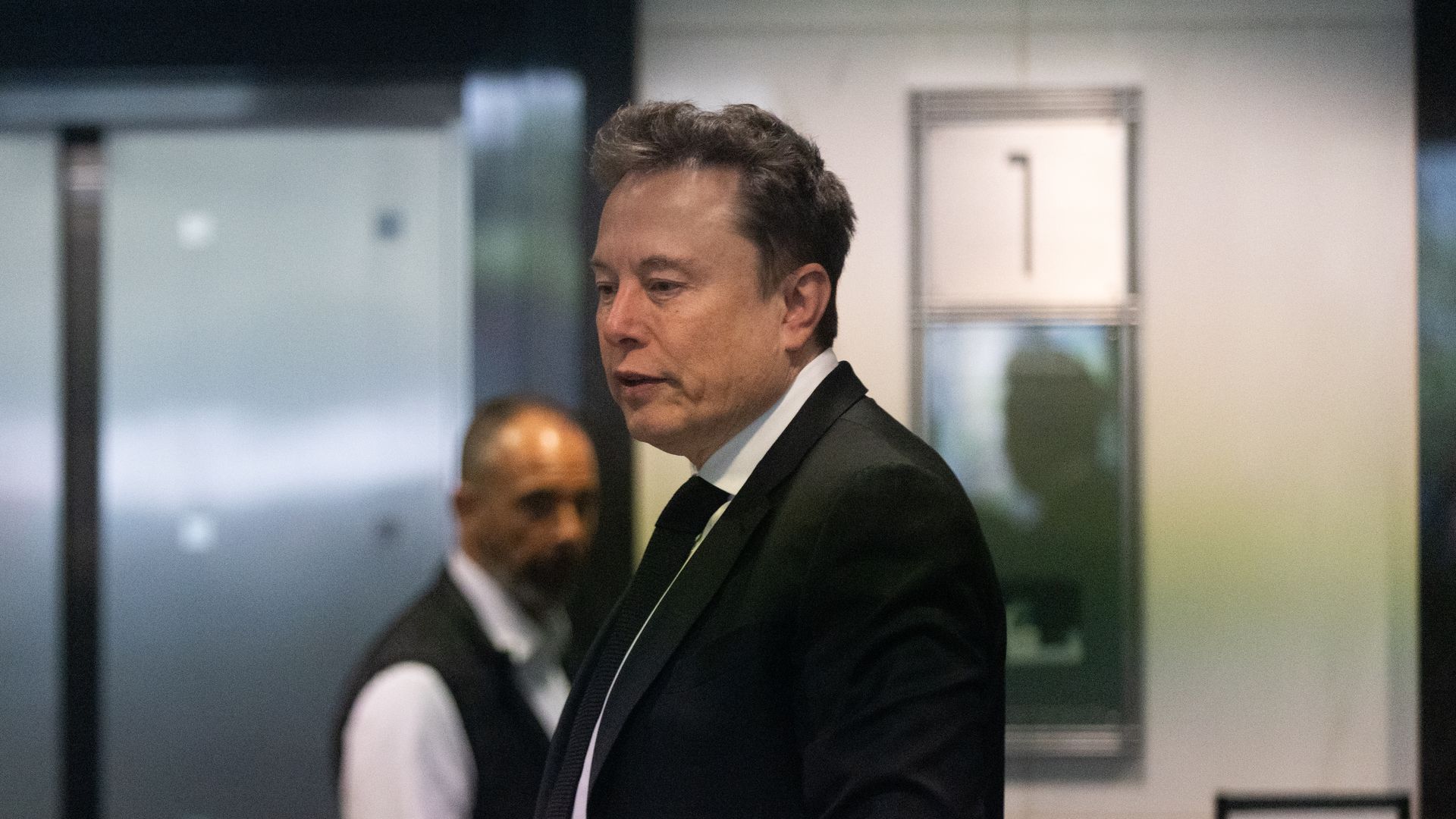
Attorneys for Elon Musk wrapped up their case against OpenAI on Thursday, asserting in closing arguments that they've proven the AI giant misused the millions of dollars Musk donated and violated their duty to uphold OpenAI's founding ethos.
The other side: OpenAI lawyers countered that Musk's $38 million donations in the early days of OpenAI didn't have specific strings attached and that the organization has continued to pursue its mission, albeit with various changes in structure.
OpenAI and Microsoft are also claiming that the lawsuit was filed too late and that Musk's own misconduct should prevent him from prevailing.
Why it matters: Musk wants Sam Altman ousted as CEO and removed from OpenAI's board, as well as billions of dollars in damages, though he says he would donate any winnings back to OpenAI's nonprofit arm.
The Federal Reserve's annual household survey shows Americans are managing even as their perceptions of the broader economy have collapsed.
Why it matters: The gap between how people feel about their own finances and how they view the national economy remains far wider than pre-pandemic times. That divergence could help explain why consumer spending has chugged along even as other sentiment readings hit record lows.
The good news in Thursday morning's April retail sales report is that the overall numbers are holding up fine. The bad news is that there are early signs of higher energy prices crimping Americans' spending on everything else.
The big picture: One of the great questions for the economy in the months ahead is how much demand destruction there will be from the blockade of the Strait of Hormuz and the resulting surge in prices for fuel and other commodities.
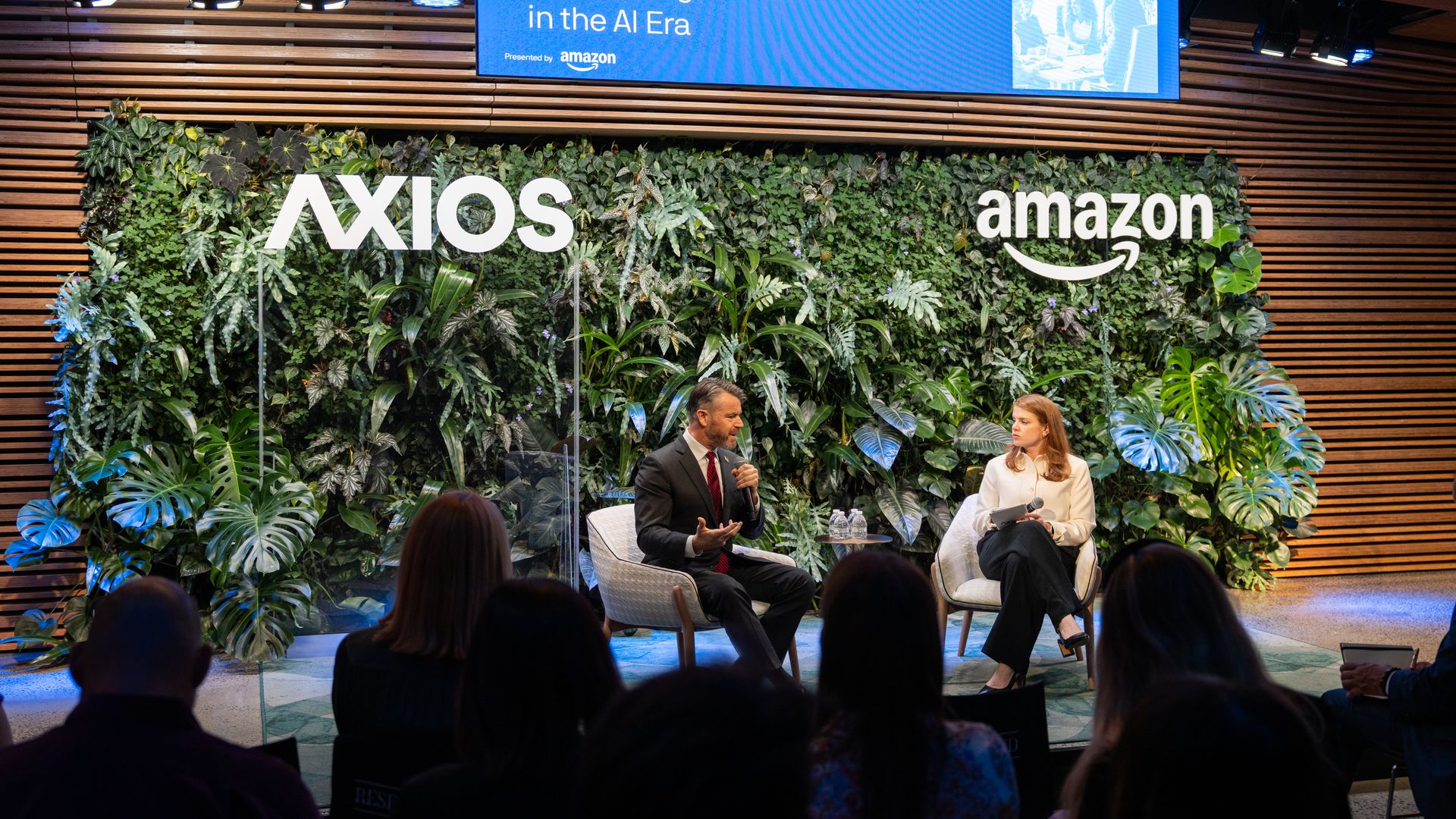
WASHINGTON – STEM education may not be as valuable as it once was because of AI's ability to code on its own, Sen. Todd Young (R-Ind.) said at an Axios Live event.
The big picture: AI is reshaping every industry and is directly tied to economic growth, increasing pressure on schools and employers to equip the workforce with AI tools and skills.
Axios' Courtenay Brown and Ashley Gold hosted conversations with Young and Anne Kress, president of Northern Virginia Community College (NOVA). The May 12 event was sponsored by Amazon.
What they're saying: "Having a certain command of ideas and being able to translate those novel ideas into language that can be sent into the algorithm and having the ability, with precision, to tell an algorithm what you need, describe your circumstances, describe the end state you're trying to arrive at, will be incredibly valuable," Young said.
Zoom in: Enrollment trends are shifting as students rethink which industries will remain resilient in the AI era.
"I heard somebody say once, 'if you're in a profession where you're fixing things or fixing people, you're probably on a good path,'" Kress said.
NOVA has seen a decline in students in computer science, but a major uptick in health care, trades and education, she added.
"Students who come out ready to learn how to learn, to continually skill, re-skill, up-skill, cross-skill, they're going to be fine."
Content from the sponsor's segment:
In a View From the Top conversation, Holly Sullivan, vice president of worldwide economic development policy at Amazon, said AI should be viewed as a tool that will augment, rather than replace, how people work.
"It's about upskilling everyone to be able to not only utilize but deploy and understand AI," she said.
"We've had robotics in our facilities for many years … so we have evidence that AI and robotics do not replace people. They make people safer. They provide efficiencies and increase productivity."
Cerebras Systems, a Silicon Valley-based AI chipmaker, raised $5.6 billion in its IPO.
Why it matters: We knew this would be the year's largest IPO, but it crushed even those high expectations — benefiting from a broader surge in semiconductor stocks.
Anthropic and OpenAI's cyber-capable AI models may still require significant human expertise to operate effectively, according to new findings from users testing the systems in real-world environments.
Why it matters: The new phase of AI-powered cybersecurity may depend less on fully autonomous hacking and more on how effectively humans can direct, validate and operationalize increasingly powerful systems.
Pope Leo XIV is expected to sign his first encyclical later this month, positioning artificial intelligence as the defining moral and labor challenge of a new industrial revolution.
Why it matters: The document, reportedly titled "Magnifica Humanitas" ("magnificent humanity"), would become the Catholic Church's clearest attempt yet to place human dignity, labor rights and ethics at the center of the AI race.
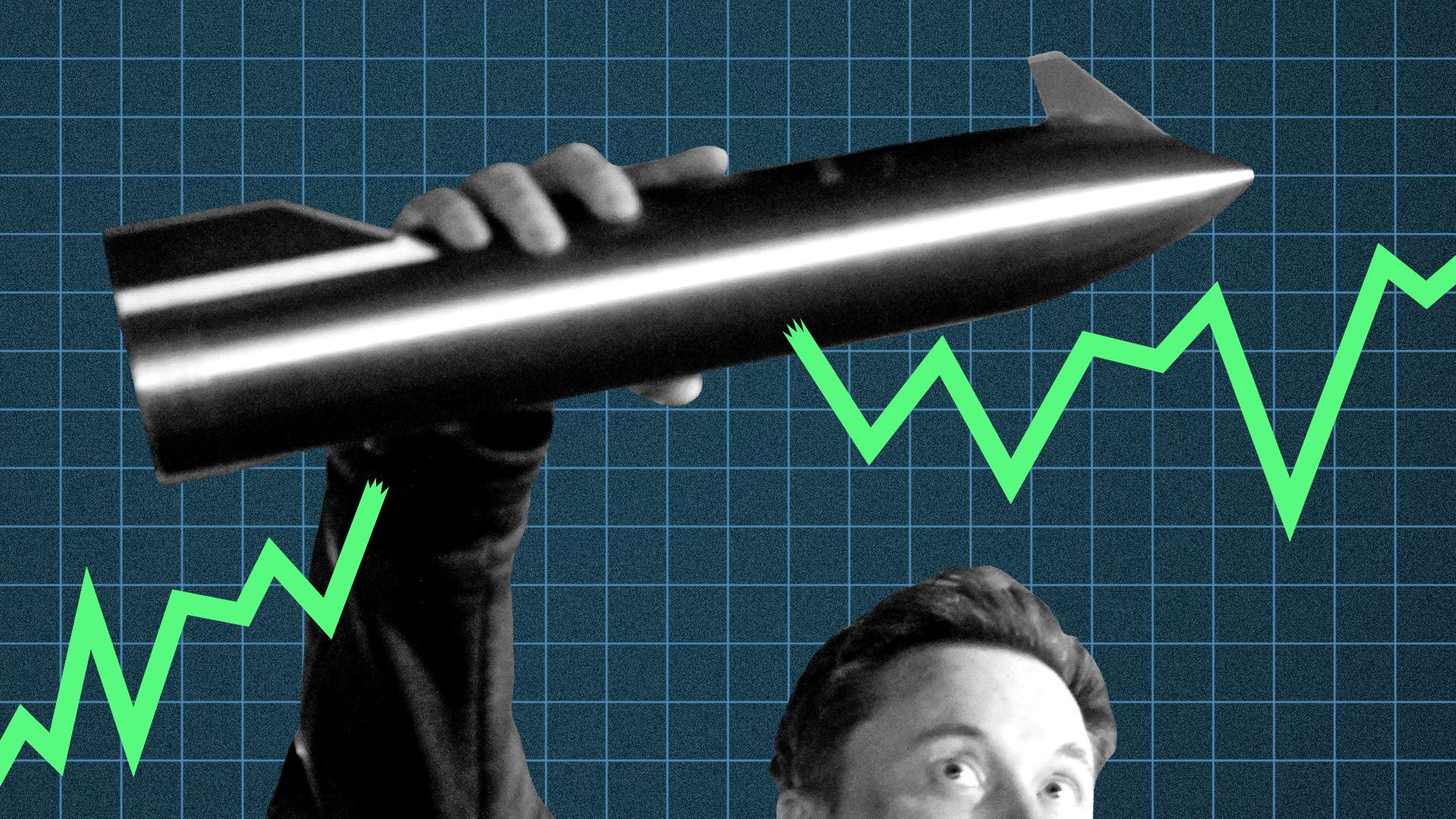
Elon Musk's $1 trillion-plus SpaceX isn't a public company yet, but its size and ambitions are already upending the stock market and sparking questions over the power and influence wielded by such behemoths.
Why it matters: The IPO, expected next month, would signal the start of a new AI era for the public markets, potentially valuing SpaceX as much as $2 trillion.
Anthropic is putting new limits on what paying customers can do with their subscriptions, giving rival OpenAI an opening to lure power users to Codex.
Why it matters: The fight shows that "all-you-can-eat" AI subscriptions may not survive the agent era, where software can burn through computing resources far faster than humans ever could.
The big picture: Established datingapps and new startups are using AI to overcome the swipe fatigue that's forced the online dating industry to innovate. Through AI-assisted conversation starters, in-app assistants and AI-powered chemistry testing, the tech has many uses in the business of love.