Alphabet is going to spend more money on AI this year, and so are all the other hyperscalers that have reported earnings so far.
Why it matters: The shares of Alphabet bounced around in trading after hours as Wall Street digested a world where the ceiling on spending never comes.
But shares of companies that benefit from that spending rose.
Fandom has named Jay Sullivan, a former product leader at Twitter and Facebook, as its new CEO.
Why it matters: The appointment underscores how traditional websites are adapting to an era where audiences spend more time interacting with AI answer engines and watching social video.
Anthropic is pledging to keep advertising out of Claude, alongside a Super Bowl spot that takes a direct shot at competitors like OpenAI integrating ads into their chatbots.
Why it matters: This could become the key differentiator for AI brands: those that become ad platforms and those that don't.
Texas Instruments on Wednesday agreed to buy Silicon Laboratories, an Austin, Texas-based chipmaker with a particular focus on the Internet of Things, for $7.5 billion in cash.
Why it matters The semiconductor market keeps consolidating, even within the analog world.
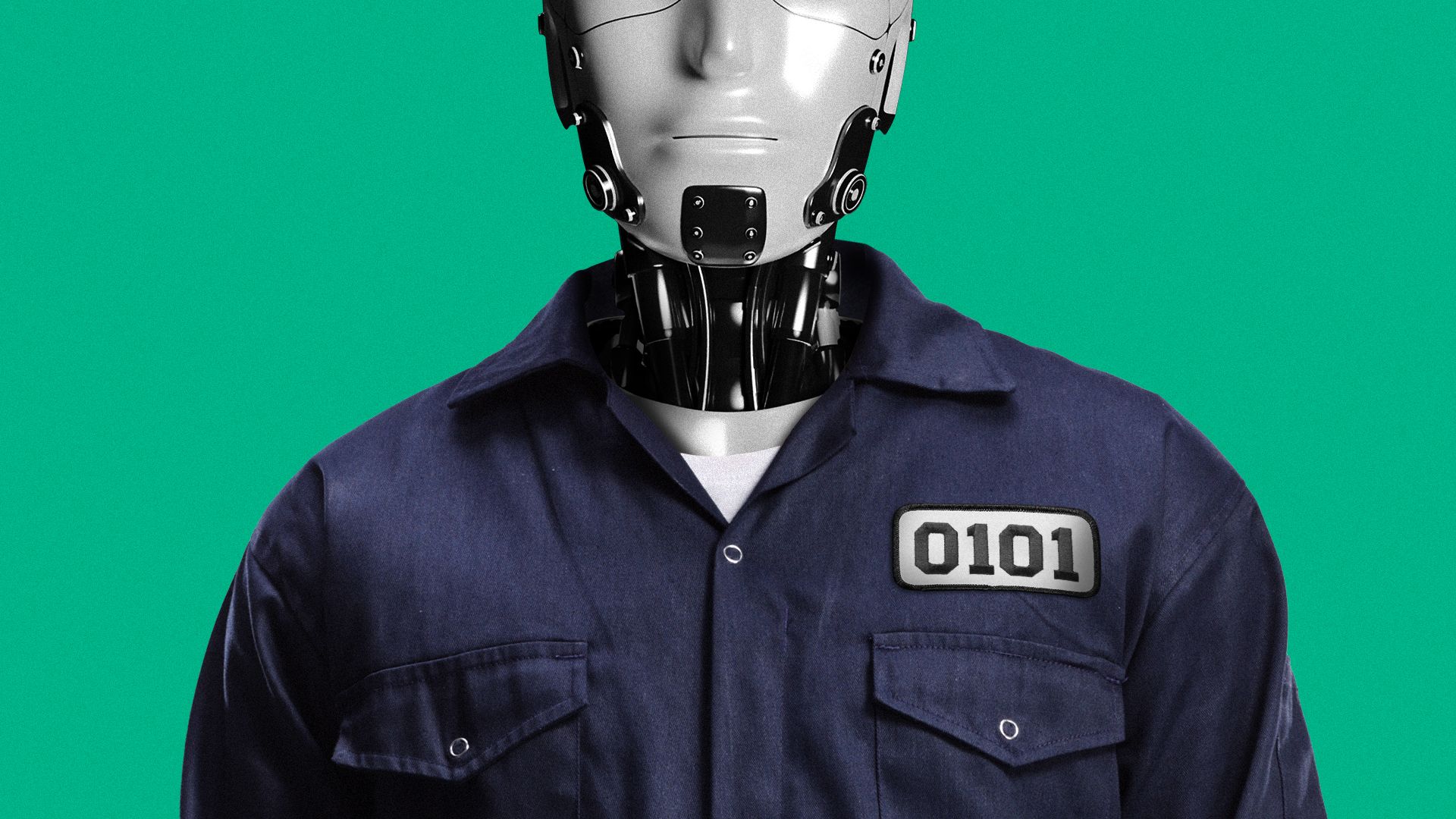
Machina Labs raised $124 million and will use a significant chunk of the money to open a robotic manufacturing facility that will initially pump out missile structures and airframes, CEO Edward Mehr told Axios.
Why it matters: It's additional fuel for the reindustrialization fire.
"We're going to see a reinvigoration of blue collar — but it's a different blue collar," Mehr said.
In a few short years the drone zeitgeist has dramatically changed, from how they're used to where they're used, according to Doodle Labs co-CEO Amol Parikh.
"Because we are in so many different types of systems and we're vehicle-agnostic, I have the perspective that we have to pay attention globally," he told Axios in an interview.
"It is across Latin America. It is across the Asia-Pacific, the Middle East. There are conflict zones, specifically, that we all know."
Why he matters: Doodle's radios are used across commercial and defense markets, including aboard Red Cat's Black Widow drone and on the front lines in Ukraine.
With the 2026 Winter Olympics just a few days away, athletes from around the world are settling into the Olympic Village: sampling the food, exploring the mediation rooms and recreation areas and — of course — trying to score the coolest pins.
Why it matters: The village isn't just where the athletes sleep, but also where they train, eat and get to know their fellow athletes.
Natural gas is the clear winner in a fast-moving push to generate power directly at data centers, a new report finds.
Why it matters: These are billion-dollar bets that last decades — and doubling down on fossil fuel today locks in more globalwarming far into the future.
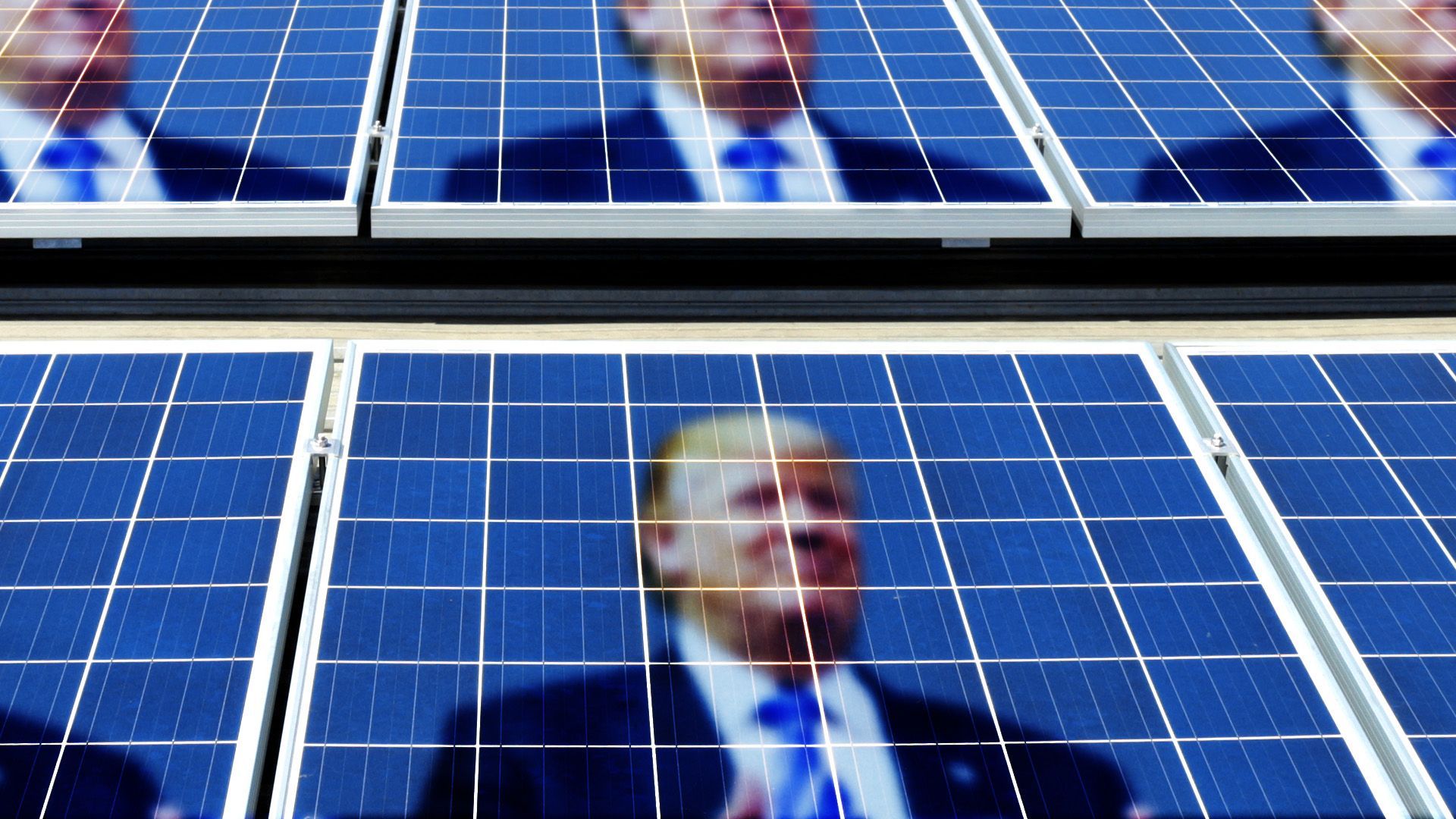
A majority of Trump-coalition voters back solar power, especially if the panels are made in the U.S. and without Chinese materials, polling shared exclusively with Axios shows.
Why it matters: Trump officials are moving against renewables on several fronts, including Interior Department permitting restrictions and the GOP budget law hastening the end of project subsidies.
Facebook's meteoric rise two decades ago offers OpenAI a rich but potentially treacherous playbook for the ChatGPT maker to defend and expand its lead in the consumer AI market.
Why it matters: Facebook, now Meta, turned its billions of users' personal data into an advertising goldmine — and that road looks like OpenAI's most likely path as it seeks to fund its fabulously expensive operations.
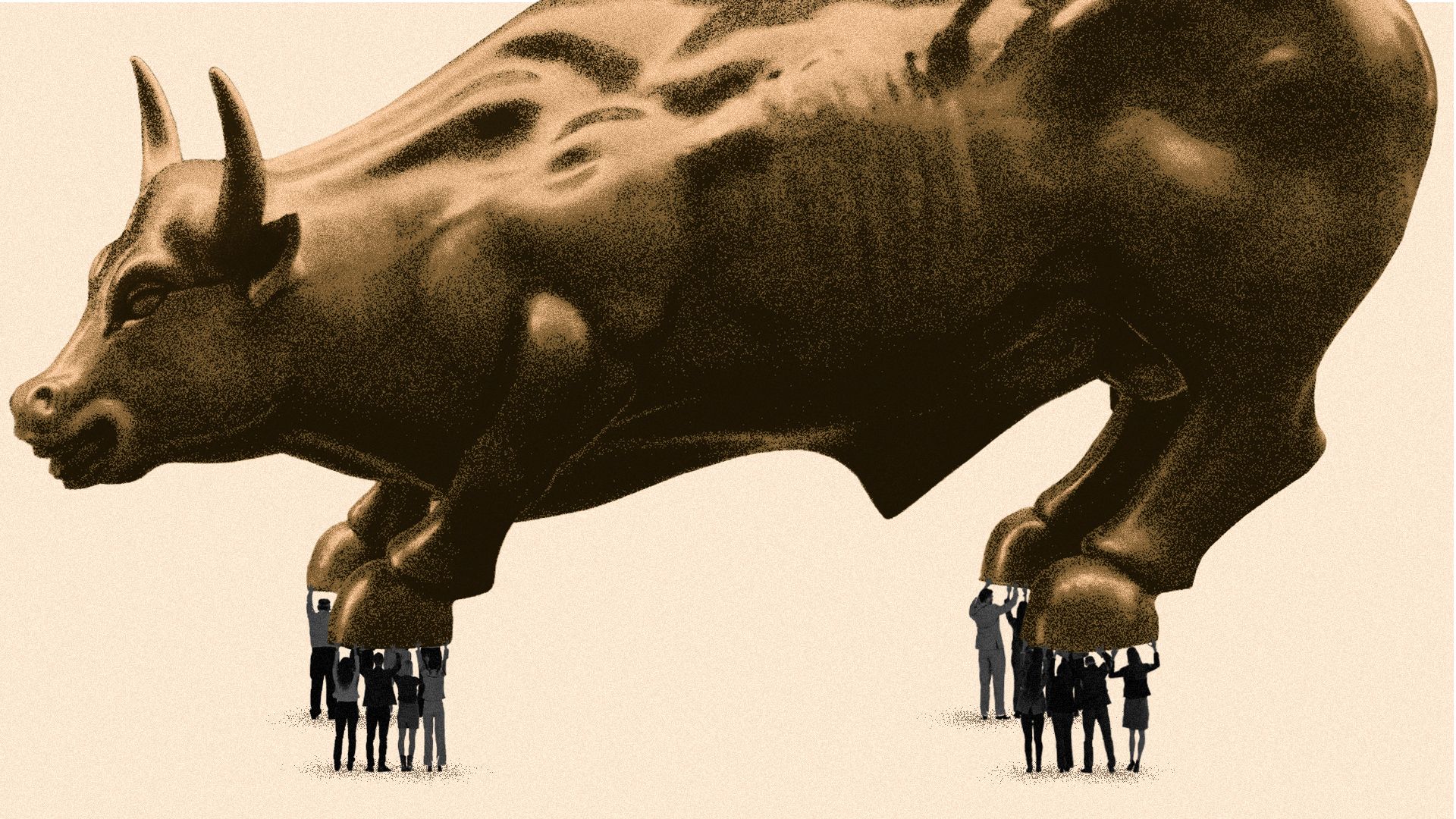
Once called "dumb money," everyday investors — people trading via Robinhood, Schwab and the like — are now collectively big enough to have sway over the direction of markets.
Why it matters: That power can come with real risks for this herd of retail investors and potentially for the economy if they pile into an investment that goes terribly wrong.