Walmart is publicly revealing for the first time how it's policing its third-party Marketplace — sharing exclusively with Axios the efforts it takes to block counterfeit goods and keep consumers safe.
Why it matters: With more than 500 million items listed on Walmart's site, the retail giant is leaning into transparency as lawmakers and regulators ramp up scrutiny of online marketplaces.
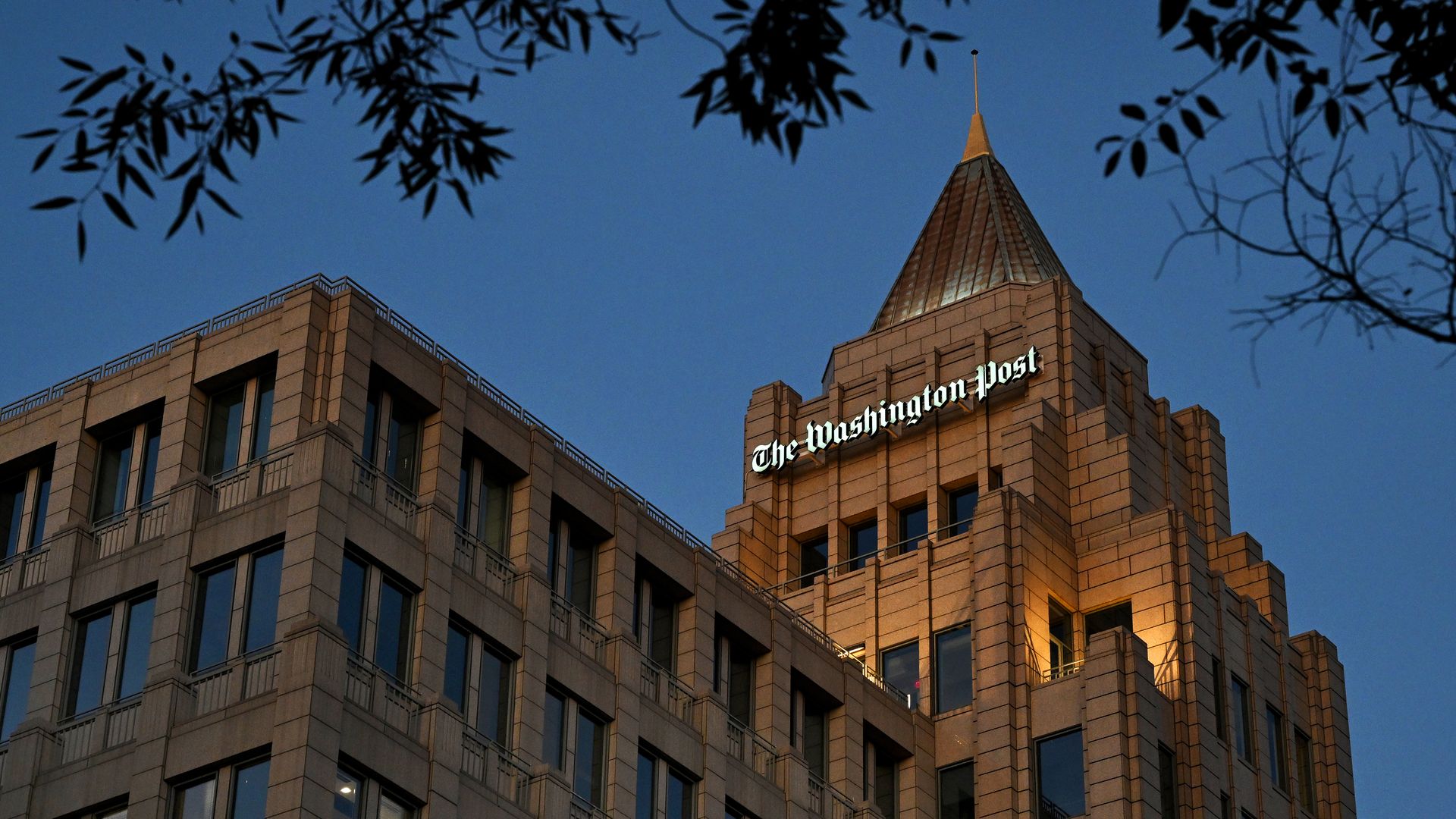
A slew of Washington Post opinion columnists and journalists are taking buyouts, as the company weighs changes to the section under new management.
Why it matters: Opinion staffers told Axios the lucrative buyouts appear designed, in part, to help the Post cut down on the number of columnists it employs full time in favor of more audio and video talent.
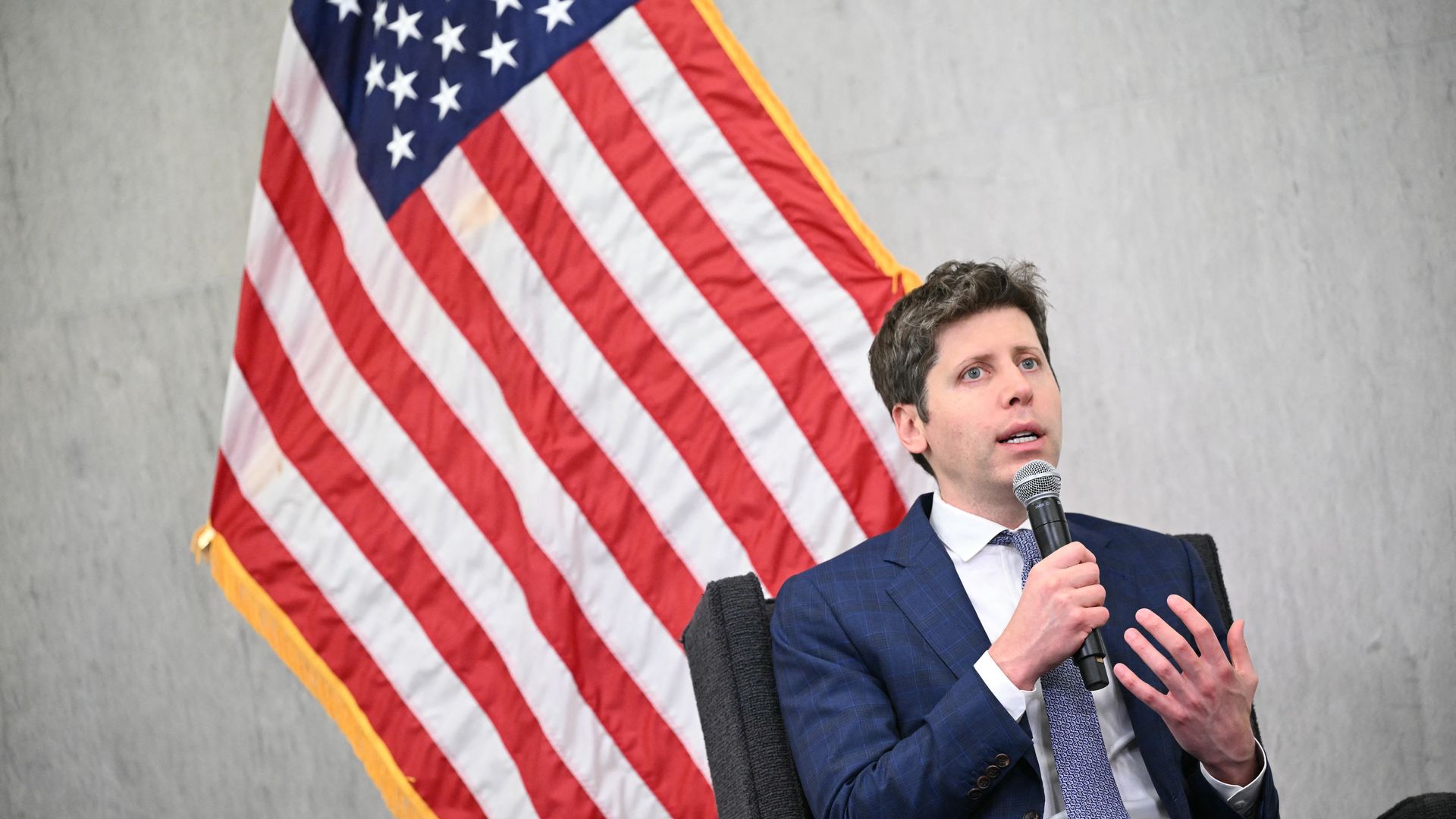
OpenAI CEO Sam Altman says he is nervous about an imminent fraud crisis, warning that bad actors using AI to gain access to consumer accounts is coming "very, very soon."
Why it matters: Altman said society is unprepared for how quickly the technology is evolving and called for an overhaul of how consumers get into personal accounts.
A critical flaw in a major Microsoft document storage tool is hitting the organizations least able to defend themselves, security researchers and incident responders tell Axios.
Why it matters: Schools, hospitals and government agencies are "sitting ducks" as they determine whether their servers have even been affected, one security executive said.
At least three China-based hacking teams have been exploiting a previously unknown flaw in Microsoft SharePoint since at least July 7, the company said in a blog post.
Why it matters:Microsoft and security researchers didn't uncover the vulnerability until this past weekend, leaving thousands of customers exposed to potential nation-state hacking.
With the exception of Bluesky CEO Jay Graber and Signal CEO Meredith Whittaker, there are hardly any women leading major social media or messaging companies anymore.
Why it matters: Women and underrepresented groups are some of the internet's most active and engaged users, but they also tend to be the biggest targets of online abuse.
DOE's Oak Ridge National Lab and the AI startupAtomic Canyon will announce a collaboration Tuesday to streamline licensing for new nuclear plants.
Why it matters: Navigating the Nuclear Regulatory Commission process is complex and time-consuming, even as U.S. power demand rises and hyperscalers seek new electrons for AI data centers.
Health Secretary Robert F. Kennedy Jr.'s push to overhaul government health programs is extending to the troubled U.S. organ donation system.
Why it matters: Congress and past administrations have tried to address problems like long wait times and cases of lost or destroyed organs. Kennedy is now latching onto dozens of instances in which organ removal for donation was reportedly started while donors still showed signs of life.
Three Democratic senators wrote to Delta Air Lines CEO Ed Bastian Monday to raise concerns about company plans to use AI to set individualized fares, which the airline maintains won't target customers with offers based on personal details.
Why it matters: Sens. Ruben Gallego (D-Ariz.), Mark Warner (D-Va.) and Richard Blumenthal (D-Conn.) wrote that Delta's personalized "current and planned individualized pricing practices" would present data privacy concerns and "likely mean" fare price rises "up to each individual consumer's personal 'pain point'" at a time when many families were struggling.
We write and talk a lot about the rise of AI superintelligence machines that'll be much smarter than humans — and the technology's impact on society and traditional journalism.
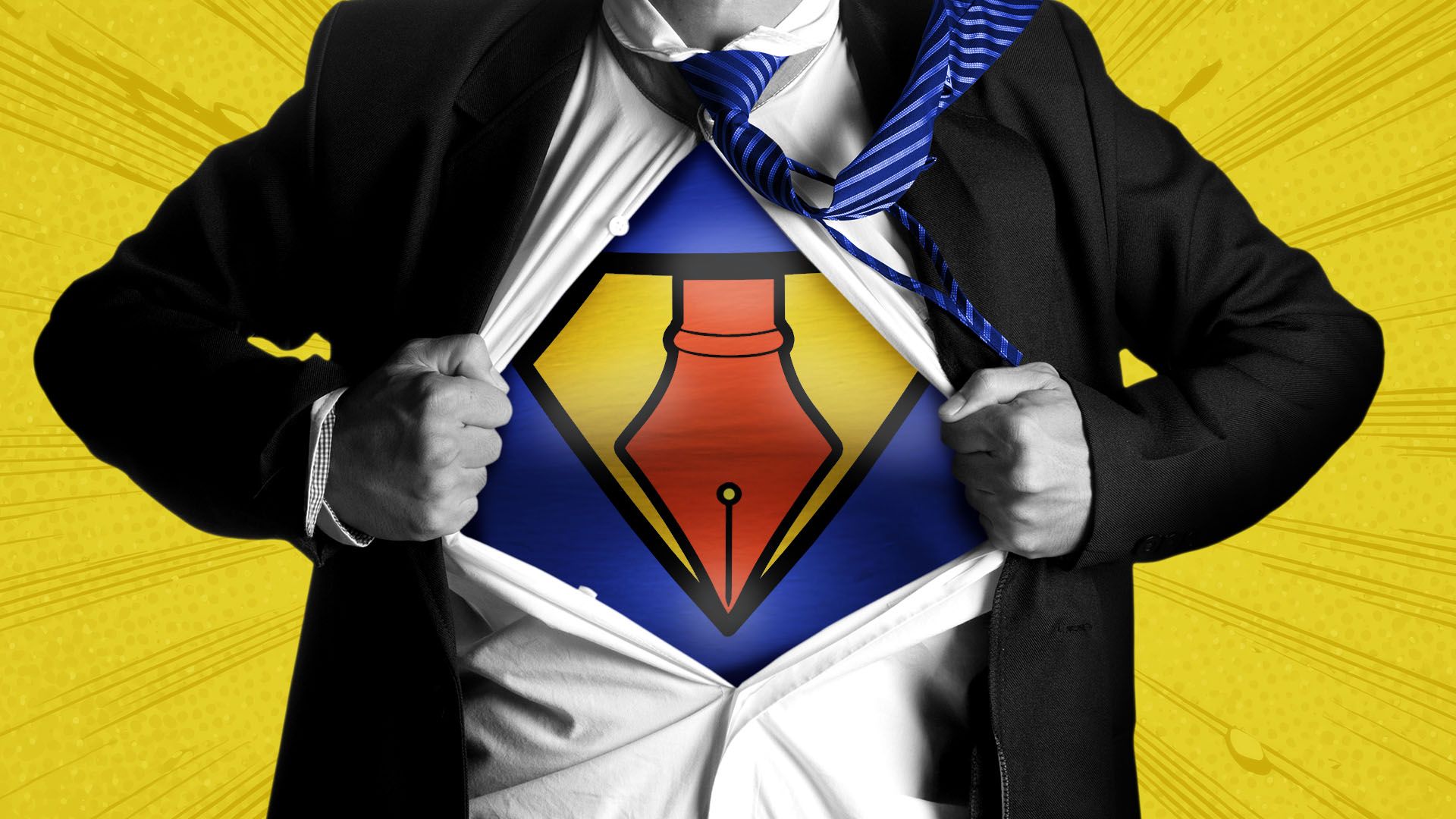
In this column, we'll delve into the rise of what we call Super Journalists — reporters with sourcing, expertise, nuance and connections no machine can possibly match.
Why it matters: We believe Super Journalists will dominate media in the AI era.